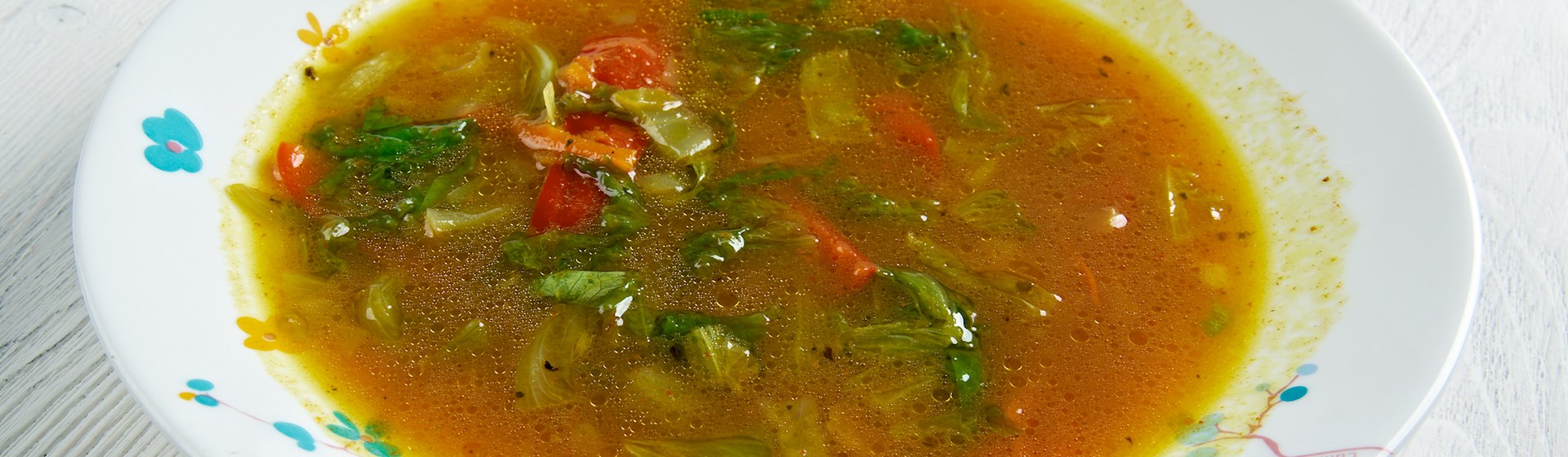
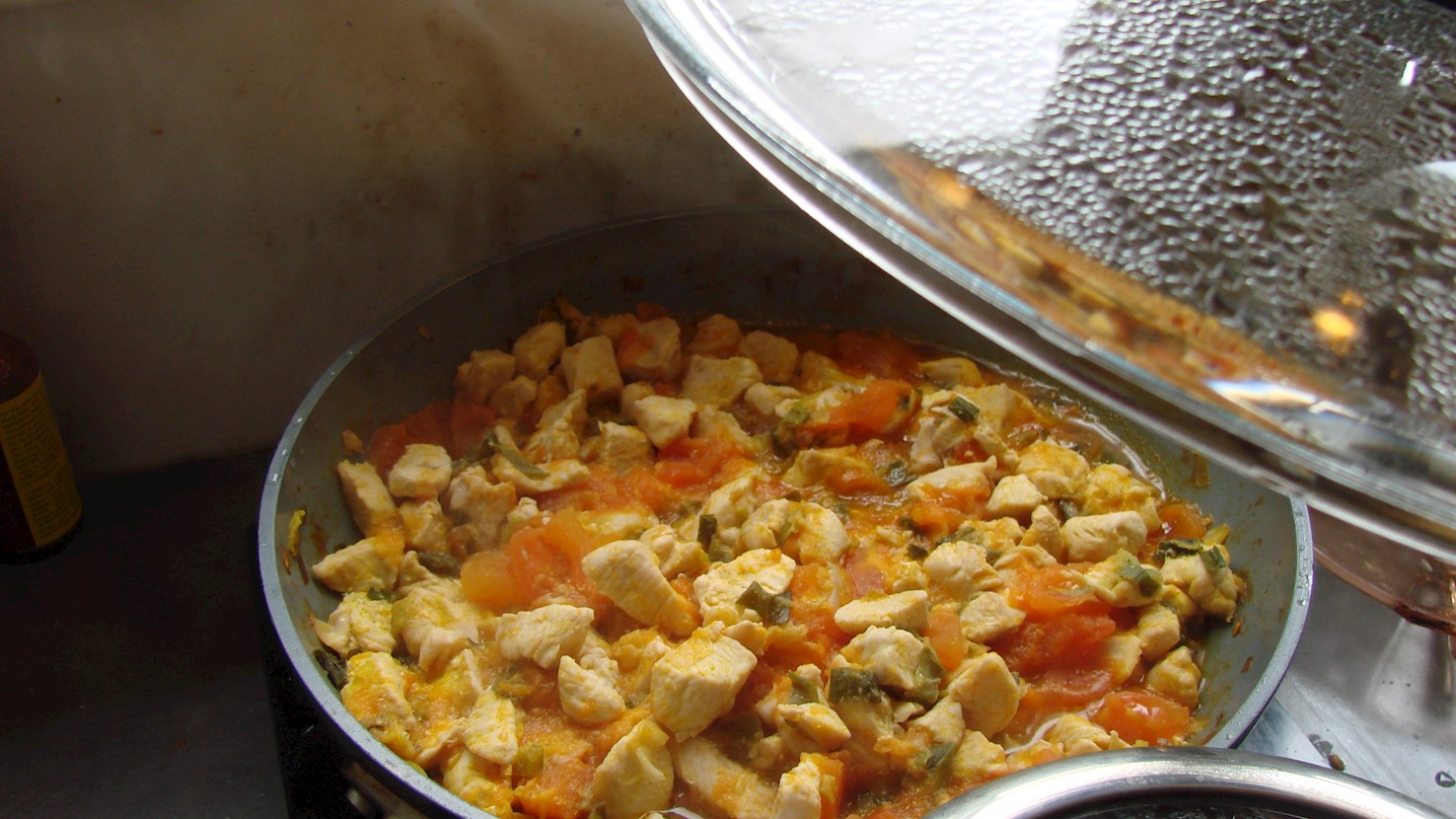
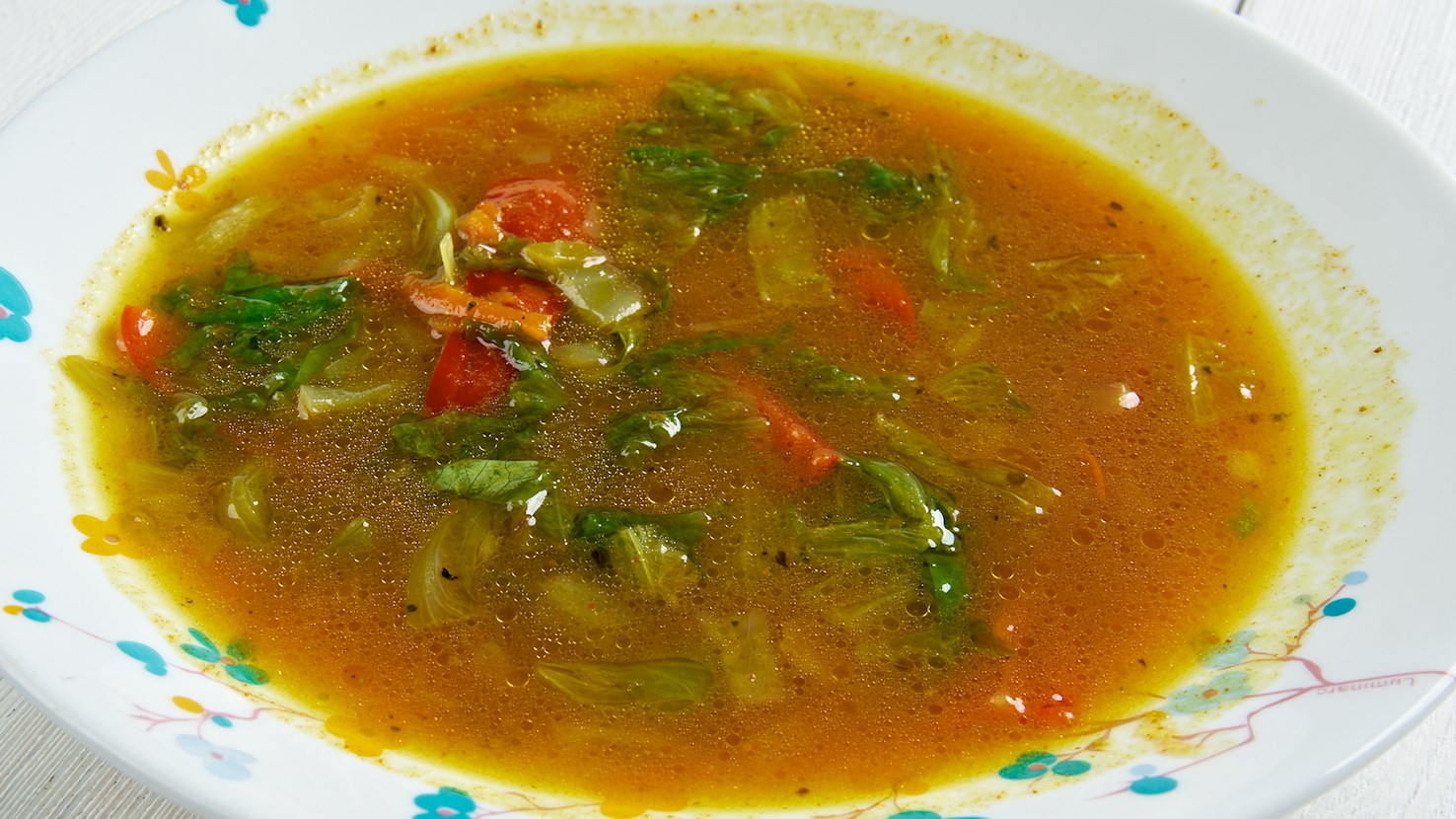
Jasha maroo is a traditional dish consisting of diced chicken that is cooked with garlic, ginger, chiles, and tomato sauce. This combination of ingredients is usually served on top of red or brown rice. The dish is quite spicy, as most of Bhutanese dishes usually are, since the most distinctive characteristic of Bhutanese cuisine is its spiciness. Along with chili peppers, rice is another staple of many Bhutanese dishes, so it is common to find it accompanying many meat dishes in Bhutan.
Dathsi is a traditional cottage cheese made from cow's or yak's milk. The process of making Datshi cheese consists of several steps, the first being the preparation of dahi (a type of curd) from raw milk. Dahi is then turned into mar (a type of butter), and the liquid buttermilk residue of that process, called mohi, is heated until it starts to coagulate, forming clumps. These clumps are known as dathsi, and in the final step, they are drained through a cloth and formed into small cheese balls. These have a slightly tangy and nutty flavor and a firm and crumbly texture. Datshi is often paired with spicy chili peppers, which is a signature feature of Bhutanese cuisine, or used in soups and stews, as well as in stir-fries and curries. It can also be served on its own as a snack or as a side dish.
Easy to prepare, yet extremely nourishing, kewa datsi is a traditional dish consisting of potatoes stewed with cheese, onions, and chilis. It is usually served with rice or flatbreads such as puri. The dish can be mild or hot, depending on the amount of chillis added, but it is generally less hot than ema datsi, another popular Bhutanese dish, which is why kewa datsi is preferred by most children and foreigners. Since potato consumption in Bhutan was quite low until the 1970s, when farmers started growing it for export, it can be said that kewa datsi is a relatively new Bhutanese dish that became popular over the last few decades.
Ema datsi is an exotic, intensely flavorful and spicy national dish of Bhutan. It is simplicity itself, focusing on two main ingredients - hot chilis (ema) and cheese (datshi). Bhutanese cuisine is not heavy on seasonings, but they prefer to add lots and lots of chili peppers, beloved throughout the country and eaten both cooked and raw. Served alongside almost every meal in Bhutan, usually with red rice, and scooped up with pieces of Tibetan senkong, the result is a cheesy, soupy sauce with peppers. Cooked in boiling water, with addition of onions, tomatoes, and garlic, this extremely spicy dish is guaranteed to make the consumer sweat.
Shamu datshi is a flavorful Bhutanese stew consisting of various types of mushrooms stewed in a combination of water, oil, and green chilis. Cheese is added in the end and left to melt slowly with other ingredients. When served, it is recommended to pair shamu datshi with hot rice or crusty bread on the side.
Phaksha paa is a deeply spiced, slow-simmered stew that has thick slices of pork, whole dried red chilies, and large chunks of daikon radish as key ingredients. Large strips of pork—often featuring a thick layer of fat—are submerged in a pot of boiling water alongside crushed ginger, raw garlic cloves, and a pinch of salt. This initial boiling slowly breaks down the dense connective tissues while creating a rich pork broth. As the liquid reduces, large quantities of whole dried red chilies and thick half-moons of white daikon radish are added to the hot pot. The radish absorbs the pork fat and the sharp heat from the chilies, softening completely without losing its structural integrity. Leafy green vegetables, specifically bok choy or spinach, are often added to the boiling liquid in the final minutes to wilt slightly and provide a fresh contrast to the rich meat. The roots of this heavy stew lie deep within the agricultural practices of the high-altitude Himalayan valleys, specifically inside the borders of modern-day Bhutan. Before the advent of modern refrigeration, local communities relied entirely on air-drying and smoking meat over open hearths to ensure a stable protein supply during the freezing, isolated winter months. Boiling these tough, dehydrated cuts in water alongside hardy root vegetables naturally emerged as the most effective method for rehydrating the flesh and extracting maximum flavor. While fresh pork serves as the primary base today, an incredibly popular alteration swaps the fresh meat entirely for sikam—translucent ribbons of air-dried, smoked pork belly—resulting in an intensely chewy texture and a highly concentrated, smoky profile. Customizing the exact ingredients happens regularly, depending on seasonal availability and local climate. In colder, high-altitude zones, sturdy winter greens replace delicate spinach. Some toss in a handful of local fermented cow milk cheese right before serving, melting the dairy directly into the fat to create a thick, creamy coating over the pork and radishes. For others, crushed tree tomatoes also go into the boiling pot, introducing a sharp fruitiness that cuts directly through the heavy animal fats. Sichuan peppercorns are occasionally included, adding a numbing, floral spice that completely changes the heat profile. Once the thick stew has finished simmering, the entire pot moves directly to the table. A large dome of nutty, firm red rice always accompanies the hot pork, acting as the primary starch meant to soak up the spicy, oil-rich broth. Slices of raw red onion and extra wedges of fresh green chilies routinely sit on a side plate, providing a sharp, raw crunch to reset the palate between bites of the slow-cooked meat. A steaming cup of suja, a salty tea churned with fresh butter, frequently sits right beside the plate to wash down the intense spices.
TasteAtlas food rankings are based on the ratings of the TasteAtlas audience, with a series of mechanisms that recognize real users and that ignore bot,
nationalist or local patriotic ratings, and give additional value to the ratings of users that the system recognizes as knowledgeable.
For the “Top 6 Bhutanese Foods” list until July 01, 2026, 20 ratings were recorded, of which 18 were recognized by the system as legitimate.
TasteAtlas Rankings should not be seen as the final global conclusion about food. Their purpose is to promote excellent local foods,
instill pride in traditional dishes, and arouse curiosity about dishes you haven’t tried.