

shutterstock

Top 5 Bicolano Foods

Last updated on July 22, 2026
01
Stew

Pinangat

3.4 ·

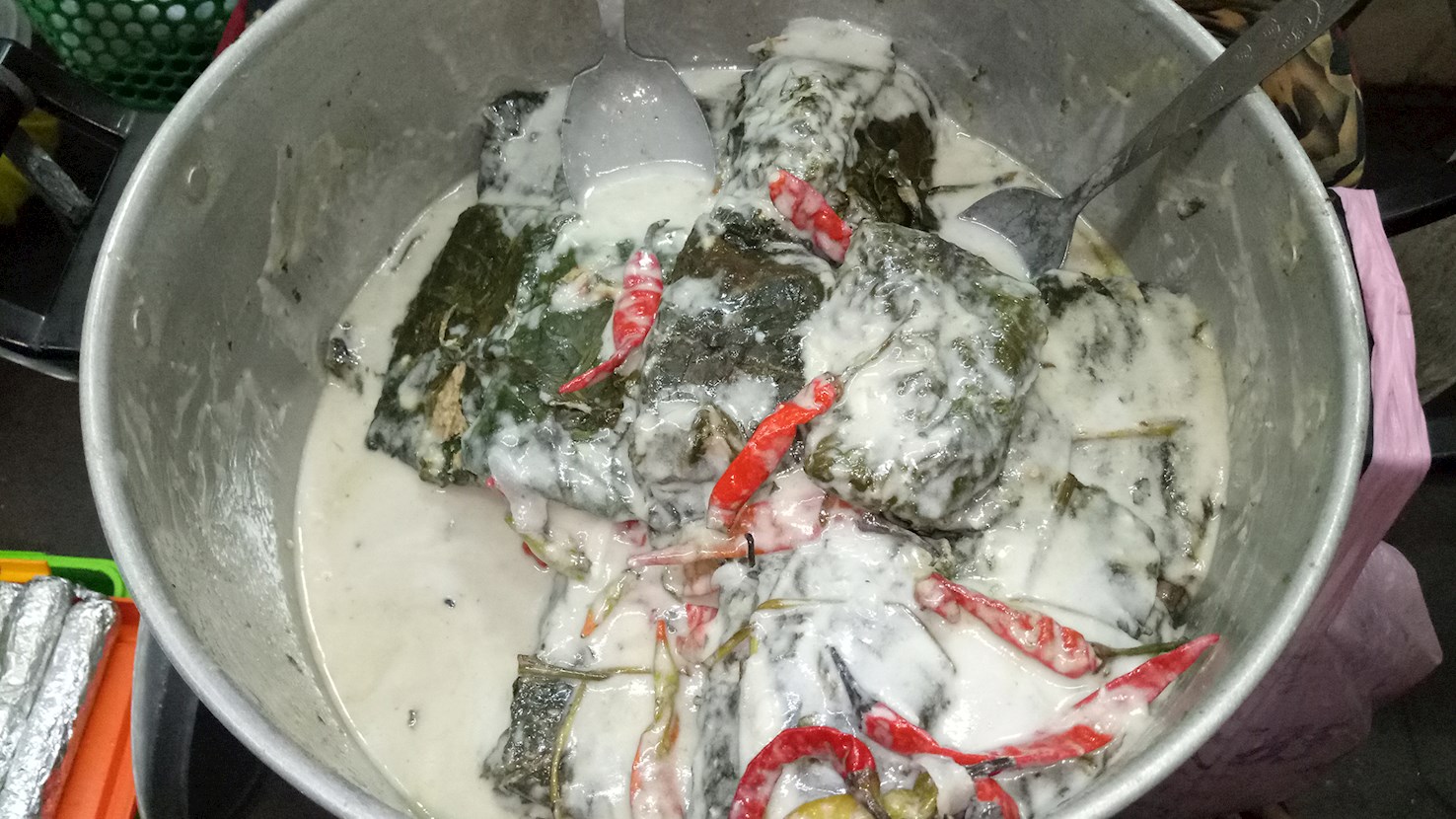
Pinangat is a popular Filipino stew that is prepared in two main versions. The sour version is prepared with fish, bilimbi, tamarind, and vinegar, while the Bicol region version is prepared with coconut milk, taro leaves, hot chili peppers, and fish (sardines, catfish, or tuna). Bicol region is abundant with taro leaves, so it is unsurprising that taro is a key ingredient in many Bicolano delicacies. Pinangat is served with a variety of toppings, and is usually ladled over rice. Cooking the dish is an easy process that only requires combining all of the ingredients and cooking them together, which is one of the main reasons for its popularity. The name laing is a Manila term for Bicol's pinangat, and the Manila version traditionally uses pork and spices.

02
Noodle Dish

Kinalas

2.9 ·

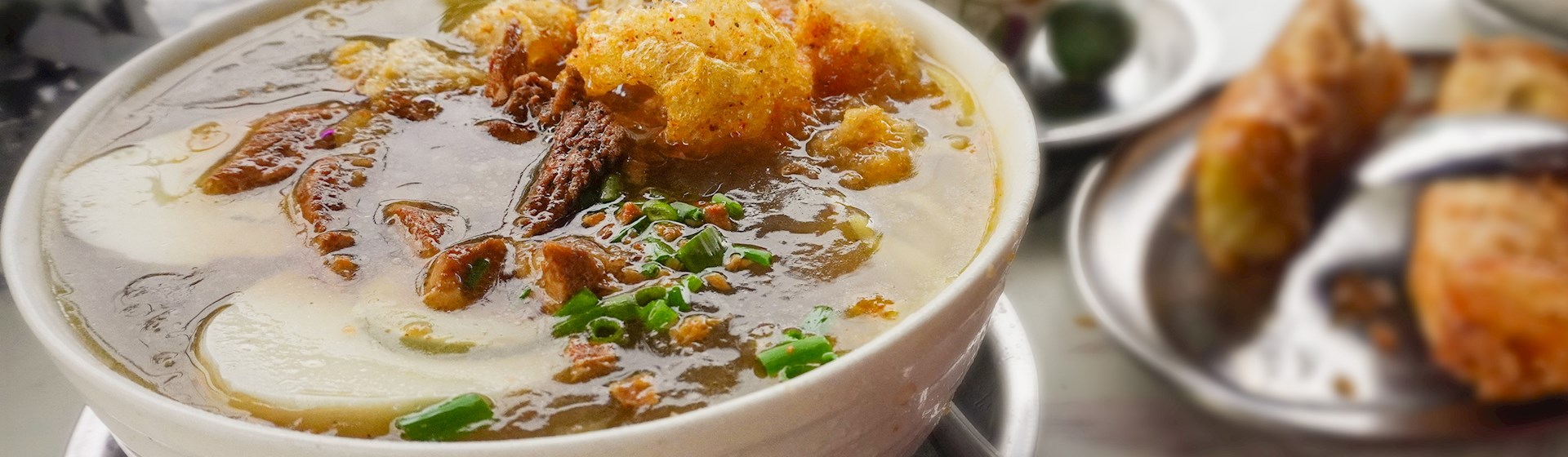
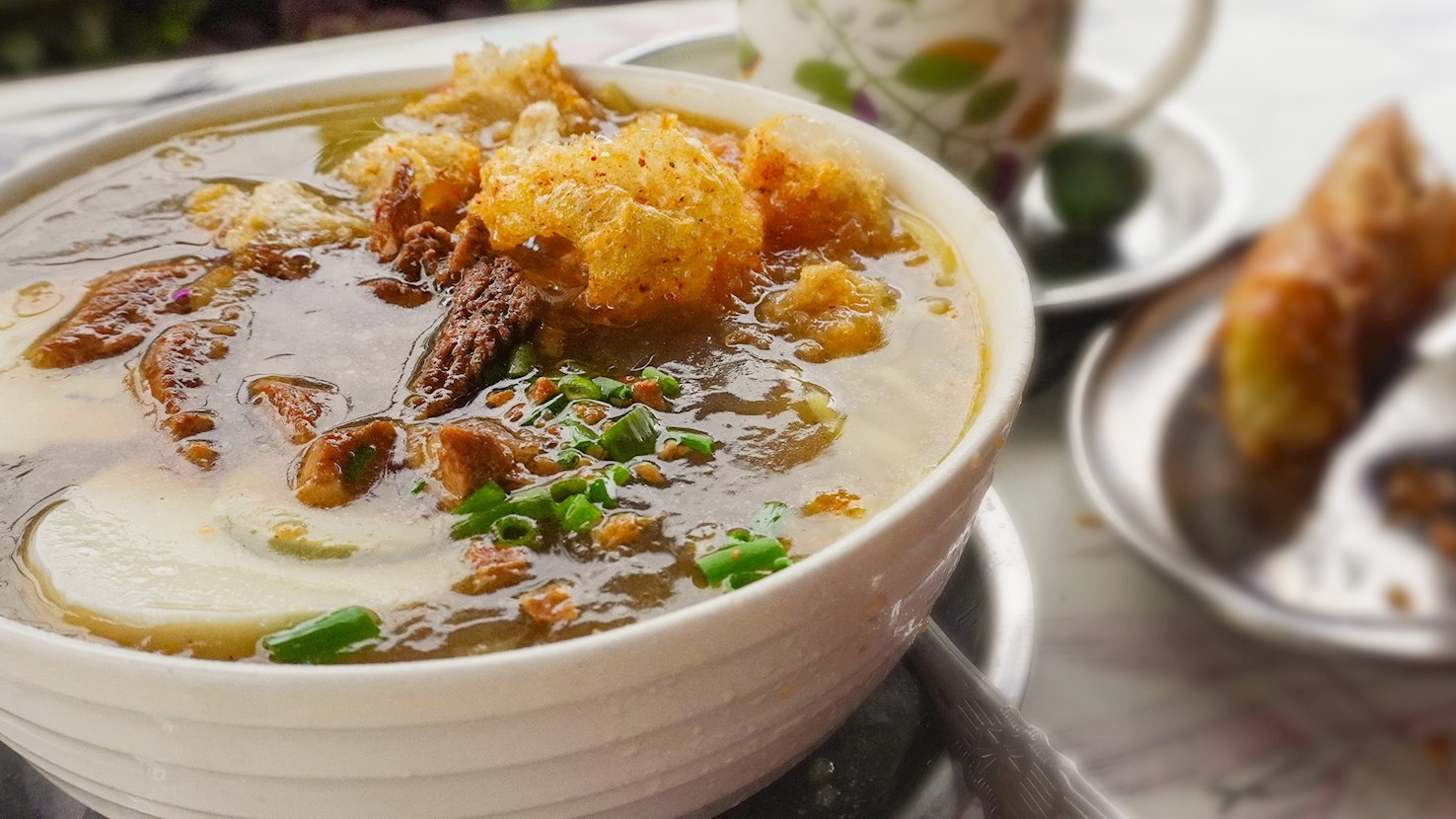
Kinalas is a traditional dish originating from the Bicol area. It's made with a combination of noodles, spices, pork or beef brains, and scraped meat from pork or beef head. This noodle soup is served in a shrimpy, garlicky brown gravy consisting of dried shrimps, vinegar, garlic, shallots, soy sauce, and fish sauce. Kinalas is often garnished with spring onions, fried garlic, or chili peppers, but some people like to add a hard-boiled egg on top. The dish is always served hot, and its name is derived after the Bicolano word kalas, meaning to remove the meat from the bones.

03
Stir-fry

Pancit Bato

3.9 ·

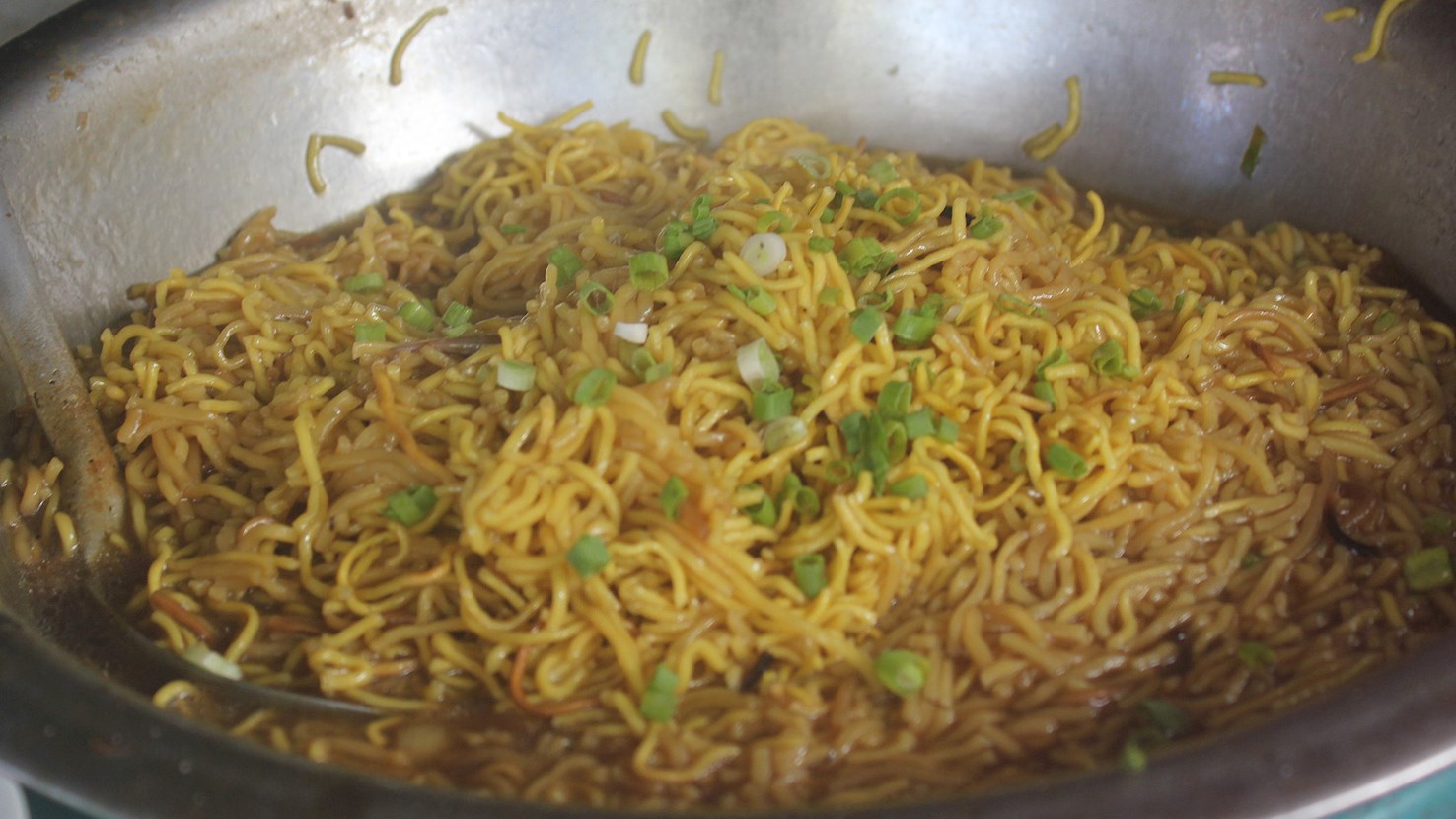
Pancit Bato is a traditional type of Filipino pancit originating from the town of Bato, hence the name. This noodle soup is usually made with a combination of sun-dried pancit Bato egg noodles, carrots, peas, cabbage, pork slices, oil, salt, pepper, and chicken stock. The pork is sautéed in oil, then covered with the chicken stock and simmered until tender. The cabbage, noodles, peas, and carrots are added to the soup and it is then seasoned with salt and pepper. Once prepared, pancit Bato is served warm in large bowls. There are some variations on the dish with added shrimp and fish sauce.

04
Saltwater Fish Dish

Kinunot

n/a ·

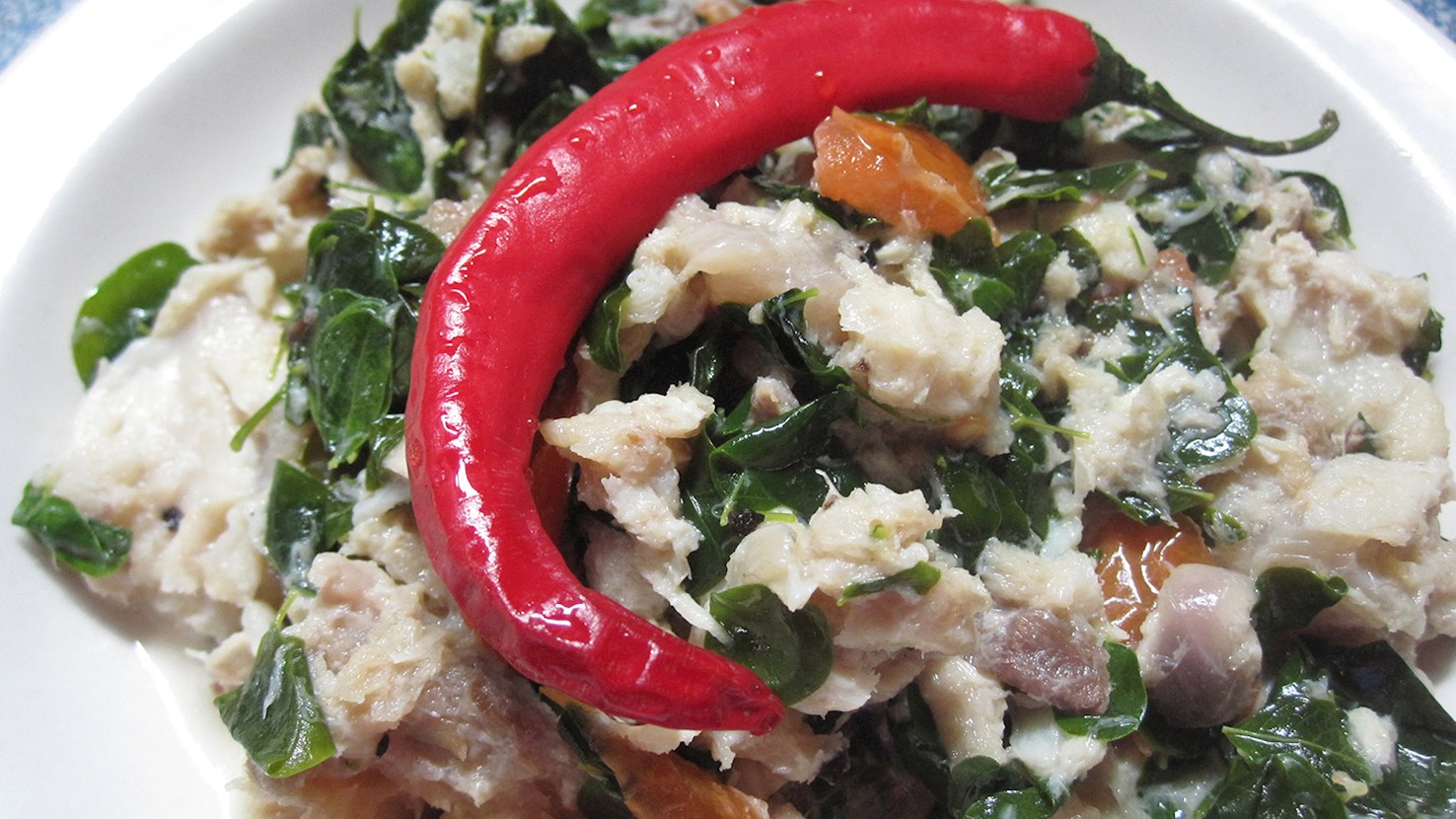
Kinunot is a traditional dish originating from the Bicol province. The dish is made with a combination of fish (usually stingray or shark), coconut milk and cream, onions, garlic, malunggay (moringa) leaves, ginger, vinegar, hot chili peppers, and fish sauce. The fish is flaked and mixed with the other ingredients which are then cooked in coconut cream sauce with spices. Kinunot is very popular in Bicol because chili peppers, coconuts, and seafood are abundant in the area. It's often served with steamed white rice on the side. The name of the dish is a Bicolano term for flaking (the fish, in this case).

05
Freshwater Fish Dish

Sinanglay

n/a ·

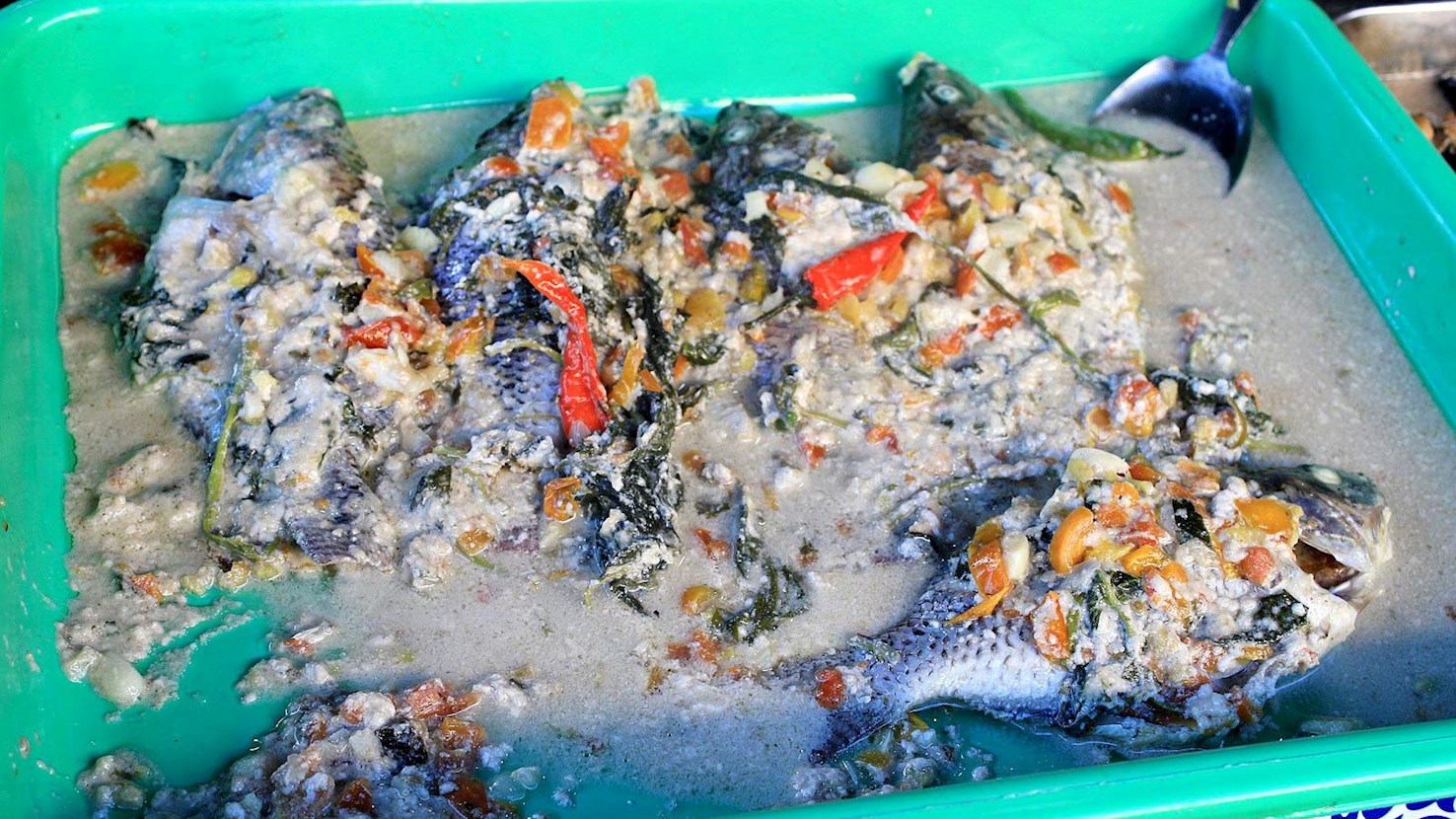
Sinanglay is a traditional dish originating from the Bicol area. The dish is usually made with a combination of fish (usually tilapia), tomatoes, onions, garlic, ginger, chili peppers, bok choy, coconut milk, and salt. The fish is typically stuffed with onions, tomatoes, ginger, and garlic. It is then wrapped in leafy greens (such as bok choy, mustard greens, or taro leaves) and cooked in a mixture of coconut milk, chili peppers, and salt. Sinanglay is simmered until the liquid is reduced, and it's then served with steaming hot rice on the side. The dish can also be made with other types of fish such as red snapper (maya-maya), pompano, catfish (hito), and milkfish (bangus).

Read more
View all
View map
About this ranking

TasteAtlas food rankings are based on the ratings of the TasteAtlas audience, with a series of mechanisms that recognize real users and that ignore bot, nationalist or local patriotic ratings, and give additional value to the ratings of users that the system recognizes as knowledgeable. For the “Top 5 Bicolano Foods” list until July 22, 2026, 104 ratings were recorded, of which 53 were recognized by the system as legitimate. TasteAtlas Rankings should not be seen as the final global conclusion about food. Their purpose is to promote excellent local foods, instill pride in traditional dishes, and arouse curiosity about dishes you haven’t tried.

Similar lists