Sido Muncul is a leading Indonesian producer of traditional herbal remedies, supplements, and functional beverages, founded in 1951 in Semarang and developed into one of the most recognized brands in the jamu industry. The company combines Indonesia’s botanical heritage with modern pharmaceutical standards, using strictly controlled raw materials to ensure consistent quality and safety.
Sido Muncul operates a modern manufacturing facility employing several thousand people, maintains extensive nationwide distribution, and exports its products globally, positioning itself as a brand that successfully merges tradition, science, and contemporary consumer needs.
Kopi Luwak is a renowned Indonesian coffee company specializing in the production of premium civet coffee, commonly known as Kopi Luwak. Established in 1969, the company has dedicated decades to perfecting the art of coffee cultivation and processing.
Their signature product is derived from coffee cherries consumed and naturally fermented by wild civets, resulting in beans that are meticulously collected, cleaned, roasted, and ground to produce a rich, full-bodied coffee with unique flavor notes of caramel and chocolate. Kopi Luwak is committed to maintaining high-quality standards and ethical sourcing practices, ensuring that their coffee not only delivers an exceptional taste experience but also supports sustainable and humane production methods.
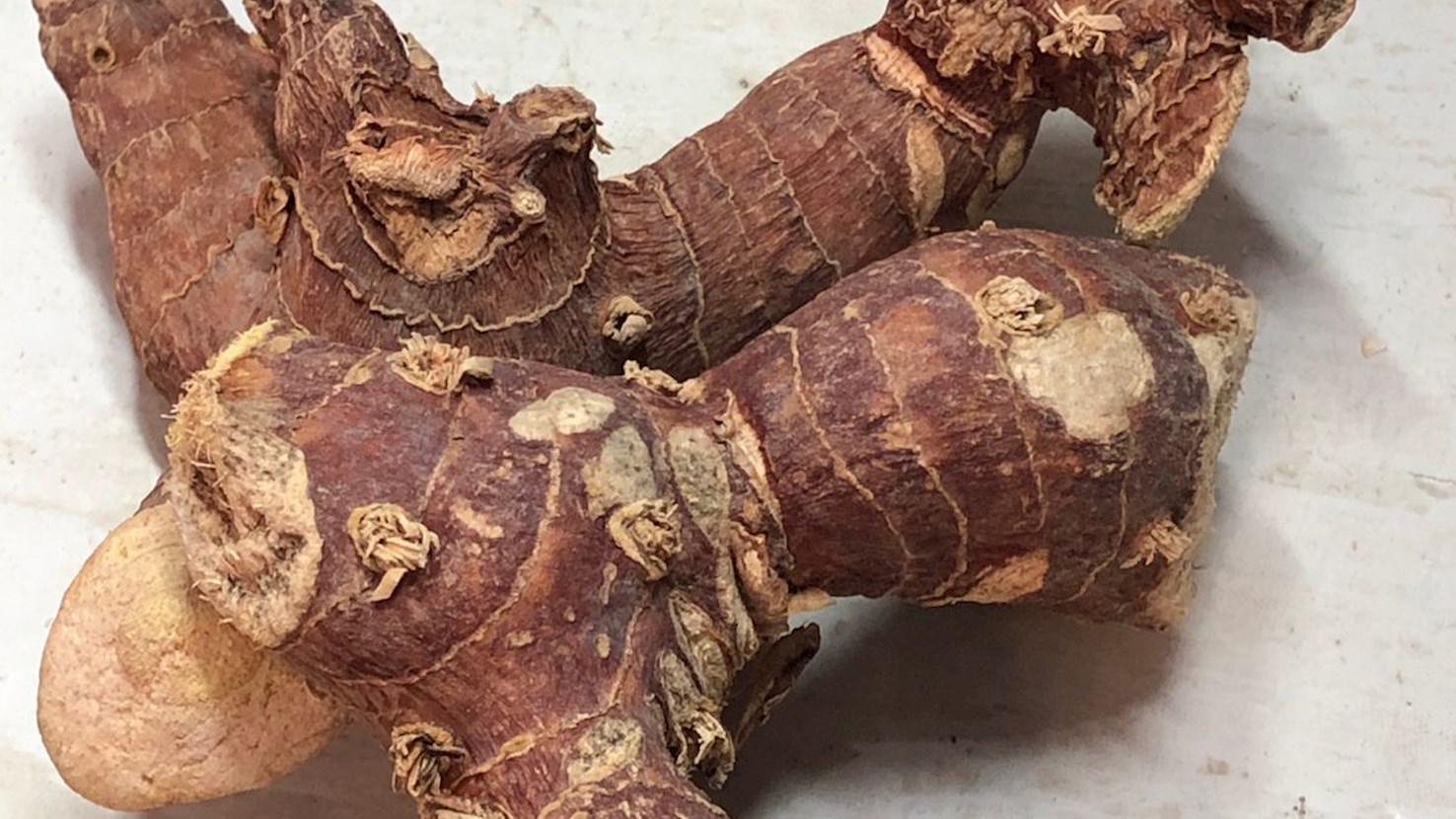
Argo Pandan Wangi is a premier Indonesian company specializing in the production and export of high-quality dried galangal. Their flagship product is meticulously harvested and processed to preserve its distinctive flavor and aroma, ensuring an unparalleled culinary experience.
The company is committed to sustainable farming practices and supports local farmers, reflecting their dedication to social responsibility. By choosing Argo Pandan Wangi, customers receive top-quality galangal while contributing to the well-being of local communities and the environment.
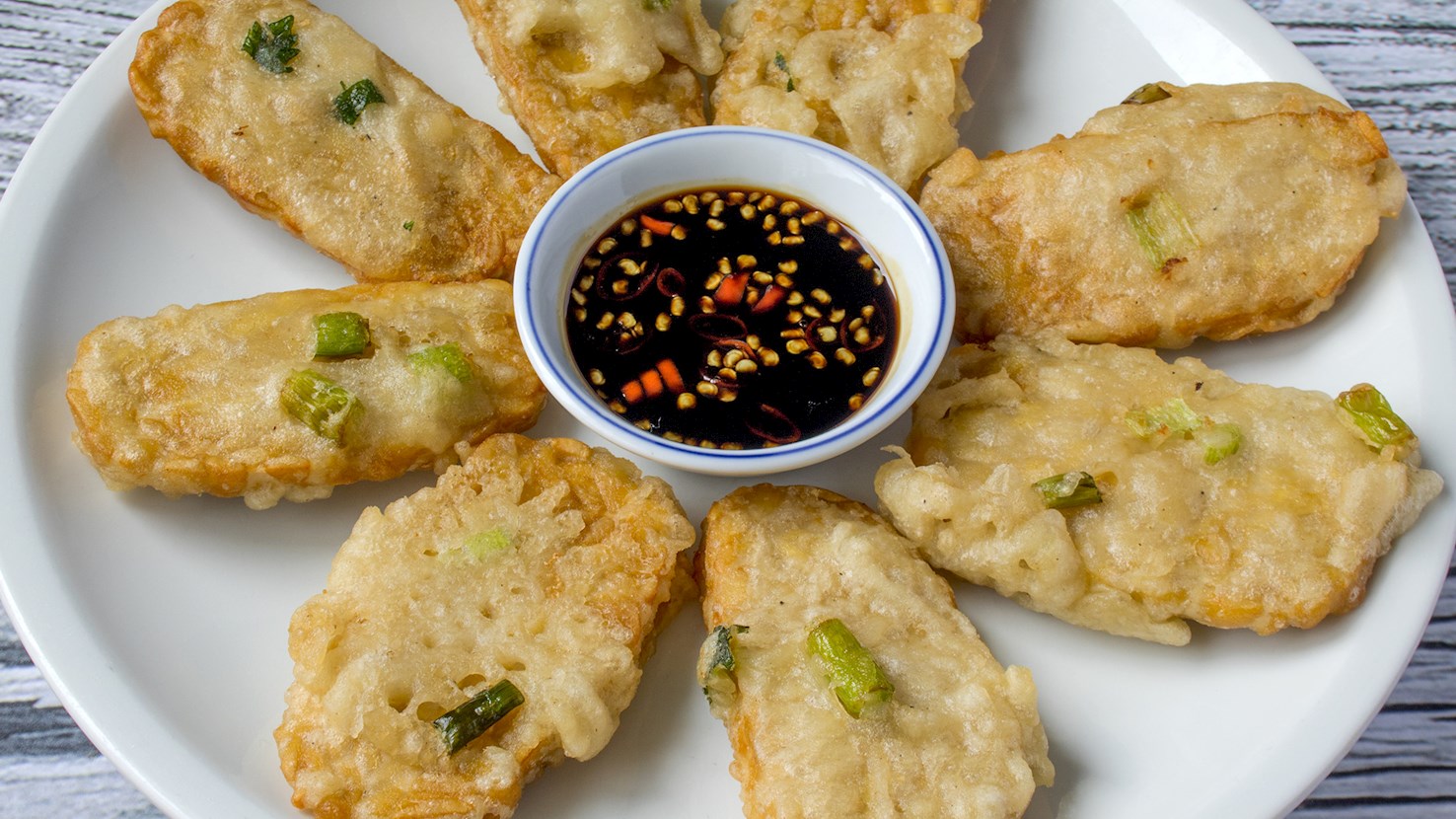
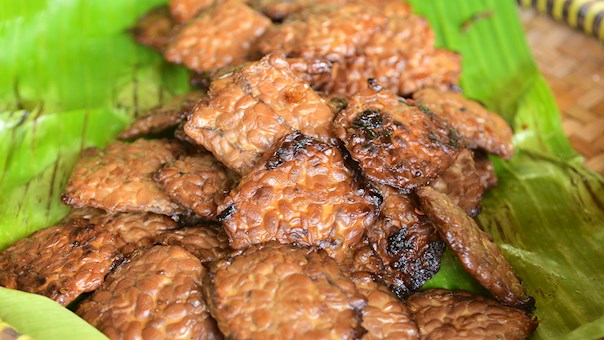
Tempeh mendoan is a variety of fried tempeh that hails from Purwokerto. Thin slices of tempeh—fermented soybean product—are dipped in batter that is enriched with ground coriander, sliced scallions, and garlic before they are deep-fried. This tempeh variety is only shortly fried, creating a crispy outer layer, while the tempeh remains soft and juicy. The name of the dish stems from Banyumasan language in which mendo roughly translates as half-cooked. This tempeh is best served with sambal, other types of chili-based dips, or kecap manis—Indonesian sweet soy sauce. It is usually enjoyed as a snack or a side dish, and it is mostly prepared and sold by street vendors.
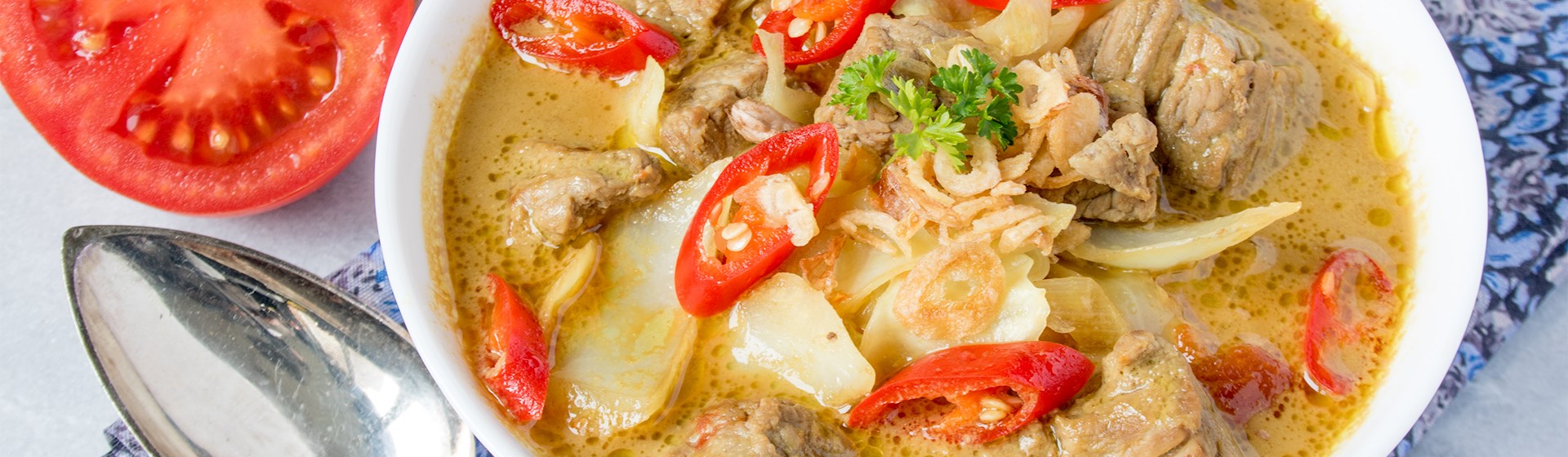
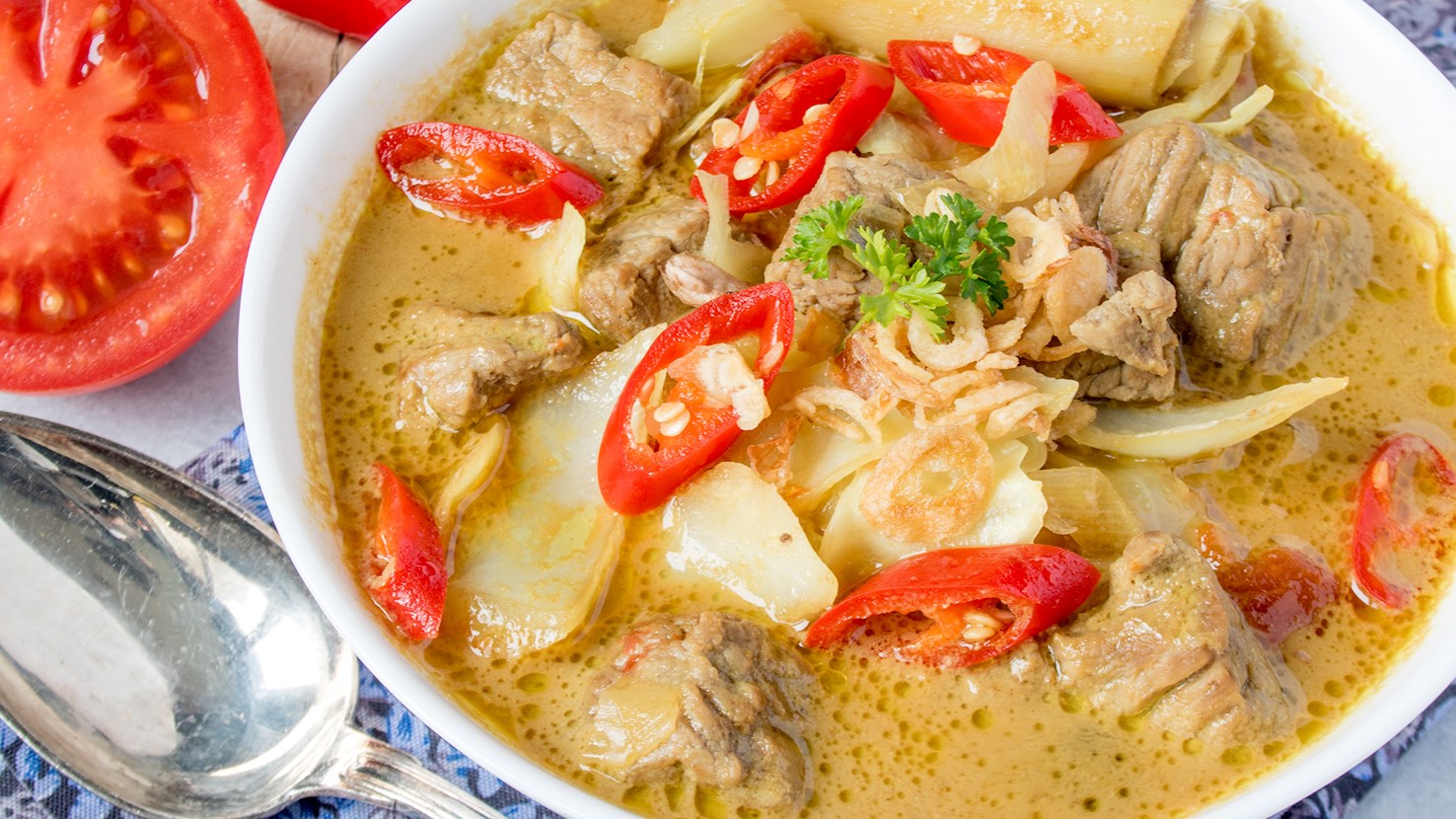
Predominantly sweet, slightly robust, and deliciously spicy, tongseng is an authentic Indonesian meat stew, typically goat, cooked with kecap manis (sweet soy sauce), shredded cabbage, tomatoes, and coconut milk. It is commonly regarded as a combination of satay, meat skewers, and gulai, Indonesian curry. This Javanese delicacy is replete with exotic herbs and spices that give it an exquisite flavor, while the coconut milk gives it a smooth, creamy texture. Beef, mutton, and even chicken are alternatives to the goat meat. Also, it is not uncommon to leave the bones and offal of the meat while cooking the dish for a richer flavor. Traditionally, tongseng is cooked on a charcoal stove that lends the dish a pleasant, smoky taste. This specialty is believed to have been inspired by Arab and Indian cuisines, and it is commonly associated with Surakarta, better known as Solo. Tongseng has become a popular food sold all over the island of Java, from warungs and street stalls to fancy restaurants. Street stalls in Jakarta, Bandung, and Surabaya are said to offer the best tongseng.
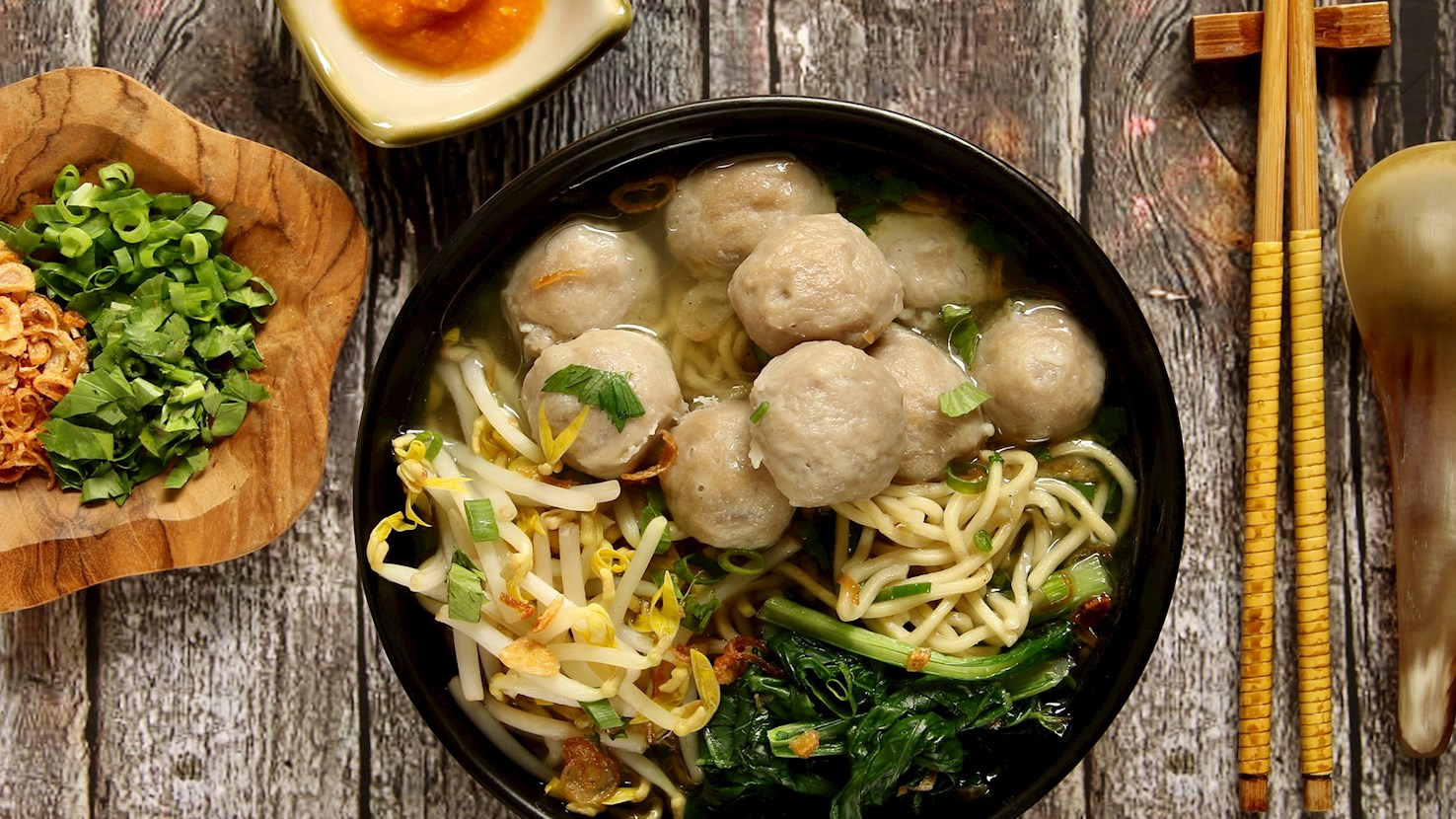
Bakso Solo is a meatball dish that originates from Solo (Surakarta). While bakso (Indonesian meatballs made primarily from beef and tapioca flour) is popular across the country, bakso Solo is recognized for its light, clear broth, delicately seasoned, and its smooth, bouncy-textured meatballs. Typically, bakso Solo is served with a combination of vermicelli noodles (bihun) and yellow egg noodles, along with tofu, fried wontons, boiled eggs, or even bakso urat (meatballs with tendon for extra texture). The clear beef broth is made from slow-simmered beef bones, enhanced with garlic, shallots, pepper, and sometimes a hint of nutmeg or celery leaf. Unlike spicier or richer regional bakso variants (like bakso Malang), bakso Solo maintains a more delicate and clean taste, often complemented with sweet soy sauce (kecap manis), chili sauce (sambal), and a squeeze of lime at the table. Street vendors and small warungs in Solo often serve Bakso Solo from pushcarts or small stalls.
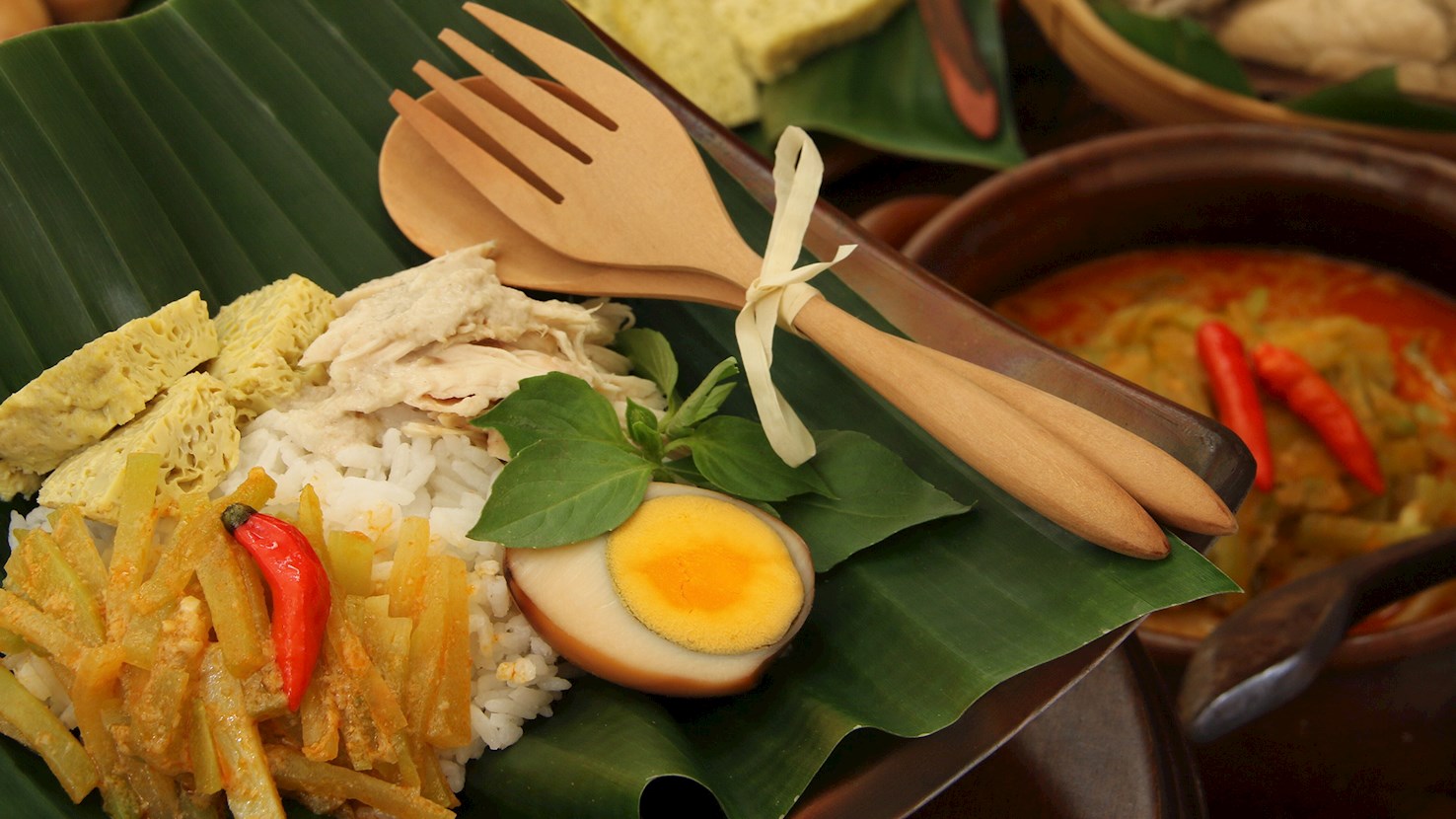
Nasi liwet is a savory rice dish from Java, Indonesia, most closely associated with Solo, or Surakarta, in Central Java, where rice is cooked with coconut milk and aromatics and served with a generous serving of chicken, egg, vegetables, and thick coconut cream. Locally, it is also called sego liwet, using the Javanese word for rice, and in Solo it is as much a breakfast and evening food as it is a dish for larger gatherings. The finished plate is much more elaborate than the name suggests: softly fragrant rice forms the base, while shredded opor ayam, telur pindang, mildly spicy chayote cooked in coconut milk, and areh, a dense and intensely rich coconut-milk topping, provide the characteristic combination. The practice of cooking rice by the liwet method is old in Java. Sega liwet appears in Serat Centhini, a major Javanese literary work compiled in Surakarta in the early 19th century, among numerous rice preparations eaten at the time. The exact origins of the modern Solo dish are less clear. Local and government accounts often link it to Menuran village in Baki, Sukoharjo, just south of Surakarta, where families prepared it for communal meals and thanksgiving occasions before residents began selling it more widely; commercial sales into Solo are commonly dated to around 1934. Other accounts emphasize its earlier presence in courtly life, and research on the dish notes that nasi liwet from the Menuran area was already known at the Surakarta court during the reign of Pakubuwana IX in the 19th century. The surviving evidence therefore points to a long interaction between village cooking and the food culture of the Surakarta courts rather than a single moment of invention. Preparing the Solo version begins with rice cooked not in plain water but in coconut milk, usually with daun salam, lemongrass, and salt, and sometimes pandan or chicken stock, producing grains that remain distinct while taking on a noticeably richer flavor. The accompaniments are prepared separately. Chicken is gently braised in a coconut-milk opor sauce until tender and then served in pieces or shredded; eggs may be cooked as telur pindang or prepared in other local styles; and labu siam, or chayote, is cut into fine strips and simmered in a lightly spiced coconut sauce. Areh is made by reducing coconut milk until thick and creamy, then spooned over the rice immediately before serving. Some servings are expanded with tahu or tempe bacem, sambal goreng ati, or kerupuk rambak made from cattle skin, but the core combination of coconut rice, chicken, egg, chayote, and areh most clearly identifies nasi liwet Solo. It is often served on a pincuk, a folded banana leaf shaped into a shallow serving vessel that keeps portions compact and adds a faint leafy aroma when hot rice is placed on it. Street and market sellers in Solo commonly arrange the various components directly from large pots, allowing customers to choose additional pieces of chicken, egg, or other side dishes. Despite sharing a name, the Sundanese nasi liwet of West Java is a substantially different preparation. There, the rice is commonly cooked as a one-pot dish with aromatics such as shallots, lemongrass, galangal, and daun salam, often with salted fish or anchovies, and it is closely associated with communal meals spread out on banana leaves. The Solo version, by contrast, depends on coconut-enriched rice accompanied by separately cooked side dishes and areh. This distinction matters because nasi liwet refers both to a cooking method and to regional dishes that developed their own identities. In Solo, the coconut component is repeated across the meal—in the rice, chicken, vegetables, and areh—but the result does not become monotonous because each element handles it differently: the rice absorbs it, the opor uses it as a braising liquid, the chayote lightens it with vegetable freshness, and the areh concentrates it into the richest part of the plate. Nasi liwet is widely eaten in Solo at breakfast and dinner, sold by street vendors, market stalls, and specialized restaurants, and also appears at family celebrations and communal meals. It is usually eaten warm, with a little of each accompaniment mixed into the rice rather than treating the components as separate courses. Kerupuk adds crunch, while sambal adds heat for those who want it. Because the dish is already rich in coconut milk and gently sweet-savory Javanese seasoning, suitable accompaniments tend to be sharp or refreshing: pickles, sambal, fresh cucumber, or lightly dressed vegetables can cut through the richness. Unsweetened jasmine tea, hot black tea, or iced tea are easy beverage matches, while fresh lime or citrus drinks work well with the coconut-heavy meal.
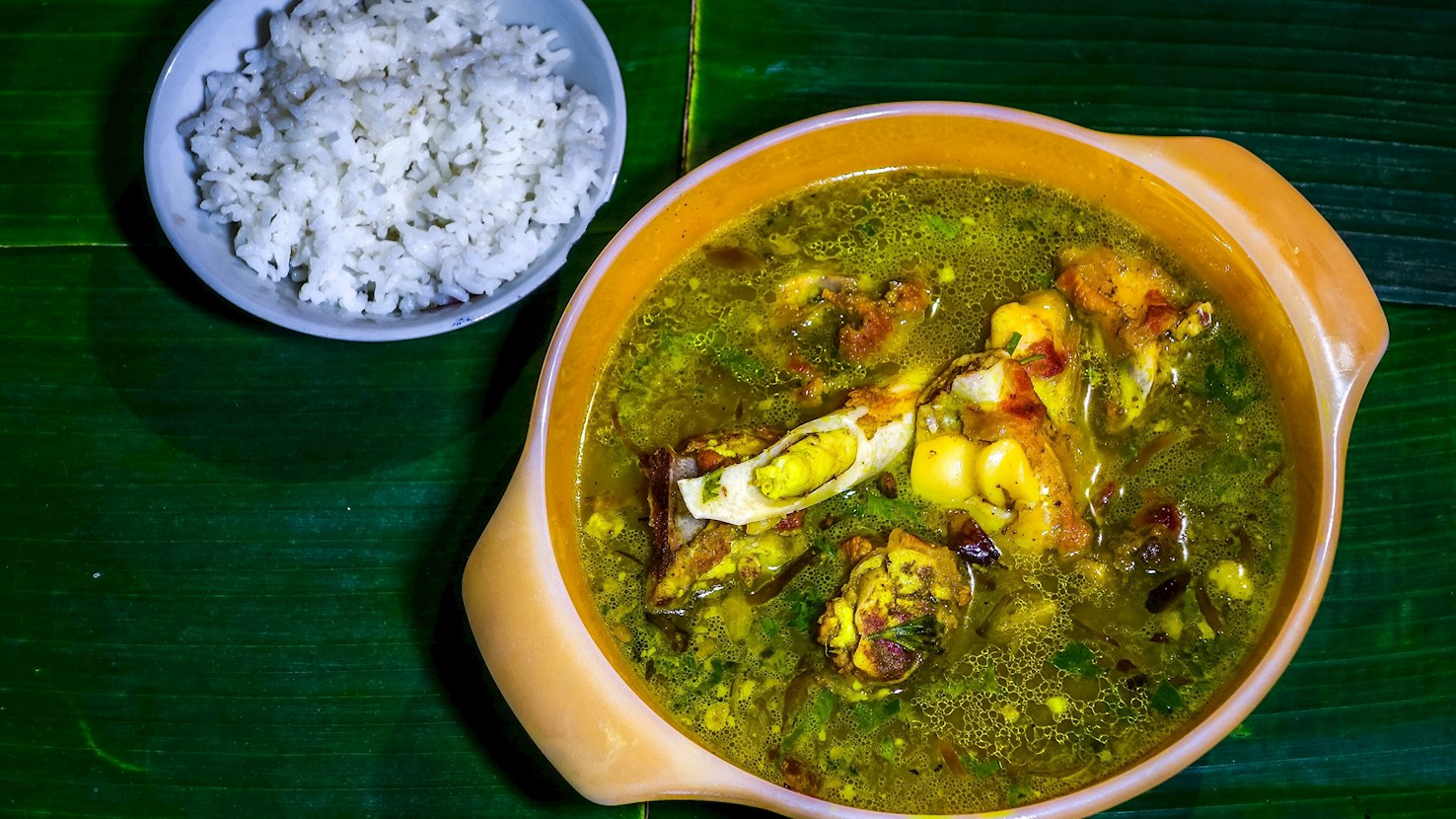
This Indonesian goat stew originated in Surakarta, Java. It is believed that the dish appeared during the Dutch rule when the best goat cuts were usually distributed among the rich, and what was left for the poor were goat bones which still had some meat attached to them. The bones are cooked in a thin, coconut-milk-based broth that is enriched with various herbs and spices such as turmeric, galangal, lemongrass, cumin, coriander, garlic, and onions, while some establishments also may include the addition of goat innards. The dish is served in bowls or wrapped in banana leaves.
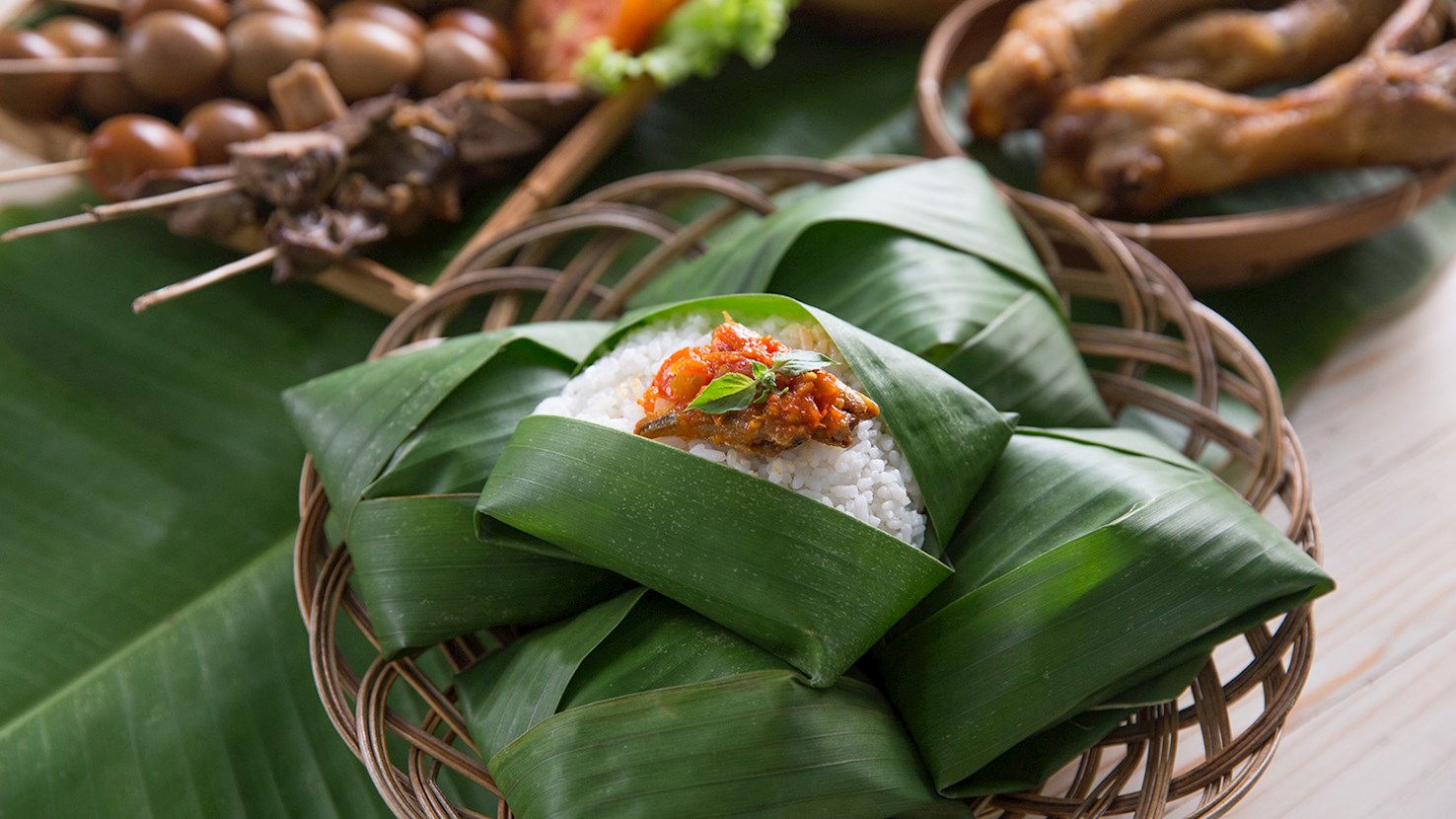
Nasi kucing is a unique and iconic Indonesian street food, a rice dish originating from Central Java, especially popular in cities like Yogyakarta, Solo, and Semarang. The name translates literally to "cat rice" (nasi = rice, kucing = cat), which refers not to the ingredients, but to the portion size — small enough to be a meal for a cat. Nasi Kucing consists of a small scoop of rice served with simple toppings, usually wrapped in a banana leaf or brown paper. Common toppings include sambal, dried anchovies (teri), tempeh, shredded chicken, oseng-oseng (stir-fried vegetables), or sometimes a dollop of chili-fried tuna (abon or tongkol). It’s humble, cheap, and designed to be eaten on-the-go or in a social, communal setting. This dish is famously associated with angkringan, which are small, traditional street food carts typically operated at night. These carts don’t just serve food — they are social hubs where students, workers, and locals gather to eat, chat, drink hot tea or kopi joss (charcoal coffee), and relax. A night at an angkringan often means grabbing multiple packets of nasi kucing, each with different toppings, plus a few skewers of sate telur puyuh (quail egg satay), fried snacks, or grilled tempeh.
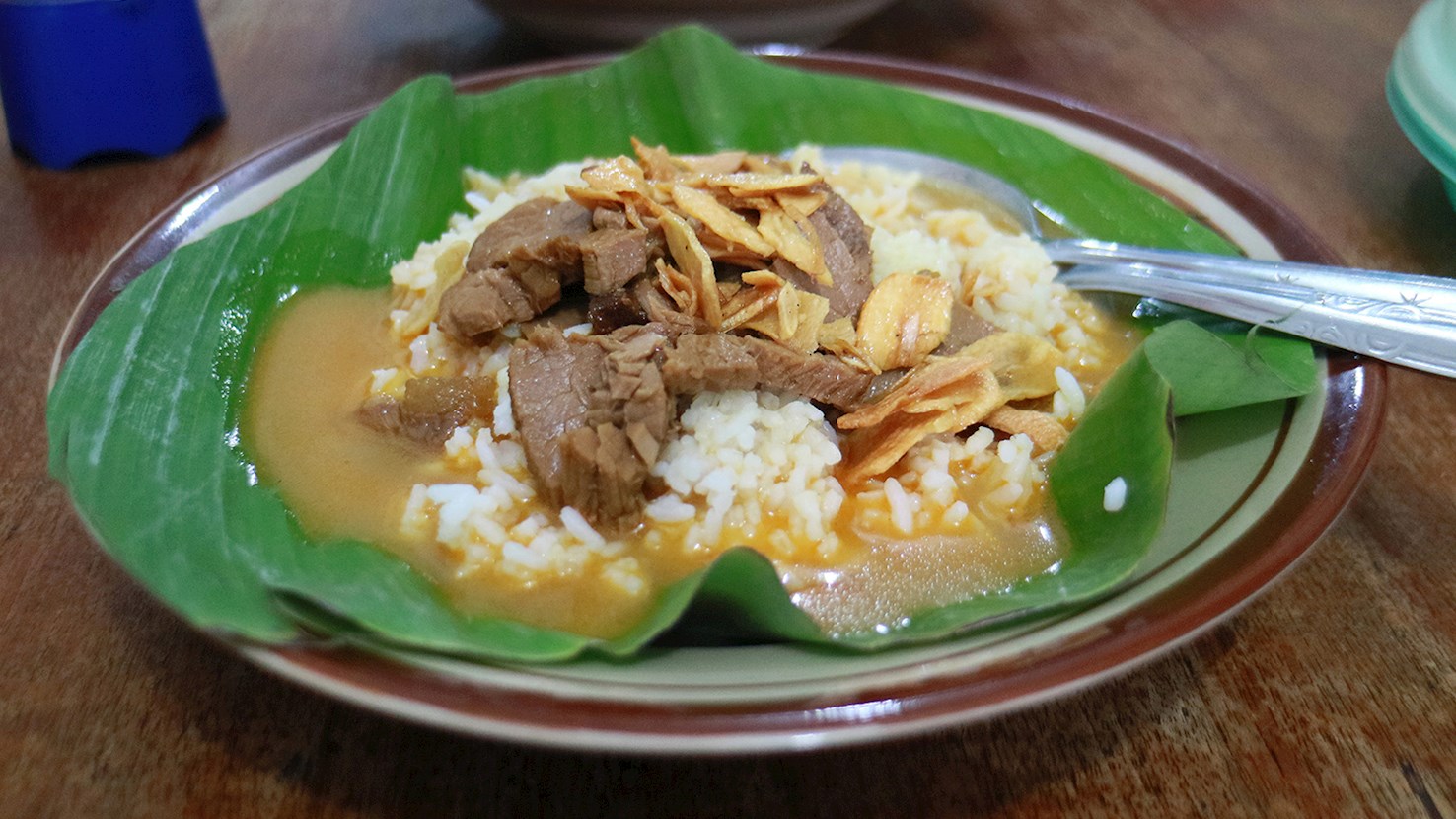
Nasi gandul is a richly flavored rice dish that hails from the town of Pati in Central Java, Indonesia. It features steamed rice served with tender slices of beef or offal in a thin, aromatic coconut milk-based gravy, typically infused with spices such as coriander, garlic, shallots, cumin, and cinnamon. The dish is often likened to a lighter version of gulai or a more brothy rendition of beef rendang, with its signature feature being the delicate balance between savory, sweet, and creamy elements. The name "gandul", which means "hanging" in Javanese, is believed to reference the way vendors once carried their food, suspended on bamboo poles over the shoulder, but over time, the name became synonymous with the dish itself. What makes nasi gandul distinct is not only its complex yet comforting flavor, but also its presentation. It is commonly served on a plate lined with banana leaf, enhancing the aroma and offering a rustic appeal. The meat, often beef brisket, tongue, or innards, is simmered until soft and spooned over the rice with the broth ladled generously on top. Crispy fried shallots and a splash of sambal add contrast and heat, while optional extras like fried tempeh or eggs can round out the meal. Although once sold by street vendors walking from village to village, nasi gandul is now a regional specialty served in food stalls and warungs in and around Pati, where it continues to be a symbol of local pride.
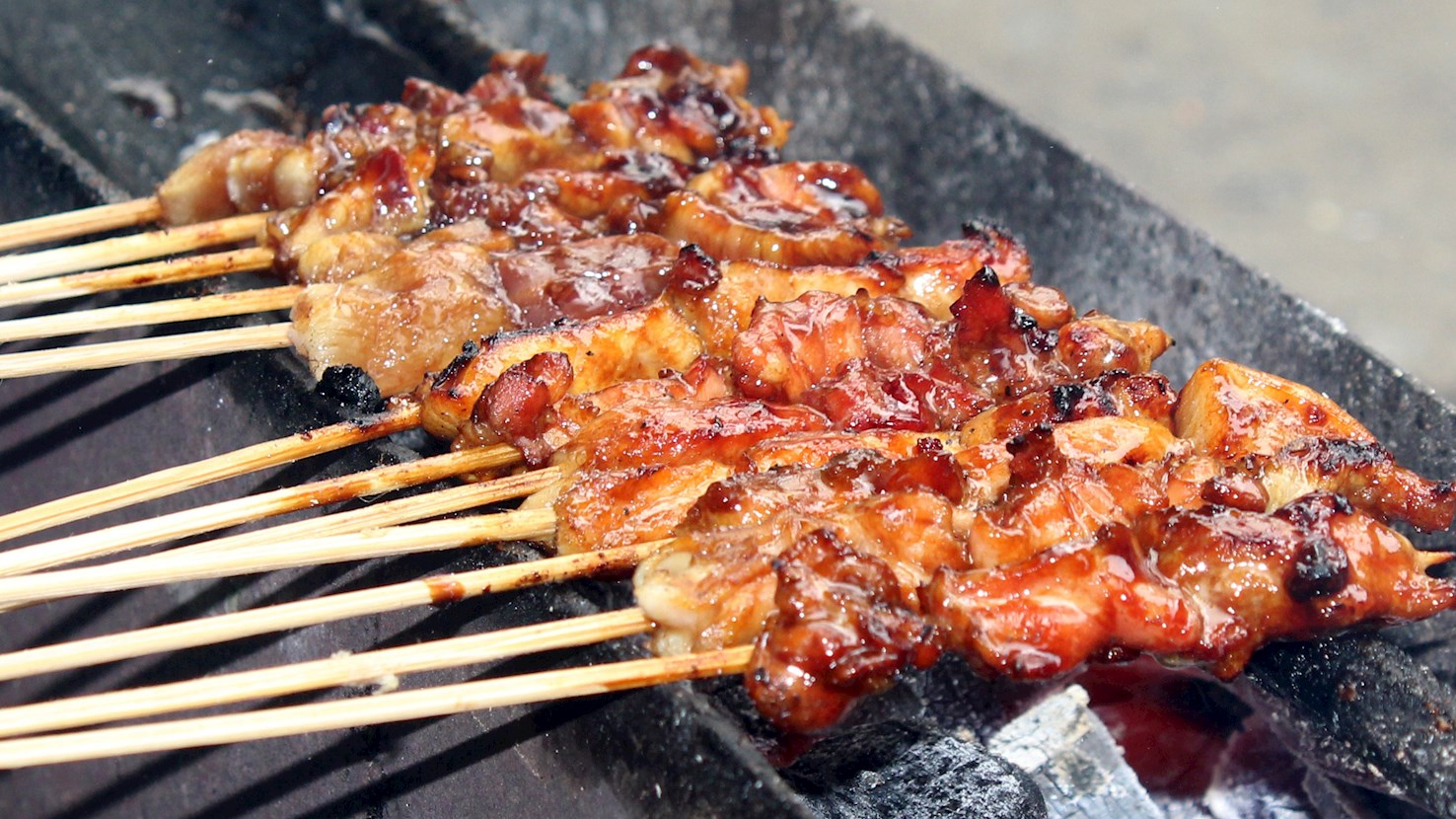
Sate kelinci is a skewered rabbit meat dish originating from the highland regions of Central Java, Indonesia, particularly popular in areas such as Tawangmangu, Lembang, and around the slopes of Mount Merapi. This variant of Indonesian sate features tender cuts of rabbit grilled over charcoal and typically served with either a savory soy-based sauce or a spiced peanut sauce, depending on local preference. The meat is usually marinated in a mixture of garlic, coriander, salt, and sweet soy sauce before being skewered and grilled, giving it a subtly sweet, smoky, and mildly gamey flavor that distinguishes it from more common versions made with chicken, beef, or goat. Sate kelinci is known for its lean texture and is often considered a lighter option, enjoyed by travelers and locals alike in cooler mountain climates where rabbit farming is more common. The dish is closely associated with Javanese culinary culture, where sate is a central component of street food and home cooking. In regions where sate kelinci is widely sold, such as tourist spots in the Dieng Plateau or forested hill towns, it is often grilled fresh to order by roadside vendors and eaten with steamed rice or rice cakes. Unlike more urban sate variants that are mass-produced or widely exported, sate kelinci tends to remain a specialty of areas where rabbit is both raised and consumed more regularly.
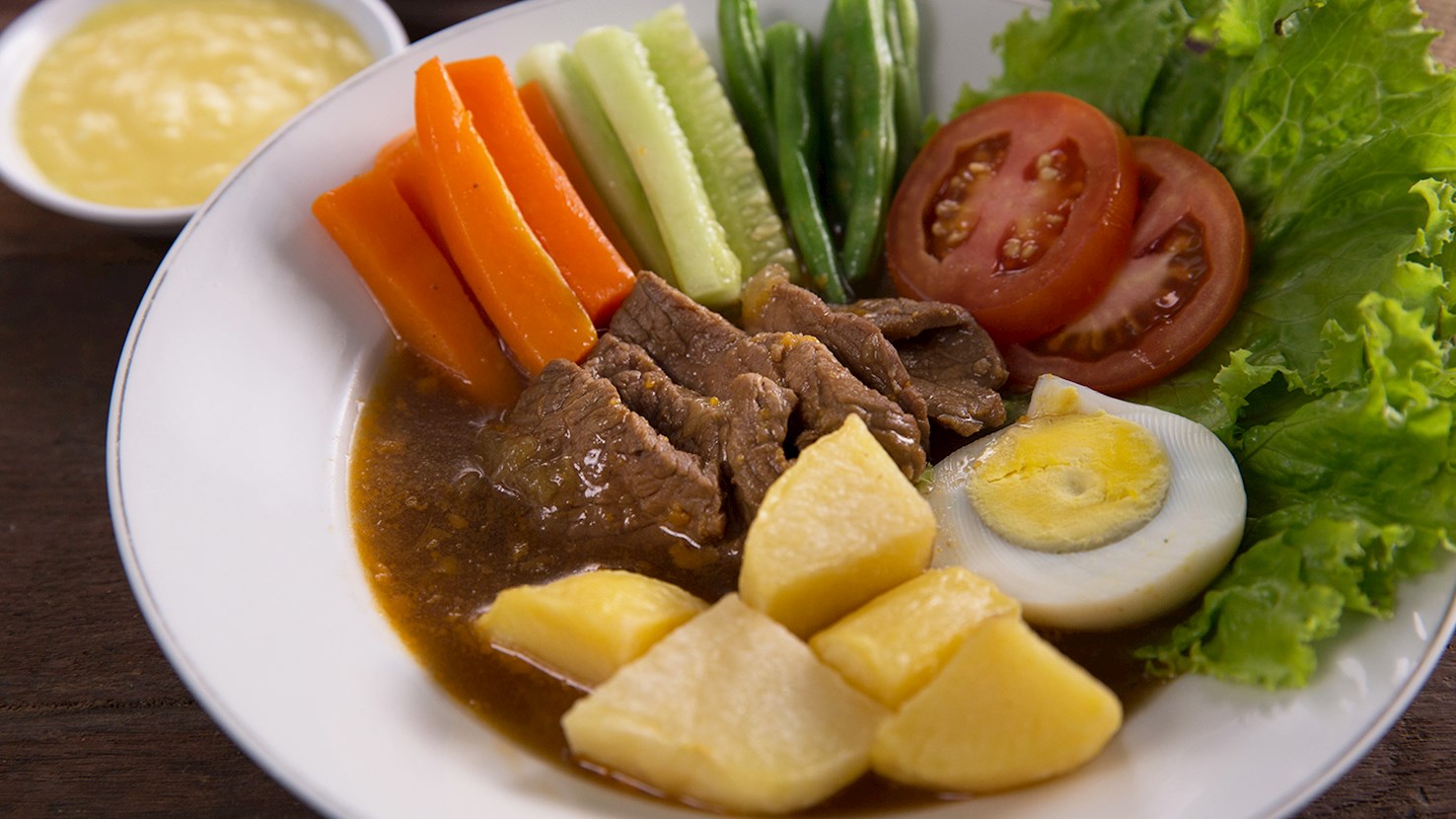
Selat Solo is a Central Javanese beef dish served in a lightly sweet, aromatic broth and accompanied by vegetables, originating from the city of Solo (Surakarta) in Indonesia. The dish reflects the culinary fusion between Dutch colonial influences and local Javanese tastes, evolving over time into a distinctly regional specialty. The name “selat” comes from the word “salad,” introduced during the colonial period, though the final dish bears little resemblance to a Western salad. It consists of stewed beef, usually tenderloin or another lean cut, braised in a thin sauce made from sweet soy sauce, garlic, shallots, nutmeg, cloves, and black pepper. The beef is cooked until tender and served warm, submerged in the broth that doubles as both cooking liquid and sauce. Alongside the beef, Selat Solo is commonly served with blanched vegetables such as carrots, green beans, and potatoes, either boiled or fried. Garnishes often include a slice of hard-boiled egg, pickled cucumber, and a light splash of mustard or Worcestershire sauce to enhance the dish’s slightly tangy, savory dimension. Unlike grilled steaks in Western cuisine, Selat Solo emphasizes slow cooking and a balanced flavor profile that leans toward the sweet and aromatic, typical of Central Javanese dishes. Originally associated with elite households and adapted from colonial kitchen practices, selat Solo has long since become part of everyday cuisine in the region. It is widely available in local warungs, home kitchens, and restaurants across Solo and neighboring cities.
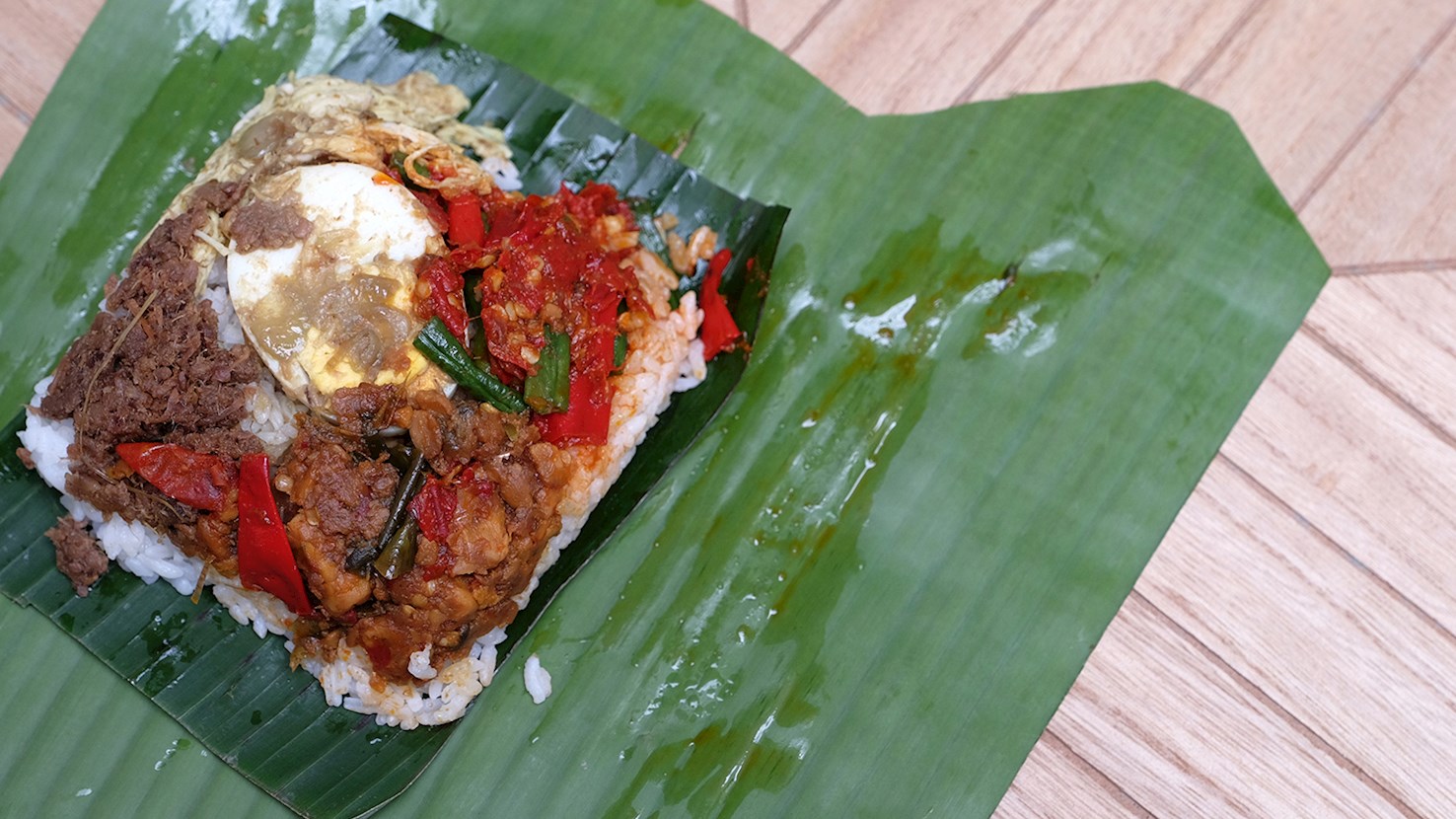
Nasi bogana is a complete rice meal from Indonesia, originating in Tegal, a coastal town in Central Java, and widely associated with Javanese culinary culture. The dish consists of steamed white rice served with a variety of side dishes, all neatly arranged and typically wrapped in banana leaves for both portability and presentation. It is commonly sold in local eateries, food stalls, and during family or communal gatherings, and is known for combining multiple flavors and textures into a single package. The core of nasi bogana is plain rice, but what sets it apart is the assortment of side components that accompany it. These usually include opor ayam (chicken cooked in coconut milk), sambal goreng ati (spicy beef liver and potatoes), telur pindang (spiced boiled eggs), shredded fried coconut, tempeh or tofu, serundeng (spiced grated coconut), and occasionally beef floss or perkedel (potato patties). The ingredients are seasoned with a range of Javanese spices such as coriander, garlic, galangal, candlenuts, and palm sugar, creating a balance between sweet, savory, and mildly spicy elements. Each component is cooked separately and carefully placed around the rice before the banana leaf is folded and secured. This method of wrapping allows the flavors to blend subtly during steaming or resting, while also making the meal easy to transport and store. The banana leaf adds a light herbal aroma to the rice and its accompaniments, enhancing the eating experience without needing additional sauces or garnishes. Nasi bogana is often served during events such as weddings, religious celebrations, and formal gatherings, though it is also commonly enjoyed as a boxed meal or packed lunch. Its appeal lies in the variety of dishes presented in one setting, offering both familiarity and complexity without requiring separate courses. The packaging and preparation also make it practical for distribution and sharing.
TasteAtlas food rankings are based on the ratings of the TasteAtlas audience, with a series of mechanisms that recognize real users and that ignore bot,
nationalist or local patriotic ratings, and give additional value to the ratings of users that the system recognizes as knowledgeable.
TasteAtlas Rankings should not be seen as the final global conclusion about food. Their purpose is to promote excellent local foods,
instill pride in traditional dishes, and arouse curiosity about dishes you haven’t tried.
The initial list of top producers was compiled based on available reviews, awards, local recommendations, media and blog coverage, and consumer reviews.
The list will be updated with ratings from TasteAtlas local ambassadors and TasteAtlas users.





What People Say