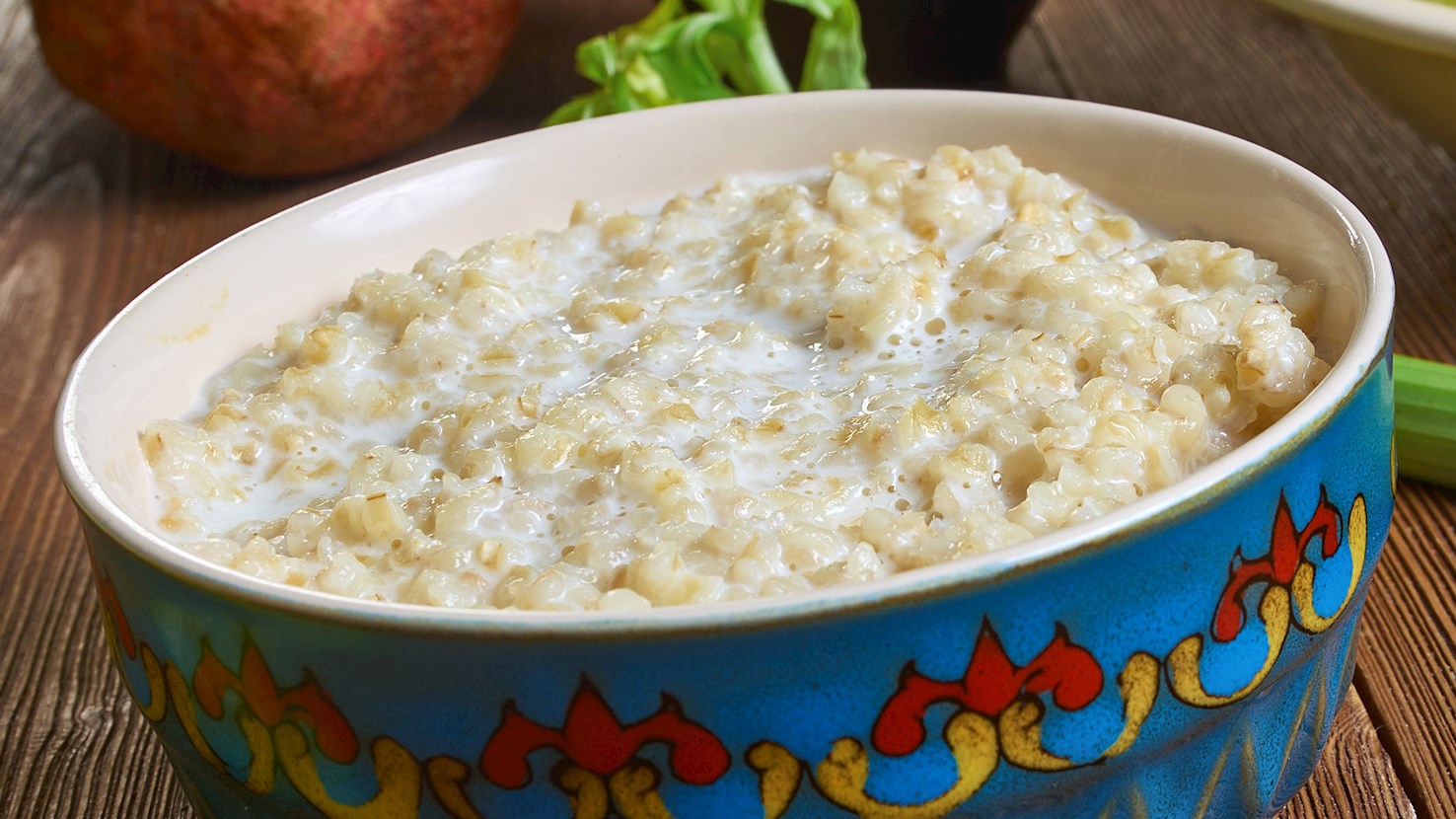
La bouillie is a Chadian breakfast made with rice or wheat combined with milk, flour, and peanut butter. The dish is always served hot after it has been boiled to a thick consistency. Although it is typically prepared with the aforementioned ingredients, la bouillie is often modified with other ingredients, depending on which ingredients are available in each household.
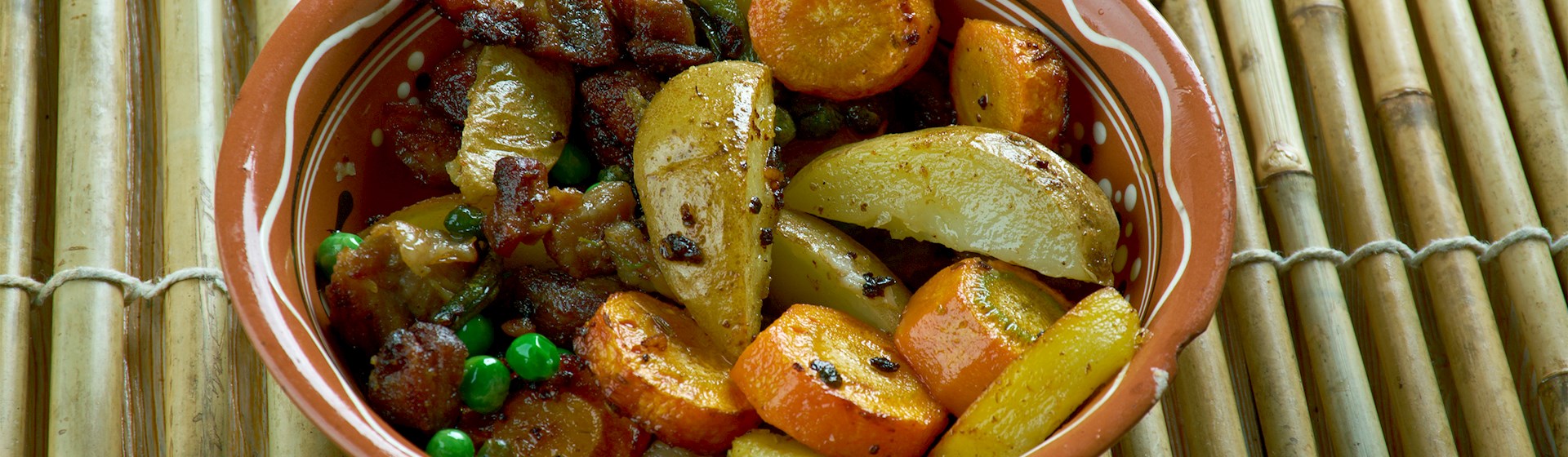
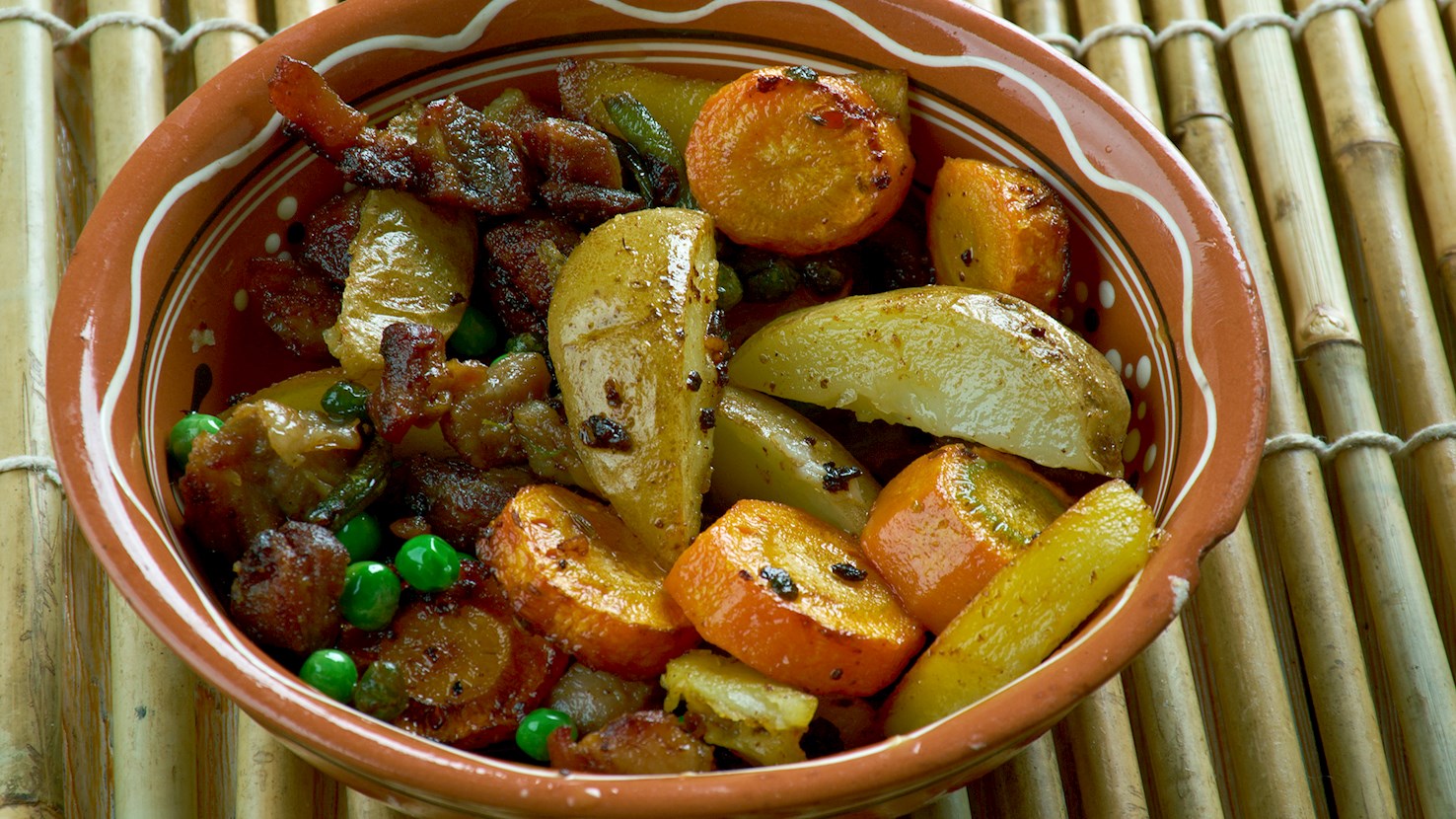
Jarret de boeuf is a traditional stew (also popular in ther formar colony Chad) consisting of beef cooked with vegetables such as carrots, sweet potatoes, leeks, and aubergines. The stew should be cooked for at least two hours until the meat and vegetables become tender. It is recommended to serve the dish in bowls and pair it with fufu or rice.
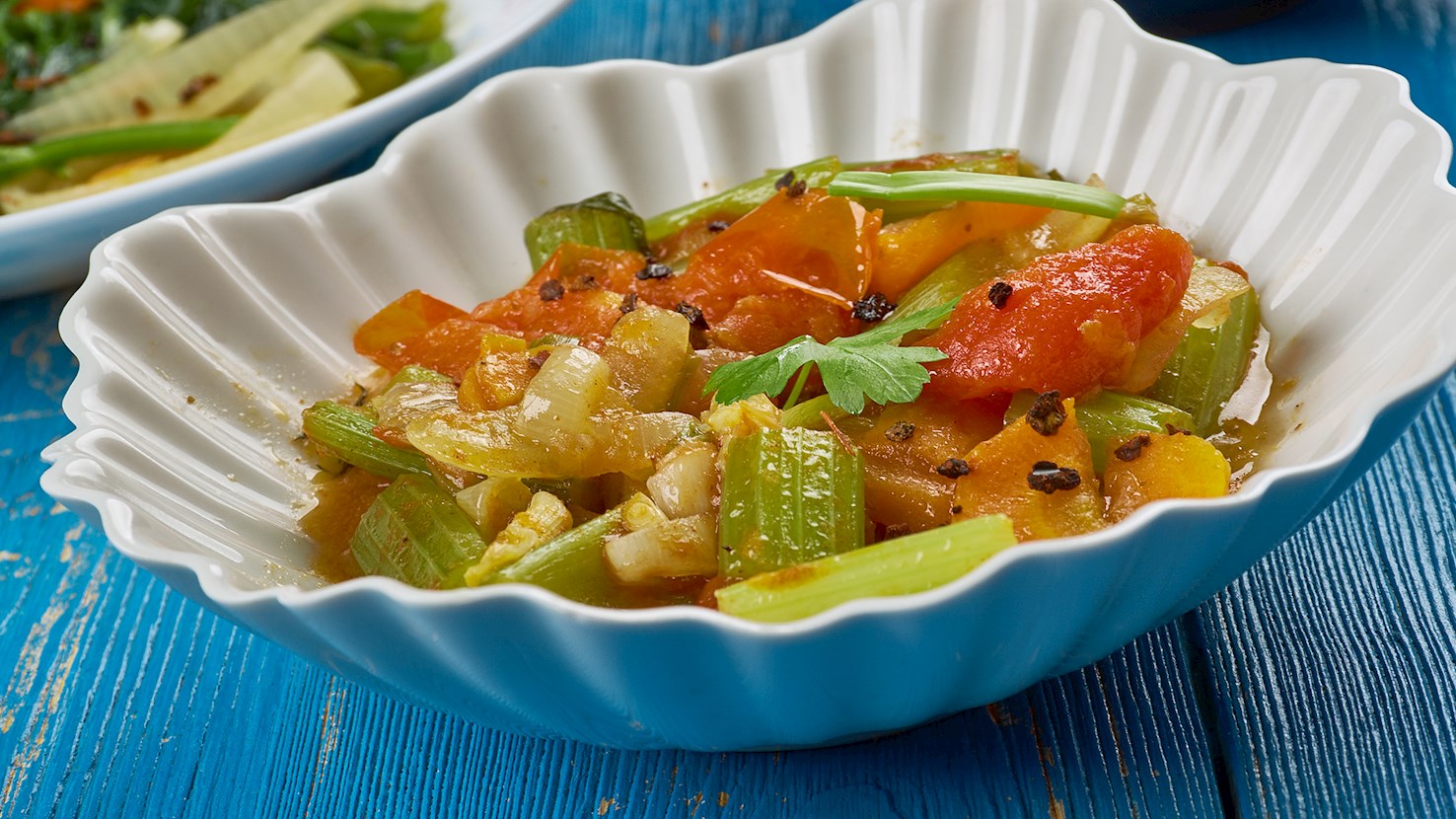
Daraba is a thick, savory peanut and vegetable stew that relies heavily on the natural binding power of sliced okra. The origins of this hearty meal trace back to the arid, agricultural regions of Central Africa, specifically within the borders of modern-day Chad. It emerged as a highly resourceful method for combining locally grown crops such as peanuts, leafy greens, and root vegetables into a single, calorie-dense pot. The heavy reliance on ground peanuts highlights the historical trade routes that distributed these legumes across the continent, cementing them as an essential dietary staple. Putting this meal together starts with heating a splash of vegetable oil in a large, heavy-bottomed pot. Diced white onions and minced garlic cloves hit the hot oil, softening until completely translucent. Chopped fresh tomatoes and a spoonful of concentrated tomato paste go in next, breaking down into a sweet, acidic base. Water or a light vegetable broth is poured over this mixture, immediately followed by large chunks of sweet potato, cubed eggplant, and sliced fresh okra. A generous scoop of smooth peanut butter gets stirred directly into the hot liquid, melting completely to form a rich, velvety sauce. Leafy greens, typically chopped spinach or cassava leaves, are added to the boiling pot in the final minutes to wilt slightly and add a bright, earthy contrast. As it simmers, the sliced okra releases its natural mucilage, which acts as a powerful thickening agent, giving the liquid a remarkably dense, gravy-like consistency. Variations are based on seasonal availability and household preference. Many kitchens brown large chunks of beef, lamb, or goat in the oil before adding the vegetables, creating a much richer, meat-heavy stew. When fresh sweet potatoes are unavailable, large pieces of pumpkin or butternut squash readily take their place, providing the necessary starch and subtle sweetness. Other versions incorporate fiery chili powders or whole hot peppers to cut directly through the heavy, fatty peanut base with a sharp, aggressive heat. When the hot stew has finished simmering, it goes straight to the dining table. Daraba is accompanied by a large dome of cooked grains, most often white rice, millet, or sorghum, which soak up the thick peanut gravy. Alternatively, the steaming stew is spooned generously over chunks of boiled cassava root or soft, boiled plantains.
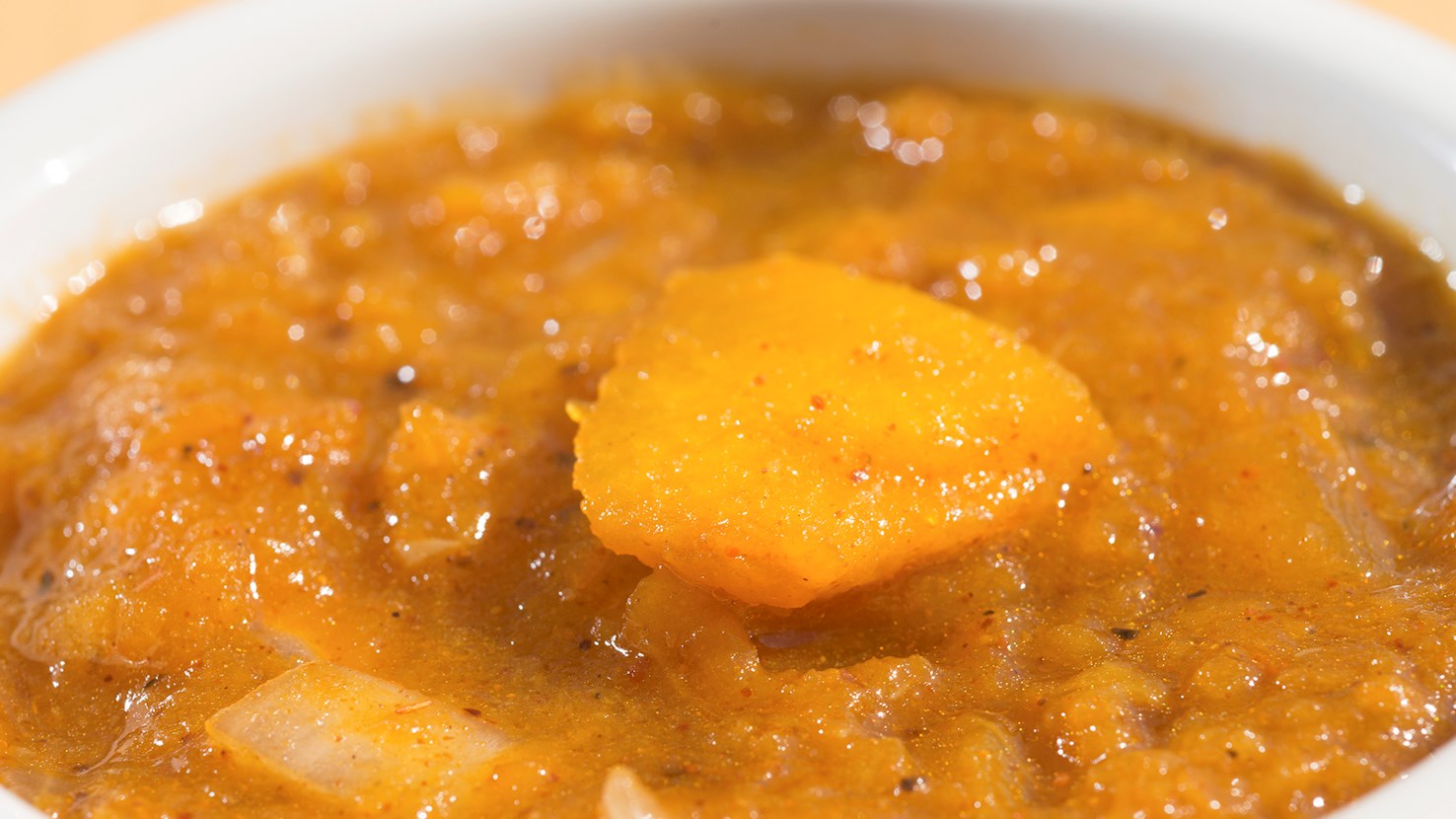
In order to make zucchini and squash stew, cubed zucchini and onions are fried with spices, then combined with water to make a broth. When the zucchini becomes tender, salt, sugar, and coarsely chopped peanuts are added for extra flavor. This hearty, simple, energy-packed stew is full of big, bold flavors, and is typically served piping hot. The vast majority of Chad’s population depends on agriculture, so Chadian cuisine is commonly quite filling, combining grains such as millet and rice, and vegetables such as cassava. When meat does make an appearance, it is usually in the form of chicken, goat, fish, or beef.
TasteAtlas food rankings are based on the ratings of the TasteAtlas audience, with a series of mechanisms that recognize real users and that ignore bot,
nationalist or local patriotic ratings, and give additional value to the ratings of users that the system recognizes as knowledgeable.
TasteAtlas Rankings should not be seen as the final global conclusion about food. Their purpose is to promote excellent local foods,
instill pride in traditional dishes, and arouse curiosity about dishes you haven’t tried.


What People Say