shutterstock

Top 15 Costa Rican Foods

Last updated on June 01, 2026

Best Costa Rican food products

01
Mead

Costa Rica Meadery

4.8 ·
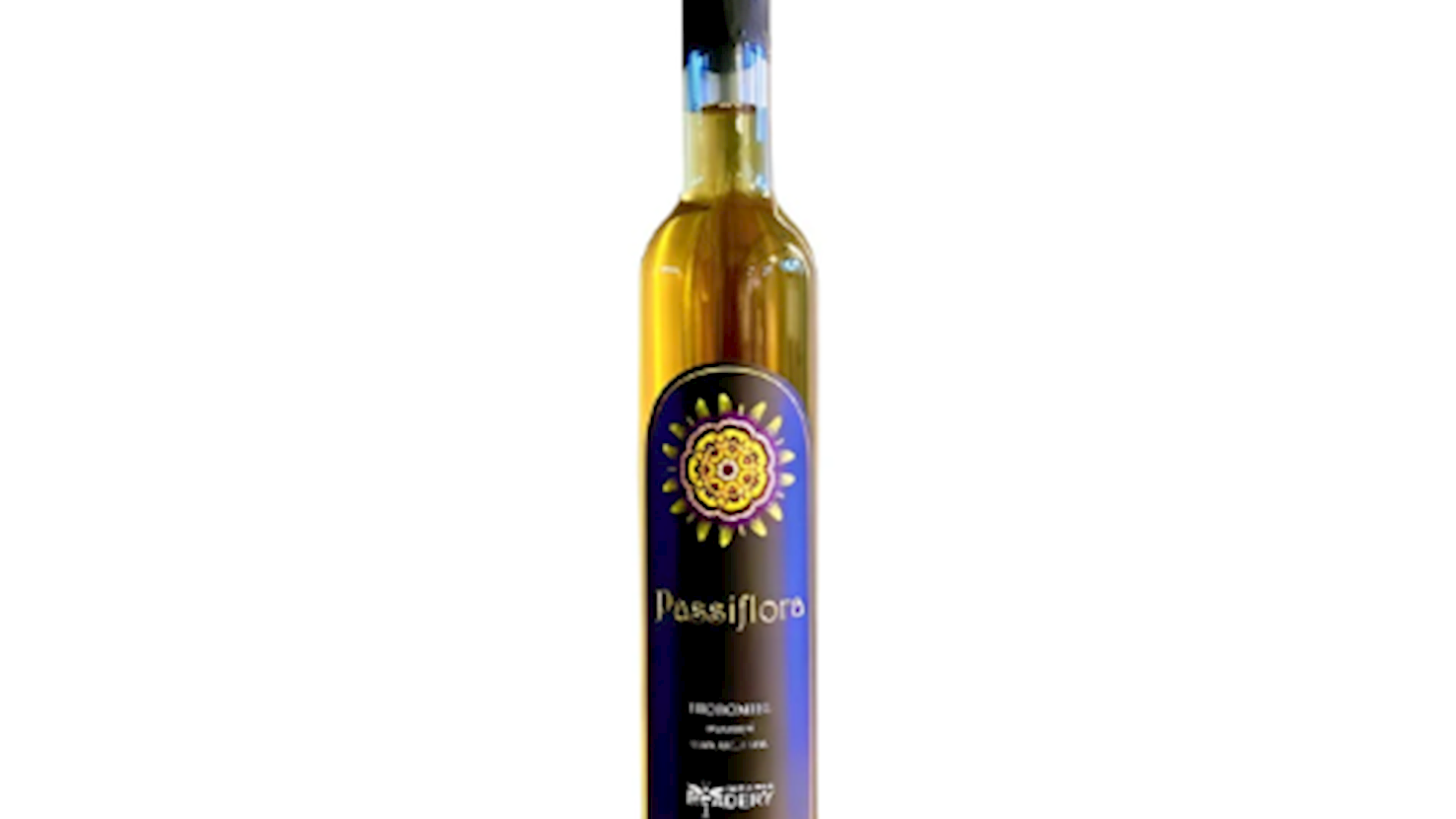
Costa Rica Meadery is the first and only commercial meadery in Central America, located in Heredia within the renowned Ark Herb Farm in Santa Bárbara. Founded with the goal of blending the tradition of beekeeping with the richness of Costa Rica’s tropical flora, this family-owned meadery produces honey wines, sparkling meads, craft beers, and liqueurs made from local ingredients. What sets their products apart is the use of herbs and fruits grown in their own garden, which contains over 300 species of tropical and medicinal plants. Their approach is entirely natural - free from added sulfites, artificial colors, or sugars - emphasizing the authenticity of flavor and the unique Costa Rican terroir. Each beverage reflects the influence of the local climate and biodiversity, merging exotic notes with modern fermentation techniques. The meadery also serves as a tourist destination, where visitors can enjoy guided tastings and learn firsthand about the production process. Costa Rica Meadery successfully bridges craftsmanship, science, and nature, creating drinks that capture the spirit of the tropical landscape - warm and aromatic.
Awards
Untappd - 4.2
Untappd - 4.0
02
Chocolate

Sibö Chocolate

4.7 ·
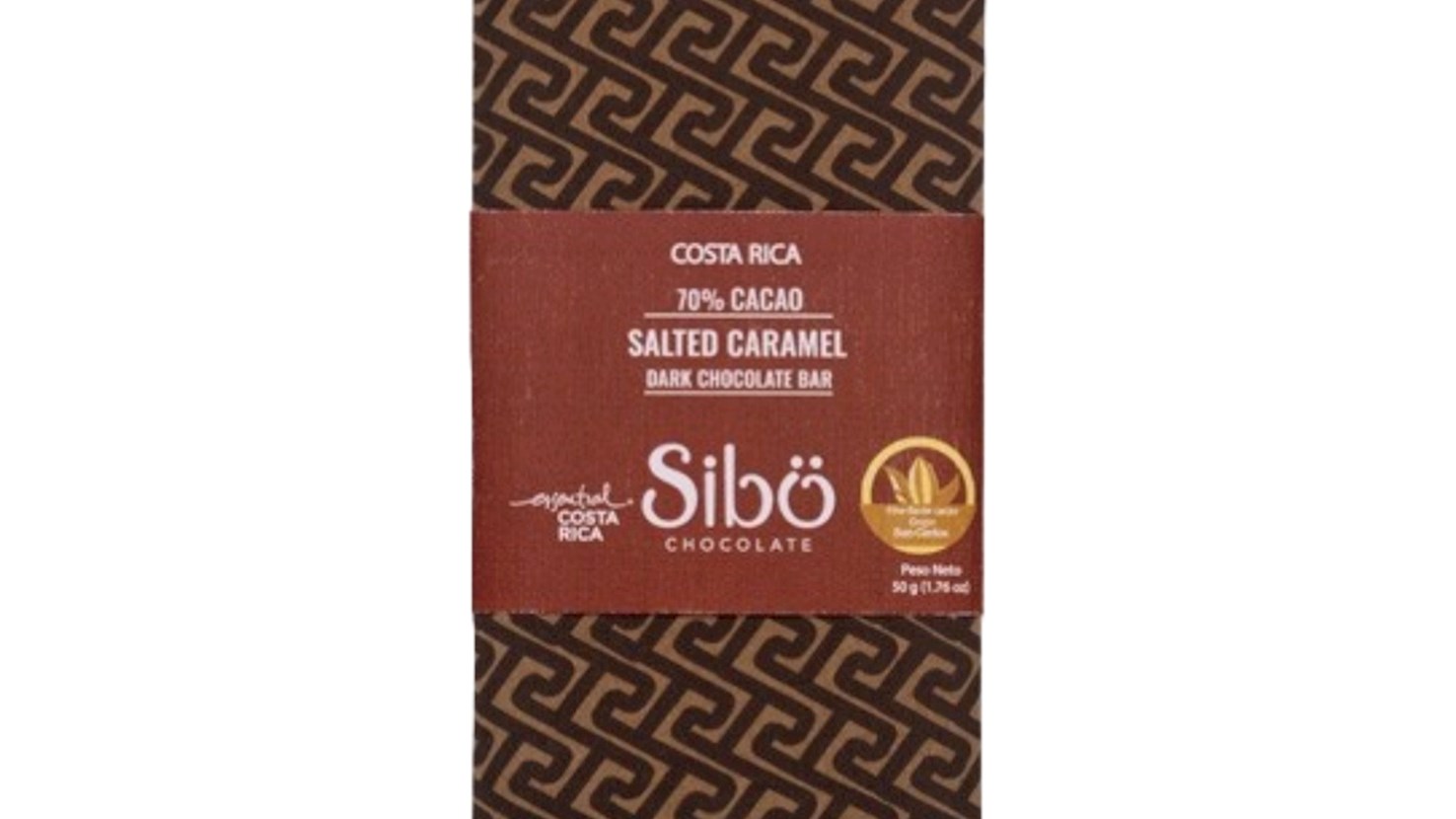
Sibö Chocolate is a premium bean-to-bar chocolate maker from Costa Rica, dedicated to crafting high-quality, ethically sourced chocolate. They work closely with local cacao farmers to ensure sustainability and preserve the rich cacao heritage of the region. Their chocolates highlight the diverse flavors of Costa Rican cacao, offering a unique and authentic tasting experience.
Awards
International Chocolate Awards - Silver (2024)
International Chocolate Awards - Bronze (2024)
03
Coffee Beans

Las Lajas

4.4 ·
Las Lajas is a family-owned coffee farm and roastery from Costa Rica, renowned worldwide for its innovative processing methods and exceptional bean quality. Las Lajas is synonymous with premium specialty coffee, carrying the distinctive imprint of its terroir and meticulous handling at every stage of processing. Their commitment to organic production and experimentation with fermentation results in unique flavor profiles that delight coffee enthusiasts around the world.
04
Chocolate

Upala Chocolate

70%

4.3 ·
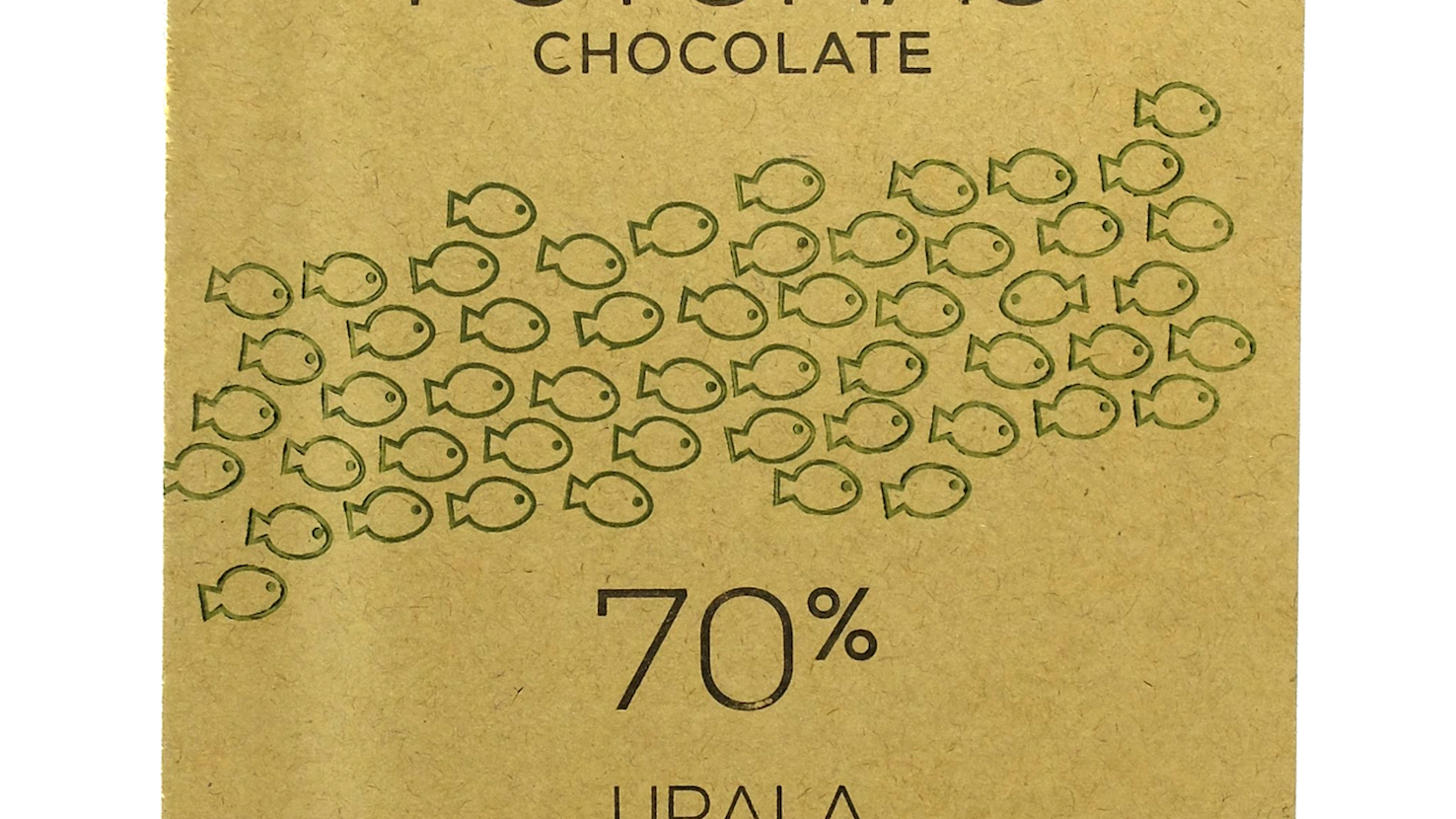
Upala Chocolate is a Costa Rican company known for producing organic chocolate. It sources cacao from local farmers in the Upala region, an area recognized for its rich soil and ideal cacao growing conditions. The company focuses on sustainable farming practices and aims to support local agriculture and community development.
Awards
Academy of Chocolate - Bronze (2016)
05
Beer

Treintaycinco Fabrica de Cervezas

3.7 ·
Awards
Barcelona Beer Challenge - Gold (2020)

Best Costa Rican foods

01
Meat Dish

Casado

4.1 ·

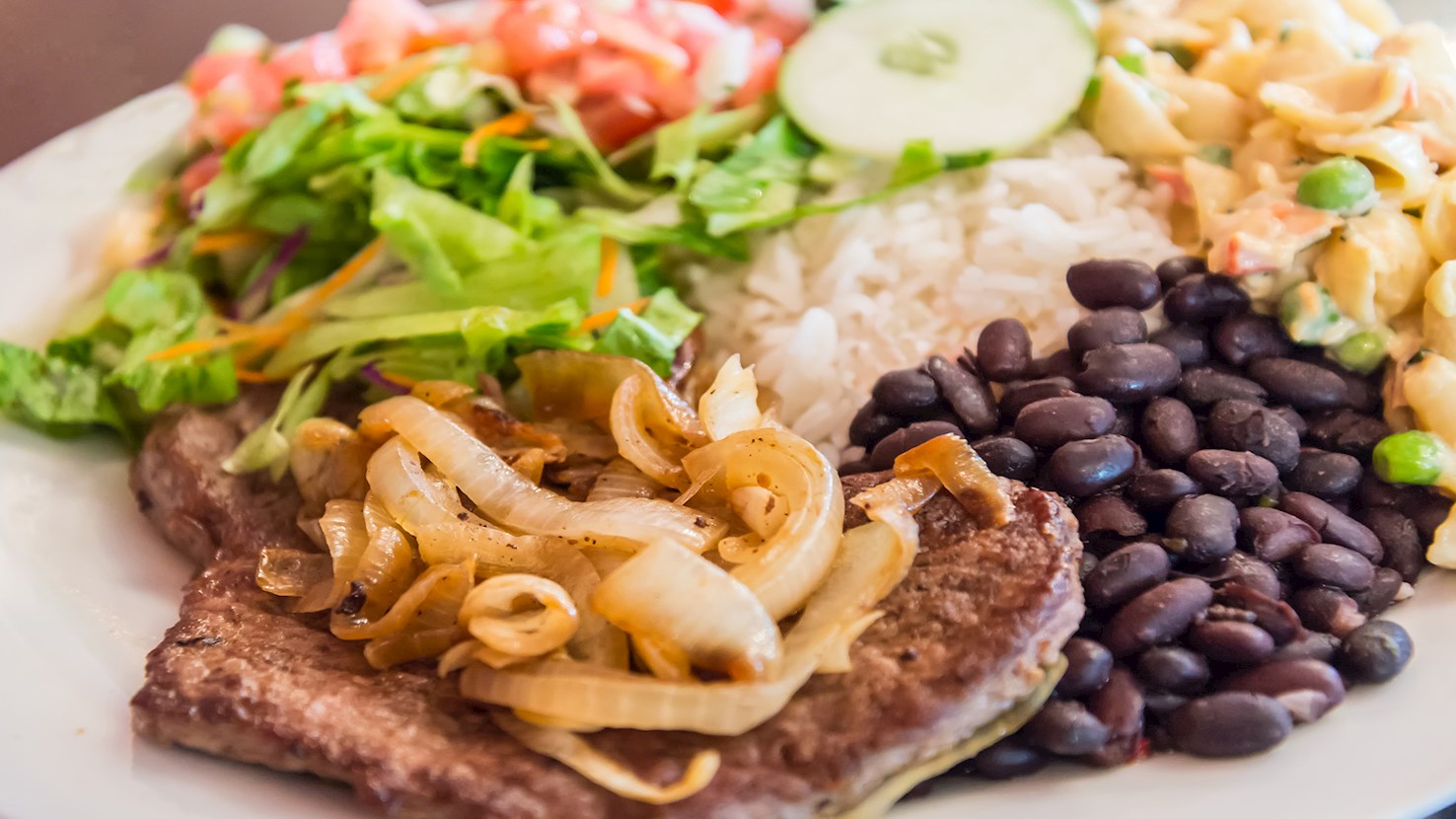
Casado is the most popular dish in Costa Rica, consisting of white rice, beans, meat such as pork, chicken, or beef, and a salad such as iceberg or coleslaw. Additional side dishes may include avocado slices, French fries, cheese tortillas, fried plantains, and potato-based stews. The name casados translates to married, and it is clearly visible on the plate as all of the ingredients provide a nice balance of protein and carbohydrates, making it a nutritionally valuable dish as well as a tasty one. According to a popular legend, the dish was usually eaten by newlyweds, and as the two would not know the other one's preferences in food, a variety of ingredients would be served on one plate in order to find out the favorites of each newlywed. Today, whichever traditional restaurant (called sodas) you visit, it will most likely be on their menu.

02
Dessert

Flan de coco

4.1 ·

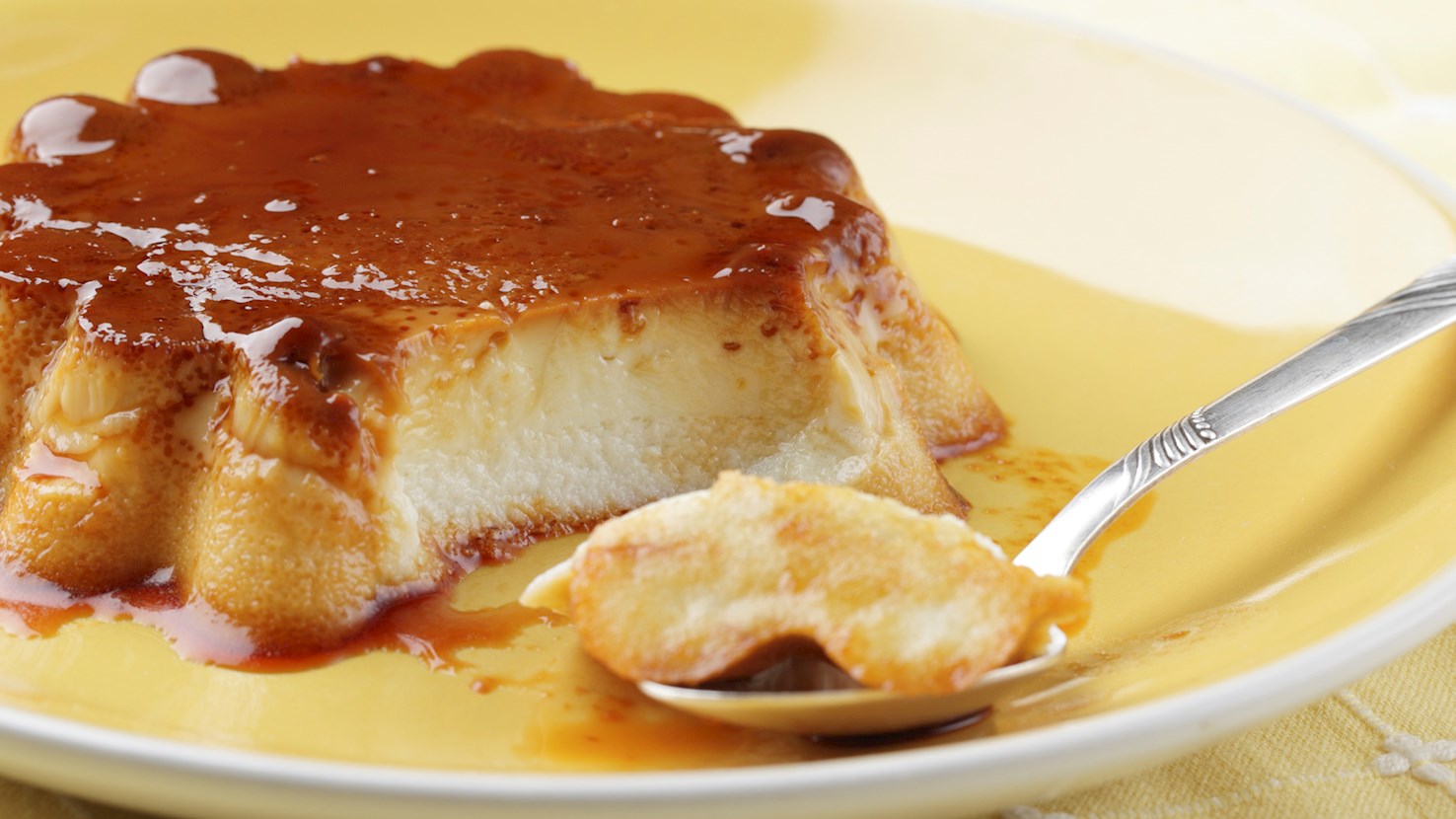
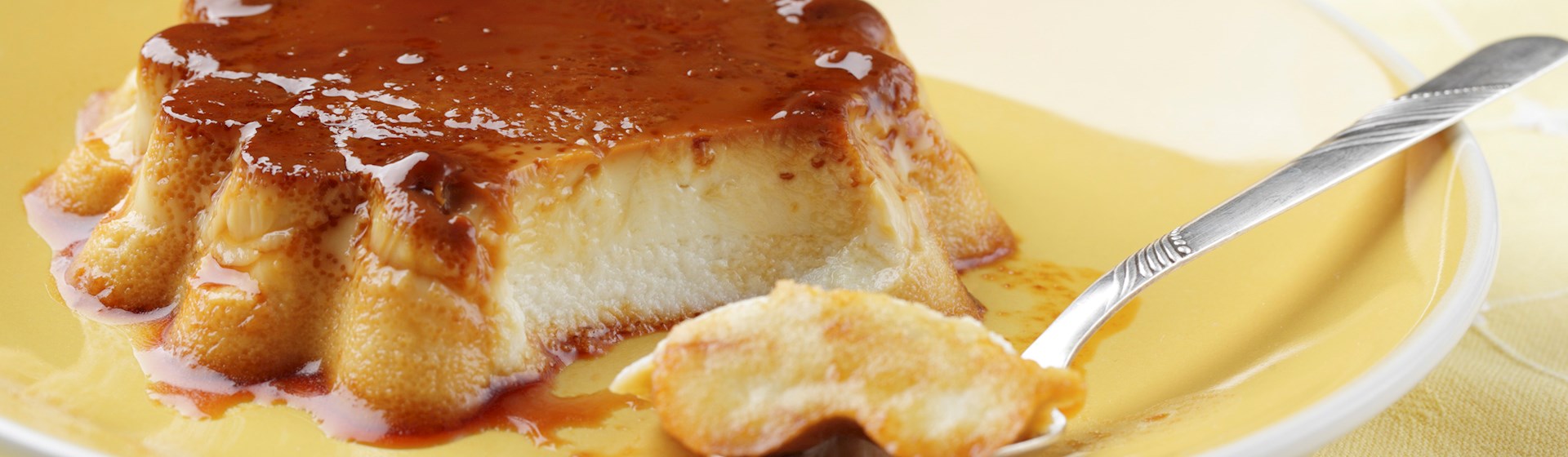
Flan de coco or coconut flan is a delicate dessert that is popular in Colombia, Costa Rica, and parts of the Caribbean. It is typically made with eggs, coconut milk, condensed milk, cream, vanilla extract, and flaked coconut. The dessert is usually baked in small ramekins with caramel on the inside, so when flan de coco is inverted, it has a nice caramel layer on top and on the sides. Before serving, the dessert is often topped with flaked coconut.

03
Pancake

Chorreadas

4.1 ·

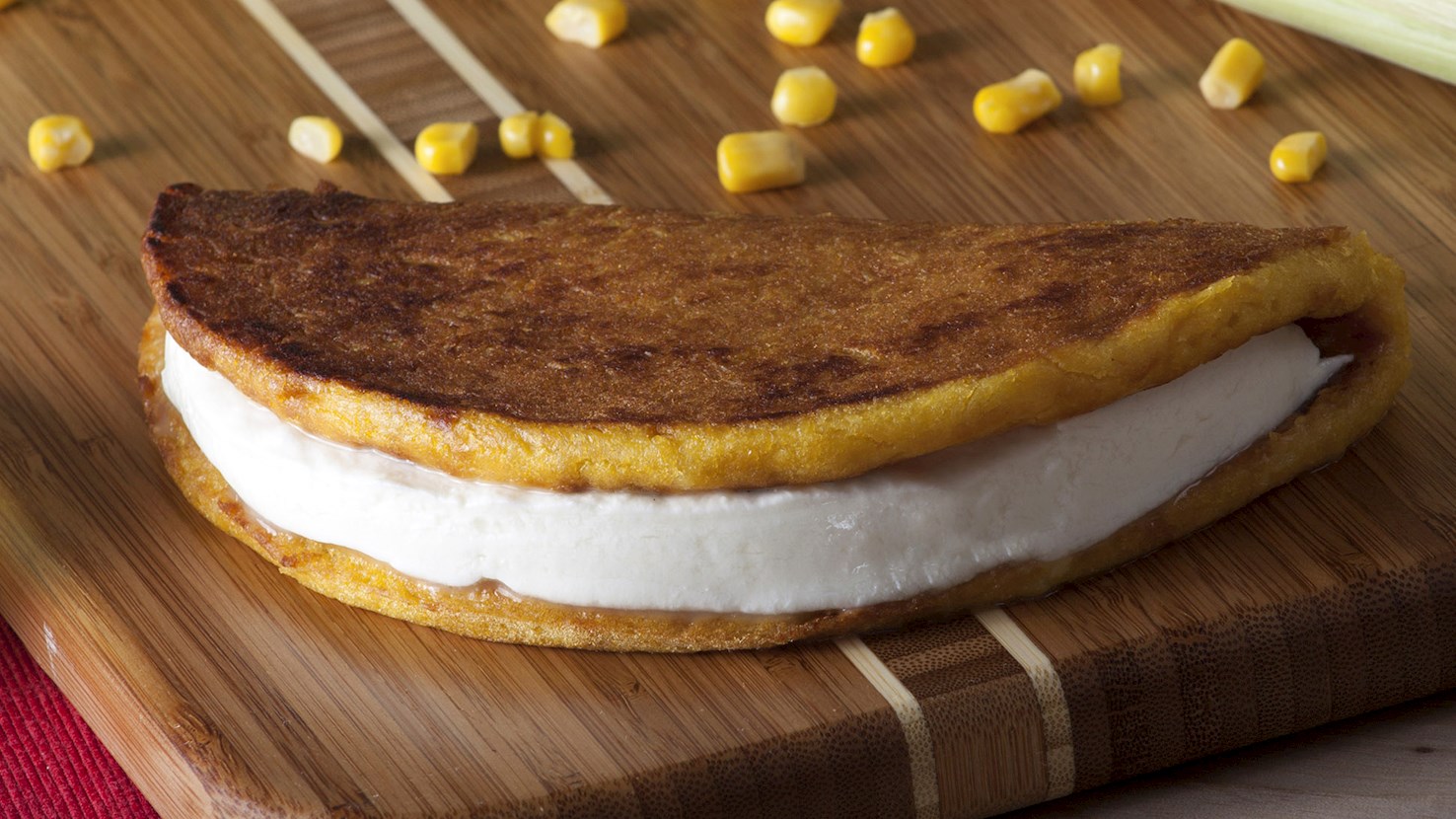
Cachapa, chorreada, arepa de choclo, güirila, toquera, tortilla de choclo, and tortilla changa, are all names that describe a Latin American corn dish that can be categorized as either a pancake, tortilla, or flatbread, depending on the country. It can be made only of corn or have additional ingredients like sugar, water, milk, salt, butter, cheese, and oil. They are typically prepared by street vendors and are either fried or griddled (in Nicaragua, they’re cooked between two banana leaves!) and characterized by a sweet-savory flavor. They can be eaten plain with a beverage, wrapped around a filling, or topped like an open-faced sandwich with things like cheese, shredded pork, sour cream, and eggs. They can be eaten any time of day, but typically they're eaten for breakfast, as a snack, or a quick dinner.

04
Side Dish

Gallo pinto

4 ·

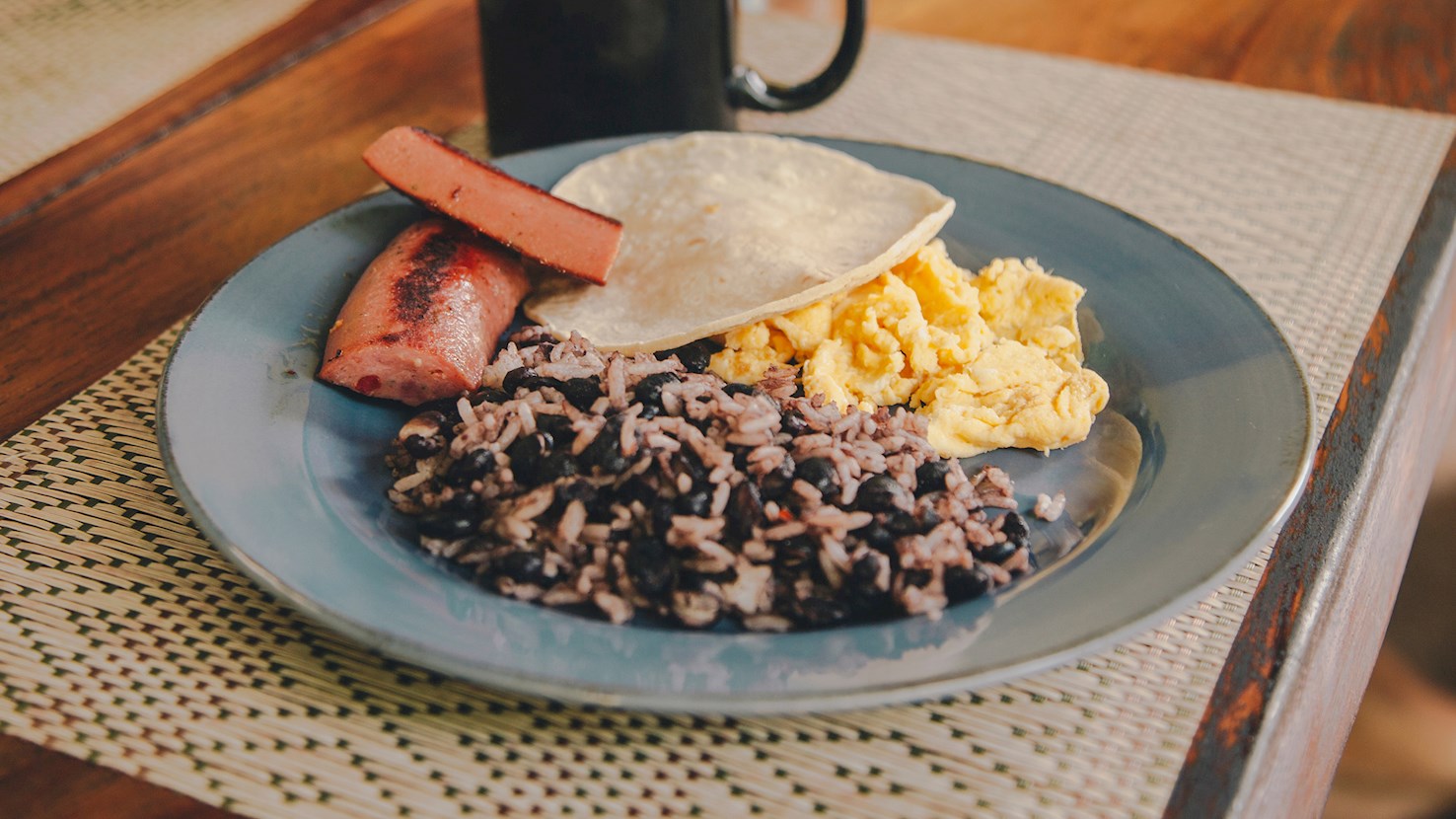
Gallo pinto, sometimes referred to only as pinto, is the traditional national dish of Costa Rica and Nicaragua. Although many variations of the dish exist, at its most basic it is a blend of cooked and fried rice and beans, combined with herbs and vegetables such as cilantro, peppers, celery, and onions. The name of the dish means spotted rooster, referring to the fact that the combination of beans and rice results in a spotted, speckled visual appearance. It is typically served as a side dish, either for breakfast (alongside eggs or meat), lunch or dinner, and sometimes with all three meals of the day. The origins of the dish are probably Nicaraguan, with the name dating back to the 1900s, inspiring a rivalry between the two countries, so it is not just Costa Rican national dish, but Nicaraguan as well. The obvious difference is that the Costa Rican version uses black beans, while the Nicaraguan version uses red beans. Regardless of its origins, the rivalry still continues, and gallo pinto remains a staple of both cuisines, with a small bottle of Salsa Lizano on the side in Costa Rica, a spicy condiment acting as a reminder of which country's version of the dish one is consuming.

05
Appetizer

Chifrijo

3.9 ·

Chifrijo is a unique Costa Rican dish made by layering the following components in a bowl: white rice, beans cooked in spices, chicharrón pork pieces, pico de gallo, and tortilla chips, which can also be served on the side. The name of the dish is a composite of chicharrón and frijo (from frijol, meaning beans). Chifrijo was invented in the 1990s by a San José bar owner named Miguel Ángel Cordero Araya, and the dish is still a staple of bar food in Costa Rica.

06
Sweet Pastry

Rosquillas

3.5 ·

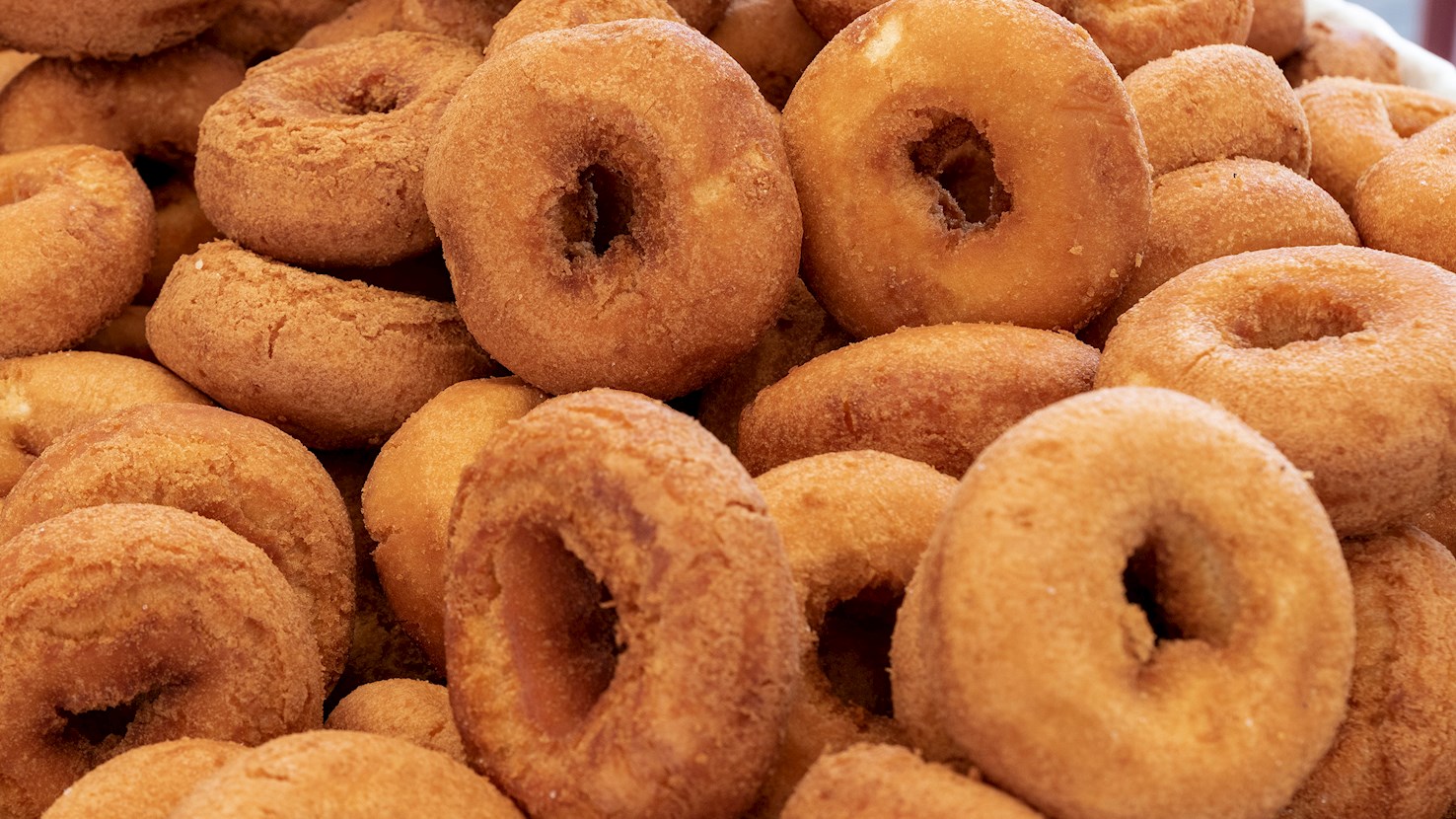
Rosquillas are traditional Spanish deep-fried donuts, characterized by their fluffy texture and a hole in the middle. They are typically prepared during the Holy Week festivities. Although there are many varieties of rosquillas, the classic ones are prepared with a combination of eggs, sugar, milk, oil, lemon zest, flour, baking powder, and anisette, which imparts a unique flavor to these tasty donuts. Another classic variety of rosquillas is made with sweet muscat wine (moscatel), and those donuts are known as rosquillas de vino. After they have been deep-fried, rosquillas are typically served as a sweet snack, topped with cinnamon sugar. Interestingly, in Honduras, the rosquillas are made with corn masa and curd cheese, and they are not deep-fried but baked in the oven.

07
Beef Dish

Picadillo de papa

3.3 ·

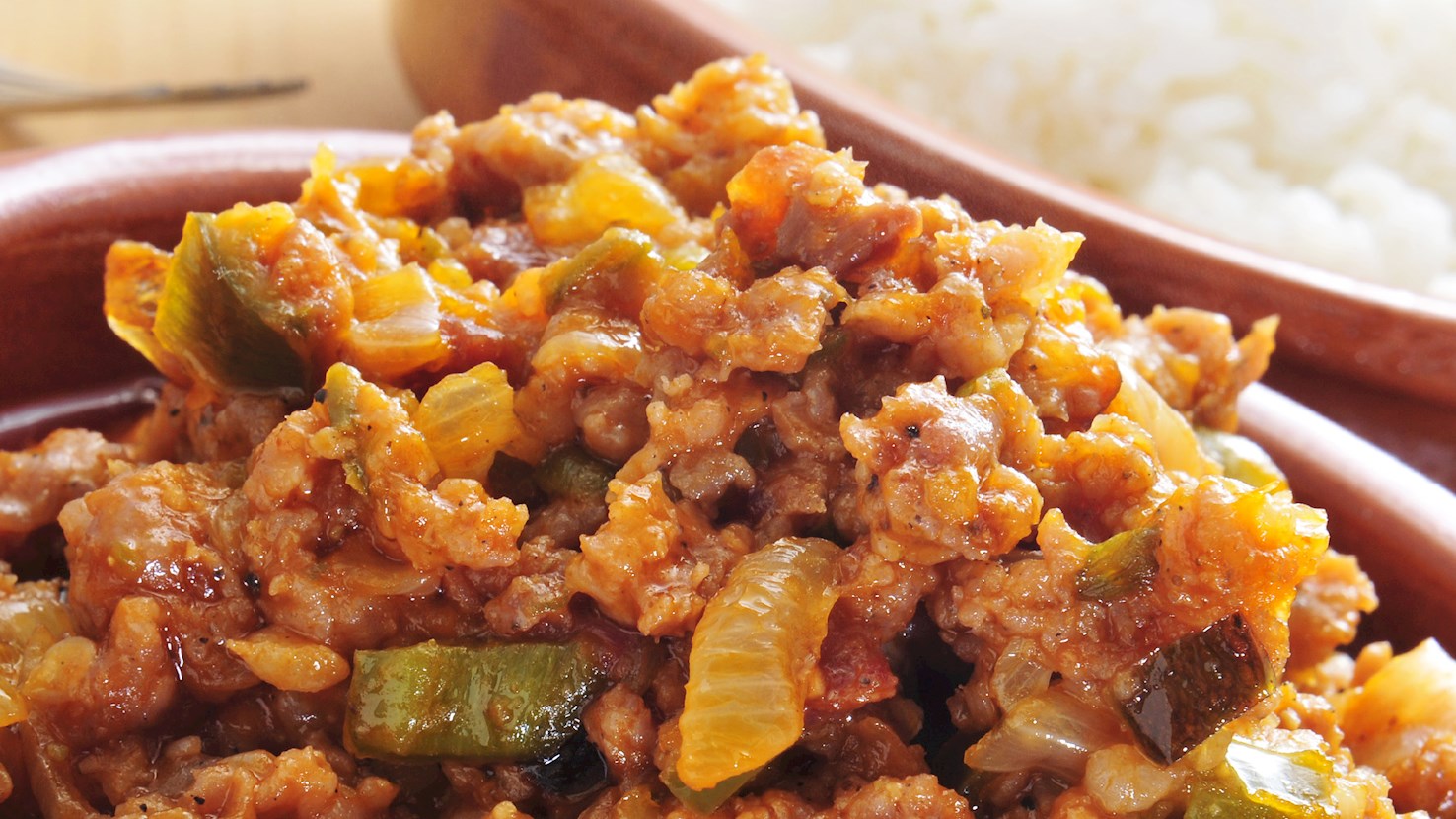
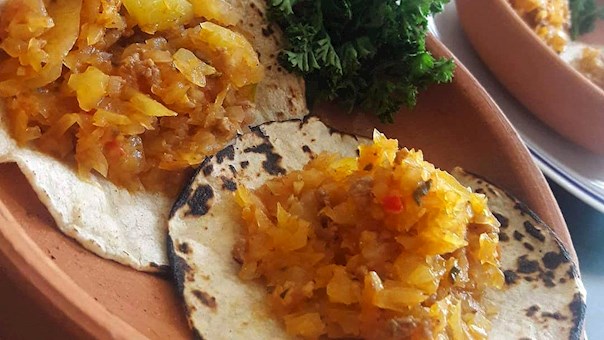
Picadillo de papa is a savory Costa Rican dish consisting of picadillo potatoes, chopped bell peppers, onions, and ground beef. The dish is traditionally served with tortillas and rice, and it is customary to consume it by filling the tortillas with picadillo and blended beans, which are typically served on the side. Picadillo de papa is popular throughout Latin America, so there are several versions of the dish with different vegetables.

08
Vegetable Soup

Sopa negra

3 ·

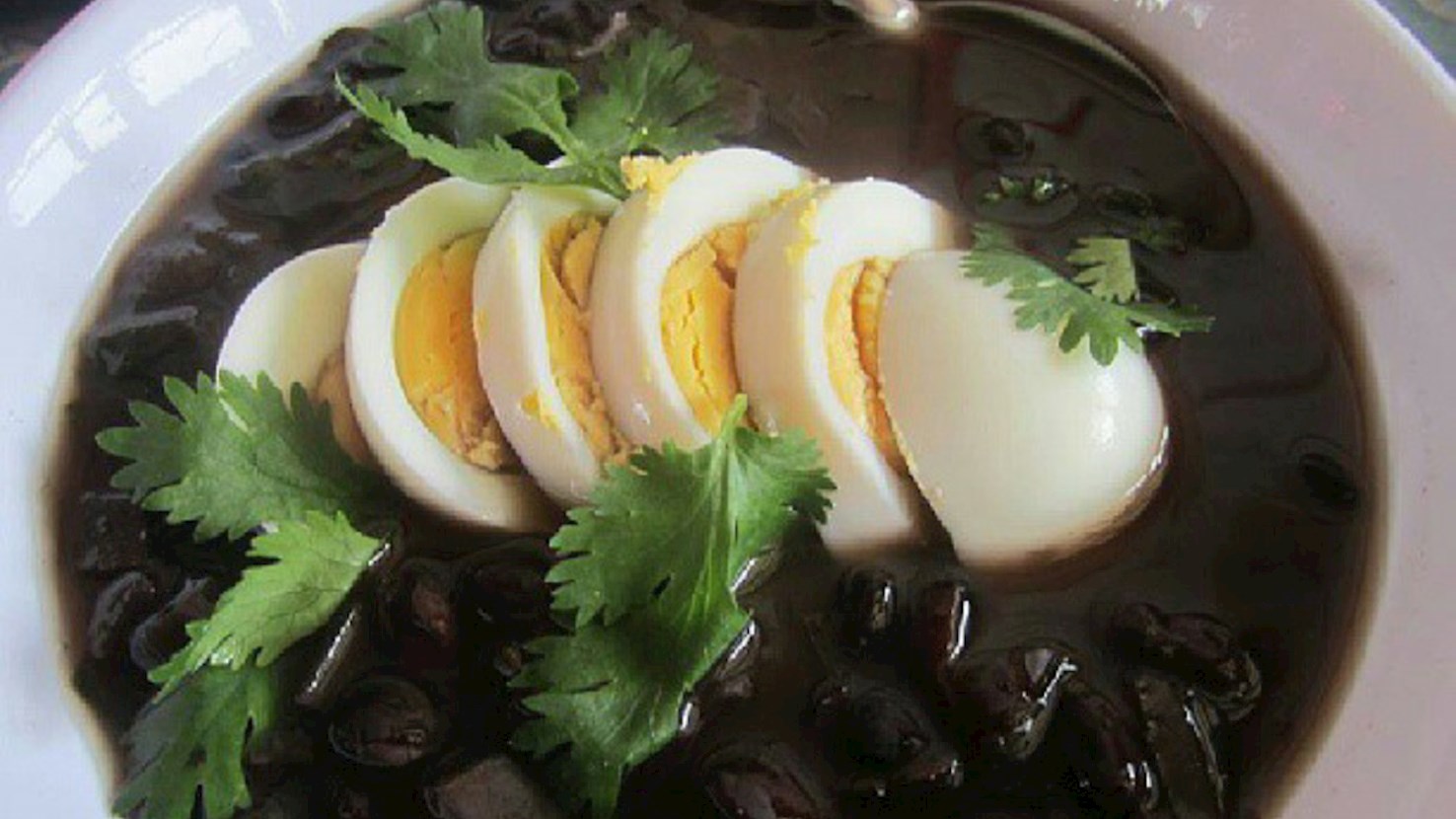
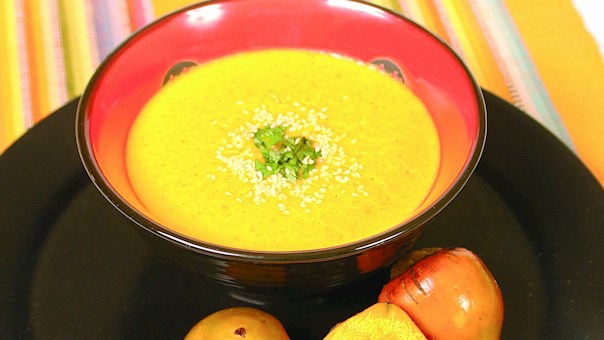
Sopa negra is a traditional soup with variations throughout Latin America. It's made with a combination of black beans, onions, bell peppers, hot peppers, cilantro, garlic, and chicken broth. The soup is cooked until the beans become tender, and it's then garnished with chopped hard-boiled eggs and a dollop of sour cream or avocado slices. The eggs are cooked in the soup and then removed and peeled before being used as garnishes. This hearty bean soup is usually served with warm corn tortillas on the side and white rice that's mixed into the soup.

09
Seafood Dish

Ceviche Tico

2.9 ·

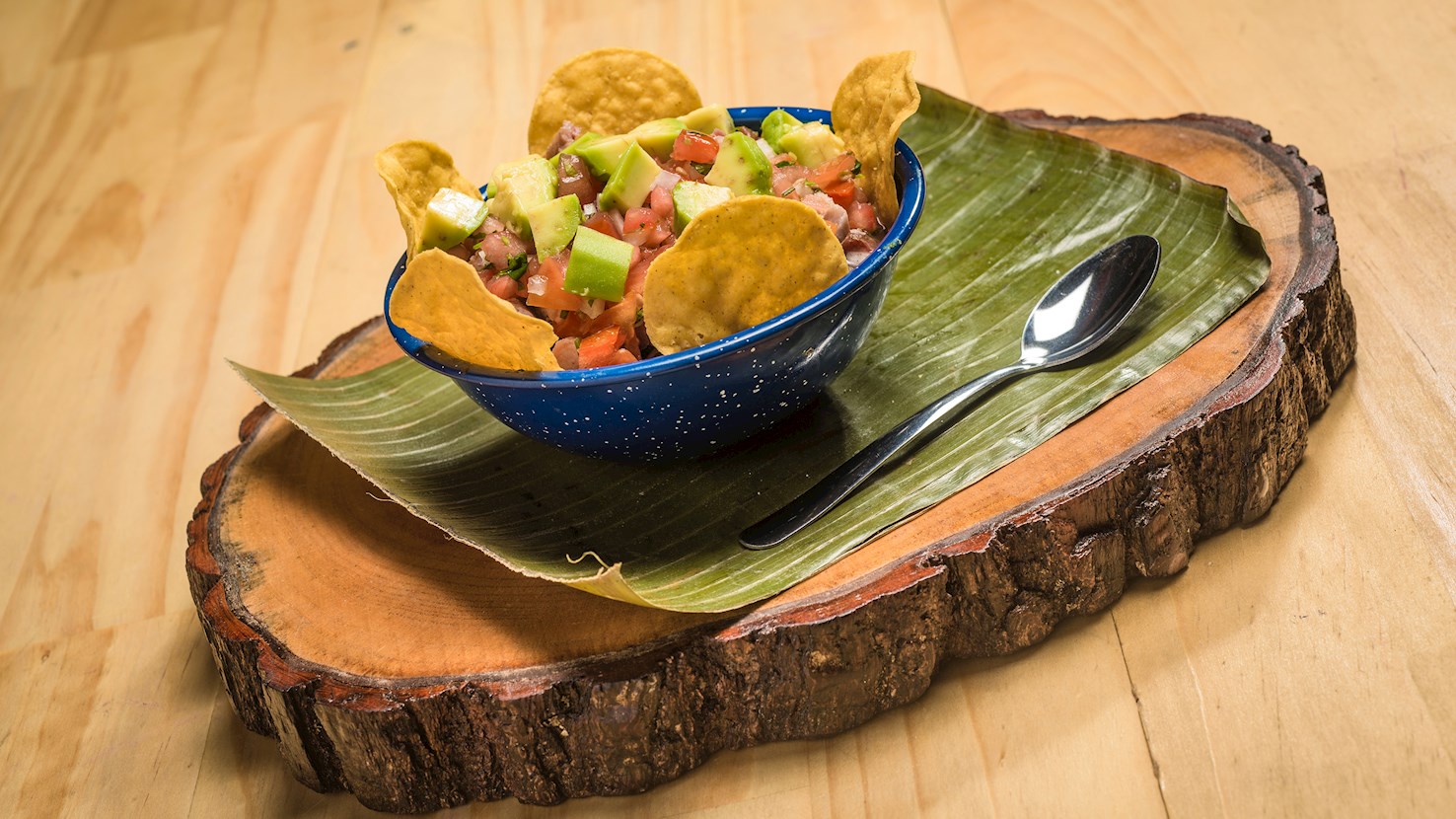
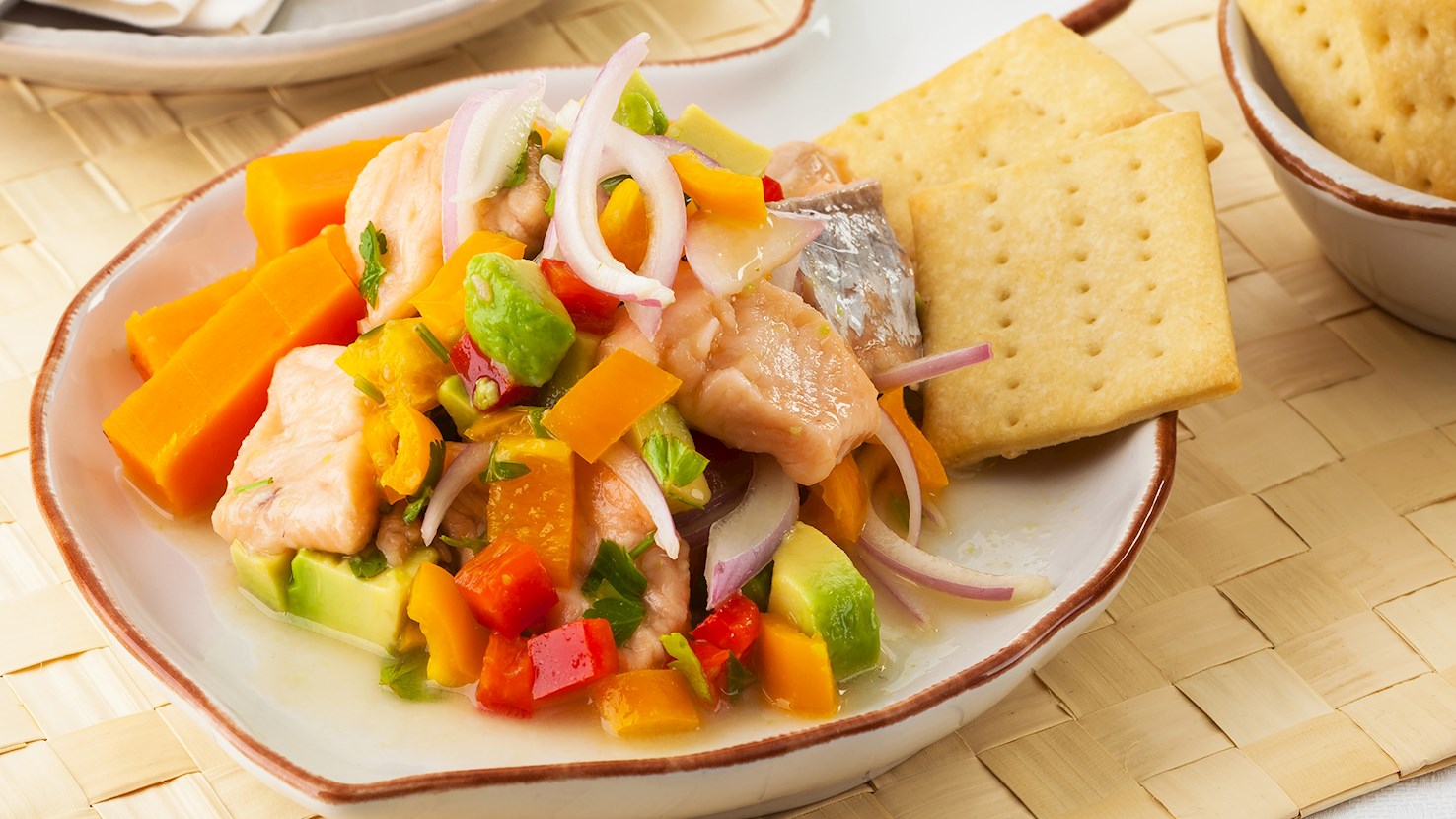
Ceviche Tico is a Costa Rican version of the famous ceviche, available in many versions throughout the country, consisting of white fish or shrimps marinated in lime juice, chilis, coriander, garlic, and onions. When all of the ingredients have been combined, the concoction is chilled for at least three hours before consumption. It is said that the secret to making a ceviche Tico lies in in using a small variety of inexpensive ingredients. This light appetizer is usually served with crackers, tortilla chips, or boiled green plantains on the side.

Best restaurants
10
Stew

Olla de carne

2.4 ·

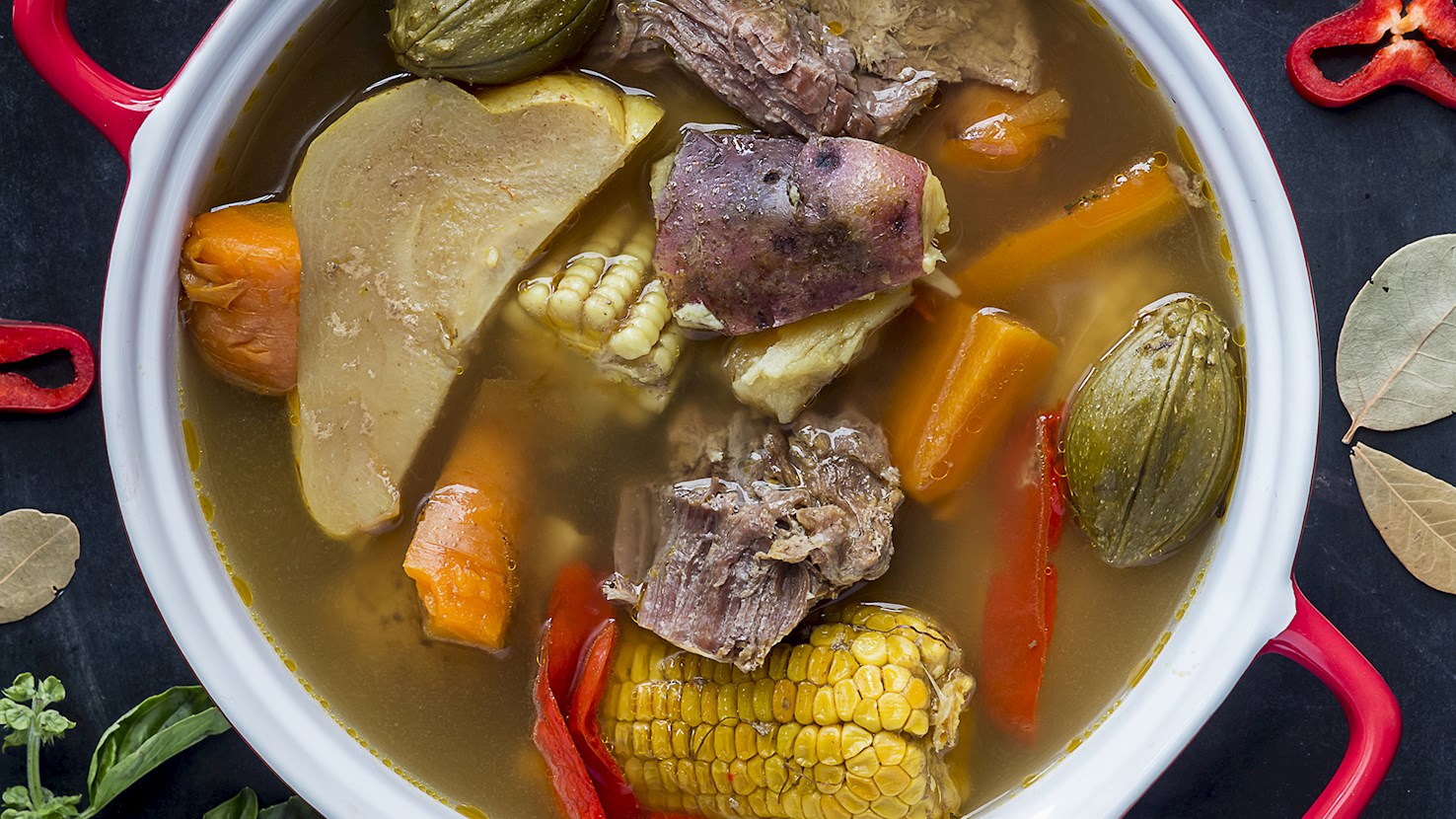
Olla de carne is a rich and hearty Costa Rican stew made from beef cuts such as flank and short ribs, becoming especially tender when simmered in a broth together with cassava, carrots, potatoes, corn, plantains, and taro roots. This stew is traditionally prepared on weekends, both in home kitchens and restaurants, where it is accompanied by rice, beans, or deep-fried plantains.

Read more
View all
View map
About this ranking

TasteAtlas food rankings are based on the ratings of the TasteAtlas audience, with a series of mechanisms that recognize real users and that ignore bot, nationalist or local patriotic ratings, and give additional value to the ratings of users that the system recognizes as knowledgeable. For the “Top 15 Costa Rican Foods” list until June 01, 2026, 1,005 ratings were recorded, of which 513 were recognized by the system as legitimate. TasteAtlas Rankings should not be seen as the final global conclusion about food. Their purpose is to promote excellent local foods, instill pride in traditional dishes, and arouse curiosity about dishes you haven’t tried.

The initial list of top producers was compiled based on available reviews, awards, local recommendations, media and blog coverage, and consumer reviews. The list will be updated with ratings from TasteAtlas local ambassadors and TasteAtlas users.

Similar lists