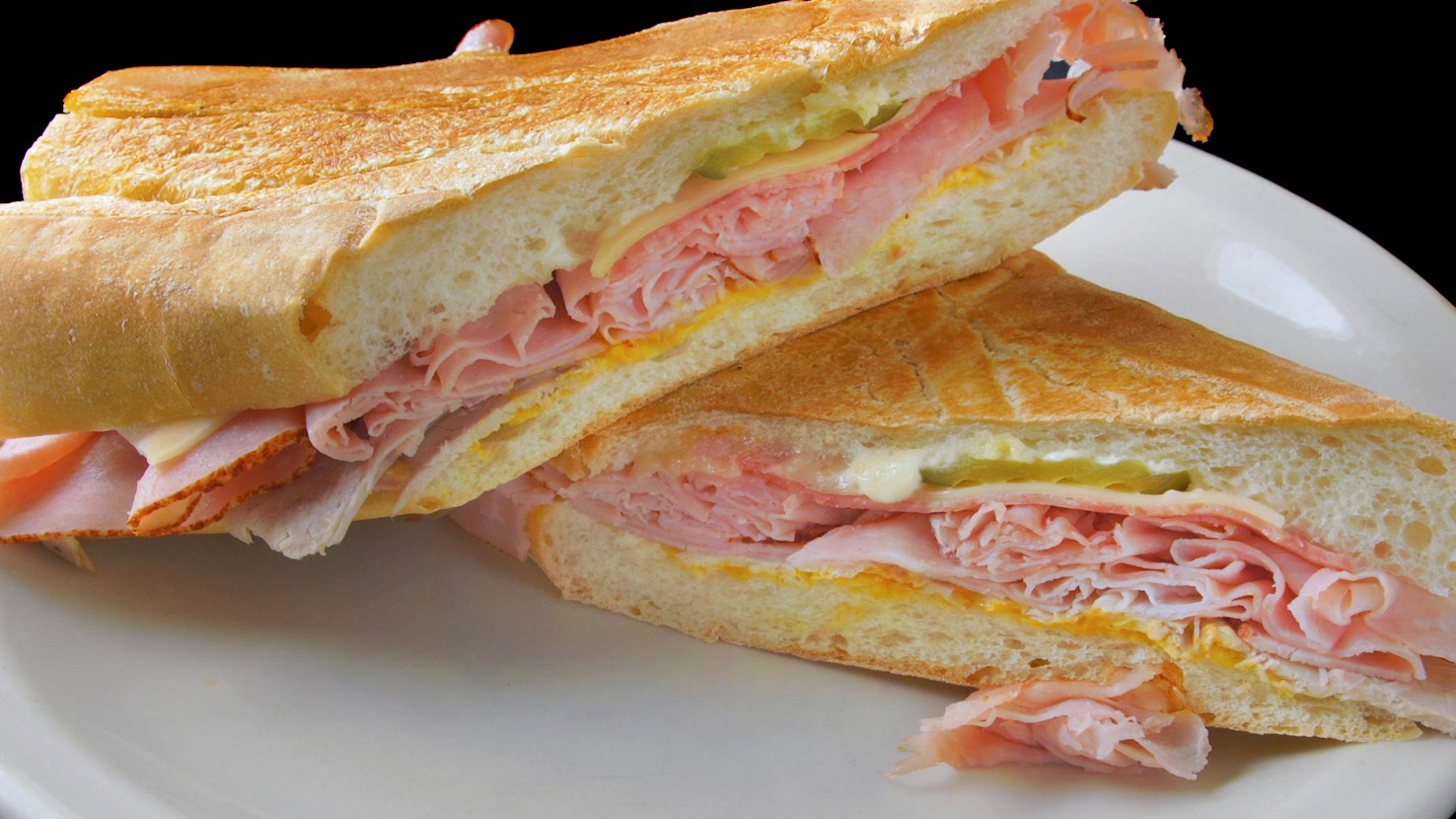
Medianoche is a tasty Cuban sandwich filled with roasted pork, ham, Swiss cheese, and pickles. The bread is made with a sweet and soft egg dough which is very similar to the Jewish challah. The name of the sandwich means midnight, referring to the fact that it is traditionally consumed late at night, mostly after a big night of partying in dance clubs. Medianoche is closely linked to the popular Cubano sandwich, the only difference being the type of bread used in its preparation. Originally, the sandwich was always prepared in a press, and it is believed that the first medianoche was invented in Havana around the year 1900 by late-night workers.
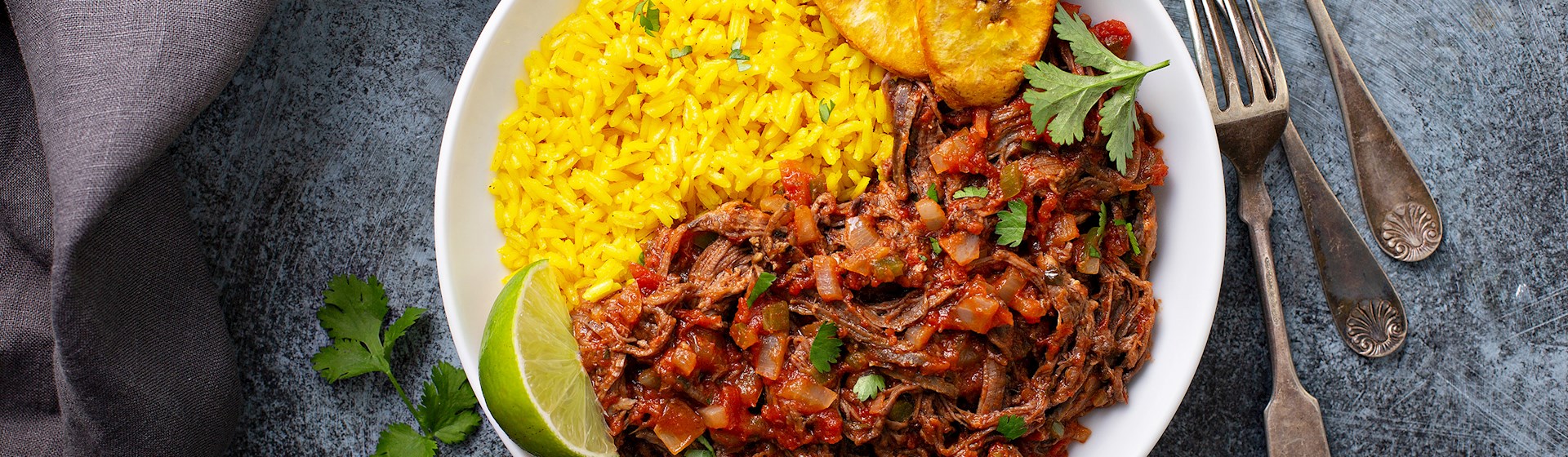
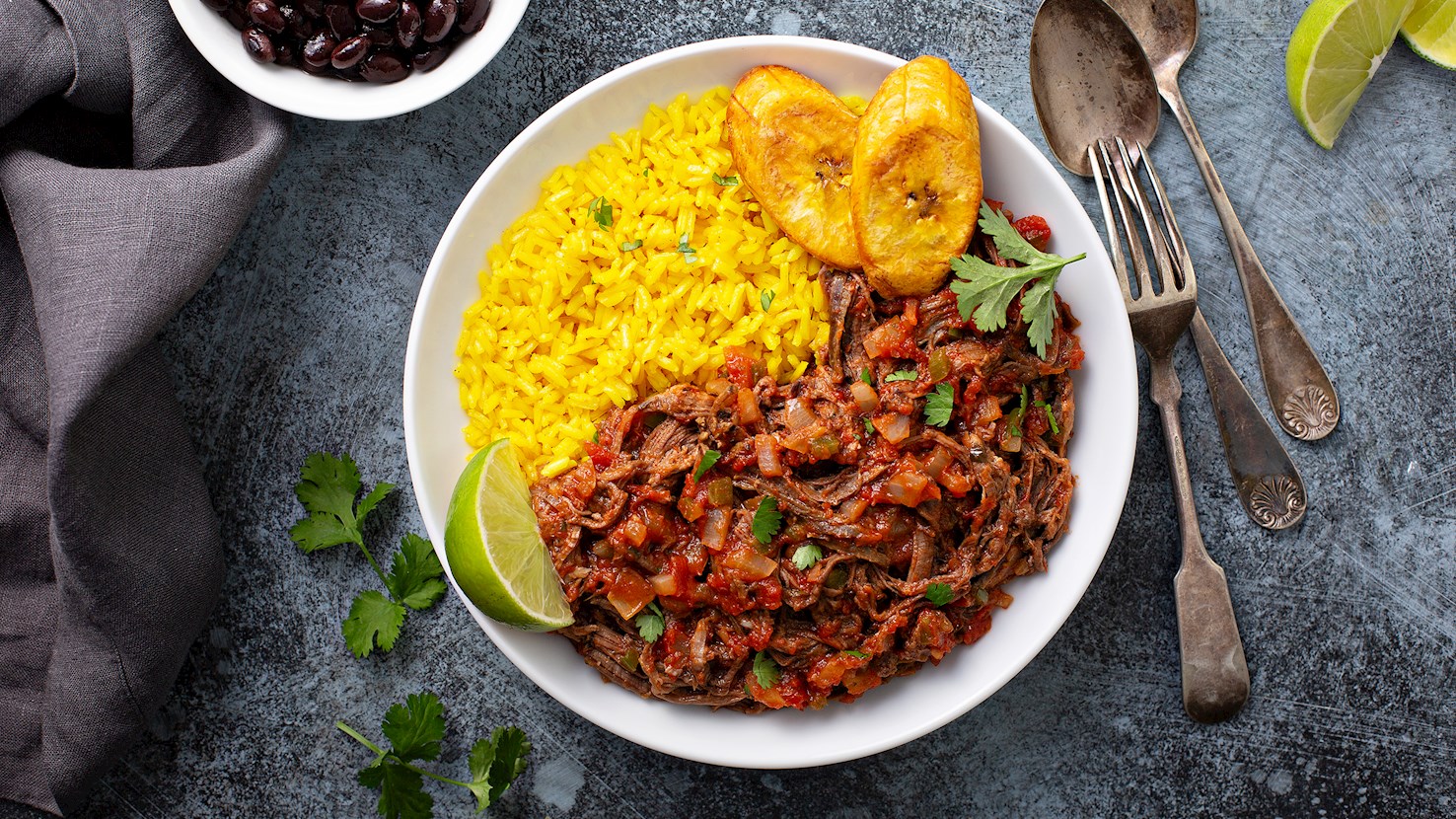
Ropa vieja is the national dish of Cuba, a hearty stew made with shredded beef, tomatoes, onions, and peppers. The stew is traditionally served with yellow rice and a glass of cold beer on the side. Like many Cuban dishes, this one also originated in Spain and was brought over to Cuba and the Caribbean territory by the Spaniards. It is believed that the Sephardic Jews from the Iberian Peninsula invented the dish because they could not cook on the Sabbath, so they prepared this hearty stew a day in advance. Ropa vieja means old clothes, referring to an unusual story saying that a poor man once shredded and cooked his clothes because he could not afford to buy food. As he prayed over the pot, a miracle happened and turned his clothes into a flavorful meat stew. Today, ropa vieja is a staple across the Caribbean and Cuba, with tweaks and modifications in the recipes throughout the regions.
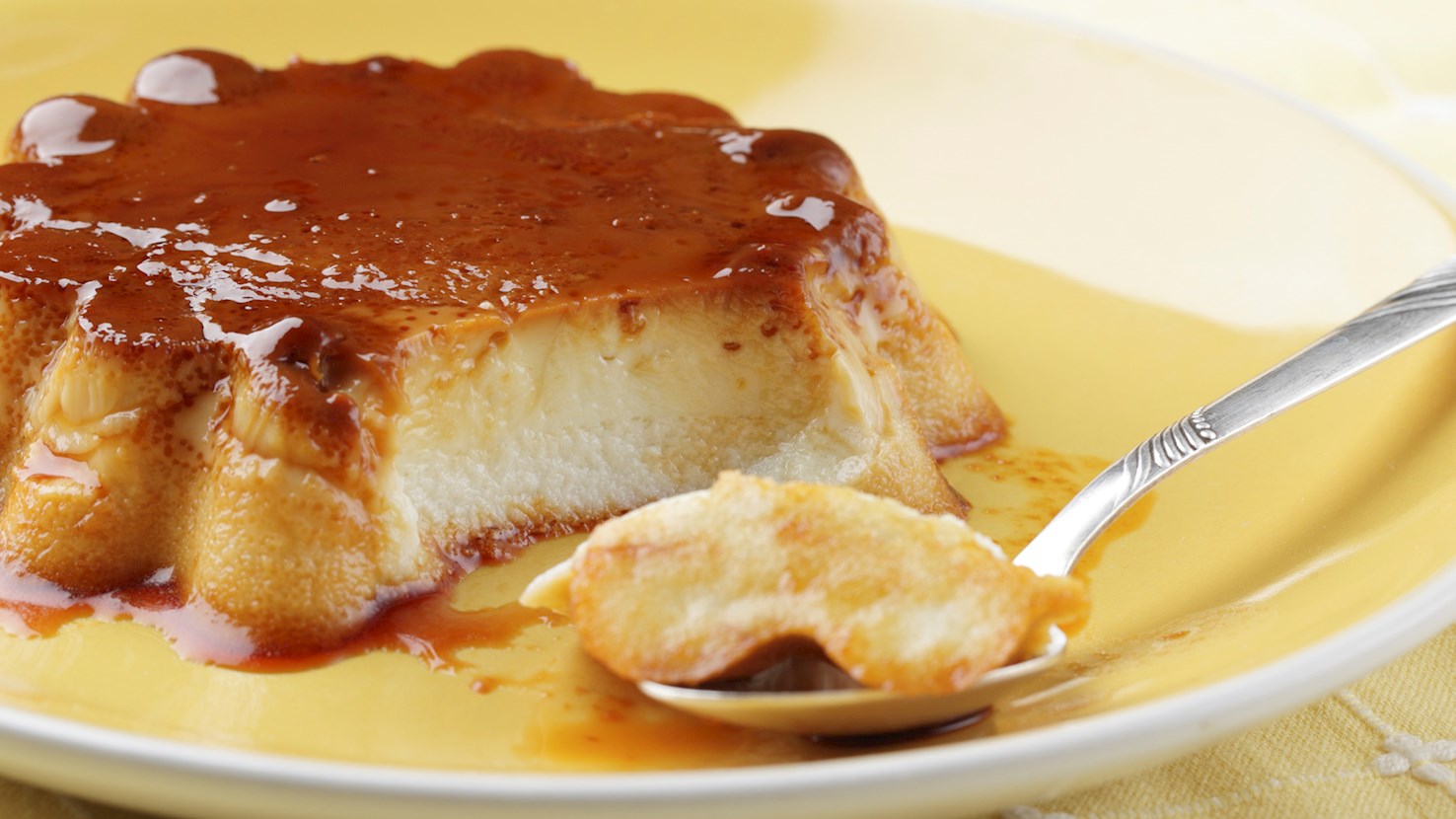
Flan de coco or coconut flan is a delicate dessert that is popular in Colombia, Costa Rica, and parts of the Caribbean. It is typically made with eggs, coconut milk, condensed milk, cream, vanilla extract, and flaked coconut. The dessert is usually baked in small ramekins with caramel on the inside, so when flan de coco is inverted, it has a nice caramel layer on top and on the sides. Before serving, the dessert is often topped with flaked coconut.
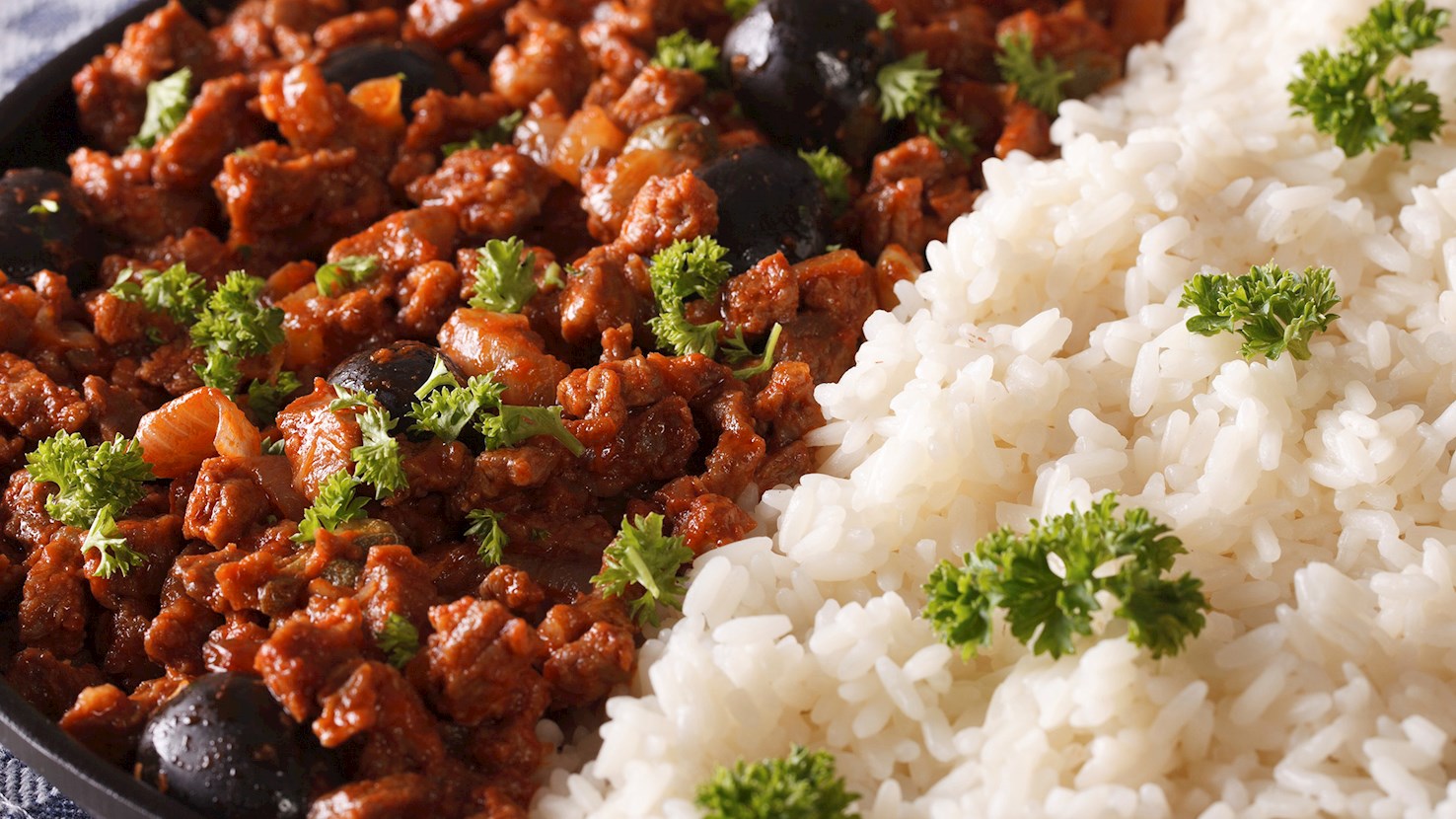
Picadillo Cubano is a spicy dish consisting of ground meat, tomatoes, and onions, while other picadillo versions are popular throughout Latin America, Spain, and the Philippines (where it is known as giniling). The dish is usually served with a side of rice or tortillas, although it is used just as often as a filling for numerous wraps and tacos. In Cuba, the cooks like to add raisins for sweetness and olives for salt, in the Philippines, potatoes are often added to the dish, while the Mexican version incorporates additional lime juice, honey, or chili peppers. The name of the dish is derived from the Spanish word picar, meaning to chop or mince, referring to picadillo's key ingredient, ground meat.
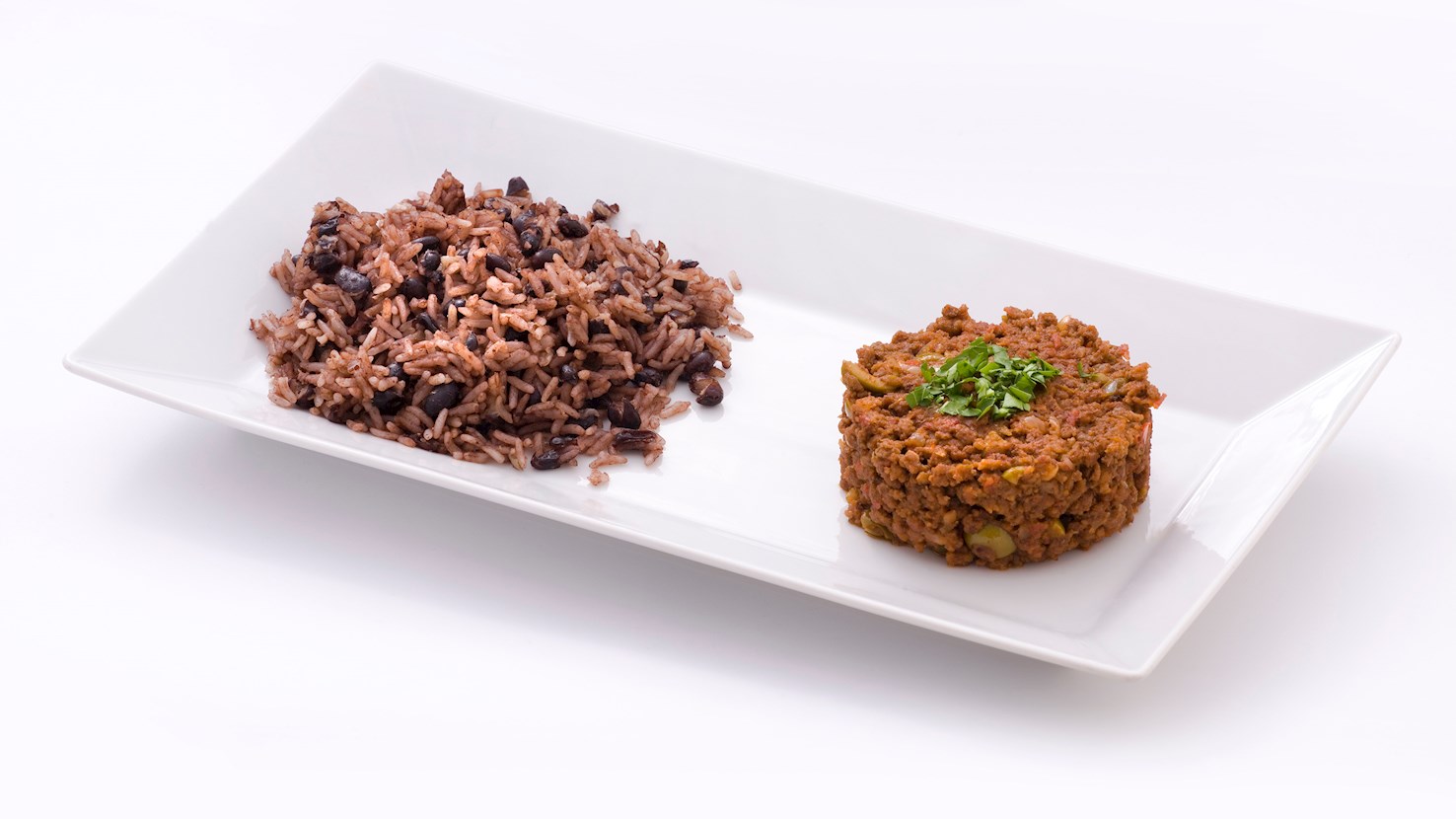
Platillo Moros y Cristiano, roughly translated as Moors and Christians dish - a poetic name referring to history, is the national dish of Cuba, a hearty combination of fluffy white rice and seasoned black beans, cooked together in the same pot. Moros y Cristiano is originally Spanish, and it spread to Cuba with its strong Spanish, Caribbean, and North African influences. White rice represents the Spanish Christians, while black beans are supposed to be the Muslim Moors, remembering a long period of wars between the two, known as Reconquista, and celebrating how both groups came to reconciliation in the Iberian Peninsula. The dish is found everywhere in Cuba, and you can't go to any restaurant, home, or street corner without it appearing in some form, so it is not unusual that there are as many recipes for the dish as there are Cuban people with cooking skills.
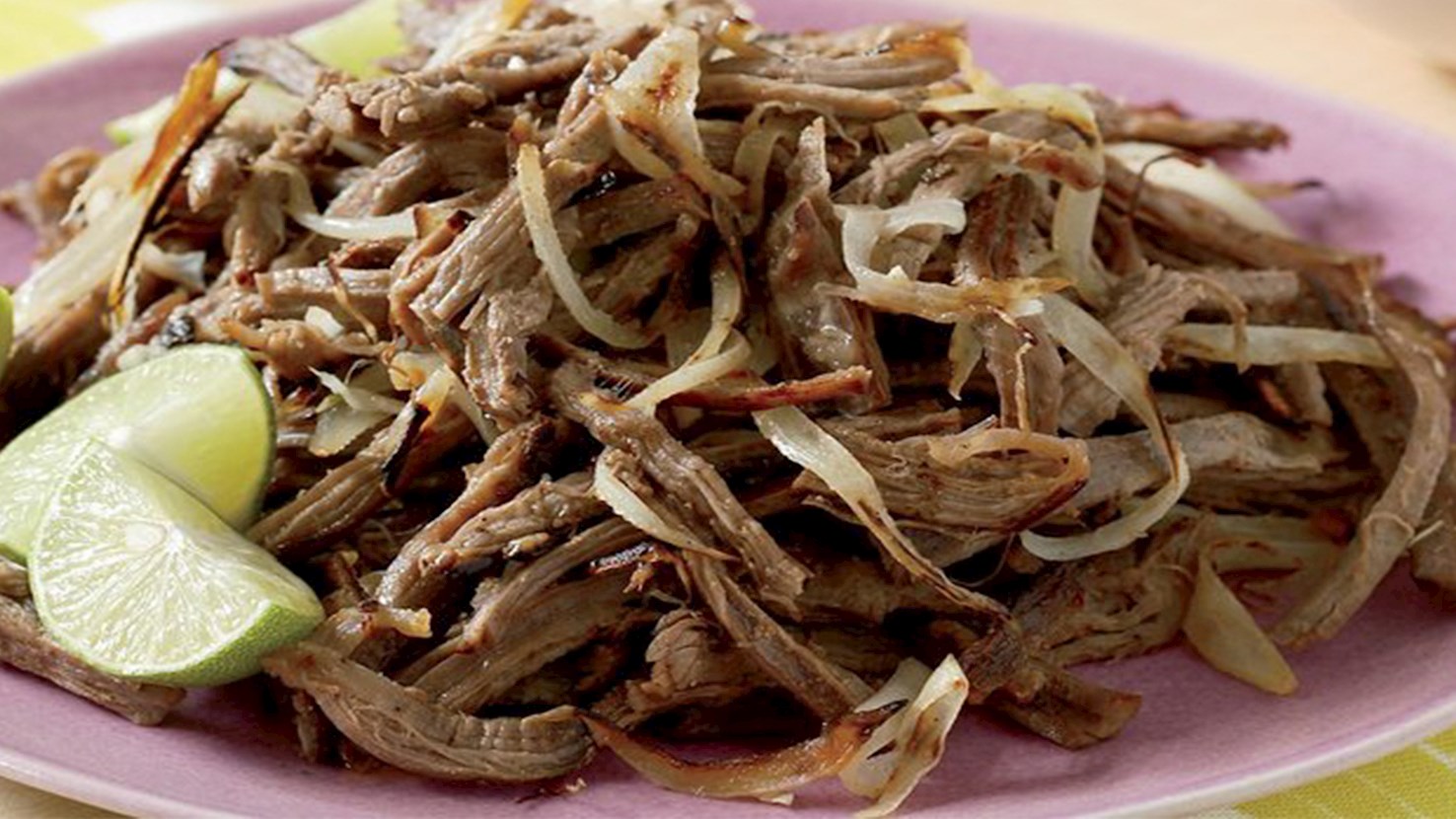
Vaca frita is a dish of tender, shredded beef seasoned with garlic and citrus, then pan-fried with onions until the meat develops crisp, deeply browned edges. Its name literally means “fried cow,” and the contrast between the beef's soft interior and crisp exterior is the dish's defining feature. Flank steak is one of the most common cuts used for vaca frita, although skirt steak, chuck, and other cuts suitable for slow cooking can also be used. The beef is first simmered gently in water until it becomes tender enough to pull apart easily. Onion, garlic, bay leaves and other aromatics may be added to the cooking liquid. The resulting broth can be reserved for soups, rice or other dishes rather than discarded. Once cool enough to handle, the beef is pulled into long, thin shreds. It is then seasoned with garlic, salt, black pepper and citrus juice. Sour orange, or naranja agria, suits the dish well because it combines acidity with a slightly bitter orange flavor. Where sour oranges are unavailable, a mixture of fresh orange and lime juice is commonly used. Some versions rely primarily on lime juice, and cumin or oregano may also be added. After a short rest in the seasoning, the beef is fried in a wide skillet with a small amount of oil. A large cooking surface is important because the meat needs direct contact with the pan to brown properly. If too much beef crowds the skillet, it steams instead of crisping. The meat is usually spread into an even layer and allowed to cook undisturbed until the underside becomes dark and crisp in places. It is then turned or stirred so that more of the shredded edges can brown. Thinly sliced onions are fried either with the beef or separately and added toward the end. They should soften and pick up some color while still remaining distinct from the meat. Garlic and additional lime or sour-orange juice can be added shortly before serving. A good vaca frita is not uniformly dry or crunchy. Some strands become deeply browned and crisp while others remain tender and juicy, giving the dish its characteristic mixture of textures. A final squeeze of lime is often added at the table to brighten the rich, browned beef. Vaca frita is commonly served with white rice and black beans, either separately or together as moros y cristianos. Fried ripe plantains, or maduros, are another popular accompaniment, as are boiled or fried yuca and a simple salad. These sides are common rather than mandatory, and the exact combination varies from household to household and restaurant to restaurant. The dish is part of Cuba's long tradition of preparing tougher cuts of beef by simmering them until tender and then using the cooked meat in another preparation. Its exact place and date of origin are not documented. The frequently repeated idea that vaca frita was invented by Cuban agricultural workers in the 19th century as a way of preserving meat with citrus is not established. Citrus gives the beef flavor and acidity, but it does not make the finished dish shelf-stable in a tropical climate. Vaca frita is sometimes compared with ropa vieja because both begin with cooked, shredded beef, but the finished dishes are quite different. Ropa vieja is simmered in a moist tomato-based sauce with peppers and onions. Meanwhile, vaca frita is fried until relatively dry and crisp, with garlic, citrus, and onions providing most of its flavor. Chicken can be prepared the same way in a dish commonly called vaca frita de pollo. Cooked chicken is shredded, seasoned with garlic and citrus, and fried until browned and crisp around the edges. Despite the name, it is a later variation rather than a form of beef vaca frita. Some versions of either dish also include sliced bell peppers, although onions are much more central to the classic preparation.
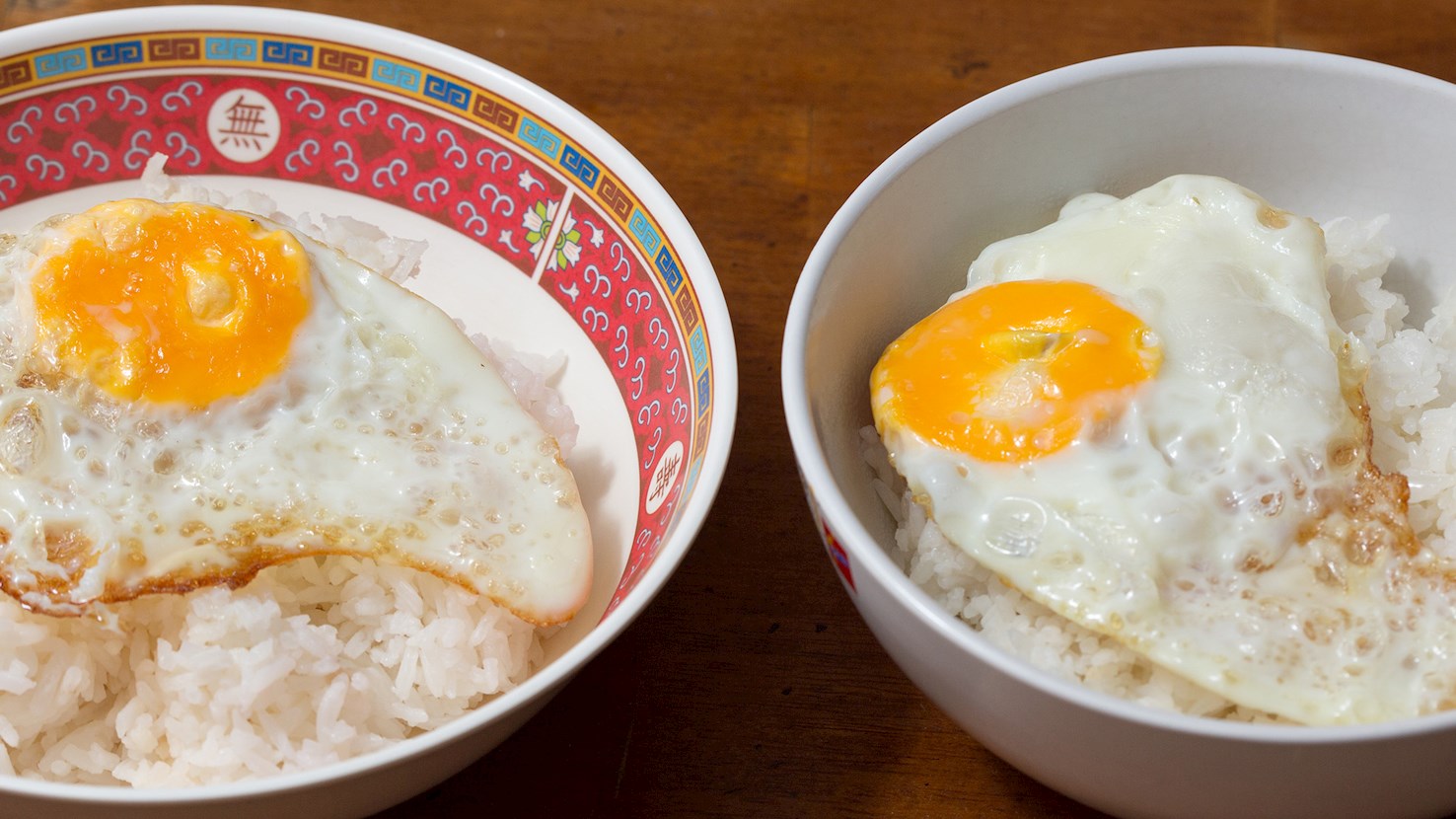
Arroz con huevo is a popular lazy lunch throughout Latin America, consisting of rice that’s topped with a fried egg. This humble dish used to be called comida de pobre (poor people food), but today it is enjoyed by people of all socio-economic classes. The dish has numerous variations, so in the Caribbean it is commonly accompanied by plantains, while the Spaniards pair it with a savory sofrito. It is recommended to top arroz con huevo with some freshly grated cheese and finely chopped parsley.
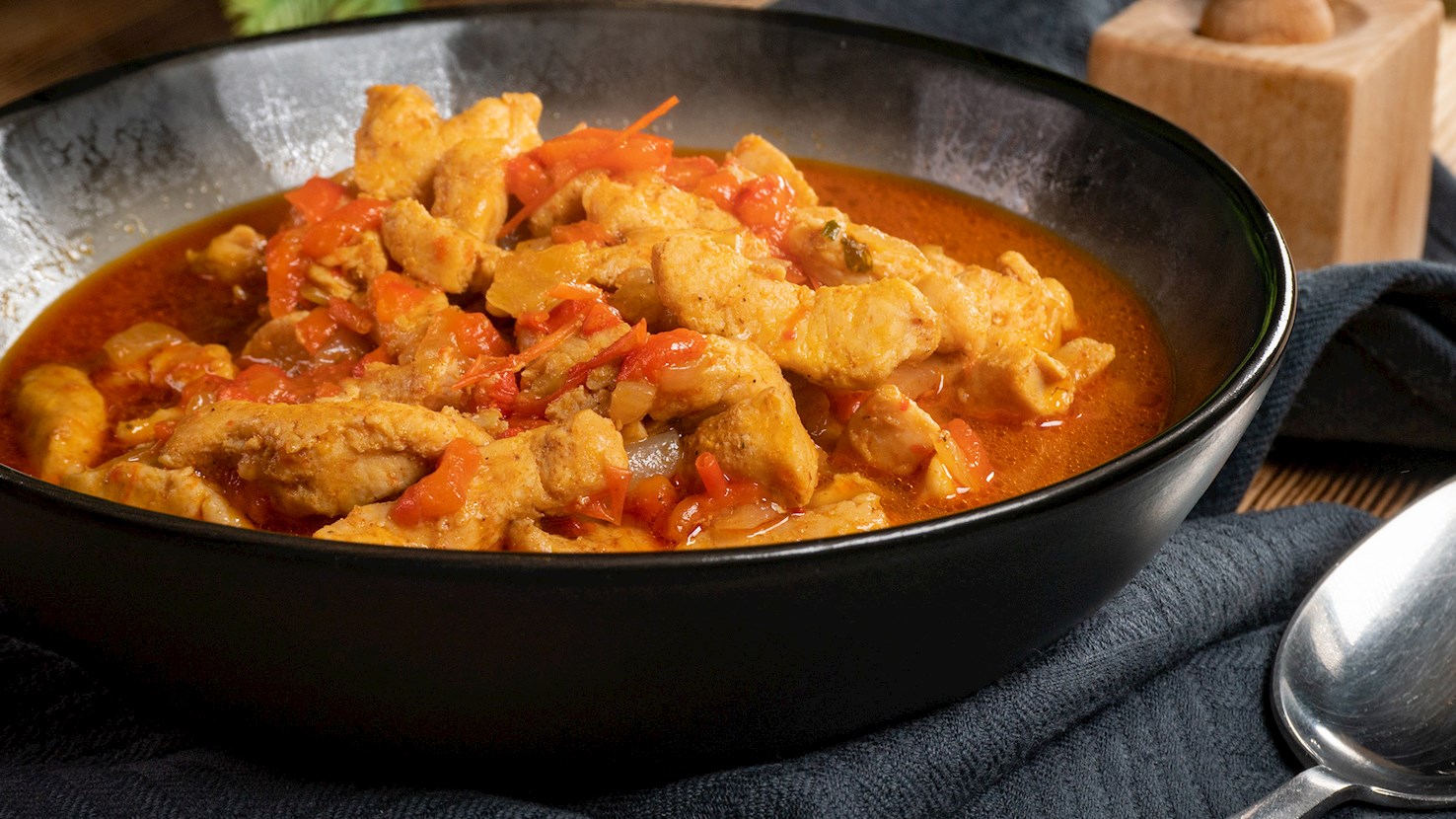
Fricasé de pollo is a traditional chicken dish originating from Cuba. The dish is usually made with a combination of dark chicken meat (legs and thighs), garlic, onions, bell peppers, potatoes, olives, bay leaves, tomatoes, chicken stock, and spices such as cumin, coriander, turmeric, and oregano. The meat is cooked in tomato sauce with all the other ingredients until the potatoes become fully cooked. Once done, fricasé de pollo can be eaten on its own or accompanied by rice or Cuban bread for mopping up the sauce. Although this is the most common way of preparing the dish, there are many variations on fricasé de pollo and every cook likes to add his own little tweaks to the recipe.
Pan con lechón is a traditional sandwich originating from Cuba, but it's also very popular in Miami. This pressed sandwich is made with Cuban bread, lechón roasted pork, butter, onions, and mojo sauce. The bread is cut lengthwise, buttered on both sides, then topped with roasted pork, mojo sauce, and yellow onions – either raw or sautéed. Once assembled, it's placed on a sandwich press, then served. The meat is usually marinated in garlic, orange juice, oregano cumin, and lime juice before it's roasted, while the mojo sauce consists of garlic, oregano, sour orange juice, salt, and black peppercorns.
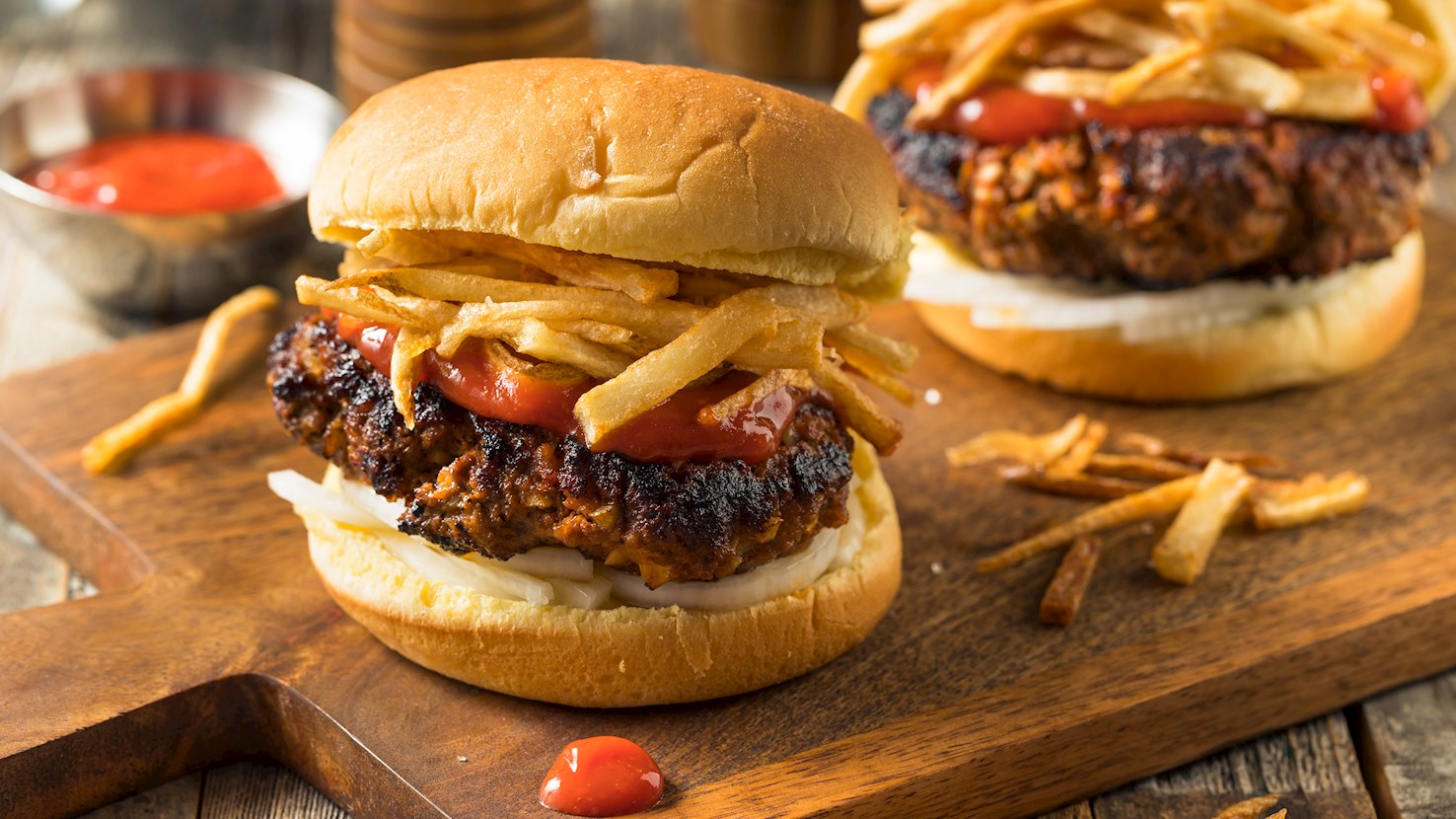
Frita Cubana (or simply frita) is a burger variety with Cuban origins. It was invented in Havana in the 1930s, 1940s, and 1950s (there's still no consensus). Originally, these burgers were sold by friteros from their stands, called puestos. The burgers were made with Cuban rolls, ground beef, onions, seasonings such as smoked paprika (pimentón), and julienned potatoes. In 1962, Ramon Estevill brought the burgers to Miami when he opened his small eatery. Nowadays, El Rey De Las Fritas is the most popular frita joint in Miami, and the fritas are made with a spicy tomato sauce, ground beef, a soft bun, red onions, and salty shoestring potatoes.
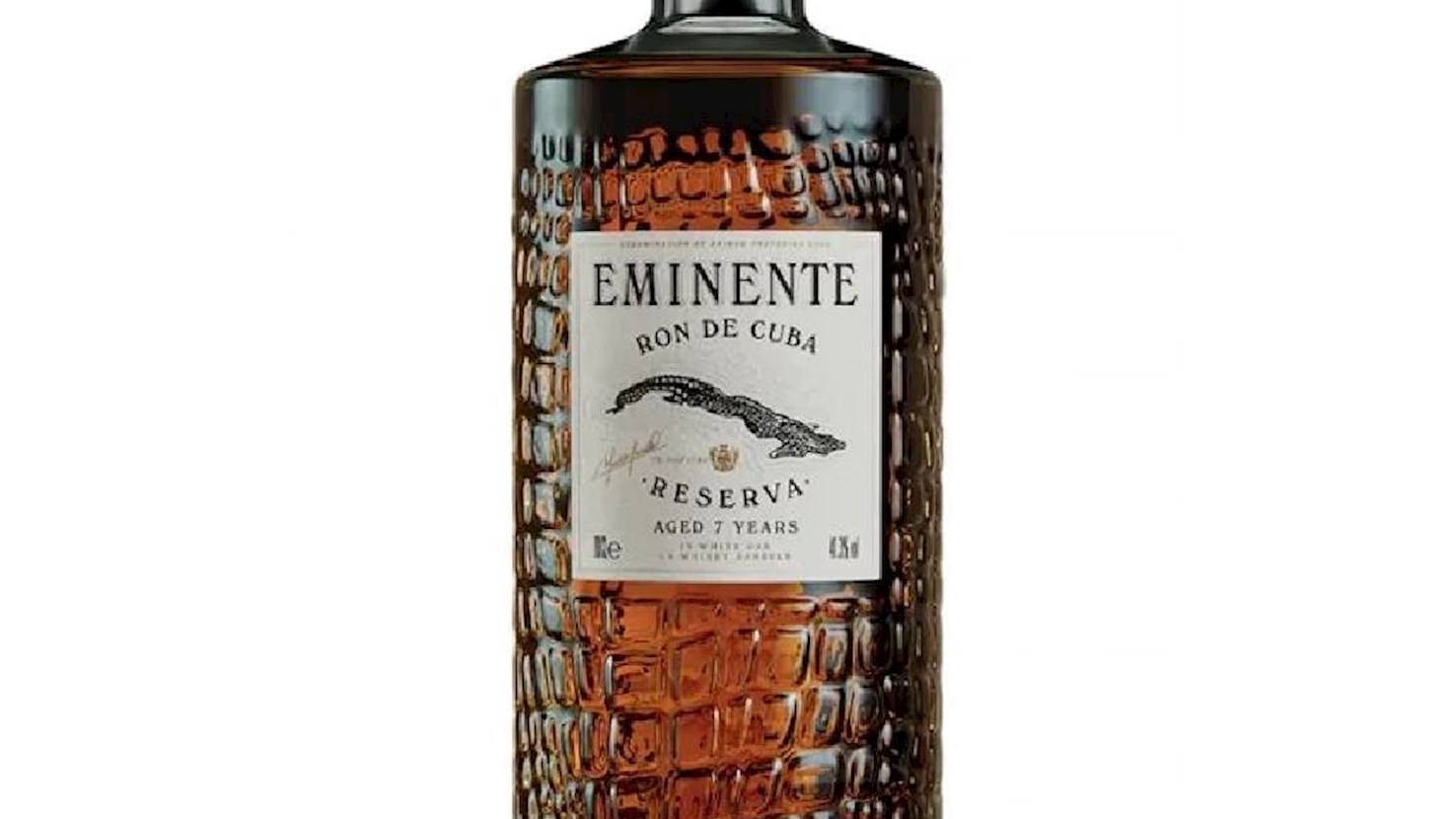
Eminente is a distinguished Cuban rum brand that embodies the revival of 19th-century Cuban rum-making traditions. Founded in 2020, the brand was conceived by César Martí, Cuba's youngest Maestro Ronero (master rum distiller), who has been honored with the prestigious title of Primer Maestro del Ron Cubano.
Eminente's rums are crafted using a significant proportion of aguardiente, a Cuban molasses eau-de-vie, which imparts rich aromatic complexity. The flagship product, Eminente Reserva, is made with 70% aged aguardiente and is aged for a minimum of seven years in white oak ex-whisky barrels.
This process results in a rich, full-bodied rum that combines the aesthetics of traditional Cuban light rum with the depth and complexity of older spirits.
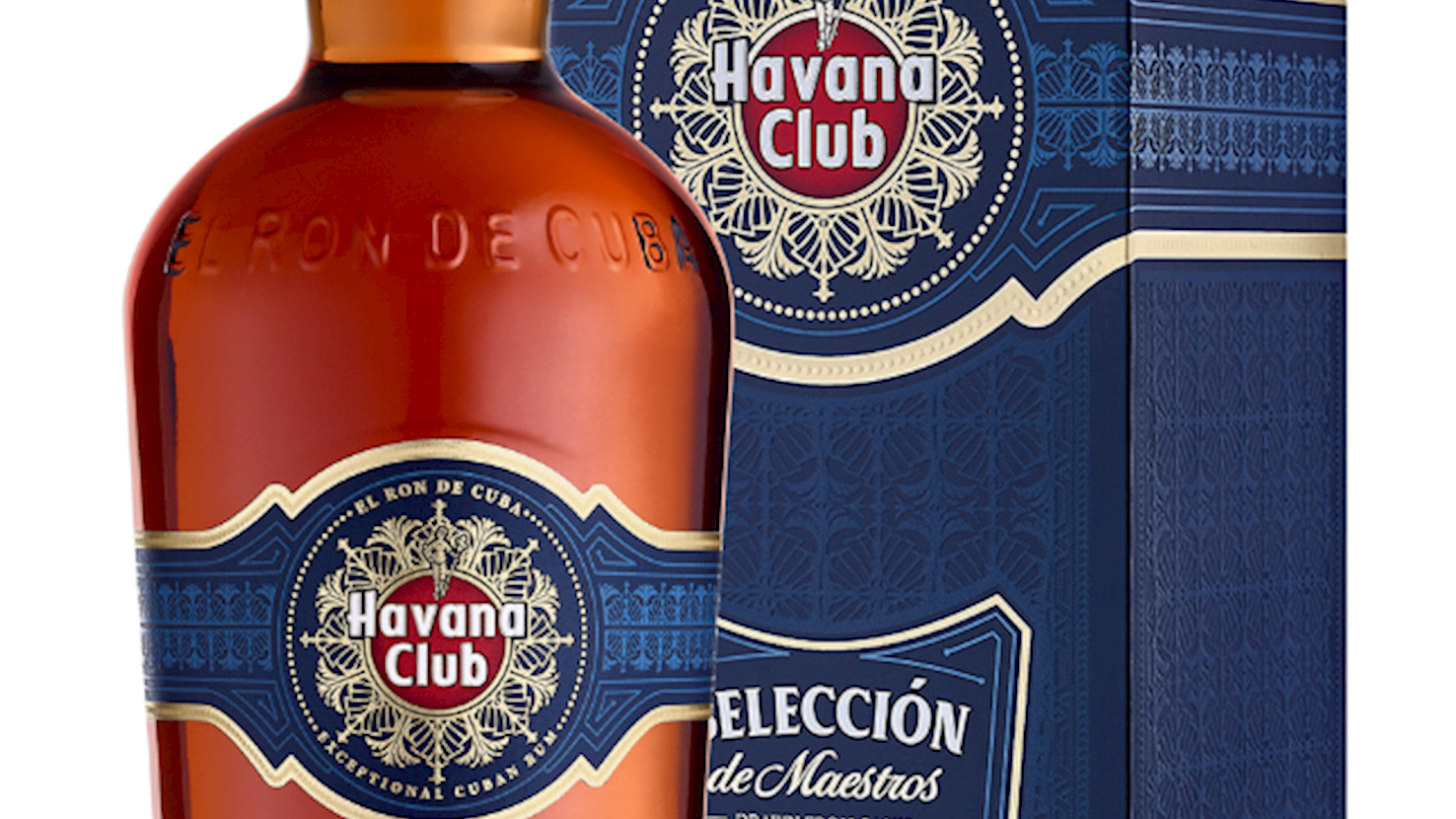
Havana Club is a renowned Cuban rum brand with a rich history dating back to 1934. The brand is celebrated for its authentic Cuban heritage and craftsmanship, producing high-quality rums that embody the spirit and culture of Cuba.
Havana Club rums are distilled in Cuba using traditional methods, including the aging of rum in oak barrels, which gives their products a unique and complex flavor.
The brand offers a wide range of rums, from light and smooth varieties perfect for cocktails, to premium aged rums enjoyed neat or on the rocks.
Owned by Pernod Ricard, Havana Club is a symbol of Cuban identity and pride, with its products available in many countries worldwide. The brand actively promotes Cuban culture through events, collaborations, and its commitment to preserving the artistry of rum-making.
Awards
SWSC - Singapore World Spirits Competition - Double Gold
(2023)
TasteAtlas food rankings are based on the ratings of the TasteAtlas audience, with a series of mechanisms that recognize real users and that ignore bot,
nationalist or local patriotic ratings, and give additional value to the ratings of users that the system recognizes as knowledgeable.
For the “Top 31 Cuban Foods” list until October 21, 2026, 1,223 ratings were recorded, of which 763 were recognized by the system as legitimate.
TasteAtlas Rankings should not be seen as the final global conclusion about food. Their purpose is to promote excellent local foods,
instill pride in traditional dishes, and arouse curiosity about dishes you haven’t tried.
The initial list of top producers was compiled based on available reviews, awards, local recommendations, media and blog coverage, and consumer reviews.
The list will be updated with ratings from TasteAtlas local ambassadors and TasteAtlas users.








What People Say