





shutterstock

Top 10 Curaçaoan Foods

Last updated on October 28, 2026
01
Bread Roll

Pan será

n/a ·

Pan será is a traditional bread from Curaçao consisting of flour, yeast, sugar, margarine, and water. It is usually shaped into round buns that are baked until they develop a shiny, brown crust, which is a result of brushing the dough with egg wash or milk wash. The bread has a dense texture due to the minimal usage of yeast, and it is characterized by fork prick marks on its surface. It is usually consumed plain or paired with avocado slices, salami, eggs, and salt fish.

02
Appetizer

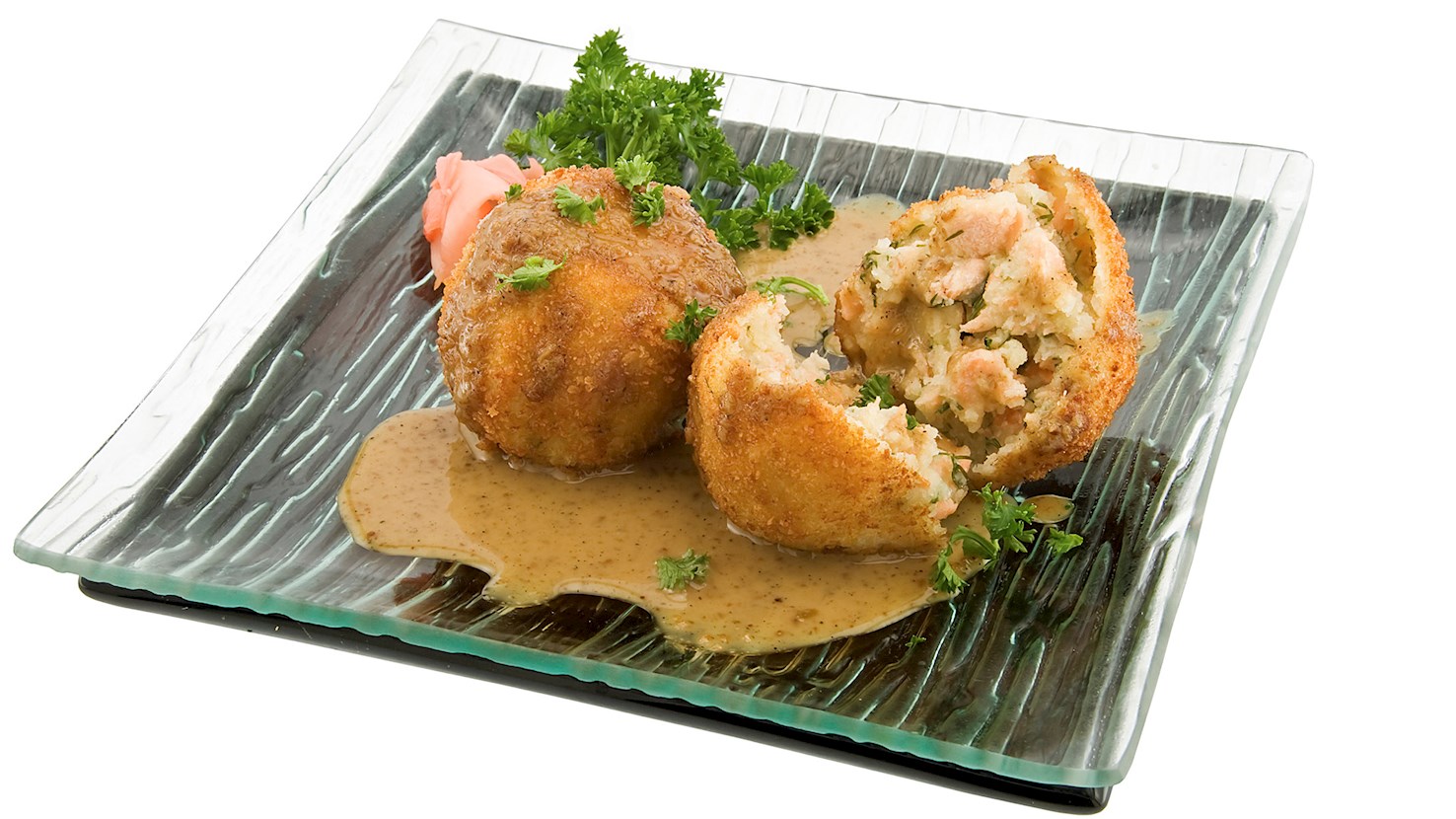
Balchi di piská

n/a ·

Balchi di pisca are Curaçaoan and Aruban fish cakes, a dish typically made from any of the islands local white-flesh fish, including cod, grouper, or red snapper. Salmon or mahi-mahi are also commonly used as key ingredients for the dish. The fish is combined with boiled potatoes and spices, then fried in hot oil until it becomes golden brown in color. Fish cakes are usually served as an appetizer before the main meal, or as a side dish accompanying the main meal.

03
Stew

Karni stoba

3.3 ·

Karni stoba is a traditional Caribbean stew originating from Curaçao. In order to prepare it, chunks of beef are marinated with pepper and garlic, seared, then combined with bell peppers, onions, tomatoes, chili peppers, soy sauce, stock, cumin, and nutmeg. The dish is cooked slowly until the meat becomes tender and the stew develops a thick consistency. This fragrant stew is often garnished with cilantro, and it is recommended to serve it with steamed white rice.

04
Chicken Dish

Keshi yena

3.3 ·

Keshi yena is a traditional dish born in the midst of the slave trade in the 17th and the 18th century, coming from the Caribbean islands of Curaçao and Aruba. The dish is served either steamed or baked, and consists of a large portion of cheese that is hollowed out and stuffed with spiced meat (usually chicken). It was invented by the slaves of this former Dutch colony. As the Dutch masters traditionally consumed Gouda or Edam cheese from the center, hollowing it out until only the waxed rind remained, it found its way to the slaves' kitchens. The slaves would fill the center of the cheese with leftover meat and vegetables, and baked it until the cheese melted. Keshi yena was created as a result, its name springing from the Dutch word kase, meaning cheese. Today, raisins, capers, olives, and Scotch bonnet peppers can be added to the stuffing in order to enhance the already delicious flavors of the dish.

05
Stew

Banana stobá

n/a ·

Banana stobá is a traditional dish originating from Curaçao. This stew is made with a combination of ripe plantains, corned beef, sweet potatoes, pumpkin, butter, onions, celery, cinnamon, cloves, allspice, and sugar. The salted meat, either beef or pork, is placed in water overnight in order to remove some of the salt. On the following morning, the salted meat is placed in a pot with the butter and water, and it is then boiled until soft. The plantains and other ingredients are chopped and added to the pot, and the stew is simmered until the plantains and other vegetables become soft. The stew is beloved for the contrast of textures and fragrant hints of cloves, allspice, and cinnamon. Banana stobá is traditionally cooked on a barbecue-like stove called konfó, and it's then served with funchi (local polenta) on the side.

06
Tart

Tert di preimu (Antillean prune tart)

n/a ·

Tert di preimu is a traditional pie or tart originating from Curaçao and Aruba. The dough base for the pie is made with a combination of milk, butter, eggs, baking powder, flour, and salt, while the filling consists of chopped prunes, sugar, flour, cinnamon, mace, and nutmeg. The filling is cooked and stirred with a wooden spoon, then cooled and poured into the pie crust. Once assembled, the pie is baked in an oven until the crust becomes golden brown. It is then left to cool, sliced, and served.

07
Cake

Bolo di wortel

n/a ·

Bolo di wortel is a traditional cake originating from Curaçao. It's usually made with a combination of grated carrots, cinnamon, vanilla, eggs, flour, sugar, and oil. Once prepared and baked in cake pans or bundt pans, the relatively moist, soft, and dense cake base is frosted with a combination of confectioners' sugar, margarine, cream cheese, vanilla, and chopped pecans. The pecans can be stirred into the batter or sprinkled over the frosting.

08
Side Dish

Tutu

n/a ·

Tutu is a traditional dish in Curacao, Aruba, and Bonaire. It is prepared with cornmeal, butter, garlic, black-eyed peas, onions, nutmeg, and coconut milk. The combination of these ingredients is mixed with a lélé until the dish becomes thicker and has a stiff consistency. Once it has been prepared, tutu is usually served as a side dish accompanying various dishes and ingredients, such as codfish or cheese.

09
Soup

Bonchi kora

n/a ·

Bonchi kora is a traditional dish originating from the islands of Aruba, Curaçao, and Bonaire. The soup consists of red kidney beans, corned beef, pork tail, onions, nutmeg, butter, garlic, and sugar. The meat is placed in water overnight in order to remove some of the salt. On the following morning, the meat is boiled until soft. The beans and garlic are boiled and mixed with the onions, nutmeg, and meat, then simmered with butter and sugar until everything is tender and fully cooked. Once done, bonchi kora is traditionally served with bread, rice, or funchi (local polenta). The dish is traditionally cooked on Mondays so that the leftovers can be enjoyed throughout the week.

10
Dessert

Tentalaria di cashupete

n/a ·

Tentalaria di cashupete is a traditional sweet originating from Curaçao. It's made with a combination of cashew nuts, water, and sugar. The cashews are blended into a purée, then slowly mixed with a combination of boiling sugar and water. The combination is stirred with an iron spoon, then beaten with a spatula until the consistency becomes firm. Once done, the mixture is portioned in small sizes and left to cool on a wet wooden plate. The top is often garnished with coconut flakes or halved cashews. The name of this sweet treat is derived from the word tenta, meaning to entice. The candy is a local delicacy that's traditionally given as a gift to guests.

About this Ranking

TasteAtlas food rankings are based on the ratings of the TasteAtlas audience, with a series of mechanisms that recognize real users and that ignore bot, nationalist or local patriotic ratings, and give additional value to the ratings of users that the system recognizes as knowledgeable.

TasteAtlas Rankings should not be seen as the final global conclusion about food. Their purpose is to promote excellent local foods, instill pride in traditional dishes, and arouse curiosity about dishes you haven’t tried.

What People Say

Similar Lists