shutterstock

Top 19 Traditional Foods
in the Dodecanese

Last updated on June 10, 2026

Best Dodecanese food products

01
Bee Product

Thállō

4.5 ·
Awards
Great Taste Awards - 3 Stars (2024)
Great Taste Awards - 2 Stars (2022, 2021)
02
Bee Product

Thymeli by Kopanezos Family

4.5 ·
Awards
Great Taste Awards - 3 Stars (2024, 2022)
03
Olive Oil

Natura Rodos

4.4 ·
Natura Rodos is a Greek company that produces olive oil. The company is located on the island of Rhodes. Natura Rodos specializes in producing extra virgin olive oil, which is known for its purity and high quality. They use traditional methods combined with modern technology to ensure the best possible product.
Awards
Great Taste Awards - 2 Stars (2024)
NYIOOC - Gold (2023)

Best Dodecanese foods

01
Appetizer

Simiako garidaki

4.3 ·

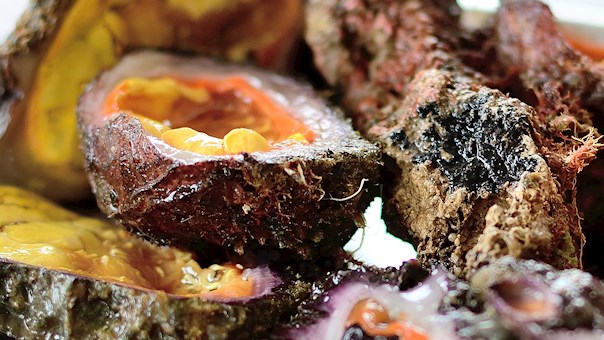
A quintessential seafood delicacy of the Greek island of Symi, simiako garidaki or Symi shrimp is a unique variety of tiny shrimps that inhabit the sea around the island. Bright red, delicate, and sweet, the small crustaceans are packed with flavor, which has made them famous throughout the whole country and beyond. The most common way to enjoy these tiny crustaceans is crispy-fried in olive oil and garlic, typically seasoned with nothing else than salt and pepper. Due to their delicate nature, the fried shrimps are usually eaten whole, including tails, shells, and heads. Sometimes they can be coated in flour and cornstarch before frying, and they’re commonly not enhanced with any other flavorings or sauces, except for an optional squeeze of lemon. Fried Symi shrimps make for an excellent meze dish alongside a glass of Greek ouzo or local raki. On Symi Island, a festival day has been dedicated to these special shrimps, celebrated every year in August.

02
Ground Meat Dish

Fylla

4.1 ·

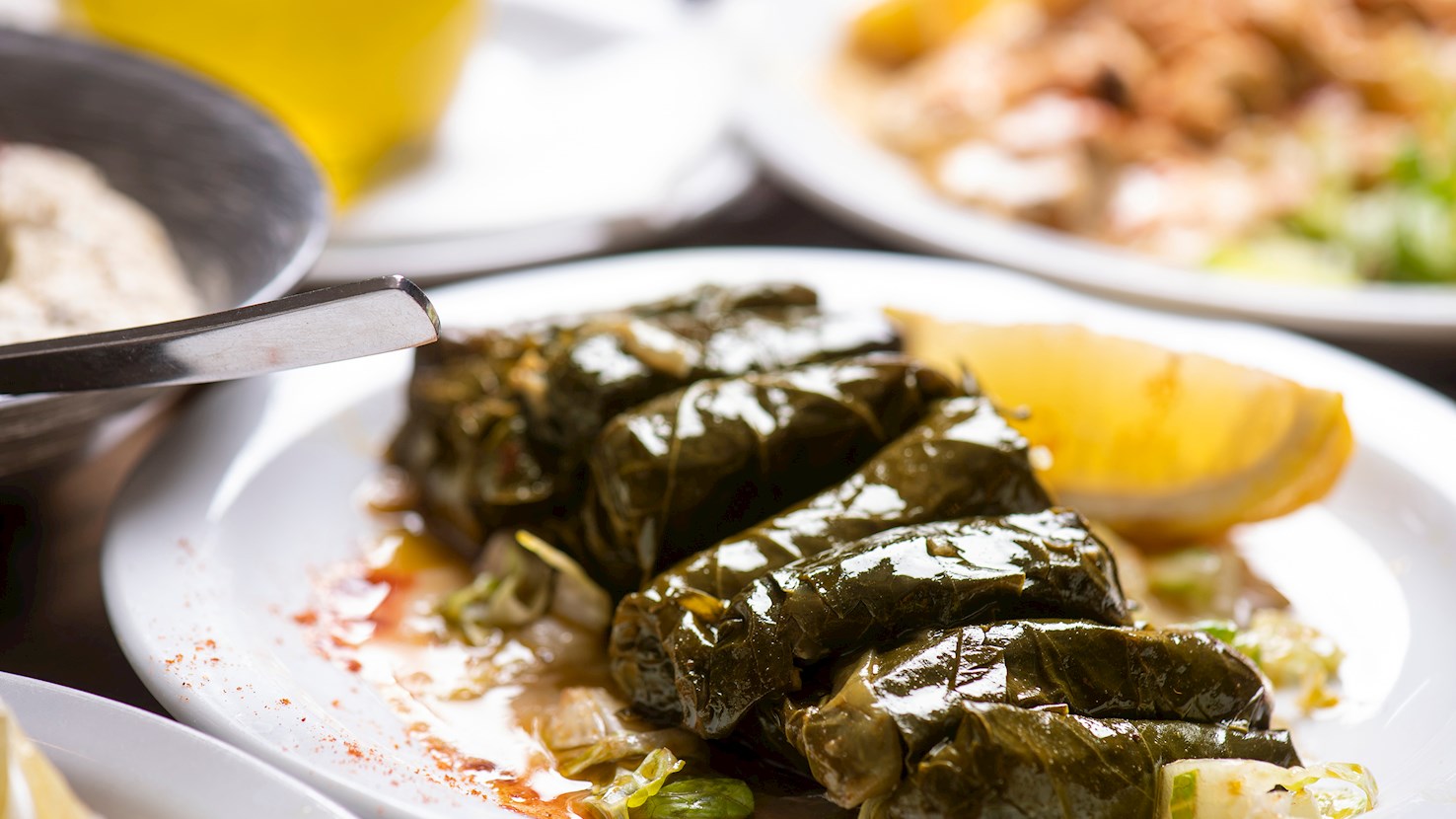
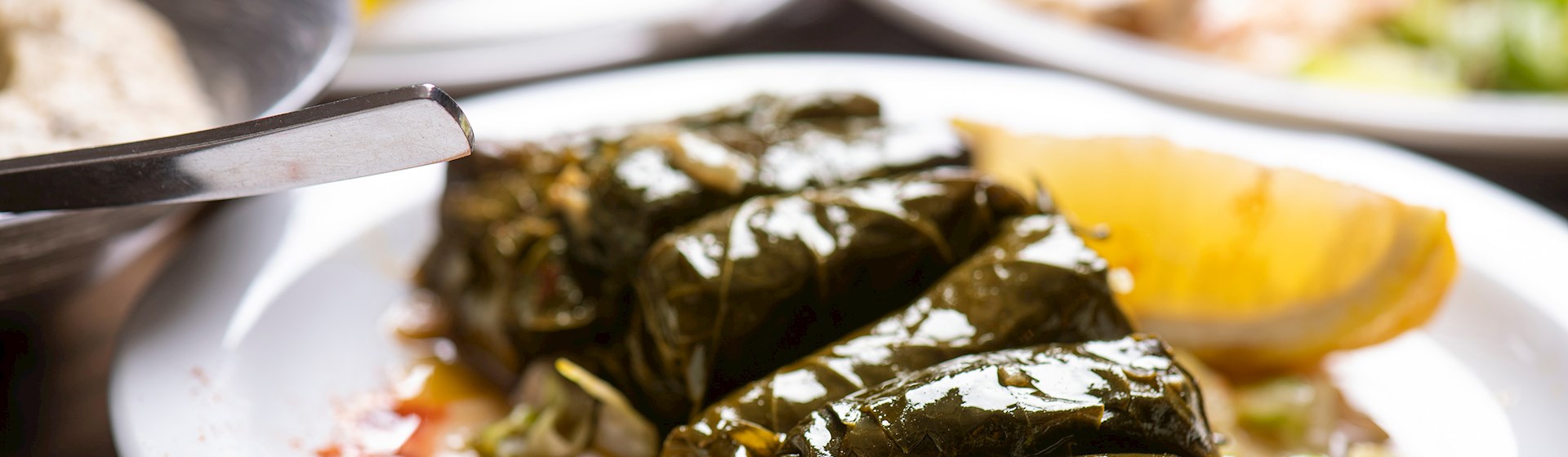
Fylla or phylla, meaning leaves in Greek, is the Kalymnian take on the Greek dolmades or Turkish dolmas, which are a type of stuffed vine-leaf rolls. The filling usually consists of a combination of ground beef and pork, rice, onions, tomatoes, salt, and pepper, but some versions are made without meat. Once stuffed, the rolls are typically arranged in a large pot over a layer of vine leaves and tomato slices, covered with water or stock and lemon juice, then cooked until tender and fragrant. This traditional dish is usually enjoyed with a dollop of Greek yogurt on top, and it is often prepared on Sundays.

03
Cheese

Krasotyri

3.9 ·

Krasotyri is a traditional cheese originating from Kos. The cheese is made from sheep's or goat's milk (or a combination). The milk is warmed, pasteurized, placed into containers, then traditional elongated wicker molds where it drains. After it's out of the mold, the cheese is placed in brine, drained, then combined with wine sediment and left to age for up to 20 days. The result is a distinct flavor of wine. The texture is delicate and soft, and the aromas are reminiscent of wine. It's recommended to serve Krasotyri with homemade bread and vegetables drizzled with olive oil.

04
Snack

Melekouni

3.7 ·

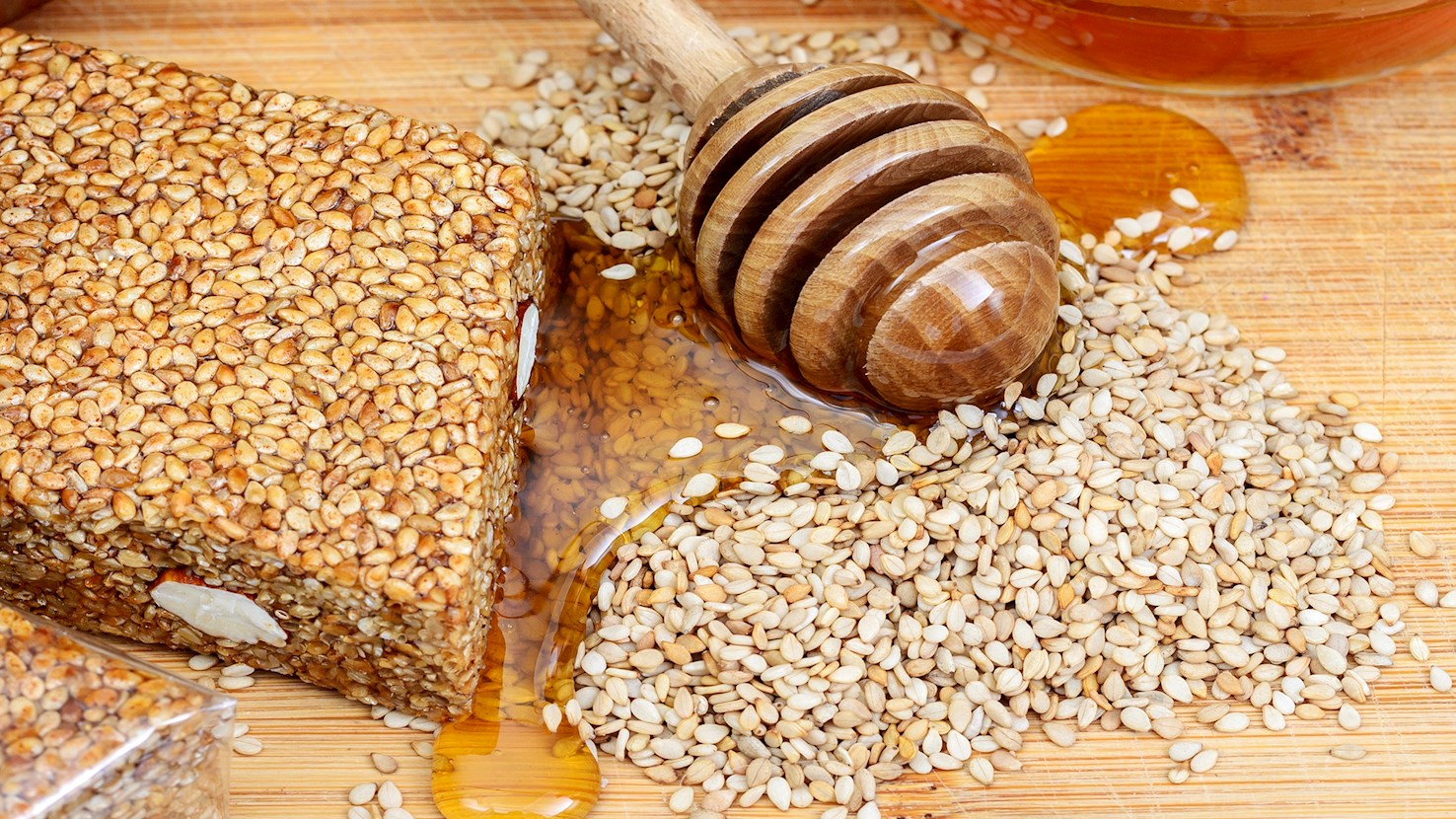
This traditional Rhodian treat consists of sesame seeds and aromatic thyme honey, though additional ingredients often include almonds, orange and lemon peel, and various spices. Due to its high nutritional value, melekouni is regarded as one of the healthiest Greek snacks, but it also stands out due to its great flavor. On the island of Rhodes, it is a custom to offer this delicious, crunchy treat at christenings or weddings.

05
Rusk

Krithini kouloura

n/a ·

Krithini kouloura refers to a traditional Greek barley rusk, primarily associated with the island of Kalymnos. It is a hard, round bread made from barley, often softened with water and used as the base for various local dishes, particularly salads. The most common dish featuring krithini kouloura is the Kalymnian salad Mermizeli, where the softened rusk is combined with tomatoes, onions, cheese (typically feta or cream cheese), and plenty of olive oil. Originally, this bread was made for sailors, as it could last a long time without spoiling, making it ideal for long voyages. The bread is often flavored with anise and mastic, giving it a unique taste.

06
Appetizer

Pitaroudia

4.2 ·

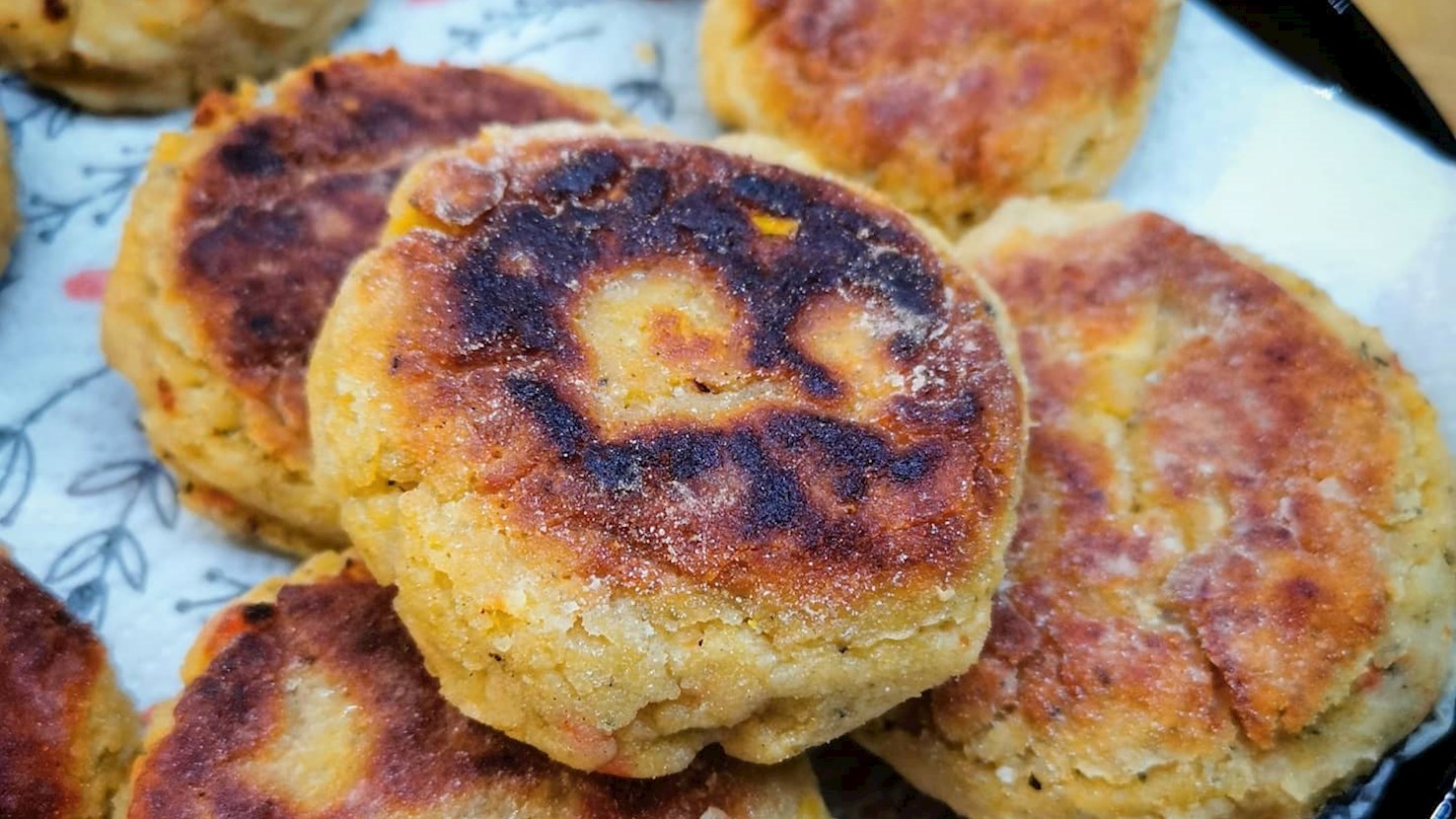
Pitaroudia is a traditional dish originating from Rhodes. These fritters are made with a combination of chickpeas, onions, tomatoes, mint, cumin, and seasonings. The dried chickpeas are soaked, boiled, then coarsely ground and mixed with onions, grated tomatoes, mint, salt, pepper, and cumin. The fritters are fried in olive oil until golden brown. Once done, pitaroudia is often served with tzatziki dip on the side.

07
Goat Dish

Kapamas

n/a ·

Kapamas is a meat specialty that hails from the Greek island of Rhodes, where it is traditionally prepared for Easter. It usually consists of a kid goat that’s been filled with a combination of rice, onions, tomatoes, and parsley. The dish is typically flavored with the addition of pine nuts, raisins, cinnamon, cloves, salt, and pepper. Customarily, the stuffed goat is thrown into a traditional wood fire oven and left to bake long and slow, usually from Holy Saturday afternoon until the following day. On Easter Sunday, the stuffed kid goat is taken out of the oven and enjoyed while still hot. Kapamas may also be prepared with lamb instead of kid goat, and it can be savored at many local tavernas throughout the island. Similar dishes are traditionally made on other Greek islands as well.

08
Appetizer

Pythia

n/a ·

Hailing from the Greek island of Nisyros, pythia is a savory specialty based on chickpeas. It may be compared to the Middle Eastern falafel, which is prepared with similar ingredients. The chickpea fritters are typically made with a combination of ground chickpeas, onions, tomatoes, garlic, flour, spearmint or dill, salt, and pepper. Spoonfuls or balls of the chickpea mixture are dropped into hot oil and fried until nicely browned and crispy. Pythia fritters are commonly prepared for dinner or served as a meze dish, and an almond-garlic sauce (skordalia) usually accompanies them.

09
Pudding

Misokofti

n/a ·

Misokofti is a sweet delicacy hailing from the island of Symi. It is a type of moustalevria, a traditional Greek pudding-like dessert that’s made with a combination of ripe fragosika (prickly pear) pulp, niseste (cornstarch), and sugar. The mixture is boiled until it thickens and obtains a creamy, pudding-like consistency, and it is often flavored with ground cloves. This creamy dessert is best enjoyed well-chilled, and it is usually served sprinkled with cinnamon and nuts (usually walnuts, almonds, or pistachios) on top and accompanied by a cup of Greek coffee on the side. Prickly pears are abundant on Symi Island and are often eaten fresh or made into various sweet specialties by the local women.

10
Cheese

Krasotiri Ko

3.6 ·

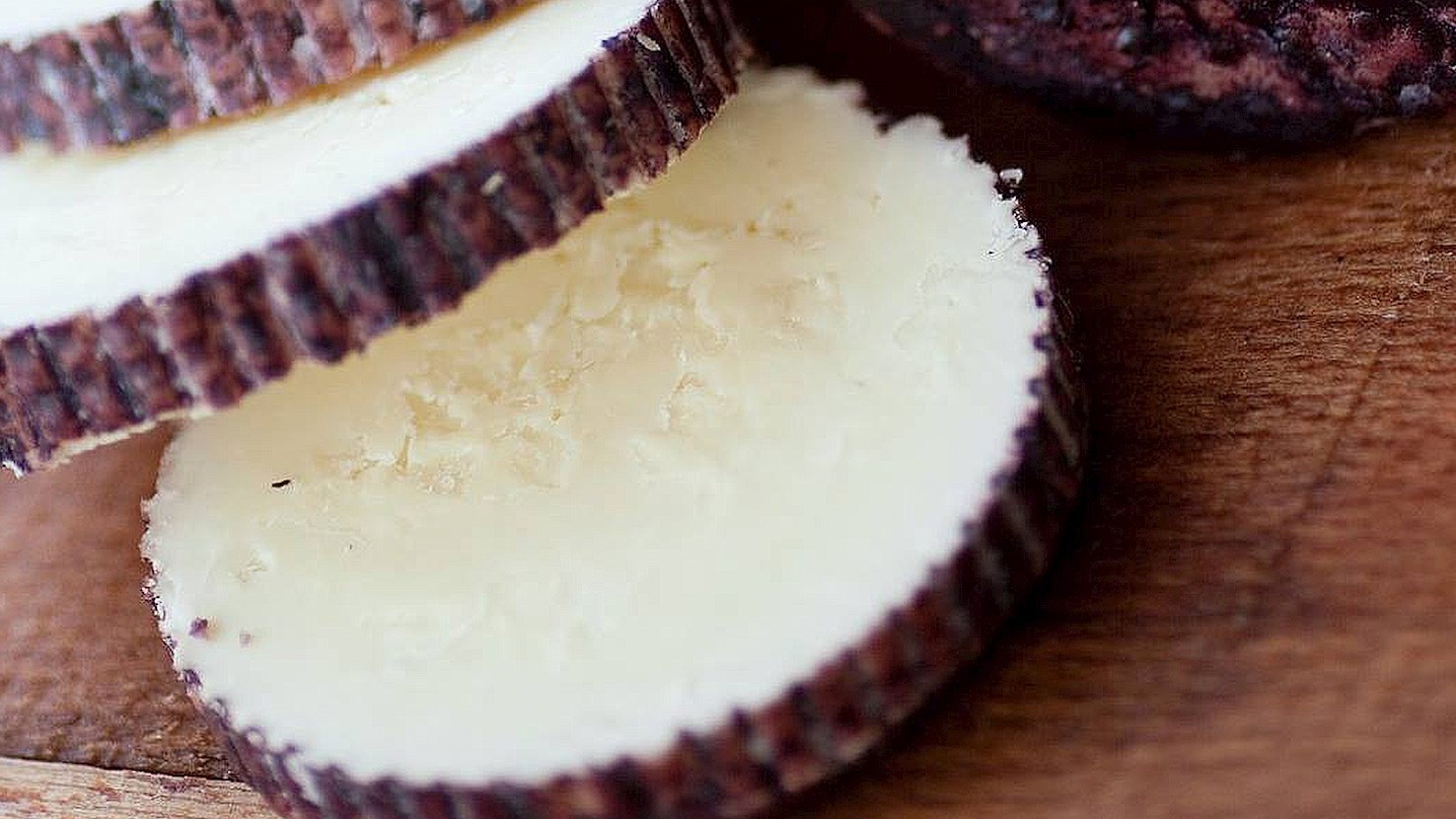
Krasotiri Ko or Tiri tis Possias is a traditional soft cheese hailing from the island of Kos. The cheese is made from pasteurized or raw goat's or sheep's milk or a blend of the two. It's ripened for a minimum of one day in brine, and then for at least one month in a thick combination of boiled red wine sediment (also known as possia). Krasotiri ko has a reddish natural rind, but on the inside it's completely white. The cheese is shaped into long cylinders with visible indentations from the cheese molds on the exterior. The aromas are reminiscent of wine, while the flavor is milky and acidic. On Kos, this cheese is often included on the 'Greek Breafkast' menus in the island's hotels. For the best experience, serve it with watermelon or pair it with Greek coffee.

About this ranking

TasteAtlas food rankings are based on the ratings of the TasteAtlas audience, with a series of mechanisms that recognize real users and that ignore bot, nationalist or local patriotic ratings, and give additional value to the ratings of users that the system recognizes as knowledgeable. For the “Top 19 Traditional Foods in the Dodecanese” list until June 10, 2026, 558 ratings were recorded, of which 193 were recognized by the system as legitimate. TasteAtlas Rankings should not be seen as the final global conclusion about food. Their purpose is to promote excellent local foods, instill pride in traditional dishes, and arouse curiosity about dishes you haven’t tried.

The initial list of top producers was compiled based on available reviews, awards, local recommendations, media and blog coverage, and consumer reviews. The list will be updated with ratings from TasteAtlas local ambassadors and TasteAtlas users.

Similar lists