Top 7 Traditional Foods
in Drôme

Last updated on June 02, 2026

Best Drôme food products
01
Chocolate

Chocolaterie A. Morin

5 ·
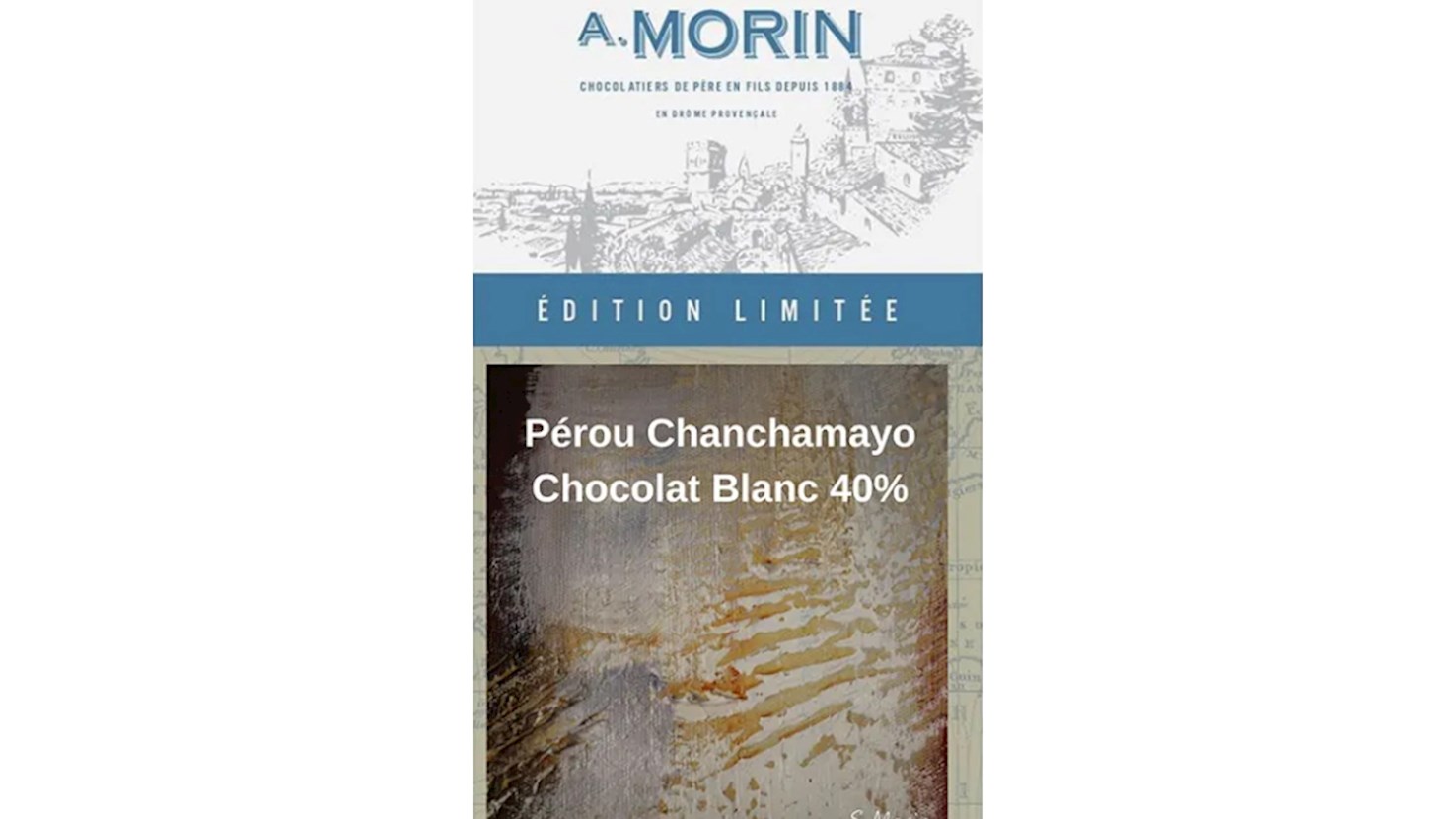
Chocolaterie A. Morin is a family-run chocolate producer based in Donzère, France, established in 1884. The company specializes in bean-to-bar chocolate, processing cocoa beans directly into finished chocolate products. They source a diverse range of cocoa beans from various countries, including Peru, Colombia, and the Dominican Republic, and are known for their meticulous approach to crafting unique chocolate flavors. A. Morin also emphasizes sustainable practices in their production processes.
Awards
International Chocolate Awards - Gold (2023, 2022, 2019)
Academy of Chocolate - Gold (2022, 2016)
02
Wine

Domaine Paul Jaboulet Aîné

4.8 ·
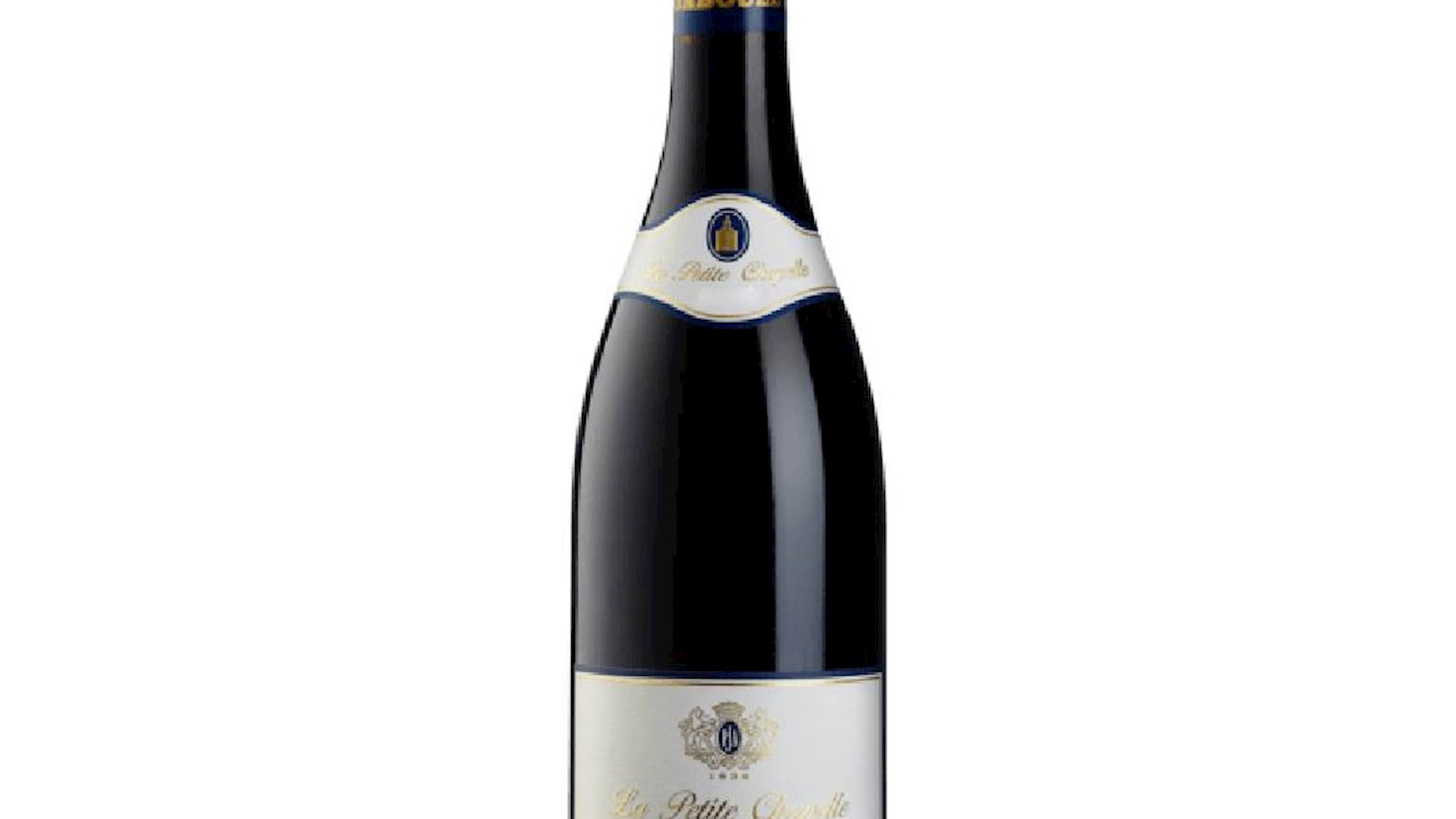
Paul Jaboulet Aîné is a name spoken with respect in the Northern Rhône. The vineyards on Hermitage and the surrounding slopes hold a natural balance of sun, wind and stone, and from that quiet come wines of clear character and refined poise. Work in the cellar is patient and precise so that each parcel can speak in its own voice. The glass shows pure fruit, a supple frame and a long, harmonious finish. Behind every bottle lie tradition and skill, joined by a modern care for the land. This is a house that avoids showiness and builds a subtlety that lingers.
Awards
Falstaff - 100
Vivino - 4.3
03
Fruit Product

Alain Milliat

4.7 ·
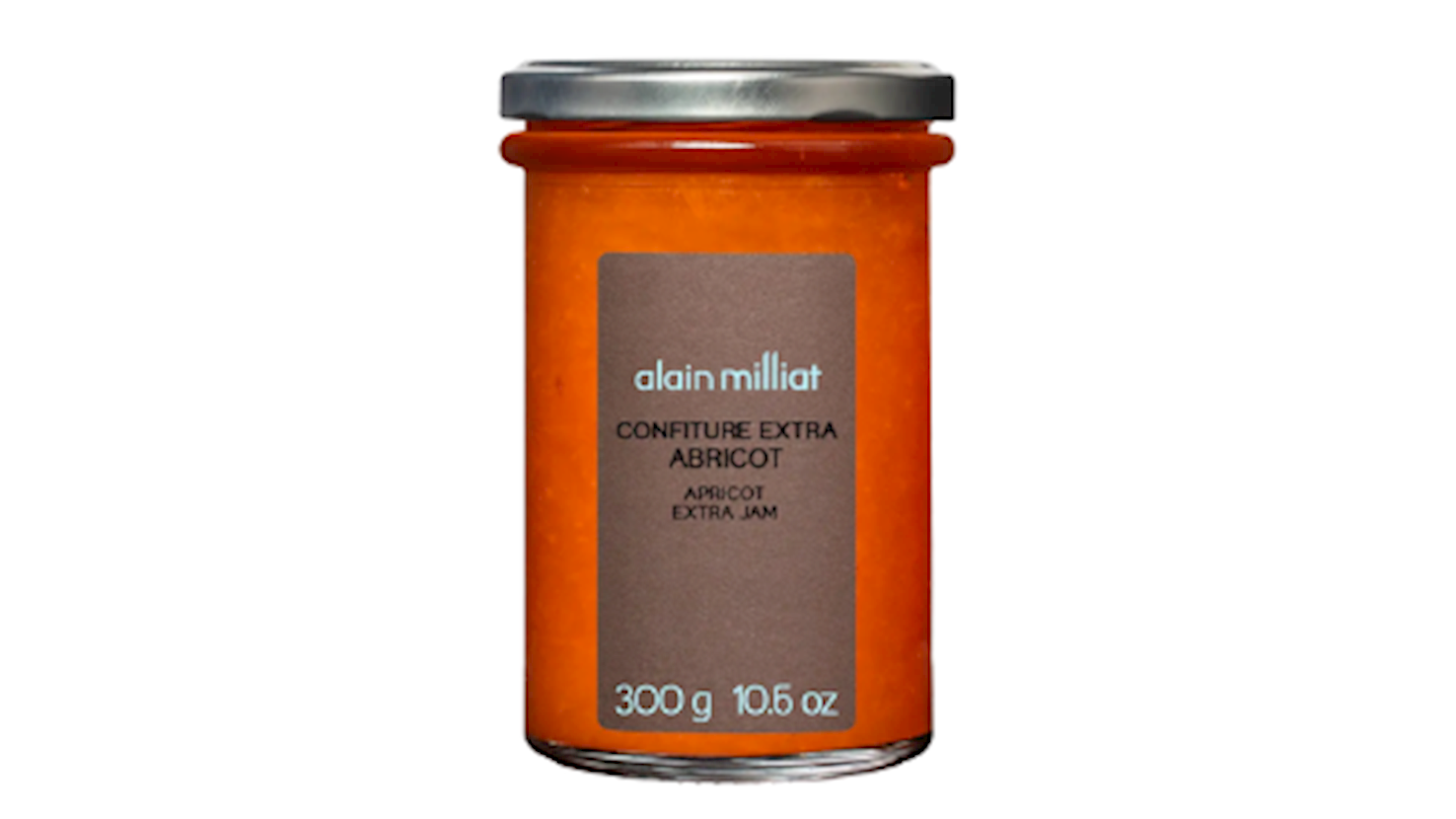
Alain Milliat is a French producer of premium fruit juices, nectars, and delicacies, founded in 1997 in the Drôme region after years of restoring and developing family orchards. The brand is built on meticulous selection of fruit varieties, ripeness, and origin, ensuring that each juice or nectar faithfully reflects the texture, aroma, and natural sweetness of the fruit without added water or sugar, except when technologically necessary. Production takes place in small batches with continuous quality monitoring and strict respect for seasonality. The range includes pure juices, rich nectars, citrus specialties, and a selection of refined jams and fruit-based products for gastronomy. Thanks to its well-defined quality and elegant presentation, Alain Milliat is present in top restaurants, luxury hotels, and fine grocery stores around the world. The brand stands out for its strong focus on terroir, authentic flavor expression, and minimal intervention in processing, positioning it as one of the most distinctive names in the high-end fruit beverage and delicacy segment.
04
Dairy Product

Eurial

4.5 ·
Awards
Concours International de Lyon - Gold (2025)

Best Drôme foods

01
Cookie

Suisse de Valence

n/a ·

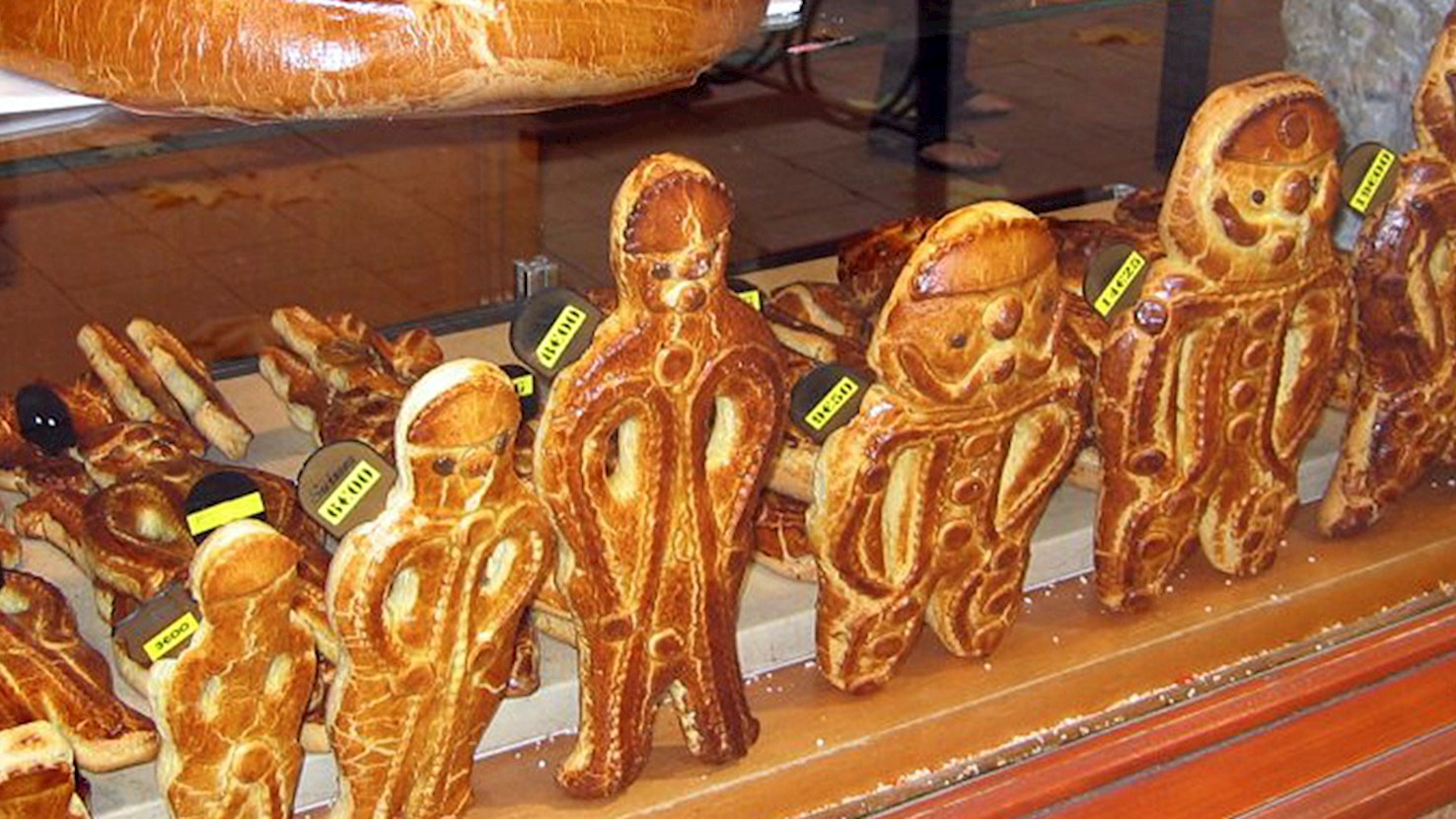
Suisse de Valence is a traditional cookie that is shaped like a man. Its design (and the name, because Suisse means Swiss) was inspired by the uniforms worn by Pope Pius VI's Swiss guards. The Pope himself was a prisoner in Valence in 1799, where he had also died. The cookie is made with shortbread that is flavored with orange blossom and contains tiny pieces of candied orange peel. It has a hat, a mustache, raisins that are used as buttons on the uniform, and coffee beans that are used as its eyes. Suisse de Valence is most commonly enjoyed with a cup of coffee or a scoop of ice cream on the side.

02
Cookie

Lunette de Romans

n/a ·

Lunette de Romans is a traditional pastry from Romans-sur-Isère in France, characterized by its oval shape with scalloped edges and two holes on the top, resembling glasses. It consists of two layers of shortcrust pastry, typically filled with fruit jelly, such as raspberry or apricot. The top layer is dusted with powdered sugar. This pastry has its roots in a similar Italian biscuit, brought to the Dauphiné region by immigrants. Lunette de Romans is enjoyed as a dessert or snack, often accompanied by tea or coffee.

03
Cake

Pangée

n/a ·

Pangée is a cake that combines dried apricots, ground almonds and honey, and originates in the Drôme department. It was created in 2001 by a group of local pastry makers seeking to highlight the region’s produce, and in 2004 it received a national award. The preparation involves making a dense biscuit-like dough with flour, butter, eggs, sugar, lots of finely ground almonds, honey, and dried apricot pieces or compote, the dough is molded into a round shape in which a sector is cut out to represent a missing “continent”, an apricot is placed at the centre, then the cake is baked until caramelised and allowed to cool and set before packaging. Many versions exist: some variations swap in apple purée or add a light apple component, others use slightly different honeys (such as lavender honey) or present the cake with or without the signature missing-wedge shape, and the unique attribute of this cake lies in its deliberate missing slice and central apricot which symbolise the ancient super-continent Pangea and the local terroir. The pangée cake is sold in fine bakeries, especially in the Drôme region, packed for travel or gift use, and is often enjoyed with tea or coffee, or paired with a light dessert wine or a gentle sparkling to complement the almond-honey richness.

04
Salad

Salade dauphinoise

n/a ·

Salade dauphinoise is a composed French salad from the Dauphiné region that combines crisp lettuce, walnut kernels, lardons, and firm Alpine cheese, all tossed in a shallot- or garlic-infused walnut oil vinaigrette. This dish emerged from the local mountain farming culture, which relied heavily on regional walnut harvests, cured pork, and dairy products. Over the years, cooks combined these staple ingredients into a fresh, unified bowl to make use of the area's agricultural products. Assembling the salad begins by washing and drying hearty green lettuce leaves. Next, walnut kernels are briefly toasted to enhance their nutty profile, while cured pork fat is fried until crispy. A firm mountain cheese, such as Comté or Gruyère, is cut into small cubes. The dressing requires whisking together finely minced shallots or garlic, vinegar, salt, pepper, and walnut oil—sometimes blended with a touch of olive oil. Just before eating, the lettuce, nuts, meat, and dairy are mixed in a large bowl and coated with the vinaigrette to keep the greens crisp and the components distinct. Cooks frequently modify the recipe by swapping lardons for standard bacon, selecting different firm alpine cheeses, or adding hard-boiled eggs and garlic-rubbed croutons. Diners enjoy this dish as a starter or a light main course, typically served alongside thick slices of rustic country bread and a platter of cured charcuterie. To complement the rich cheese and savory pork, the salad pairs beautifully with a crisp white wine or a lightly tannic red from the Rhône-Alps vineyards.

05
Offal Dish

Défarde

n/a ·

Défarde is a hearty dish made from lamb tripe rolls and lamb feet, cooked in white wine and aromatic vegetables, and hails from the town of Crest in France. In earlier times the dish emerged as a way to make full use of the less-favourable portions of the animal when sheep farming was prevalent in the region, and over the decades it became firmly associated with local communal meals and festive gatherings, eventually receiving recognition and celebration through a dedicated cook-off event. When produced, the tripe is cleaned and cut, folded into small packets and tied, the lamb feet are blanched, refreshed and flamed, then both are set in a large pot with onions, garlic, carrots, tomatoes, bouquet garni and white wine, simmered for several hours, then drained, the cooking liquid reduced, a brown roux with parsley and garlic added to form a thick sauce, which is then returned to the tripe packets and feet to finish cooking before serving hot. Common variations replace lamb feet with veal feet for a slightly different texture or omit tomatoes in favour of concentrated tomato or leave them out entirely in favour of wine alone, and the unique feature of the Crest version lies in the use of rouladed tripe packets combined with feet to impart richness and gelatinous body to the sauce. Défarde is served as a warm main course in homes and restaurants around Crest, often at local festivals or communal dinners, and it pairs well with a robust white wine from the region or a light red with good aromatics, and it benefits from a crisp salad or lightly dressed greens to contrast the deep savory character of the dish.

06
Spread

Pétafine

n/a ·

Pétafine is a strong cheese-based spread from the departments of Drôme and Isère. It evolved from a practice of mixing leftover cheeses with flavorings and preserving them in alpine households, and over time it became recognized as a local cheese-fort or fromage fort in its own right. Pétafine is prepared with aged cheeses (typically cow’s and goat’s milk) that are drained but not fully dried; these cheeses are then mashed or kneaded (pétafinés) and combined with ingredients such as white wine or eau-de-vie, vinegar, garlic, salt, pepper, sometimes leeks broth, raisins, olive oil or walnut oil, nutmeg, thyme, savory or anise. The mixture may be eaten fresh immediately or allowed to mature further, resulting in a potent spreadable paste. Variations of pétafine occur when producers adjust the main cheese base (more goat’s milk vs cow’s milk), choose different spirits (changing eau-de-vie to a regional brandy), omit or include added ingredients like raisins or herbs, or leave the mixture to age longer for a firmer, more assertive result. Pétafine is eaten spread on toasted bread or tartines, often served at the end of a meal or as part of an aperitif in alpine homes, and it pairs well with a robust white wine, an aged red or even a single-malt whisky whose depth can stand up to the richness and pungency of the cheese.

07
Cheese

Foudjou

n/a ·

Foudjou is a cheese-fortified spread from France produced in the Drôme and Ardèche departments. It emerged in rural kitchens of those two areas where goat’s-milk cheeses like fresh chèvre and firmer aged types such as Picodon or Rigotte de Condrieu were repurposed when they became too dry. Production begins with fresh goat’s cheese that is mashed and firmer goat cheese that is grated; the mixture is layered in a large stone jar or terracotta pot, alternating grated cheese and mashed cheese, then garlic and pepper are added, a spirit-based eau-de-vie or white wine is poured in along with olive oil, the jar is sealed, and it is placed in a cool environment to mature for several months until a reddish film appears on top. Variants include use of white wine instead of eau-de-vie in the Drôme version, shorter or longer maturing times sometimes reaching up to a year in local households, and occasional inclusion of herbs or sun-dried tomatoes. What distinguishes Foudjou is its categorization as a “fromage fort” spread made exclusively from goat cheeses preserved under oil or spirit rather than sold in wheel form, giving it a distinctive role as a rich, savory condiment. Foudjou is typically eaten at room temperature spread on slices of country bread, or used as a flavor component with raw vegetables or lentils, and it pairs well with crisp white wine, dry rosé or even a light single malt whisky if one wants to complement its intense goat-cheese character.

About this ranking

TasteAtlas food rankings are based on the ratings of the TasteAtlas audience, with a series of mechanisms that recognize real users and that ignore bot, nationalist or local patriotic ratings, and give additional value to the ratings of users that the system recognizes as knowledgeable. For the “Top 7 Traditional Foods in Drôme” list until June 02, 2026, 11 ratings were recorded, of which 10 were recognized by the system as legitimate. TasteAtlas Rankings should not be seen as the final global conclusion about food. Their purpose is to promote excellent local foods, instill pride in traditional dishes, and arouse curiosity about dishes you haven’t tried.

The initial list of top producers was compiled based on available reviews, awards, local recommendations, media and blog coverage, and consumer reviews. The list will be updated with ratings from TasteAtlas local ambassadors and TasteAtlas users.

Similar lists