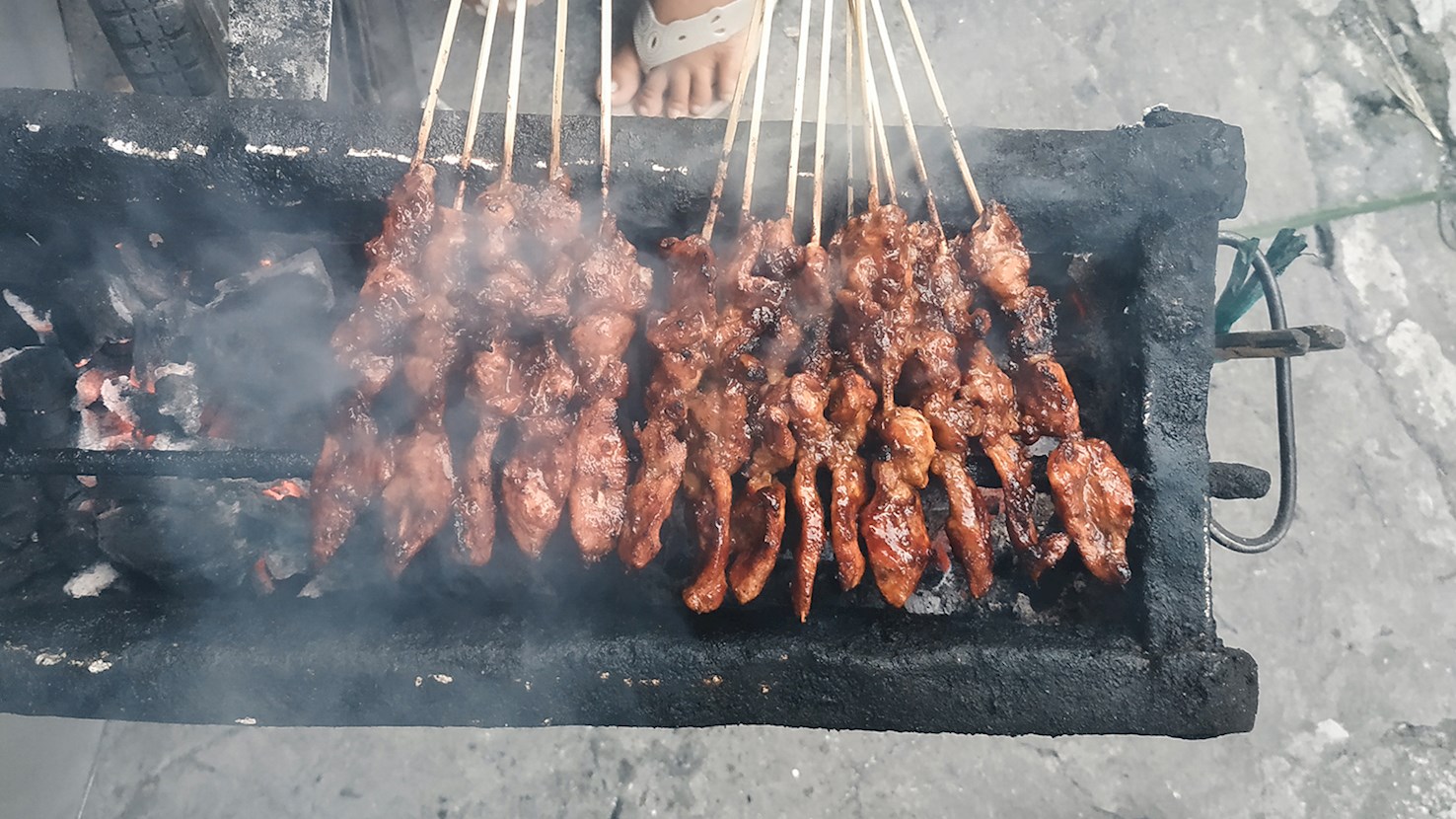
Sate Madura is a popular Indonesian skewered meat dish that originates from the island of Madura, located just northeast of Java. It is one of the most widely recognized regional variations of sate in Indonesia, known for its distinctively rich, sweet-savory peanut sauce and smoky, charcoal-grilled aroma. Typically made with small cuts of chicken or beef, the meat is marinated, skewered onto bamboo sticks, and grilled over hot coals while being brushed with a glaze that often includes sweet soy sauce, garlic, and shallots. What sets sate Madura apart from other styles is the generous use of thick, dark kecap manis and the robust, slightly caramelized peanut sauce that is poured over the cooked skewers just before serving, often accompanied by fried shallots and rice cakes called lontong. The roots of sate Madura lie in the island’s long-standing culinary influence on Javanese street food culture. Sellers from Madura have historically migrated to urban centers such as Jakarta and Surabaya, bringing their version of sate to roadside stalls, markets, and night-time food courts. Their presence has made sate Madura almost synonymous with street-side grilling throughout Indonesia, where the sight of glowing charcoal pits and the aroma of seared meat have become an essential part of the evening food scene. Often served on brown wax paper or banana leaves, sate Madura is eaten with the hands or simple wooden forks, emphasizing its role as a deeply rooted, everyday comfort food.
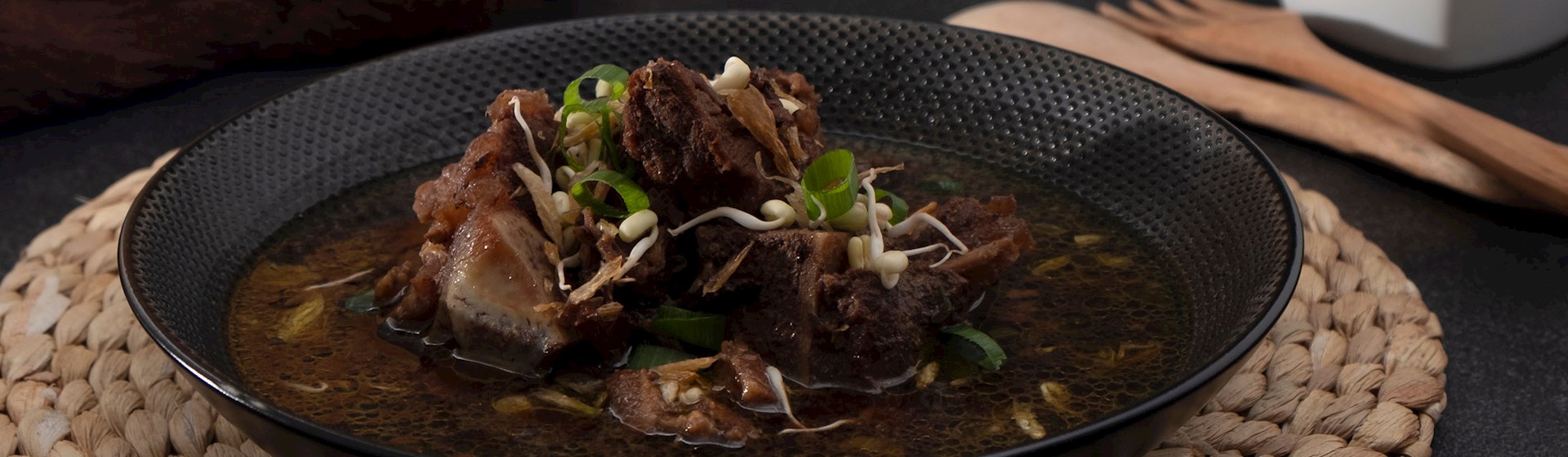
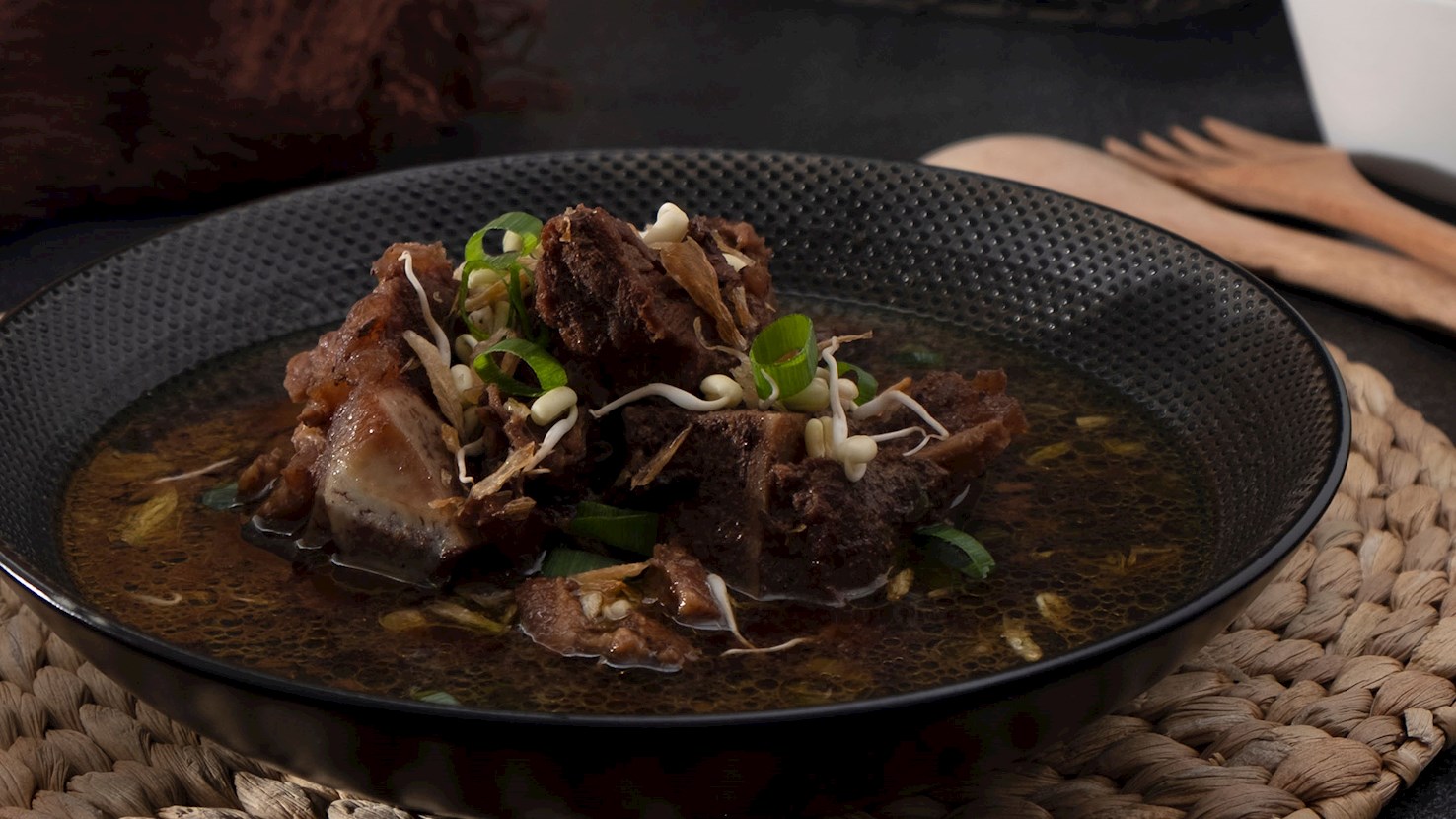
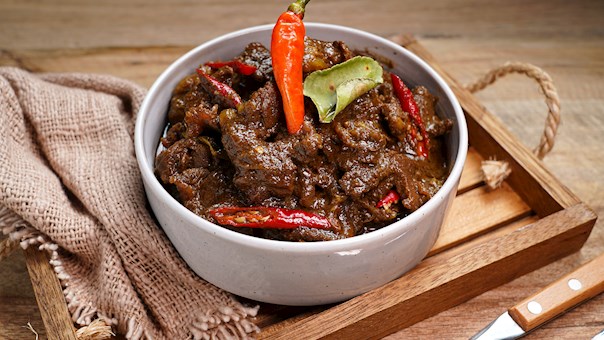
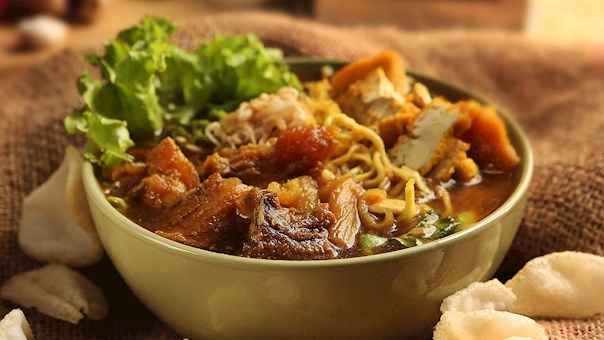
Rawon is a unique Indonesian dish with origins in East Java. This flavorful soup is usually made with slow-braised beef and other traditional Indonesian ingredients such as lime leaves, lemongrass, ginger, and chili. However, the key element is buah kluwek, the Indonesian black nut. This unusual Indonesian spice is highly toxic when raw, and always needs to be fermented before consumption. It is ground with other ingredients and spices, giving the dish its earthy and sour taste and the unique dark black color. The origin of the dish is believed to be the city of Surabaya, the capital of East Java. Primarily prepared as a plebeian dish, it soon became a favorite among royalty and quickly grew in popularity. Today it can easily be found on the menus of numerous traditional Indonesian restaurants. It is usually served alongside plain rice, salted eggs, bean sprouts, and sambal - a spicy Indonesian chili paste.
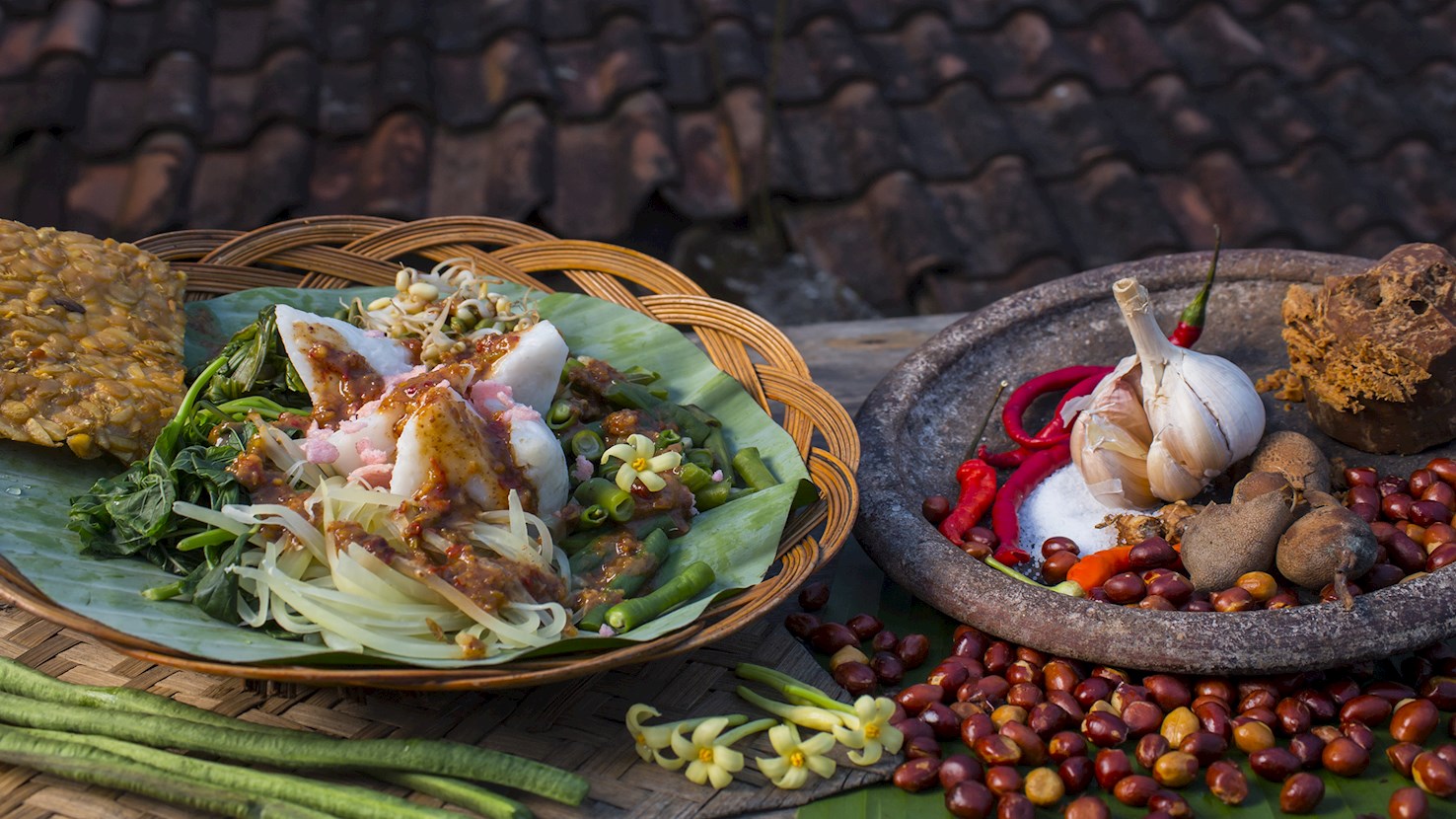
Indonesian pecel may refer to a fragrant peanut sauce or a combination of the sauce and various vegetables, when it is commonly referred to as a salad. The base of the sauce is prepared with roasted peanuts and spices that typically include chili peppers, palm sugar, garlic, tamarind juice, shrimp paste, kaffir lime leaves, salt, and kencur, an aromatic ginger variety. Usually associated with Java, the sauce is characterized by its distinctive combination of sweet and spicy flavors. When served with rice, the dish goes under the name nasi pecel.
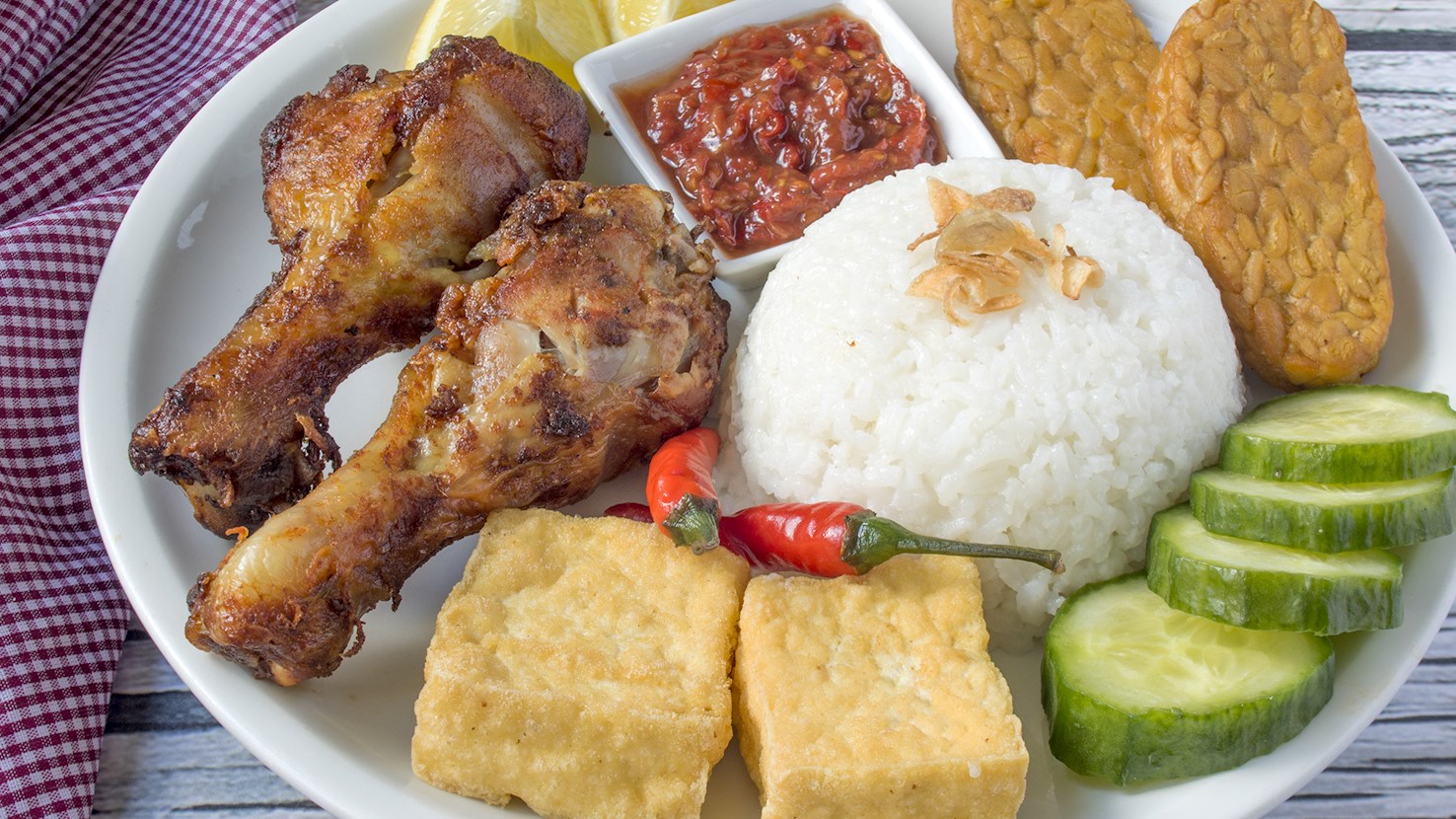
This Indonesian dish consists of pieces of fried chicken that are served coated in sambal, a popular chili paste. The word penyet from the name of this dish means to press or push, referring to the preparation method in which the chicken is pressed by a pestle in order to make the meat more tender. Some versions tenderize the chicken after frying, at the same time coating it with sambal. The dish is served with extra sambal on the side, usually accompanied by fresh vegetables, tempeh, tofu, and rice. Although it hails from East Java, ayam penyet is found throughout the country and is also popular in Singapore.
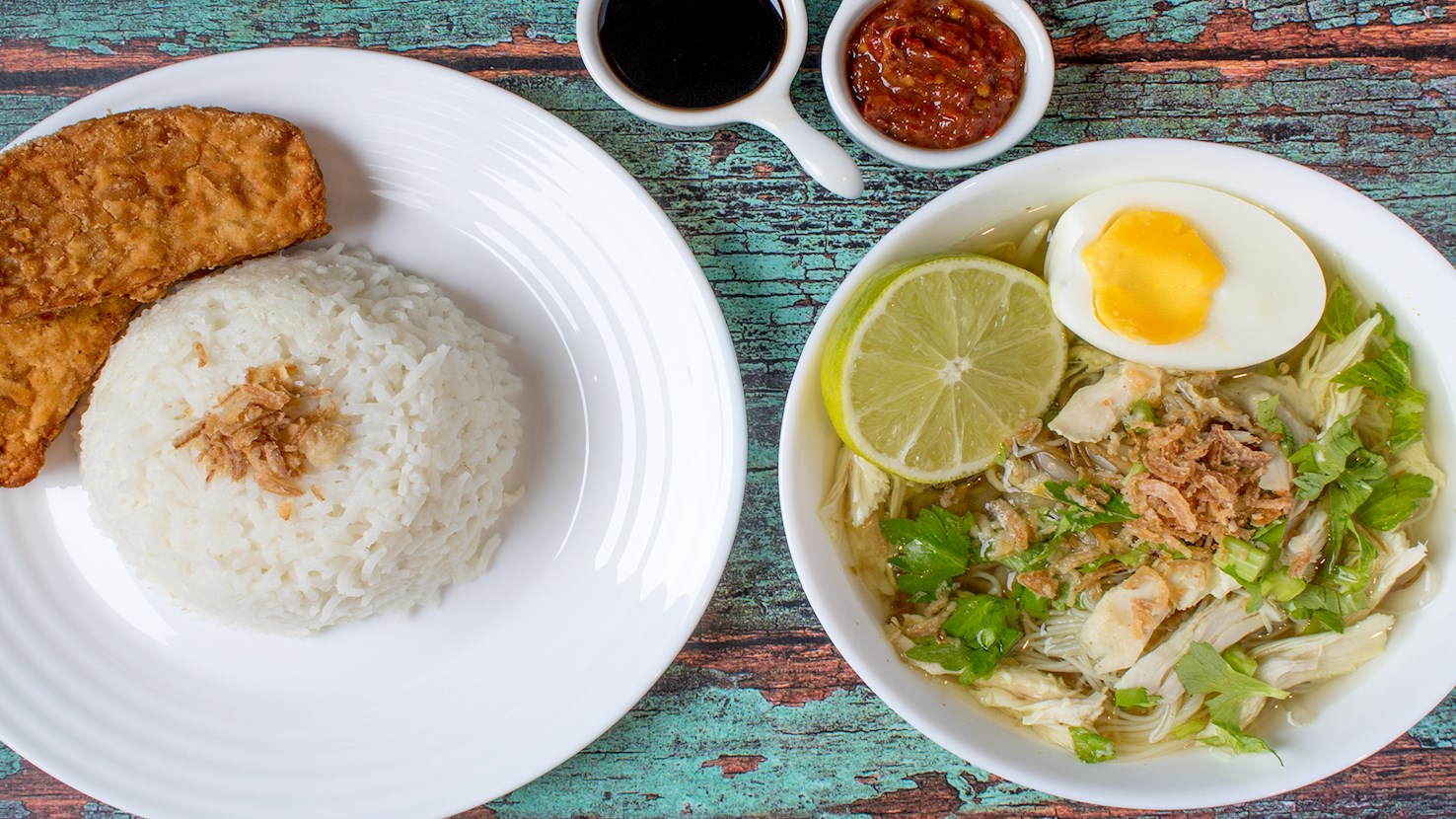
Soto Lamongan is a beloved Indonesian chicken soup that originates from Lamongan, a city in East Java. What makes soto Lamongan unique is its clear, fragrant broth infused with turmeric, and most notably, the addition of "koya" — a finely ground topping made from fried garlic and shrimp crackers (krupuk udang). Koya is sprinkled generously over the soup just before serving, adding a deliciously salty, umami crunch that elevates the entire dish. The soup itself is made by simmering chicken in a broth flavored with spices like garlic, shallots, coriander, turmeric, galangal, and lemongrass. The chicken is typically boiled, shredded, and added back to the broth or placed on top of the rice in the bowl. Unlike creamy sotos (like soto Betawi), soto Lamongan is known for its light, clear, golden-yellow broth, but it packs deep flavor. Traditionally, it’s served with steamed rice, often already placed in the bowl before the soup is poured over. Common accompaniments include boiled egg, shredded cabbage, vermicelli noodles (sohun), bean sprouts, fried shallots, lime wedges, and of course, koya. A side of sambal (chili paste) is usually offered for those who want extra heat. Soto Lamongan is commonly enjoyed for breakfast or lunch, served in humble warungs, roadside stalls, or at home.
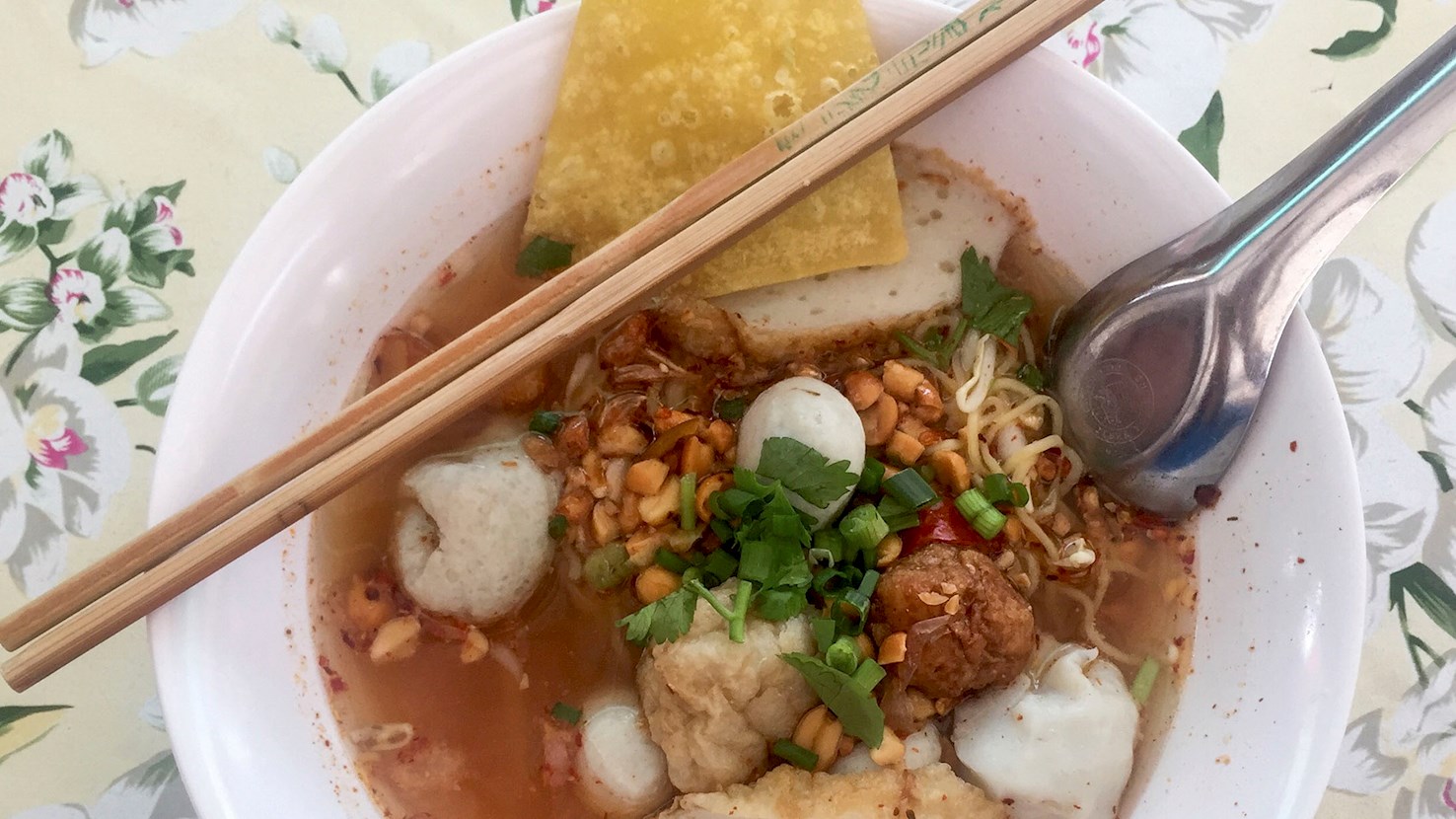
Bakwan Malang is a savory Indonesian meatball soup that originates from the city of Malang in East Java. It consists of a flavorful broth served with a variety of bakso or meat-based components, such as beef meatballs, tofu stuffed with ground meat, fried wontons, and crispy dumplings, typically accompanied by yellow noodles or vermicelli. The name “bakwan” in this context refers not to vegetable fritters, as it does in some regions, but rather to the ensemble of meatball components, while “Malang” denotes the dish’s geographic origin. The broth is usually made from simmered beef bones and seasoned lightly with garlic and shallots, allowing the richness of the meat and the texture of the accompaniments to stand out. Vendors and street stalls throughout Malang and other parts of Java serve bakwan Malang as a complete, customizable bowl, often allowing customers to choose their preferred items from a display before ladling the hot broth over the selection. Condiments like sweet soy sauce, sambal, fried shallots, and lime are commonly added at the table to adjust flavor and heat to personal taste. While similar to bakso in its core components, bakwan Malang is specifically defined by its East Javanese origin and the variety of toppings that come with it.
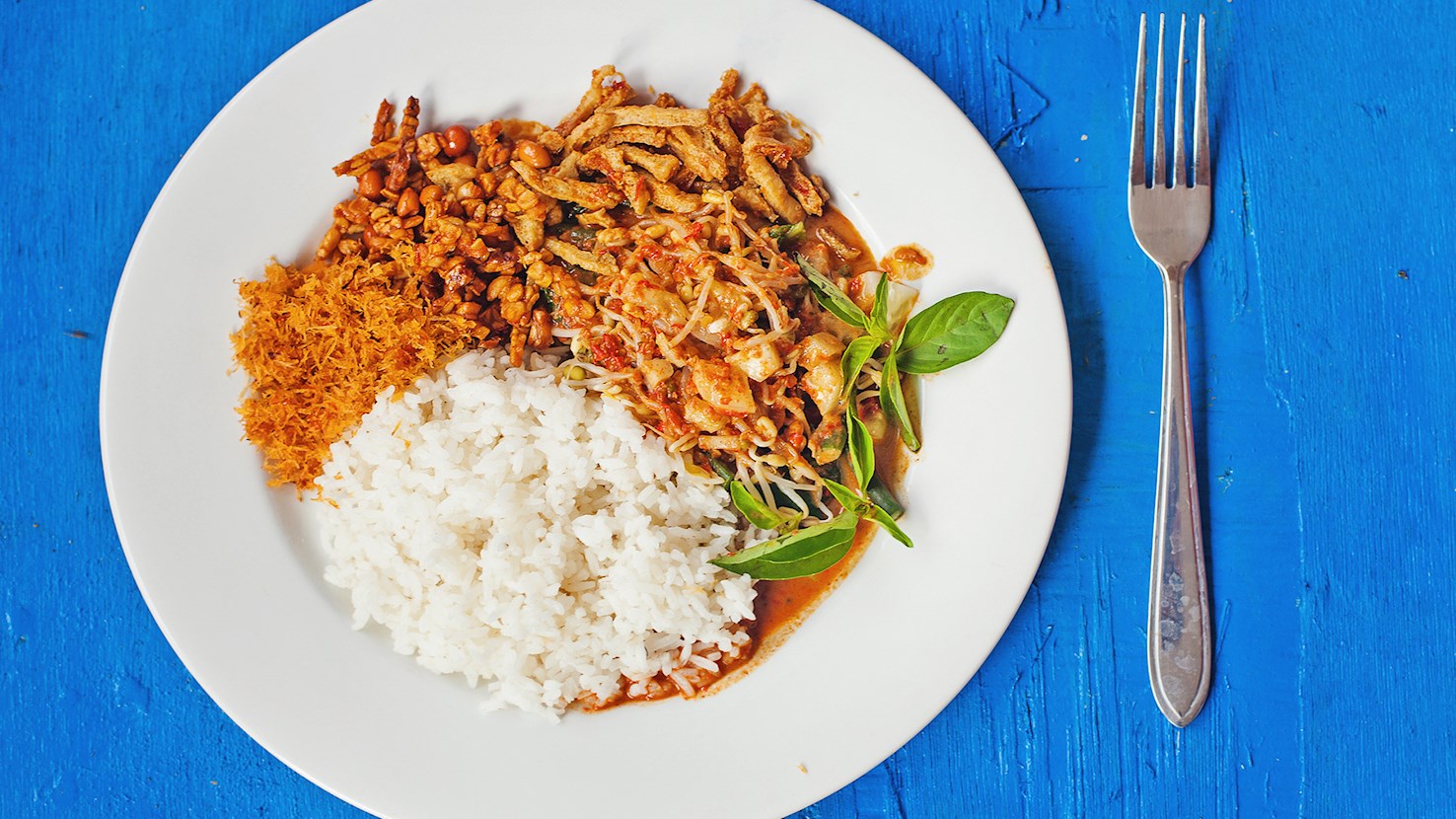
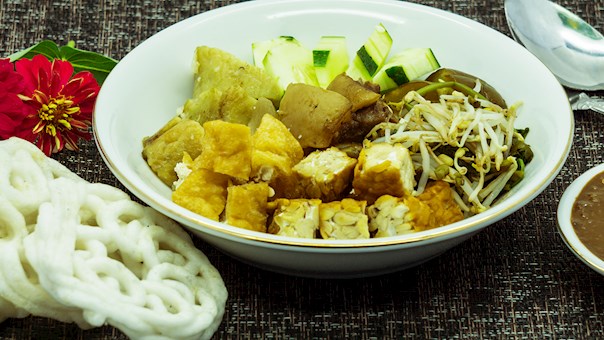
Nasi pecel is a Javanese rice dish that brings together a colorful array of lightly blanched vegetables served over steamed rice and generously topped with a rich, aromatic peanut sauce, originating from Central and East Java, particularly in cities like Madiun, Kediri, and Blitar. At the heart of the dish is the pecel sauce, a slightly coarse, deep brown peanut dressing made from roasted peanuts, chili peppers, garlic, tamarind, coconut sugar, and makrut lime leaves, pounded or blended into a thick, fragrant paste. The result is a sauce that is bold yet balanced, with a satisfying heat and a subtle citrusy lift that complements the freshness of the vegetables. The vegetable selection in nasi pecel typically includes water spinach (kangkung), long beans, bean sprouts, cassava leaves, and cabbage, all lightly blanched to retain their crunch and vibrant color. These are laid over a warm bed of white rice, then drenched in the warm pecel sauce. The dish is often served with rempeyek (crispy peanut crackers), tempeh, fried tofu, or a fried egg, adding contrasting textures and extra protein. Nasi pecel is widely enjoyed for breakfast or lunch, especially in roadside warungs and traditional markets, where it is often wrapped in banana leaves, infusing the meal with a subtle aroma and offering an eco-friendly form of takeaway. While similar in spirit to dishes like gado-gado, nasi pecel is less elaborate and more rustic, with a spicier, thinner sauce and a stronger regional identity rooted in Javanese culinary tradition.
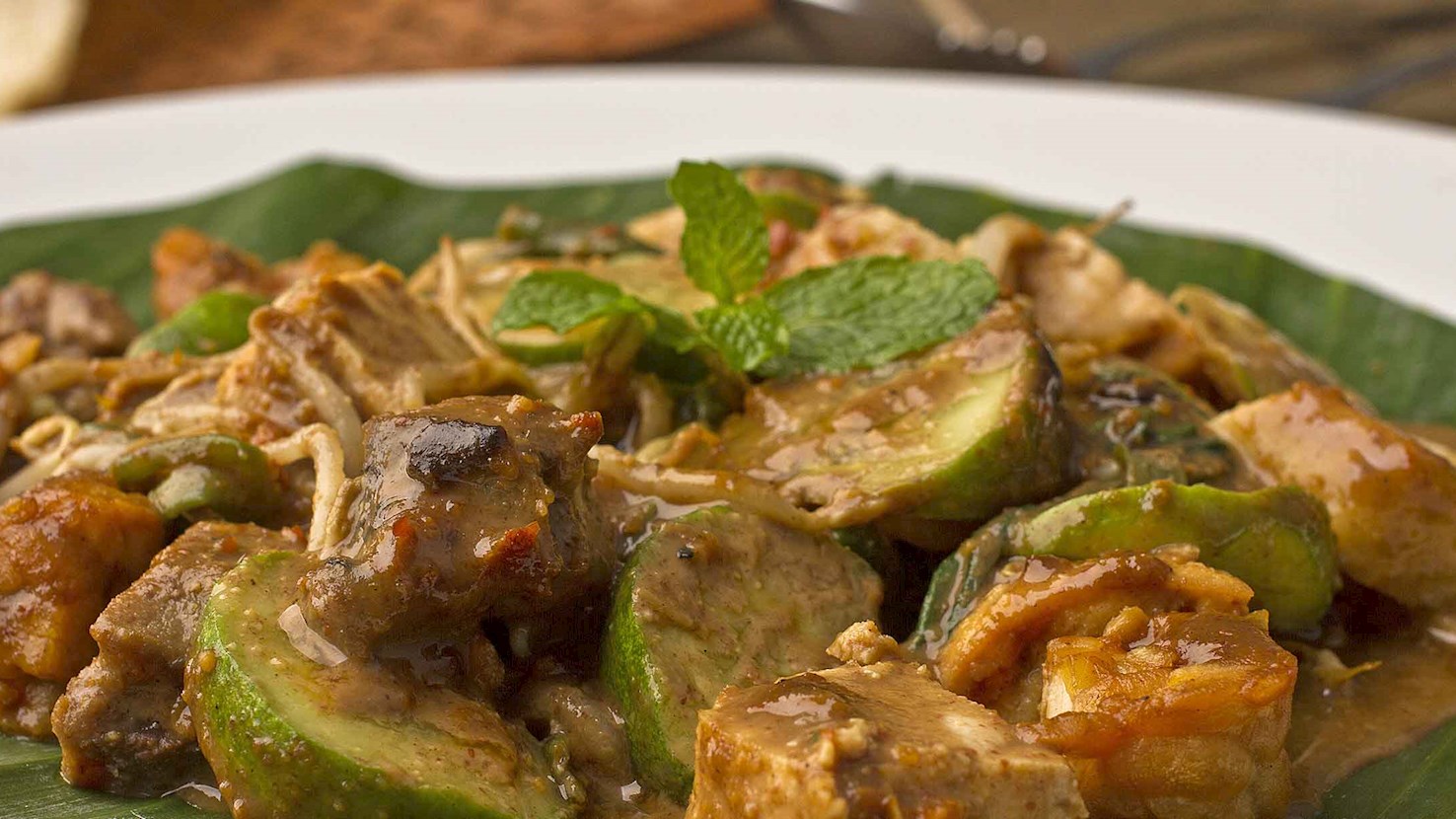
Rujak cingur is one of many versions of Indonesian rujak, a fruit salad which consists of different tropical fruits, usually served with a spicy and sweet dressing. Rujak cingur is a unique variety, because apart from fruits, it also incorporates vegetables and a rare ingredient – beef snout. This chewy, gelatinous meat is a delicacy in East Javanese cuisine and provides a unique texture and depth that sets rujak cingur apart from all other salads in the Indonesian repertoire. The dish is a layered composition of raw and boiled vegetables such as cucumber, water spinach, bean sprouts, long beans, and young jackfruit, combined with tropical fruits like pineapple, unripe mango, or kedondong, creating a vibrant contrast between sweet, sour, crunchy, and soft elements. What binds rujak cingur together is its extraordinary black sauce, a thick, pungent dressing made from fermented shrimp paste (petis), ground peanuts, palm sugar, garlic, chili, and tamarind, often pounded together with fried shallots and a hint of lime. It delivers an umami punch with sweet, spicy, and salty notes, enhanced by the distinctive funk of petis, which is darker and more intense than standard shrimp paste used elsewhere in Southeast Asia. The cingur, when mixed with the sauce, absorbs these powerful flavors while providing a tender resistance that plays against the crispness of the vegetables and fruit. Traditionally, everything is mixed together using a cobek or stone mortar, ensuring the sauce coats every piece evenly. Often served with steamed rice or lontong (compressed rice cakes), rujak cingur is not just a dish but a cultural experience that embodies the fearless approach to flavor found in East Javanese cooking. It challenges Western notions of what a salad should be and rewards those willing to embrace its aromatic complexity. For locals, it is both street food and ceremonial food, available at humble roadside stalls or as part of celebratory feasts.
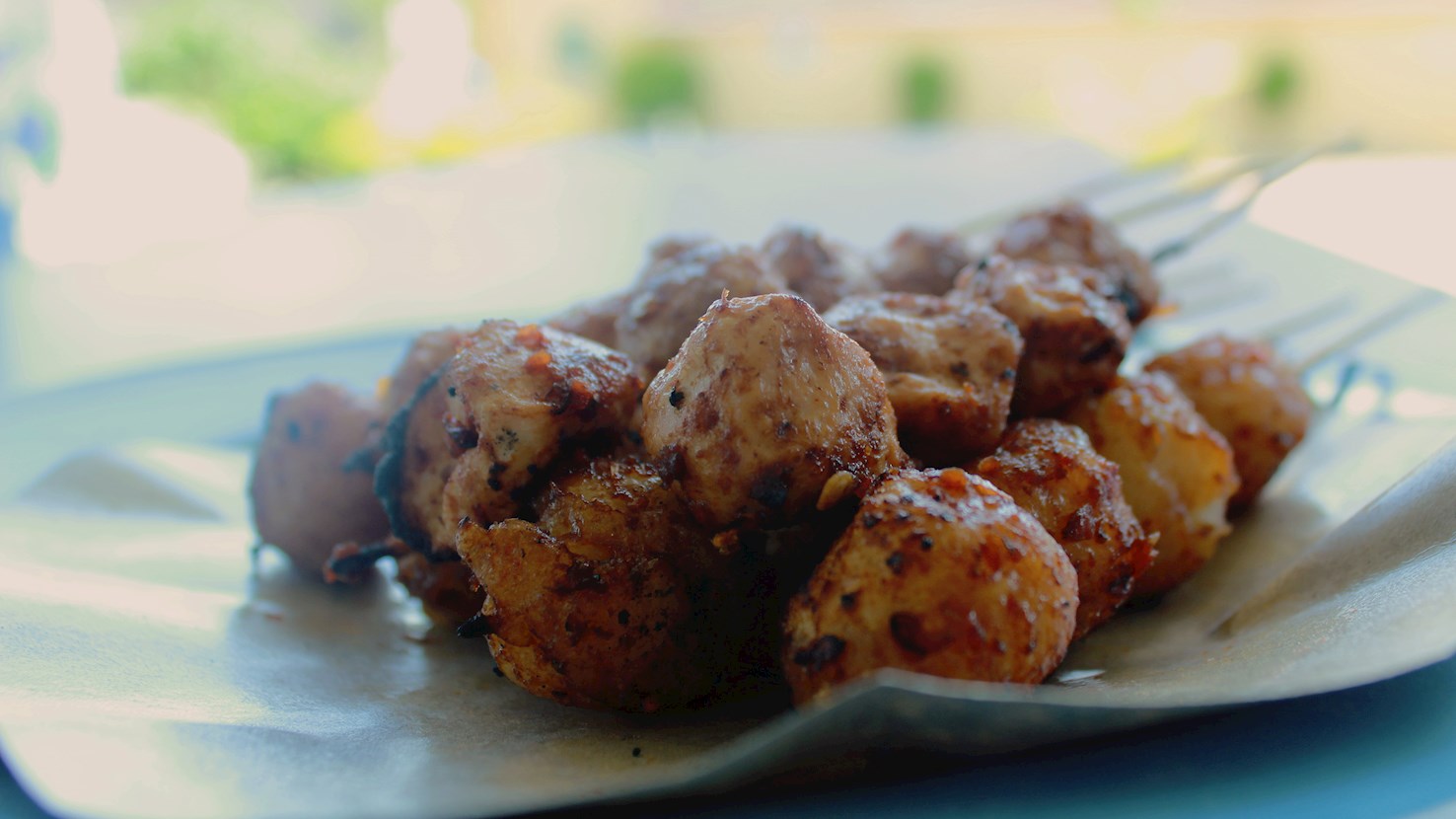
Bakso bakar is a popular Indonesian street food dish consisting of grilled meatballs, usually made from beef, that are skewered, basted in a flavorful sauce, and grilled over hot charcoal until smoky, slightly charred, and caramelized on the outside. The word "bakso" refers to meatballs, typically made from a mixture of finely ground beef (or sometimes chicken or fish), tapioca flour, and seasonings. "Bakar" means grilled or roasted. So, bakso bakar literally means "grilled meatballs." Originally popularized in Malang, East Java, bakso bakar has since gained nationwide fame as a snack or side dish, often sold at roadside stalls (warung), food carts, and night markets. The meatballs are first pre-boiled until fully cooked, then skewered (usually 3–5 per skewer), slathered in a sweet, spicy, and savory glaze — typically made from kecap manis (sweet soy sauce), garlic, chili, and sometimes a bit of margarine — and grilled until slightly crisp and sticky. The flavor is bold and addictive — sweet, salty, smoky, and spicy, with a soft and chewy bite from the meatball. It’s commonly served with steamed rice, rice cakes (lontong), or simply eaten off the stick with a side of sambal or spicy dipping sauce. Bakso bakar is often part of casual, late-night eating culture, and its grilled twist makes it a fun and flavorful variation of the classic bakso soup.
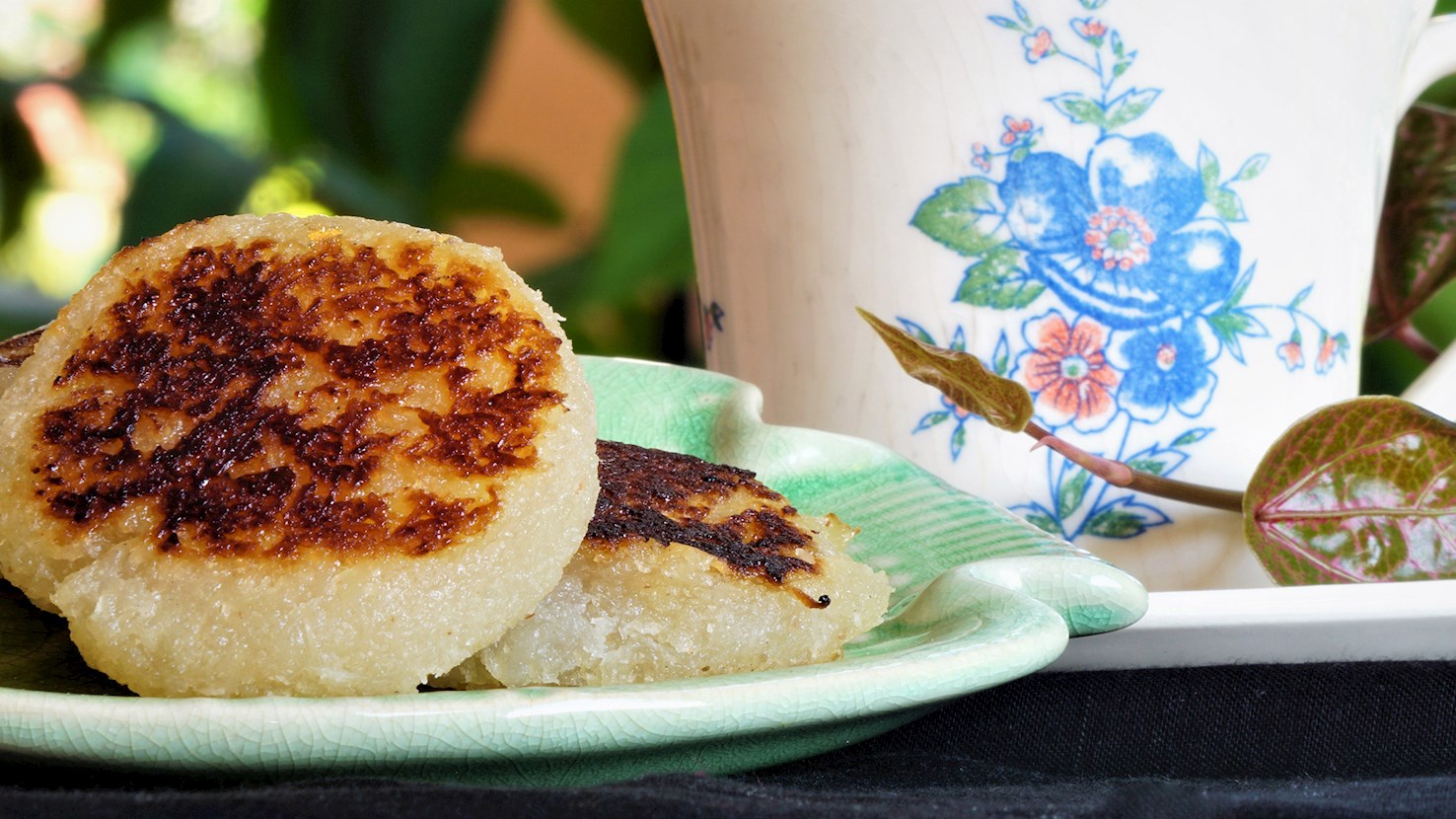
Wingko (also known as wingko babat) is a traditional Indonesian cake made primarily from grated coconut, glutinous rice flour, and palm sugar or white sugar, typically cooked until golden and slightly crispy on the outside while remaining chewy and fragrant inside. It is especially associated with the town of Babat in East Java, which is why the full name is often wingko babat, though it is widely enjoyed across Java and beyond. This sweet, coconut-based snack is usually grilled or baked into small, round, flat cakes and served warm or at room temperature. It has a rich, toasty coconut flavor balanced by a slightly caramelized sweetness, and its chewy texture makes it especially satisfying as a snack or dessert. Wingko is often sold as a souvenir food (oleh-oleh), particularly in cities like Semarang, where it’s packaged in distinctive boxes and bought by travelers for family and friends. Though traditionally made plain, modern versions may include flavors like pandan, chocolate, or durian. It's often eaten with tea or coffee, especially during relaxed afternoons or festive gatherings.
TasteAtlas food rankings are based on the ratings of the TasteAtlas audience, with a series of mechanisms that recognize real users and that ignore bot,
nationalist or local patriotic ratings, and give additional value to the ratings of users that the system recognizes as knowledgeable.
TasteAtlas Rankings should not be seen as the final global conclusion about food. Their purpose is to promote excellent local foods,
instill pride in traditional dishes, and arouse curiosity about dishes you haven’t tried.



What People Say