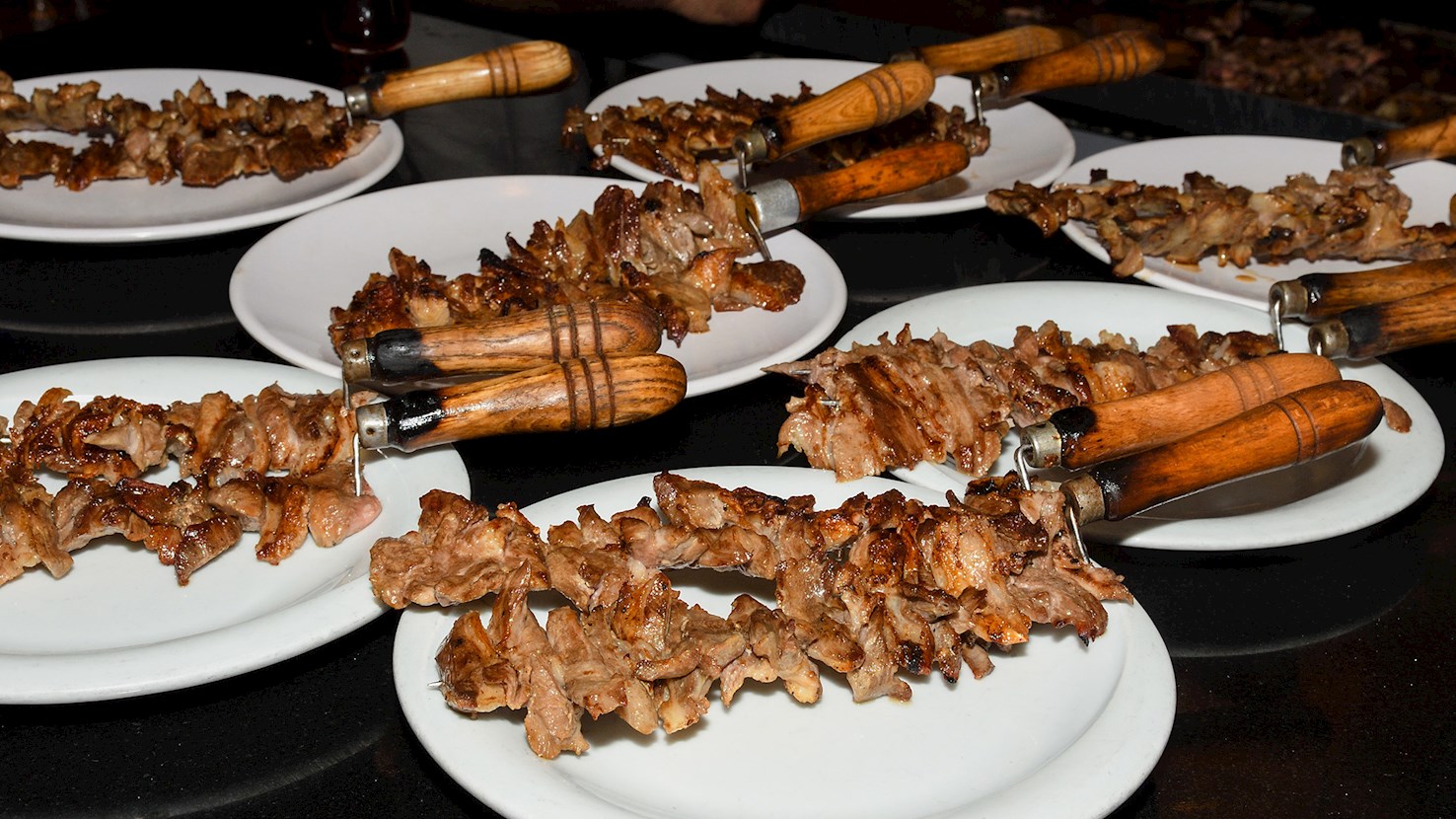
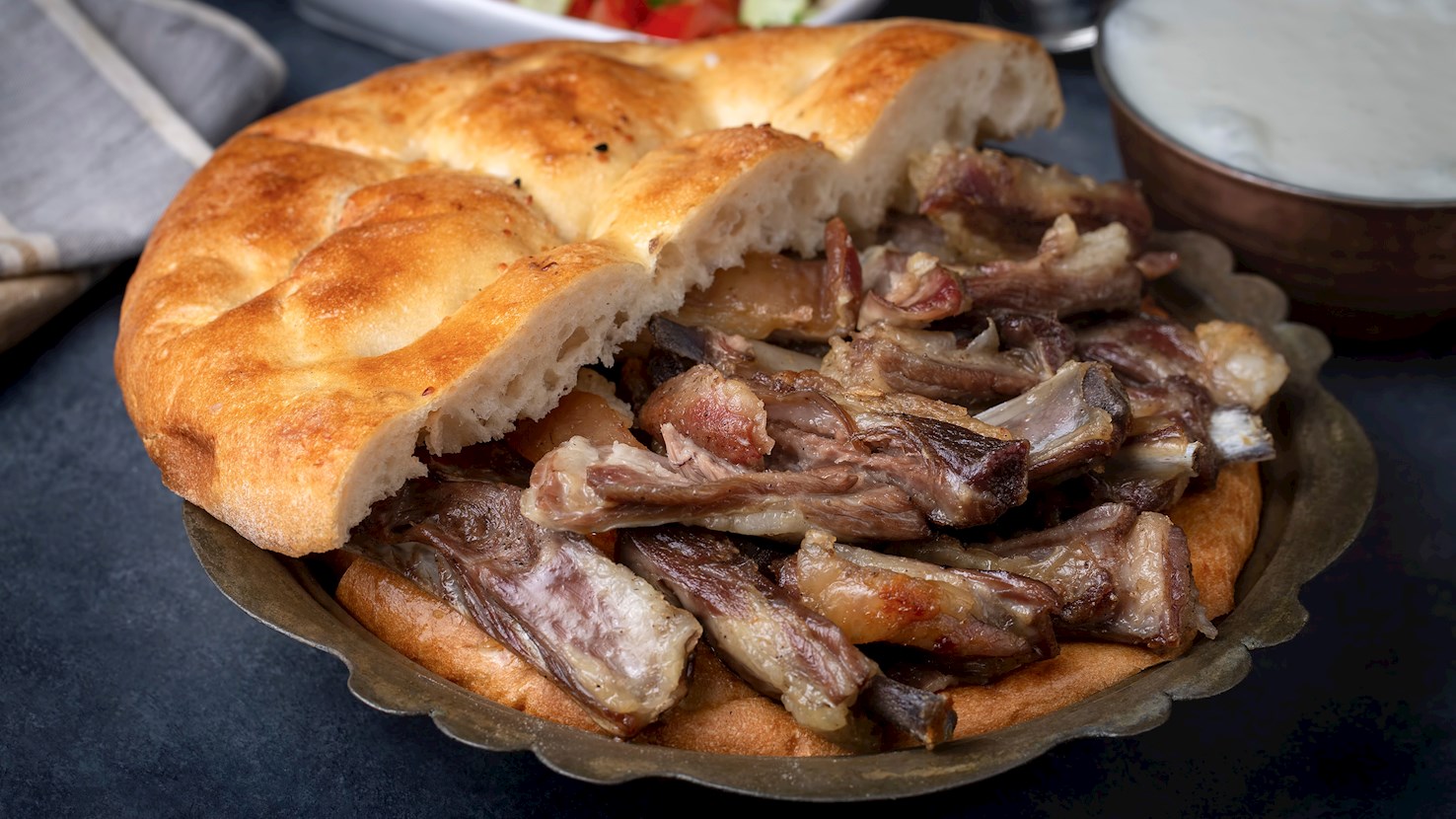
Oltu cağ kebabı is a horizontally roasted lamb kebab identified with the Oltu district of Erzurum Province in northeastern Türkiye, where the product took shape and continues to be defined by local practice and oversight. The kebab’s emergence is tied to sheep and lamb husbandry in Oltu and its surroundings, the availability of young lamb with a balanced fat profile, and a cooking method adapted to regional conditions that favored slow, controlled roasting on a horizontal spit rather than vertical stacking; over time, the name “Oltu” became inseparable from the product, and the name Oltu cağ kebabı is recorded in linguistic sources and in world culinary literature, a point that distinguishes it from similar regional preparations that may share techniques but not designation. Preparation centers on marinating carefully selected lamb, typically shoulder and leg cuts, with salt and restrained seasonings, then layering the meat onto a horizontal skewer and roasting it gradually over wood embers so the fat renders evenly and bastes the meat; as the exterior reaches doneness, thin slices are shaved off and served immediately, a service rhythm that prioritizes temperature and texture over batch holding. Serving is characteristically done on the cağ skewer itself, which functions both as utensil and presentation, and portions are often accompanied by flatbread and simple sides that do not compete with the meat; the method produces slices that balance exterior browning with a moist interior, and the horizontal orientation allows steady heat exposure that differentiates the cut and mouthfeel from vertical-spit kebabs. The product’s naming and oversight are formalized by the authorized supervisory body (Oltu Chamber of Commerce and Industry), which maintains standards tied to geographic identity and production criteria. Oltu cağ kebabı is commonly eaten as a shared table order served in successive cağs rather than a single plated portion, and it is paired most often with ayran, plain yogurt drinks, or lightly acidic beverages that refresh the palate, while bread and onions remain the customary accompaniments.
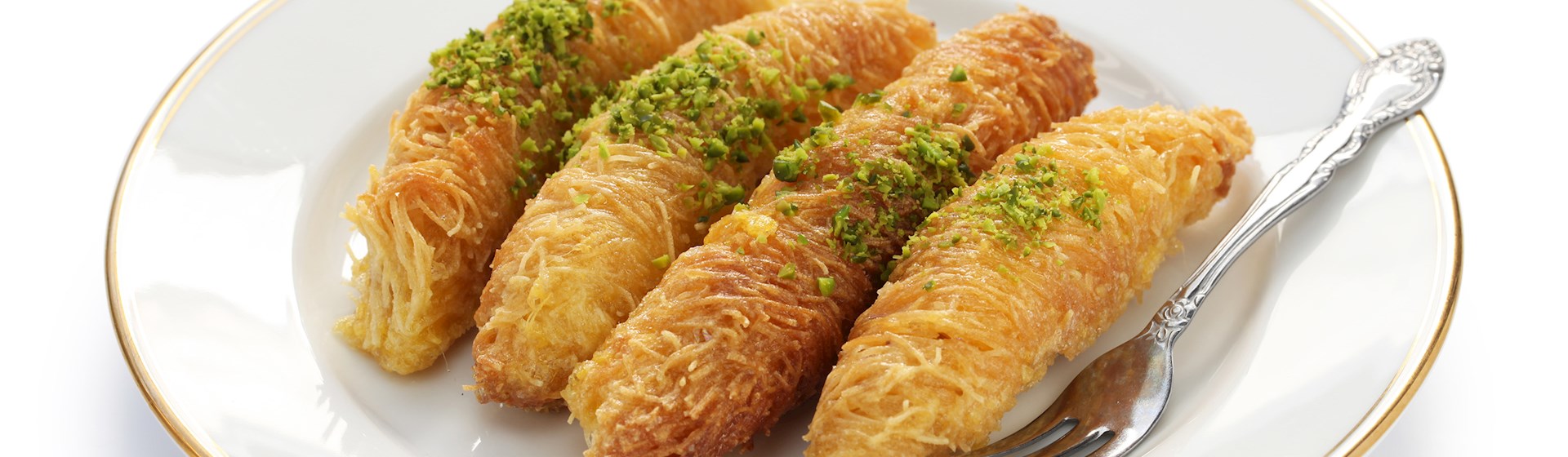
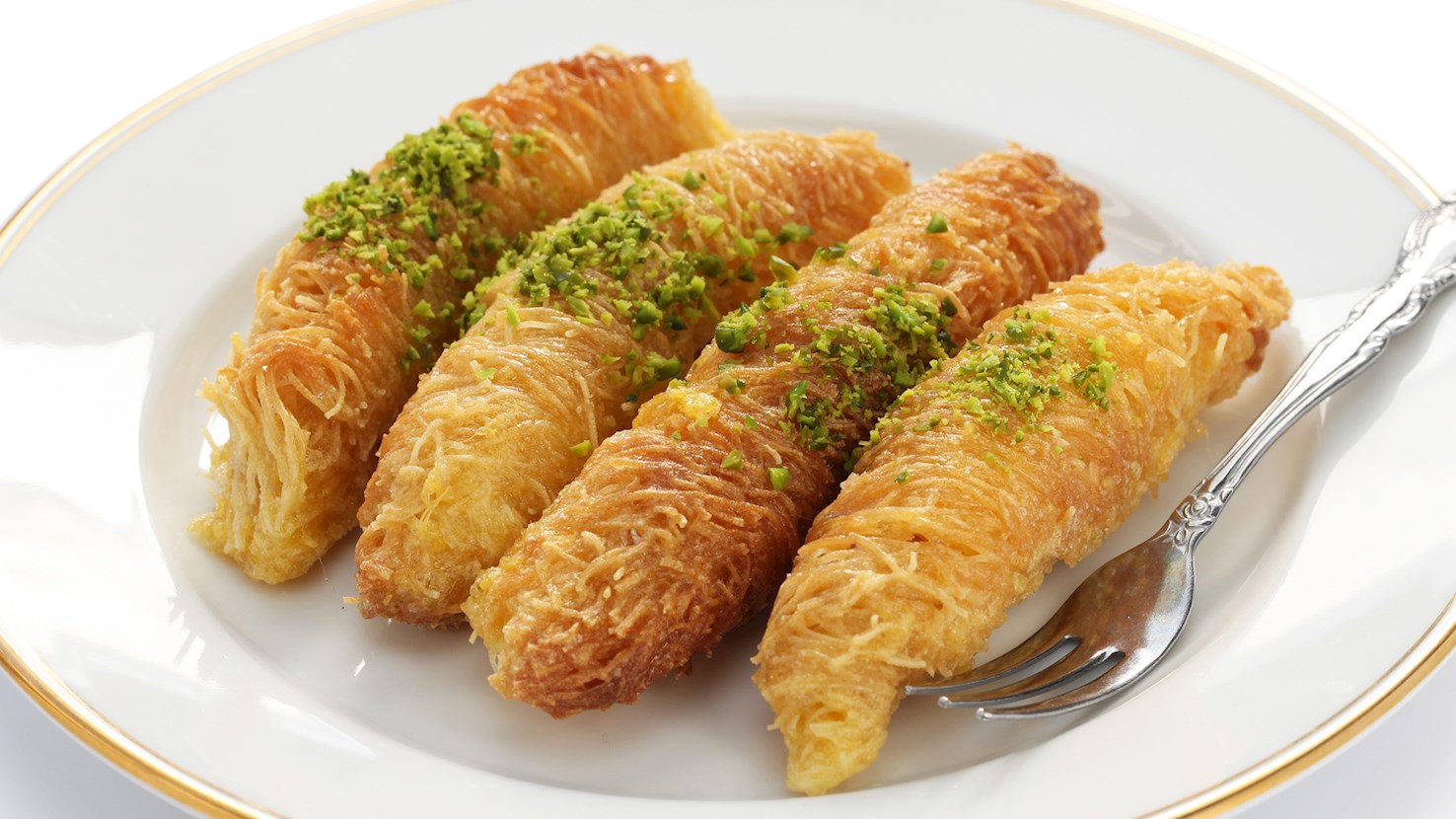
Hailing from Erzurum, kadayıf dolması is a Turkish dessert made with thin shreds of kadayıf dough that are wrapped around a nut filling. The dough is flattened and stuffed with roughly chopped or ground nuts before it is rolled into small elongated rolls that are coated in lightly beaten eggs before they are fried. The fillings usually include pistachios or walnuts, while kaymak—a type of thick clotted cream—is occasionally used as a garnish. Kadayıf dolması is doused in a thick lemon-flavored sugar syrup, and it is usually served topped with ground nuts. It is best enjoyed with a cup of tea on the side.
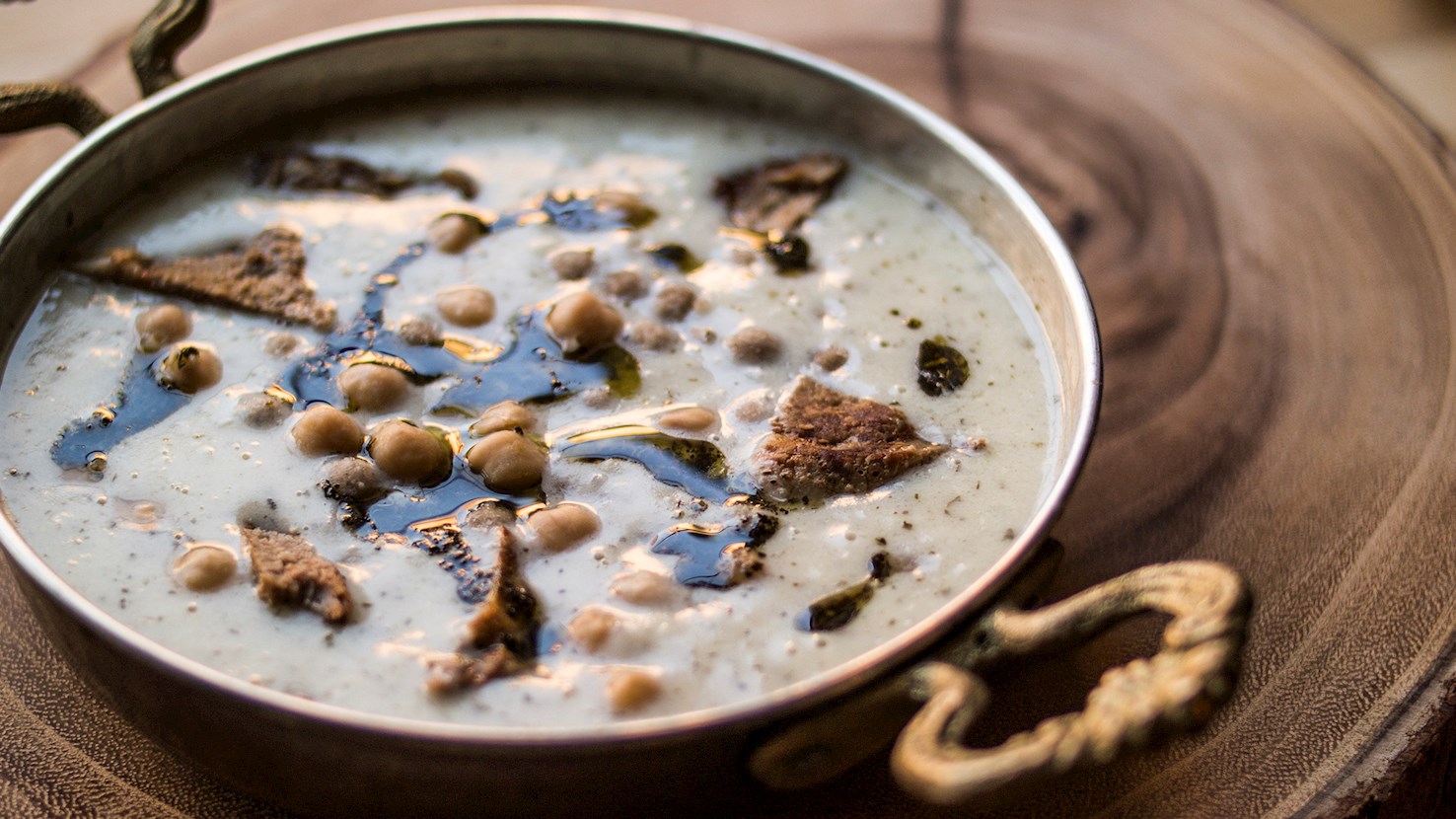
Arguably the most laborious Turkish soup and one of Gaziantep's favorites, yuvarlama çorbası is made with spiced meatballs, chickpeas, yogurt broth, olive oil, and other optional ingredients. The soup is traditionally prepared for the three-day celebration of the fast-breaking Ramazan Bayramı, and it is served in virtually every Anatolian home. The preparation of this festive soup is a time-consuming process, and everyone is involved, as often both family members and neighbors get together to share the work and joy of rolling hundreds of tiny yuvarlama köfte. These spiced meatballs are typically made with lean beef mince, and either rice or bulgur flour, but they can also be made without meat. Köfte are then steamed and, together with pre-cooked chickpeas, added to the warm süzme or strained yogurt broth drizzled with minty olive oil. Yuvarlama soup can even include stewed chunks of beef, lamb, or chicken, and it is most often accompanied by rice pilaf, which altogether makes not only for quite a nutritious meal but also an amazing combination of different flavors and textures.
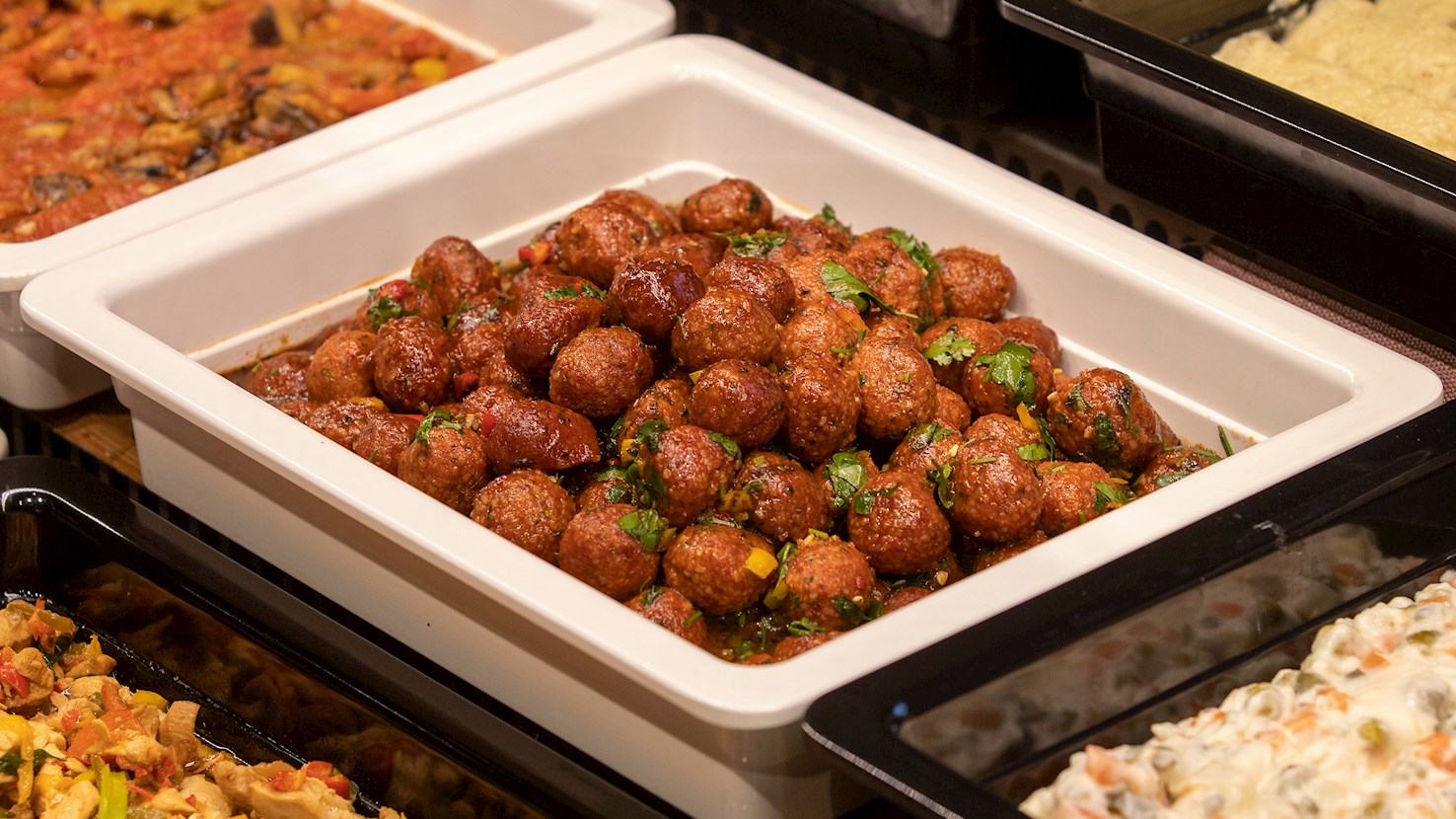
Harput köftesi are traditional Turkish köfte meatballs originating from Elazığ (formerly Harput). The dish is made with a combination of ground beef, basil, onions, bulgur, tomato paste, salt, paprika, black pepper, and parsley. The mixture is shaped into small balls, and the meatballs are then simmered in a combination of oil, water, and tomato paste. Once done, Harput meatballs are served immediately in warmed plates.
Büryan kebabı is a meat dish prepared by cooking a whole goat or lamb in a deep well over a wood fire. The well is covered with a lid and sealed with mud or ash so the meat cooks and steams simultaneously. There are two kinds of büryan kebab: Bitlis büryan kebabı from the Bitlis province and Siirt büryan kebabı from the city of Siirt. The former is made with a male goat, while the latter can be made with a goat or lamb. The meat is either placed in a cauldron with water or hung and then positioned in the well. As far as seasoning, only rock salt is used. The cooked meat is served atop pita bread, and when ordering, one can choose between bone-in and boneless meat and between fatty and lean meat.
Murtuğa is a simple yet hearty breakfast dish, made with butter, flour, and eggs. The preparation involves melting butter in a pan, adding flour to create a golden, fragrant base, and then mixing in eggs until fully cooked. The result is a creamy, rich mixture with a nutty flavor from the toasted flour and the richness of eggs. It is served hot, often accompanied by bread and paired with Turkish breakfast staples like cheese, olives, and tea. For a sweeter variation, honey or sugar can be drizzled on top. Murtuğa is a comforting and nostalgic dish, reflecting the resourcefulness of Turkish home cooking and offering a warm, satisfying start to the day.
Sorina pel is a flour-based dish from the Bingöl province in the Eastern Anatolia region of Turkey, consisting of baked dough, yogurt, garlic, and butter. The name is derived from the Kurdish words "sorina," which refers to a soup or liquid base, and "pel," which means layer or leaf, specifically referencing the thin sheets of dough used in its construction. This preparation is localized to the mountainous corridors of Bingöl and is documented as a staple in the culinary repertoire of the Zaza and Kurdish communities inhabiting the area. The existence of the dish is a result of the regional reliance on wheat and dairy, which were the primary resources available to the agrarian populations of the Çapakçur valley throughout the medieval and Ottoman periods. In a landscape defined by high altitudes and long winters, the ability to transform basic flour and fermented milk into a high-calorie meal was essential for subsistence. Preparation begins with the rolling of unleavened dough into thin, circular sheets known as yufka, which are then lightly baked on a metal griddle or in an oven until they are firm but flexible. These sheets are rolled tightly into cylinders and cut into uniform sections, typically four to five centimeters in length. The cut pieces are placed vertically into a deep tray or circular pan, packed tightly together so that the open ends of the dough spirals face upward. A sauce is prepared by mixing thick, strained yogurt with crushed garlic and salt, which is then poured over the dough, allowing the liquid to penetrate the layers. The final step involves melting a significant amount of butter until it foams and slightly browns, which is then drizzled over the top of the yogurt-covered dough. A unique technical aspect of sorina pel is the vertical alignment of the dough pieces, which creates a honeycomb structure that traps the yogurt and butter, preventing the bottom from becoming overly soggy while ensuring the center remains moist. It is served hot and is intended for immediate consumption to maintain the contrast between the warm, softened dough and the cool yogurt. It is commonly eaten directly from the baking tray in a communal setting, often accompanied by fresh green peppers, sliced onions, or pickles to provide a sharp textural contrast to the soft dough. The most common beverage pairing is ayran, a salted yogurt drink, or hot black tea, which assists in the digestion of the heavy butter content.
Erzurum küflü civil peyniri is a blue-moulded, cow's milk string cheese from Turkey, produced in the Erzurum province. The cheese’s origins lie in the high-plateau dairying region of Erzurum, where skimmed milk from cows grazed on herbaceous highland pastures was historically processed by local creamery artisans; over time the product developed into a protected geographical-indication (GI) cheese with defined methods of production and ageing. In its production skimmed cow’s milk is used, to which starter cultures and rennet are added and the temperature raised gradually until curd forms; the curd mass is then kneaded and stretched repeatedly, creating a fibrous string structure, and subsequently the cheese blocks are pressed and salted, then matured under conditions that allow spontaneous or inoculated blue-green mold (kef) to develop on the surface, forming the characteristic rind and contributing flavour; some versions are packed in brine or vacuum-sealed after mould development for storage and distribution. Variations include the fresh un-moulded “Civil” form, and the mould-ripened version called “Göğermiş” (moulded civil cheese) in which the cheese has been pressed further and allowed to develop the kef exterior; some producers now add flavour-enhancing steps such as light smoking or vacuum-packing to extend shelf-life. A distinctive feature of Erzurum küflü civil peyniri is its low-fat origin (since it’s made from skimmed milk), combined with the stringy fibrous internal structure and the external mould layer which is unusual among Turkish cheese-types; it's also a GI-registered product as of 2009, meaning its production zone and method are legally governed. The cheese is eaten typically as part of a Turkish breakfast or meze platter, served at room temperature or sliced thinly, and is often paired with fresh bread, black tea, or light raki; when used in cooking it is melted into börek or paired with roasted vegetables, and it also complements crisp white wines or light lager-style beers whose clean profile offsets the mould-ripened flavour.
TasteAtlas food rankings are based on the ratings of the TasteAtlas audience, with a series of mechanisms that recognize real users and that ignore bot,
nationalist or local patriotic ratings, and give additional value to the ratings of users that the system recognizes as knowledgeable.
For the “Top 8 Eastern Anatolian Foods” list until July 17, 2026, 964 ratings were recorded, of which 424 were recognized by the system as legitimate.
TasteAtlas Rankings should not be seen as the final global conclusion about food. Their purpose is to promote excellent local foods,
instill pride in traditional dishes, and arouse curiosity about dishes you haven’t tried.
The initial list of top producers was compiled based on available reviews, awards, local recommendations, media and blog coverage, and consumer reviews.
The list will be updated with ratings from TasteAtlas local ambassadors and TasteAtlas users.