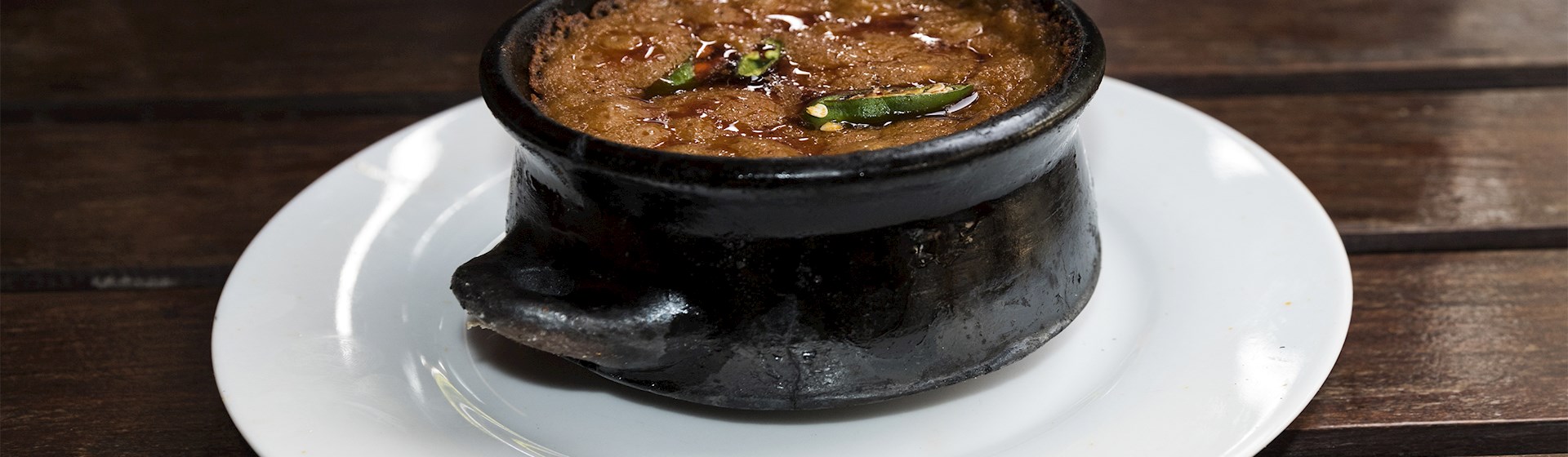
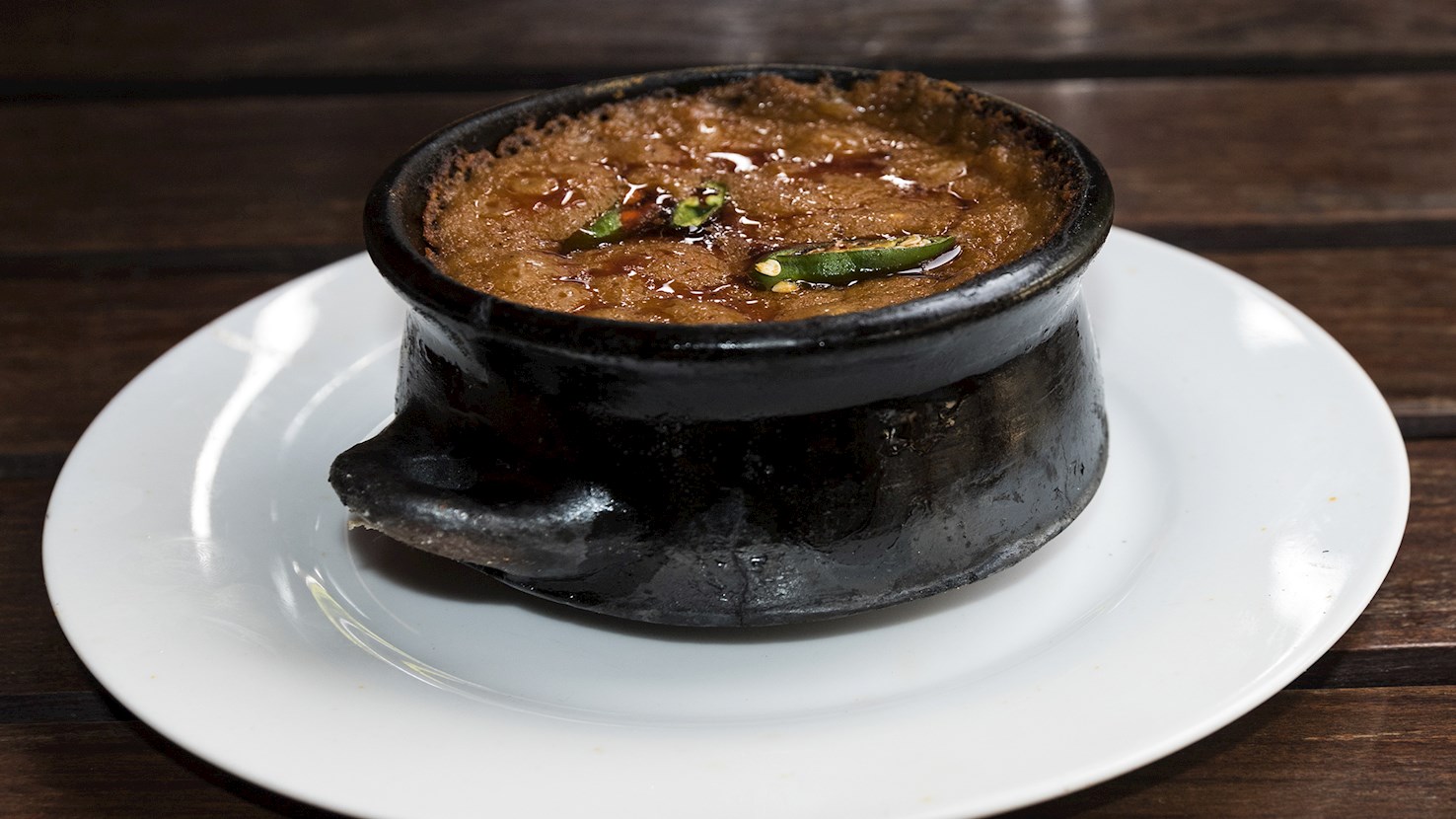
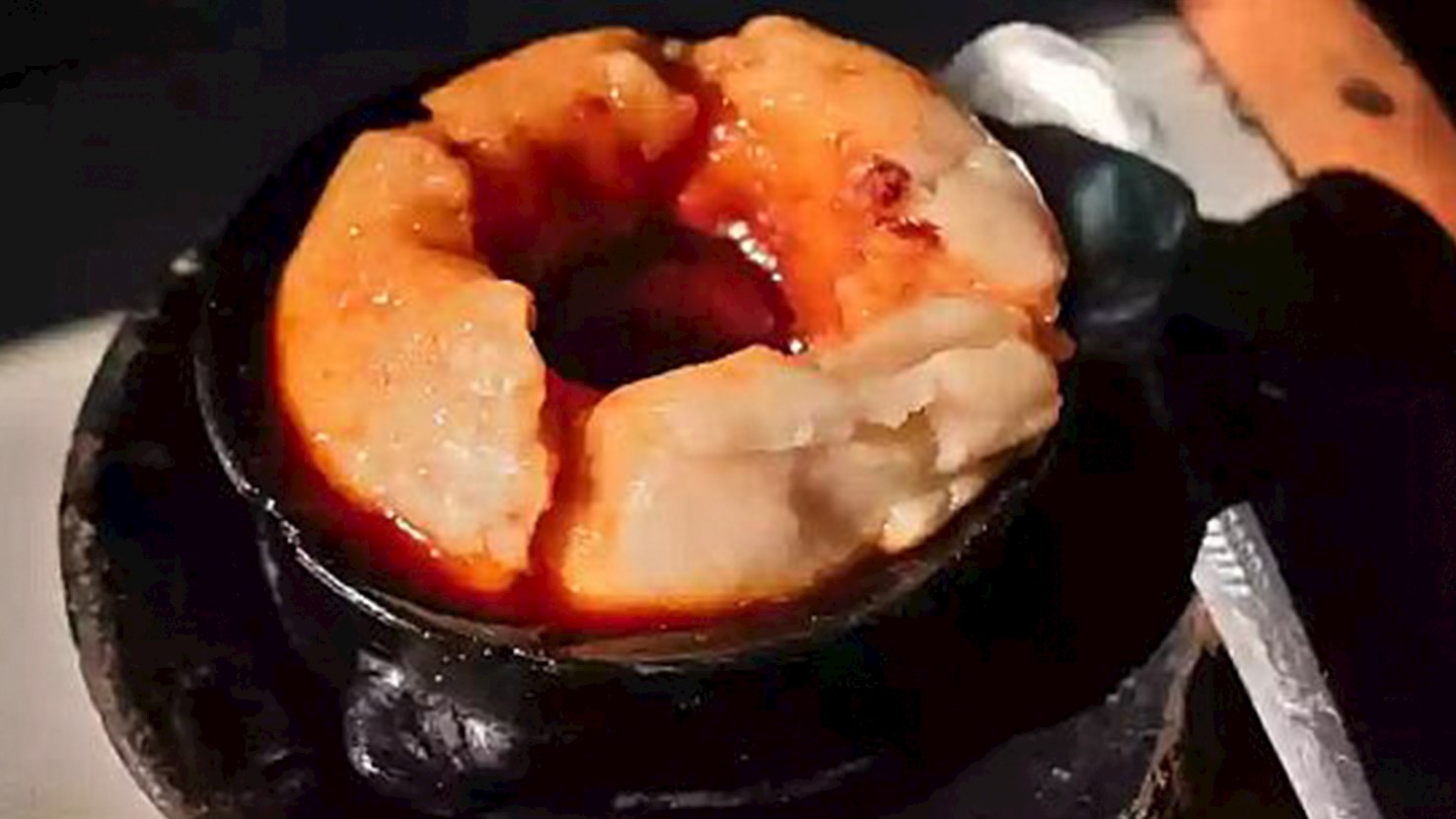
Shiro wat, known simply as shiro and tsebhi shiro, is a smooth pulse-flour stew shared by Ethiopian and Eritrean cuisines, most commonly made from finely ground chickpeas, field peas, fava beans, or a mixture of several legumes. Unlike stews built from whole lentils or beans, shiro begins with a flour that dissolves into the cooking liquid and thickens it into an even, creamy sauce, making its texture as important to its identity as its seasoning. Shiro developed in a region where pulses have long provided an important complement to cereal-based foods, and turning roasted legumes into a shelf-stable flour offered several practical advantages: the dry mixture could be stored for extended periods and transformed into a substantial meal much faster than whole dried beans. Chickpea versions are commonly produced by soaking the seeds, drying and roasting them, removing the hulls, and milling the cotyledons into a fine powder; other legumes undergo comparable processing, and spices such as garlic, korarima, chili, herbs, and ginger can be ground into the mixture itself. This ready-made seasoned flour helps explain why shiro occupies such a prominent place in everyday home cooking. To make the stew, finely chopped onions are softened in oil or seasoned clarified butter and commonly joined by garlic, ginger, chili, berbere, tomato, or peppers, depending on the household and region. Water is added before the shiro flour is introduced gradually, with continuous stirring preventing lumps as the ground pulses hydrate. The mixture quickly changes from a thin liquid into a smooth sauce and is then simmered until the raw flour character disappears and the desired consistency is reached. Recent food-science research describes shiro wat as a quick-cooking stew made from roasted pulse flour combined with onions and aromatics and served primarily with injera. Thickness varies considerably: an everyday shiro may remain loose enough to spread across injera, whereas shiro tegamino is cooked much thicker and richer, often served bubbling in a small clay vessel and sometimes enriched with additional seasoned butter. Another variation, bozena shiro, incorporates meat, showing that the pulse base itself does not automatically make every form meatless. The most widespread fasting version, however, is prepared entirely with vegetable oil and contains no meat, butter, or other animal products. This makes shiro especially important during Ethiopian and Eritrean Orthodox fasting periods, when animal-derived foods are excluded and pulse-based meals become central to the table. Shiro is therefore not simply a substitute for meat but a well-established dish with its own flour mixtures, textures, and regional preferences. In Ethiopia it is consumed extensively in both rural and urban households, while Eritrean dietary research likewise records shiro flour made from mixtures of peas, beans, red pepper, garlic, and other spices and eaten together with injera. At serving time, the hot stew is spooned onto injera, whose porous surface readily absorbs the sauce while its sourness contrasts with the earthy pulses and chili seasoning. It may be eaten alone for a simple lunch or dinner or included among the components of a larger fasting platter with lentils, greens, cabbage, potatoes, beetroot, or fresh tomato salad. Bread can also accompany it, particularly when injera is unavailable. Water and tea suit simpler meals, while tella or suwa can accompany a larger spread, and coffee commonly follows.
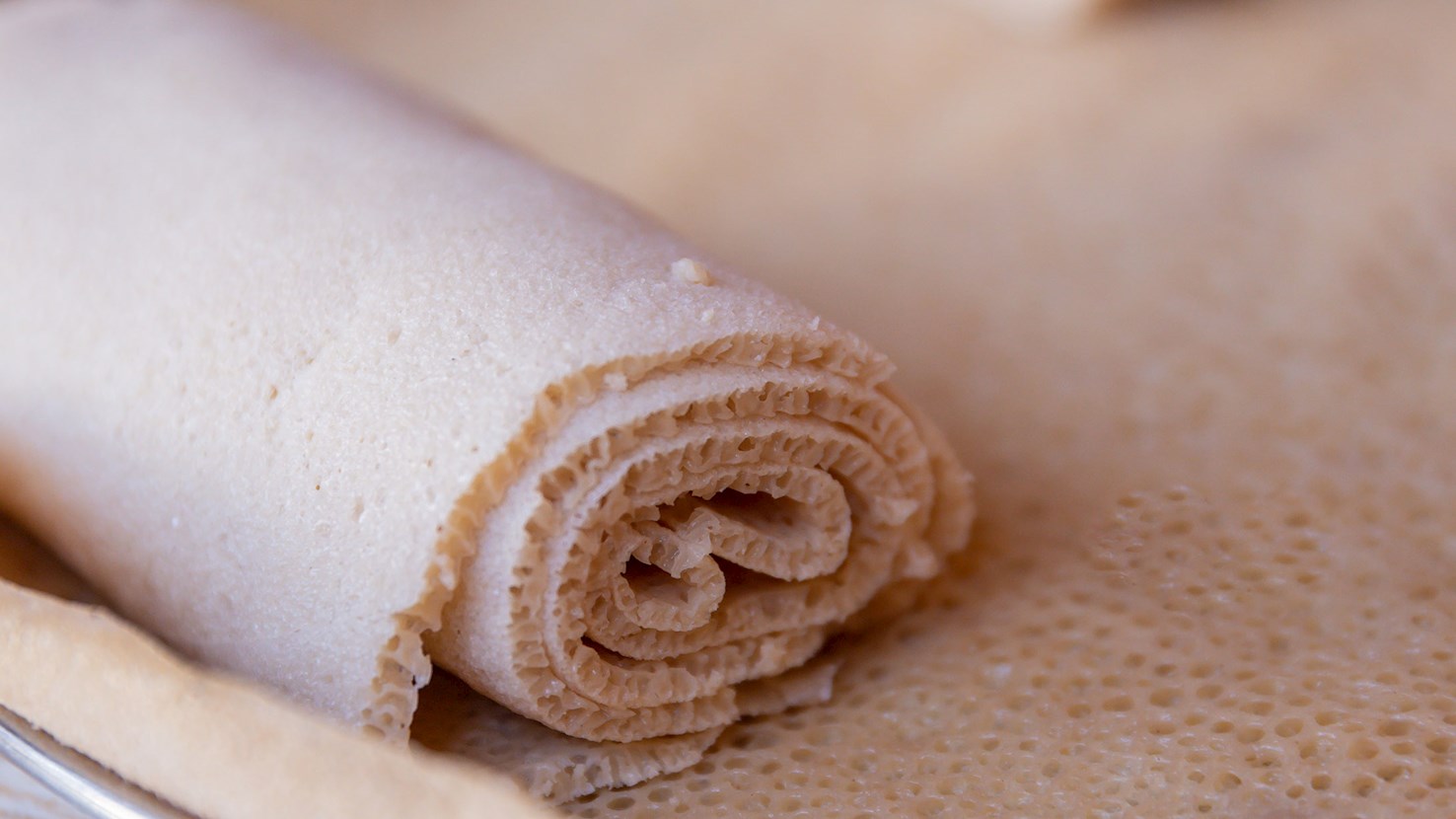
Injera or tayta is a large, soft, sour fermented flatbread from Ethiopia and Eritrea, recognizable by its flexible texture and a surface covered with thousands of tiny holes known as “eyes.” It functions as bread, plate, and utensil at the same time: stews, vegetables, meat, pulses, and sauces are arranged directly on top of it, and pieces are torn off by hand to pick up each bite. In Ethiopia, the most highly regarded injera is made from teff, a tiny cereal indigenous to the region, although sorghum, barley, wheat, maize, millet, or mixtures of grains are also used according to locality, availability, and household preference. Teff itself has a very long history in the Horn of Africa, with archaeological evidence for domesticated teff in northern Ethiopia and Eritrea dating back several millennia, but there is no equally precise archaeological date for the first injera. What can be documented clearly is that fermented teff bread has become one of the central foods of Ethiopian cuisine, shaped by a fermentation process that gives it both its acidity and its unusual spongy structure. The classic method begins by mixing teff flour with water and a small amount of ersho, fermented liquid retained from an earlier batch that acts as a starter. The batter is left to ferment for roughly two to three days, during which naturally occurring microorganisms produce mainly lactic and acetic acids, lowering the pH and creating injera’s characteristic sour flavor. Near the end of fermentation, a portion of the batter is mixed with water and cooked into a thick paste called absit. This is returned to the main batter, where it changes the starch structure and helps create the desired softness, elasticity, and network of bubbles during baking. After a short second fermentation, the batter is thinned to a pourable consistency and spread in a circular motion over a hot flat baking surface, commonly a clay or electric mitad. Injera is cooked only on one side and usually covered briefly so steam can finish setting the upper surface. As the batter heats, gases expand through the gelatinizing starch and leave the characteristic field of small holes across the top. A well-made injera should be supple enough to roll or fold without cracking, moist rather than dry, and porous enough to absorb sauces without immediately falling apart. The underside is smooth and lightly browned, while the upper surface remains pale, matte, and perforated. White teff generally produces a lighter and often more highly valued injera, while red or brown teff gives a darker color and somewhat more pronounced grain flavor. Fermentation is essential to the bread’s identity rather than simply a method of leavening; it produces the tartness that balances Ethiopia’s richly seasoned stews and also changes the grain chemically, including reducing part of its phytic acid content. Injera is generally laid flat on a large shared platter, with dishes such as doro wat, sega wat, shiro, misir wat, gomen, tibs, kitfo, lentils, vegetables, and fresh cheese placed over its surface. Diners tear pieces from the edges with the right hand, fold them around portions of food, and eat the bread together with the topping. As the meal continues, the injera underneath absorbs the sauces and meat juices, making the soaked sections an important part of the meal rather than disposable serving material. Leftover injera is also reused in dishes such as firfir, where torn pieces are mixed with seasoned sauces or stews and served as a separate meal, often at breakfast. Injera is eaten daily across Ethiopia and Eritrea, from household meals to restaurants, celebrations, fasting meals, and communal feasts, with the choice of toppings changing according to region, religion, season, and occasion. Its mild grain flavor and acidity make it especially effective with spicy berbere-based stews, earthy lentils, rich beef dishes, fresh ayib, and buttery or heavily seasoned foods. Ethiopian beer and tella can accompany meat- and stew-based meals, while tej is sometimes served at larger gatherings; coffee usually comes later rather than functioning as the principal drink with the platter itself.
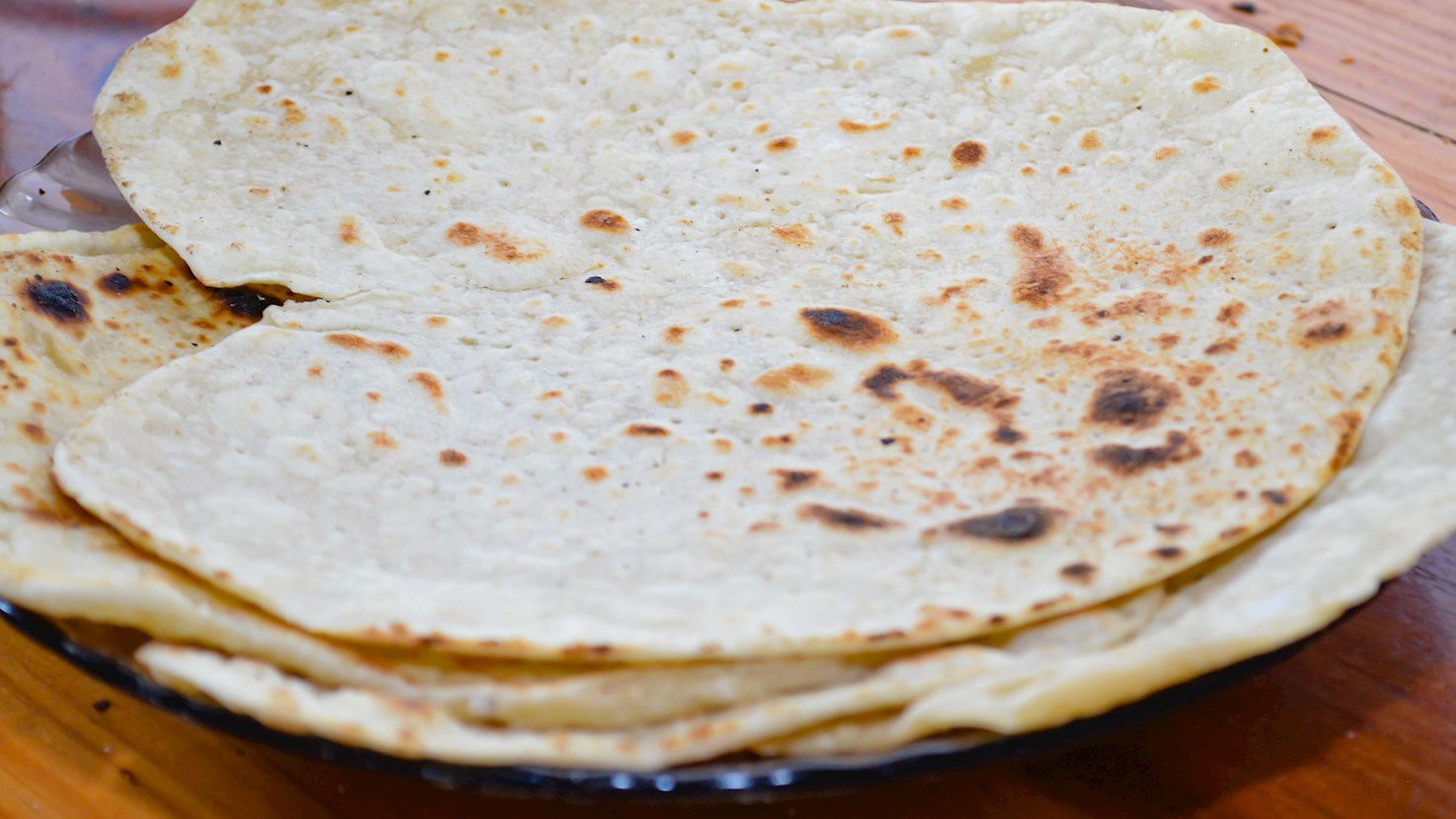
Kitcha is an unleavened flatbread from Eritrea and northern Ethiopia, made from a basic dough of flour, water, and salt and cooked directly on a hot griddle or pan. In Ethiopia, the same bread is commonly known as kita or kitta, while kitcha is the more characteristic Tigrinya name used in Eritrea and Tigray. It belongs to the wider group of quick breads found across the Horn of Africa, where breads without yeast or long fermentation have long been part of everyday cooking because they can be prepared quickly and with very few ingredients. Wheat flour is the most common base, although other grains or flour blends can also be used depending on local availability and household preference. The dough is mixed until soft and pliable, then flattened into a thick round, usually by hand, and cooked on a dry or lightly greased griddle until both surfaces develop browned spots and the center is fully cooked. Some versions are relatively thin and flexible, while others are thicker and more substantial, with a soft interior and lightly crisped exterior. Unlike injera, kitcha is not fermented, so it has no pronounced sourness and no spongy, porous structure. Its flavor is mild and cereal-forward, which makes it especially suitable for serving with strongly seasoned foods or for tearing into pieces and mixing with fat and spices. Its best-known preparation is kitcha fit-fit, in which freshly cooked or leftover bread is broken into small pieces and tossed with clarified butter or oil and berbere, sometimes with onion, garlic, tomato, or a little water added to soften the bread and distribute the seasoning. Kitcha can also be served whole or cut into wedges with eggs, yogurt, fresh cheese, lentils, stews, or cooked vegetables. In Eritrea it is especially associated with breakfast and is often eaten with tea or coffee, while in northern Ethiopia it appears in similar morning meals and in dishes such as kita fir-fir. Because it is quick to make, neutral in flavor, and able to absorb butter, sauces, and spices well, kitcha functions both as a bread on its own and as the base for more elaborate breakfast dishes.
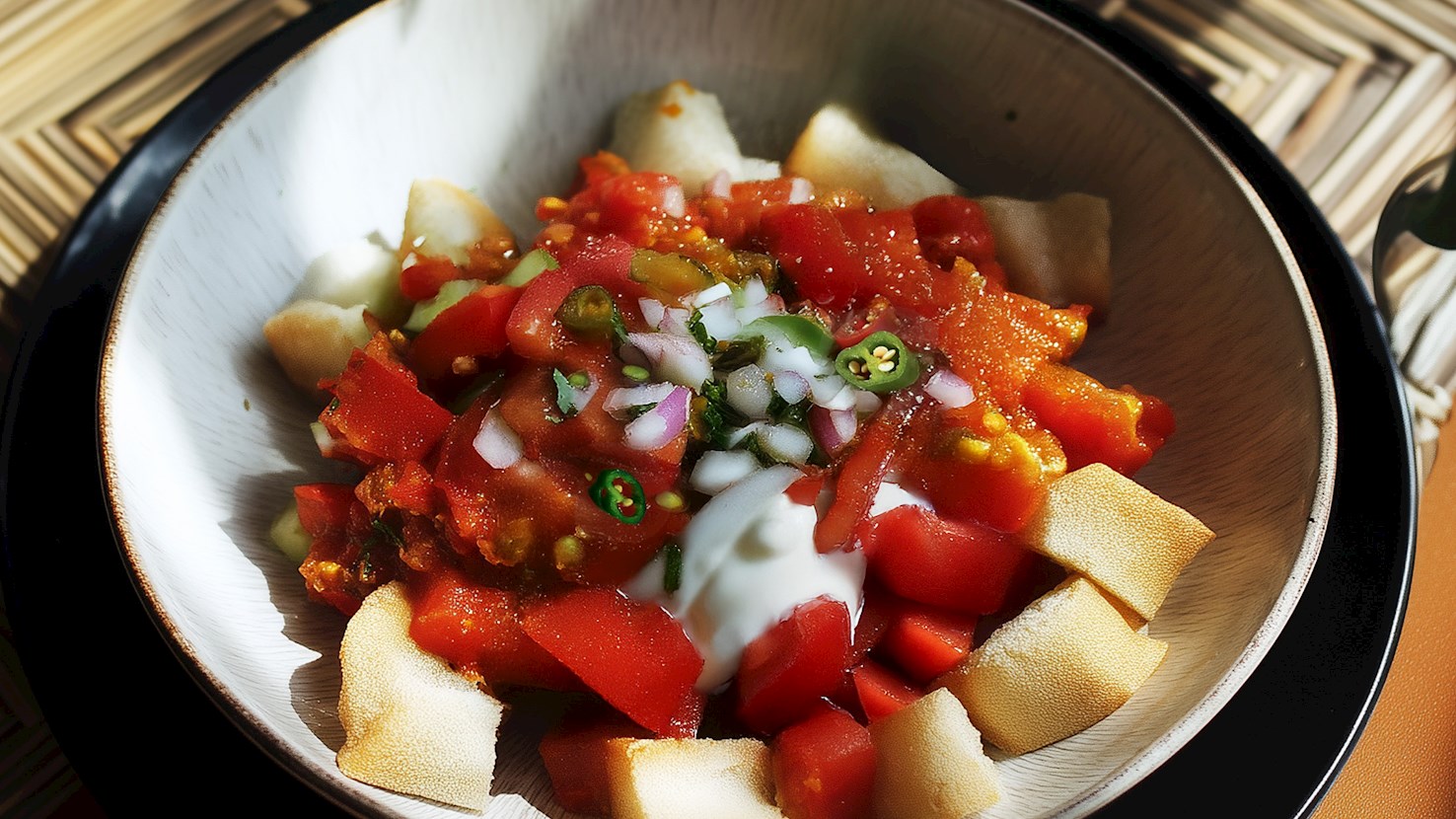
Fata is often described as the Eritrean version of panzanella, but in this case, the dish is not tossed with tomatoes but with a rich and spicy tomato stew which is soaked up by crusty bread. This spicy tomato and bread salad typically consists of minced onions, garlic, diced tomatoes, oil, tomato paste, cayenne pepper, allspice, and pieces of crusty bread. The whole salad is usually dressed with full-fat yogurt, providing refreshment and contrast to the bold flavors of other ingredients.
Genfo is a thick porridge from Ethiopia and Eritrea, made by cooking grain flour with water until dense and smooth, then serving it with a well of seasoned clarified butter in the center. It is especially common at breakfast and is also associated with family gatherings and postpartum meals, when warm, filling foods are often prepared for new mothers. Depending on the region and household, genfo can be made from barley, wheat, maize, sorghum, or teff flour, with barley among the most characteristic choices in many highland areas. The dish belongs to the long-established grain-based food culture shared across the Ethiopian and Eritrean highlands, where porridges, flatbreads, and fermented breads developed side by side as practical ways of turning locally grown cereals into everyday meals. Preparation begins by bringing water to a boil and gradually adding flour while stirring continuously so that the mixture thickens without forming large lumps. As more flour is incorporated, the porridge becomes very dense and must be worked vigorously with a wooden spoon until it develops a smooth, cohesive texture. Once cooked, it is transferred to a bowl or communal plate and shaped into a mound, with a hollow pressed into the center. This cavity is filled with melted clarified butter, often niter kibbeh or a comparable seasoned butter, mixed with berbere, mitmita, or another chile-based spice blend. The contrast between the mild, slightly nutty grain porridge and the hot, aromatic butter is central to the dish. Some versions are served with plain butter or oil, while yogurt, fresh cheese, or milk may be added on the side to soften the heat and richness. Genfo is generally eaten by hand, with small pieces pinched from the outer edge and dipped into the seasoned butter in the center, allowing the porridge to absorb the fat and spices gradually as the meal progresses. In both Ethiopia and Eritrea, it is most often eaten hot and fresh, either as a substantial breakfast or as a nourishing home-cooked meal. Yogurt, fresh cheese, milk, tea, or coffee are common accompaniments, while the dish itself is usually kept simple so that the grain and spicy butter remain the main focus.
Shahan ful is a traditional dish from the countries of the Horn of Africa that is typically served for breakfast. The dish is made by slowly cooking fava beans in water until they soften, then mashing them into a purée. The purée is then combined with onions, lemon juice, berbere spices, chili peppers, and tomatoes. When served, shahan ful is sometimes garnished with yogurt on top and accompanied by bread rolls on the side. The dish is especially popular during Lent and Ramadan.
Injera fir-fir is an Ethiopian and Eritrean dish made by tearing injera into small pieces and mixing it with a spicy sauce, usually based on onions, tomatoes, oil or clarified butter, and berbere. It is eaten throughout Ethiopia and Eritrea and is especially common as a breakfast or quick home meal, where leftover injera can be turned into something warm, filling, and strongly seasoned. The dish belongs to the wider family of fir-fir preparations, in which bread is broken into pieces and combined with sauce rather than served separately. Injera fir-fir developed naturally within a food culture where injera is made frequently and often remains from the previous meal, so using slightly dried bread in a moist, flavorful preparation became an efficient and widely accepted way of serving it again. The sauce is usually prepared first by cooking onions until soft, then adding tomato, garlic, berbere, and oil or niter kibbeh, sometimes with a little water to loosen the mixture. The injera is then torn by hand and folded into the sauce, where its porous surface quickly absorbs the seasoning while its fermented structure gives the dish a noticeable sourness. Depending on the amount of liquid, fir-fir can be relatively dry and loose or soft and almost stew-like, and some versions are made with leftover wat instead of a newly prepared sauce. Berbere gives the dish its characteristic chile heat, while the acidity of the injera keeps the flavor from becoming too heavy. Eggs, yogurt, fresh cheese, or mild vegetable dishes are sometimes served alongside it, particularly when the fir-fir is strongly spiced. Injera fir-fir is usually eaten hot or warm, often at breakfast but also as a simple lunch or light evening meal, and it is commonly shared from a plate in the same way as many other Ethiopian and Eritrean foods. Tea and coffee are the most common drinks served with it in the morning, while yogurt or fresh cheese pair especially well with the dish because they soften both the heat of the berbere and the sourness of the fermented bread.
Hamli is a traditional African dish originating from Eritrea. It consists of sautéed collard greens. They are first steamed until tender, then sautéed with a mix of garlic, cilantro, oil, onions, ginger, parsley, and tomatoes. The dish is sautéed until the collard greens are fully tender and full of flavor. Once prepared, hamli is usually accompanied by injera bread on the side.
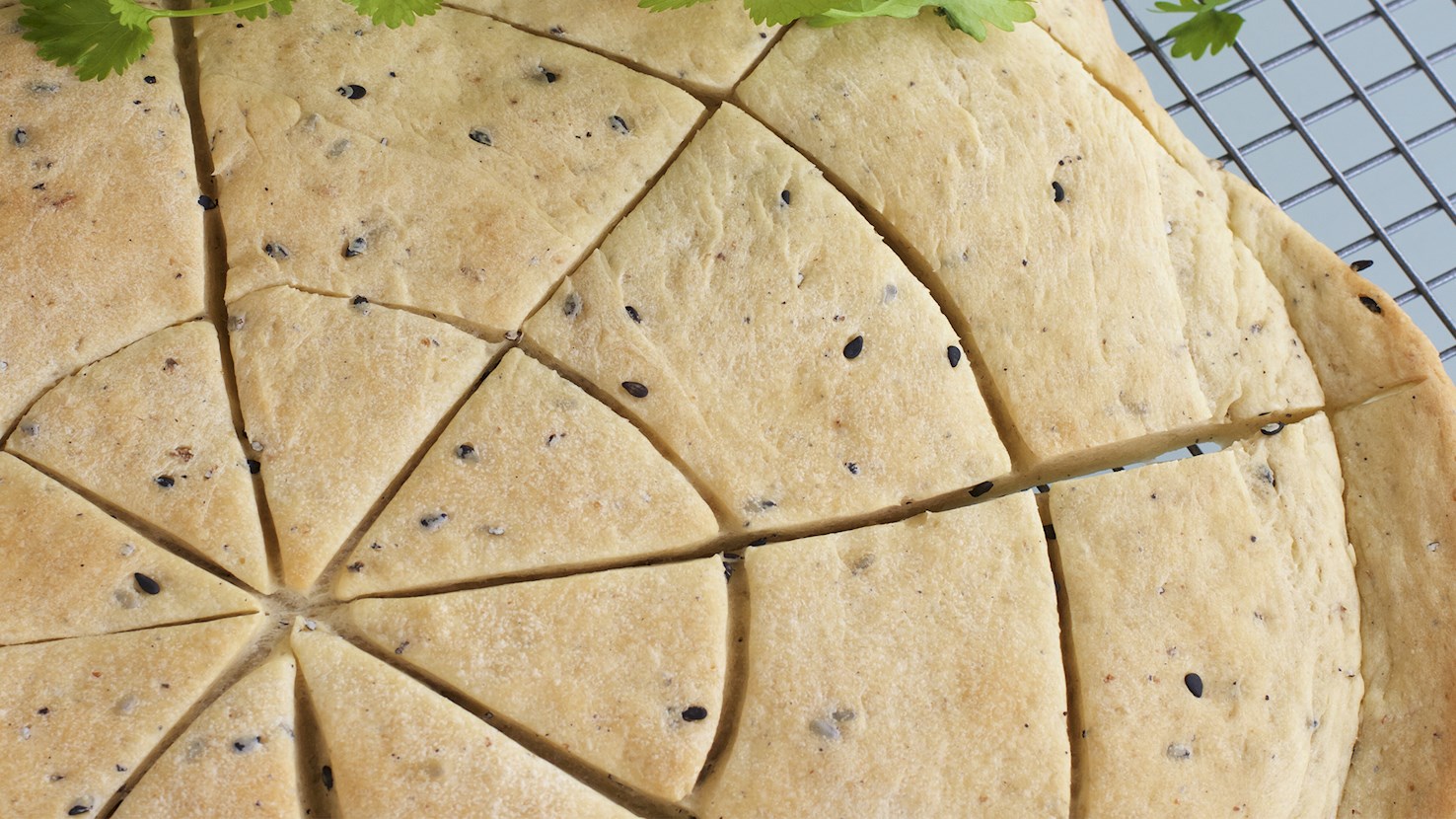
Himbasha is a lightly sweet, aromatic leavened bread from Eritrea and northern Ethiopia, especially associated with Tigrinya-speaking communities. It is usually baked as a broad round loaf and flavored with ingredients such as cardamom, fenugreek, black cumin, or sesame, depending on the household and region. The bread has long been connected with holidays, weddings, religious occasions, and family gatherings, but it is also eaten more casually with tea or coffee. Its place in the food culture of the Eritrean and Ethiopian highlands reflects the importance of wheat-based breads alongside injera and other cereal foods, with himbasha occupying a more festive and enriched role than everyday flatbreads. Preparation begins with wheat flour mixed with yeast, water, salt, and usually a small amount of sugar or another sweetener, followed by oil or butter and the chosen spices. The dough is kneaded until smooth, left to rise, then shaped into a thick round and often decorated before baking with shallow cuts arranged in crosses, spokes, or geometric patterns. Some loaves are sprinkled with sesame or nigella seeds, while others keep the surface plain and rely on the fragrance of the dough itself. The finished bread has a soft, slightly chewy crumb and a browned crust, with sweetness kept restrained enough that it can accompany both sweet and savory foods. Cardamom is one of the most recognizable flavorings, while fenugreek can add a warmer, more savory note. Himbasha is usually cut into wedges or torn into pieces and served at room temperature or slightly warm. In Eritrea and Tigray, it is commonly offered with coffee or tea and may also be eaten with butter, honey, yogurt, fresh cheese, or eggs. At larger meals it can accompany stews and vegetable dishes, while on celebratory occasions it is often shared from a large loaf placed at the center of the table.
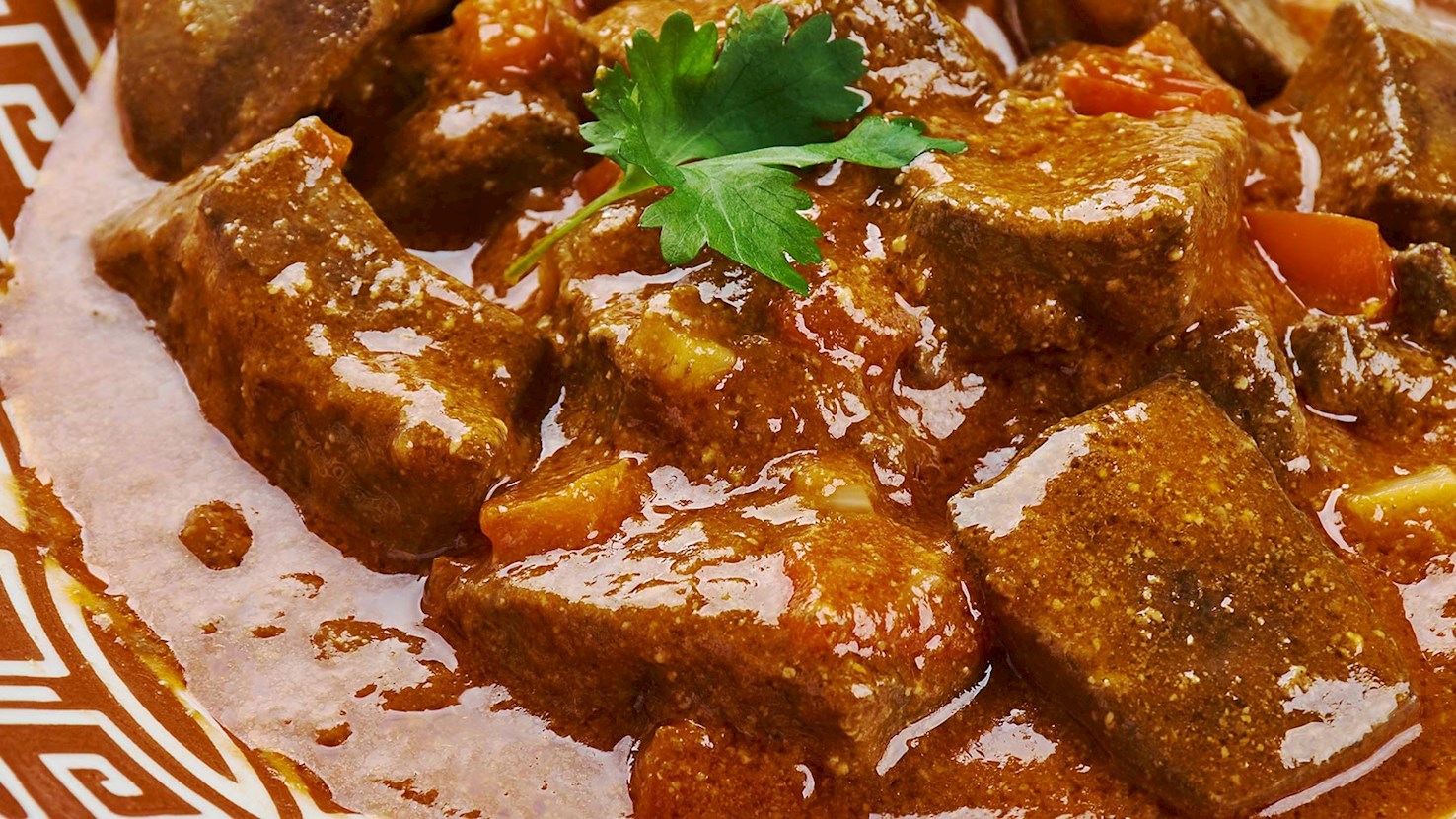
Simple and flavorful kulwa is a popular Eritrean dish consisting of lamb or beef chunks fried with berbere spices, butter or ghee, tomatoes, and onions. The dish is traditionally served with rice or injera flatbread on the side, used for mopping up the delicious sauce. It is recommended to pair it with tej, a traditional honey wine.
TasteAtlas food rankings are based on the ratings of the TasteAtlas audience, with a series of mechanisms that recognize real users and that ignore bot,
nationalist or local patriotic ratings, and give additional value to the ratings of users that the system recognizes as knowledgeable.
TasteAtlas Rankings should not be seen as the final global conclusion about food. Their purpose is to promote excellent local foods,
instill pride in traditional dishes, and arouse curiosity about dishes you haven’t tried.




What People Say