Top 5 Traditional Foods
in Gard

Last updated on June 17, 2026

Best Gard food products

01
Spirit

Eristoff

4.7 ·
Eristoff is a vodka brand with Georgian origins, known for its production of high-quality vodka made from 100% pure grain. It is triple-distilled for smoothness and is filtered using charcoal for a clean finish. The brand offers a range of flavored vodkas in addition to the classic version, and it is popular across Europe and other markets. Eristoff's heritage dates back to 1806, and the brand carries a wolf symbol, referencing the legend of its Georgian roots.
Awards
ISC-International Spirits Challenge - Gold (2013, 2008)
02
Chocolate

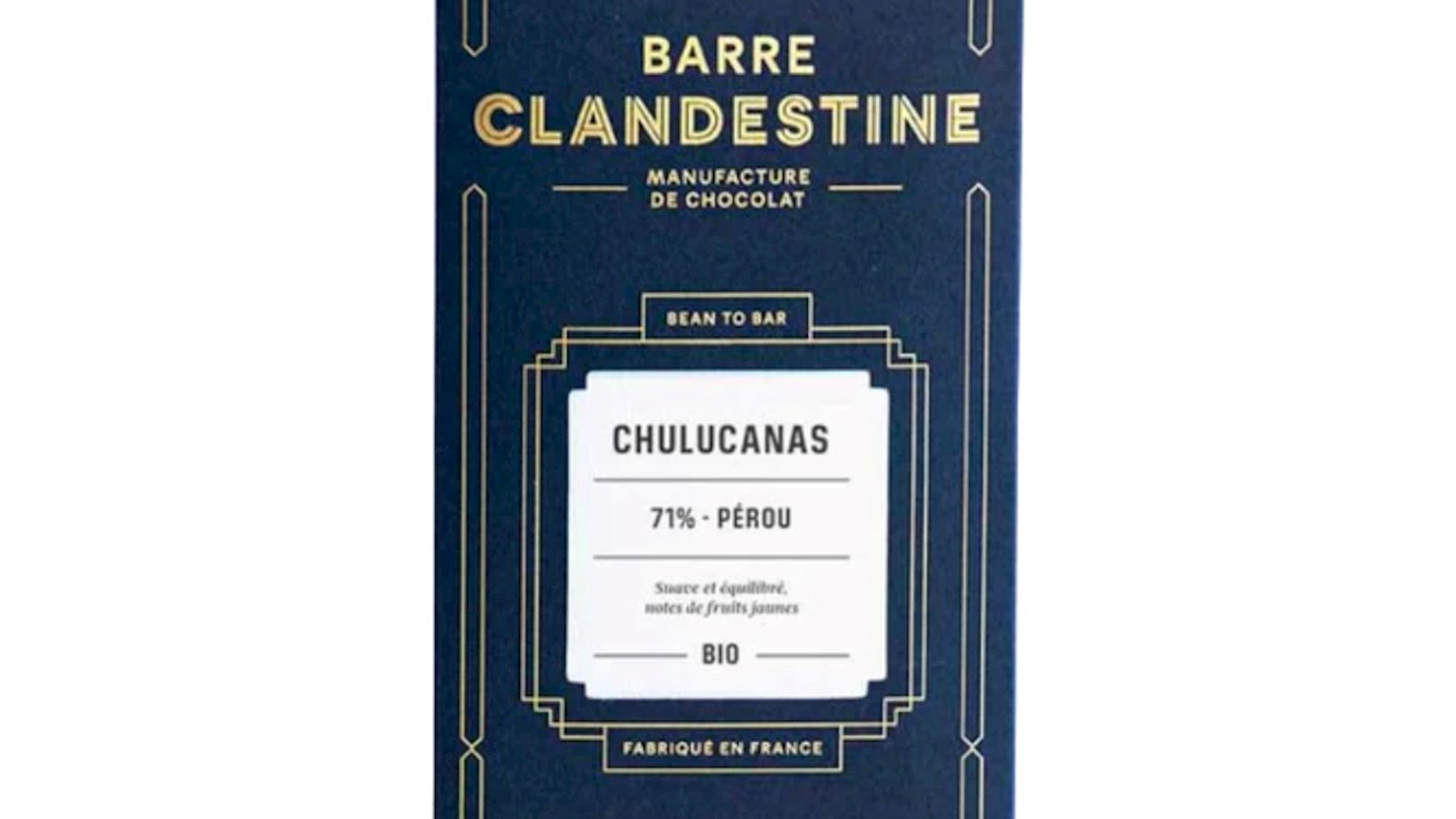
Barre Clandestine

4.7 ·
Barre Clandestine is an artisanal bean-to-bar chocolate maker known for its dedication to quality, sustainability, and ethical sourcing. Using carefully selected cacao beans, they craft unique and flavorful chocolate bars with a focus on pure ingredients and craftsmanship. Their small-batch approach ensures rich, authentic taste experiences, appealing to true chocolate enthusiasts.
Awards
Academy of Chocolate - Silver (2024)
International Chocolate Awards - Bronze (2023)
03
Rice

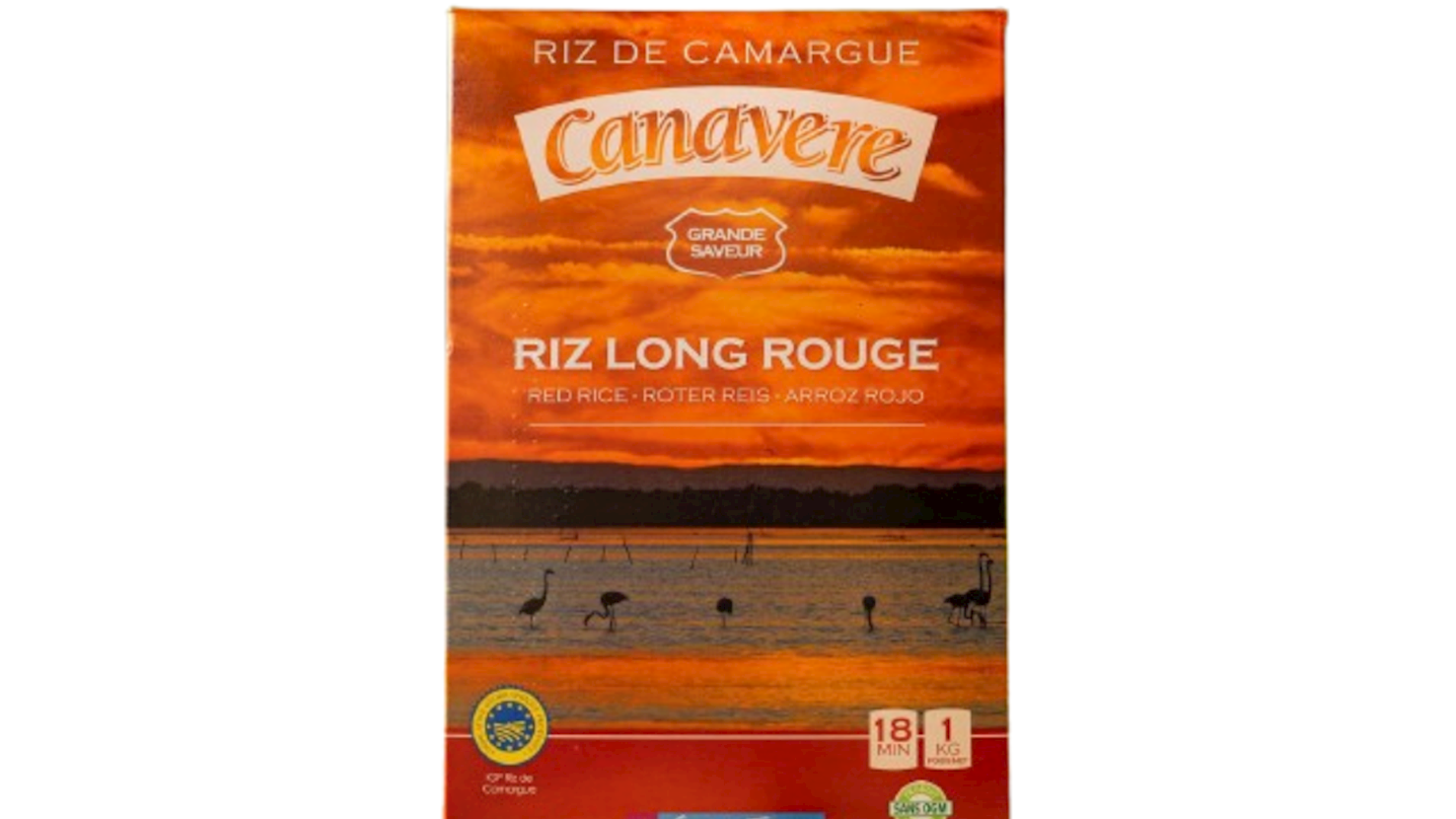
Canavere

4.6 ·
Canavere is a family-owned company specializing in the production of high-quality rice with Protected Geographical Indication (PGI) certification. The history of Canavere began in the early 20th century when Paul Benoît purchased the Canavere estate, which dates back to the year 1500. His son Louis continued the family tradition, and in 1993, Jean-Louis Benoît established the Canavere brand to promote authentic Camargue rice. Canavere offers a wide range of rice varieties, including red, black, white, whole grain, round, and long-grain rice, as well as specialties such as risotto rice and aromatic rice. All products are 100% natural, gluten-free, and grown in accordance with the principles of sustainable agriculture.
04
Cheese

La Fromagerie des Loubes

4.5 ·
Awards
Concours International de Lyon - Gold (2025)
05
Wine

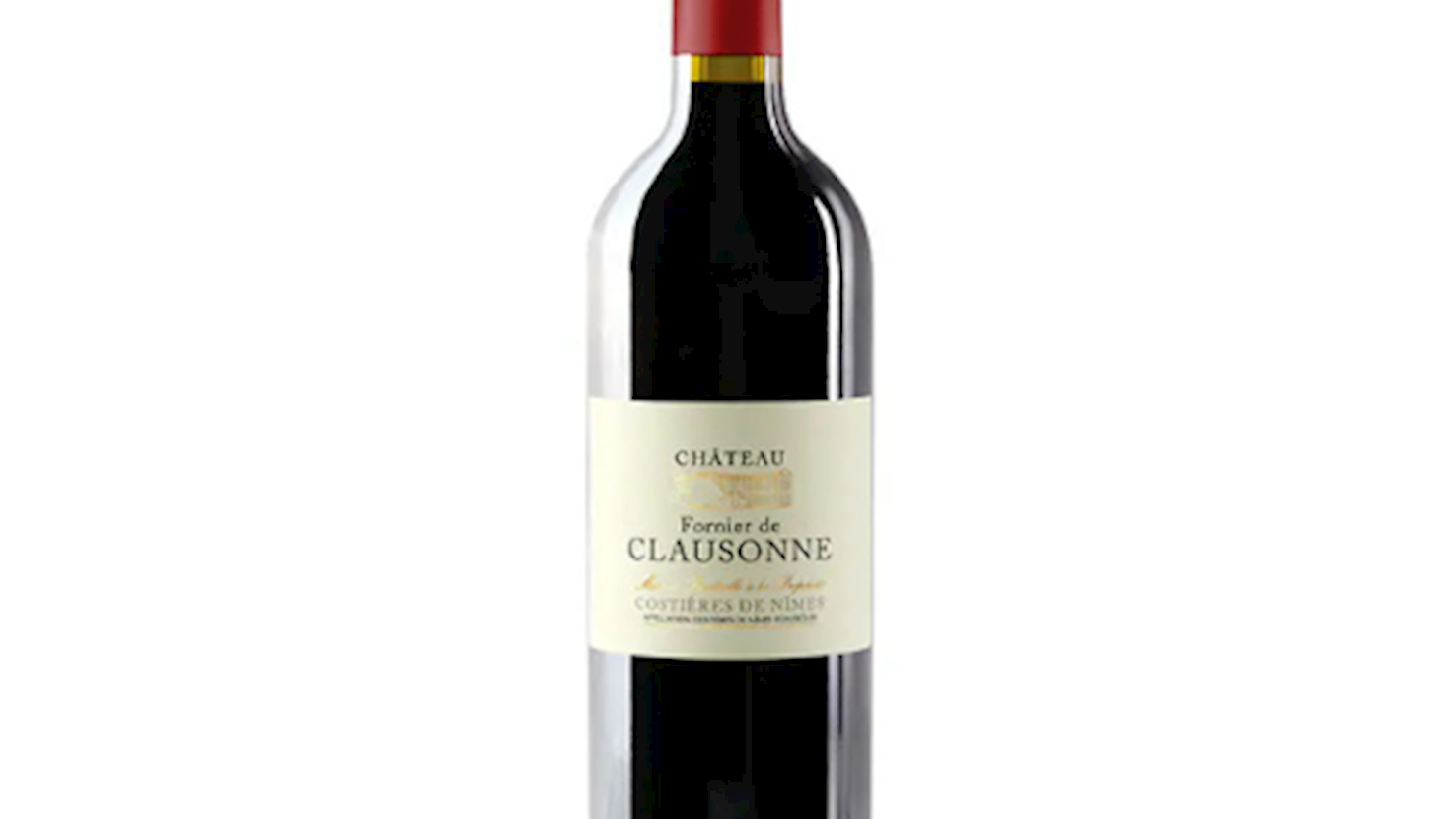
Les Grands Vins de Pazac

3.7 ·
Located in the middle of the Triangle d'Or (Arles, Avignon, Nîmes) between Languedoc and Provence, the vineyard of the Grand Vins de Pazac offers wines of quality respecting our terroir. Our iron-rich soil with rolled pebbles, specific to the Costières de Nîmes and Chateauneuf du Pape terroirs, reveals powerful, fruity and generous wines.
Awards
Frankfurt International Trophy - Grand Gold (2023, 2022, 2019, 2018)

Best Gard foods

01
Sandwich

Crocus de Nîmes

n/a ·
Crocus de Nîmes is a grilled sandwich originating in Nîmes, a type of croque-monsieur, with two slices of bread filled with goat cheese, green olive tapenade, honey, onion, and sliced almonds, toasted and seasoned with saffron. Gilles Deschamps and the Maison du Goût created this specific recipe in 2023 to celebrate the designation of the Maison Carrée, an ancient Roman temple in Nîmes, as a UNESCO World Heritage site. The name of the sandwich refers to the saffron crocus, a flower historically cultivated in the surrounding region and whose threads provide the golden color and earthy aroma of the final product. Preparation begins by lightly sprinkling the sourdough bread with saffron and a small amount of olive oil. A layer of green tapenade is spread on one slice of bread, then a portion of goat cheese is placed in the center. A thin layer of honey (either Cévennes or Garrigues) is spread over the top, followed by a handful of flaked almonds and fresh slices of sweet Cévennes onion. After the sandwich is closed with the second slice of bread, the exterior is drizzled with additional olive oil. The assembly is placed in a toasted sandwich machine or under a grill and cooked until the bread turns golden and crusty. The sandwich is eaten hot as a lunch or snack, paired with a fresh green salad and a glass of white or rosé wine from the Costières de Nîmes vineyards.
02
Savory Pie

Petit pâté de Nîmes

n/a ·

Petit pâté de Nîmes is a round, handheld pastry made from shortcrust dough, filled with a finely seasoned mixture of pork and veal, offering a firm yet crumbly exterior and a compact, meaty interior. Its creation is attributed to Nîmes bakers in the nineteenth century, most commonly to Delcasso-Vernet toward the end of that century, with another attribution naming Charles Durand in the 1820s, and after a period of decline, the pastry reappeared in the 1950s when it began to be sold again at Les Halles de Nîmes, allowing it to regain a place in local food culture. Preparation begins by making a shortcrust dough from flour, butter, water, and a little salt, then rolling the dough and cutting it into small ovoid shapes; a filling is prepared from finely minced pork and veal mixed perhaps with a small amount of seasonings, the meat mixture is placed inside dough rounds, which are then sealed and shaped, and the filled pastries are baked until the crust is firm and lightly colored and the meat filling is fully cooked and compact. Variations involve slight differences in the proportions of pork to veal, replacing veal and pork with brandade de morue, adjusting the intensity of the spice seasonings, such as additional pepper, and, in some cases, small adjustments to dough thickness. Petit pâté de Nîmes is eaten warm or at room temperature as a snack, starter, or light meal, is commonly purchased in bakeries and served at markets or social occasions, and pairs well with dry rosé, light red wines, or non-alcoholic beverages that complement its savory profile without overpowering the pastry.

03
Dessert

Minerve

n/a ·

Minerve is a dessert of a thick slice of brioche topped with a generous layer of meringue. Its appearance in French pastry dates to the nineteenth century, a period when named pastries inspired by classical references became common in bakeries, and minerve established itself as a composed slice that combined enriched bread baking with meringue work rather than complex assembly. Preparation begins with baking a rich brioche loaf, which is allowed to cool, then sliced evenly; the slices are topped with a thick layer of meringue made from whipped egg whites and sugar, then returned briefly to the oven so the topping sets and dries without browning excessively, while the brioche remains tender underneath. Variations mainly involve the thickness of the brioche slice, the height and dryness of the meringue layer, or the meringue's light flavoring. Minerve is eaten at room temperature as a dessert or afternoon pastry, commonly served as individual slices, and it pairs well with coffee, tea, or lightly sweet wines that complement the butter and sugar without softening the meringue.

04
Bread

Pain de Beaucaire

n/a ·

Pain de Beaucaire is a long rectangular bread from France, specifically from the town of Beaucaire on the Rhône. First created in the 15th century, when the town was home to one of Europe’s largest fairs, pain de Beaucaire was a bread locals provided that could be produced within a working day and would keep without hardening—a prized quality for trade. The dough is made of wheat flour, water, salt, and sourdough starter, and sometimes a small amount of baker’s yeast; it is kneaded thoroughly, allowed to ferment, then shaped into a split‐centre loaf so that the crust opens along a longitudinal fissure. After proofing, the loaf is baked at high heat with steam, which contributes to the fine crust and open crumb structure. There can be differences in flour types, adjustments to hydration and fermenting time, and the use of bran or whole-grain flour in some versions. Some bakers emphasise older wheat varieties for a more aromatic result, while others use modern flour blends for speed. The hallmark of pain de Beaucaire is its split shape, airy crumb, and extended conservation without staling. It is best eaten warm or toasted alongside hearty stews or Provençal daubes.

About this ranking

TasteAtlas food rankings are based on the ratings of the TasteAtlas audience, with a series of mechanisms that recognize real users and that ignore bot, nationalist or local patriotic ratings, and give additional value to the ratings of users that the system recognizes as knowledgeable. For the “Top 5 Traditional Foods in Gard” list until June 17, 2026, 0 ratings were recorded, of which 0 were recognized by the system as legitimate. TasteAtlas Rankings should not be seen as the final global conclusion about food. Their purpose is to promote excellent local foods, instill pride in traditional dishes, and arouse curiosity about dishes you haven’t tried.

The initial list of top producers was compiled based on available reviews, awards, local recommendations, media and blog coverage, and consumer reviews. The list will be updated with ratings from TasteAtlas local ambassadors and TasteAtlas users.

Similar lists