Kiviak is a bizarre Inuit delicacy originating from Greenland. It consists of numerous dead auk birds that are stuffed into a dead seal, and the combination is then left to ferment under a rock, usually for around three months. The seal needs to be packed tightly, so around 400 or 500 auk birds are used, including the feet, beaks, and feathers. The dish was originally prepared to ensure easily-accessible food during the harsh winter months, and nowadays it's especially popular during the Christmas season. The seal fat repels flies, while large rocks are used to keep the air out to prevent the dish from going bad. Various oils are often applied to the seal skin in order to prevent a maggot infestation of the carcass. In August 2013, a few people died from eating kiviak made from eider instead of auk, and because eider doesn't ferment as nicely as auk, they got botulism. And if you're wondering about how is this dish consumed, we have the answers – the birds become tenderized during the fermentation process, so they can be eaten raw – the heads are bitten off, and the juices are then sucked out of the auk. The feathers are torn off, and the now-pungent birds are cleaned and washed before consumption. Even though it might look disgusting and unappetizing, the natives claim that the flavors are reminiscent of licorice or extra-mature cheeses. And what's more important, the best part of kiviak is said to be the heart.
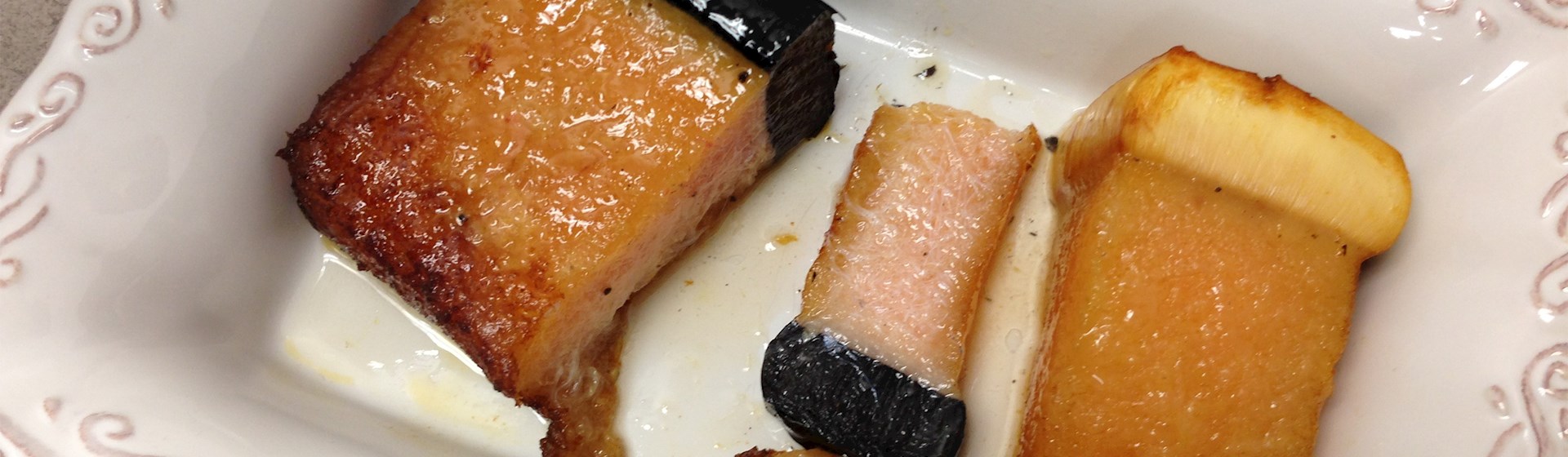
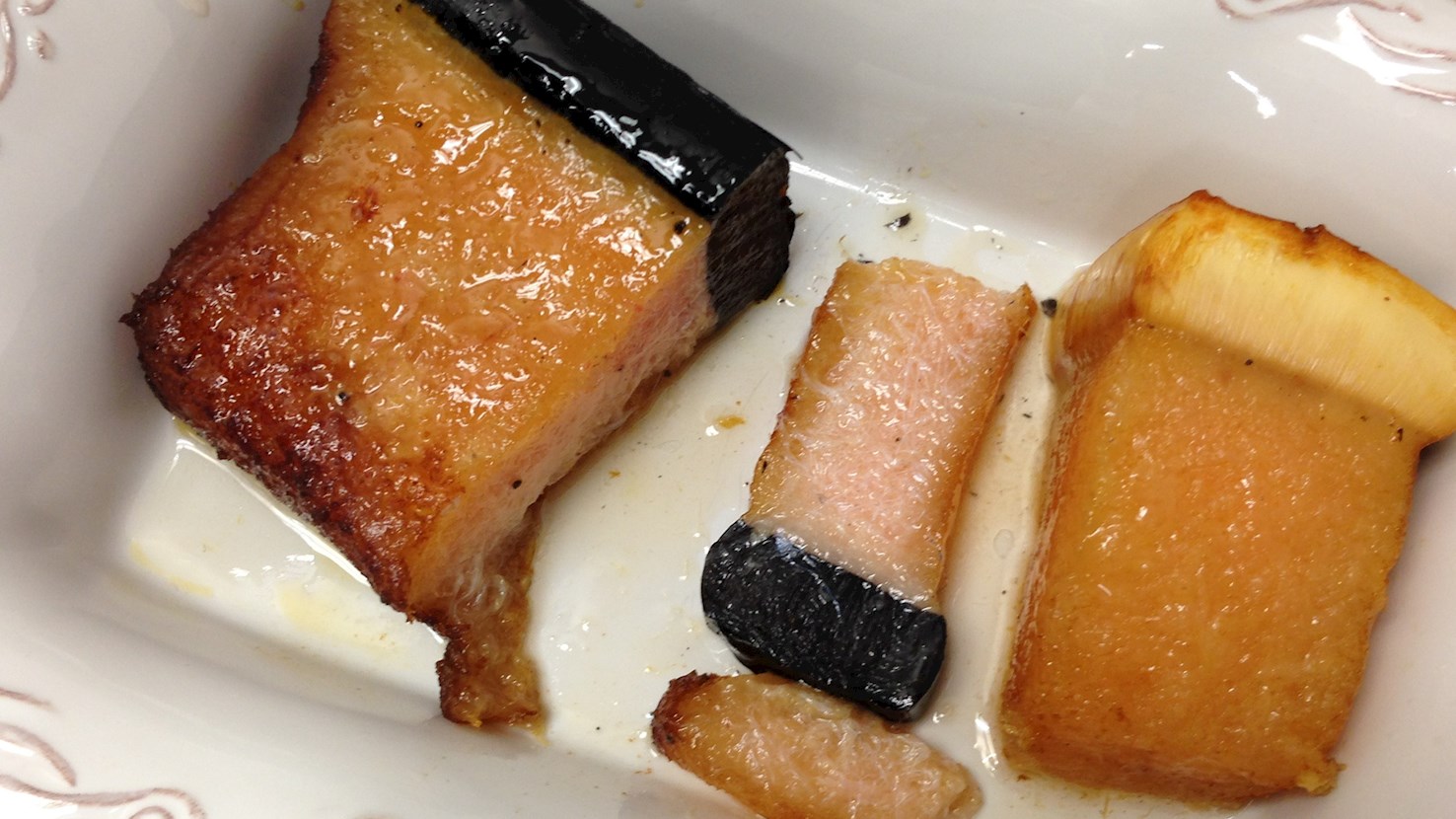
Muktuk is a traditional Inuit dish made with frozen whale skin and blubber. Although bowhead whales are most commonly used for the dish, the beluga and narwhal can also be used. The dish has a tender texture and a flavor that is described by some as fresh coconut, while others claim it tastes like fried eggs. Muktuk is typically thinly sliced, sprinkled with salt, then consumed raw, even though it is sometimes diced, breaded, deep-fried, and served accompanied by soy sauce on the side.
Tartarmiut is a raw meat dish from Greenland akin to steak tartare that consists of finely chopped or minced raw meat, most commonly seal, whale, or fish, mixed to a soft, coarse texture and seasoned simply. Its presence is rooted in Inuit food practices developed in Arctic conditions where raw consumption preserved nutrients and allowed immediate use of freshly hunted animals, and it became an established way to prepare meat during hunts and communal meals when fuel or time for cooking was limited. Preparation involves trimming very fresh meat, chopping it finely with a knife rather than grinding, and mixing it lightly with salt and sometimes small amounts of fat, blood, or onion depending on availability, with careful attention to cleanliness and freshness, as the dish relies entirely on raw ingredients. Variations depend on the type of meat used and local habits, with some versions including fish or small additions such as dried herbs or seaweed. Tartarmiut is eaten immediately after preparation, usually during hunting trips or family meals, served on its own or with simple accompaniments like flatbread or rye bread, and it pairs naturally with strong black tea or coffee that balances its richness and reinforces its role as a sustaining, protein-focused food.
Kalaallit Kaagiat is a sweet, yeast-leavened bread from Greenland, baked as a large round loaf made from flour butter, sugar, and raisins, typically dusted with powdered sugar and cardamom. Its use developed when imported baking ingredients such as flour, yeast, sugar, and butter became part of household kitchens through Danish contacts, and local bakers adapted bread-making methods to create a sweeter loaf suitable for shared meals and special gatherings that could be served with coffee, jelly, or butter. Preparation begins by placing sugar, raisins, and butter into a bowl and adding boiling water so the butter melts and the mixture cools slightly, then dissolving active yeast in lukewarm water and adding it to the butter mixture, stirring in flour gradually until a soft, elastic dough forms, kneading it well, and then allowing it to rise until doubled; after shaping into a round loaf and resting again, the loaf is brushed with milk and baked until the interior is set and the exterior is lightly colored, with a final dusting of confectioner’s sugar and cardamom if used. Variations depend on the amount of raisins, the level of sweetness, and the use of spices like cardamom or cinnamon in the final dusting, while the defining feature remains a sweetened, fruit-enhanced risen bread rather than a dense cake. Kalaallit Kaagiat is eaten at room temperature or slightly warm, often accompanied by jam or butter, and it is served during kaffemik gatherings, family breakfasts, or afternoon coffee, pairing well with hot beverages and simple accompaniments that balance its mild sweetness and enriched dough character.
Suaasat is a hearty soup from Greenland and is considered the country's national dish. It has a clear to slightly thickened broth with tender pieces of meat such as seal, whale, reindeer, or seabirds, often combined with barley or rice, onions, and potatoes. Its origins trace back to the subsistence foodways of Greenland’s Inuit and Arctic peoples, where accessible local game and marine mammals provided the basis for everyday meals, and cooking these ingredients slowly in water with minimal seasoning produced a filling dish suited to the long, cold seasons. To prepare suaasat, cuts of meat are placed in cold water with sliced onions and heated to a gentle boil, any foam is skimmed off, then diced potatoes and grains such as barley or rice are added and the soup is simmered for several hours until the meat becomes tender and the grains release starch that lightly thickens the broth, with salt and pepper added to taste and bay leaf occasionally used for subtle depth. Variations reflect the meats available at a given time and place, with seal most common, but whale, reindeer, caribou, and seabirds also used. Some households prefer barley, while others add rice, and the essential method remains slow simmering of local ingredients without heavy spices or complex sauces. Suaasat is eaten hot as a main course, especially during cold weather and festive meals, and it pairs well with hearty breads such as dense rye or barley loaves and strong black tea that complements the soup’s rich, savory character.
TasteAtlas food rankings are based on the ratings of the TasteAtlas audience, with a series of mechanisms that recognize real users and that ignore bot,
nationalist or local patriotic ratings, and give additional value to the ratings of users that the system recognizes as knowledgeable.
TasteAtlas Rankings should not be seen as the final global conclusion about food. Their purpose is to promote excellent local foods,
instill pride in traditional dishes, and arouse curiosity about dishes you haven’t tried.






What People Say