Yétissé is a traditional African dish originating from Guinea. This stew is prepared with fish such as tuna, tilapia, or cod, vegetables such as eggplants, carrots, onions, garlic, and cassava, along with tomatoes, tomato paste, stock cubes, palm oil, hot peppers, ginger, okra, and rice. The stew is simmered until the vegetables become tender, and the browned fish is placed into the pot near the end of cooking. Once done, it's served with a combination of crushed okra and white rice. This communal dish is meant to be shared, so it's often served on a large plate with the stew in the middle and the rice all around it. Yétissé can also be prepared with beef or chicken, if desired.
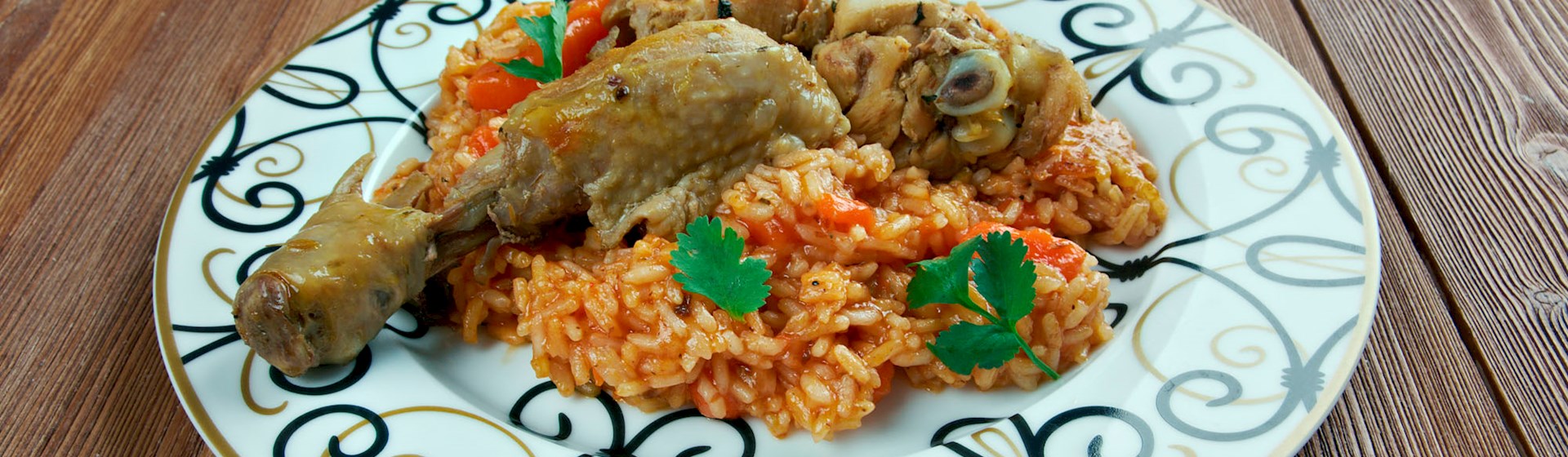
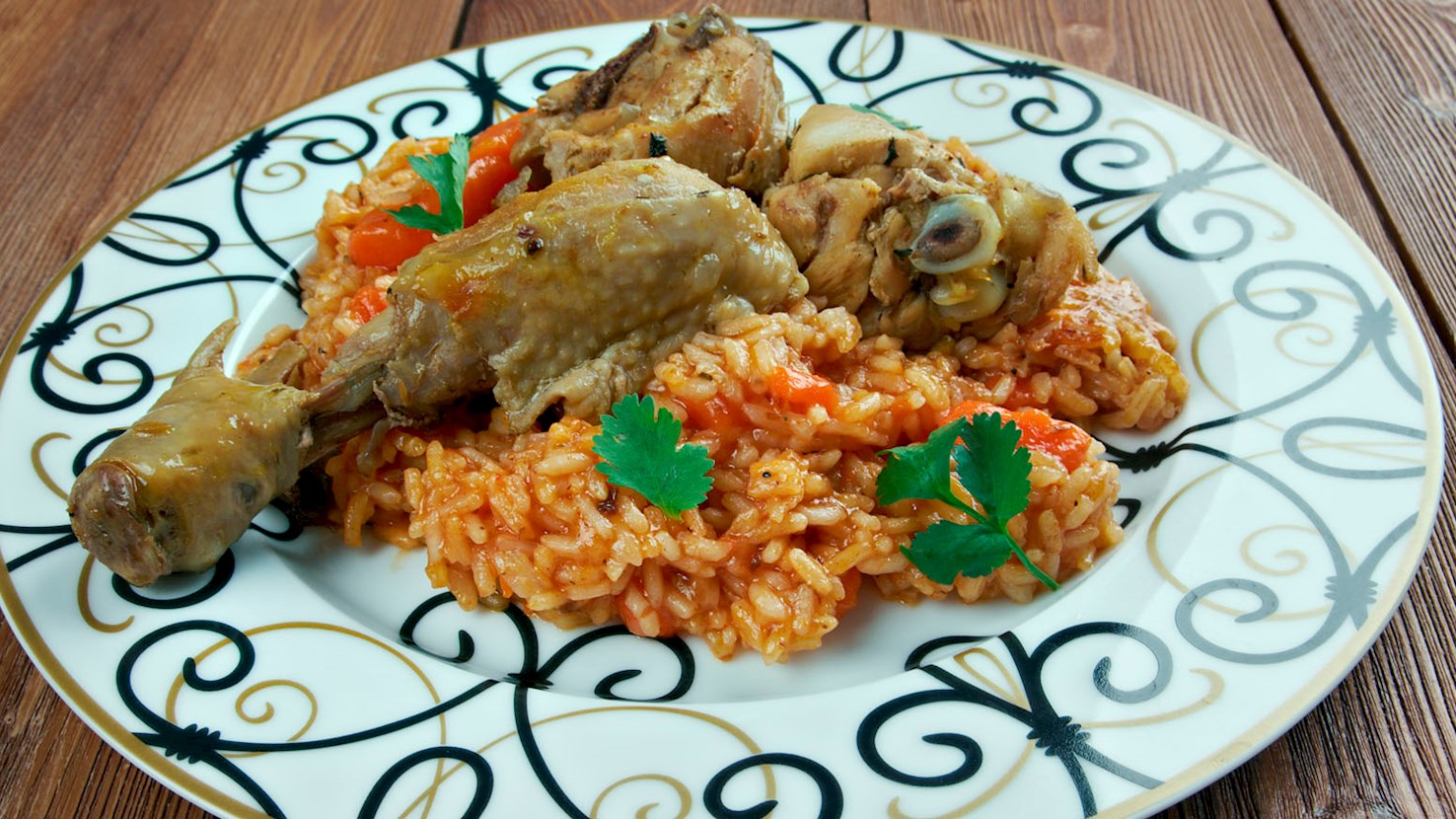
Riz gras is a West African one-pot rice dish made with rice cooked directly in a seasoned broth that often includes tomatoes, onions, and vegetables, with the addition of meat or fish depending on region and availability. It is prepared widely in Francophone West Africa, including Côte d’Ivoire, Burkina Faso, Togo, Benin, Guinea, and Mali. The name, meaning “fat rice” in French, refers to the presence of cooking fat from meat, fish, or oil that enriches the dish and gives the rice a glossy appearance. Though closely related to other West African tomato-based rice dishes, riz gras forms its own category with variations shaped by local ingredients, preferences, and culinary techniques. The dish developed through the influence of regional one-pot cooking methods that combined rice, a relatively early staple in coastal and riverine areas, with tomatoes and onions introduced during the colonial period and incorporated into daily cooking. As different West African communities integrated rice into their diets, they adapted the one-pot method to their local produce and seasonings. Over time, the name riz gras became common across French-speaking regions, describing dishes that shared a similar structure while differing in seasoning, vegetables, and the type of protein used. While it shares roots with the Wolof one-pot dishes of Senegal and The Gambia, riz gras evolved in Francophone territories into a broad category rather than a single standardized preparation. Preparation begins with browning meat or fish, which produces the base fat that flavors the rest of the dish. Onions, tomatoes, peppers, and sometimes tomato paste are added and cooked until thickened. Spices such as garlic, ginger, dried pepper, bay leaves, and local seasoning blends are incorporated according to regional tastes. Water or broth is added before the rice goes in, and the pot is then covered and cooked until the grains absorb the liquid fully. Vegetables such as carrots, cabbage, eggplant, or okra may be added whole or in large pieces, depending on the local style. Some cooks aim for a dry, fluffy outcome, while others prepare a softer, slightly saucier version. The balance of fat, tomato, and broth determines the final flavor and texture. A characteristic feature of riz gras is the flexibility of its composition. It can be made with beef, mutton, chicken, smoked fish, or no animal protein at all. Its seasoning adjusts easily to local spice traditions, and the dish accommodates a wide range of vegetables without departing from its identity. The defining element is the method: rice cooked in the same pot as the sauce and protein, absorbing all the flavors directly. Riz gras is eaten throughout Francophone West Africa in homes, canteens, street-food settings, and at social gatherings. It is often served with fried plantains, simple salads, boiled eggs, or spicy relishes made from chili and onions. Beverages commonly paired with it include bissap, ginger drinks, palm wine, soft drinks, or cold beer, all of which complement the richness of the rice and the seasoning of the stew.
Kansiye is a traditional African dish originating from Guinea. It's made with a combination of beef or lamb, onions, oil, thyme, garlic, parsley, cloves, peanut butter, and tomato sauce. In order to prepare it, the meat is browned in oil with the onions, thyme, parsley, cloves, and garlic. A combination of water, peanut butter, and tomato sauce is then added to the pot, and the dish is simmered over medium heat until the meat becomes tender and fully cooked. This Guinean stew is traditionally served over white rice.
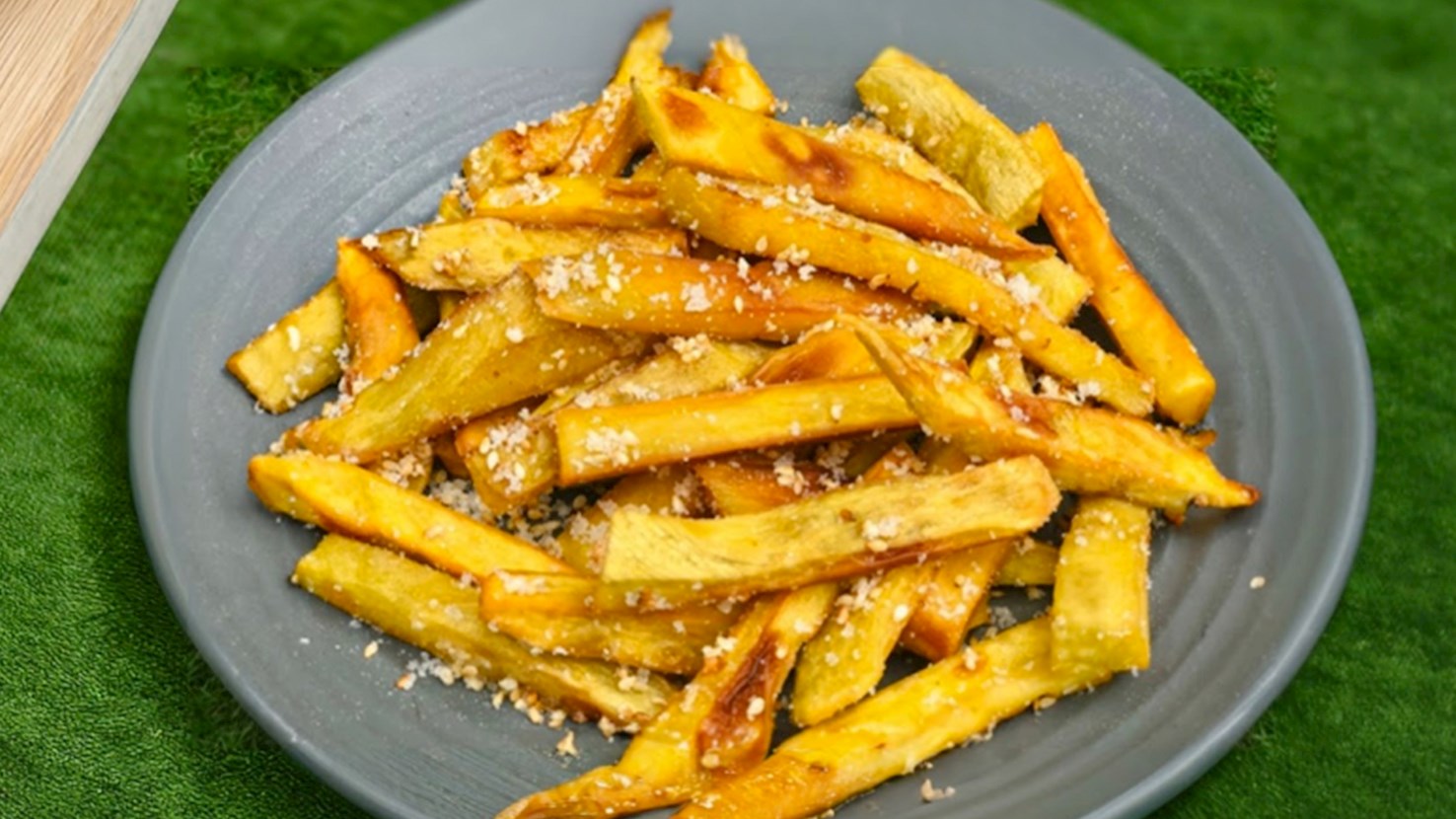
Patates is a traditinal African dish originating from Guinea. It's made with a combination of sweet potatoes, oil, and salt. The sweet potatoes are cut into wedges, seasoned with salt, then fried in hot oil until crisp and deep orange in color. This dish is usually served as a snack that can be found in markets and on roadside stalls throughout the country. Patates are often served with an oily sauce made from tomatoes, onions, and fish sauce. In Guinea, fried sweet plantains are more popular than potatoes. There's also a southern Guinean variation on patates called loco, in which plantain chunks are fried in palm oil.
Konkoé is a traditional African dish originating from Guinea. It's made with a combination of smoked catfish and vegetables such as onions, eggplants, garlic, cassava, potatoes, carrots, tomatoes, and spring onions, along with stock cubes and palm oil. The fish and vegetables are simmered until the sauce thickens a bit but remains more on the soupy side. Konkoé is traditionally eaten for lunch and it's served with cooked white rice on the side. If desired, the dish can be made spicy by adding a few hot chili peppers into the pot.
TasteAtlas food rankings are based on the ratings of the TasteAtlas audience, with a series of mechanisms that recognize real users and that ignore bot,
nationalist or local patriotic ratings, and give additional value to the ratings of users that the system recognizes as knowledgeable.
TasteAtlas Rankings should not be seen as the final global conclusion about food. Their purpose is to promote excellent local foods,
instill pride in traditional dishes, and arouse curiosity about dishes you haven’t tried.



What People Say