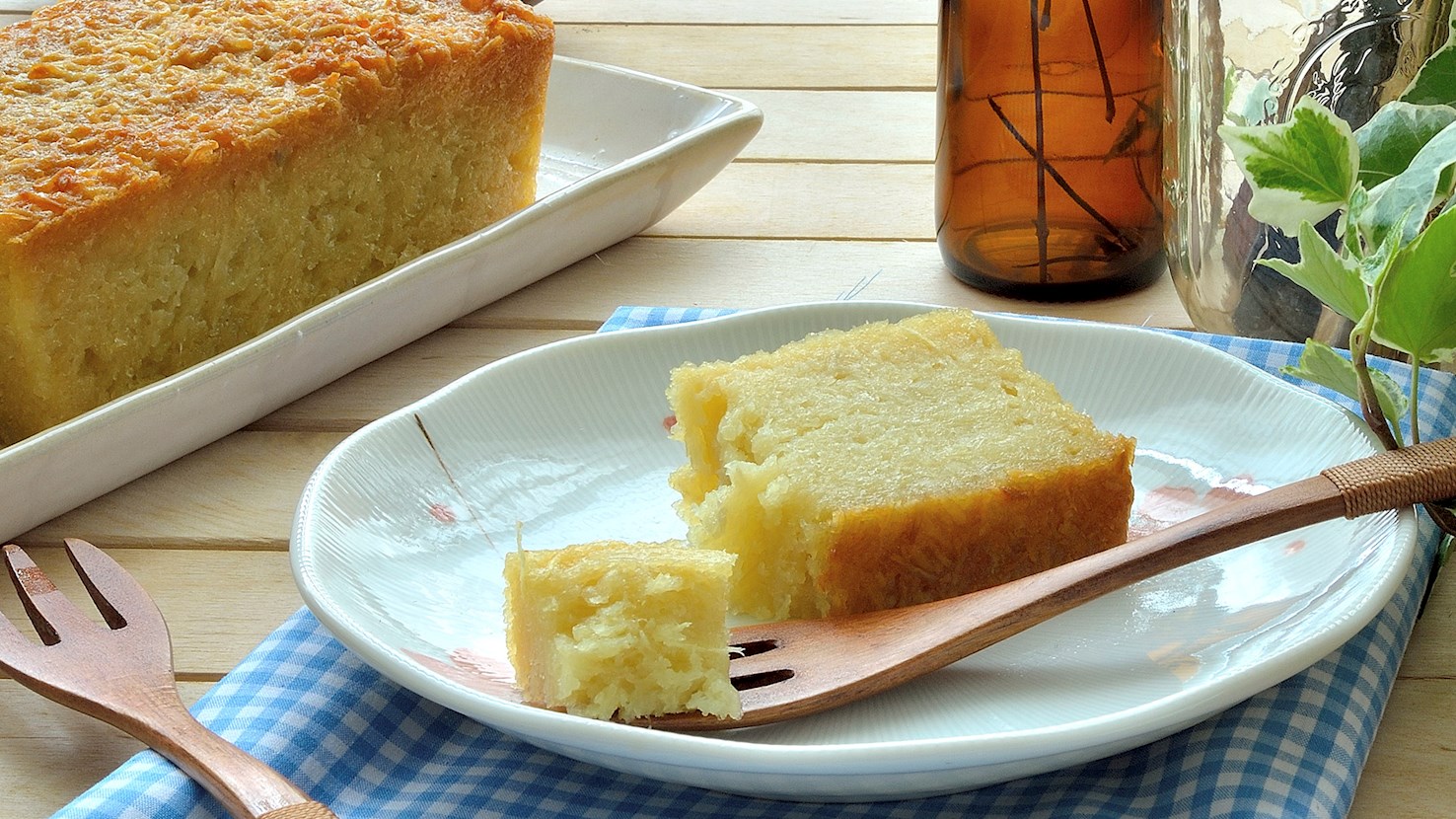
Cassava pone is a sweet, moist, and gummy dessert made from cassava root, pumpkin, sweet potatoes, coconut, sugar, nutmeg, butter, and milk. Not much is known about the origin of this dessert, but it's believed it first appeared somewhere on Barbados, Trinidad and Tobago or in Guyana, although most probably at all of these territories at the same time. Today, cassava pone is so popular that it is regularly the first dessert to sell out at bake sales, and it is said that if you ask any local about pone, you are almost guaranteed to be regaled with a cherished childhood memory.
Hassar curry is a traditional fish stew originating from Guyana. The key ingredient in this curry is hassa or hassar – a rare member of the catfish family. Other ingredients include onions, garlic, lime juice, potatoes, tomatoes, coconut milk, curry powder, and hot peppers. The curry sauce is made by sautéeing the garlic and onions in oil and mixing it with curry powder, water, and coconut milk. The fish is cooked in the curry sauce with the addition of lime juice until the sauce thickens. Once done, the hassars are served on a plate with the sauce poured over the fish. If desired, mango and okra can also be added to the curry for more flavor.
Guyanese cook-up rice is Guyana's national one-pot dish consisting of rice, meats, and herbs cooked with coconut milk. Considered to be a poor man's dish, it was originally made with the purpose to be eaten at the end of the week, when all food rations would be depleted. The meat is cooked with rice and beans or peas, heavily seasoned with fresh herbs such as spring onions, basil, and thyme. The rice develops a wet, moist texture, and cooking the dish in coconut milk gives it a richness and depth of flavor that is unique to the Guyanese cuisine. A key dish that is traditionally served on New Year's Eve in Guyana, cook up rice will always last through the night, ensuring that one never enters the New Year without food, according to local folklore.
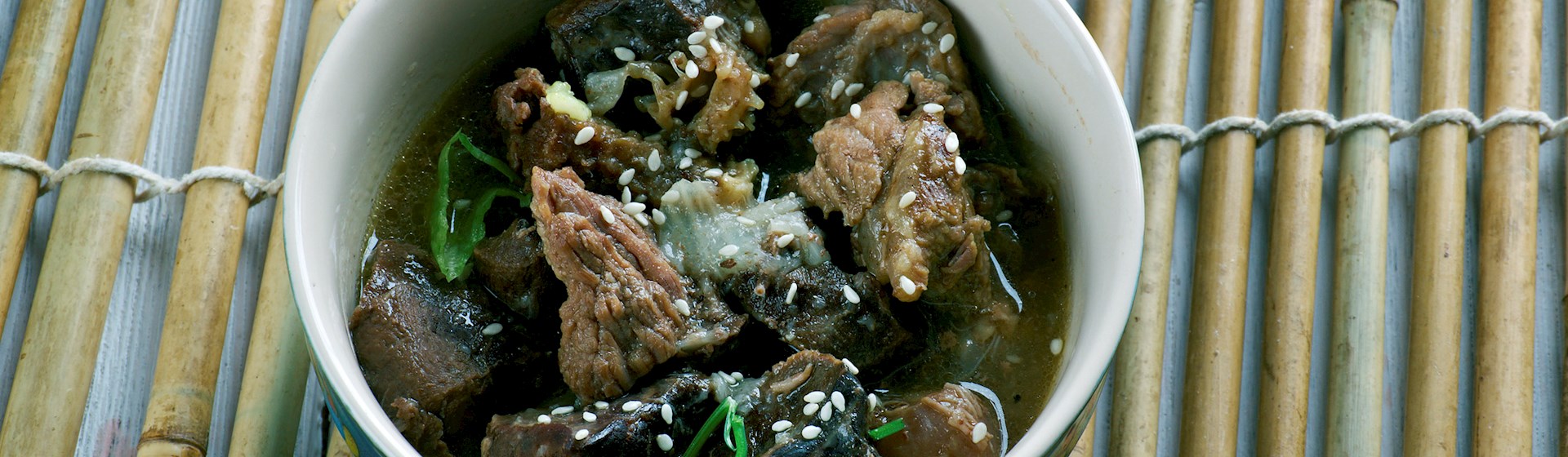
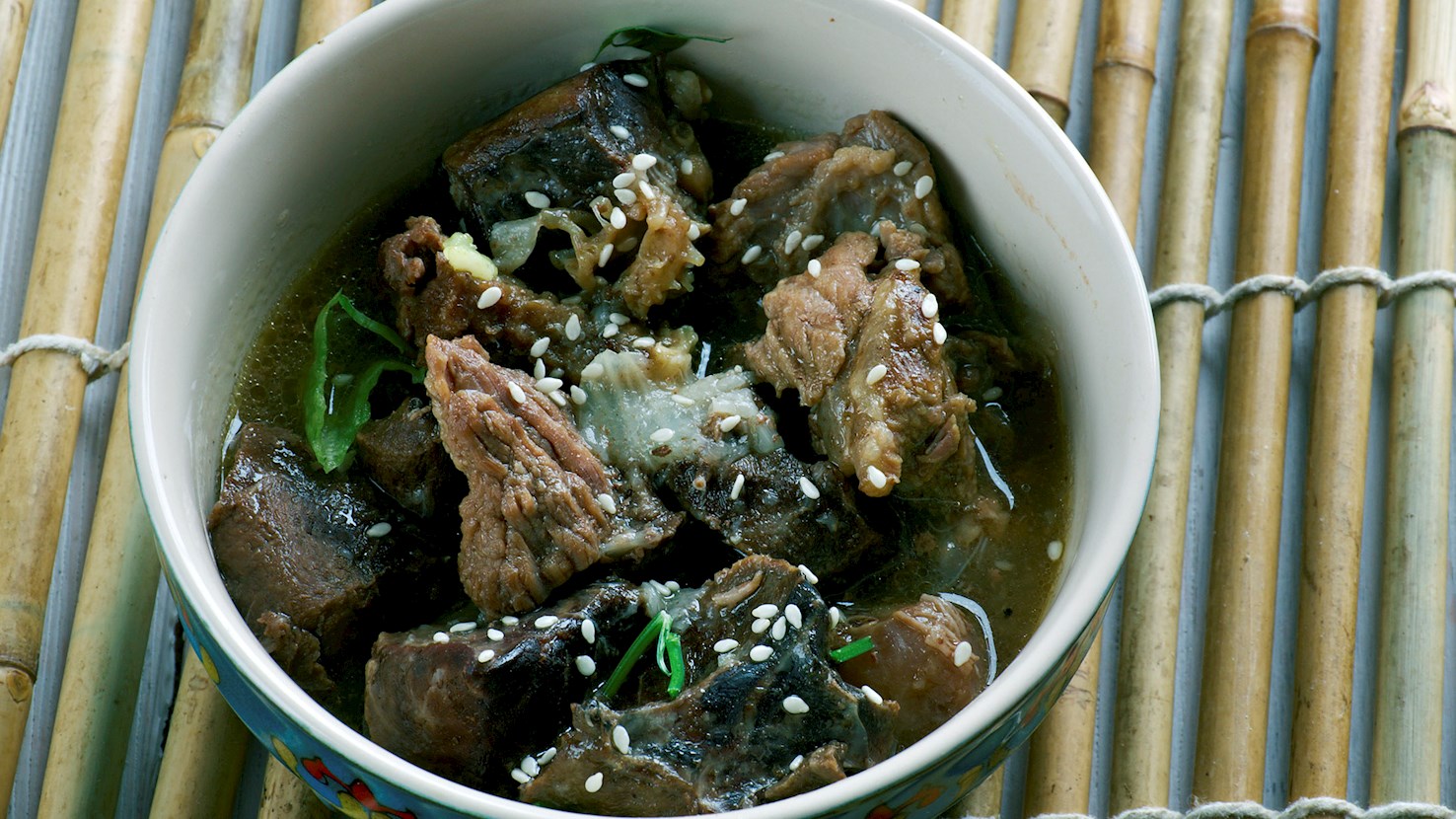
Traditionally served on Christmas morning, Guyanese pepperpot is the national dish of Guyana, the third-smallest country on mainland South America. It is a rich and hearty meat stew that was originally invented by the Amerindians, the indigenous people of Guyana. Guyanese pepperpot uses cassareep, a preservative made from grated cassava, additionally flavored with brown sugar and cinnamon, used by the Amerindians as a way of preserving the meat such as pork, beef, cow's heels, and ox tails. The meat is mixed with cassareep and spices such as thyme, cinnamon, orange peel, cloves, onions, and garlic, all of it cooked together in a stew. It tends to taste better if left to stay for a few days, as it develops more flavor, and then it is simply reheated and enjoyed again. The dish is traditionally served with slices of homemade plait bread, used to soak up the flavorful stew juices.
Bacon and fish rolls is a popular Guyanese appetizer consisting of small fish fillets that are rolled in bacon, then seasoned with salt, pepper, and lemon juice. The combination of these ingredients is then baked and traditionally served with an egg-based sauce. It is recommended to garnish these flavorful treats with finely chopped parsley.
Metemgee is a Guyanese one-pot meal made with cassava, sweet potatoes, yams, plantains, onions, and garlic, boiled in coconut milk with various spices, (sometimes) meats, and duff – wheat flour dumplings. Salt fish or fried fish is traditionally served as a side dish that accompanies the metemgee. The stew is coveted by men, who think of it as a source of virility and physical strength. This hearty and filling dish can be consumed at any time of the day, but the Guyanese often enjoy it during lunchtime.
Guyana yam pie is a popular dish consisting of yams, cabbage, grated cheese, butter, and onions. The boiled yams are crushed, then topped with layers of cabbage and cheese. The dish is typically baked until golden-brown in color. It is recommended to serve the pie garnished with finely chopped parsley or tomato slices.
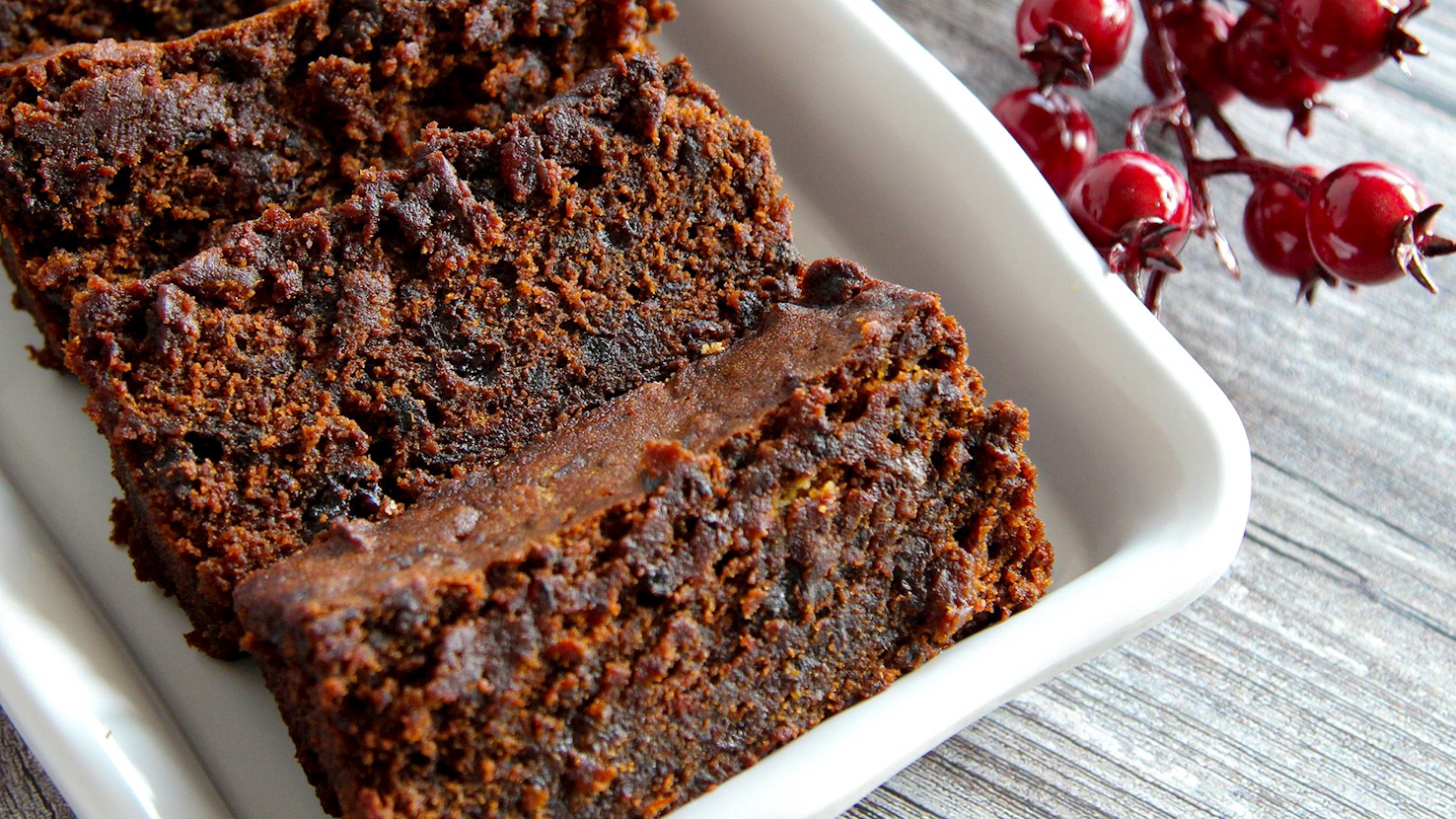
Black fruit cake is a dense, dark Caribbean cake made with rum-soaked dried fruits, browning, warm spices, and a slow-baked batter that produces a moist, heavily flavored dessert. It is prepared throughout the English-speaking Caribbean, especially in Jamaica, Belize, Trinidad, and Guyana, where it is commonly eaten during Christmas and at weddings. The cake is defined by its deep color, which comes from browning (a cooked sugar syrup) combined with puréed fruit that has been soaked for extended periods in rum, wine, or both. While each island has its own style, the core preparation, an alcohol-infused fruit base baked into a soft, dark cake, remains consistent. Its development is connected to British fruitcake brought to the Caribbean, which Caribbean cooks adapted by incorporating locally available rum, adding regional spices, and using browning to achieve a uniform dark color not present in European versions. Over time, the technique of soaking fruits for months and blending them to a smooth consistency became a defining feature. Preparation begins with raisins, currants, prunes, and cherries combined in a jar and covered with rum and red wine. These fruits are left to soak for weeks or months, and in many households the fruit mixture is replenished and reused from year to year. Before baking, the fruits are blended to a thick puree, though some cooks leave a portion chopped for texture. The cake batter is made from creamed butter and sugar, eggs, flour, baking powder, spices such as nutmeg and allspice, and browning added for color. The pureed fruits are mixed into the batter along with extra rum or wine from the soaking liquid. The batter is thick and poured into lined pans, then baked slowly at low heat to prevent scorching and to allow moisture to remain in the finished cake. After baking, some cooks brush the cake with additional rum, which helps preserve it and deepens its flavor as it rests. Black fruit cake is eaten across the Caribbean during December festivities, at weddings, and at formal gatherings. It is usually sliced thinly due to its density and richness. In Jamaica and Trinidad, it may appear alongside lighter pastries during holiday spreads, while in Barbados and Guyana it often serves as the central Christmas dessert. Beverage pairings include sorrel drink, ginger beer, rum punch, coffee, and occasionally fortified wine. When served at weddings, it may be paired with champagne or sparkling drinks. Outside the Caribbean, black fruit cake is prepared by Caribbean communities maintaining festive customs and is sold in bakeries during the holiday season, where it remains one of the most recognizable Caribbean baked goods.
Iguana stew is an exotic dish originating from the Caribbean, and it's especially popular in Guyana and Trinidad. This delicacy is prepared by frying annatto in oil until it turns red. The iguana's head and its entrails are removed, and the meat is cooked in salted water until tender, but not too tender. It's peeled and cut, then cooked with onions, garlic, tomatoes, and green peppers until almost all of the liquid has evaporated. There are many variations throughout the Caribbean, so the dish is sometimes enriched with coconut milk, potatoes, or fresh herbs.
Féroce d'avocat is a traditional West Indian specialty that's popular in Martinique and Guyana. It's made with a combination of avocado, cassava flour, garlic, chili peppers, lime juice, salt cod, and spinach leaves. The cod is boiled, and its flesh is then mixed with the other ingredients until the mixture becomes homogeneous. The mix is seasoned with salt and pepper, chilled, then served as a spread, usually presented in an avocado shell. This dish was typically eaten by plantation workers for breakfast, and nowadays it's usually served as an appetizer. The translation of the name literally means fierce avocado, where fierce refers to the strong and spicy Caribbean chili peppers.
TasteAtlas food rankings are based on the ratings of the TasteAtlas audience, with a series of mechanisms that recognize real users and that ignore bot,
nationalist or local patriotic ratings, and give additional value to the ratings of users that the system recognizes as knowledgeable.
TasteAtlas Rankings should not be seen as the final global conclusion about food. Their purpose is to promote excellent local foods,
instill pride in traditional dishes, and arouse curiosity about dishes you haven’t tried.
The initial list of top producers was compiled based on available reviews, awards, local recommendations, media and blog coverage, and consumer reviews.
The list will be updated with ratings from TasteAtlas local ambassadors and TasteAtlas users.






What People Say