


shutterstock

Top 6 Hatay Foods

Last updated on September 09, 2026
01
Sweet Pastry

Antakya künefesi

4.5 ·

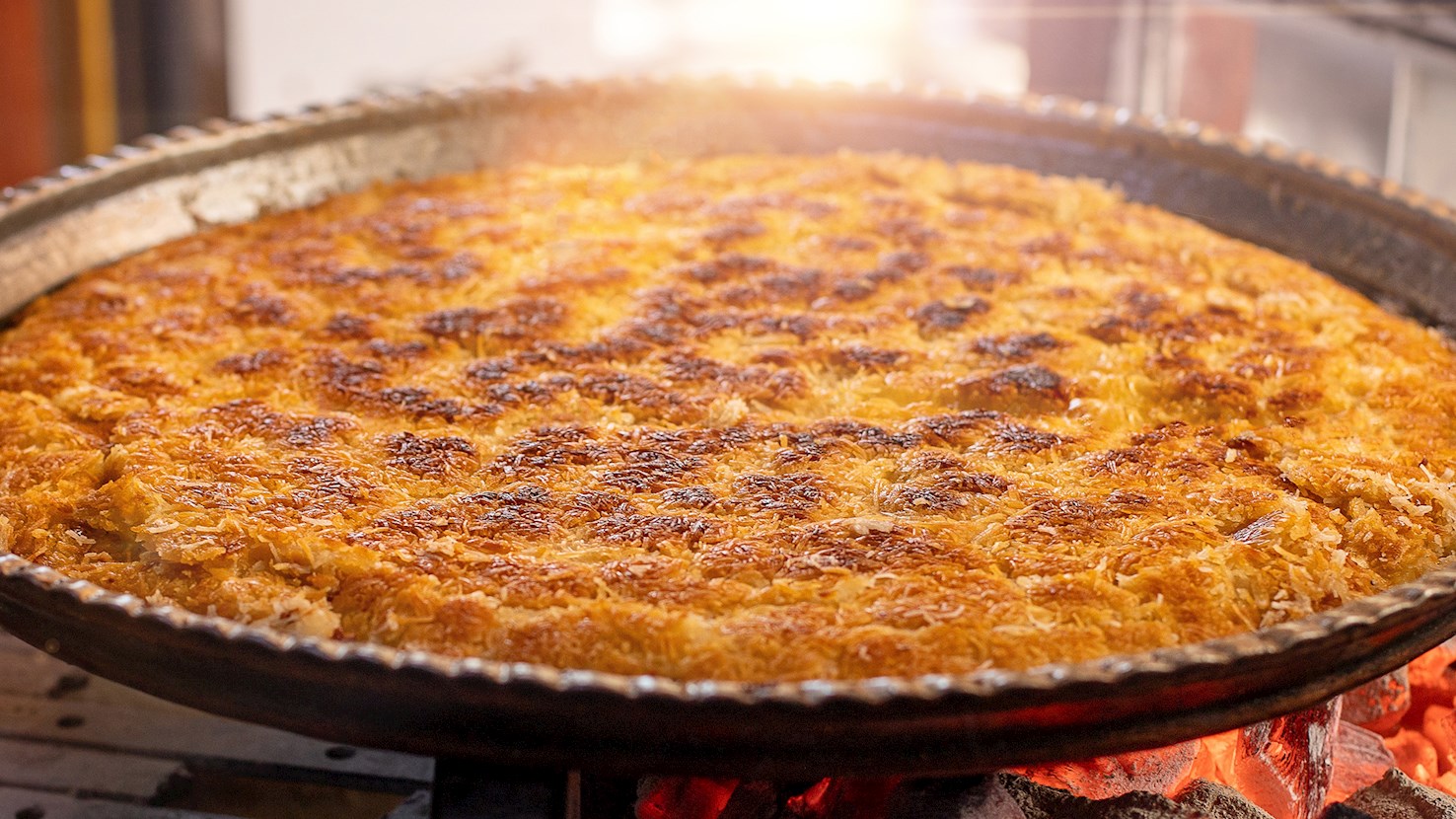
Antakya künefesi is a traditional kunāfah variety hailing from the ancient Turkish city of Antakya, made from shredded phyllo pastry filled with creamy unsalted cheese. The origins of this dish can be traced back to the Ottoman Empire, and to this day, it has remained one of the authentic representatives of Antakyan culinary heritage and traditions. To make Antakya künefesi, the pastry is first prepared by shredding phyllo dough into thin strips and placing it into a flat, round tray. The dough, in this form known as kadayıfın, is then topped with a mixture of unsalted cheese, traditionally Hatay peyniri, and another layer of shredded phyllo dough. After the concoction is baked on both sides (a step that makes this kunāfah variety unique), it is soaked with hot, sweet syrup made with sugar, water, and lemon juice. Antakya künefesi is served warm and garnished with chopped pistachios, walnuts, or hazelnuts. In 2006, this delicious dessert received the Protected Geographical Indication certificate.

02
Lamb Dish

Kağıt kebabı (Kebab in Parchment Paper)

3.9 ·

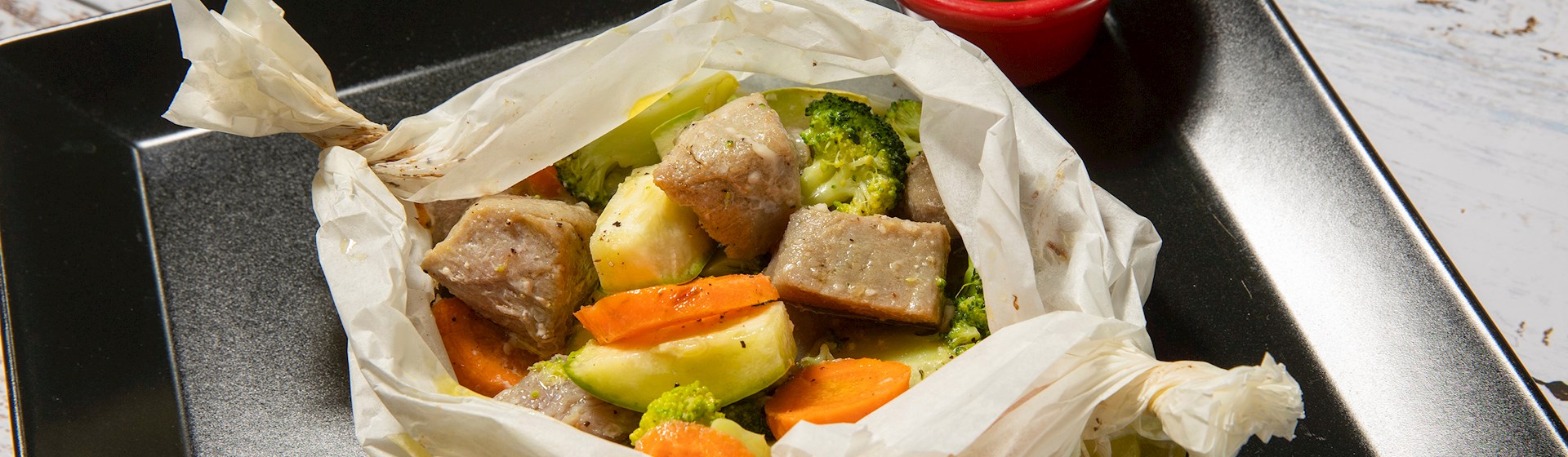
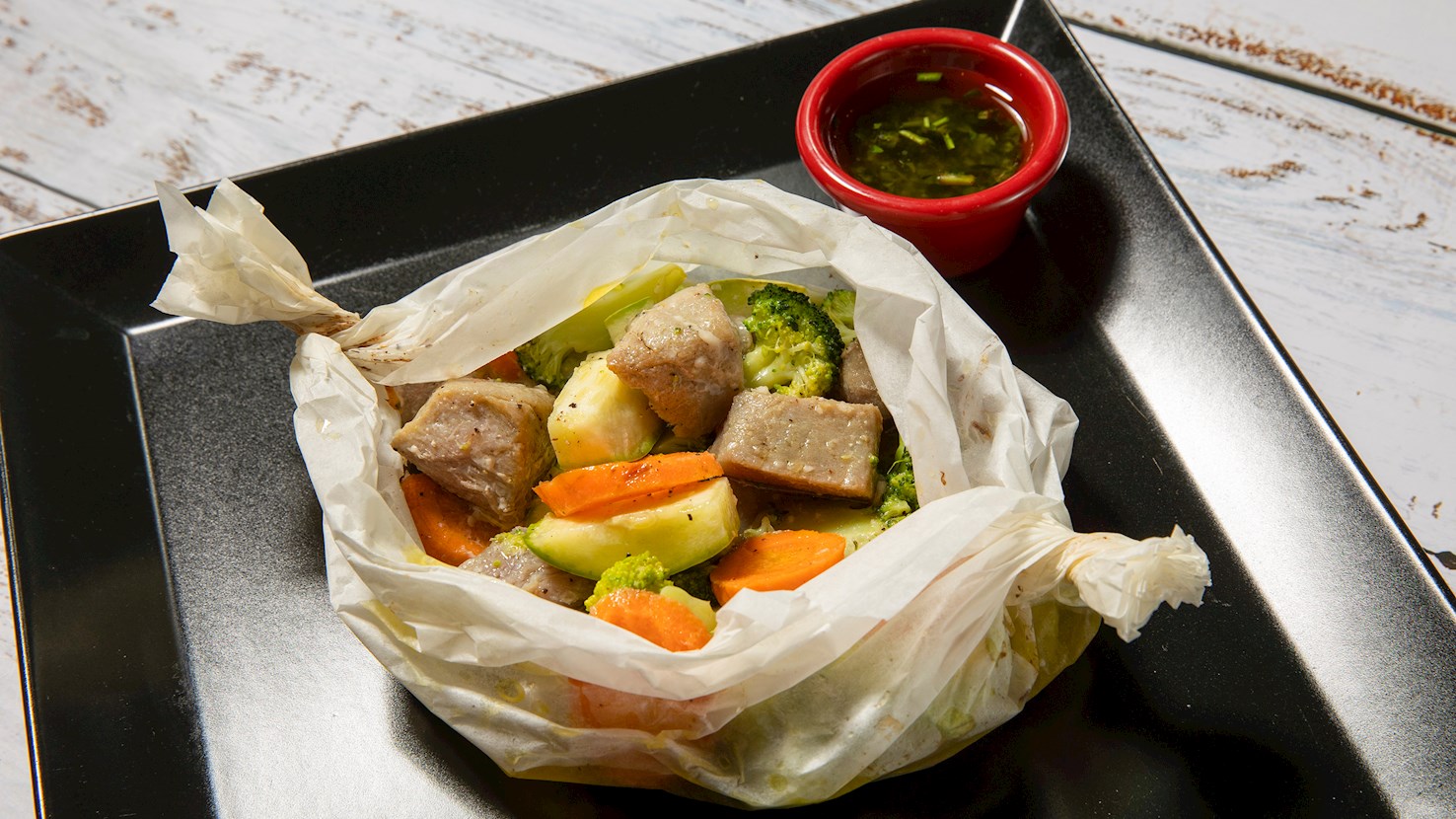
Kağıt kebabı is a traditional type of Turkish kebab originating from Antakya. Although there are some variations, it's usually made with a combination of meat (usually beef or lamb), olive oil, salt, pepper, and vegetables such as tomatoes, peas, carrots, bell peppers, potatoes, and shallots. The ingredients are mixed together and wrapped in parchment paper in order to trap the flavorful juices inside. A puncture is made on the top, and the parcels are brushed with water before they're baked in an oven. Once done, this kebab variety is typically served with rice and salad on the side.

03
Meat Dish

Soslu döner

3.5 ·

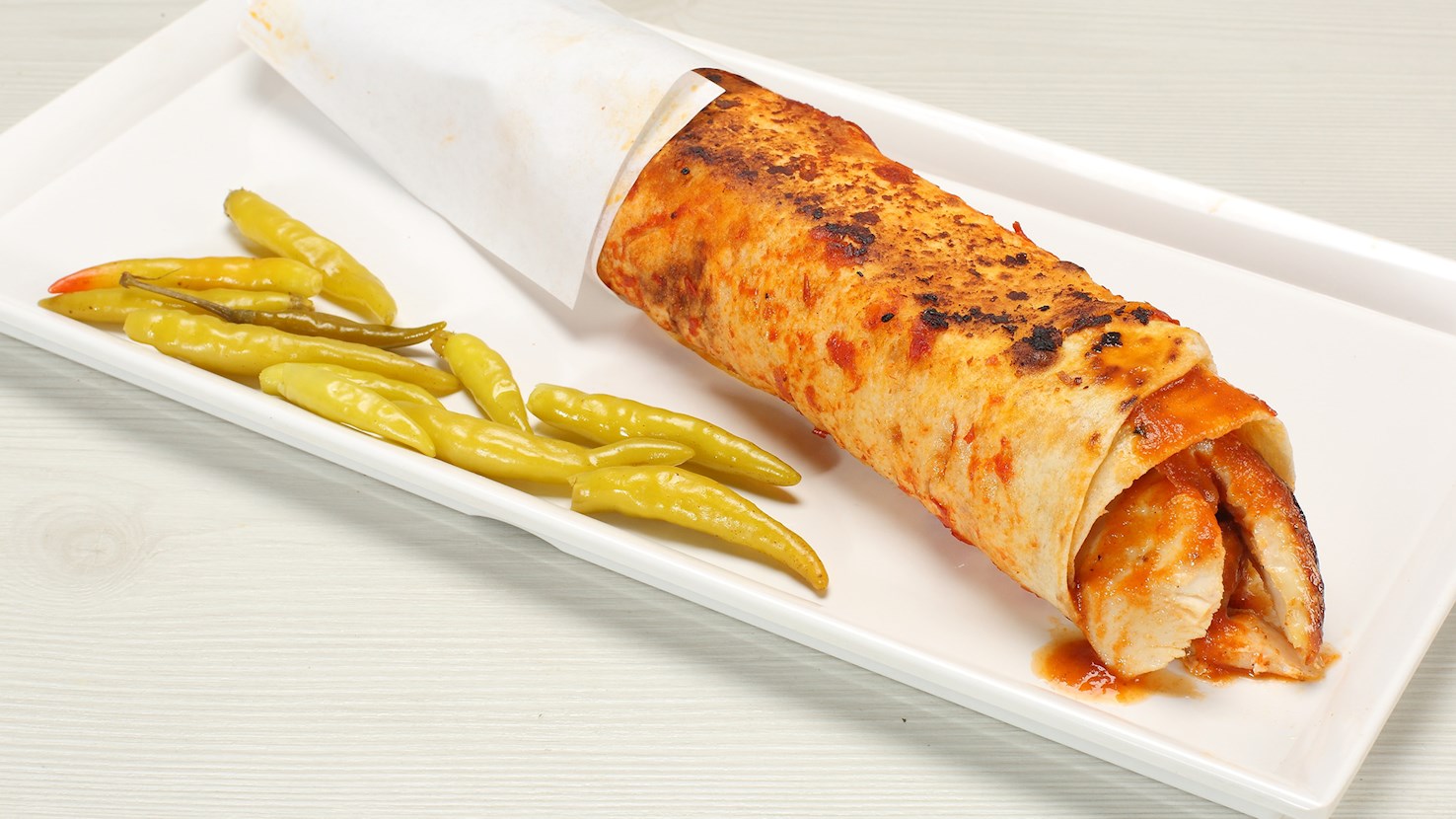
Soslu döner, particularly in the style of Hatay, is a Turkish dish where marinated and cooked meat, often chicken, is combined with a flavorful sauce and wrapped in flatbread. The preparation involves marinating thinly sliced chicken breasts in a mixture of tomato paste, yogurt, and spices such as cumin, black pepper, mint, red pepper flakes, and salt. After allowing the meat to marinate for a few hours, it is spit-roasted and cooked on a vertical rotisserie or, for at-home preparation, sautéed until fully cooked. A sauce is prepared by sautéing pepper paste in oil, then adding water and spices like thyme, cumin, mint, and red pepper powder, simmering briefly. Lavaş bread is dipped into this sauce to absorb the flavors. The cooked chicken is then placed onto the sauced bread, along with additions like fried potatoes, lettuce, tomatoes, and onions.

04
Chicken Dish

Tuzda tavuk

3.4 ·

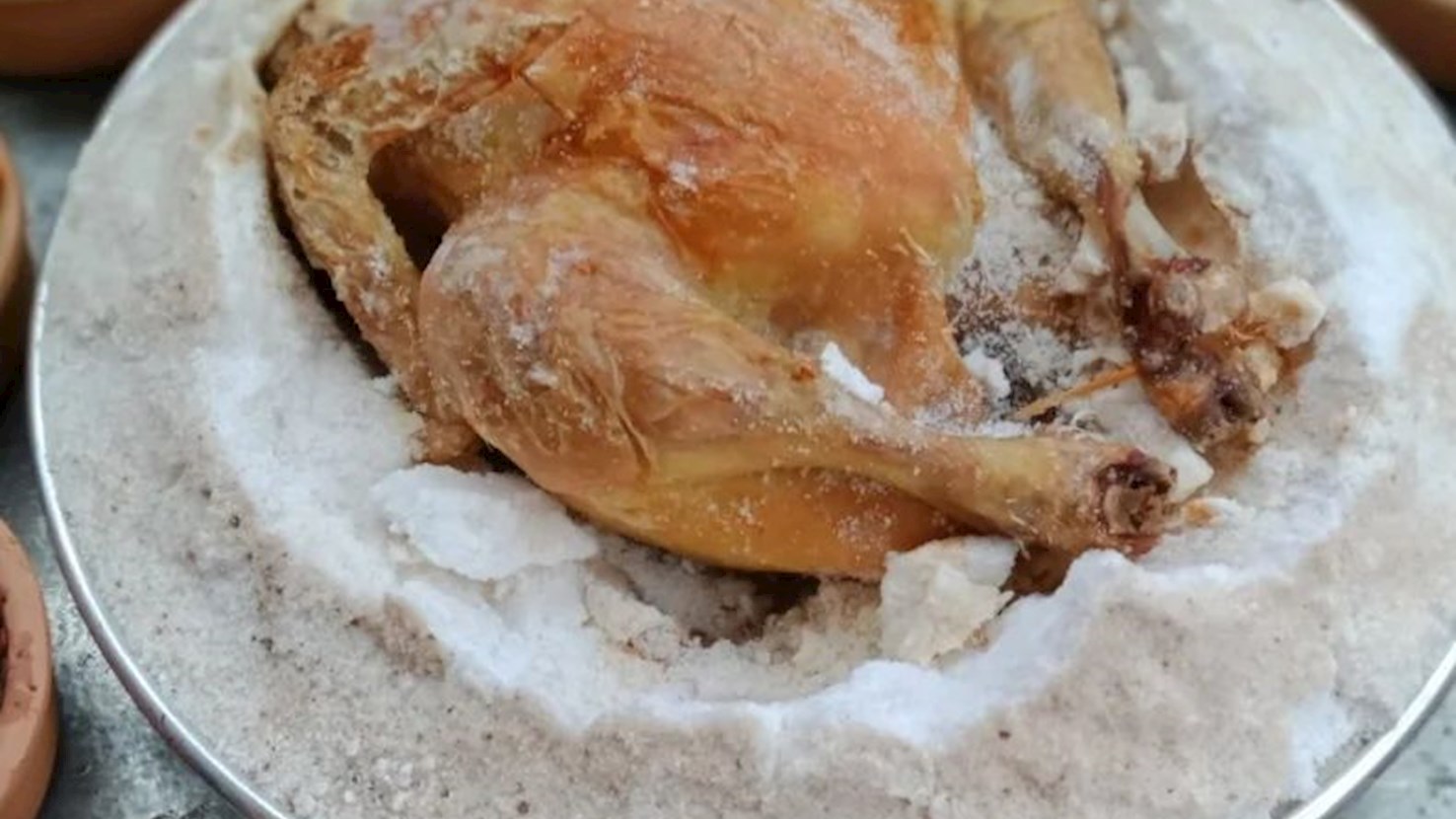
Tuzda tavuk is a traditional dish originating from the Hatay region. The dish is made by stuffing a whole chicken with a combination of rice and selected spices and seasonings, depending on the cook. Once stuffed, the whole bird is covered with wet salt so that it forms a crust. It is then placed into a wood-fired oven or a furnace and baked for up to two hours until fully cooked and tender. Once taken out of the furnace, the salt crust is cracked with a hammer in front of the patrons, making it a visually attractive dish that's nowadays prepared in restaurants across the region and outside of it.

05
Salad

Zeytin salatası

3.2 ·

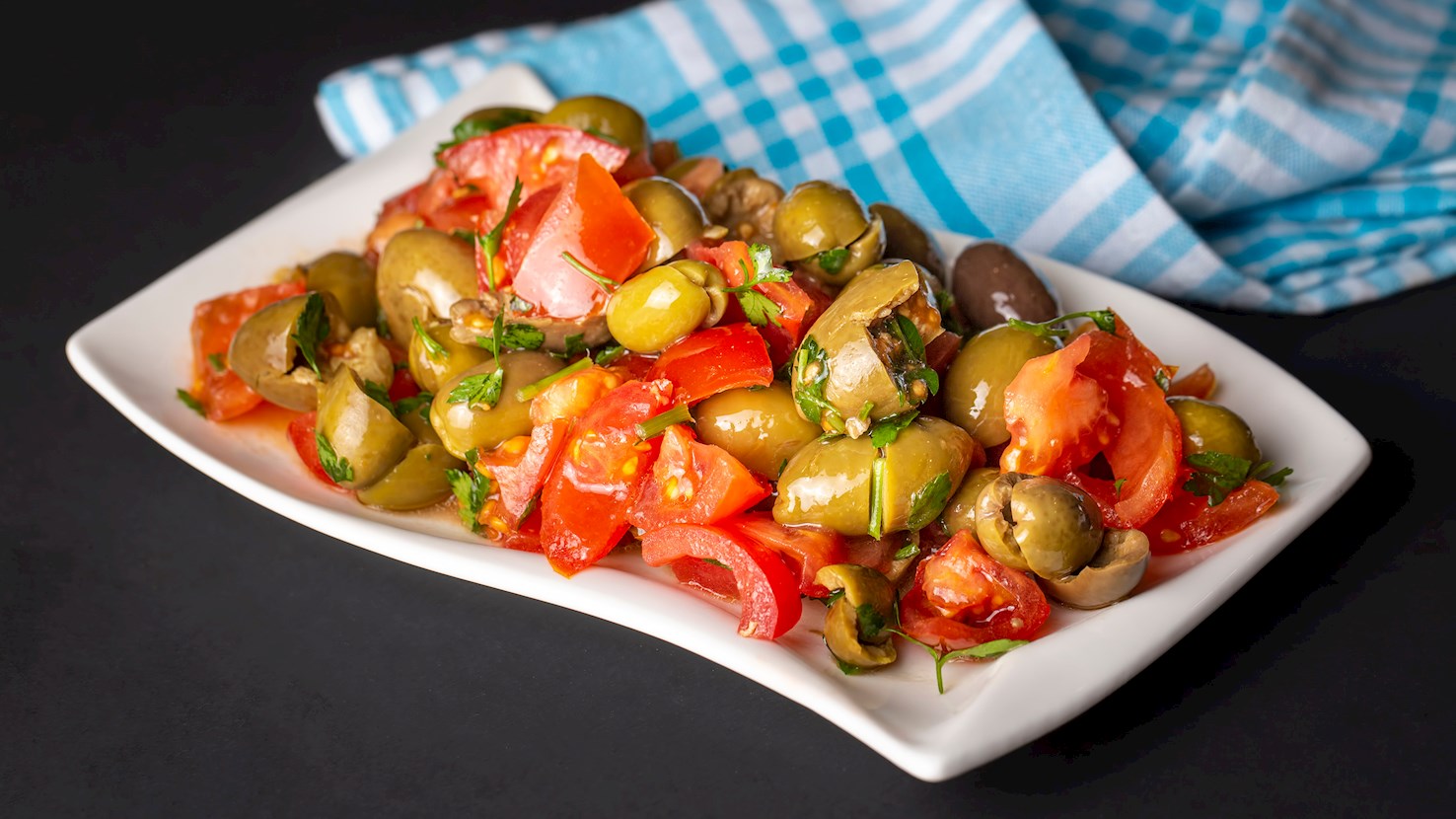
Zeytin salatası is a traditional dish originating from the Hatay area. This simple salad is made by cracking indigenous green Turkish olives in a copper bowl, one by one. The salad is seasoned with olive oil and pomegranate syrup. It can be served as an appetizer before the main meal or as a healthy and nutritious breakfast.

06
Cheese

Hatay peyniri

3.6 ·

Hatay peyniri, also known as künefe peyniri, is a soft, rindless cheese usually made from raw cow's or goat's milk (sometimes even a combination of both), produced in the Hatay province of Türkiye. It is white or light yellow in color, has a creamy and stretchy texture, is unsalted, and has a mild taste. It is mostly used in the preparation of the authentic local dessert Antakya künefesi, but it can also be eaten on its own as a part of meze, added as a filling for börek, or topping for pasta, pides, and other dishes.

About this Ranking

TasteAtlas food rankings are based on the ratings of the TasteAtlas audience, with a series of mechanisms that recognize real users and that ignore bot, nationalist or local patriotic ratings, and give additional value to the ratings of users that the system recognizes as knowledgeable.

TasteAtlas Rankings should not be seen as the final global conclusion about food. Their purpose is to promote excellent local foods, instill pride in traditional dishes, and arouse curiosity about dishes you haven’t tried.

What People Say

Similar Lists