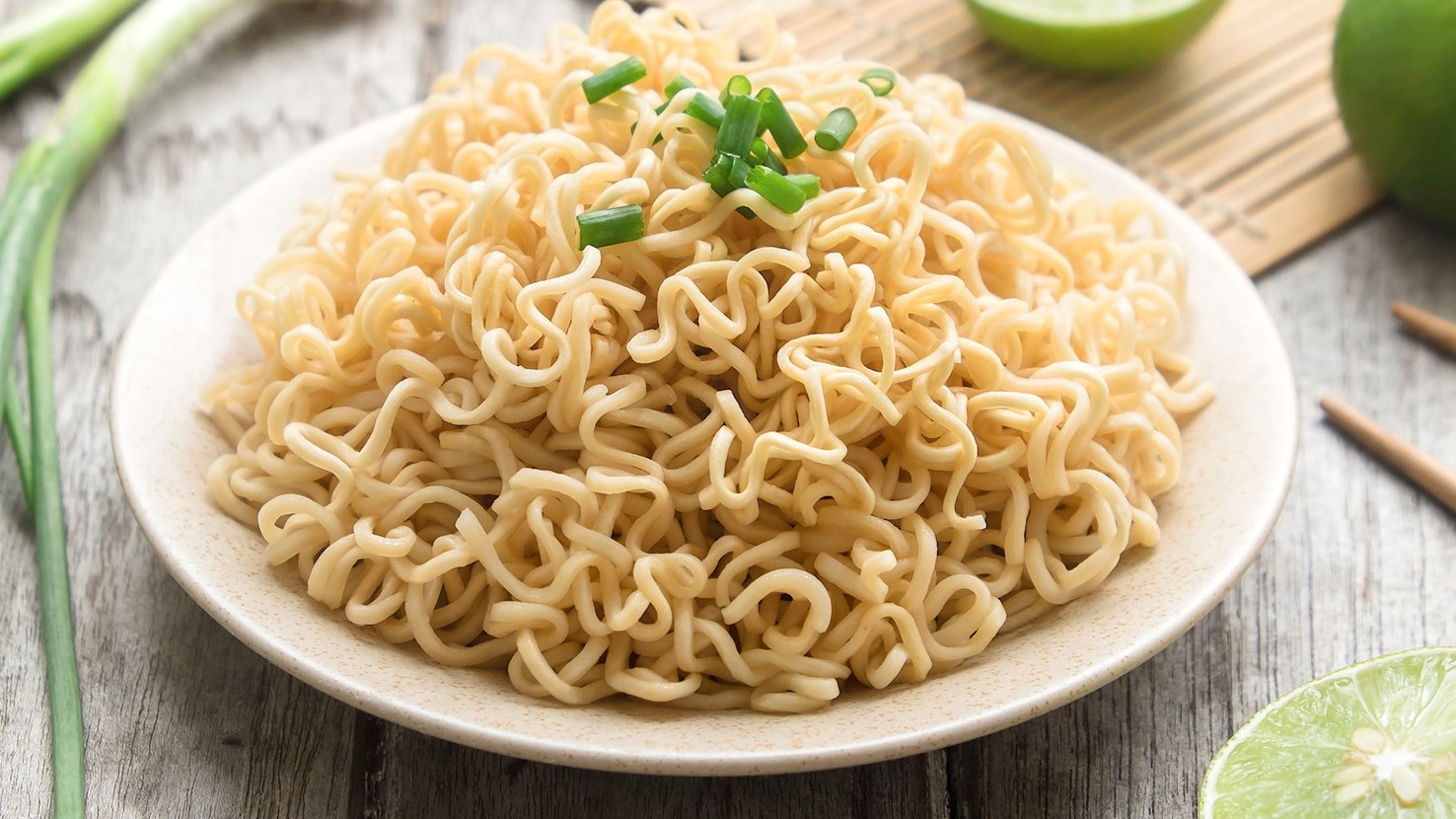
Reganmian, or more commonly hot dry noodles, is a traditional dish originating from Wuhan, the capital of the Chinese Hubei province. It is one of the five most common and popular noodle dishes in China. The noodles in reganmian are cooked in a mixture of water and sesame oil, cooled, tossed and warmed in the same mixture right before serving. The process results in a delicious serving of noodles which are coated with a strong sesame flavor. The dish is sold by numerous street vendors across the city, who sell it from the early morning until late in the evening. Additional ingredients and garnishes vary among the vendors, who use different elements such as peanut or sesame oil, soy sauce, and chili to create their signature reganmian. Although commonly regarded as a breakfast dish, it can also be eaten as an afternoon snack or a light dinner. This inexpensive and simple dish has been a 50-year-old tradition in Wuhan and is still considered to be the most popular dish in the area.
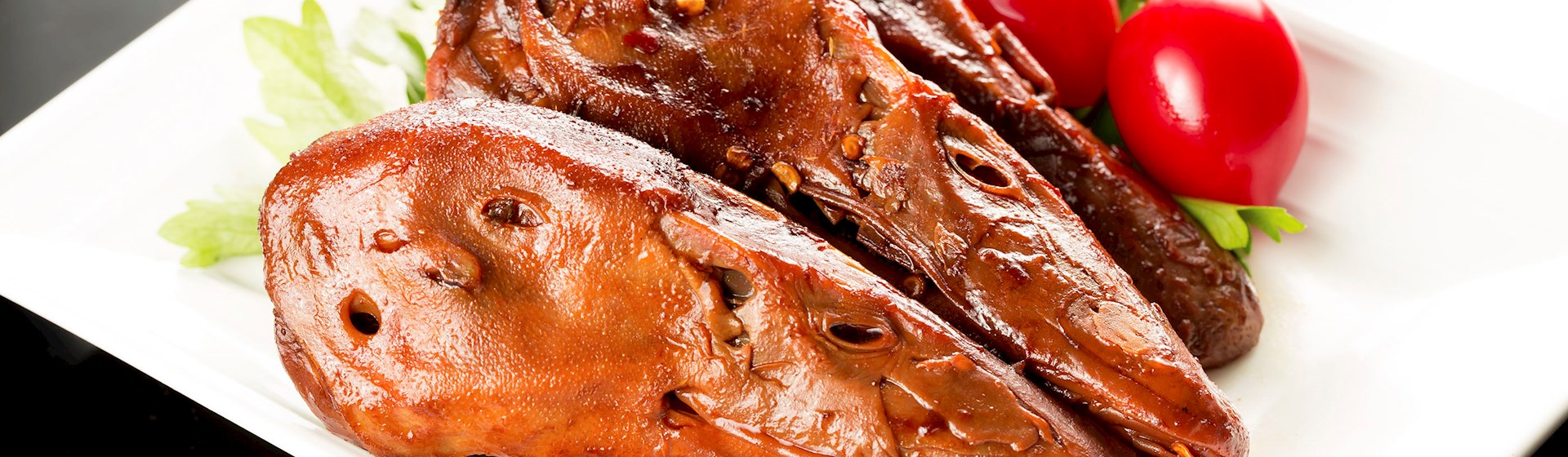
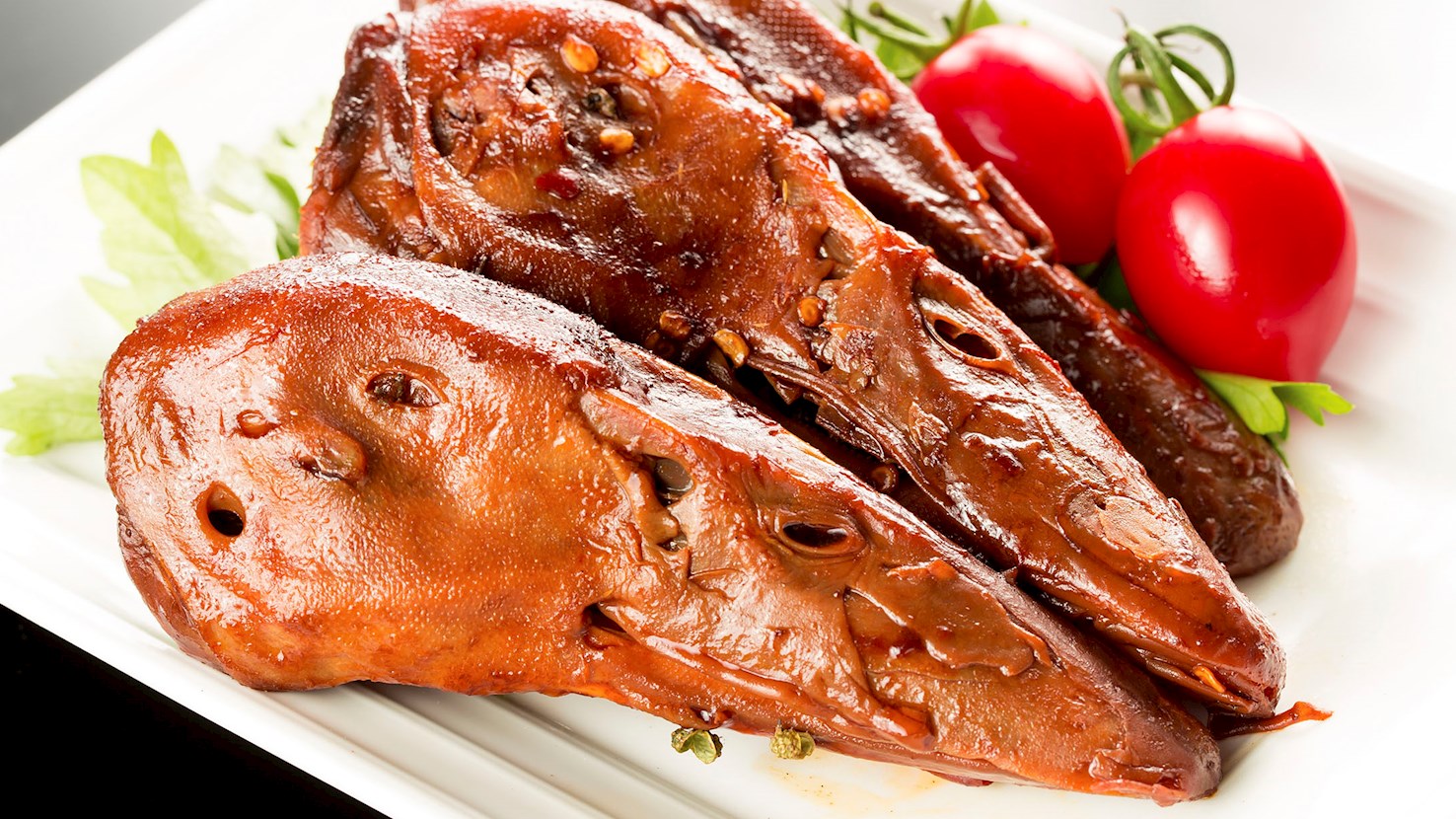
Duck's head is a spicy local specialty from the Chinese city of Wuhan, but it is also a snack that is commonly eaten throughout China, most notably in Shanghai. The dish is made by stir-frying a head of duck with the addition of herbs and spices. Duck's head has a crispy taste as a result of the stir-frying method, and it is claimed to be a healthy food, with one of the duck's head store owners claiming that it helps one's brain power when consumed. Some say that the taste of the dish is not unlike eating a spicy chicken wing, while the others, such as Kellie Schmitt of CNN, describe it as one of Shanghai's weirdest foods. When the head is served, it should be pried open with one's fingers to get to the tender meat on the interior.
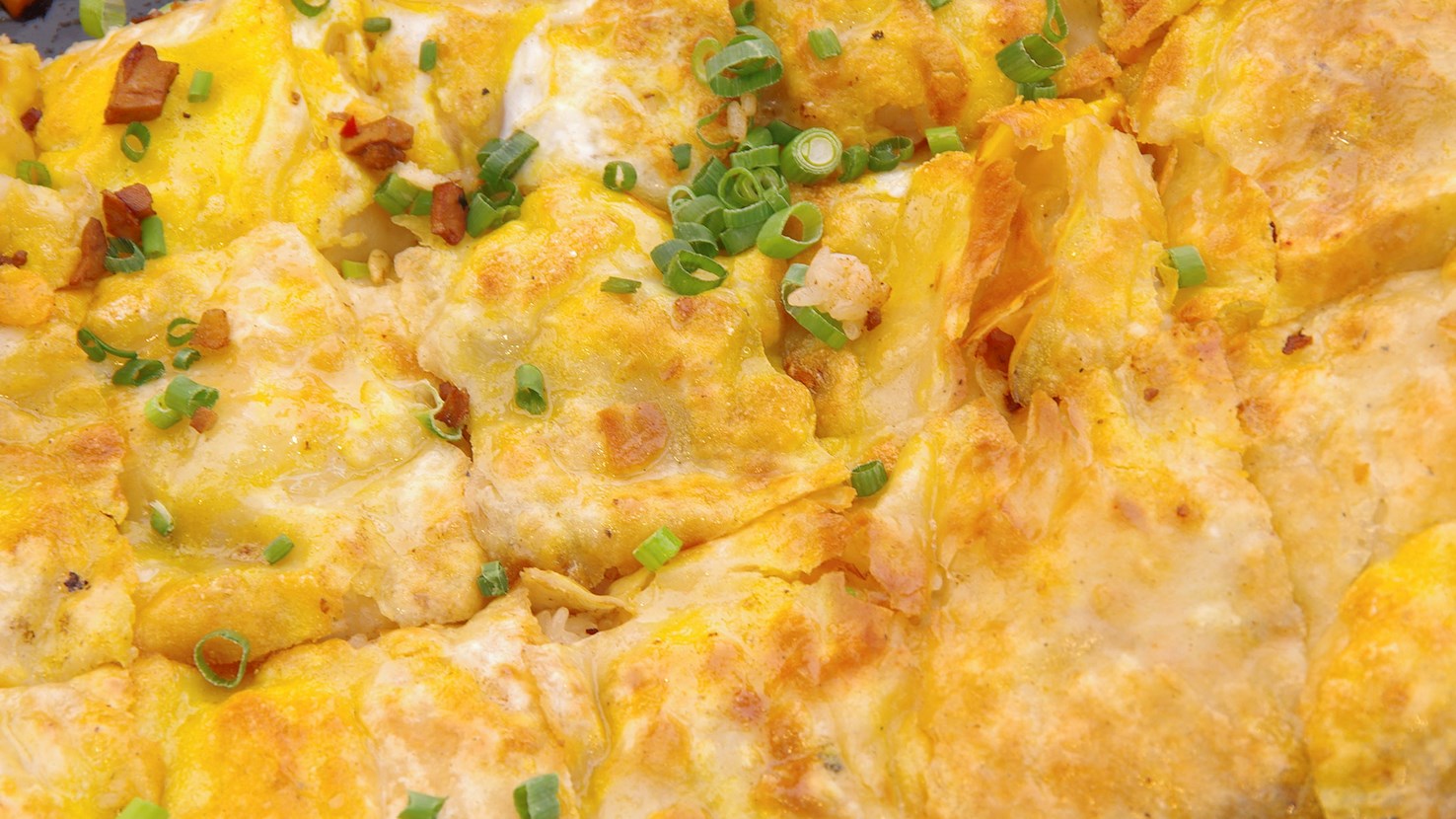
Doupi is a breakfast dish from the city of Wuhan in Hubei province. It is often sold as a street snack. Stuffed between the top and bottom layer is a filling made from rice, and usually no more than three extra ingredients - typically pork, mushrooms, and bamboo shoots. The layers are either tofu skins or pancake lookalikes consisting of mung beans, flour, milk, and eggs. Once assembled, doupi is pan-fried until golden, cut up into small pieces, then sprinkled with chopped scallions and served in small bowls. The invention of the dish in 1931 (which was only an improvement of the pre-existing one) is a credit of a local chef who later opened his own restaurant. Often titled as san xian doupi, this delicious dish is sold in almost every Chinese city.
Hóngtāng miàn, or noodles in red broth, is a style of Chinese noodle soup recognized for its deep, reddish-brown broth that comes from long braising with soy sauce and spices. It is especially known in Sichuan and Hubei, where richly flavored soups are favored, but it also appears in other regions with slight variations. The color of the broth distinguishes it from báitāng miàn, which is pale and milky, and signals a different cooking approach focused on soy-based braising rather than long boiling of bones alone. The dish emerged as cooks in central and southwestern China experimented with ways of enhancing noodle broths by incorporating the methods used for red-braising meats. Soy sauce, Shaoxing wine, ginger, garlic, and spices such as star anise and cinnamon were combined with beef or pork to create a richly seasoned liquid that could also serve as a soup base. Over time, this style of broth became associated with noodle dishes in areas where red-braised cooking was popular, reflecting how regional flavor preferences shaped noodle culture. Preparation begins with beef or pork bones, sometimes with chunks of meat such as brisket or shank. These are browned briefly before being simmered with soy sauce, Shaoxing wine, ginger, garlic, and a selection of warm spices. Dried chilies or chili paste are often included in Sichuan versions, while milder versions may leave them out. The long simmering develops both the deep color and the complex layers of flavor that define the soup. Fresh wheat noodles are cooked separately, then placed in bowls and topped with the red broth, along with slices of meat, leafy greens, and sometimes pickled vegetables to provide contrast. Today, hóngtāng miàn is eaten widely in Sichuan, Hubei, and neighboring provinces, found in noodle shops, small restaurants, and night markets. It is enjoyed as a full meal at lunch or dinner, appreciated especially in cooler weather when its warmth and depth are most appealing.
TasteAtlas food rankings are based on the ratings of the TasteAtlas audience, with a series of mechanisms that recognize real users and that ignore bot,
nationalist or local patriotic ratings, and give additional value to the ratings of users that the system recognizes as knowledgeable.
TasteAtlas Rankings should not be seen as the final global conclusion about food. Their purpose is to promote excellent local foods,
instill pride in traditional dishes, and arouse curiosity about dishes you haven’t tried.
The initial list of top producers was compiled based on available reviews, awards, local recommendations, media and blog coverage, and consumer reviews.
The list will be updated with ratings from TasteAtlas local ambassadors and TasteAtlas users.






What People Say