



Top 9 Ilocano Foods

Last updated on July 08, 2026
01
Stew

Pinakbet

3.8 ·

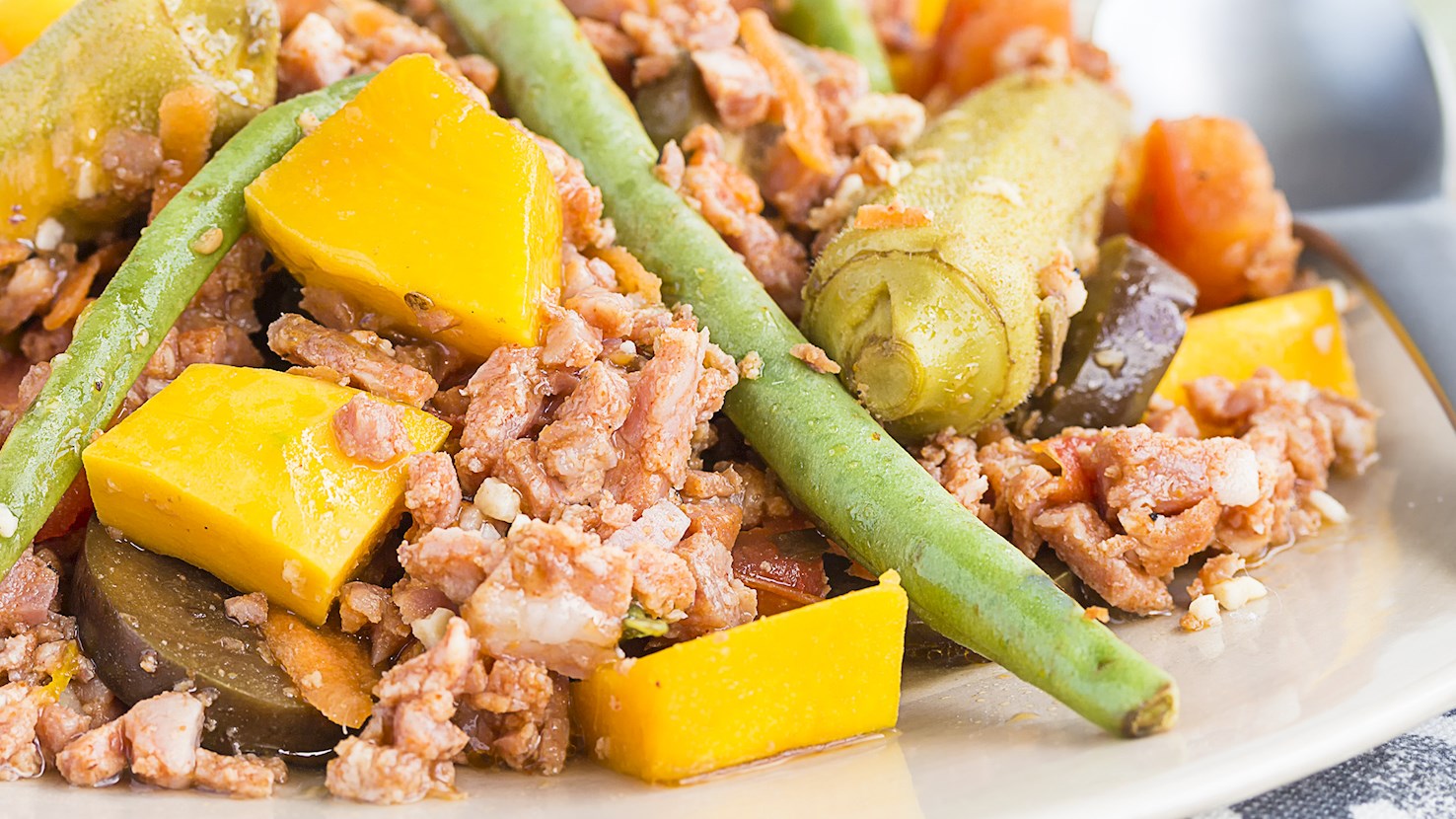
Pinakbet is a traditional meat stew prepared with various vegetables and shrimp paste. It originated in the region of Ilocos, but today it appears in many regional and seasonal varieties. Most commonly, it consists of fatty pork, bitter melon, squash, sweet potatoes, eggplants, okra, and green beans. Although the ingredients may be adjusted to personal preferences, the key element of the dish is the pungent shrimp paste, which provides pinakbet with its unique flavor. This colorful and versatile stew is usually served alongside steamed rice and enjoyed as a hearty and nutritious main course.

02
Offal Soup

Papaitan

3.2 ·

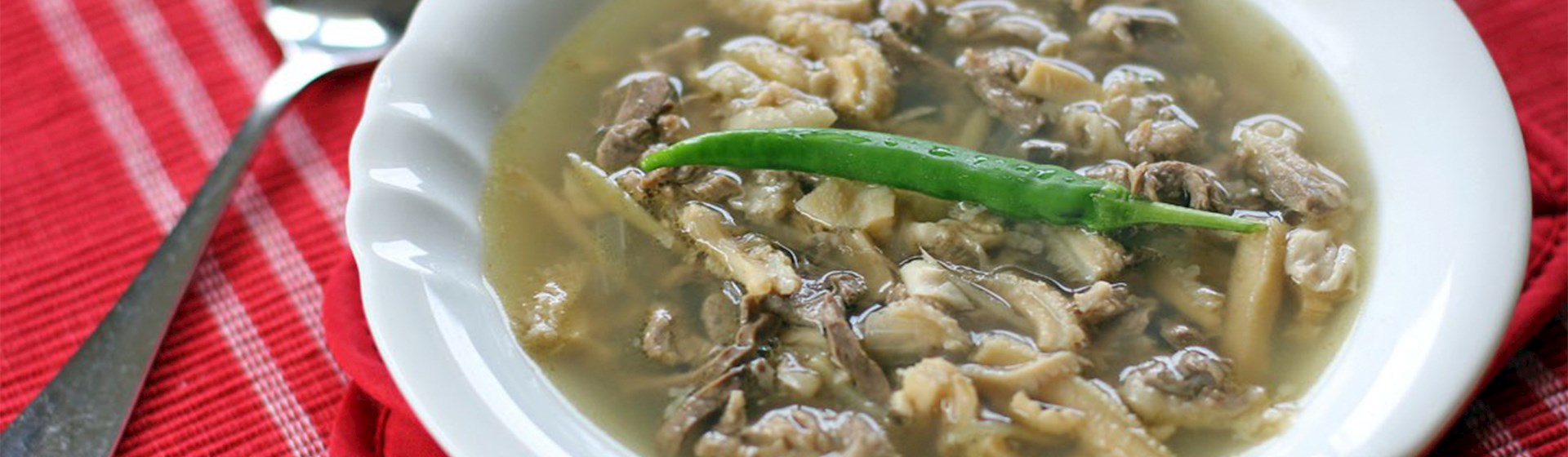
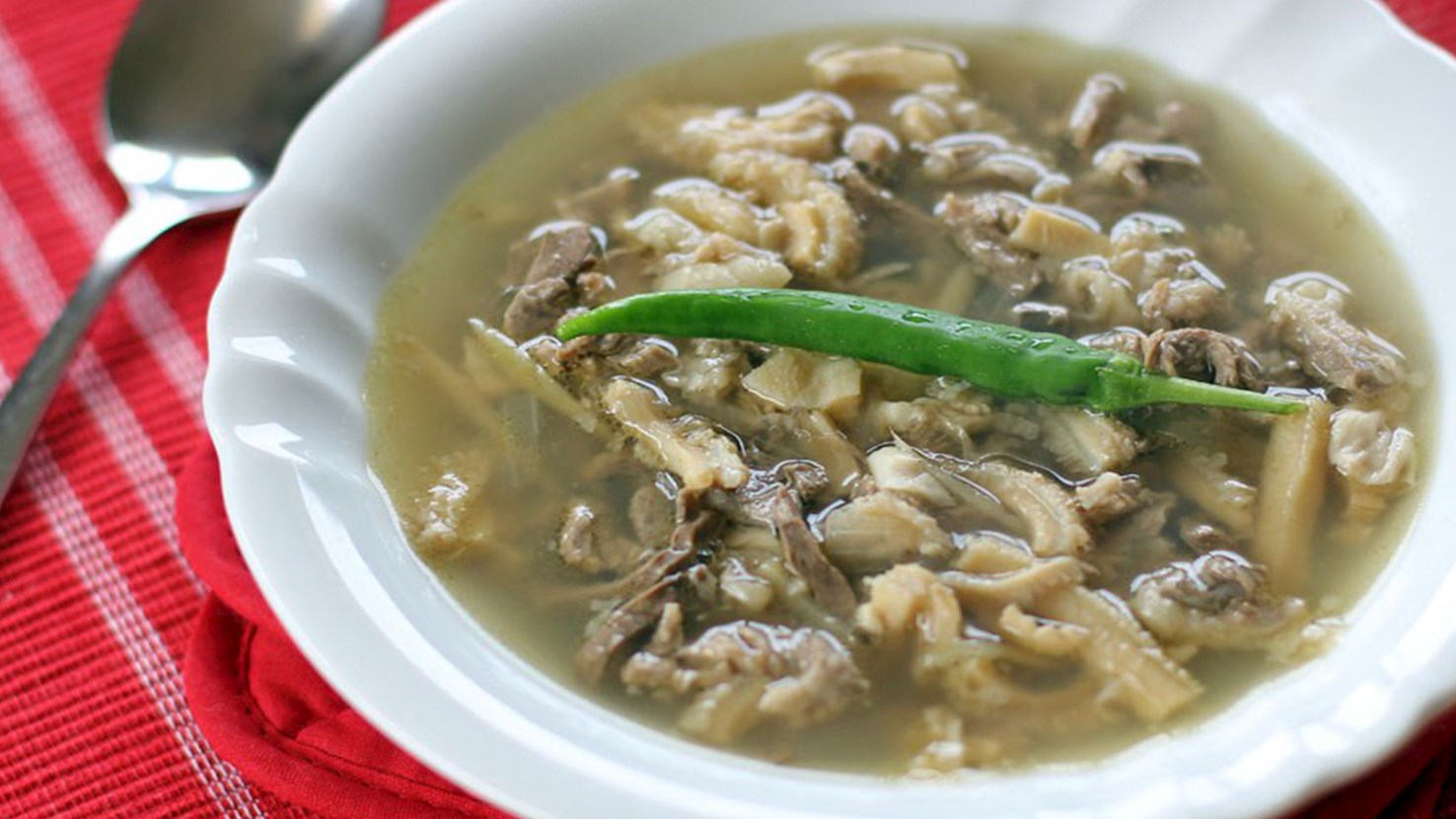
The rich and flavorful papaitan is a popular Filipino soup which consists of goat or cow innards such as heart, tripe, or liver, simmered alongside garlic, onions, and various spices. The most important addition to the dish is bile - a bitter liquid extracted from animal livers, giving the soup its distinctive sour flavor and a light yellow color. This popular Ilocano dish is always served hot and is usually garnished with sliced green onions and chili peppers.

03
Dessert

Bukayo

2.9 ·

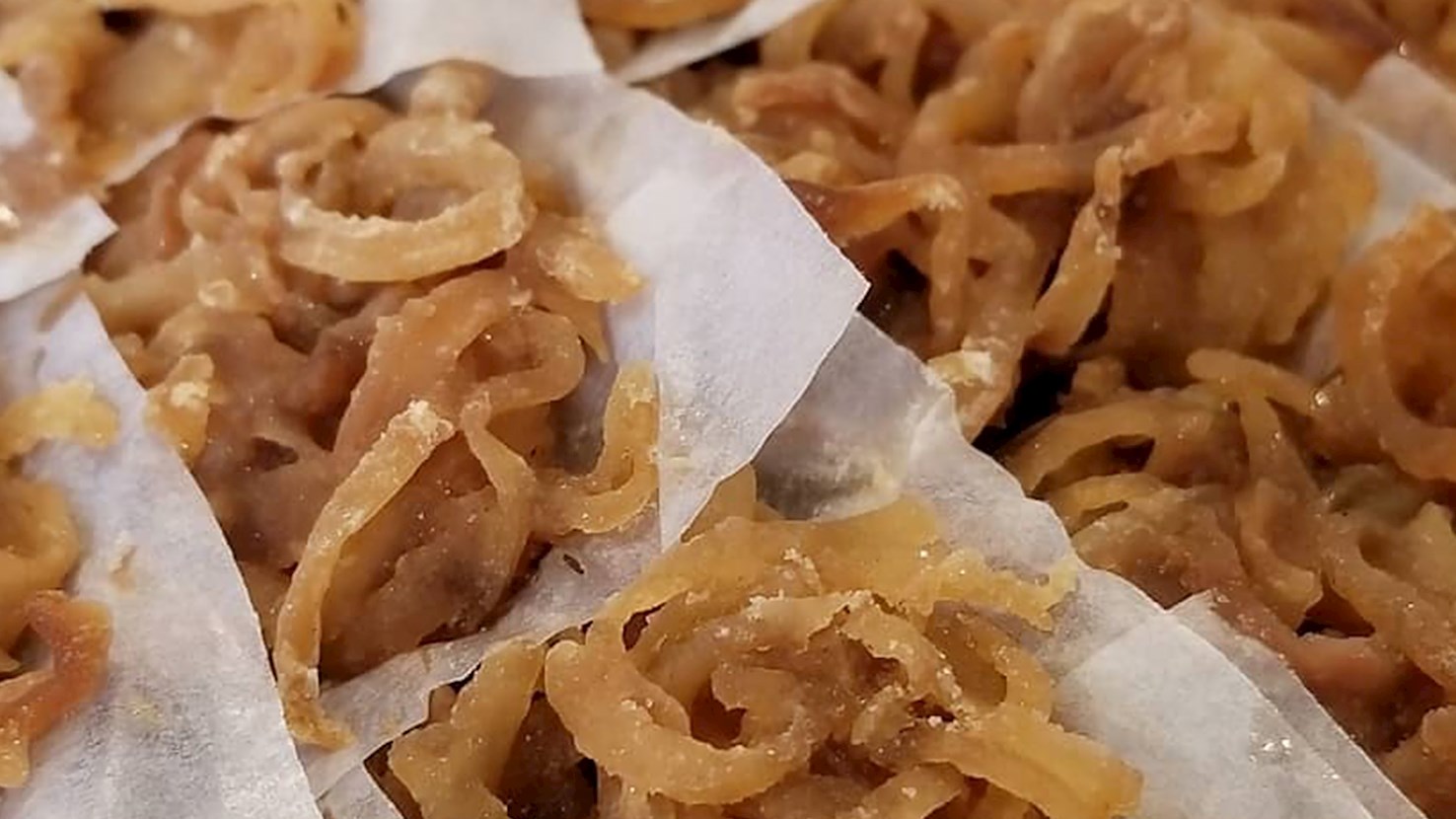
The sweet bukayo is a traditional delicacy made with strips of young coconut flesh that is cooked in coconut water alongside brown sugar and various seasonings. It is simmered until the texture becomes thick, and it is then served shaped in round or flat shapes. Either crispy or chewy in consistency, it can be enjoyed on its own or as a complement to other desserts.

04
Vegetable Dish

Dinengdeng

n/a ·

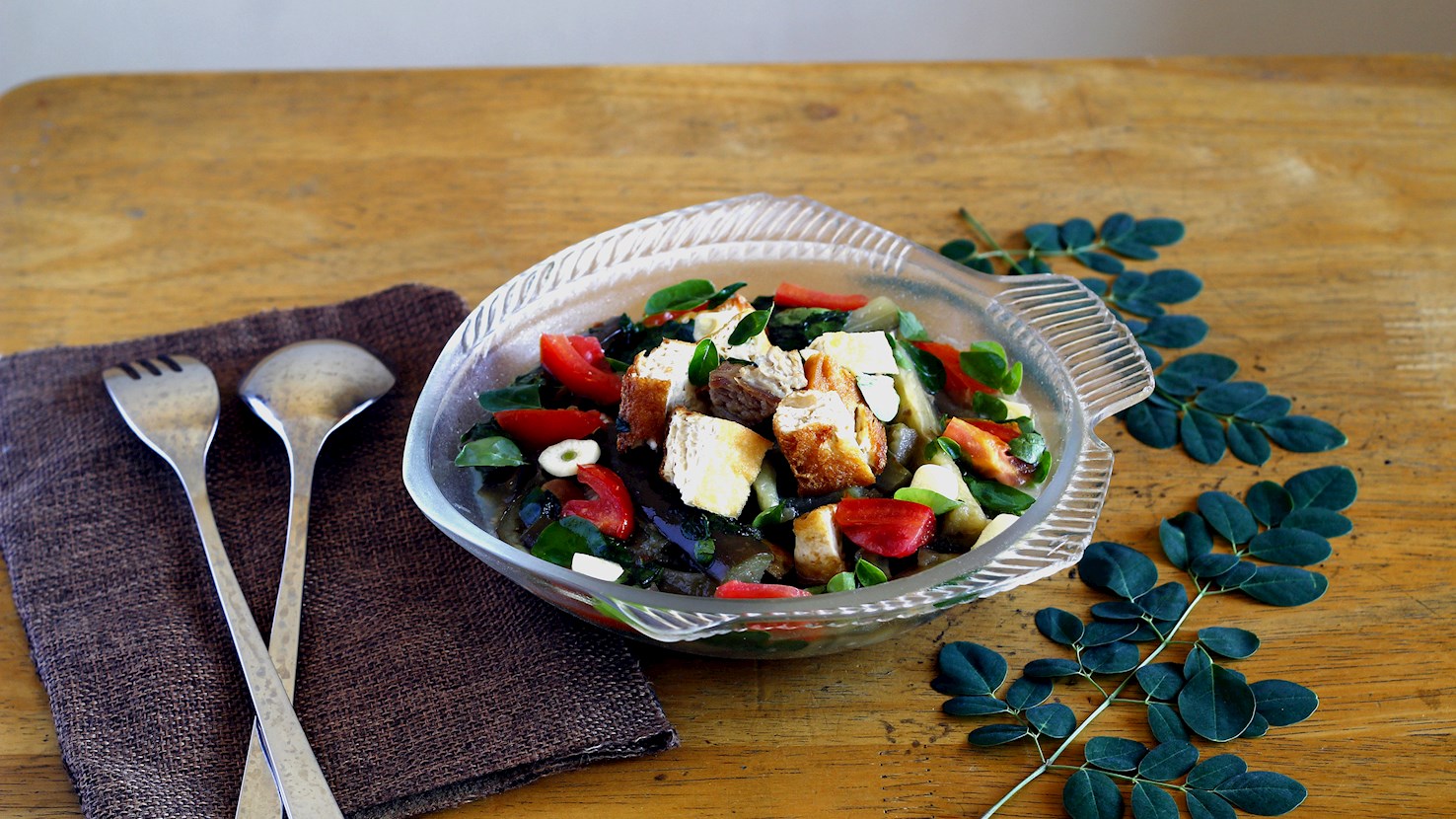
Also known as abraw and inabraw, dinengdeng is a traditional soup-like dish that's primarily made with a wide array of vegetables. It originates from the Ilocos region. The dish is typically prepared by boiling water in a pot, seasoning it with bagoong fish sauce, and then adding the vegetables, followed by fried or grilled fish on top, if desired. The vegetables used in dinegdeng most commonly include jute leaves, marunggay leaves, bitter melon leaves and fruits, alakon blossoms, amaranth leaves, calabaza squash and leaves, sweet potatoes, gourds, string beans, chili peppers, banana blossoms, okra, eggplant, corn, lima beans, mushrooms, taro, and yams. Before serving, dinengdeng can be topped with fish such as tilapia or bangus.

05
Salad

Dinakdakan

n/a ·

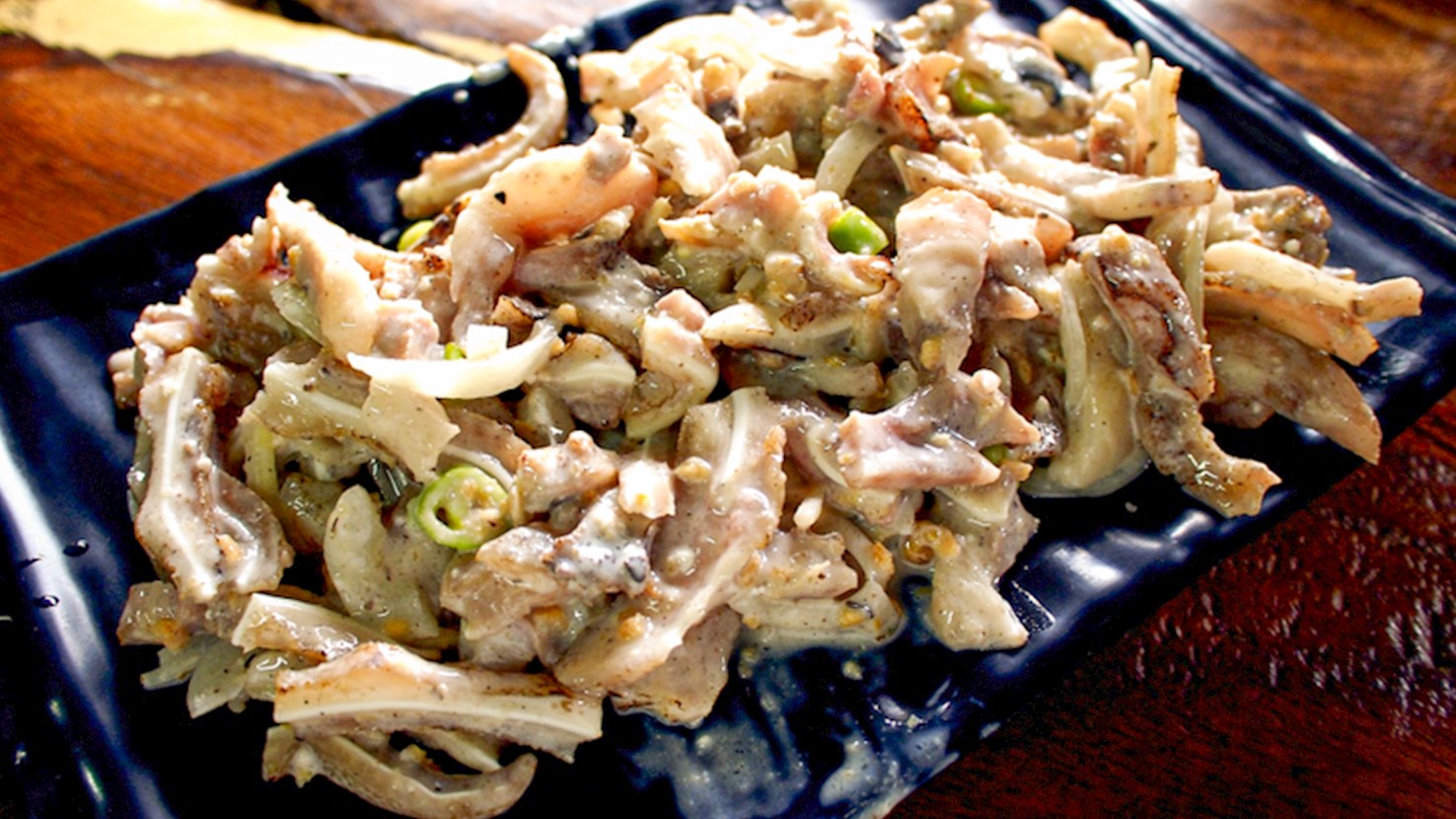
Dinakdakan is a traditional Filipino dish originating from the Ilocos region in the northern part of the Philippines, a type of grilled pork salad, often made from various parts of the pig such as the ears, the head, and liver, though other pork cuts can also be used. The meat is boiled until tender, then grilled or broiled to add a smoky flavor, chopped into bite-sized pieces, and finally mixed with a dressing. The distinctive dressing for dinakdakan includes vinegar, calamansi juice (a type of citrus similar to lemons and limes), onions, ginger, and chili peppers. A key ingredient that sets Dinakdakan apart from other Filipino dishes is the addition of pig's brain or mayonnaise as a binding agent, giving the dish a creamy texture. The pig's brain traditionally used in the dish thickens the sauce and adds a unique flavor, but mayonnaise is a common substitute for practicality and to cater to different preferences. Dinakdakan is often served as an appetizer or a main dish and is a staple at gatherings and special occasions.

06
Pizza

Pinakbet Pizza

n/a ·

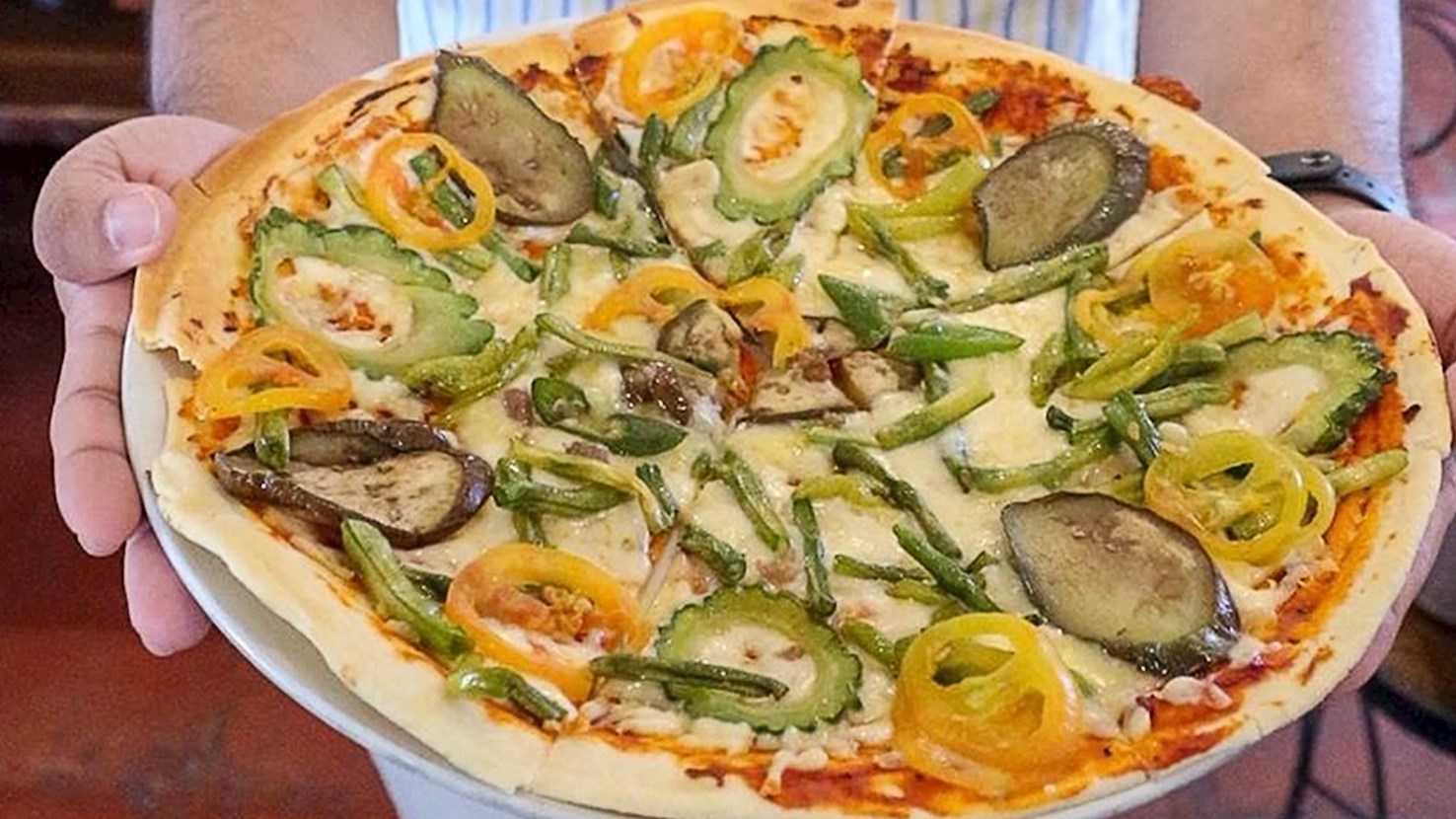
Pinakbet pizza is a Filipino pizza variety originating from Ilocos Norte. It's traditionally topped with vegetables such as tomatoes, eggplant, long beans, okra, and bitter gourd, making it suitable for vegetarians. The pizza is derived from pinakbet vegetable stew and uses most of the ingredients used to prepare the stew. Only local vegetables are traditionally used as toppings, and it's said that the pizza has a slightly bitter and salty finish.

Best restaurants
07
Egg Dish

Poqui poqui

n/a ·

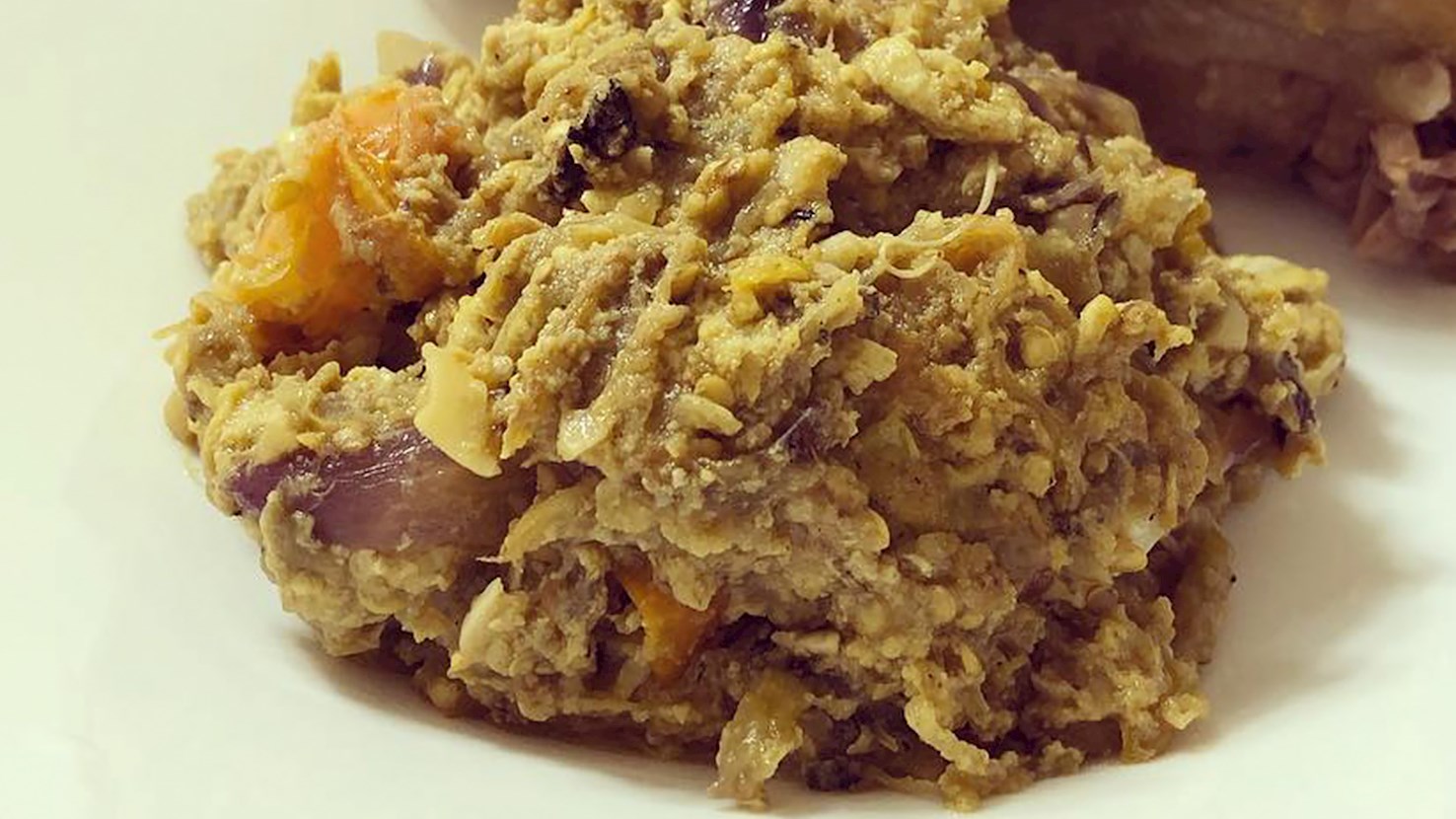
Poqui poqui is a traditional dish originating from Ilocos. In order to prepare the dish, grilled eggplants are first peeled, then chopped and sautéed with garlic, onions or shallots, and tomatoes. Beaten eggs are then stirred into the pan, and the combination is cooked until the dish develops the consistency of slightly wet scrambled eggs. Before serving, it's recommended to season poqui poqui with patis fish sauce. The origin of the name can be traced back to the 1980s, when many Filipinos migrated to Hawaii. In Hawaii, the word poki (poqui) means to cut up or mash, referring to chopped eggplants and tomatoes.

08
Dessert

Unday-unday

n/a ·

Unda-unday/unday-unday (or inda-inday) is a Filipino rice cake made with glutinous rice flour, water, brown sugar, and shredded coconut. The flour is mixed with water, then shaped into small oblongs that are first cooked, then mixed with brown sugar syrup and shredded coconut. The cake is a Pangasinan delicacy, although its origins are not exactly known. Also, unda-unday is often considered a version of another Filipino cake palitaw.

09
Salad

Kinilnat

n/a ·

Kinilnat is a traditional salad originating from the Ilocos region. The salad is made with a variety of vegetables and leafy greens such as string beans, pumpkin blossom, sweet potato tops, chili peppers, eggplants, taro leaves, cabbage, and fern shoots. The leaves, blossoms, and shoots are typically blanched, mixed, and then dressed with fermented fish condiment known as bagoong or with patis fish sauce. Additional souring ingredients such as cherry tomatoes, calamansi, vinegar, and ground ginger are also often incorporated into this nutritious salad. It's recommended to serve kinilnat as an accompaniment to fried chicken or fish.

Read more
View all
View map
About this ranking

TasteAtlas food rankings are based on the ratings of the TasteAtlas audience, with a series of mechanisms that recognize real users and that ignore bot, nationalist or local patriotic ratings, and give additional value to the ratings of users that the system recognizes as knowledgeable. For the “Top 9 Ilocano Foods” list until July 08, 2026, 151 ratings were recorded, of which 107 were recognized by the system as legitimate. TasteAtlas Rankings should not be seen as the final global conclusion about food. Their purpose is to promote excellent local foods, instill pride in traditional dishes, and arouse curiosity about dishes you haven’t tried.

Similar lists