shutterstock

Top 3 Traditional Foods
in Jeolla Province

Last updated on June 07, 2026

Best food products

01
Tea / Infusion

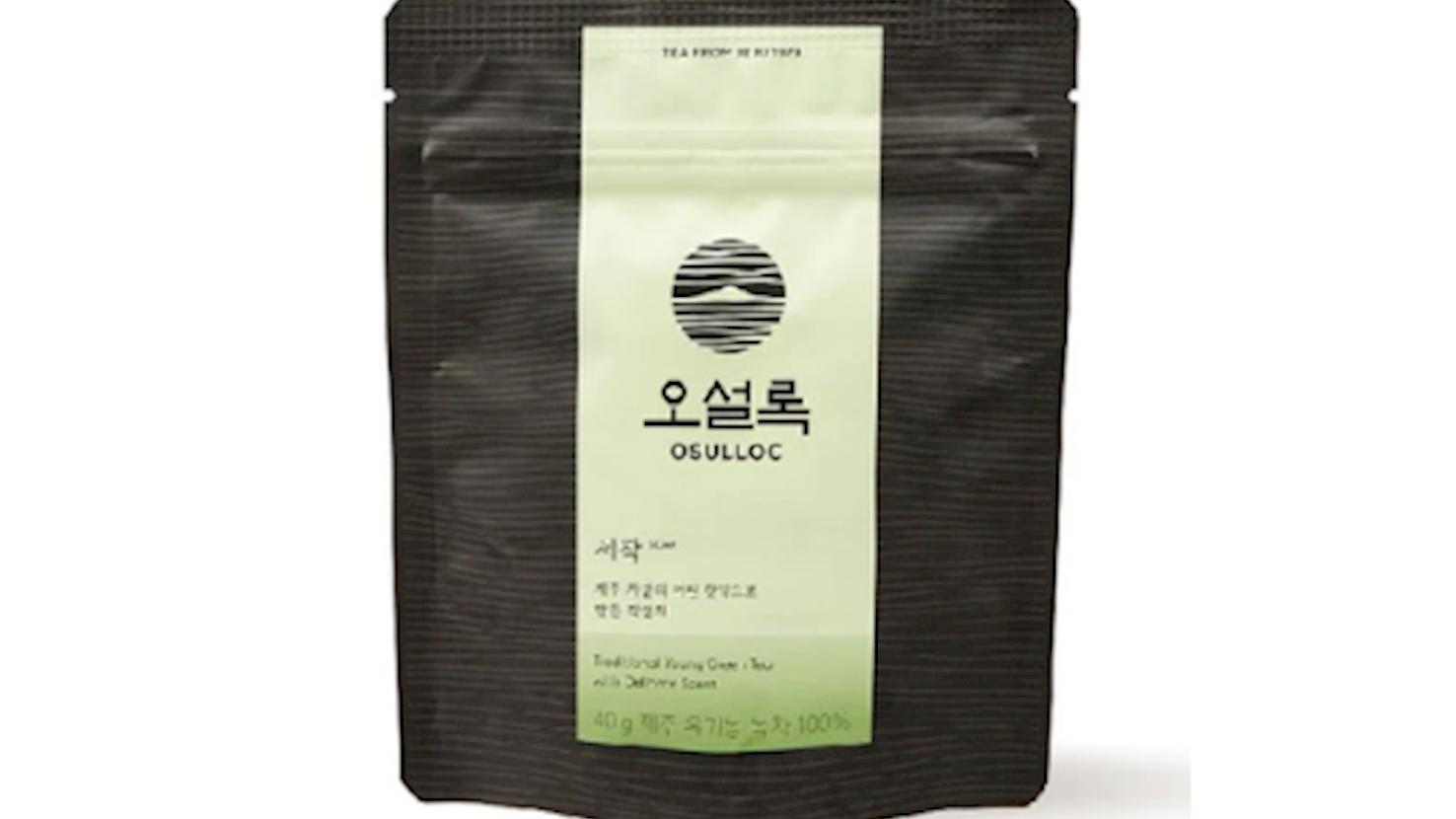
Osulloc

4.6 ·
Osulloc is a prestigious tea brand from South Korea, specializing in the production of high-quality green teas sourced from Jeju Island, a beautiful volcanic island known for its pristine nature and ideal conditions for tea cultivation. Osulloc is part of the Amorepacific group, one of the largest South Korean conglomerates, renowned for its innovations in the beauty and health industry, as well as its commitment to sustainability and product quality. Founded with the mission to bring the best of Korean tea to the world, Osulloc takes advantage of the unique climate and soil of Jeju Island. The tea from Osulloc is distinctive due to the volcanic soil, rich in minerals, which allows the teas to develop rich aromas and nutritional values. Osulloc is known for combining traditional production methods with modern approaches, ensuring high-quality standards. Osulloc offers a wide range of products, with an emphasis on green tea, but they also produce jasmine tea, oolong, black tea, and herbal blends. One of the special aspects of the Osulloc brand is their Osulloc Tea Museum, located on Jeju Island. This museum is not only an educational center that explores the history and culture of Korean tea, but also a place where visitors can enjoy various tea ceremonies and try tea in specially designed tea rooms.
02
Condiment

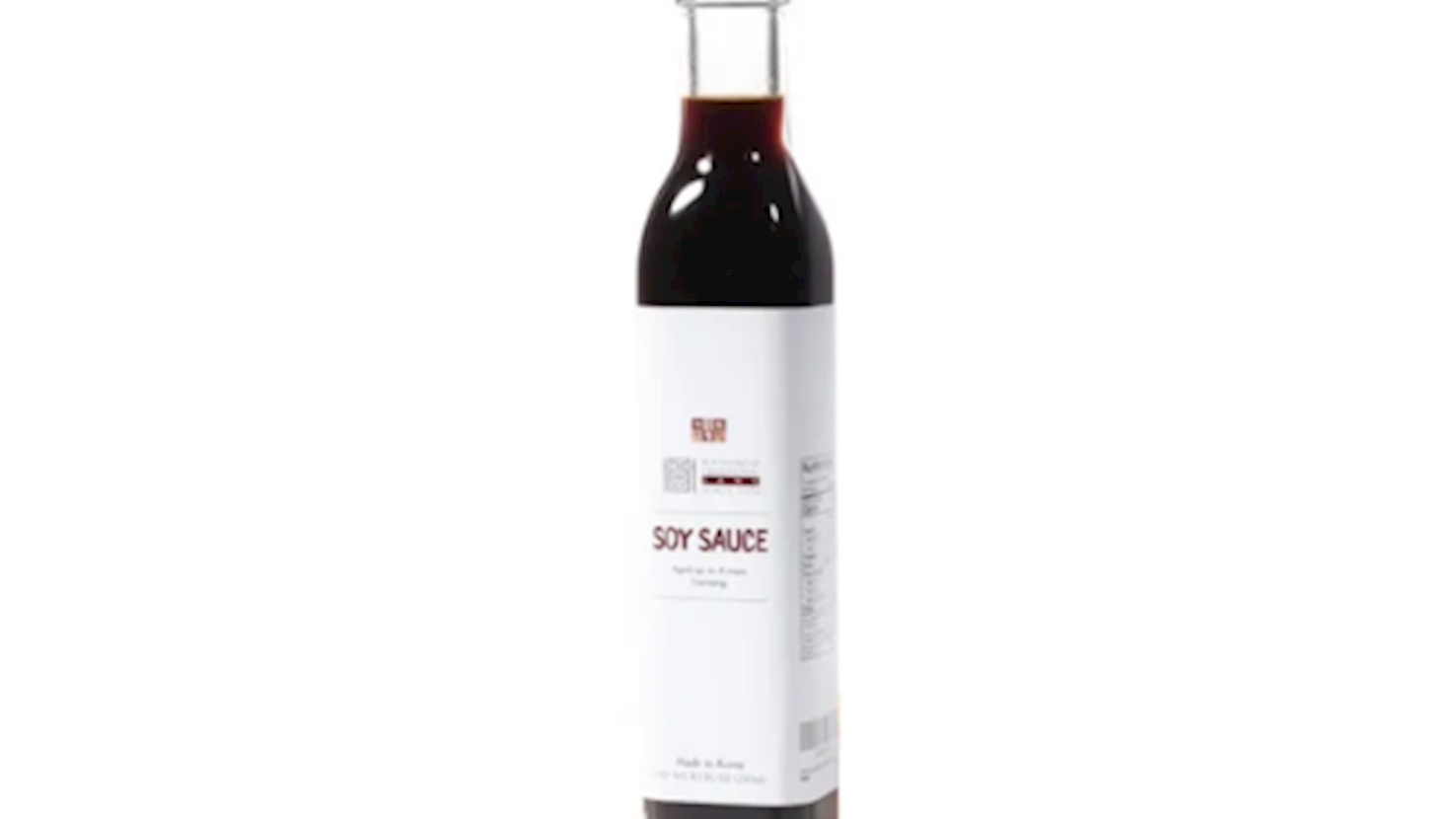
Kisoondo Traditional Jang

n/a ·
Kisoondo Traditional Jang is a family-run producer from Damyang County in South Korea, recognized for crafting traditional fermented sauces using methods passed down through generations. Their production includes classic Korean jang varieties such as gochujang, doenjang and ganjang, all made exclusively from natural ingredients without additives, preservatives or industrial sweeteners. The raw materials are sourced locally - hand-processed soybeans, bamboo salt and regional water - emphasizing a strong connection to the terroir of Damyang. Fermentation takes place outdoors in ceramic onggi vessels throughout the year, exposed to seasonal temperature shifts and wind, which contributes to slow, deep and complex fermentation. This approach results in sauces with a rich umami profile, layered flavors and pronounced notes of soy, minerality and natural earthiness. Quantities are limited because every step is done by hand under strict fermentation control. Kisoondo Traditional Jang is used in marinades, soups, stews, kimchi preparation and as a finishing element in dishes that benefit from natural fermented depth. The products are considered part of the premium segment of traditional Korean gastronomy and are often purchased as gifts or as specialty ingredients for gourmet kitchens. Due to limited production, they are mainly available in select specialty stores and through chosen distributors. Kisoondo Traditional Jang represents a blend of artisanal craftsmanship, cultural heritage and carefully preserved tradition carried through every jar of fermented jang.

Best foods

01
Stew

Gamjatang

4 ·

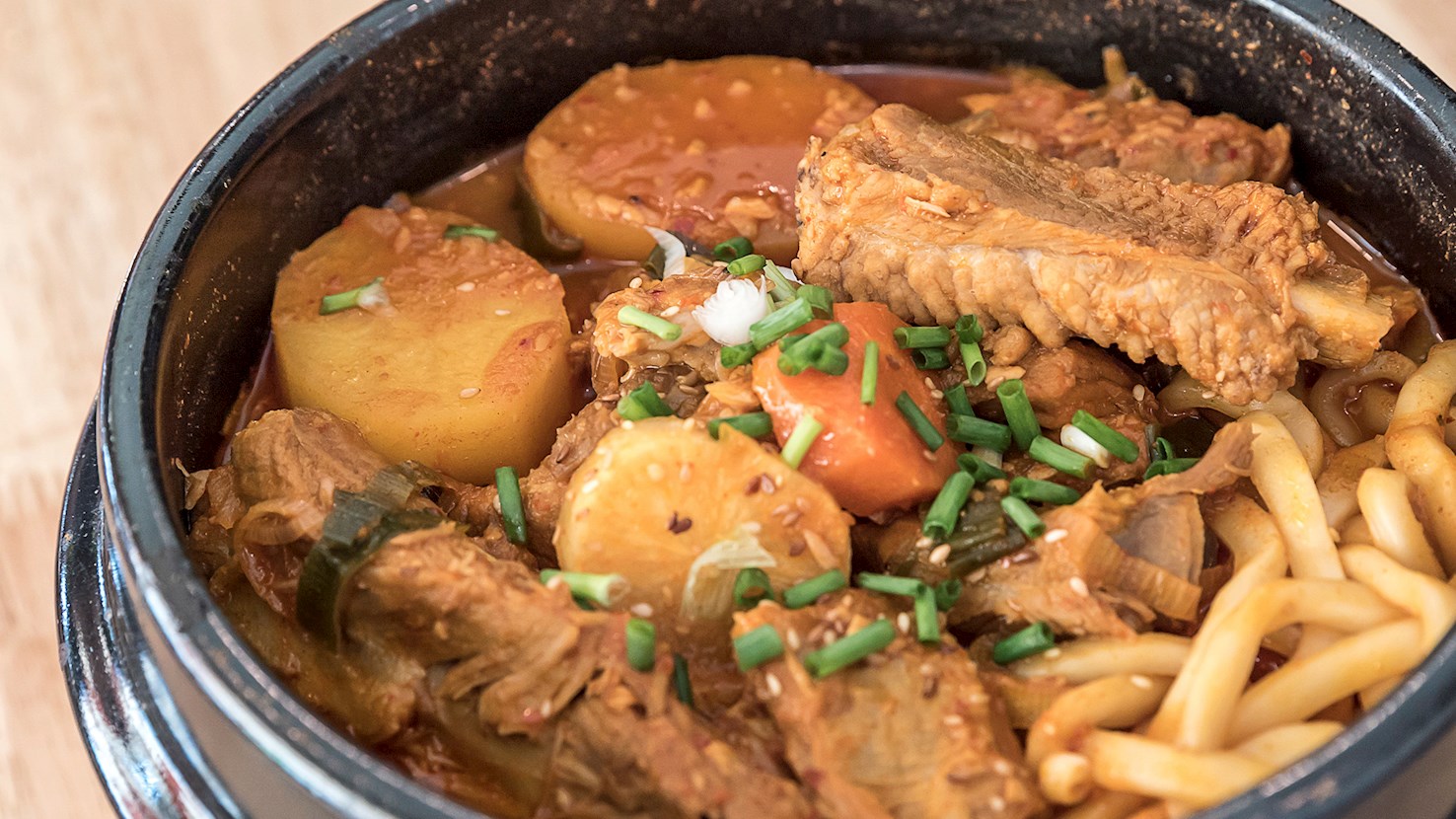
Gamjatang is a flavorful Korean stew made with pork spine and potatoes as the key ingredients, along with bean paste, chili powder, and garlic which are also simmered in the pot. The dish is usually topped with sesame leaves and served with a bowl of rice on the side. Gamjatang has origins in the Incheon area, famously full of construction workers who used to cook it throughout the day so it could be consumed when they would finish working. The stew would often be paired with a few shots of cold soju. Today, gamjatang is a popular hangover cure in Korea, and it has spread to other territories such as Europe, USA, and Southeast Asia.

Best restaurants
02
Vegetable Soup

Kongnamul gukbap

3.3 ·

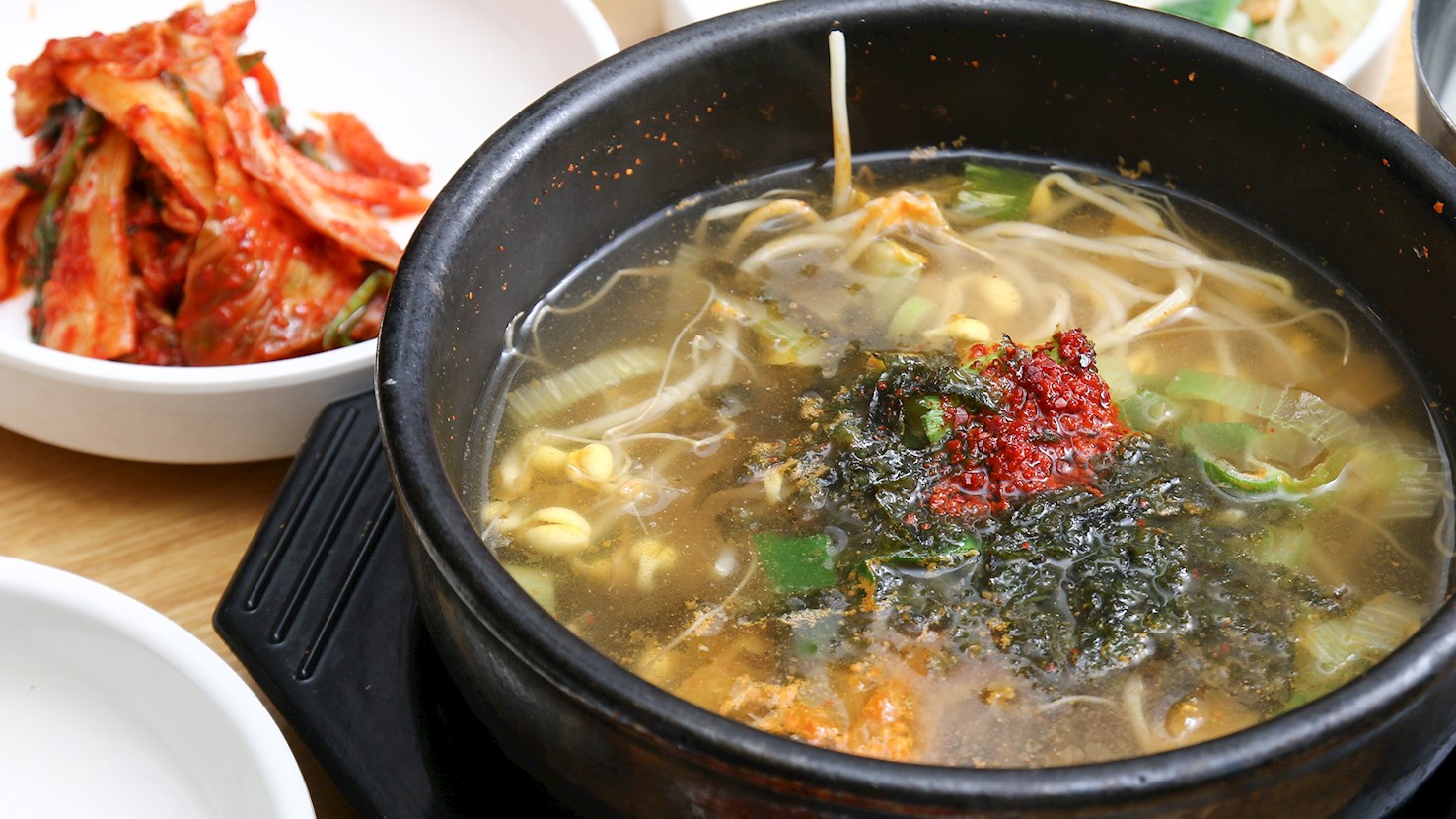
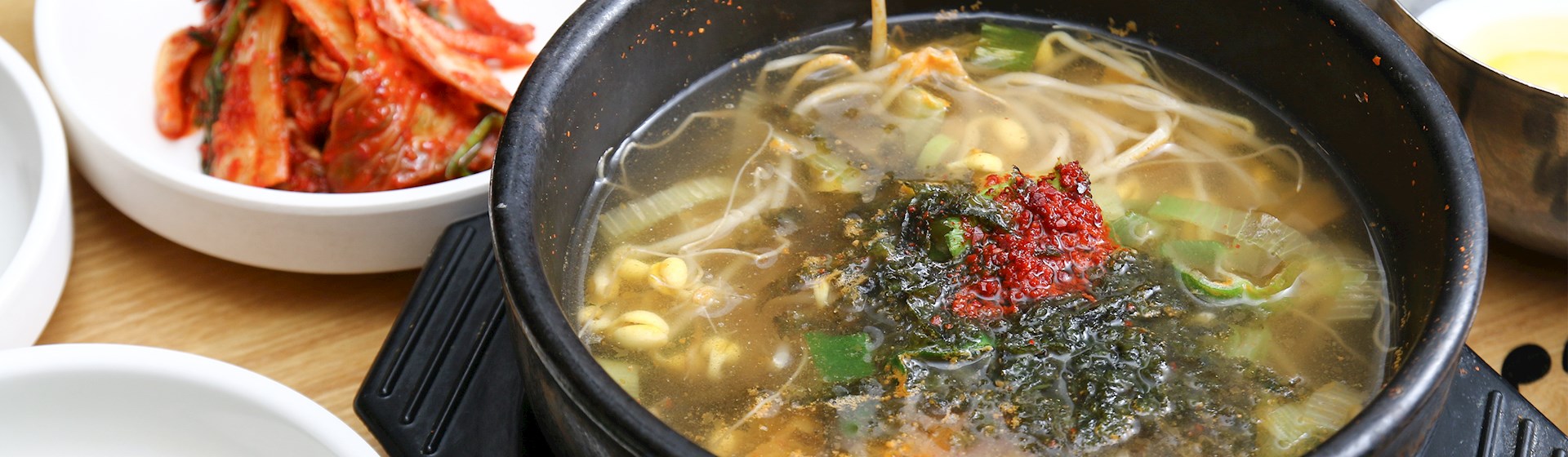
Soybean sprout soup is a hearty South Korean classic that is typically associated with Jeonju. Apart from the sprouts, the soup traditionally consists of a flavorful broth and rice, but the optional ingredients may include various vegetables or an egg, which is sometimes served on the side. The soup is traditionally prepared and served in earthenware pots (ttukbaegi), and it can be topped with chili paste, scallions, or seaweed (kelp).

03
Saltwater Fish Dish

Hongeo

2.4 ·

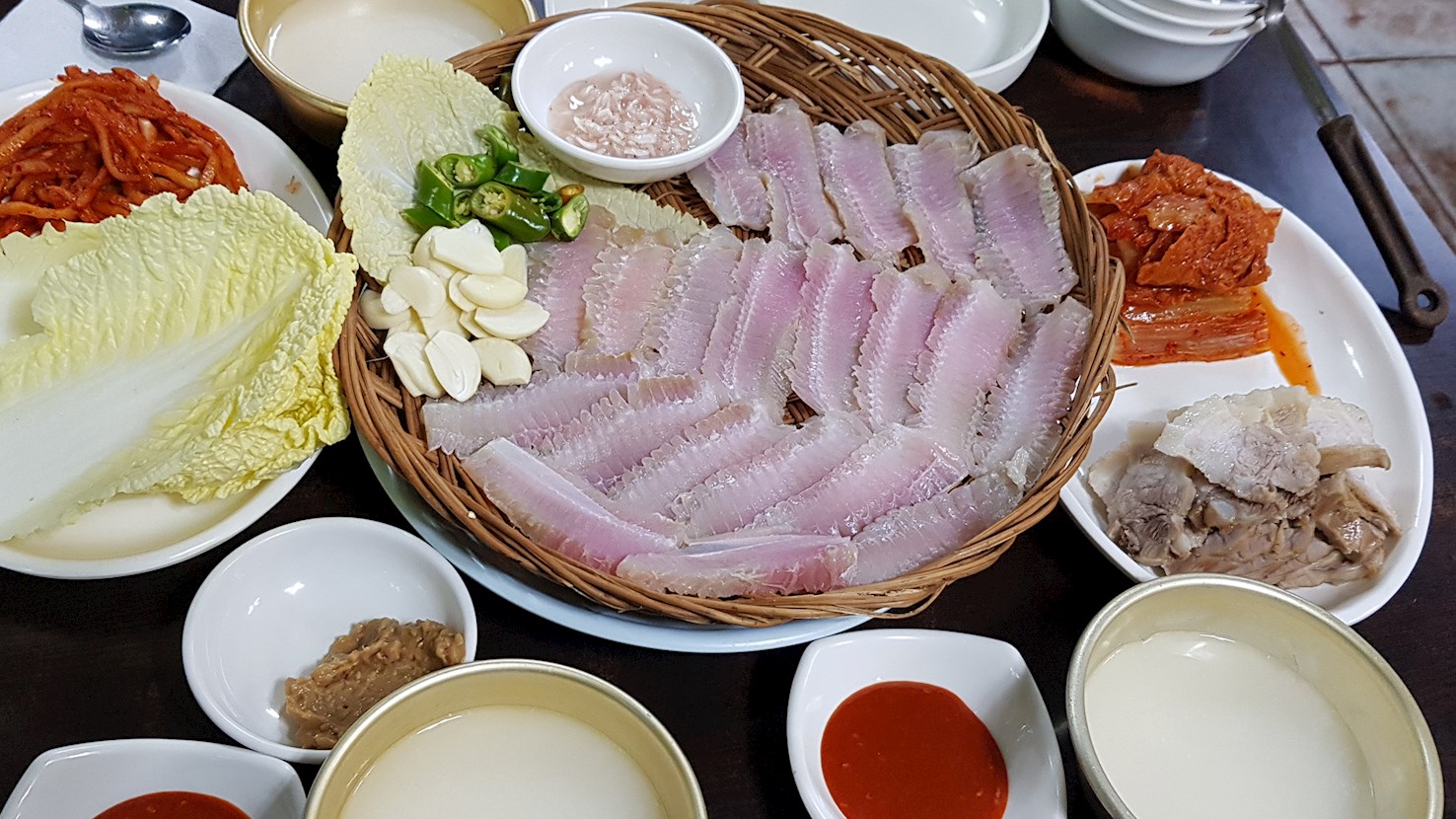
Hailing from the province of Jeolla, hongeo or hongeo-hoe is a South Korean specialty that consists of skate that gets fermented in its urine. This cartilaginous fish is known to eliminate urine through its skin, thus allowing for natural fermentation to take place in the flesh and helping to preserve it. The process lends the fish its signature aromas that bring to mind the strong and pungent odors of ammonia and dirty public toilets. As this unpleasant odor follows diners long after they’ve had their share of hongeo, restaurants which specialize in this delicacy often offer their customers services such as keeping their jackets in sealed bags and spraying them with deodorant upon leaving. Odor aside, the fish is appreciated for its chewy texture, distinctive flavor, and the unusual, stinging sensation it leaves in the mouth due to high levels of ammonia. Hongeo is typically paired with slices of steamed pork belly and kimchi, a combination that is called samhap, and it is commonly washed down with alcoholic beverages such as soju (a distilled Korean spirit) or makgeolli (rice wine). This pungent-smelling dish is mainly associated with the city of Mokpo, where it has played a significant role in the region’s economy and culture.

About this ranking

TasteAtlas food rankings are based on the ratings of the TasteAtlas audience, with a series of mechanisms that recognize real users and that ignore bot, nationalist or local patriotic ratings, and give additional value to the ratings of users that the system recognizes as knowledgeable. For the “Top 3 Traditional Foods in Jeolla Province” list until June 07, 2026, 74 ratings were recorded, of which 63 were recognized by the system as legitimate. TasteAtlas Rankings should not be seen as the final global conclusion about food. Their purpose is to promote excellent local foods, instill pride in traditional dishes, and arouse curiosity about dishes you haven’t tried.

The initial list of top producers was compiled based on available reviews, awards, local recommendations, media and blog coverage, and consumer reviews. The list will be updated with ratings from TasteAtlas local ambassadors and TasteAtlas users.

Similar lists