shutterstock

Top 64 Kanto Foods

Last updated on June 17, 2026

Best Kanto food products

01
Chocolate

Minimal

5 ·
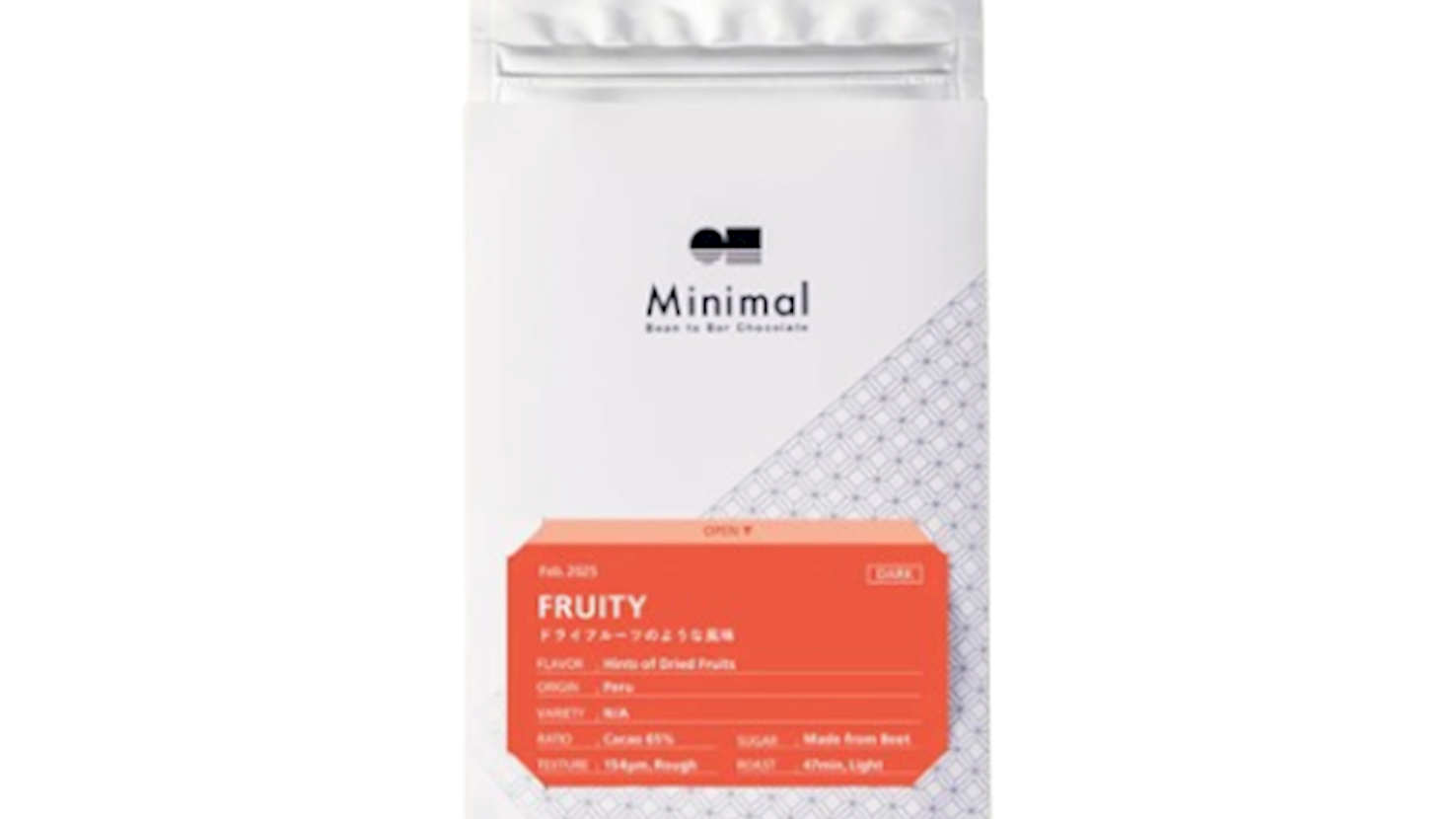
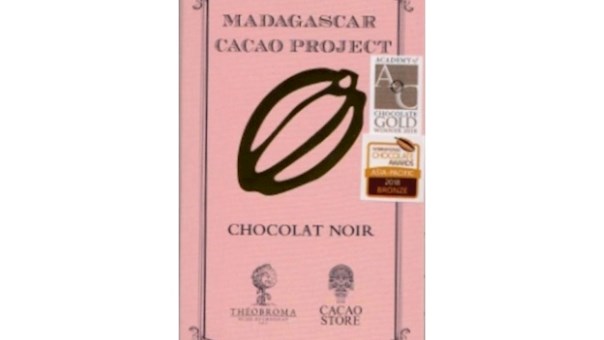
Minimal - Bean to Bar Chocolate is a Japanese brand from Tokyo specializing in handcrafted chocolate made according to the “bean to bar” principle. The company’s core philosophy is based on minimalism and purity of flavor, using only a few carefully selected ingredients to allow the character of the cocoa bean to fully shine. Their range includes chocolate bars, pralines, cakes, desserts such as gateau chocolat, as well as seasonal collections. The packaging is designed to be simple and elegant, highlighting the premium nature of the brand. The focus is on transparency of cocoa origin and on expressing diverse terroir profiles from different countries. Minimal positions itself within the premium segment of the Japanese market, with particular attention to gift sets and limited seasonal editions. Although the products are only selectively available outside Japan, the brand has become synonymous with innovation, quality, and a unique chocolate tasting experience.
Awards
International Chocolate Awards - Gold (2017)
Academy of Chocolate - Silver (2023, 2022, 2021, 2020, 2017)
02
Chocolate

Rico Kagurazaka

5 ·
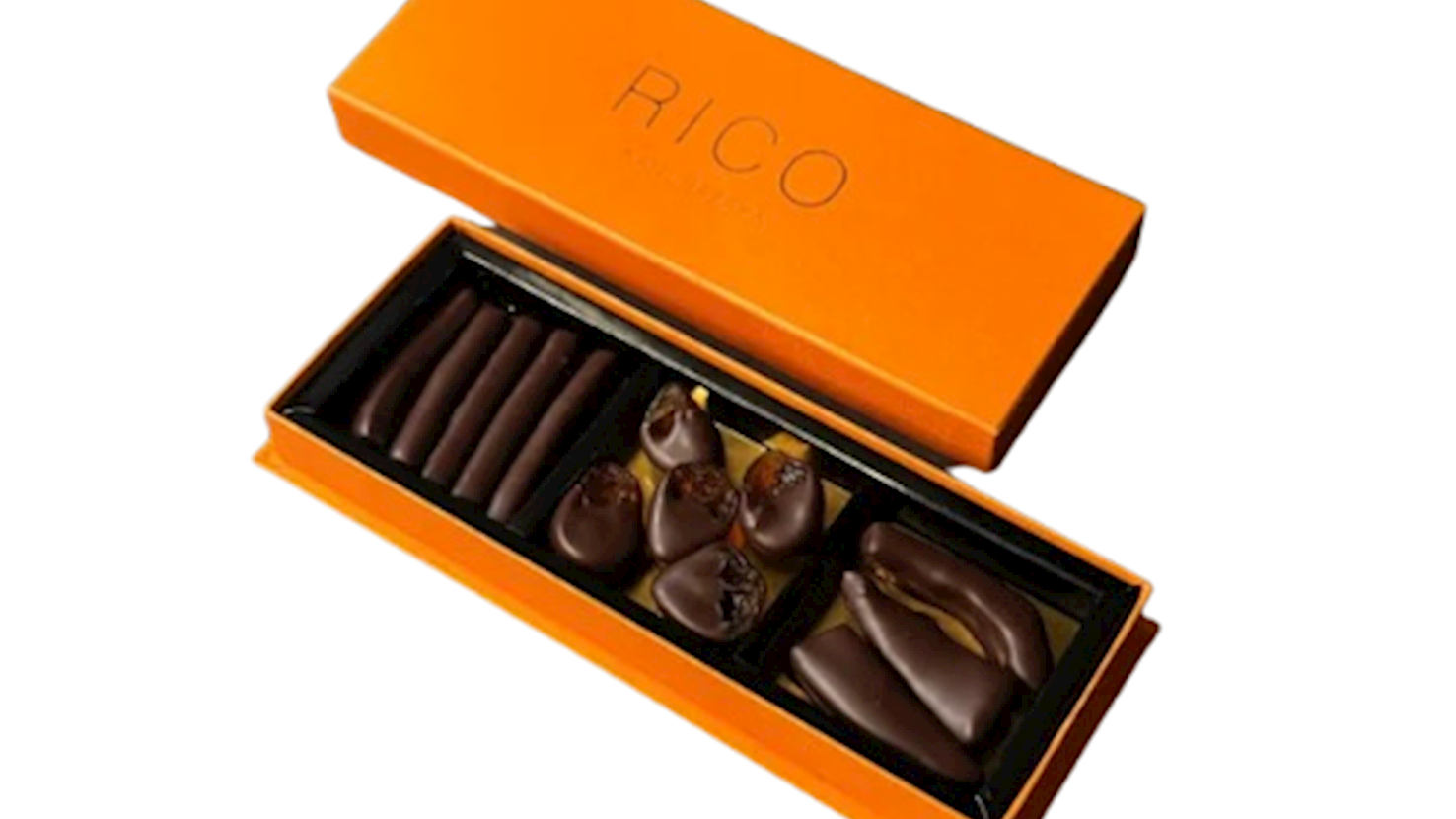
Rico Kagurazaka is a small artisanal chocolate and pastry shop located in Tokyo’s Kagurazaka district, led by pastry chef Riko Onuki. The concept of the shop is centered on producing chocolate and confections in small batches, with a strong focus on the quality of cacao beans and minimal use of additives. A key element of their philosophy is the bean-to-bar approach, in which chocolate is crafted entirely from cacao beans to the finished bar, allowing the natural aromas and complexity of cacao to be preserved. The cacao used is sourced from farms that avoid herbicides, pesticides, and chemical fertilizers, with some beans coming from Taiwan and recognized among high-quality cacao selections. In addition to chocolate bars, the shop also offers baked sweets such as canelés, financiers, sablé cookies, and orangettes, prepared with carefully selected ingredients including organic Japanese flour and unrefined sugar. One of their central product lines is the “Cacao Impression” series, designed to highlight different flavor profiles of cacao through varying cacao percentages. The style of the products reflects a Japanese aesthetic of simplicity and precision, focusing on clean flavors and a balanced expression of sweetness, bitterness, and subtle fruity cacao notes.
Awards
International Chocolate Awards - Gold (2025, 2023)
Academy of Chocolate - Gold (2023)
03
Spirit

Kirin Brewery Company

5 ·
Awards
ISC-International Spirits Challenge - Double Gold (2020, 2019)
ISC-International Spirits Challenge - Gold (2024)
04
Spirit

VentureWhisky Ltd.

5 ·
Awards
ISC-International Spirits Challenge - Double Gold (2020)
ISC-International Spirits Challenge - Gold (2024)
05
Tea / Infusion

Teaholics

5 ·
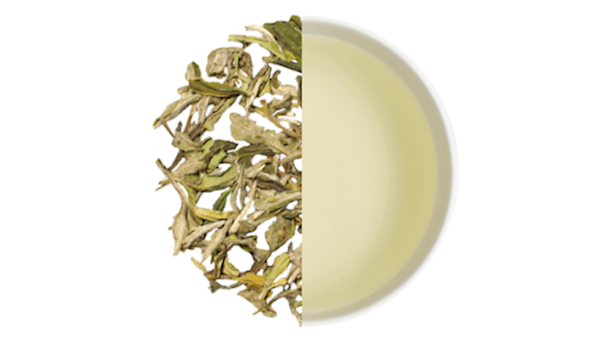
Teaholics is a Japanese company specializing in the sale and distribution of high-quality teas from around the world. Founded with the goal of providing an exceptional tea experience, Teaholics offers a diverse range of teas, including popular varieties such as black, green, white, oolong, and yellow tea, as well as herbal infusions and specialty blends. One of Teaholics' key features is its commitment to quality. The company strives to ensure that each tea it sells is carefully selected and tested to meet high standards. Quality is further ensured through collaboration with renowned producers and tea farms that use traditional processing methods and take great care in cultivating the tea plants. Teaholics not only sells tea but also works to educate its customers about tea culture. On their website, you can find extensive information about different types of tea, brewing methods, health benefits, and other topics related to tea. They also organize seminars and events that allow tea enthusiasts to deepen their knowledge of this ancient tradition.
Awards
Great Taste Awards - 3 Stars (2022, 2021)
Great Taste Awards - 2 Stars (2023, 2022, 2021)
06
Spirit

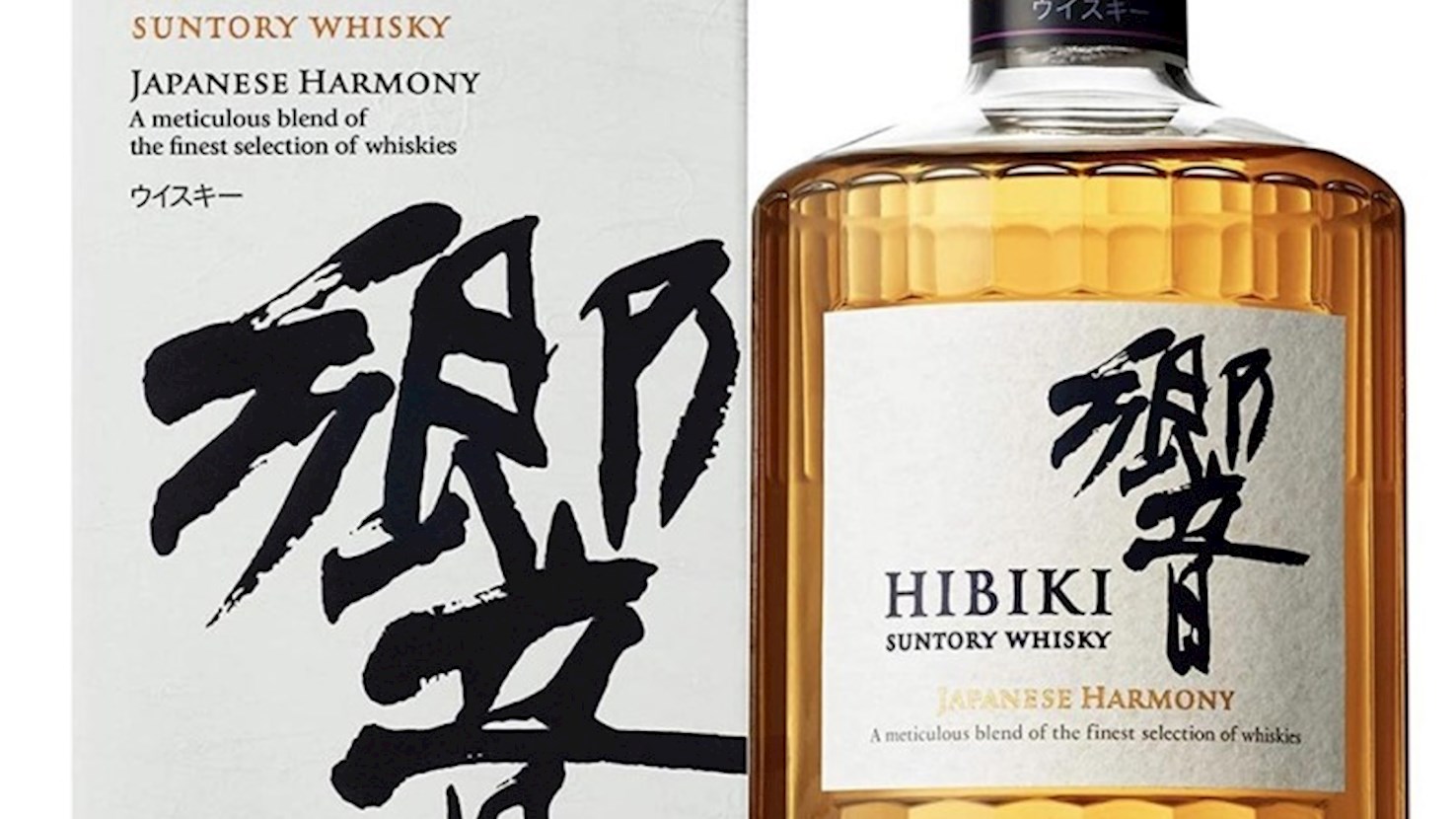
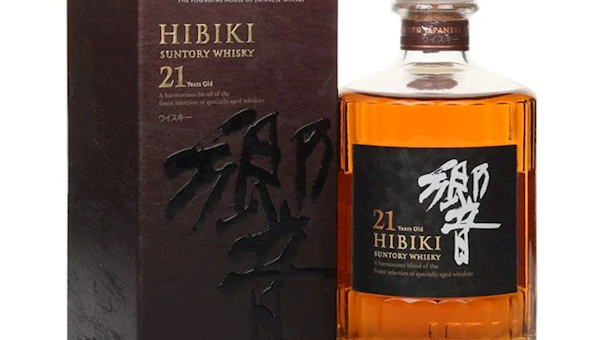
Hibiki

5 ·
Awards
USC- Ultimate Spirits Challenge - Top 100 (2020)
07
Spirit

The Nikka Whisky Distilling Co., Ltd
5 ·
Awards
ISC-International Spirits Challenge - Double Gold (2023, 2019)
ISC-International Spirits Challenge - Gold (2024)
08
Praline

Saison De Setsuko

5 ·
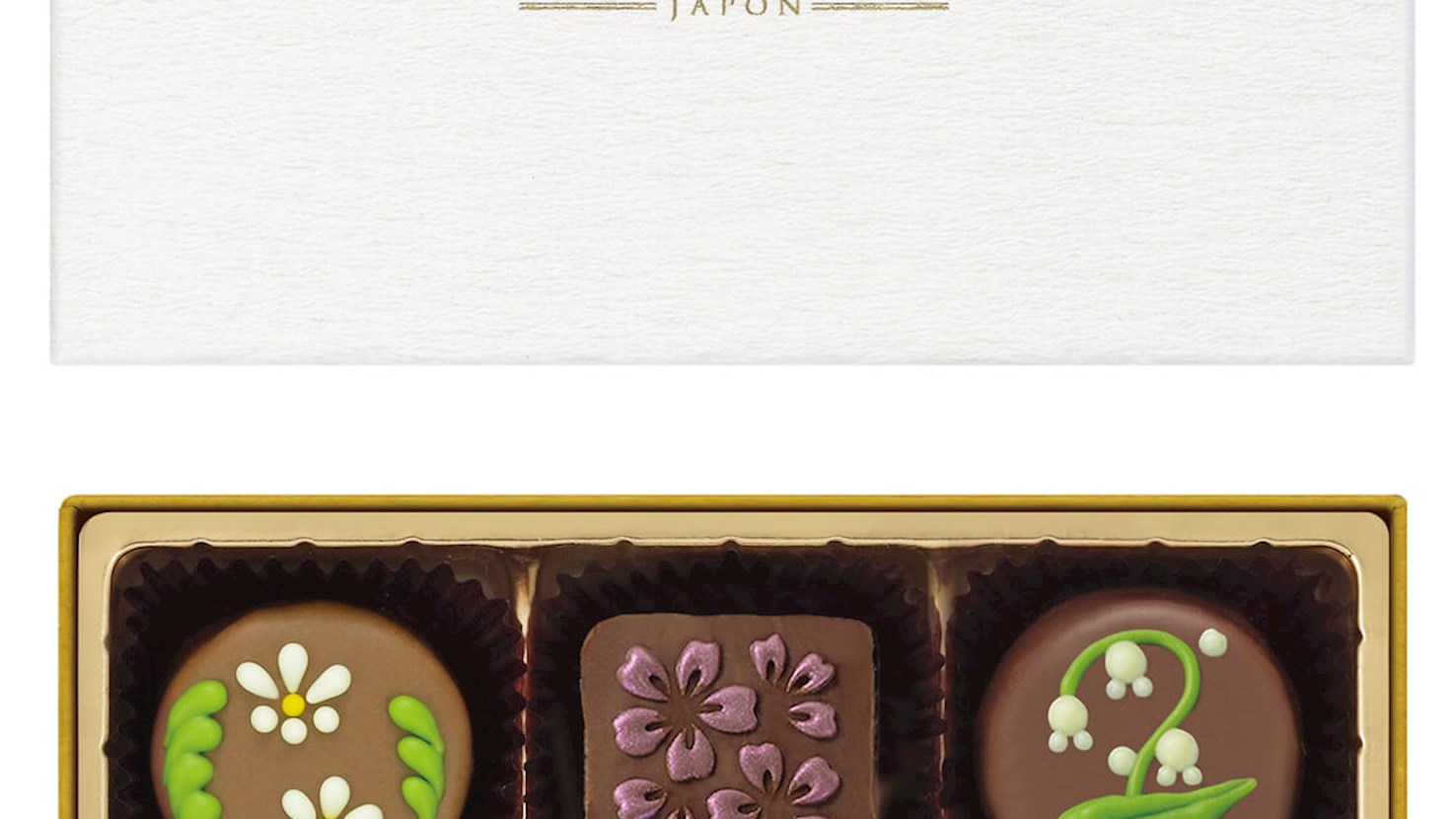
Saison de Setsuko is a chocolate producer based in Tokyo. The company specializes in creating artisanal chocolates that blend traditional Japanese ingredients with contemporary techniques. They are known for incorporating flavors such as matcha, yuzu, and sakura into their products. Saison de Setsuko also emphasizes craftsmanship and aesthetics in their chocolate presentation.
Awards
International Chocolate Awards - Gold (2022)
International Chocolate Awards - Silver (2023, 2022)
09
Spirit

CHIE IMAI Group

5 ·
Awards
SFWSC - San Francisco World Spirits Competition - Double Gold (2023)
ISC-International Spirits Challenge - Double Gold (2023)
10
Spirit

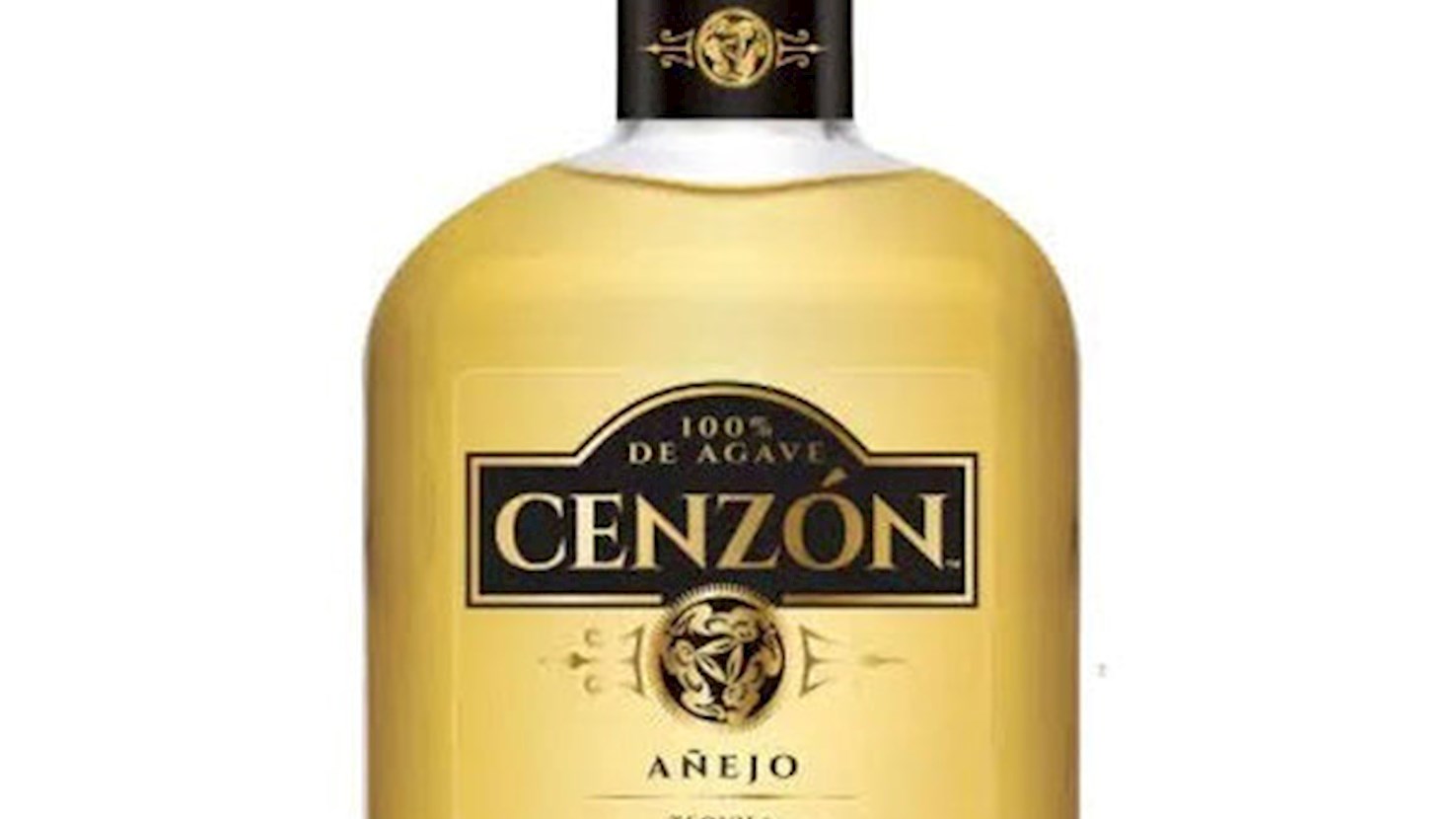
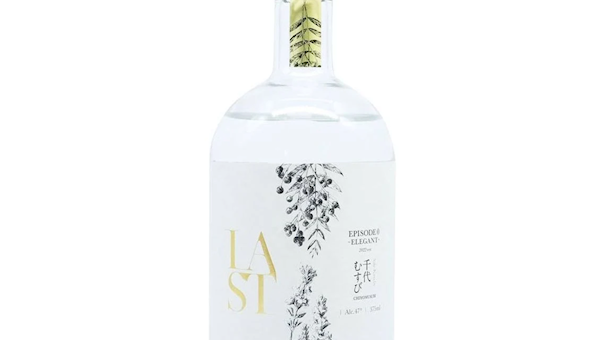
Cenzon

5 ·
Awards
NYWSC - New York World Spirits Competition - Double Gold (2023)

Best Kanto foods

01
Noodle Dish

Yokohama-Style Ramen

4.4 ·

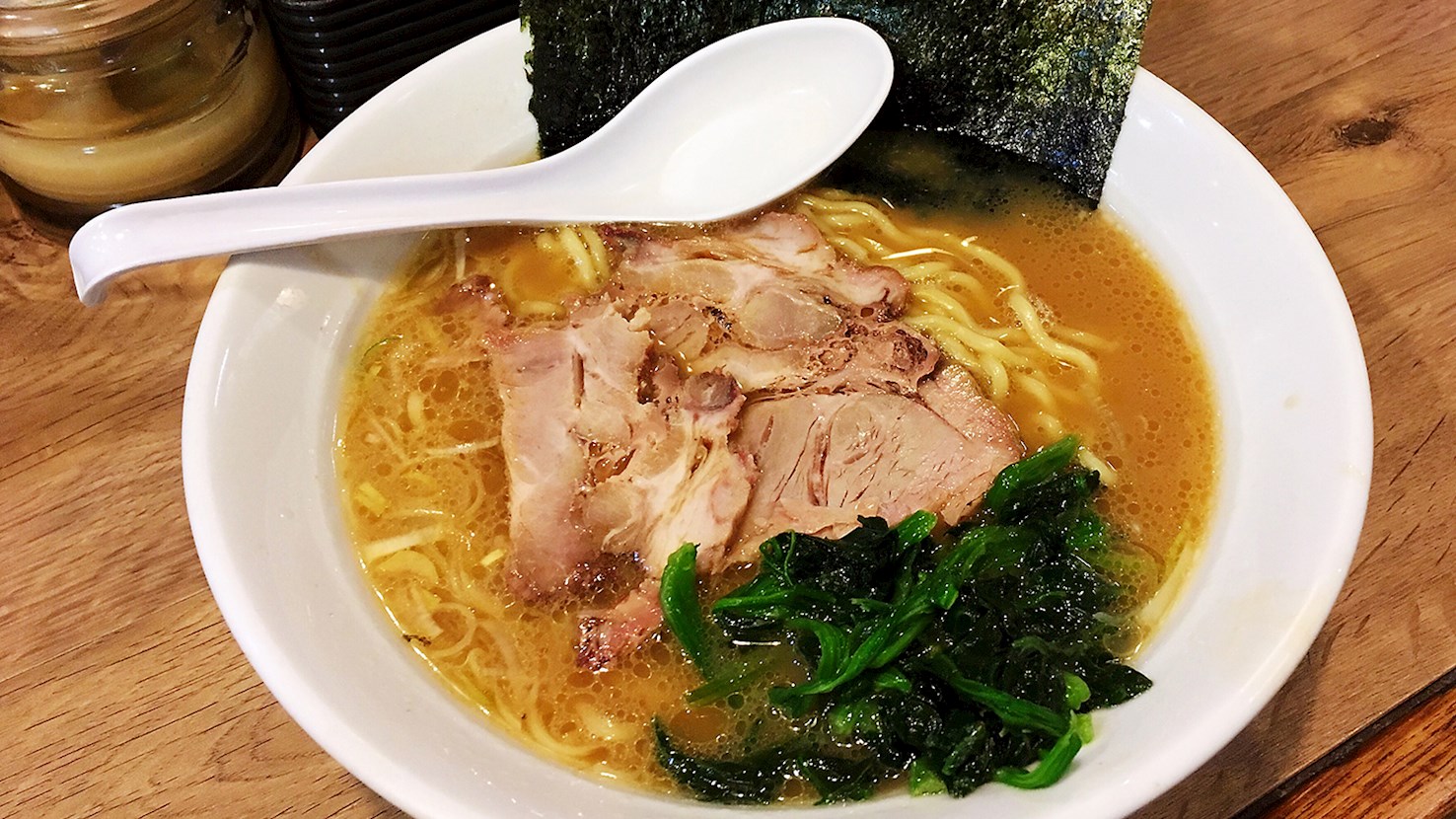
Yokohama-style ramen or iekei ramen is a Japanese type of ramen originating from the Yokohama area and dating back to 1974. The dish consists of thick noodles and a stock that's a mix of creamy tonkotsu (pork broth) and soy sauce. The toppings include chashu pork, chopped seaweed, leeks, and spinach. There are also optional toppings and condiments such as minced garlic, sesame, preserved vegetables, and black pepper. The name of the dish means home-style ramen, and it was created by a former truck driver called Mr. Yoshimura, who'd opened his own ramen shop in 1974.

02
Rice Dish

Gunkanmaki

4.4 ·

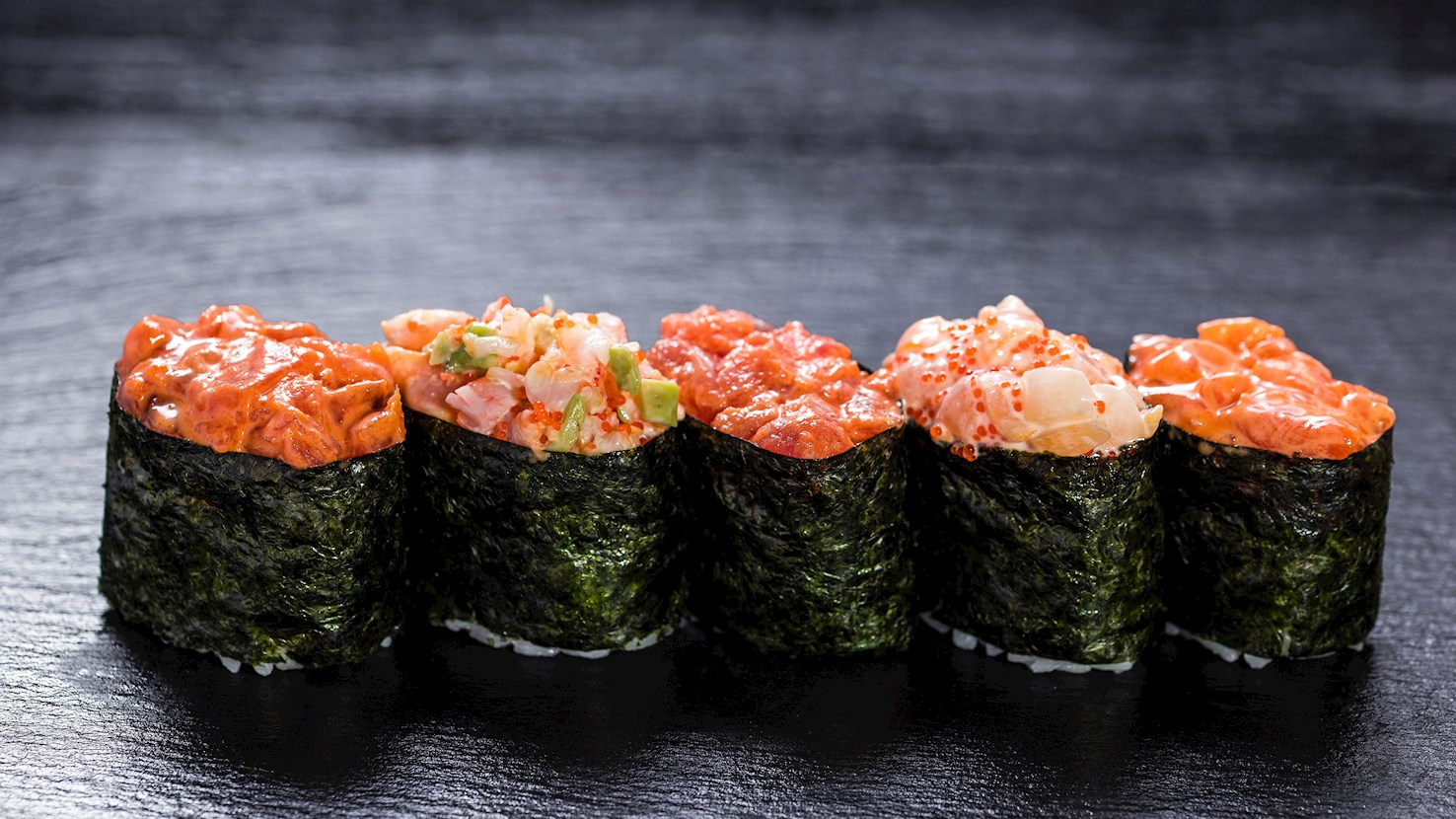
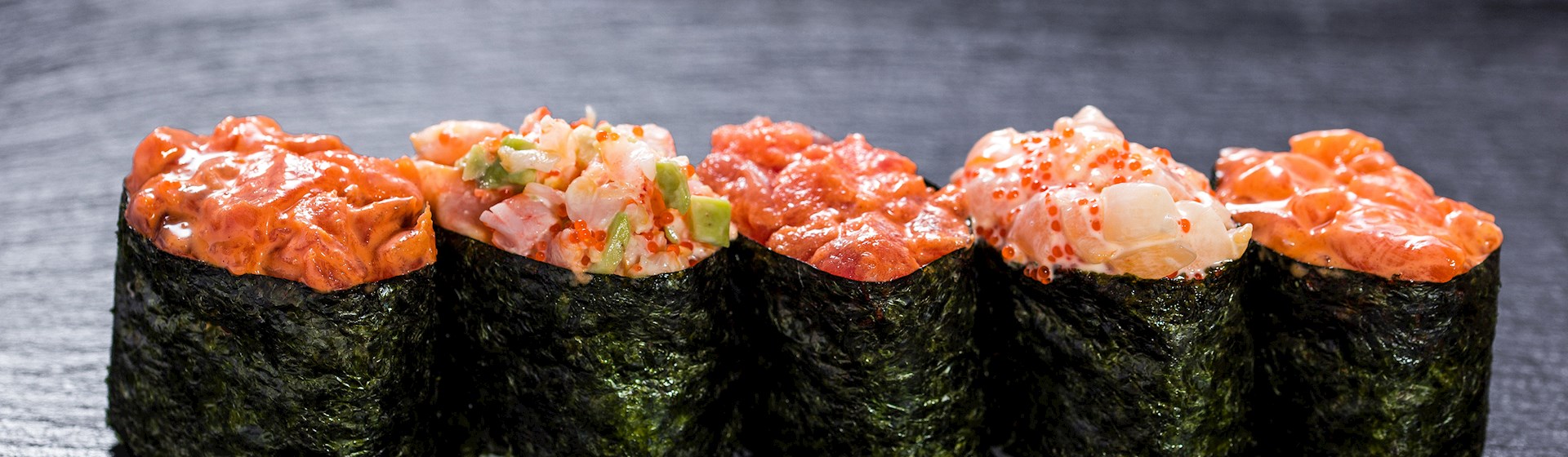
Gunkanmaki is a sushi variety that consists of sushi rice that is formed into an oval shape and is then wrapped with nori seaweed. The piece is finished off with a topping that traditionally includes fish roe such as ikura (salmon), kazunoko (salted herring), or uni (sea urchin). The name gunkan, which translates as the warship, was influenced by the oval shape reminiscent of a battleship. Gunkanmaki originated in 1941 at Kyubey, a small shop located in Tokyo’s Ginza that has since earned its name as one of the top sushi restaurants in the world.

03
Beef Dish

Gyūdon

4.2 ·

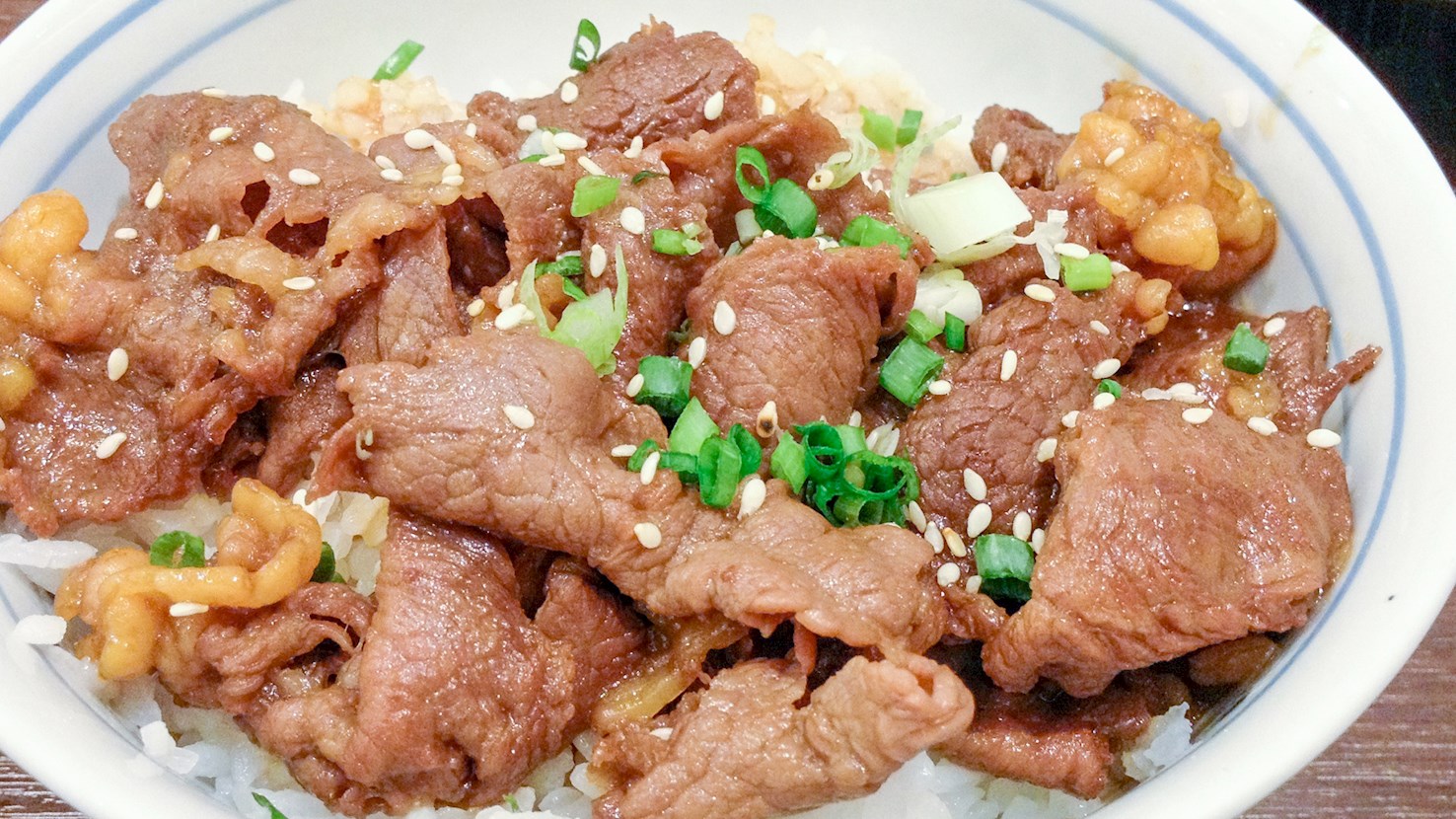
Gyūdon is one of the most popular and inexpensive fast food dishes in Japan. Its name can be literally translated to beef bowl. The dish consists of beef and onions served over a bowl of rice. Beef and onions are cooked in a combination of mirin, sugar, sake, and soy sauce, imparting a salty-sweet flavor to the dish. In the restaurants, known as gyūdon-ya, there is often pickled red ginger and red chili at the table, so anyone can season their dish according to personal preferences. The restaurants are often frequented by numerous hungry students who eat on a budget, and some of those restaurants are open 24 hours a day. A beaten raw egg is sometimes stirred into the dish, while chopped green onions are a common garnish. Miso soup, salads, or kimchi are regular side dishes accompanying gyūdon. It is said that the first version of gyūdon stems from an old dish called gyūnabe, where thinly sliced beef is cooked with vegetables in a pot. The first popular version of gyūdon appeared in 1862 in the Kantō region, and it has remained an inexpensive, yet nourishing and flavorful dish until today.

04
Pancake

Monjayaki

4 ·

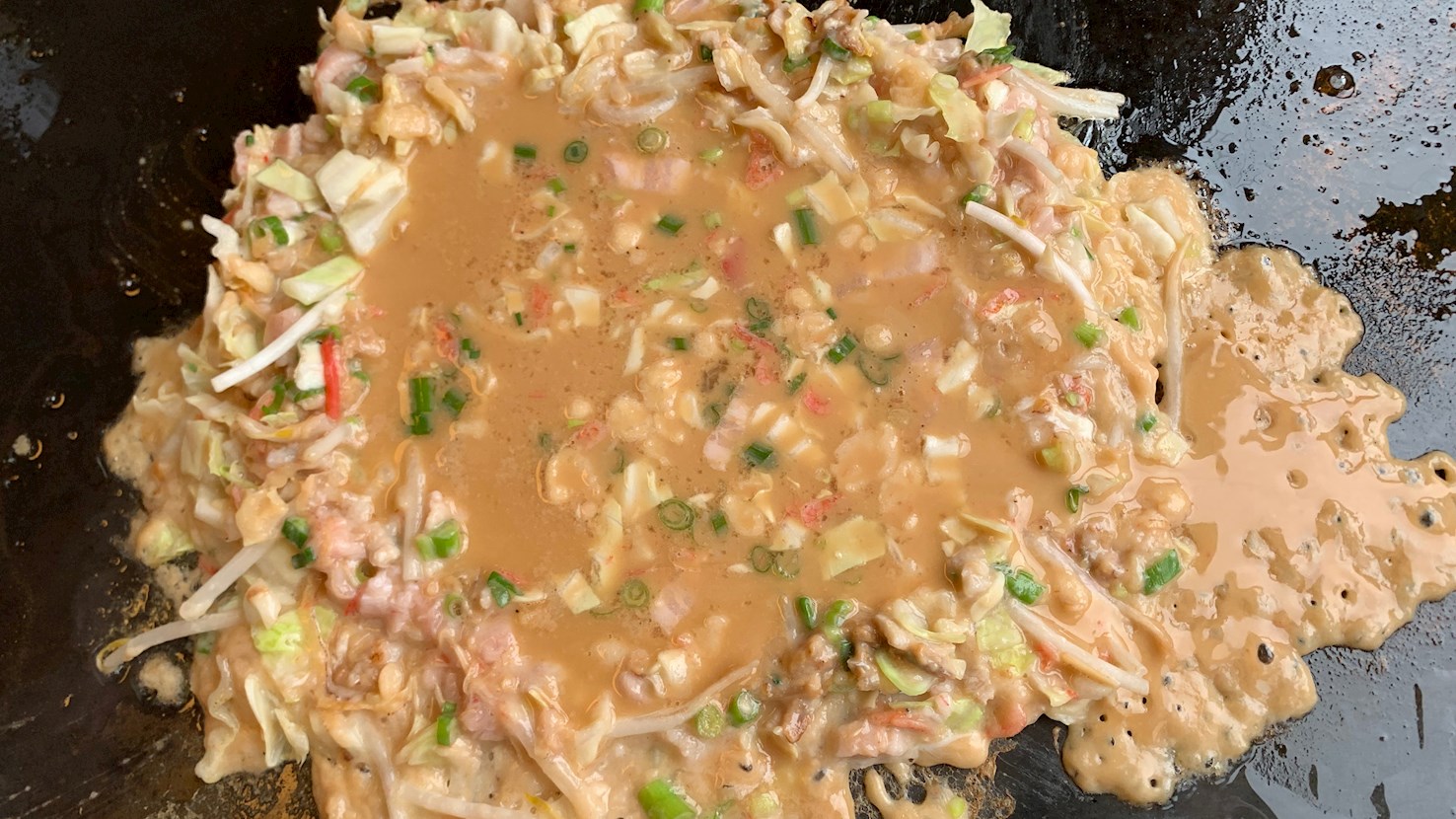
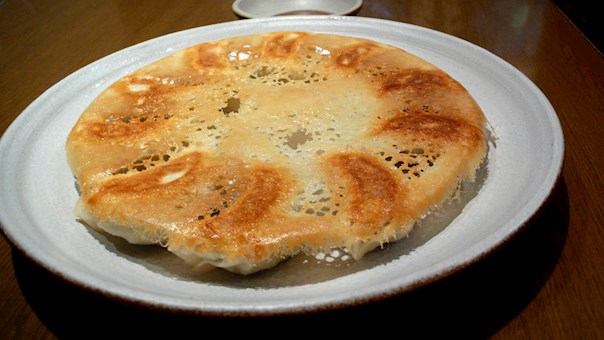
A specialty of the Japanese Kantō region known as monjayaki is pan-fried batter, a type of pancake consisting of wheat flour (komugiko) and fish broth (dashi). The pancake is mixed with cabbage, seasonings, and other ingredients, cooked until it is crispy on the bottom and partially cooked on the surface. The dish first became popular after World War II, when food was scarce, and the combination of dashi and komugiko provided an inexpensive way for numerous families to eat. Originally, monjayaki is derived from funoyaki, a batter-only snack that was often served during Buddhist ceremonies. Although it might be visually unappealing to some people, monjayaki is nowadays considered a delicacy, best consumed when still piping hot.

05
Dessert

Taiyaki

4 ·

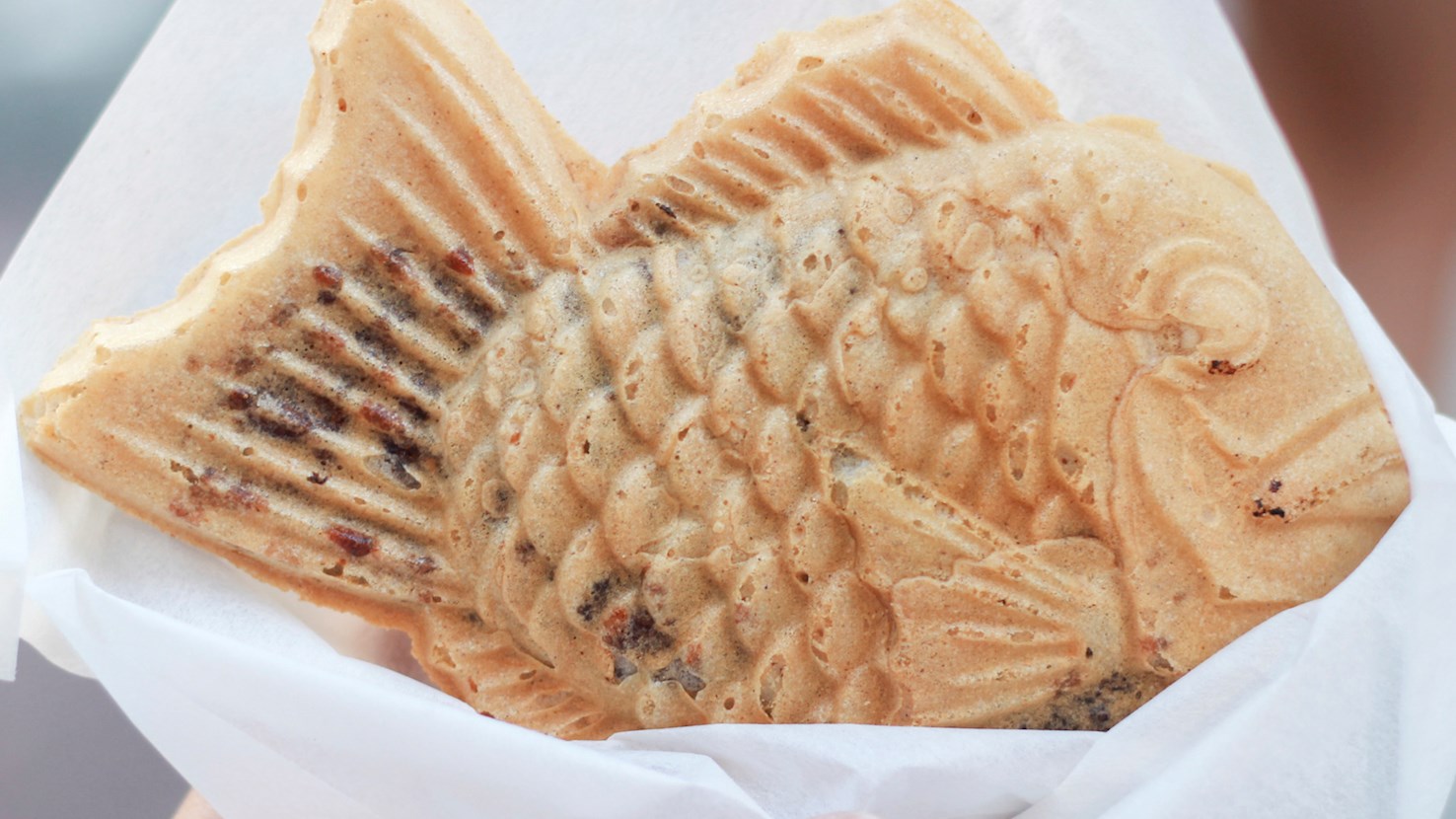
Taiyaki is a Japanese fish-shaped cake that is often consumed as a snack, made from flour and filled with azuki sweet bean paste. It is usually served warm and is often found at most taiyaki stands at any winter festival in Japan. Most people believe that this sweet treat originated in Tokyo during the Meiji era, but taiyaki became extremely popular in 1976 with the emergence of a beloved children's song called Oyoge! Taiyaki-kun (Swim! Taiyaki). It is said that the best taiyaki is characterized by a crisp shell that has been baked to a golden brown color, and although there are many different flavors and varieties of taiyaki today, the basic taiyaki still remains a favorite.

06
Sweet Pastry

Anpan

3.6 ·

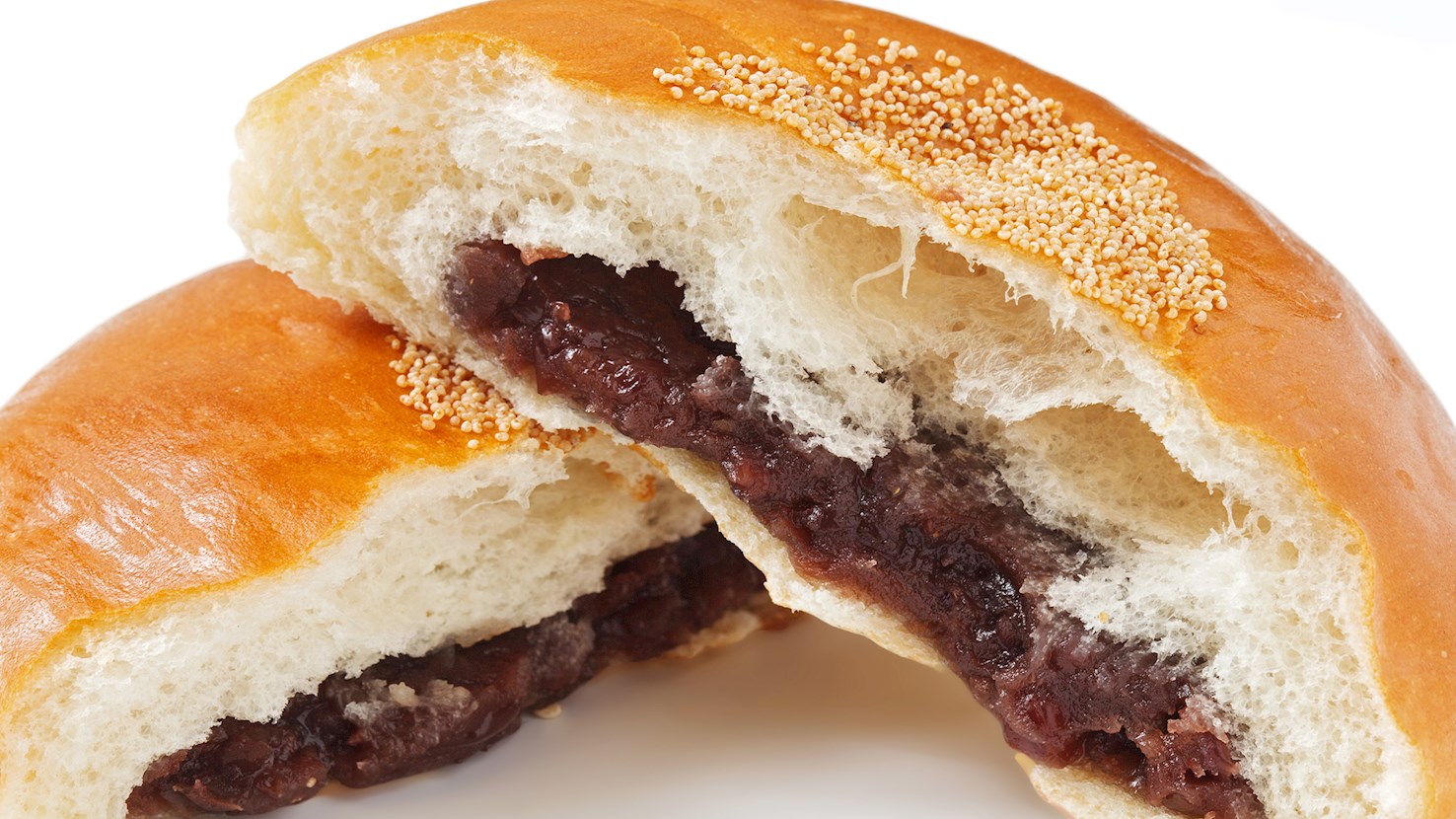
The round, golden brown anpan is a popular Japanese pastry which consists of a wheat bun that is usually filled with sweetened red bean paste. Traditionally garnished with poppy or black sesame seeds, anpan is a delightful combination of the sweet filling, soft interior, and a crispy crust. This incredibly popular snack was invented in 1875 by a former samurai, Mr. Kimura, who turned to baking and established the legendary Kimuraya bakery. His invention was an instant hit, and to this day anpan buns remain as one of the most famous Japanese pastries.

Best restaurants
07
Stew

Yokosuka Navy Curry

3.6 ·

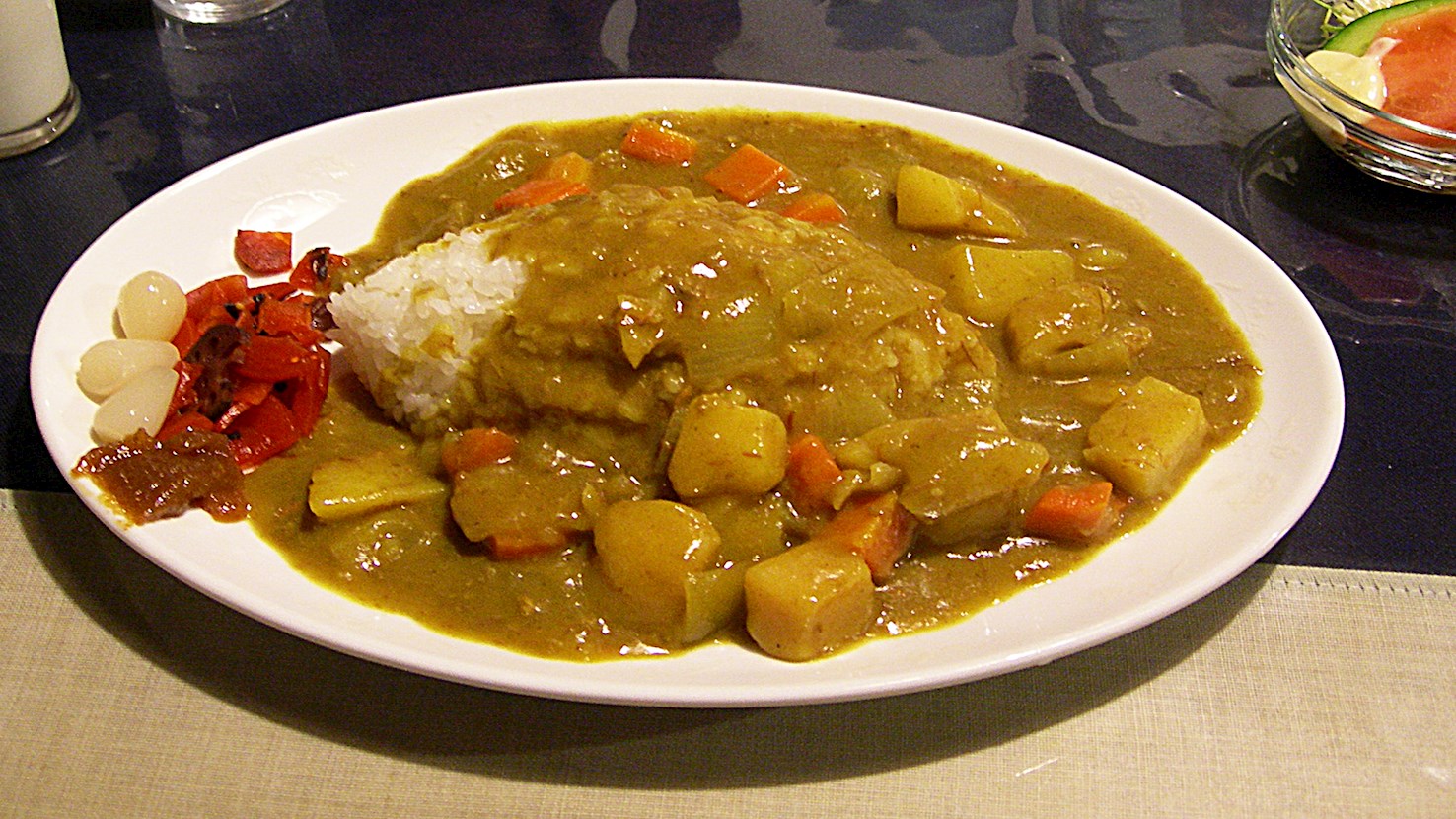
Yokosuka navy curry is a variety of Japanese curry prepared with a combination of beef, chicken, potatoes, onions, and carrots. The ingredients are cooked in a pan and thickened with a roux consisting of curry powder and flour. The dish is always accompanied by rice, while traditional sides include a salad and a glass of milk. This curry type is so popular that upon arrival at Yokosuka navy base, visitors are greeted by a statue of a seagull holding a big plate of this delicious curry.

08
Stew

Chankonabe

3.4 ·

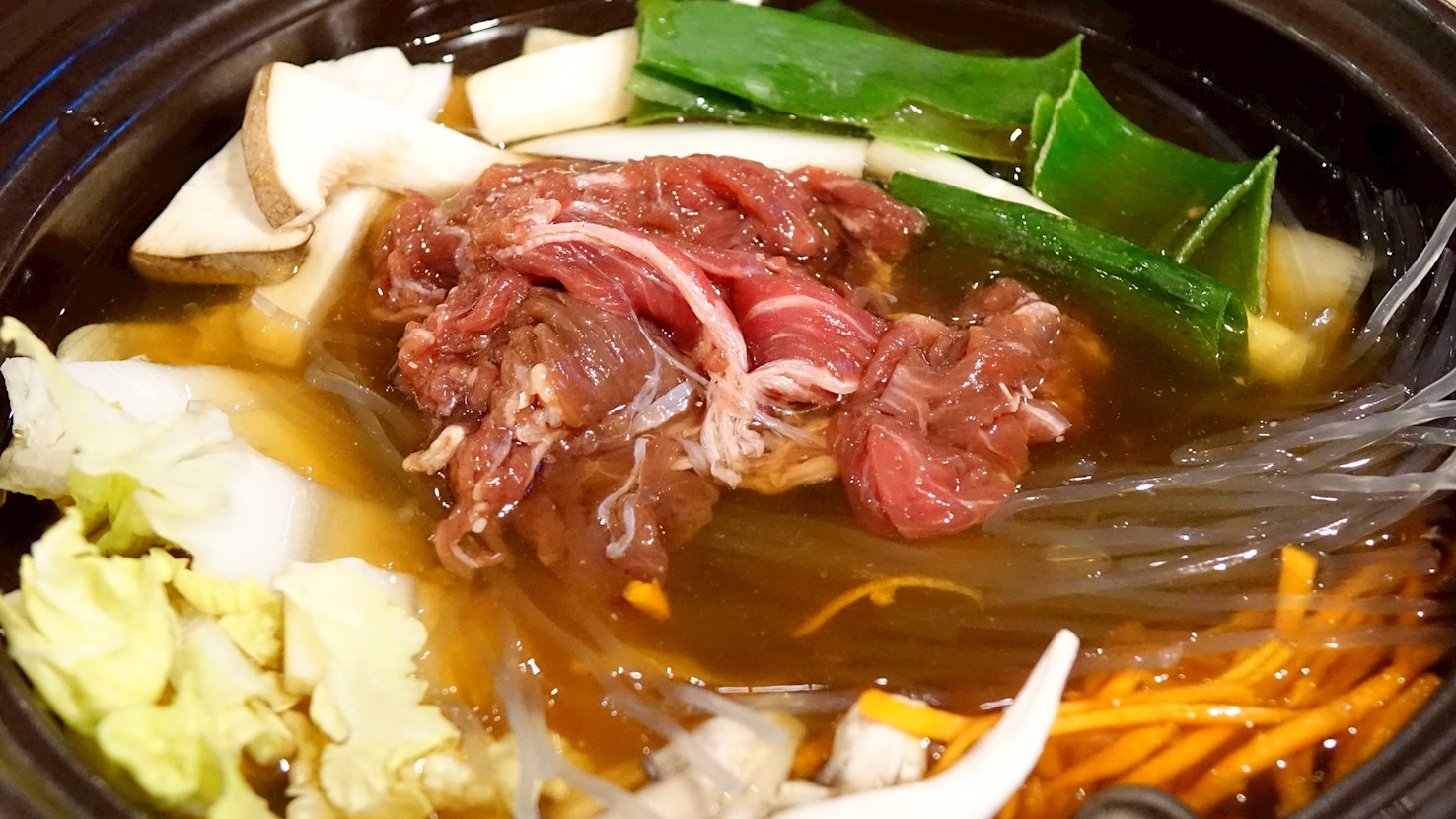
A highly caloric staple of the sumo wrestlers' diet, chankonabe is a rich stew consisting of dashi, sake, chicken or fish, and vegetables such as daikon and bok choy, although the dish has no fixed recipe and usually contains readily available ingredients that are full of protein. The dish is often served with rice, beer, and side dishes such as fried chicken and shrimp dumplings. Chankonabe dates back to the late 19th century, when cooks from Niigata started to make meals for sumo wrestlers. It is the main course of a sumo meal, and all the wrestlers have to eat it as a part of their weight-gain diet, whether they like the dish or not. The word chan refers to father, while nabe refers to one-pot meals that are often served at the table. However, chankonabe is not reserved only for sumo wrestlers, as it is a nutritious and filling bowl of soup that is ideal for winter, but it should be consumed in moderation in order not to gain too much weight.

09
Noodle Dish

Kitsune soba

3.4 ·

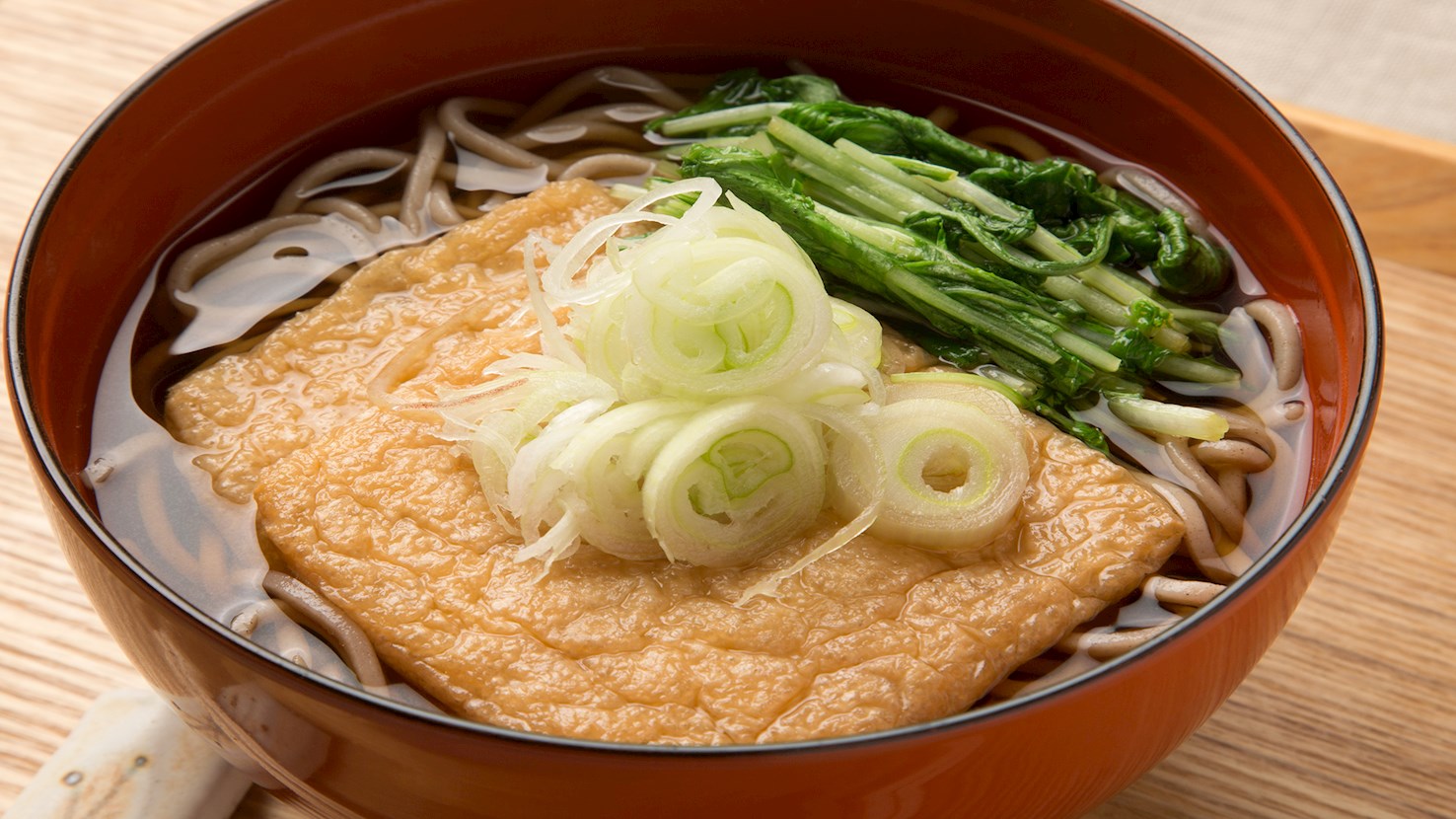
A favorite in the Kanto region, kitsune soba is a dish consisting of thick buckwheat noodles topped with chewy pieces of aburaage – the deep-fried tofu slices. Served in a flavorful broth consisting of mirin, soy sauce, and dashi stock, the noodles are often accompanied by rice cakes, various vegetables, diced tofu, or sliced green onions. The name kitsune means fox in Japanese, deriving from the ancient belief that these wild creatures delight in the consumption of deep-fried aburaage.

10
Ground Meat Dish

Menchi katsu

3.3 ·

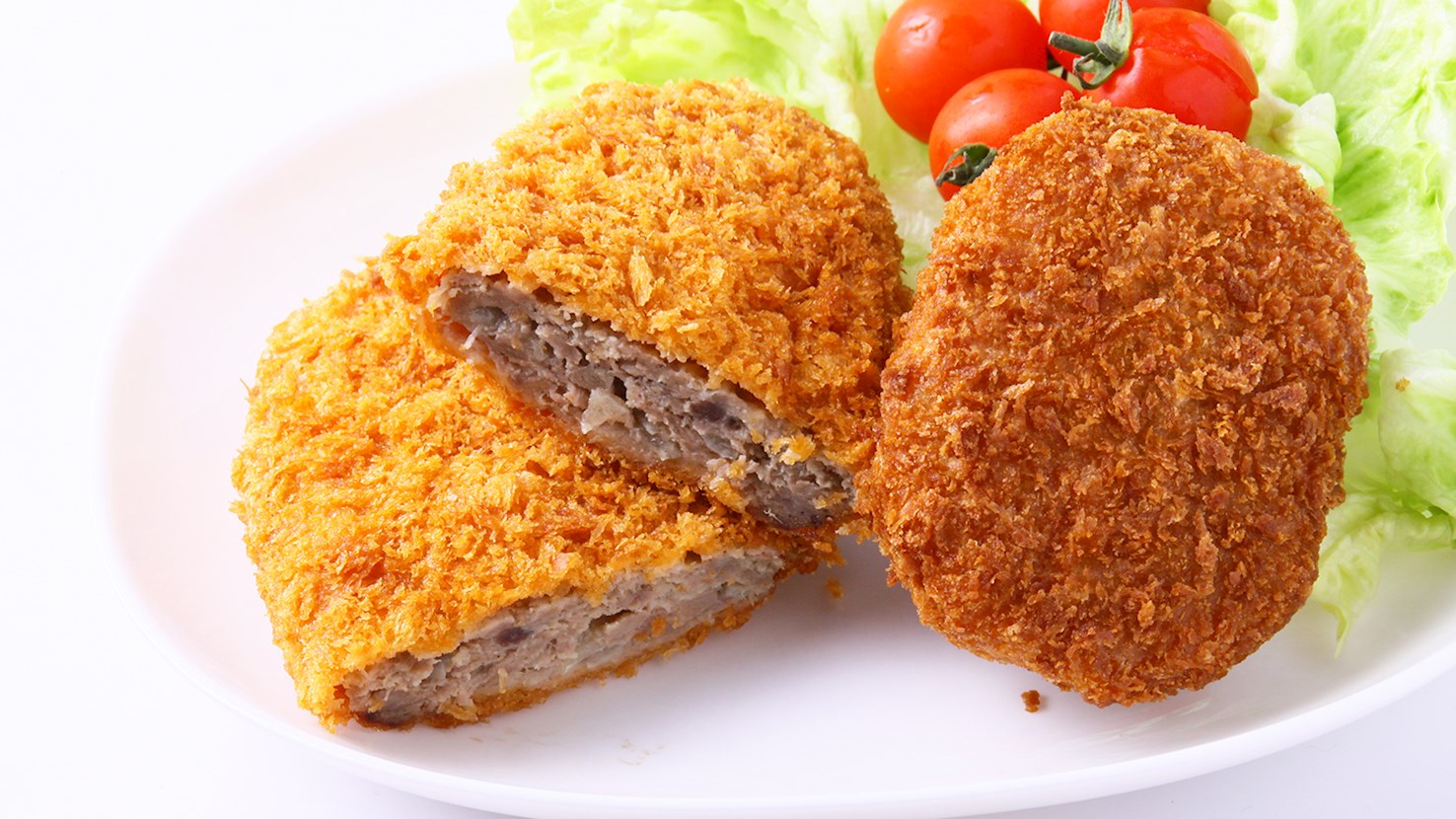
Menchi katsu is a traditional dish and a type of katsu. This ground meat cutlet is made with a combination of ground beef, ground pork, onions, panko breadcrumbs, oil, eggs, milk, black pepper, and nutmeg. Once shaped, the patties are dredged in flour, beaten eggs, and panko breadcrumbs, then fried in hot oil until golden and crispy. The dish is usually served with white rice, miso soup, and the thick and tangy katsu sauce on the side. Menchi katsu originated in Tokyo and it dates back to the Meiji Era. Nowadays, some of the best menchi katsus can be found at butcher shops, where they use the freshest meat to form the cutlets.

Read more
View all
View map
About this ranking

TasteAtlas food rankings are based on the ratings of the TasteAtlas audience, with a series of mechanisms that recognize real users and that ignore bot, nationalist or local patriotic ratings, and give additional value to the ratings of users that the system recognizes as knowledgeable. For the “Top 64 Kanto Foods” list until June 17, 2026, 2,538 ratings were recorded, of which 2,248 were recognized by the system as legitimate. TasteAtlas Rankings should not be seen as the final global conclusion about food. Their purpose is to promote excellent local foods, instill pride in traditional dishes, and arouse curiosity about dishes you haven’t tried.

The initial list of top producers was compiled based on available reviews, awards, local recommendations, media and blog coverage, and consumer reviews. The list will be updated with ratings from TasteAtlas local ambassadors and TasteAtlas users.

Similar lists