

shutterstock

Top 21 Kenyan Foods

Last updated on July 01, 2026

Best Kenyan foods

01
Salad

Kachumbari

3.6 ·

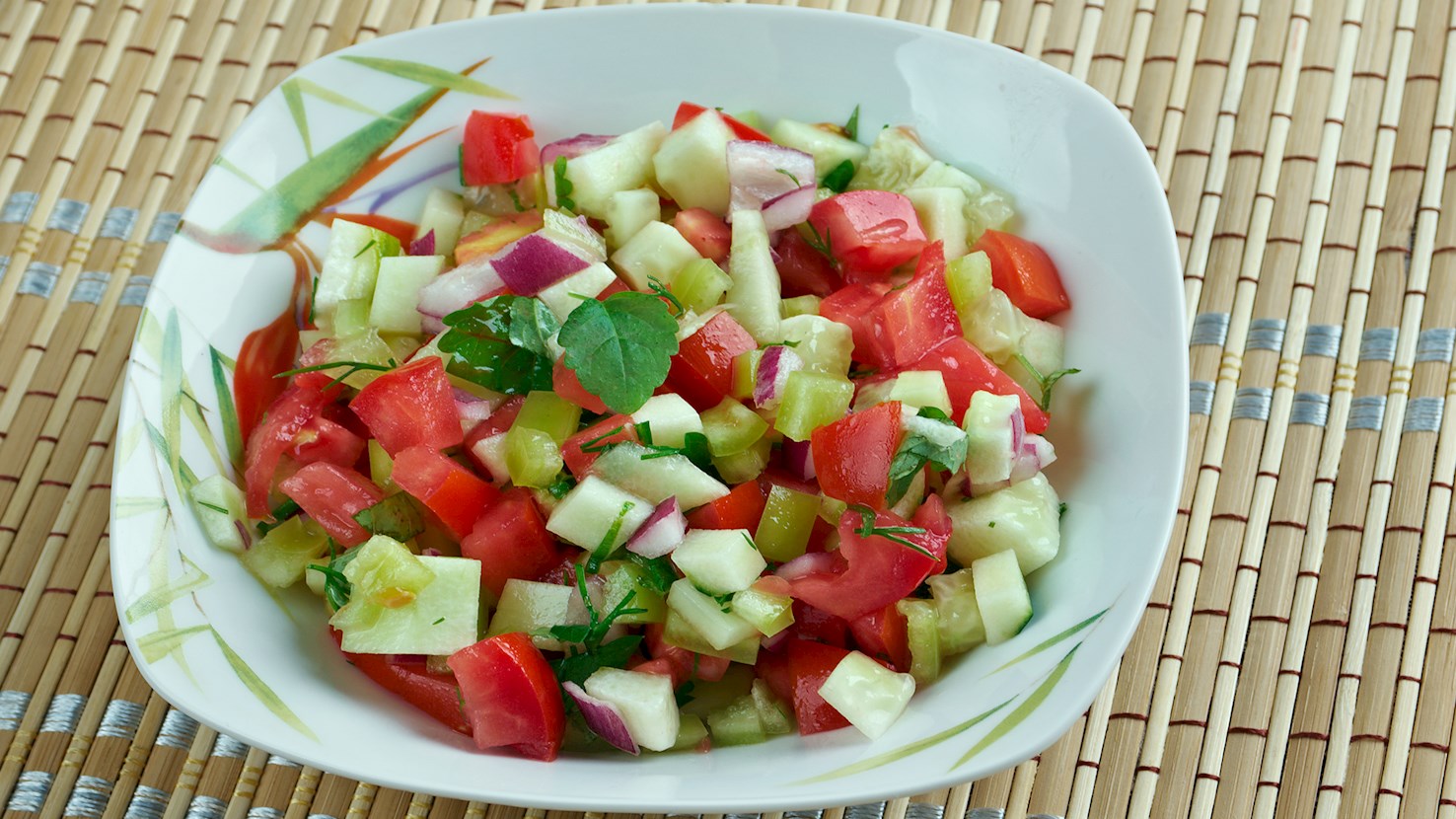
Kachumbari is a fresh vegetable salad made primarily from raw tomatoes and onions, prepared and eaten widely in East Africa, especially in Kenya, Tanzania, Rwanda, Uganda, and Burundi, where it functions as a table accompaniment rather than a standalone dish. Its development is tied to Swahili-speaking coastal foodways and inland adaptations shaped by Indian Ocean trade and regional agriculture, as tomatoes, onions, and citrus became integrated into local diets and were combined in raw form to provide contrast to grilled, fried, or stewed foods that dominate main meals. Preparation involves finely chopping ripe tomatoes and onions and mixing them with salt and a source of acidity such as lime or lemon juice, with chili peppers and fresh herbs like cilantro added in some households, producing a salad that is crisp, sharp, and lightly juicy rather than dressed or marinated. Serving is immediate, as kachumbari is meant to retain freshness, and it is placed in a small bowl or directly on the plate alongside the main dish rather than layered or chilled extensively. It is eaten at home meals, roadside eateries, and social gatherings, commonly alongside grilled meats such as nyama choma, fried fish, rice dishes like wali wa kukaanga, or stiff maize porridge, and it pairs naturally with plain water, unsweetened tea, or light beers, which complement its acidity without competing with its freshness.

02
Barbecue

Nyama choma

3.5 ·

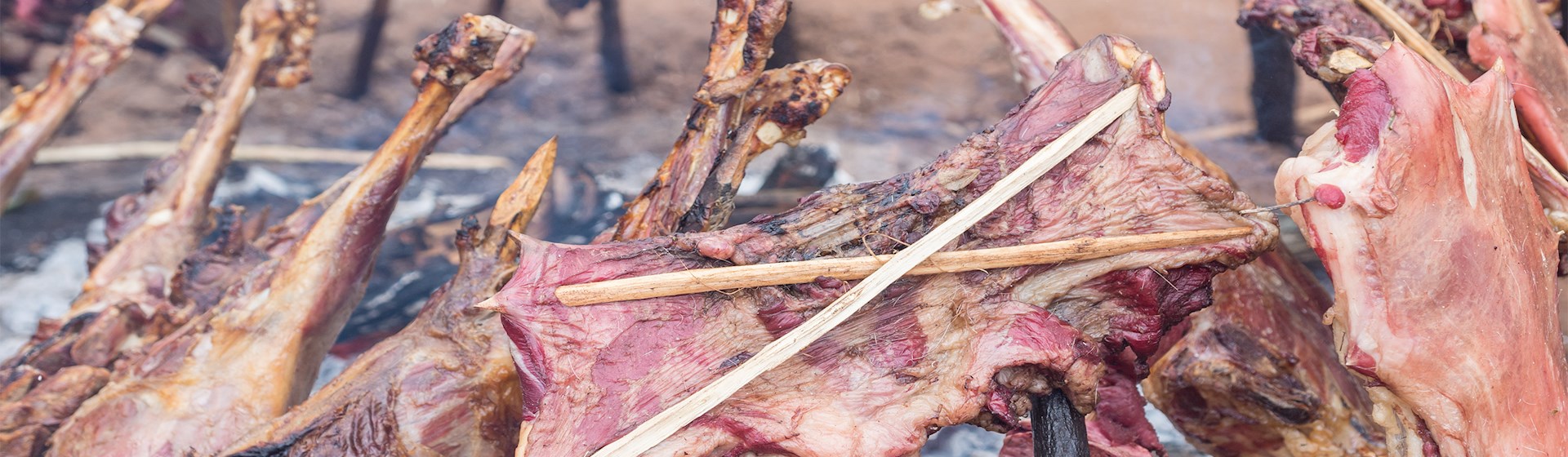
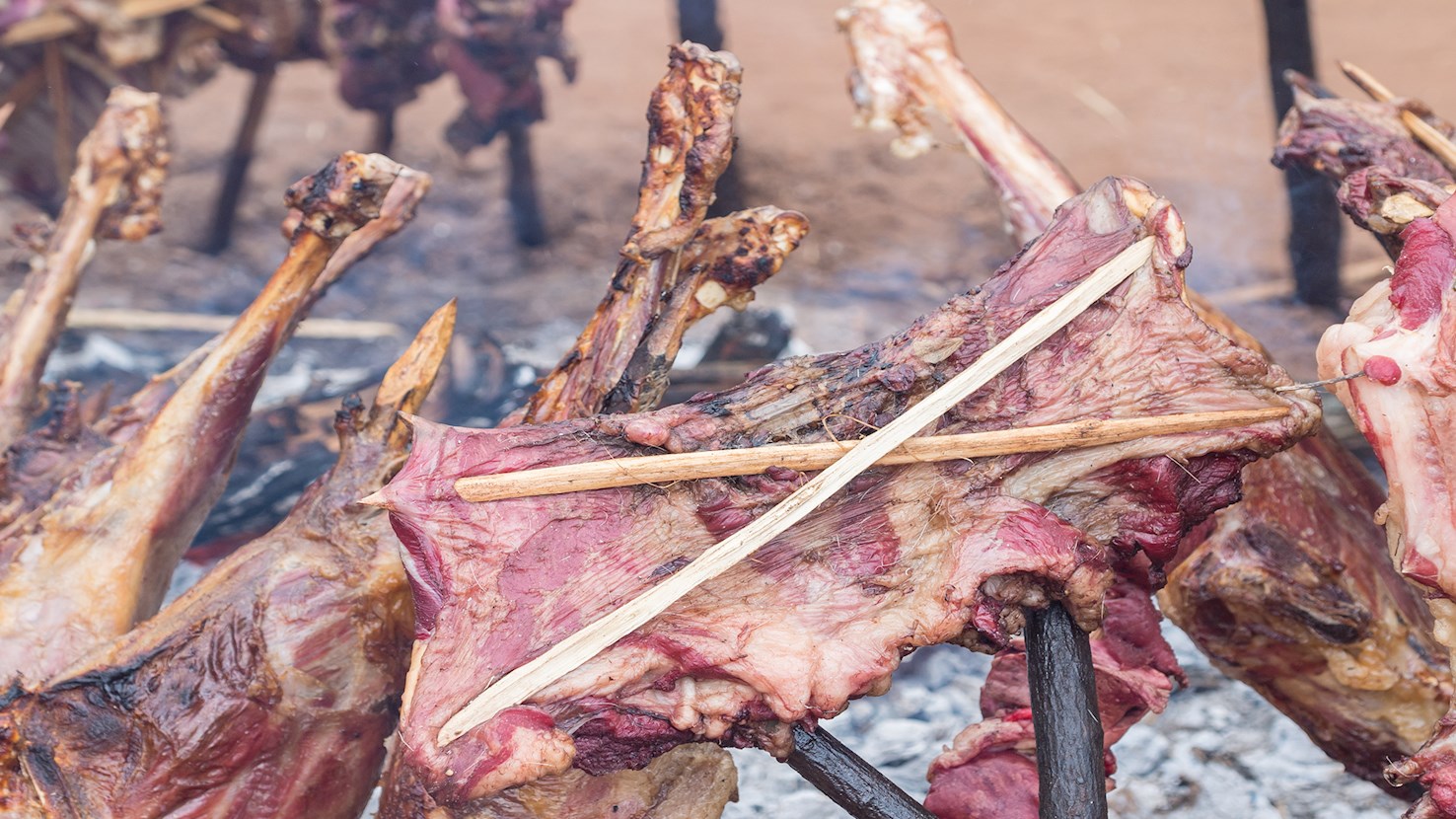
Nyama choma is a grilled meat dish prepared and eaten widely in East Africa, most closely associated with Kenya (unofficial national dish) and Tanzania, where it refers specifically to meat cooked over open heat and served plainly rather than marinated or sauced. Its development follows small-scale livestock-keeping practices in which goats and cattle were slaughtered for communal occasions and cooked simply to highlight freshness, with grilling over wood or charcoal favored for its practicality and for the control it offered without specialized equipment, and the Swahili term itself reflects a direct description of meat and the act of roasting. Preparation centers on cutting goat or beef into large pieces, salting lightly or not at all, and grilling slowly over charcoal or wood embers, turning regularly so the exterior browns while the interior remains moist, with trimming and chopping often done after cooking rather than before to retain juices. Serving is direct and unadorned, with the meat chopped into manageable pieces on a board and placed on a platter, sometimes accompanied by simple sides rather than combined into a composed dish. What distinguishes nyama choma is the minimal intervention between raw meat and fire, as seasonings, marinades, and sauces are deliberately restrained, placing emphasis on cut selection, heat management, and timing rather than on added flavors. It is eaten socially in open-air eateries and homes, often by hand, shared among groups over extended periods, and commonly paired with ugali, kachumbari, or plain bread, while beverages such as local beers, light lagers, or soft drinks are consumed alongside, with water and tea also common depending on context.

03
Swallow

Ugali

3.3 ·

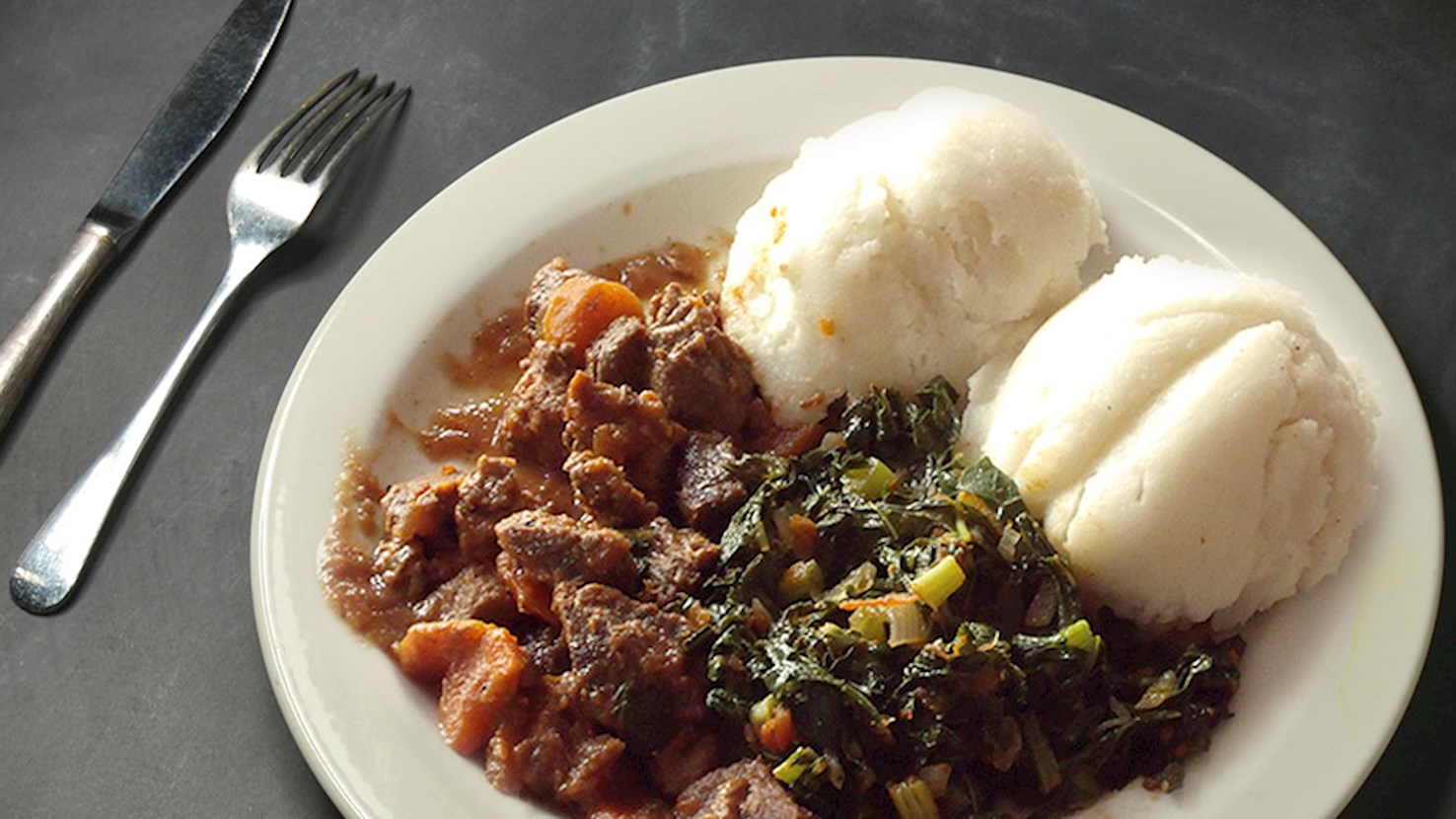
Ugali is a stiff maize-based staple food made by cooking maize flour with water into a firm mass, eaten widely across eastern and southern Africa, most prominently in Kenya and Tanzania, and also present under the same name or close variants in many other African countries, where it functions as a primary source of dietary energy rather than a side dish. Its development followed the introduction of maize to Africa from the Americas beginning in the sixteenth century, after which the crop spread rapidly because of its adaptability and yield, gradually replacing earlier millet and sorghum porridges in many areas and becoming embedded in everyday meals due to its affordability, long storage life, and compatibility with diverse local sauces. Preparation involves bringing water to a boil and steadily adding maize flour while stirring continuously to prevent lumps, then cooking the mixture until it thickens into a cohesive mass with no free liquid, a process governed more by experience and texture than by fixed measurements. Serving is immediate, with the cooked ugali shaped into a mound and portioned by hand or spoon, and it is not consumed alone but used to scoop vegetables, legumes, meat stews, or fish, acting as a neutral carrier rather than a flavored component. It is eaten primarily at lunch or dinner in homes, eateries, and communal settings, most often by hand, and it pairs naturally with leafy greens, bean dishes, grilled or stewed meats, and fish sauces, while beverages alongside are typically water, unsweetened tea, or light fermented drinks rather than sweet or acidic options, keeping attention on the accompanying foods rather than the starch itself. Nsima from Malawi, which follows the same method and role at the table and was formally recognized in 2017 when it was inscribed on the Representative List of the Intangible Cultural Heritage of Humanity by UNESCO, reflecting its central place in daily life and social practice.

04
Cooked Sausage

Mutura

n/a ·

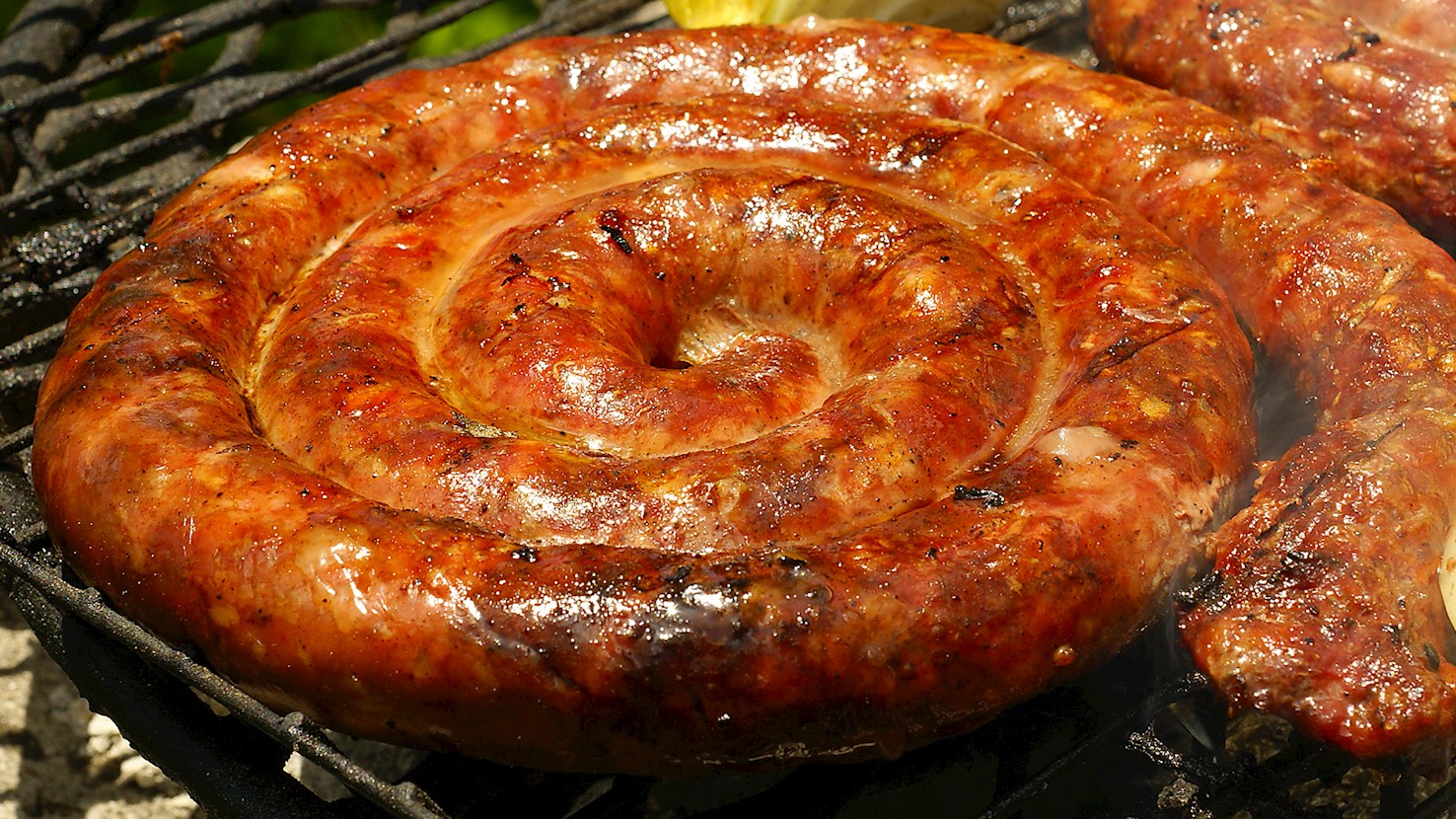
Mutura is a cooked and grilled sausage made from goat or beef offal and meat, prepared and eaten primarily in Kenya, where it is most closely associated with urban street food culture rather than home kitchens or formal dining. Preparation begins with thoroughly cleaning goat or beef intestines to be used as casings, while the filling is made from finely chopped meat, fat, blood, and sometimes organ pieces, mixed with salt, onions, and spices, then stuffed into the casing, tied off, and boiled until fully cooked, after which the sausage is finished over charcoal or an open flame to firm the exterior and add surface browning. Serving is immediate and direct, with mutura sliced into rounds and sold hot, often wrapped in paper rather than plated, and it is consumed as a standalone item rather than incorporated into other dishes. It is eaten mostly in the evening at roadside stalls and informal gatherings, commonly accompanied by kachumbari or raw chili, and it pairs naturally with plain bread or ugali when eaten as a fuller meal, while beverages such as soda, water, local beer, or the Dawa cocktail are often consumed alongside, reflecting its role as a social food rather than a ceremonial one.

05
Vegetable Dish

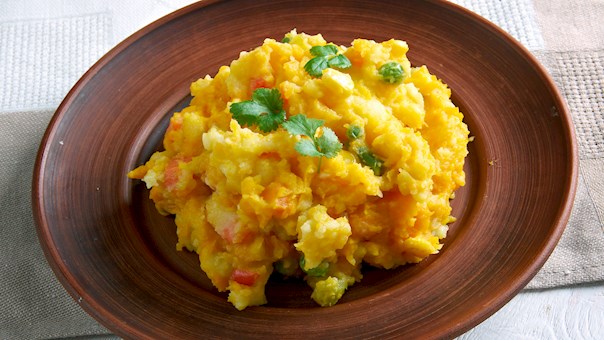
Mukimo

n/a ·

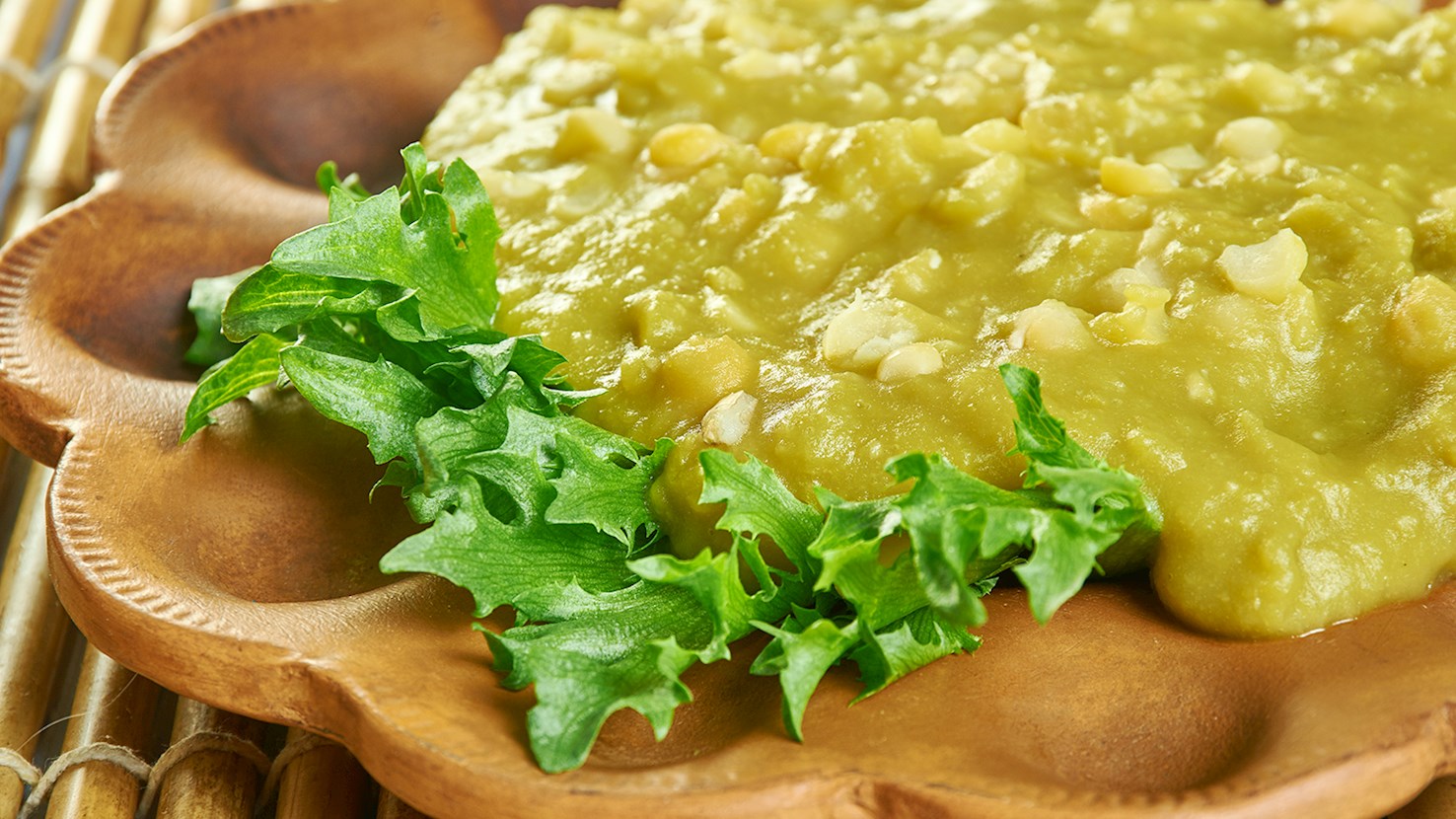
Mukimo is a mashed vegetable dish made from potatoes combined with legumes and maize, prepared and eaten primarily in the central highlands of Kenya, where it functions as a substantial starch component rather than a standalone meal. Its formation is tied to highland farming systems in which potatoes, peas or beans, maize, and leafy greens were grown together and cooked in combination to create filling meals suited to physically demanding agricultural work and large households, with the dish developing through everyday practice rather than formal codification. Preparation involves boiling peeled potatoes together with maize kernels and legumes until fully tender, after which the mixture is mashed coarsely, often with the addition of cooked leafy greens such as pumpkin leaves or spinach, producing a dense but uneven texture in which individual ingredients remain visible rather than fully blended. Serving is direct and unembellished, with mukimo spooned onto plates while hot and paired with other foods rather than shaped or garnished. What distinguishes mukimo from similar mashed dishes is its deliberate coarseness and the inclusion of whole grains and greens in a single mash, which allows it to function as both starch and vegetable without relying on added fat or seasoning for definition. It is eaten at home meals and communal gatherings, most commonly alongside stewed or grilled meat, fried fish, or rich sauces, and it pairs naturally with fresh salads such as kachumbari or simple cooked greens, while beverages such as water, unsweetened tea, or light fermented drinks are typically consumed alongside, keeping the focus on the food rather than the drink.

06
Rice Dish

Wali wa kukaanga

4.1 ·

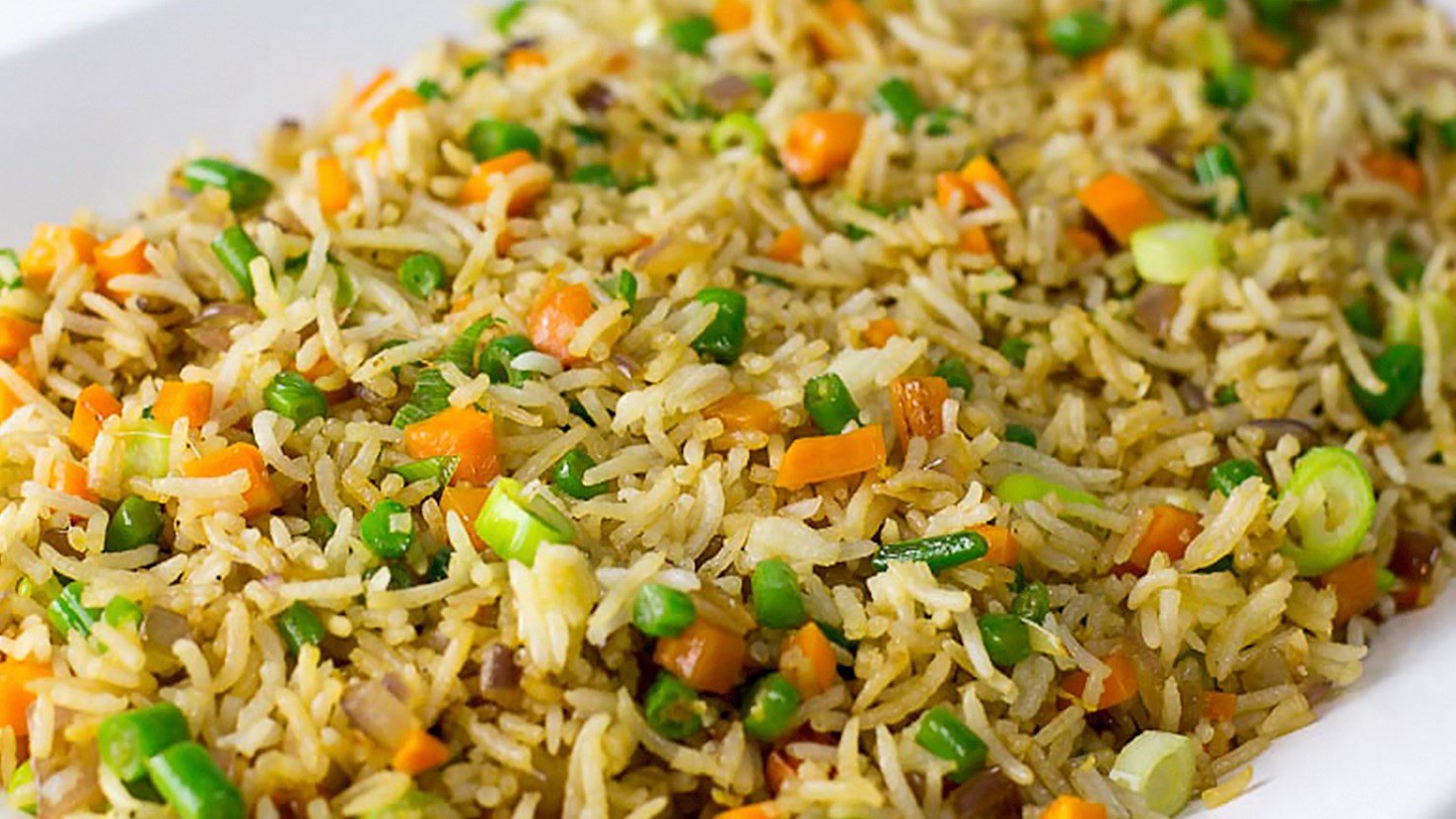
Wali wa kukaanga is a rice dish prepared by frying cooked rice with oil and aromatics, eaten widely in Kenya, where it appears as an everyday meal rather than a ceremonial one. Its development is closely linked to coastal Swahili foodways shaped by Indian Ocean trade, where rice became a central grain through long-standing connections with Asia and the Middle East, and where frying cooked rice provided a practical way to reuse leftovers while building flavor through oil, onions, and spices common to the region. Preparation begins with plain boiled rice that has cooled and dried slightly, which is then fried in oil with finely chopped onions until aromatic, followed by garlic and optional spices, after which the rice is added and tossed over heat so the grains separate and absorb the seasoned oil without becoming soft or sticky. Serving is simple and direct, with the rice presented hot as a complete base dish rather than layered or molded, and it is often paired with a protein or vegetable rather than eaten alone. It is eaten at home and in small eateries for lunch or dinner, commonly with grilled meat, fried fish, beans, or vegetable stews, and it pairs naturally with fresh salads, chili sauces, or lightly cooked greens, while beverages such as water, unsweetened tea, or light fruit drinks are taken alongside to balance the oil and aromatics without overpowering the dish.

07
Chicken Dish

Ingoho

n/a ·

Ingoho is a chicken dish prepared and eaten among the Luhya communities of western Kenya, where the word itself means chicken in Luhya languages and, in culinary use, refers specifically to a slow-cooked chicken dish served as a centerpiece rather than a casual everyday protein. Its development is closely tied to rural household practices in which chicken was reserved for guests, family gatherings, or moments of significance, and cooking methods emphasized patience and careful handling rather than speed, allowing tougher, free-range birds to be transformed into tender meals without reliance on complex seasoning. Preparation begins with cleaning and cutting a whole chicken into portions, which are then simmered gently with onions, salt, and water, sometimes with minimal aromatics, allowing the chicken to cook in its own juices until the broth becomes rich and the meat softens fully, after which some preparations finish with a brief dry simmer so the pieces are coated rather than submerged. Serving places the chicken and its broth at the center of the table, eaten hot and shared, with the liquid often spooned over accompanying starches rather than discarded. It is eaten primarily at home or communal meals, commonly paired with ugali, millet ugali, boiled bananas, or root crops, and it is accompanied by simple vegetables such as greens, while beverages such as water, unsweetened tea, or light fermented drinks are taken alongside, reinforcing its role as a grounded, communal meal rather than a showpiece dish.

08
Stew

Kuku wa kupaka

3.8 ·

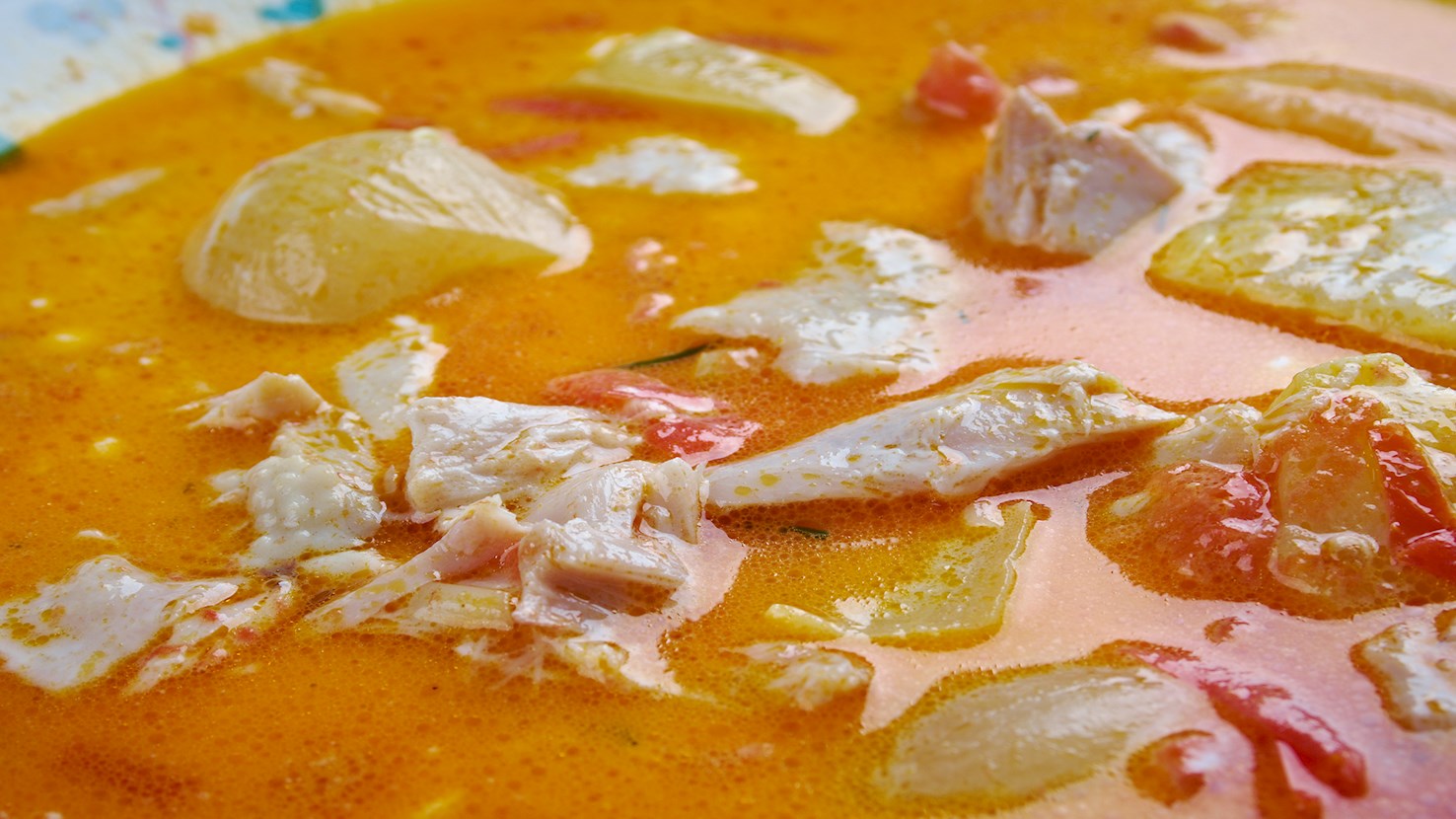
Kuku wa kupaka is a chicken dish prepared with coconut-based sauce and eaten along the Swahili coast of East Africa, most closely associated with Kenya and Tanzania, where it appears as a main course rather than a side and is served in both home cooking and coastal eateries. Its formation reflects coastal Swahili foodways shaped by Indian Ocean trade networks that introduced coconut, spices, and grilling techniques, which were integrated with locally raised poultry and cooking practices that favored layering flavor through multiple stages rather than heavy seasoning at once. Preparation begins with chicken pieces that are lightly seasoned and grilled or roasted until partially cooked, then finished in a sauce made from coconut milk cooked with onions, garlic, ginger, and mild spices, allowing the chicken to absorb the sauce while retaining a firm structure from the initial grilling. Serving brings the chicken coated in the thickened coconut sauce to the table hot, usually spooned generously over the pieces rather than reduced to a glaze, and it is presented plainly without decorative plating. It is eaten at lunch or dinner, commonly with rice dishes such as wali wa nazi or plain steamed rice, as well as flatbreads or chapati, and it pairs naturally with kachumbari or lightly dressed salads, while beverages such as water, unsweetened tea, or light fruit drinks are consumed alongside to balance the richness of the coconut sauce without overwhelming it.

09
Rice Dish

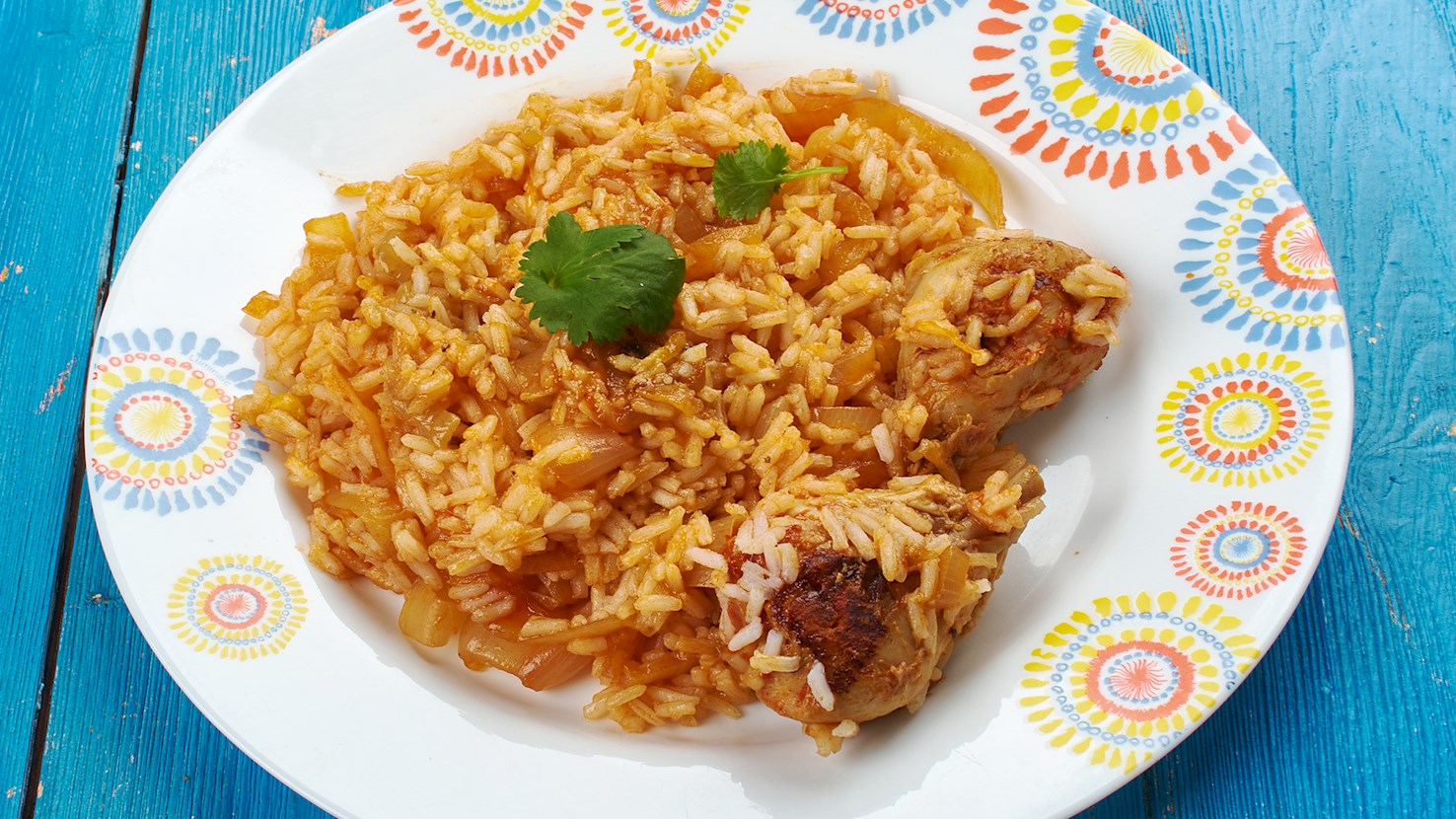
Kenyan pilau

3.8 ·

Kenyan pilau is a spiced rice dish cooked with meat and aromatics, eaten widely in Kenya and especially associated with coastal and urban Swahili-influenced cooking, where it is prepared as a complete main dish rather than a side. Its formation reflects long-standing Indian Ocean trade connections that brought rice, whole spices, and pilaf-style cooking methods to the East African coast, where these techniques were adapted to local preferences for beef or goat, deeper browning of onions, and a darker, more robust spice profile than many other pilau or pilaf variants found elsewhere. Preparation begins by slowly frying sliced onions in oil until deeply browned, creating a base that defines the color and flavor of the dish, followed by the addition of whole spices such as cumin, cardamom, cloves, cinnamon, and black pepper, then meat is added and cooked until coated and lightly seared before water or broth is introduced and rice is added to cook by absorption so each grain takes on the spiced liquid. Serving presents the rice and meat together, hot and cohesive, without separation or garnish beyond simple accompaniments, and the dish is brought to the table as the central element of the meal. What distinguishes Kenyan pilau is its reliance on onion caramelization and whole-spice infusion rather than tomato or coconut, resulting in rice that is aromatic and dark without being sauced or oily, and its flavor balance is achieved through technique rather than added sweetness or acidity. It is eaten at home, at celebrations, and in casual eateries, commonly for lunch or dinner, served with kachumbari or simple salads to provide contrast, and it pairs naturally with plain yogurt where available, water, unsweetened tea, or light fruit drinks, which complement the spice without competing with it.

10
Potato Dish

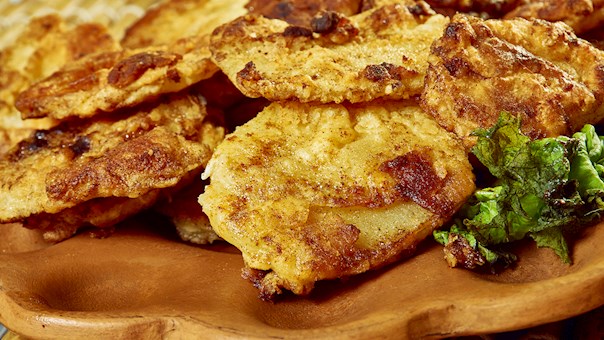
Viazi karai

n/a ·

Viazi karai is a potato-based fried dish found in coastal and urban areas of Kenya and Tanzania, especially in cities with strong Swahili cultural influence, where boiled potatoes are coated in a spiced batter and deep-fried before being served hot. Its presence is tied to the Indian Ocean trade networks that shaped coastal East African foodways over centuries, introducing spices, gram flour, and frying techniques that were gradually adapted to locally available staples such as potatoes, which became widely cultivated during the colonial period and integrated into everyday cooking and street vending. Preparation begins by parboiling whole or halved potatoes until just tender, then coating them in a batter made from gram flour, water, and ground spices such as turmeric, cumin, and chili, after which they are fried in hot oil until the exterior is crisp and golden while the interior remains soft. A defining aspect of viazi karai is the contrast between the mildly seasoned potato and the spiced crust, which allows it to be eaten on its own or combined with condiments without losing balance, and it is commonly served with fresh chili paste, tamarind sauce, or chutney that adds acidity and heat rather than richness. Viazi karai is eaten casually as a snack or light meal, most often purchased from street vendors in the afternoon or evening and consumed by hand, and it pairs naturally with black tea, spiced tea, or cold soft drinks, while in some settings it is eaten alongside other fried snacks as part of a shared assortment rather than as a plated dish.

Best Kenyan food products

01
Olive Oil

Oasis Foods S.c.a.

4.7 ·
Awards
Terraolivo IOOC - Prestige Gold (2019, 2015, 2014)
Terraolivo IOOC - Gold Medal (2014)
02
Rice

Kenya’s Select

4.6 ·

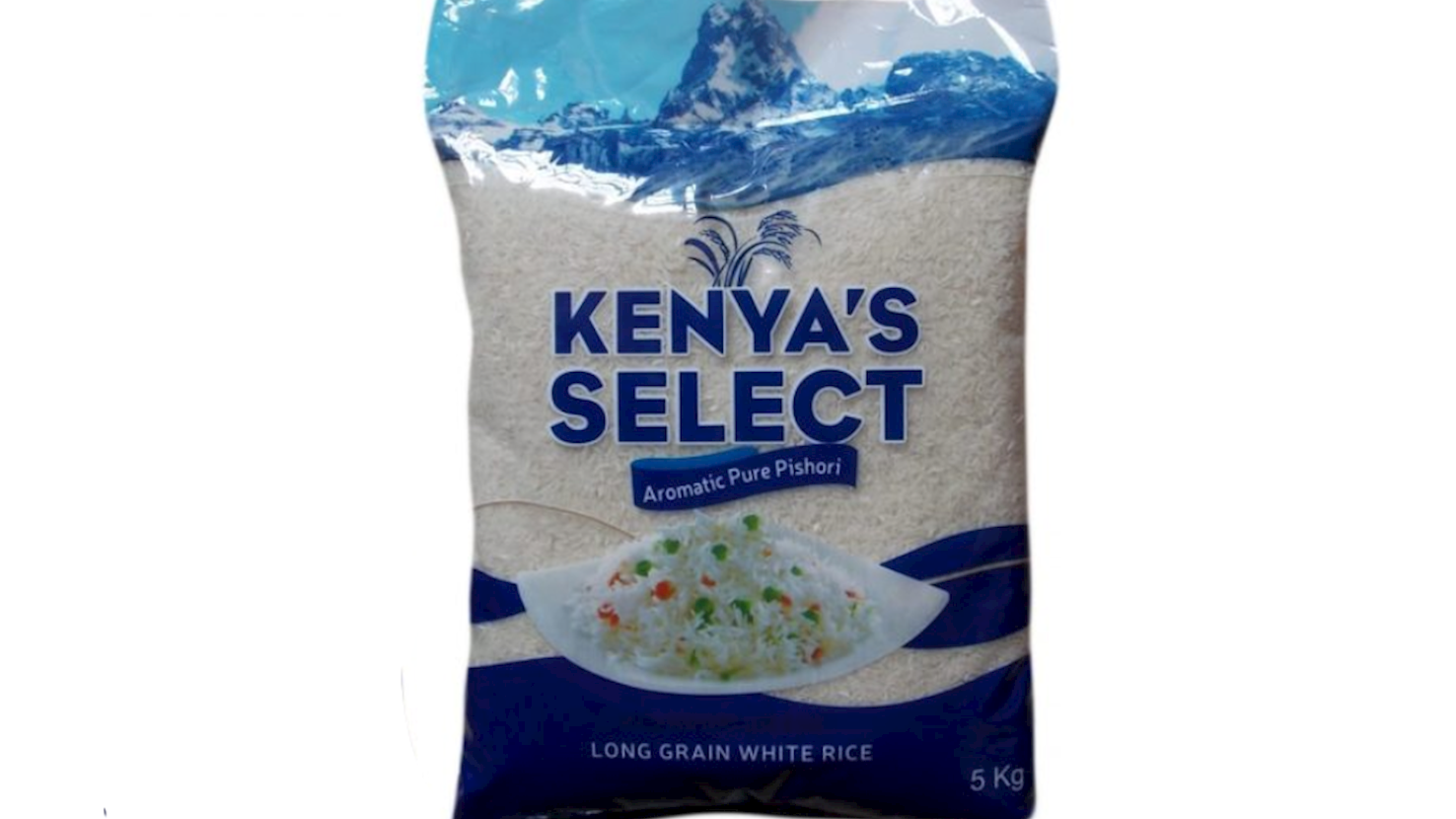
Kenya’s Select is a premium brand of aromatic rice produced by the Mwea Rice Growers Multipurpose Co-operative Society (MRGM), the largest and most reputable rice producer in Kenya. This brand represents a top-tier line of products made from 100% pure Mwea Pishori rice - a local variety of basmati grown in the irrigated fields of the Mwea region, at the foothills of Mount Kenya. Kenya’s Select is renowned for its sweet, rich aroma and long, non-sticky grains that remain fluffy after cooking.

The rice is carefully processed in MRGM’s cooperative facilities, which apply strict quality control in line with national food safety standards. Positioned as a symbol of national pride and culinary heritage, Kenya’s Select is more than just a food product - it is the result of the collective efforts of thousands of Kenyan rice farmers brought together through the MRGM cooperative. Through this brand, consumers are guaranteed authentic, locally grown, aromatic rice of premium quality, showcasing the very best that Kenyan agriculture has to offer.

03
Coffee Beans

Karatu

4.6 ·

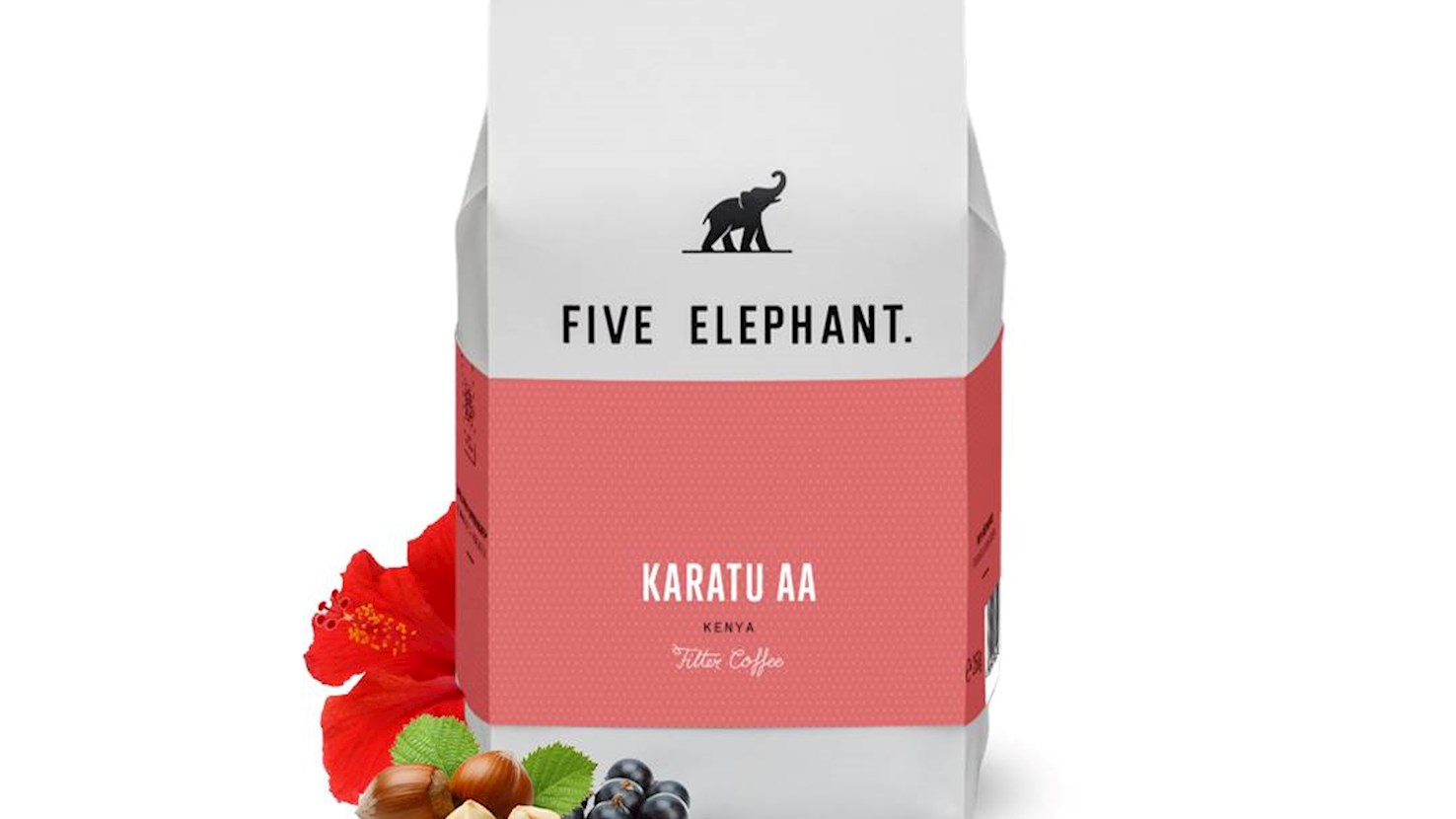
Founded in 1965, Karatu Coffee Factory is a renowned processing facility located in the heart of Kiambu County, Kenya, near the town of Gatundu. The factory operates under the Gitwe Farmers Co-operative Society Ltd and collaborates with approximately 800 small-scale farmers from the villages of Karatu, Gitwe, Kibiru, and Kigaa.

Each of these farmers cultivates an average of 150 coffee trees, following traditional methods that ensure premium quality. Karatu Factory is well known for its wet processing methods, which enhance the coffee's unique flavor and aroma. Karatu Coffee Factory is a symbol of quality, tradition, and sustainability – a true experience of exceptional Kenyan coffee.

04
Spirit

Nairobi Distillers

4.5 ·
Awards
IWSC- International wine & spirit competition - Spirit Gold (2020)
05
Coffee

Kesh Kesh Coffee Roastery

4.4 ·

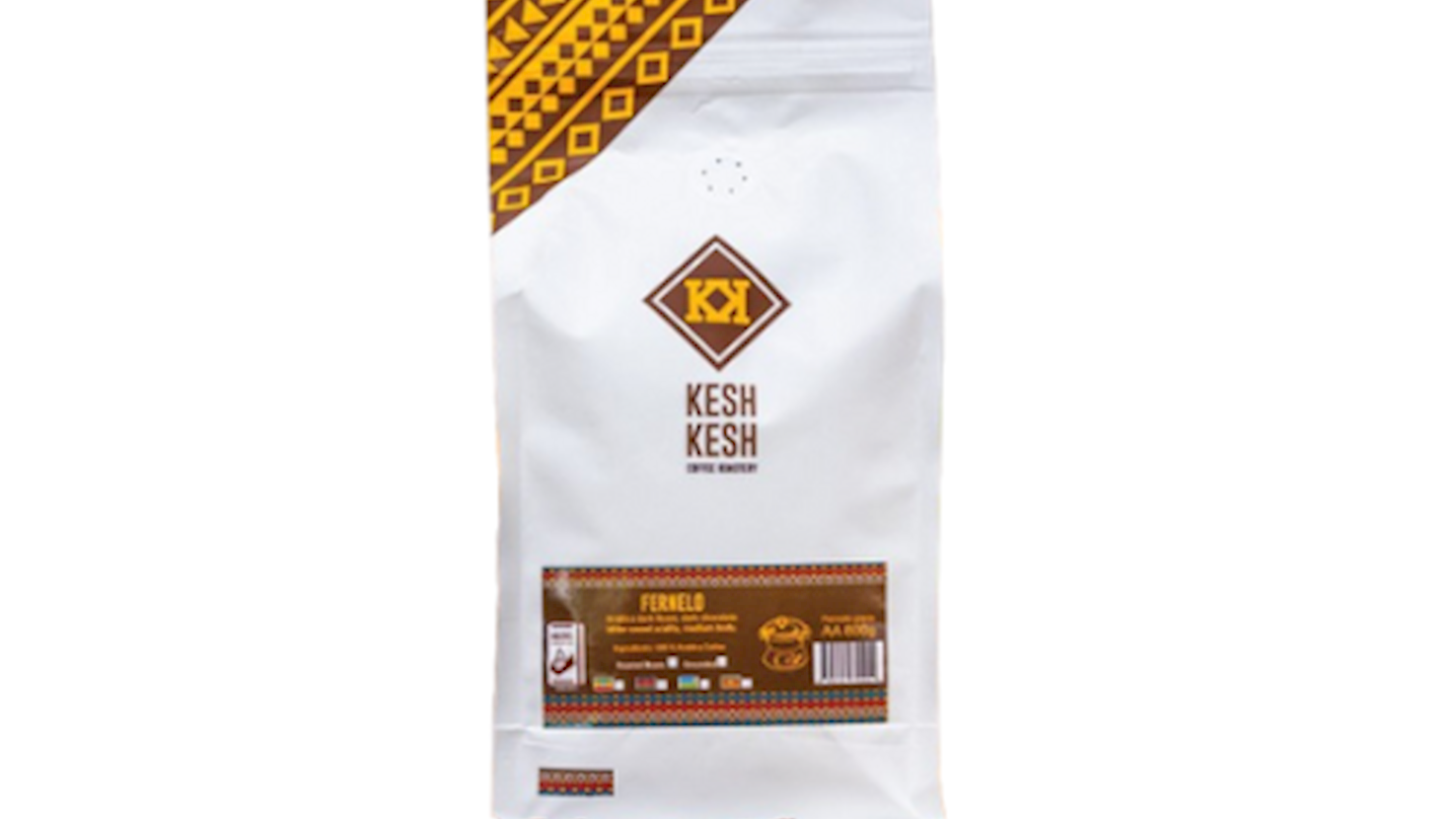
Kesh Kesh Coffee Roastery is a specialty roastery and café that blends East African coffee tradition with a modern quality-driven approach. Based in Nairobi and built on more than fourteen years of experience in sourcing, roasting, and preparing Arabica beans, the brand draws inspiration from the Eritrean coffee ceremony - its name refers to the traditional pan-roasting of green beans - while interpreting it through contemporary roasting techniques and defined profiles such as their medium and dark roasts.

Within their café, guests can experience both traditional and modern brewing methods in a relaxed, work-friendly setting that also offers food and home-barista equipment. Kesh Kesh positions itself as a meeting point of culture, craft, and specialty standards, with a strong emphasis on ethical sourcing, freshness, and the authentic expression of East African coffee.

06
Tea / Infusion

Kericho Gold

4.3 ·

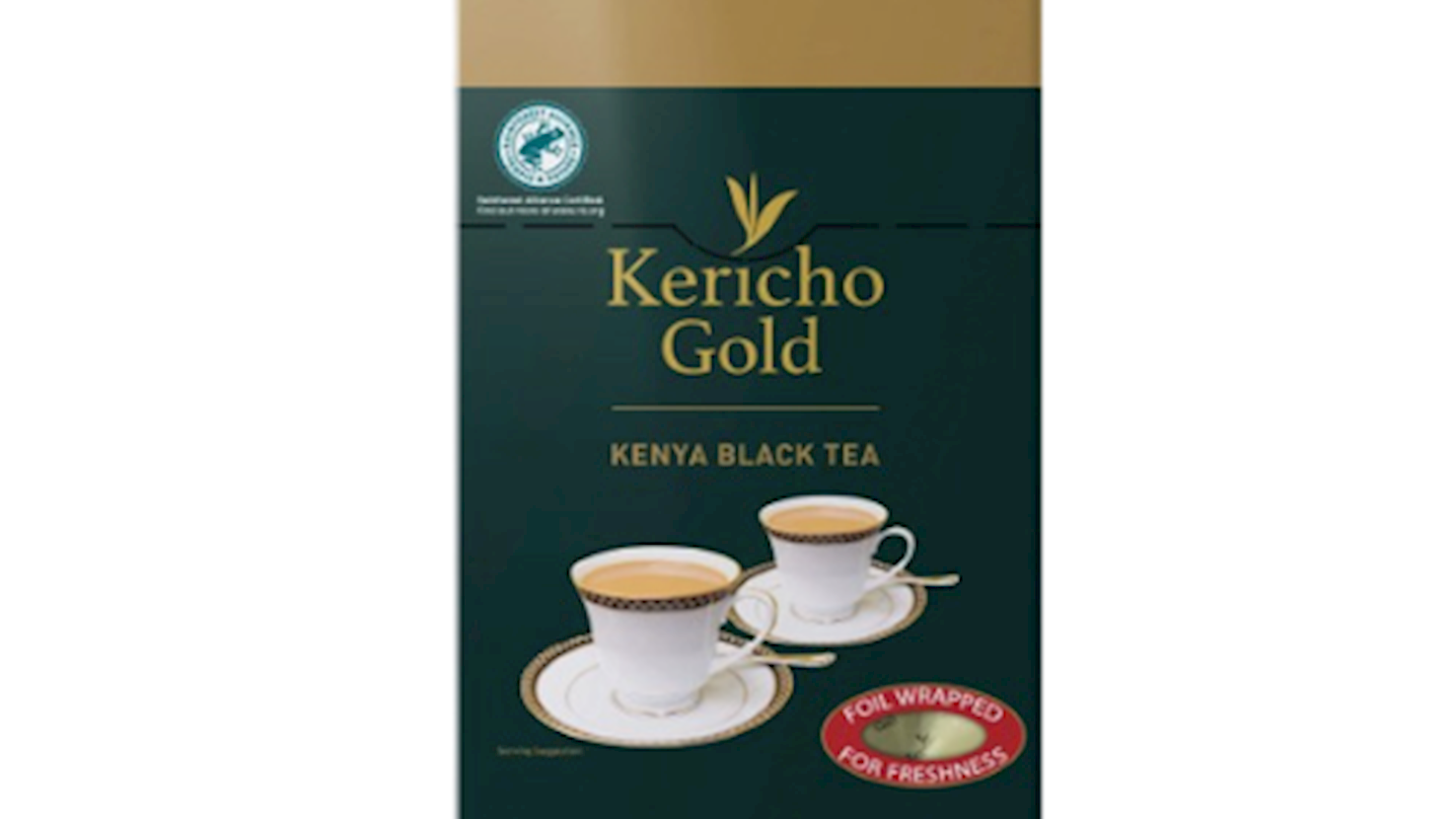
Kericho Gold is a premium Kenyan tea brand established in 2002, owned by Gold Crown Beverages, part of the Global Tea & Commodities group. The brand is closely associated with the Kericho region, one of Kenya’s most renowned tea-growing areas, known for its high-altitude plantations, fertile volcanic soils, and favorable equatorial climate for tea cultivation.

Kericho Gold sources its teas from selected Kenyan estates, with a focus on delivering strong flavor, rich aroma, and consistent cup quality. Its best-known profile is full-bodied black tea, characterized by a bright golden-copper infusion, lively freshness, and a clean, robust finish typical of high-grown Kenyan teas.

Beyond classic black tea, the portfolio includes green teas, fruit and herbal infusions, wellness blends, flavored teas, and premium pyramid tea bag selections. The brand emphasizes traditional harvesting practices, often highlighting the use of the “two leaves and a bud” standard associated with higher-quality tea production.

Kericho Gold was developed as a modern Kenyan tea brand with strong export ambitions, combining authentic origin with contemporary presentation and international accessibility. Its identity is rooted in showcasing pure Kenyan tea character rather than masking the natural profile of the leaf.

Compared with many traditional British or Ceylon tea brands, Kericho Gold more explicitly centers its African provenance as a defining part of its positioning. Today, it is regarded as one of the most recognizable premium tea brands to emerge from Kenya.

07
Beer

Hand & Malt Brewing Company

4.3 ·
Awards
International Brewing Awards - Gold (2019)
Read more
View all
View map
About this ranking

TasteAtlas food rankings are based on the ratings of the TasteAtlas audience, with a series of mechanisms that recognize real users and that ignore bot, nationalist or local patriotic ratings, and give additional value to the ratings of users that the system recognizes as knowledgeable. For the “Top 21 Kenyan Foods” list until July 01, 2026, 154 ratings were recorded, of which 105 were recognized by the system as legitimate. TasteAtlas Rankings should not be seen as the final global conclusion about food. Their purpose is to promote excellent local foods, instill pride in traditional dishes, and arouse curiosity about dishes you haven’t tried.

The initial list of top producers was compiled based on available reviews, awards, local recommendations, media and blog coverage, and consumer reviews. The list will be updated with ratings from TasteAtlas local ambassadors and TasteAtlas users.

Similar lists