shutterstock

Top 16 Keralite Foods

Last updated on June 07, 2026

Best Keralite food products
01
Chocolate

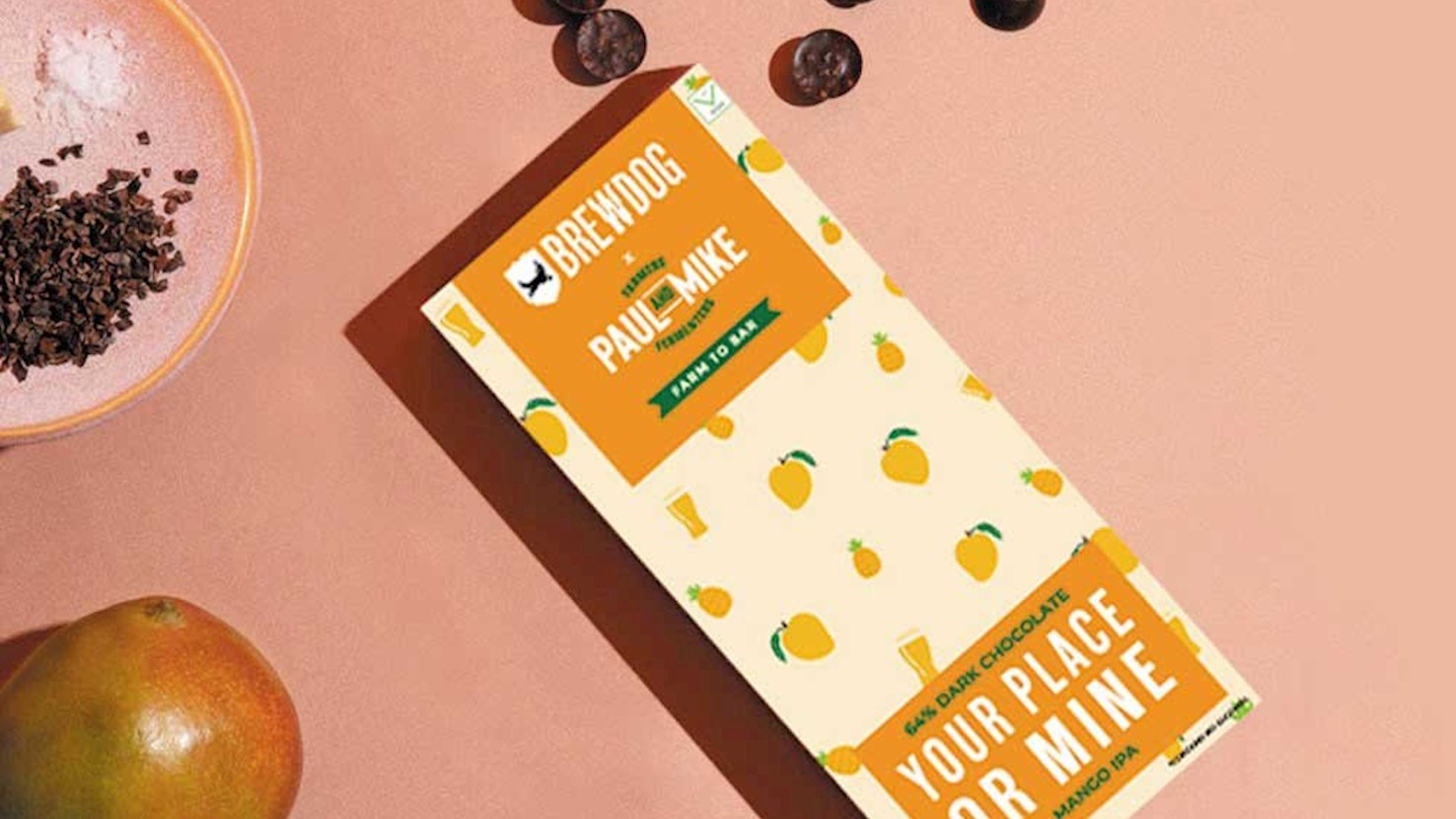
Paul and Mike

4.7 ·
Paul and Mike is a chocolate brand operated by Synthite Industries, based in Kerala, India. They are known for producing fine flavor chocolate with cocoa beans sourced from their own farms as well as from other regions of India. Paul And Mike focus on bean-to-bar chocolate, controlling every step of the process from fermentation to packaging to ensure the quality of their product. They also experiment with unique infusions and flavors in their chocolate bars, such as sitaphal (custard apple) and jamun (Indian blackberry).
Awards
International Chocolate Awards - Gold (2024)
Great Taste Awards - 2 Stars (2024, 2023)

Best Keralite foods

01
Snack

Upperi

4.1 ·

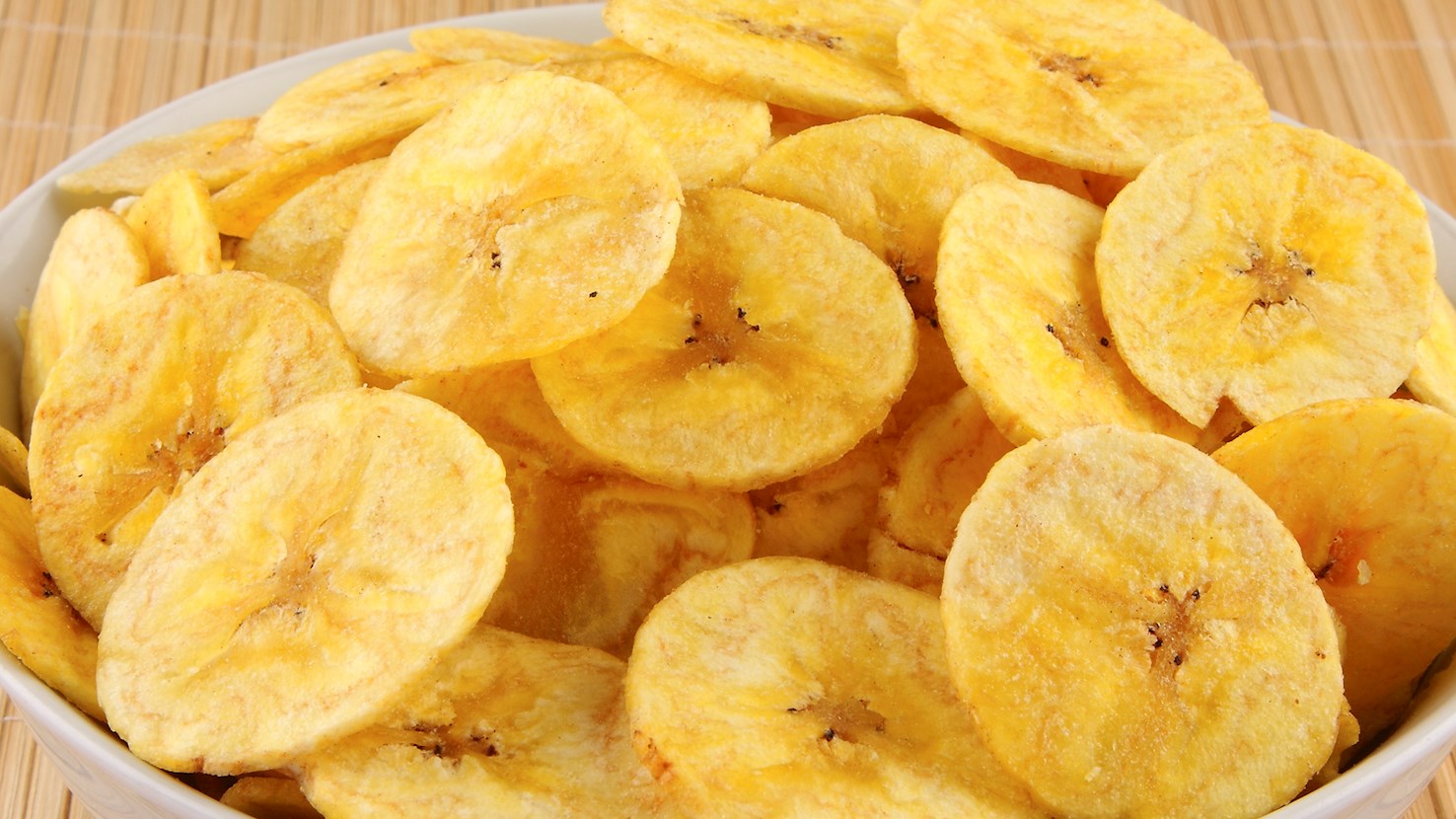
Upperi is a popular Indian snack made by frying thin slices of plantain in coconut oil. The chips are flavored with salted water while they are still frying in oil. The snack is a specialty of Kerala, especially during the Onam harvest festival, when these salted chips take center stage in a banana leaf during Sadya, a vegetarian banquet. It is available throughout the year, but during Onam, all of the shops are stacked with fresh yellow chips sealed in plastic bags. It is recommended to pair upperi with a hot cup of coffee or tea for a delicious snack.

02
Dip

Nariyal chutney (Coconut chutney)

3.9 ·

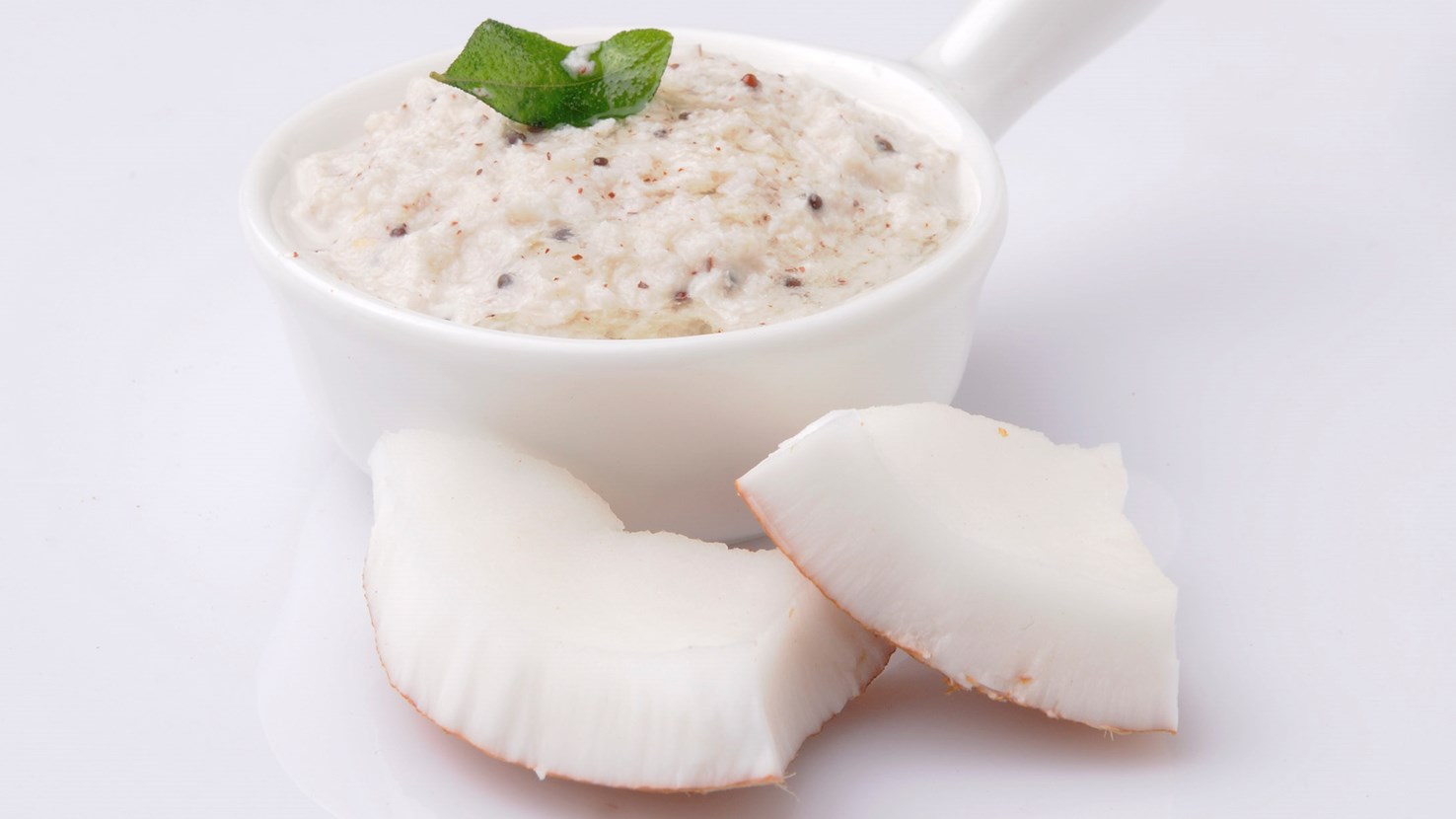
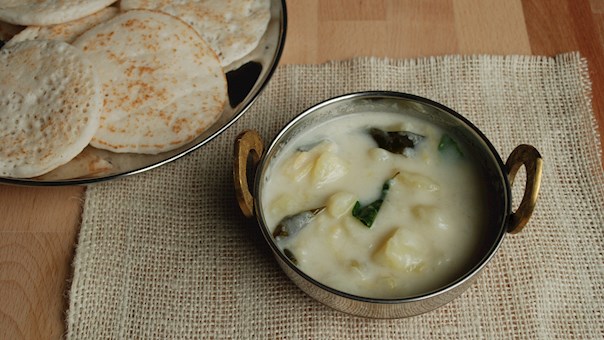
Coconut chutney is a popular South Indian condiment or side dish, consisting of a coconut stew that is combined with shallots, tamarind, ginger, chiles, and curry leaves. It is a specialty of the North Malabar region, where it is prepared in two versions - solid and liquid. The liquid version is usually served with idlis and dosas, while the solid version, also known as uruttu chammanthi, is commonly served with rice, either for lunch or dinner. It is said that the best coconut chutney is made with ammikal, or mortar and pestle, when the chutney is ground by hand, resulting in a far superior flavor than the ones made with a blender or a food processor.

03
Feast

Sadhya

3.7 ·

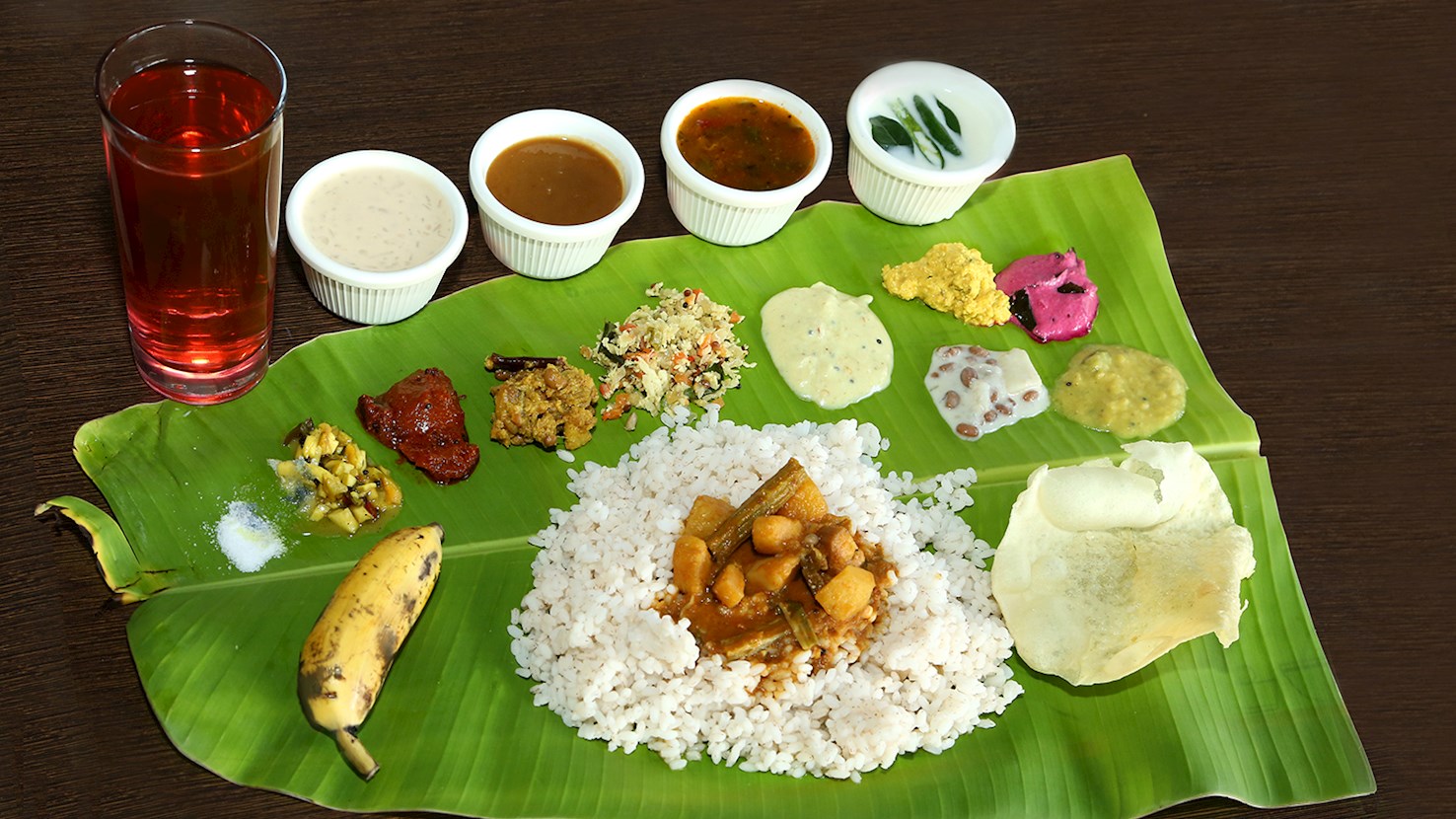
Sadhya is a traditional feast originating from the state of Kerala. All of the small dishes are vegetarian, and one sadhya feast can contain up to 28 dishes at a time, all of them traditionally served on banana leaves and meant to be eaten with hands. This feast is typically served for Onam, the state festival of Kerala. Rice is usually served on the lower side of the leaf as the main dish, and the first dish after the rice is parippu – a curry made from ghee and small gram. It's followed by sambar, a stew of vegetables cooked in gravy of onions, chilis, coriander, lentils, and turmeric. Among a huge variety of dishes, some of them include upperi (banana chips), sharkara varatti (sweet jaggery chunks), naranga curry, elisheri (stewed pumpkin, red beans, and coconut), kaalan (yogurt, coconut, and banana or yam), inji curry, parripu curry, sambhar, pappadam, kichadi, kootu curry, and rasam (tamarind soup), while the last dish is usually payasam, a traditional dessert that's similar to a pudding. This huge feast is usually served for lunch.

04
Noodle Dish

Putu mayam

3.6 ·

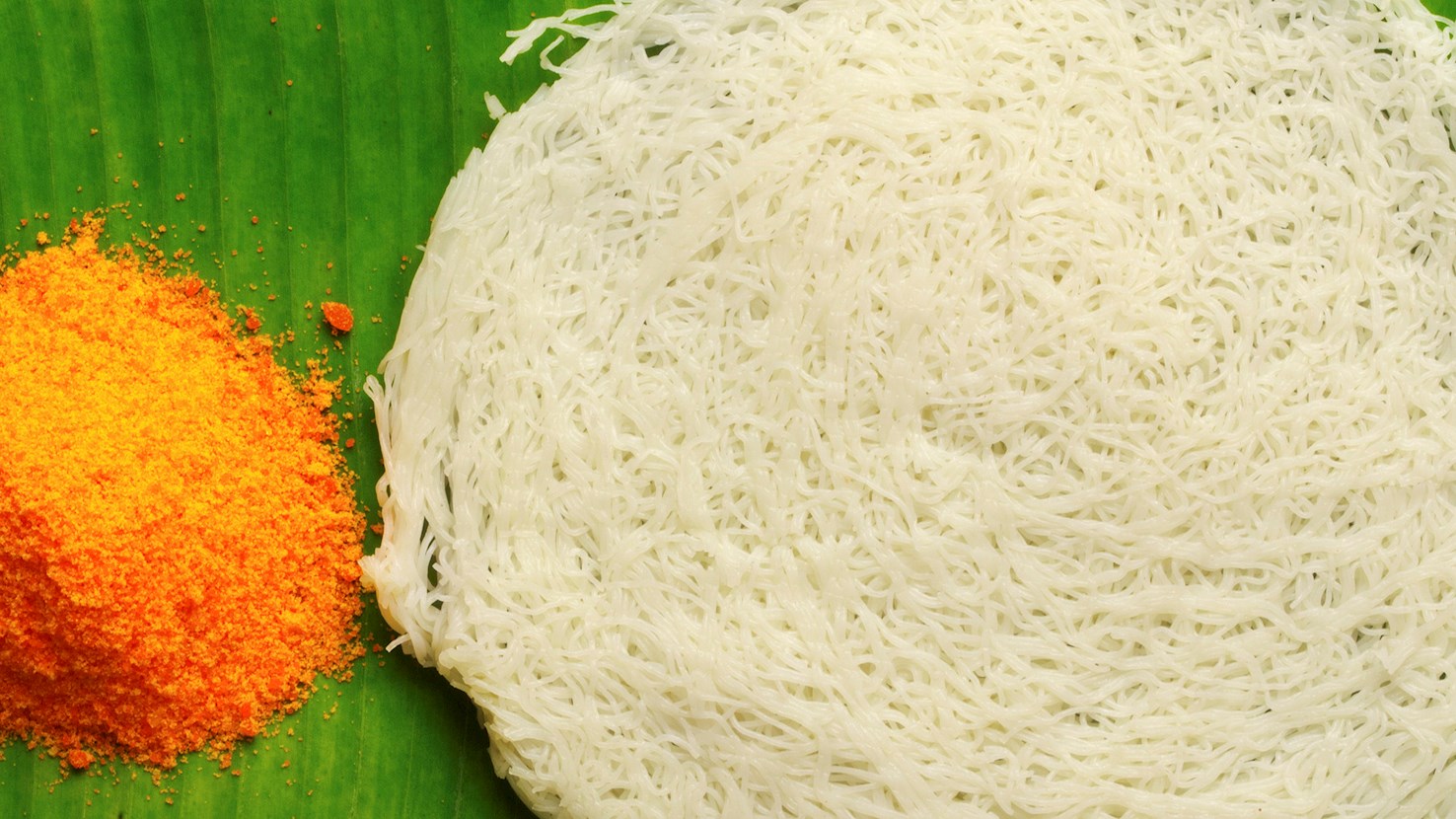
Putu mayam is a popular street food dish with origins either in the Indian state of Tamil Nadu or Kerala. Although it is south Indian in origin, it is also extremely popular in Malaysia, Sri Lanka, Singapore, and Indonesia. The dish consists of rice or idiyappam flour noodles which are topped with desiccated coconut and sweetened with sugar blocks. The noodles are made by passing the dough through a sieve (usually a traditional rattan basket with holes), and then they are steamed in the same basket, imparting a wood-like aroma to the noodles. Traditionally, putu mayam is served on a banana leaf, for easier consumption. It can be used as an accompaniment for meat dishes or curries. The name of the dish stems from two words, putu, Malayan for rice cake, and mayam, which is derived from the word mayang, meaning desiccated coconut.

05
Vegetable Dish

Avial

3.4 ·

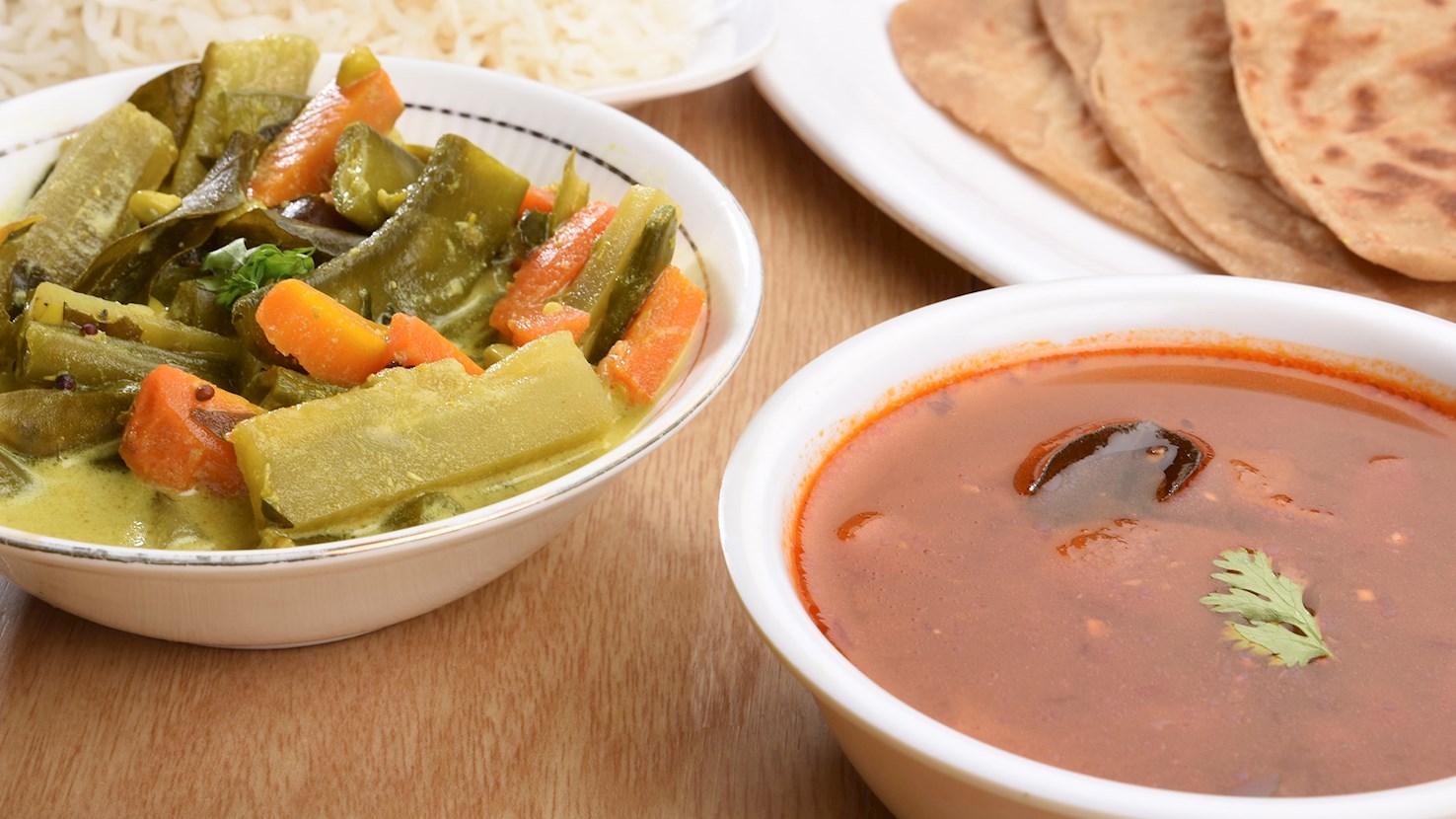
Avial is an Indian dish with origins in the Kerala region, although it is equally popular in Tamil Nadu and Udupi. Its name means to be cooked, and the dish consists of a combination of vegetables, coconut, and curry leaves. Avial is an integral part of the Indian vegetarian feast called Sadhya. The key to making a great avial is to pay attention to the vegetables, which need to have contrasting colors, such as winter melon, carrots, and beans. There are numerous theories and stories about the origin of avial. One says that a king did not like to see anything wasted, so he ordered his chef to make a dish out of vegetable leftovers, and avial was created as a result. Another one says that the dish was invented by Bhima, a warrior who was disguised as a cook during his exile, so he sliced some vegetables, boiled them, added coconut, and the dish became quite popular. Regardless of its origins, avial remains a colorful, tasty staple of South Indian cuisine.

06
Cookie

Achappam

3.3 ·

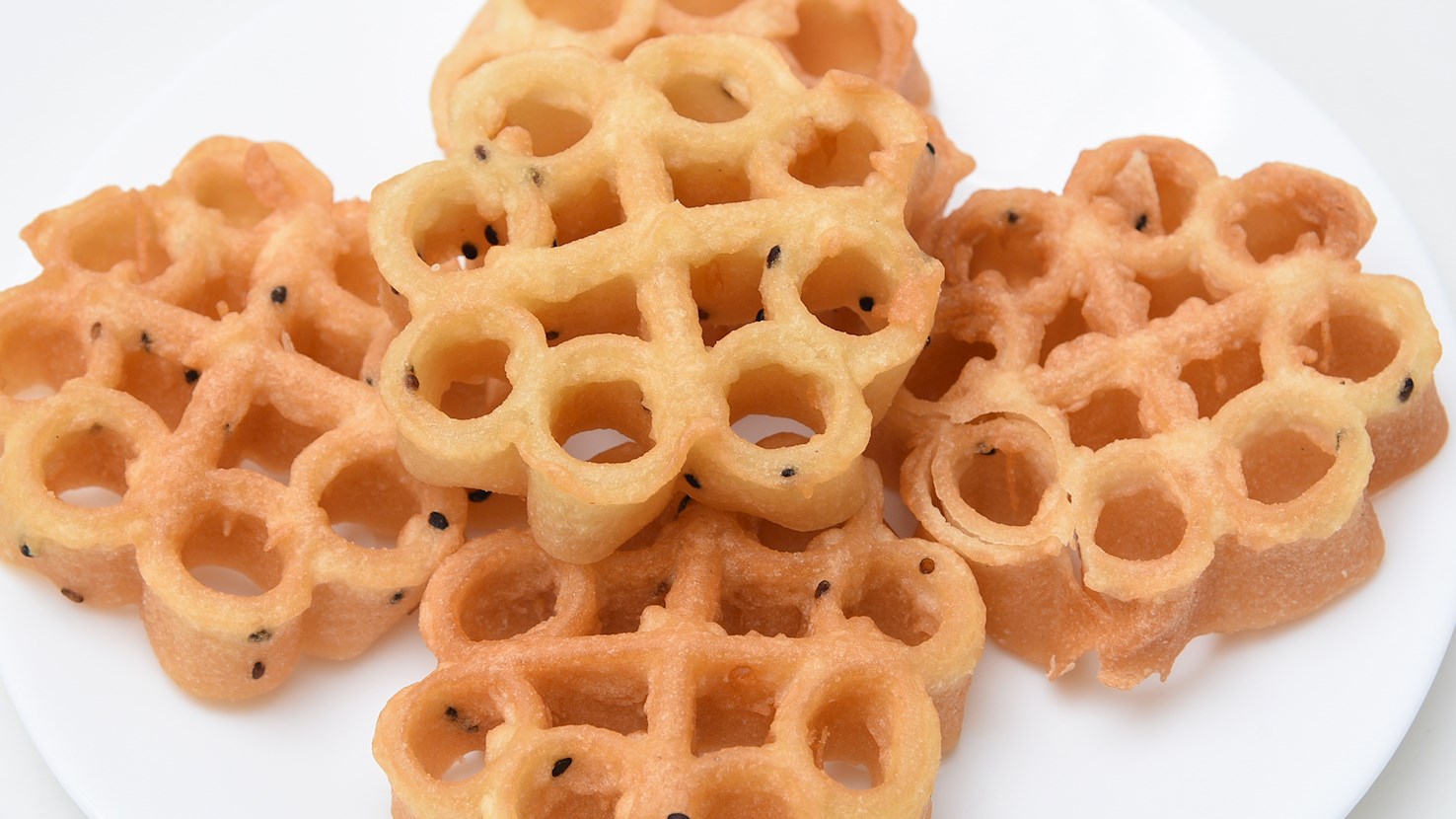
These flower-shaped cookies are prepared with a thin batter which consists of rice flour, eggs, and coconut milk. They are made with specialized achu molds which are heated, then dipped and coated in batter, before the cookies are deep-fried until golden and crispy. Achappam cookies originate from Kerala, where they are usually associated with Christian communities, but similar sweets are found in other Asian countries. It is believed that all of them were modeled on traditional Dutch cookies known as rosette or struva.

07
Fish Dish

Malabar meen curry (Malabar fish curry)

3.2 ·

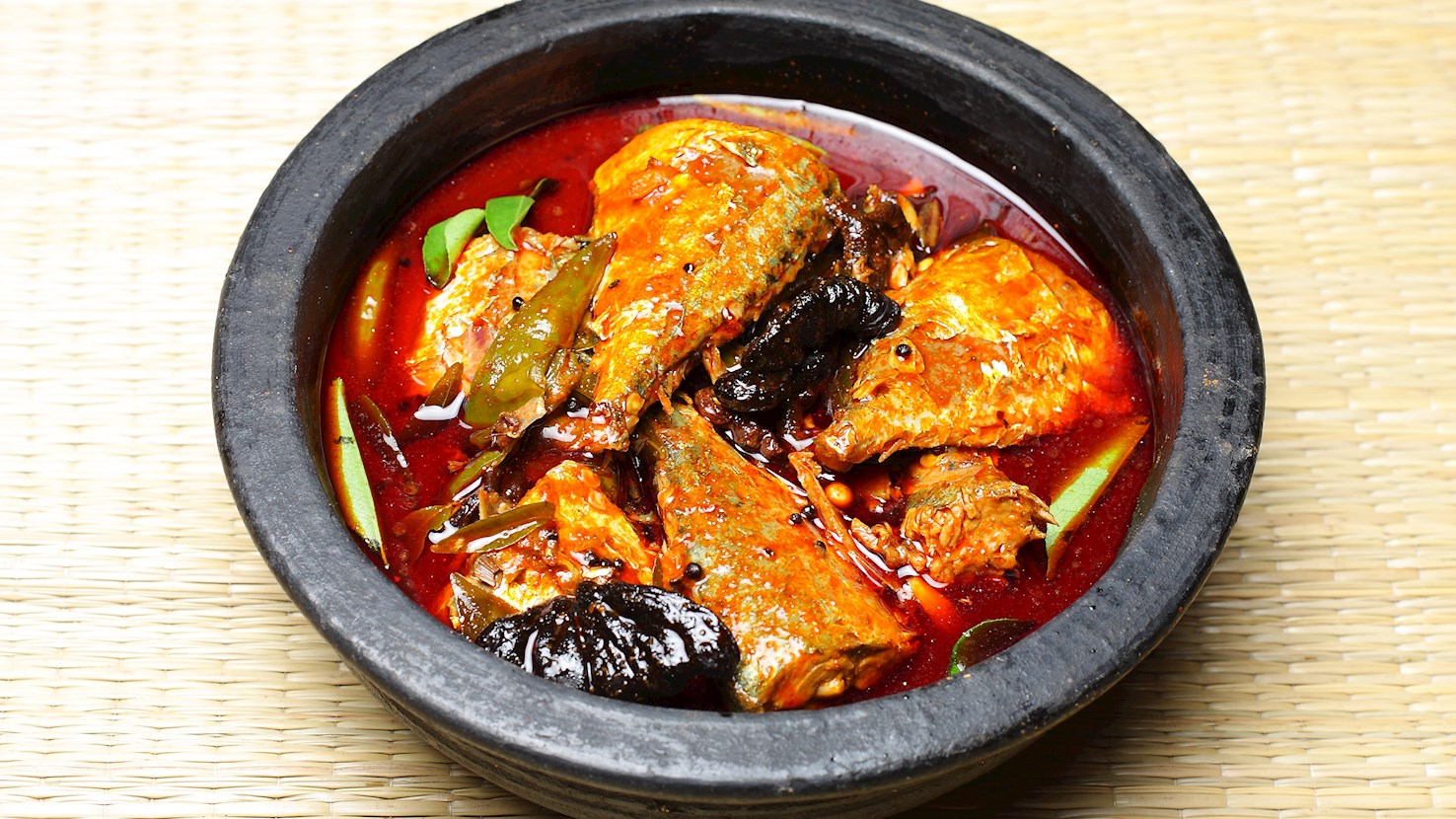
Malabar fish curry or Kerala fish curry is a traditional dish originating from Malabar, Kerala. The curry is typically made with fish such as seer, sea bass, tilapia, or sardines. Other ingredients include onions, tomatoes, hot chili peppers, chili powder, curry leaves, coriander, turmeric, garlic, fenugreek, tamarind, oil, and coconut milk. The coconut milk gives the curry its rich creaminess, and it's flavored with deep and earthy Indian spices such as fried curry leaves and tamarind. The fish is added to the boiling curry sauce and it's simmered until the fish is fully cooked. Once done, this fish curry is usually served hot with a bowl of basmati rice or naan on the side.

08
Pancake

Kallappam

3.2 ·

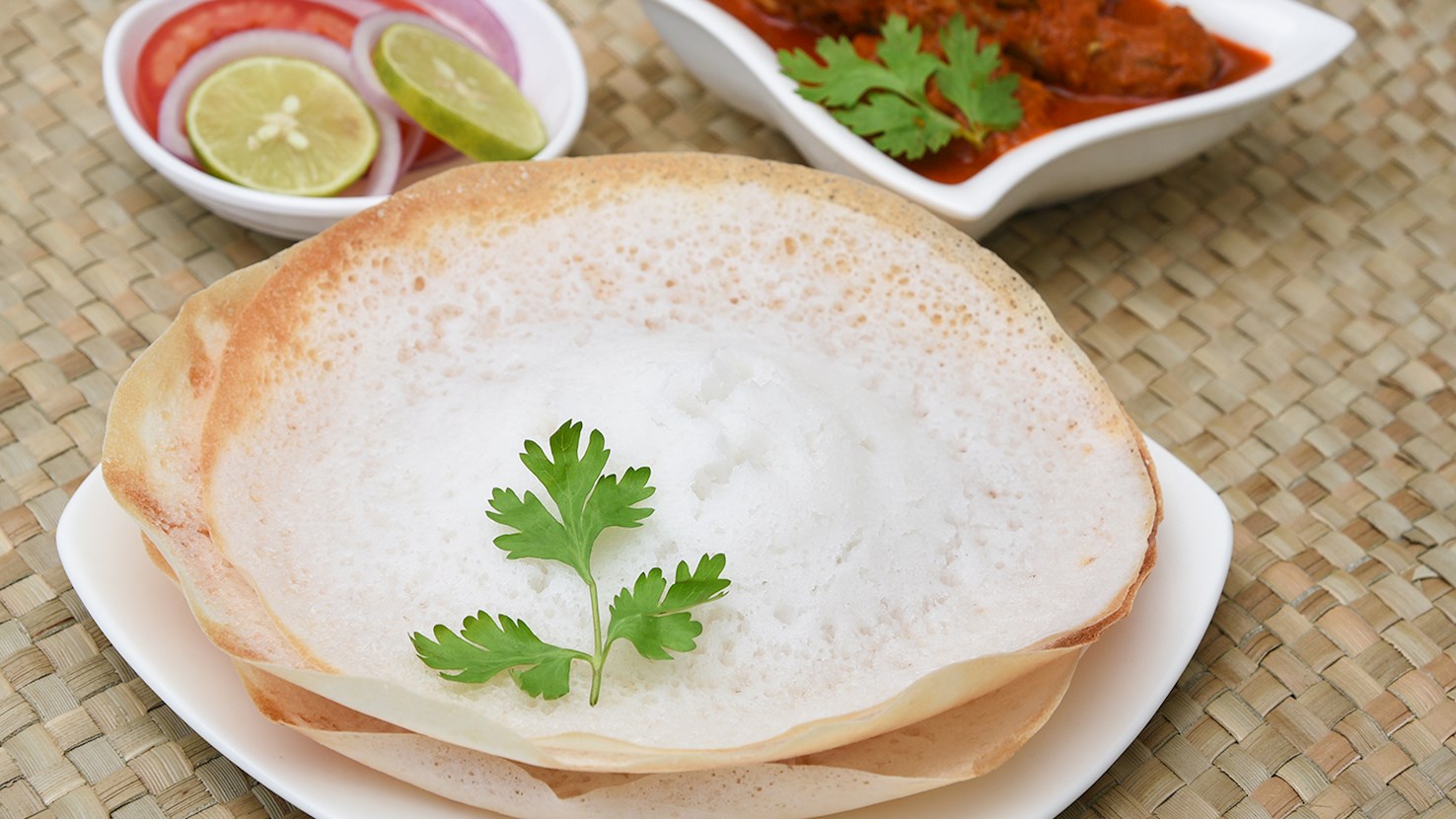
Kallapam is a traditional coconut pancake that's popular in Sri Lanka and Kerala. It's made with a combination of raw and cooked rice, coconut milk, grated coconut, yeast, shallots, sugar, salt, and cumin seeds. Traditionally, the pancake is made with kallu (toddy or fermented palm wine), which is used as the raising agent instead of yeast, but it's usually not that easy to get a hold of it. The batter is fried in a pan, and after a minute or so, the pancakes are ready. Kallapam is usually served warm with chicken curry or beef cooked in coconut milk.

09
Potato Dish

Urulai kizhangu podimas

n/a ·

Urulai kizhangu podimas is a traditional dish originating from Kerala. It’s made with a combination of potatoes, oil, mustard seeds, urad dal, onions, green chili peppers, ginger, curry leaves, and turmeric powder. The ingredients are fried in oil, then combined with boiled potatoes. The combination is then mashed, and these spicy mashed potatoes are usually served with paratha flatbread. If desired, the dish can be garnished with coriander leaves and lemon juice.

10
Freshwater Fish Dish

Karimeen pollichathu

4.2 ·

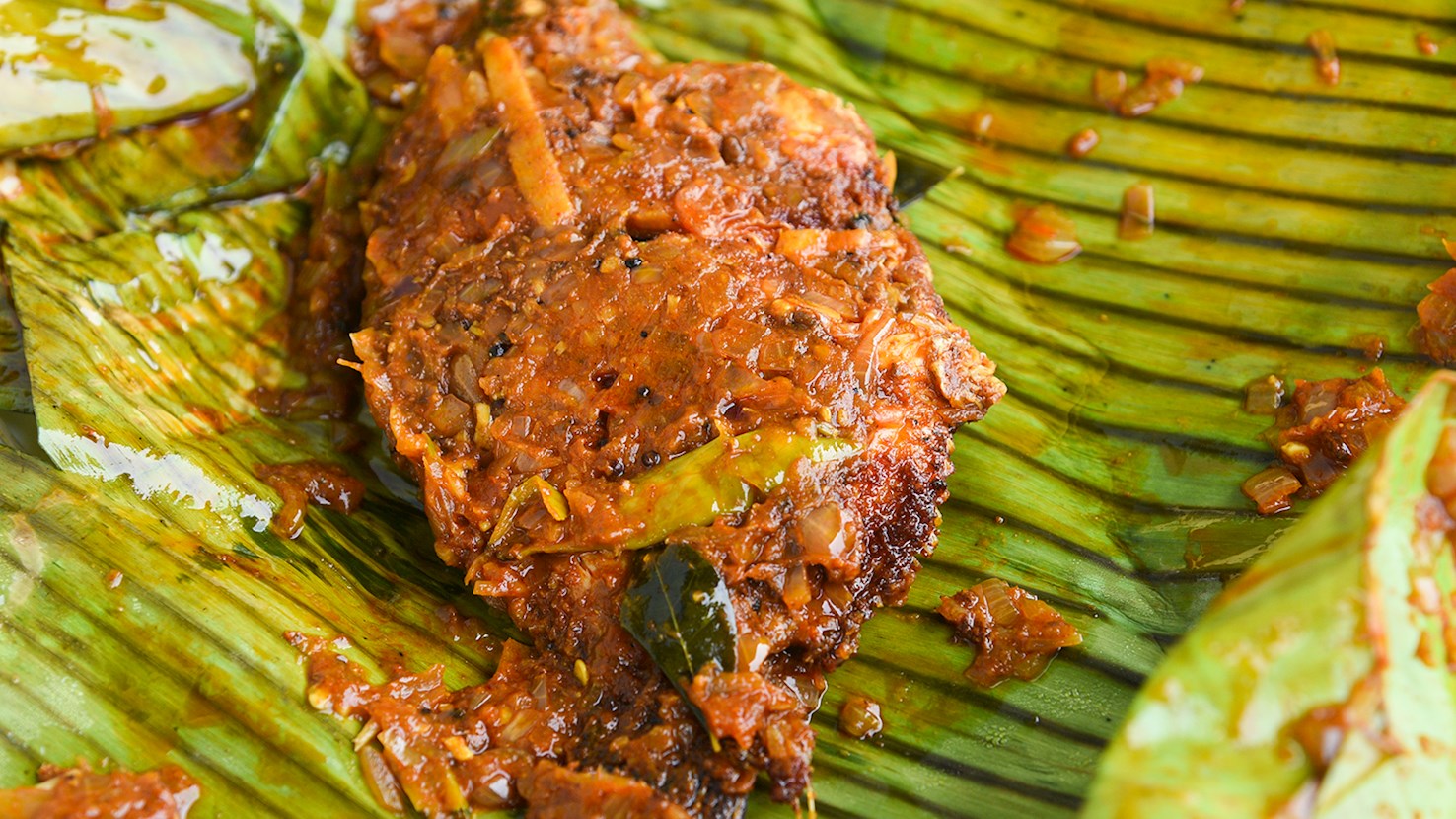
Karimeen pollichathu is a dish of heavily seasoned cichlid fish that's been fried, enveloped in masala (a mixture of spices and fresh ingredients), and wrapped in banana leaves to make a packet and then shortly pan-fried or grilled. The dish comes from the Indian state Kerala, which is naturally so as the main ingredient, the green chromide (or pearl sport), a type of cichlid fish, is native to the region. The preparation starts with shortly marinating the fish in a paste of spices, such as turmeric, chili powder, pepper, salt, and lime juice, and then shallow-frying it on both sides in coconut oil. While the fish marinates and fries, masala is prepared with fresh ingredients and spices, most commonly tomatoes, onions, ginger, garlic, curry leaves, green chili peppers, turmeric, and vinegar. Karimeen pollichathu should be served hot, with sides like lime juice and onions, rice, or naan.

Read more
View all
View map
About this ranking

TasteAtlas food rankings are based on the ratings of the TasteAtlas audience, with a series of mechanisms that recognize real users and that ignore bot, nationalist or local patriotic ratings, and give additional value to the ratings of users that the system recognizes as knowledgeable. For the “Top 16 Keralite Foods” list until June 07, 2026, 562 ratings were recorded, of which 391 were recognized by the system as legitimate. TasteAtlas Rankings should not be seen as the final global conclusion about food. Their purpose is to promote excellent local foods, instill pride in traditional dishes, and arouse curiosity about dishes you haven’t tried.

The initial list of top producers was compiled based on available reviews, awards, local recommendations, media and blog coverage, and consumer reviews. The list will be updated with ratings from TasteAtlas local ambassadors and TasteAtlas users.

Similar lists