Moonshine Guerilla Distillery is a small family-owned distillery located in the heart of Hrvatsko Zagorje, Croatia. They specialize in designing and crafting premium spirits with a deep passion for perfection.
Their product line includes unique gins such as Purple Mist Gin, Red Fairytale Gin, Dry Hill Berry Gin, Blue Mariner Gin, and Good Night Oak Gin. Each gin is meticulously crafted using a blend of carefully selected herbs and spices, some of which are kept secret to maintain their distinctive character.
For instance, Purple Mist Gin features floral notes from rose and lavender, a hint of bitterness from wormwood, and a subtle spiciness from ginger and various peppers.
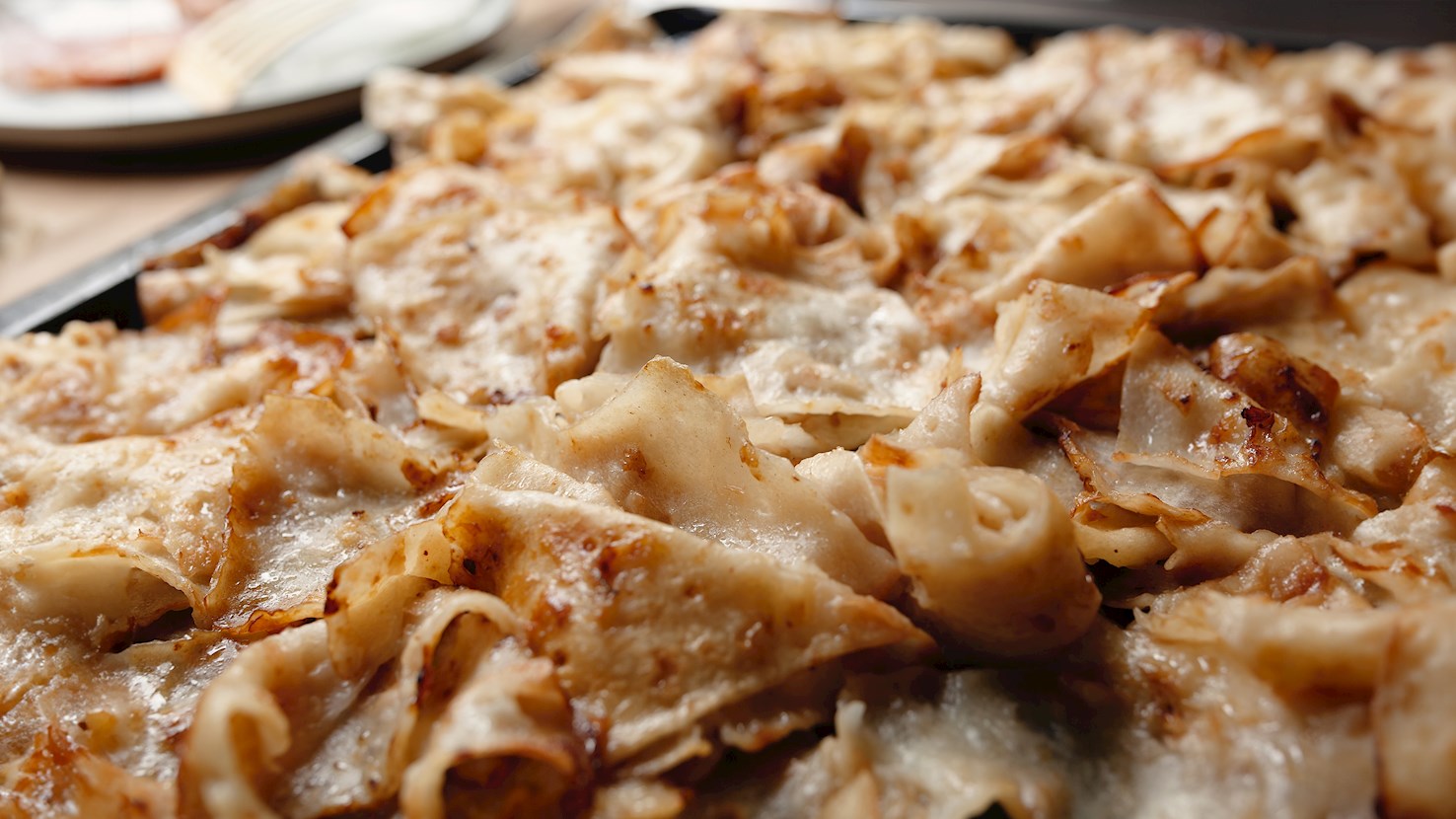
This traditional Croatian cross between pasta and flatbread is made with wheat flour (type 550) and water, with the occasional addition of lard and eggs (in which case it does not meet the standards necessary for its PGI status). To make mlinci, the dough is rolled by hand into thin sheets (not thicker than 2,5 mm) which are then baked twice and dried until crispy. All the pieces must be shaped into squares. Before serving, they are torn into smaller pieces, submerged in water or broth, drained, and finally doused in meat drippings. Mlinci are typically enjoyed alongside stuffed roast turkey—a traditional Croatian Christmas lunch—but they also pair well with other roasted meat dishes.
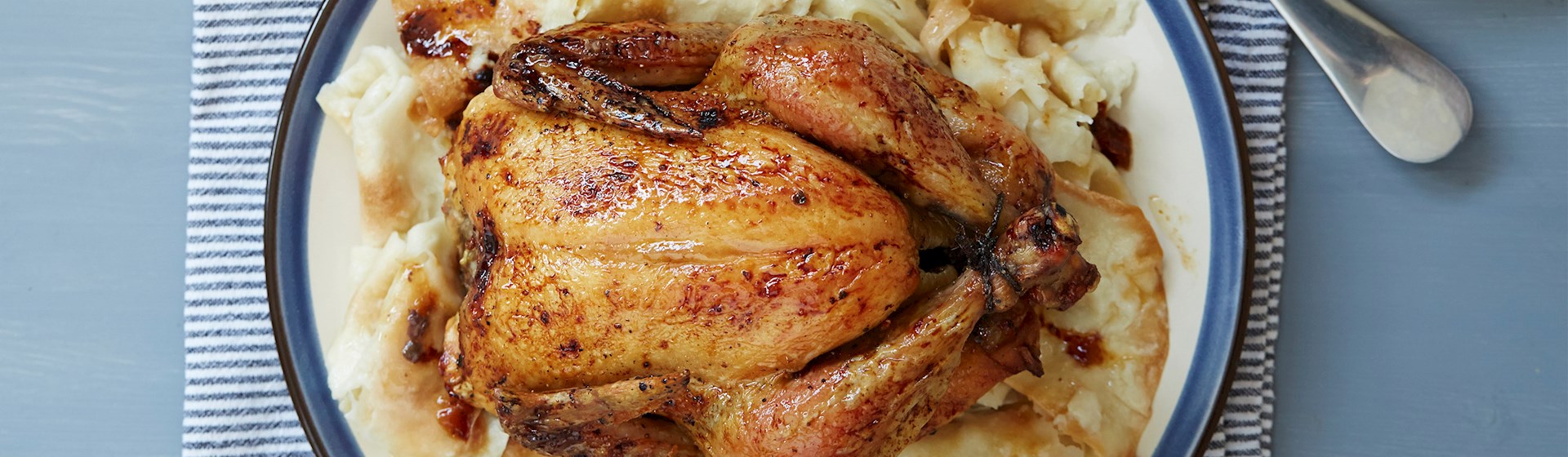
This festive Croatian dish consists of a whole roasted turkey, paired with an authentic Croatian side dish known as mlinci. The dish has its origins in the Zagorje region, where turkey has been brought over from Italy by the Pauline Fathers in the 15th century. Specific breeding and growing conditions have led to the creation of an autochthonous Zagorje Turkey breed that is praised for its exceptional quality of meat. Mlinci, on the other hand, are best described as a cross between pasta and crispy, unleavened flatbread. The dough, made with flour, water, and eggs, is rolled into thin, wide sheets. Due to their dry texture and neutral taste, they are usually torn into smaller pieces and submerged in hot water to soften. Later on, they are mixed with meat drippings, which transforms this simple meal into a luscious side dish. Turkey with mlinci is a communal family meal, typically shared among a larger number of people. Traditionally, it is served as the main course during Christmas dinner.
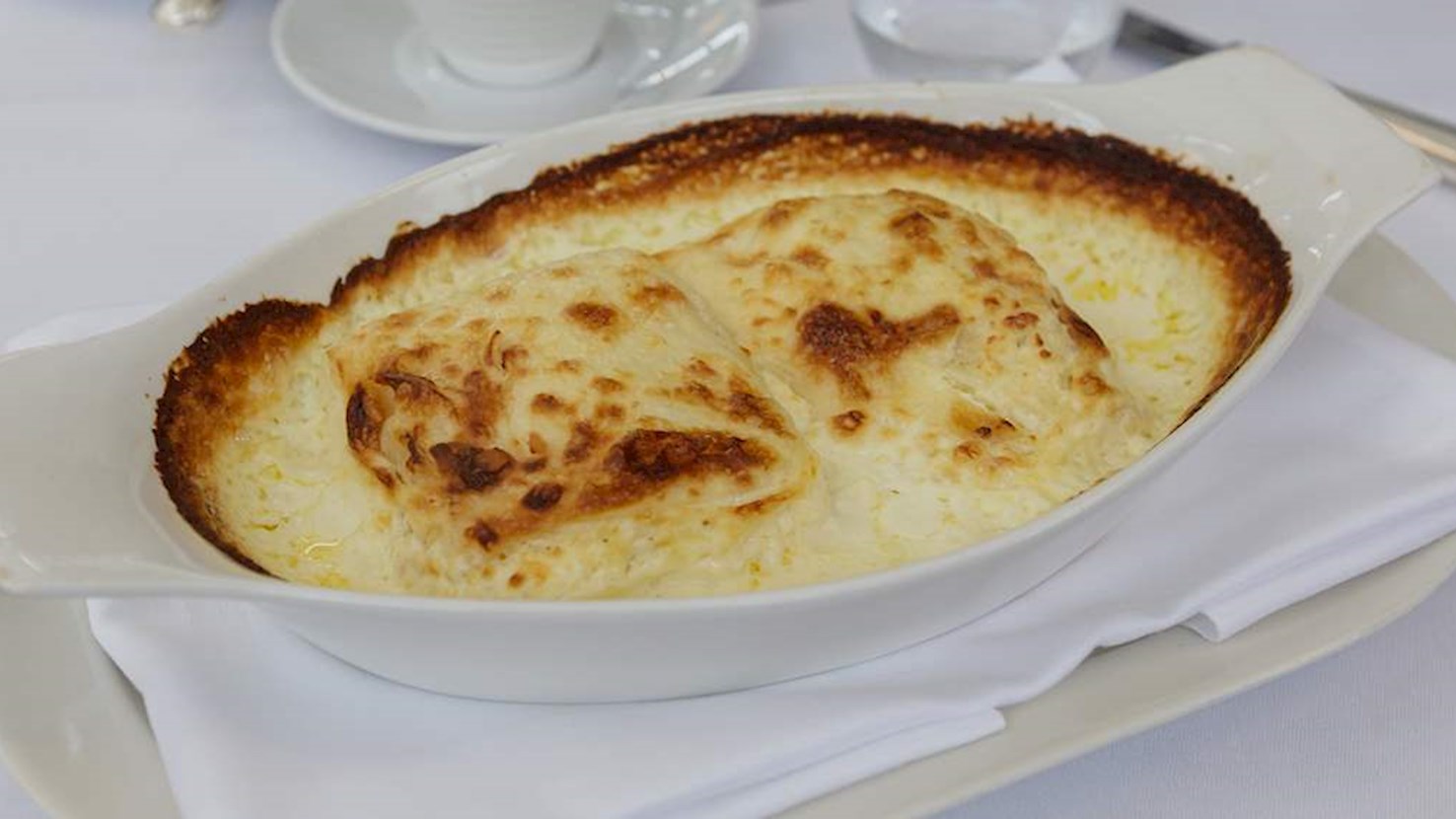
Zapečeni štrukli is a Croatian dish that is especially popular in the Zagorje and Međimurje regions, as well as Zagreb. The dough for these štrukli is made with flour, oil, lukewarm water, and salt, while the filling consists of fresh cow's cheese, eggs, butter, salt, and a bit of sugar. Once the štrukli have been assembled and rolled, they are first shortly boiled, then transferred to the oven. Before baking, they are traditionally topped with heavy cream, sour cream, or a combination of both. Zapečeni štrukli are done once they develop a golden-brown color on the exterior.
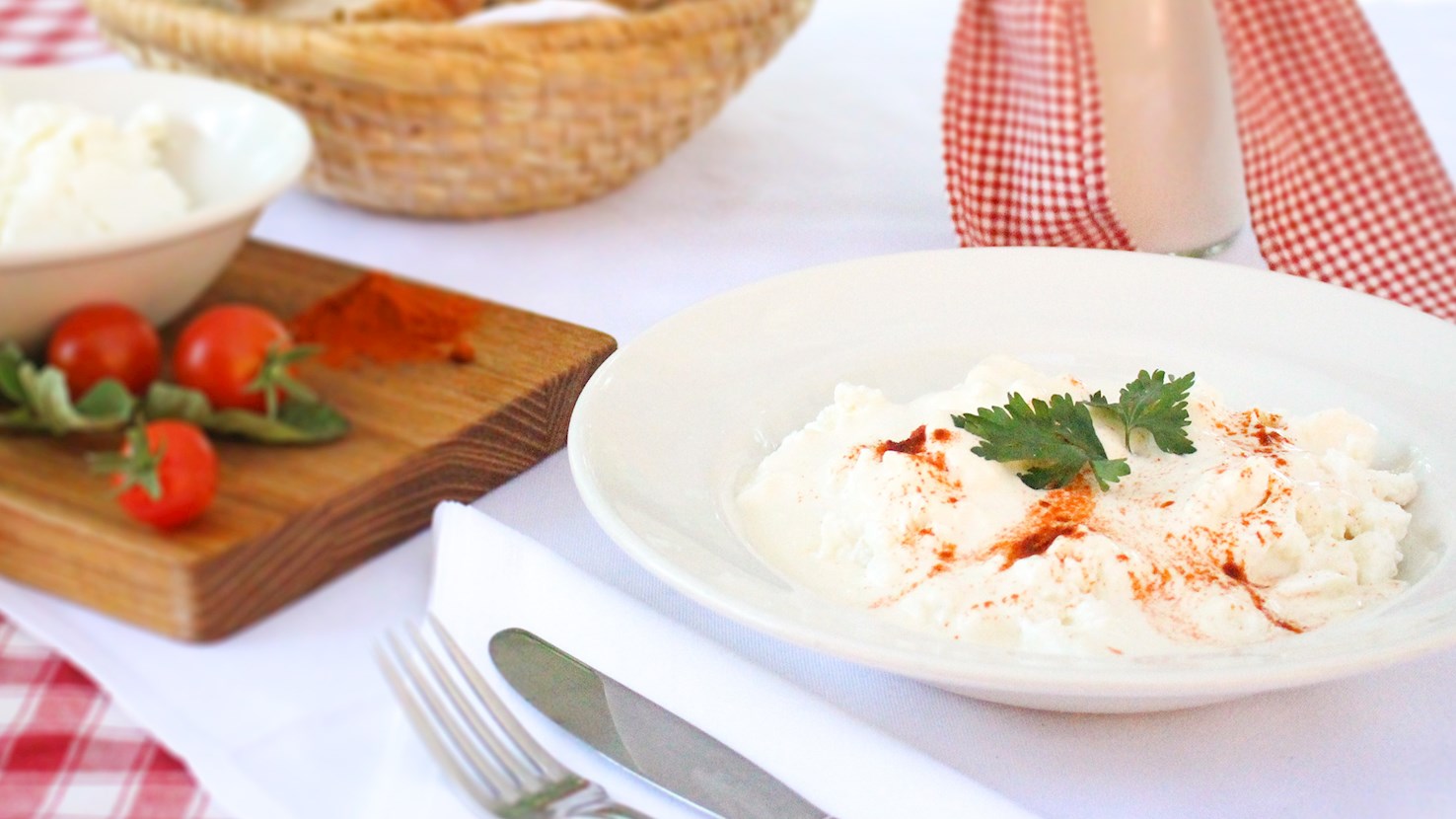
Sir i vrhnje is a favorite food of many Croatians, made by simply mixing fresh cottage cheese with sour cream. There are plenty of variations, so some like to add smoked paprika powder, salt, pepper, or minced garlic to make it taste even better. The dish is usually served for breakfast or as a light appetizer that can be paired with homemade sausages, bacon, sliced onions, or tomatoes. What was once a modest, humble dish is today an icon of Northwestern Croatian cuisine that can even be bought pre-made in many supermarkets, although the best sir i vrhnje is regularly sold at food markets.
This traditional soup hails from the Croatian region of Zagorje. It is prepared with boletus mushrooms, cured meat products, potatoes, carrots, onions, garlic, white wine, sour cream, and flavorings such as paprika, salt, pepper, and bay leaves. This hearty and nourishing soup is especially popular in autumn and winter, and it is said that the soup is quite effective as a hangover cure. It is also a staple at numerous feasts in Zagorje, where it is sometimes served in a hollowed-out loaf of round-shaped bread.
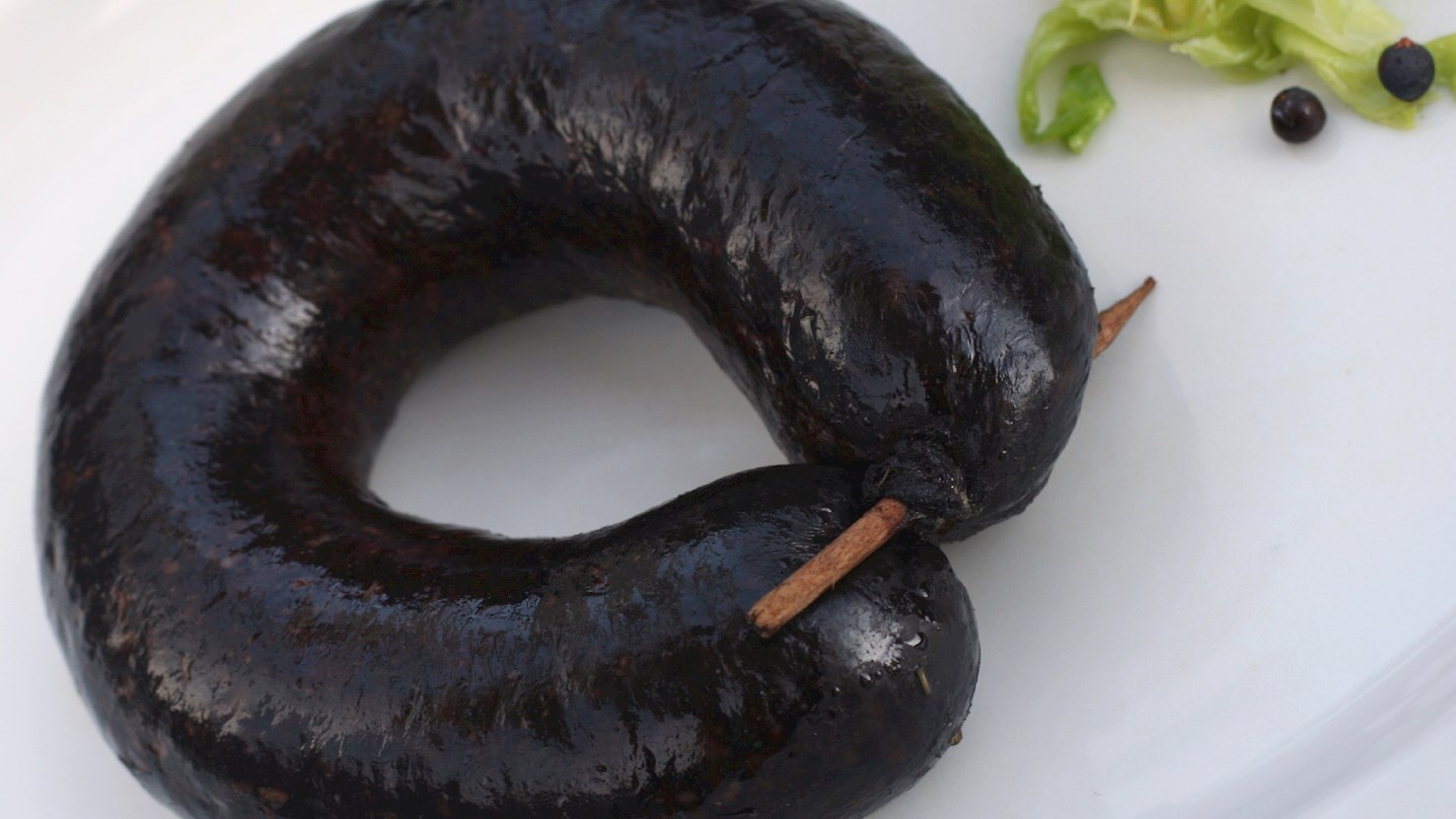
Krvavice are blood sausages produced mostly throughout continental Croatia, especially in the regions of Zagorje, Istria, Dalmatia, and Slavonija-Baranja. Apart from Croatia, the sausages are also commonly consumed in Slovenia and Serbia. They're made by cooking pork blood, skin, and offal with rice and either buckwheat, barley, or cornflour, unlike most other European blood sausages that use oats or oatmeal as fillers. However, there are numerous varieties of krvavice and every cook has his own recipe, so the ingredients may vary. The names also vary, and they're also called divenice, devenice, or kulenice. These sausages are traditionally consumed during winter when they are often accompanied by sauerkraut and a combination of boiled potatoes and sautéed onions known as restani krumpir.
Pisanica Stubica is a traditional dish from the Croatian region of Zagorje. It is believed that the dish dates back to the 16th century. It consists of a sliced pork loin that is stuffed with plums and cooked with the addition of white wine, heavy cream, sour cream, and šljivovica – a local plum brandy. When the meat becomes tender, it is sliced and served with the sauce. It is recommended to pair the meat with homemade noodles or rice on the side.
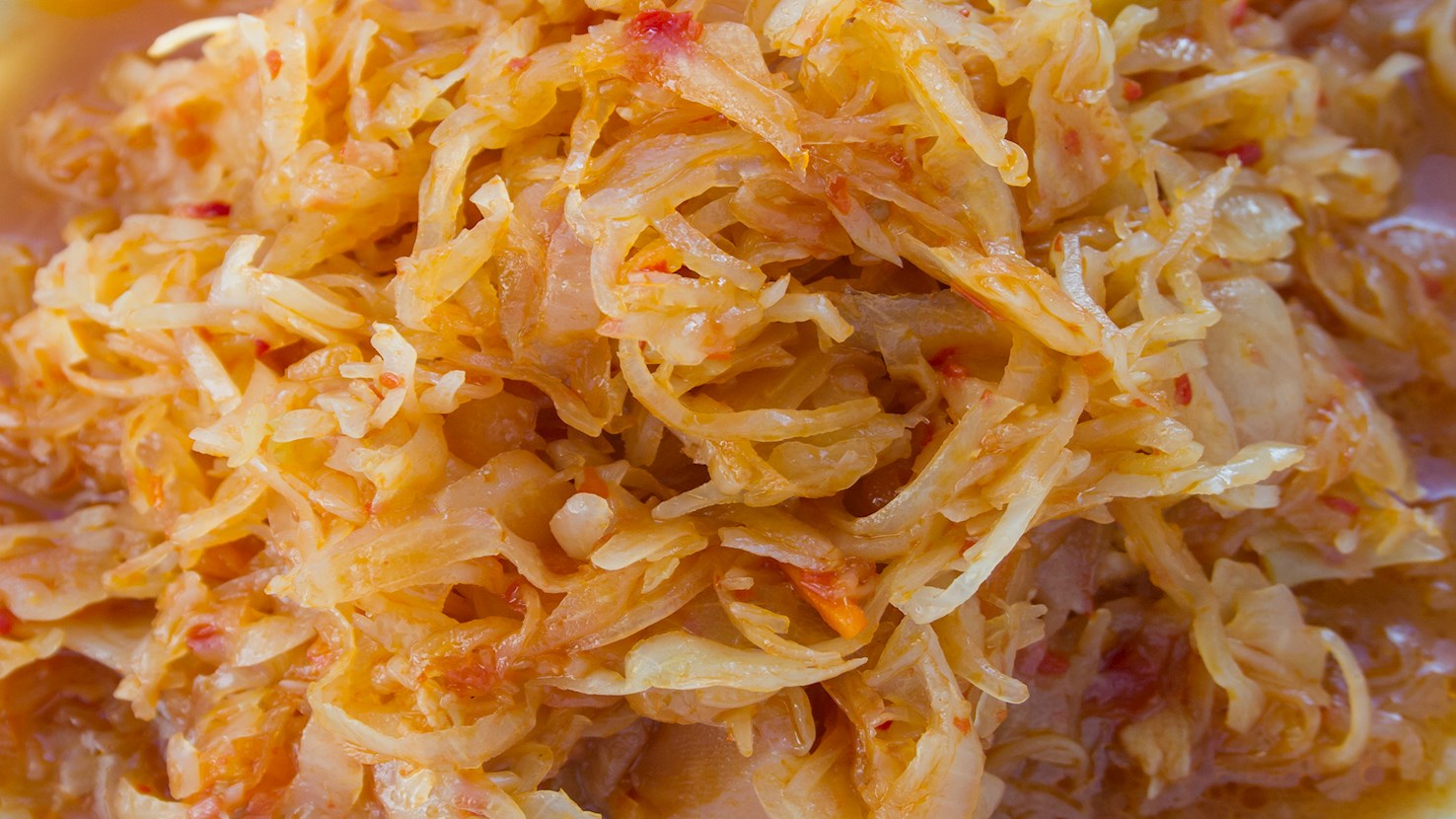
This Croatian comfort food dish consists of chopped cabbage combined with onions, garlic, sugar, tomato purée, and selected flavorings such as parsley, chives, salt, pepper, and cumin. The dish is sometimes additionally thickened with cornstarch, according to personal preferences. Although it can be consumed on its own or paired with mashed potatoes, prisiljeno zelje is often served as an accompaniment to meat dishes such as meatballs, meatloaf, or roasts.
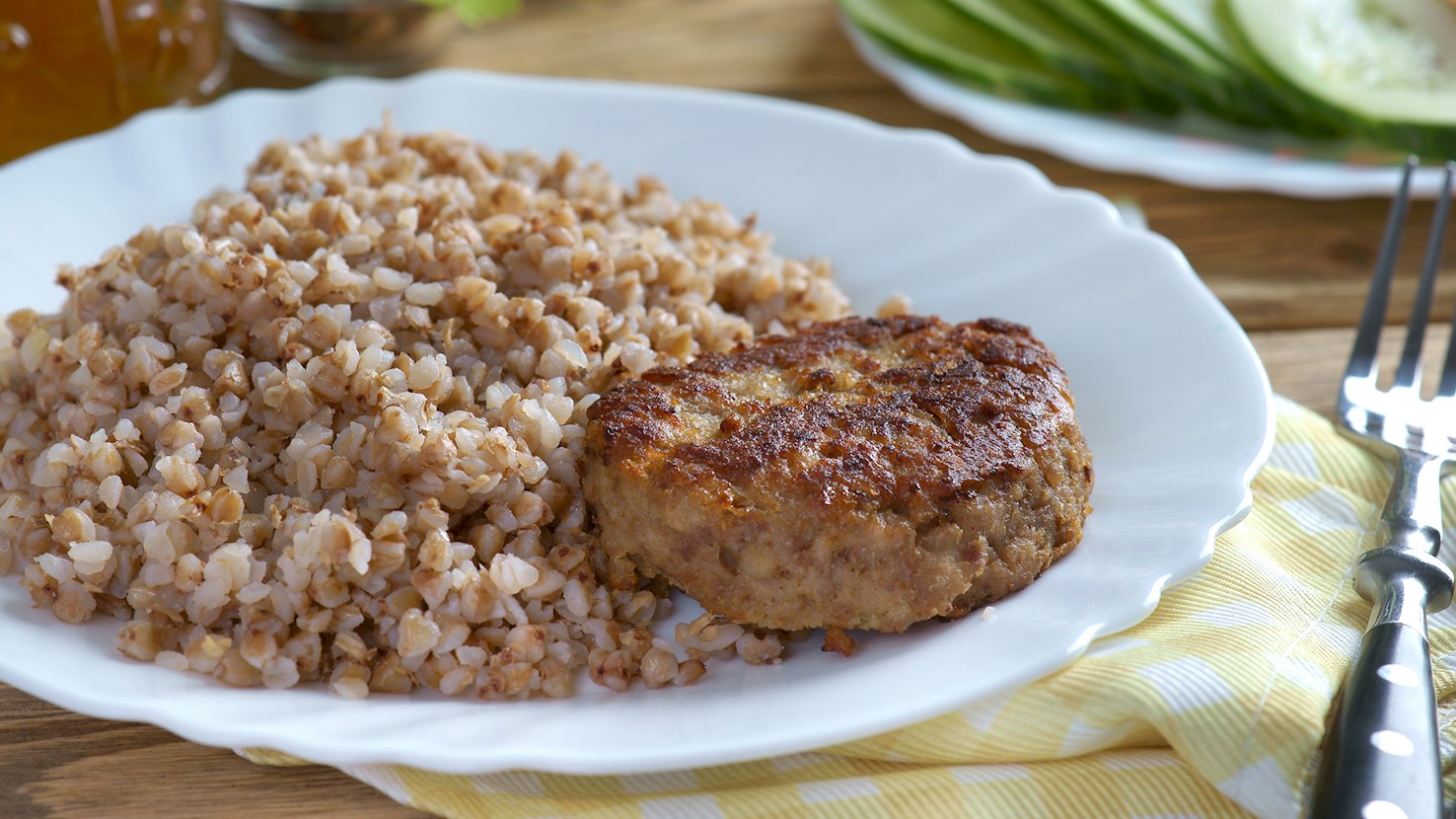
Hajdina kaša or heljdina kaša is a traditional dish that’s especially popular in the regions of Zagorje and Međimurje. Although there are many recipes, this porridge is usually made with a combination of buckwheat, onions, salt, black pepper, bay leaves, water or vegetable stock, and often lard. The onions are sautéed in pork fat and mixed with buckwheat, salt, and bay leaves. The mixture is covered with water or stock, and it’s then simmered until the porridge becomes soft and the liquid evaporates. The bay leaves are discarded before serving. This healthy porridge can be served as a side dish to roasted meat, but it can also be served on its own, usually for breakfast.
Luleki are a form of potato-based dumpling or roll that come from the northern and central parts of Croatia, where they appear under various local names such as šufnudle, valjušci, or šiškrle. They consist of a dough made from cooked potatoes, flour, and eggs (sometimes butter or margarine is used), shaped into small cylindrical pieces and then boiled. Over time, this dish moved from being a simple household preparation into a recognizable part of Croatian home cooking in regions where potato dishes dominate. The earliest mentions trace the form of potato-rolls to German and Austrian influences (notably the German Schupfnudeln) that arrived in Croatian lands through migration and cultural exchange. In making luleki the process begins with peeling and cooking the potatoes until soft, then draining them and mashing or pressing them while still warm. One then adds the eggs, butter or margarine, and a pinch of salt, and finally flour until a workable dough is formed. On a floured surface, one rolls pieces of the dough into long, thin cylinders and cuts them into bits of around five centimetres (2 inches) length (though sizes vary by cook). These pieces are dropped into salted boiling water and are done when they rise to the surface, typically with a minute or two more of cooking after floating. After they are drained, they may be combined with various dressings: a common sweet version uses breadcrumbs fried in butter (or oil) and sprinkled with sugar or poppy seeds. In contrast, a savoury version might feature them as a side to a meat or vegetable stew, such as a paprikaš. Luleki are eaten in homes across Croatia, especially in the continental inland regions, at lunch or dinner as a side dish when savoury, or as a simple dessert when served sweet. They can appear at family gatherings or everyday meals alike. The breadcrumb-and-sugar version particularly suits an afternoon snack or light dessert.
TasteAtlas food rankings are based on the ratings of the TasteAtlas audience, with a series of mechanisms that recognize real users and that ignore bot,
nationalist or local patriotic ratings, and give additional value to the ratings of users that the system recognizes as knowledgeable.
TasteAtlas Rankings should not be seen as the final global conclusion about food. Their purpose is to promote excellent local foods,
instill pride in traditional dishes, and arouse curiosity about dishes you haven’t tried.
The initial list of top producers was compiled based on available reviews, awards, local recommendations, media and blog coverage, and consumer reviews.
The list will be updated with ratings from TasteAtlas local ambassadors and TasteAtlas users.










What People Say