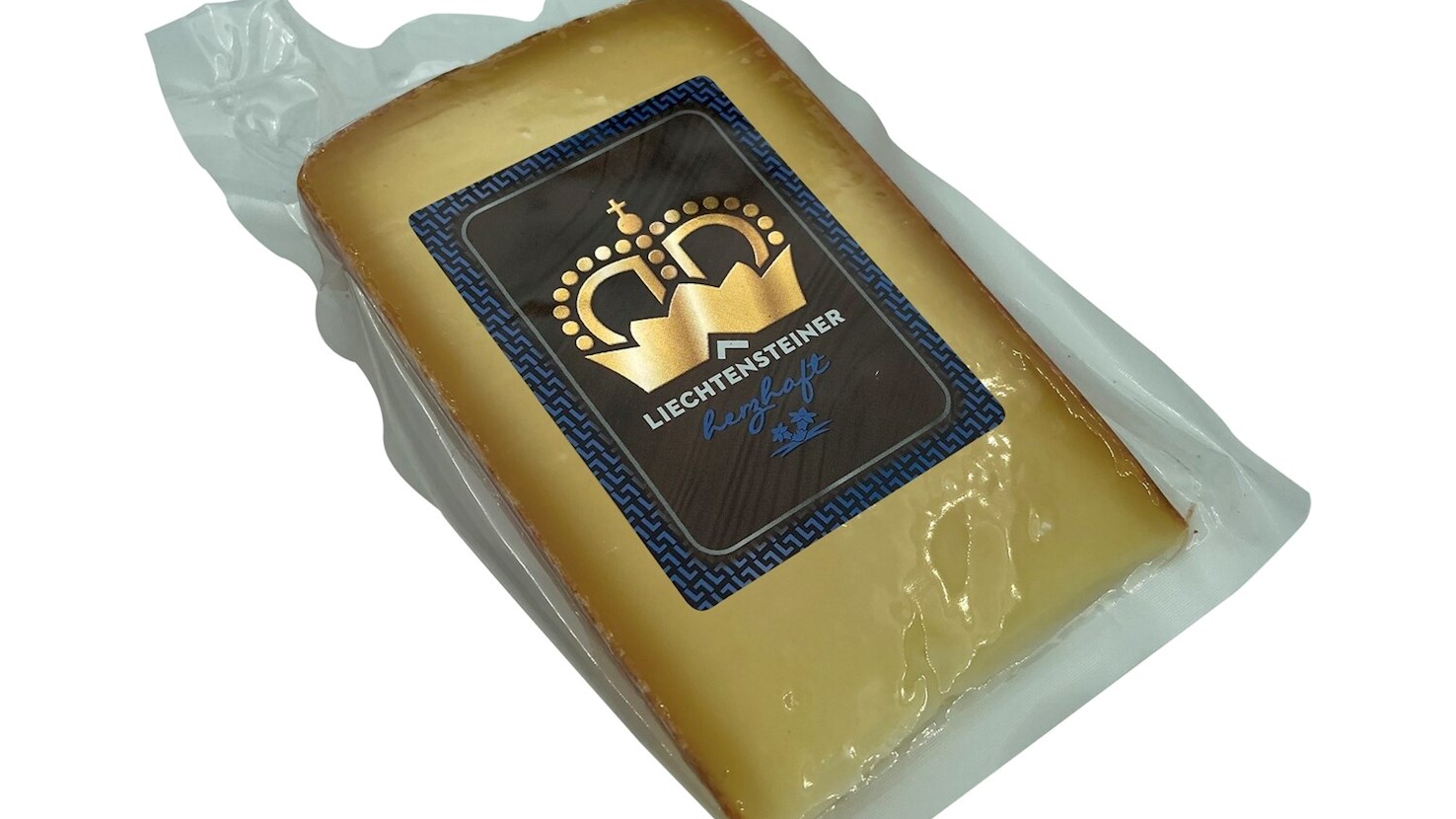
Milchhof AG is a cheese producer based in Liechtenstein. The company focuses on producing traditional and specialty cheeses.
They source their milk locally and maintain strict quality controls throughout the production process. Milchhof AG serves both domestic and international markets.
A traditional dish of Liechtensteiner cuisine, hafalaab is considered to be one of the country’s national specialties. It typically consists of a soup or broth containing wheat and cornmeal dumplings, and it’s usually flavored with smoked bacon or ham. Once a part of the local poor man's diet, simple specialties like this one are nowadays typically prepared at home and they’re rarely available at restaurants.
Liechtensteiner fish stew is a traditional dish from Liechtenstein made with a combination of dark rye bread, sprats, fish such as snapper, cod, or mahi-mahi, tomatoes, green onions, potatoes, garlic, celery, parsley, marjoram, smoked paprika, olive oil, broth, and seasonings. The combination is simmered until the vegetables become tender and the fish is fully cooked. When served, a slice of rye bread is first placed onto a serving plate, and then it is covered with the broth or mash mixture, generous portions of fish, and the combination of tomatoes, potatoes, sprats, and the broth. It's recommended to garnish this delicious stew with chopped parsley.
Käsknöpfle is a cheese noodle dish from Liechtenstein and the neighboring alpine regions of western Austria, especially Vorarlberg. It consists of small, soft dumplings made from egg, flour, and water, layered with grated cheese and topped with fried onions. The name comes from the German word “Knöpfle,” meaning “little buttons,” referring to the round shape of the noodles, which are smaller and denser than the longer Swabian Spätzle found in southern Germany. It is one of the most recognizable dishes of Liechtenstein’s everyday cooking and represents the hearty, modest style of mountain cuisine shaped by local ingredients and climate. Its origins lie in the rural cooking of the Alpine valleys, where wheat flour, eggs, and dairy formed the foundation of many household meals. In an environment where fresh produce was limited in winter, dishes built around flour and cheese became central to sustenance and comfort. The dough-based dumplings were quick to prepare and filling, and as cheese-making developed in the mountain pastures, cooks began combining the two. Käsknöpfle evolved as a natural result of this pairing, reflecting the self-sufficient habits of small farming communities where every ingredient came from nearby. Over time, it became a common meal both at home and in local taverns, carrying with it a sense of familiarity and balance between richness and simplicity. The preparation begins by mixing flour, eggs, salt, and a bit of water into a smooth but thick batter. The dough is pressed through a special tool called a Knöpflehobel or scraped with a knife into boiling salted water, where the pieces quickly rise to the surface once cooked. They are then drained and layered in a large bowl with grated cheese, often a blend of mountain cheeses like Montafoner, Räßkäse, or Bergkäse, so that the heat of the noodles melts the cheese into a cohesive, creamy mass. The dish is completed with browned onions scattered over the top, adding sweetness and texture that balance the richness of the melted cheese. Some cooks stir a small amount of butter or cream into the mixture to loosen it, but the essence of the dish relies on the quality of the cheese and the right texture of the Knöpfle. Käsknöpfle is eaten across Liechtenstein and parts of Austria, often as a main course at family gatherings, festivals, or casual taverns. It is commonly served with a simple green salad or apple sauce, which lightens the meal and contrasts with the richness of the cheese. Some prefer a glass of dry white wine or beer alongside it, both of which cut through the fat and emphasize the nutty flavors of the melted cheese.
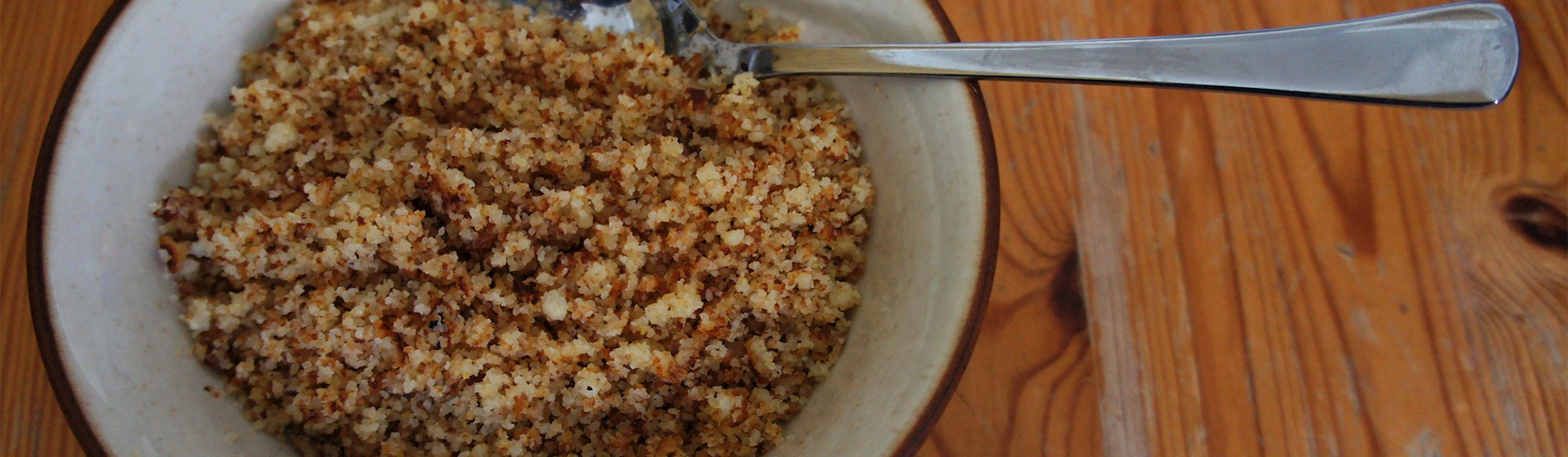
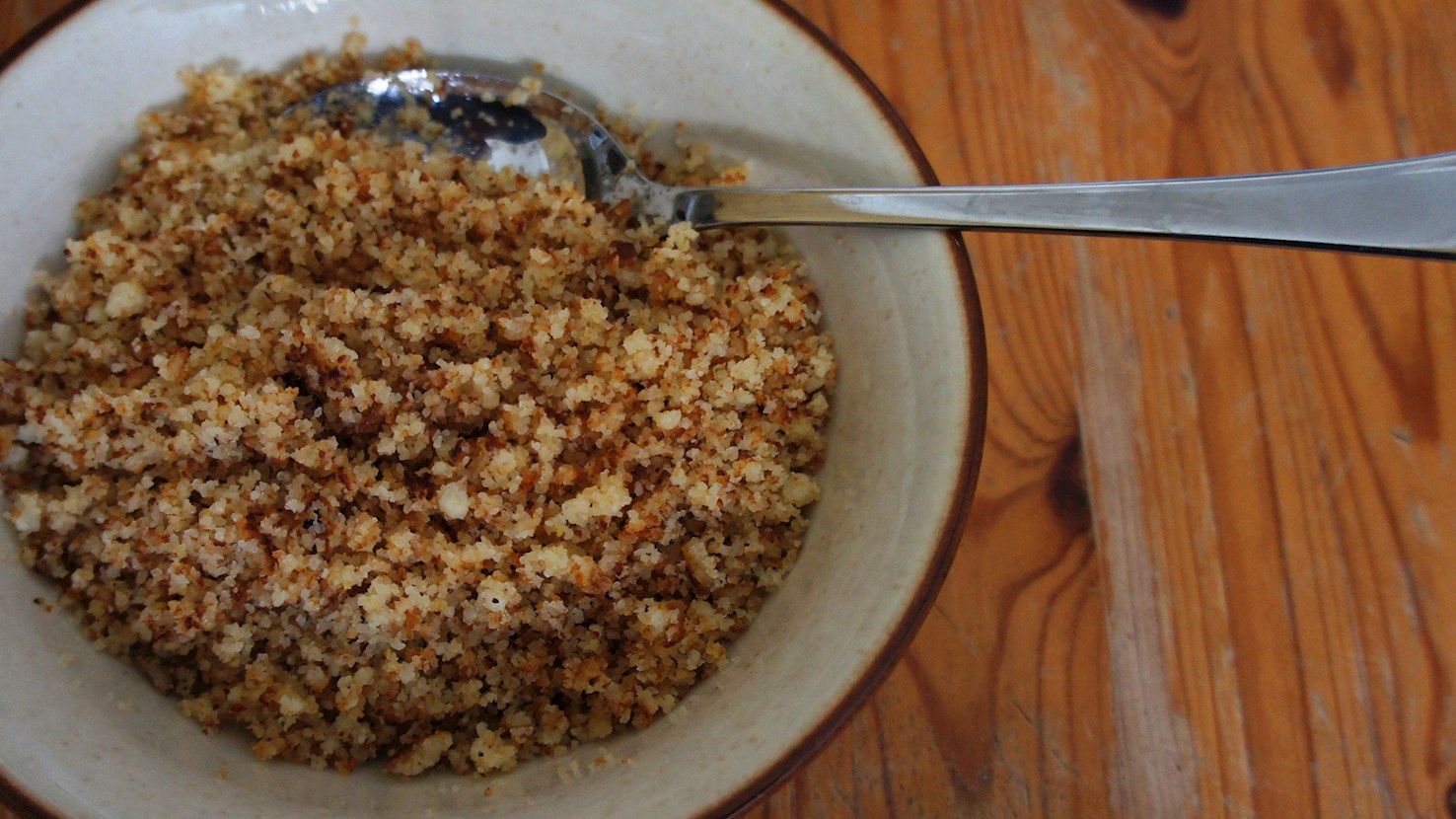
In the past, ribel used to be a meal eaten by the poor, usually for breakfast, but it all changed in the 1970s, and now many restaurants serve this traditional Lichtensteiner dish. Just like polenta, ribel is made from cornmeal that is cooked in boiling water and milk, and once cooked, it is roasted with butter. Although its flavor is savory, it can be eaten with sweet accompaniments such as fruit sauces and compotes.
Türggenbrot is a compact corn-and-wheat loaf from the Rhine Valley, produced mainly in the St. Gallen Rhine Valley and also in the Chur Rhine Valley and Liechtenstein, where corn (Türggen/Törgga) has been baked into everyday bread for centuries. The loaf took shape as corn cultivation spread in the 17th century and became a mainstay of smallholder diets; by the mid-19th century, two-thirds of local cropland was devoted to corn, and the bread was common well beyond the valley—Basel, Graubünden, and Glarus included—before a 20th-century decline and a late-1990s revival led by the Rheintaler Ribelmais association. The dough is built from very finely milled corn flour (soaked 1:1 overnight with warm water), half-white wheat flour, rye flour blend, water, yeast, and salt; most bakers mix in sultanas, once in the past also dried pears, which lend a gentle sweetness. After brief intermittent kneads and a rest, the baker shapes 500-gram (1 lb) loaves with a flat bottom and low domed top, then bakes them to a pale, fine-crusted loaf with almost no pores and a gray-gold crumb. For the table, it appears at breakfast or supper with butter, jam or honey, and also with cheese and sausage—though when sultanas are present, salty pairings are less suitable; as a regional staple, it sits alongside other maize foods like türggenribel and reflects a baking culture now anchored again by local growers and millers.
Torkarebl is a traditional dish that involves cooking cornflour with milk, water, and salt. This specialty lies somewhere between a porridge and a dumpling, and after it’s been boiled, the combination is typically fried in butter. Torkarebl is rarely found in restaurants and it's traditionally accompanied by elderberry jam and a cup of coffee with milk on the side.
TasteAtlas food rankings are based on the ratings of the TasteAtlas audience, with a series of mechanisms that recognize real users and that ignore bot,
nationalist or local patriotic ratings, and give additional value to the ratings of users that the system recognizes as knowledgeable.
TasteAtlas Rankings should not be seen as the final global conclusion about food. Their purpose is to promote excellent local foods,
instill pride in traditional dishes, and arouse curiosity about dishes you haven’t tried.
The initial list of top producers was compiled based on available reviews, awards, local recommendations, media and blog coverage, and consumer reviews.
The list will be updated with ratings from TasteAtlas local ambassadors and TasteAtlas users.





What People Say