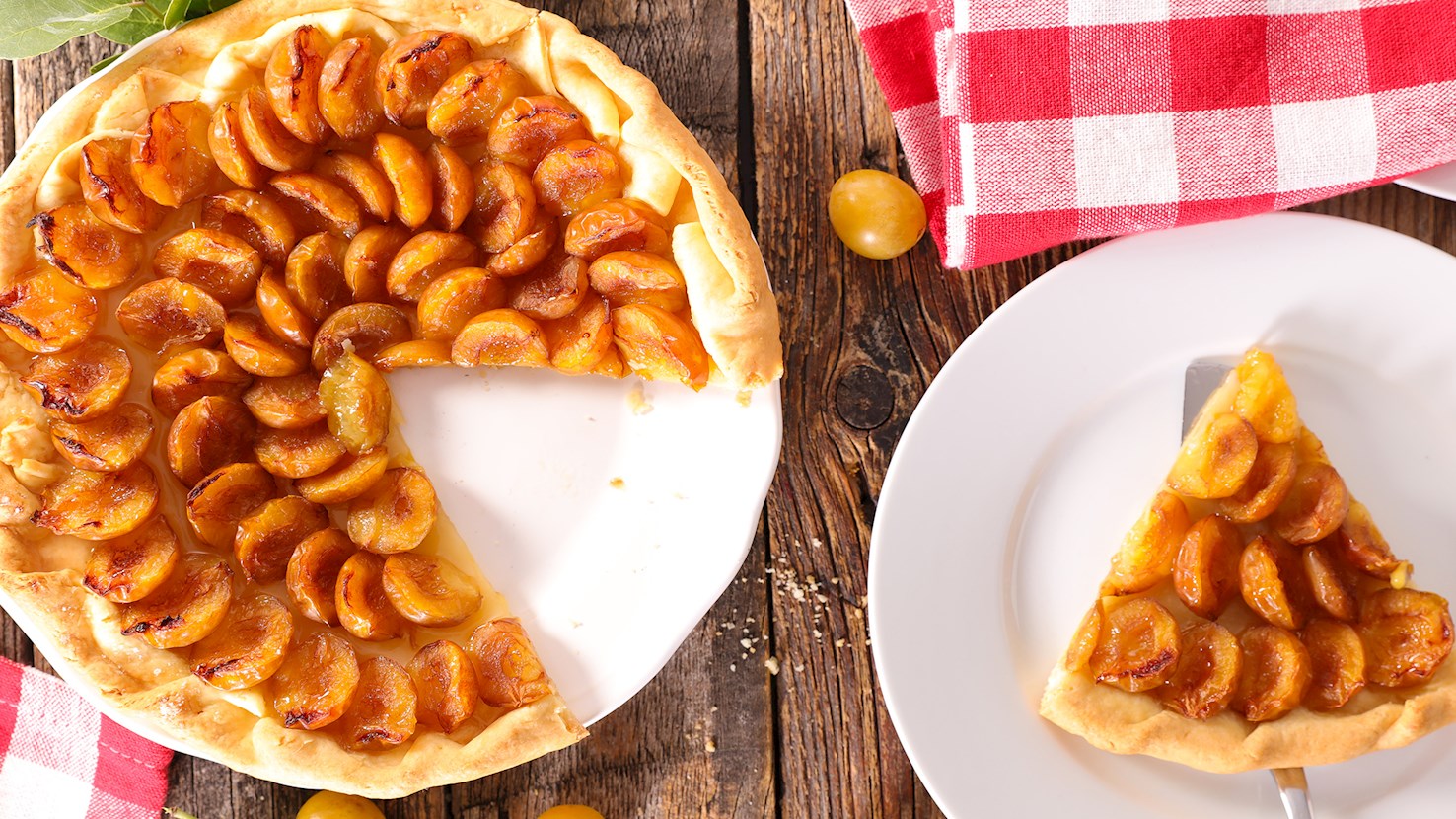
While the traditional version couples only two elements, shortcrust pastry or pâte brisée and juicy mirabelle plums, modern varieties of this classic occasionally place the plums on a bed of pastry cream or creamy custards. Before baking, the tart is sprinkled with powdered sugar (alternatively, the top can be drizzled with mirabelle brandy), and it is then caramelized under a broiler or with a blowtorch. This autumnal French dessert is often associated with the regions of Lorraine and Alsace, where mirabelle plums are traditionally grown. Because their season is very short, they are a prized ingredient in the French cuisine.
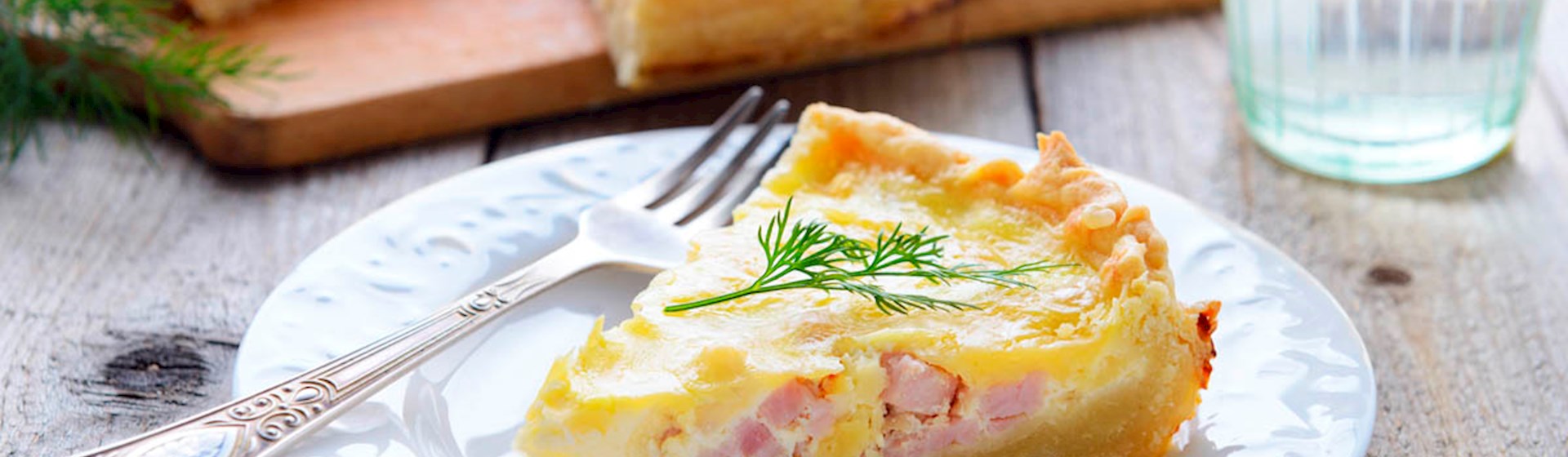
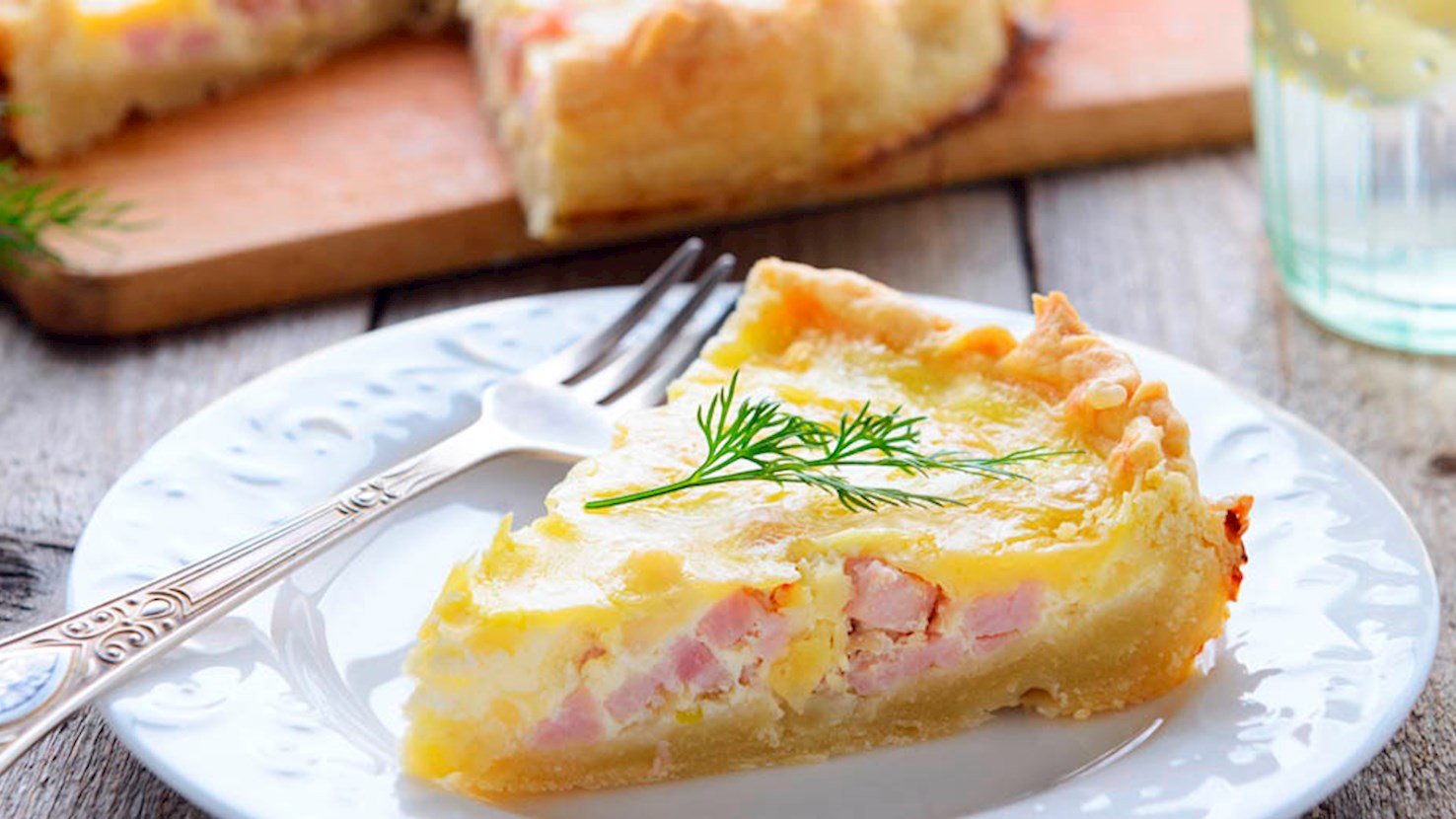
Although quiches can be made with nearly anything, from meats and vegetables to seafood, herbs, and cheeses, the king among these delicious baked tarts is still the original quiche Lorraine, consisting simply of a shortcrust dough base that is filled with bacon, eggs, cream, nutmeg, and a dash of salt and pepper. The word quiche is thought to have been adapted from the German word küchen, meaning cake, as the first Lorraine quiches were made with bread dough instead of shortcrust dough. In the French region of Lorraine, it is traditionally served on May Day as an accompaniment to roasted suckling pig. Any other day in the year, it is served as an appetizer, usually with a green salad on the side, and it is typically consumed either at room temperature or warm, while the golden-brown crust is still crunchy.
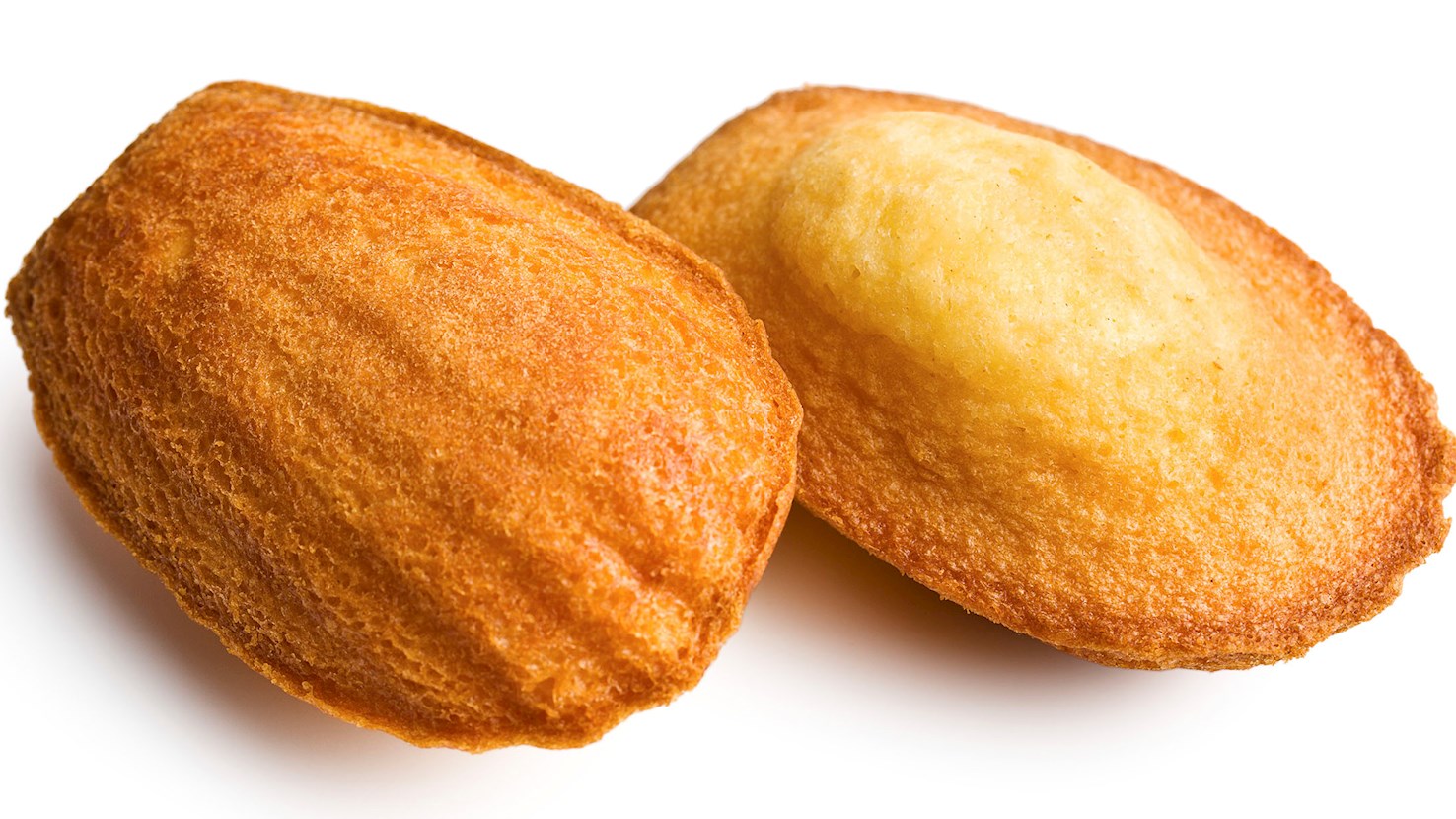
Madeleines are the perfect accompaniment to afternoon tea - these buttery sponge cakes (often mistaken for cookies because of their small size) are slightly browned and crispy on the outside while remaining soft and tender on the inside. A typical dessert of the Lorraine region, madeleines are said to have originated in Commercy. They are supposedly named after Madeleine Paulmier, the 18th-century pastry chef who first made them for Stanisław Leszczyński, the Duke of Lorraine. Later on, his daughter Marie Leszczyńska introduced madeleines to the court in Versailles, and they attained countrywide popularity soon afterward. However, what brought them worldwide fame is a passage from Swann’s Way, the first volume of Marcel Proust’s 20th-century literary masterpiece In Search of Lost Time. In painstaking detail, Proust describes biting into a soft little madeleine dipped in linden blossom tea, the taste of which then takes him on a bittersweet journey of nostalgia, evoking long-forgotten memories of his childhood and youth. Also known as petite madeleines, these delicate little tea cakes are traditionally baked in shallow, scallop-shaped molds that give them their distinctive shell-like appearance. Even though they come in many flavors, such as chocolate, vanilla, rose, honey, lavender, and orange, classic madeleines are typically flavored with almonds or lemon and are served with a dusting of powdered sugar.
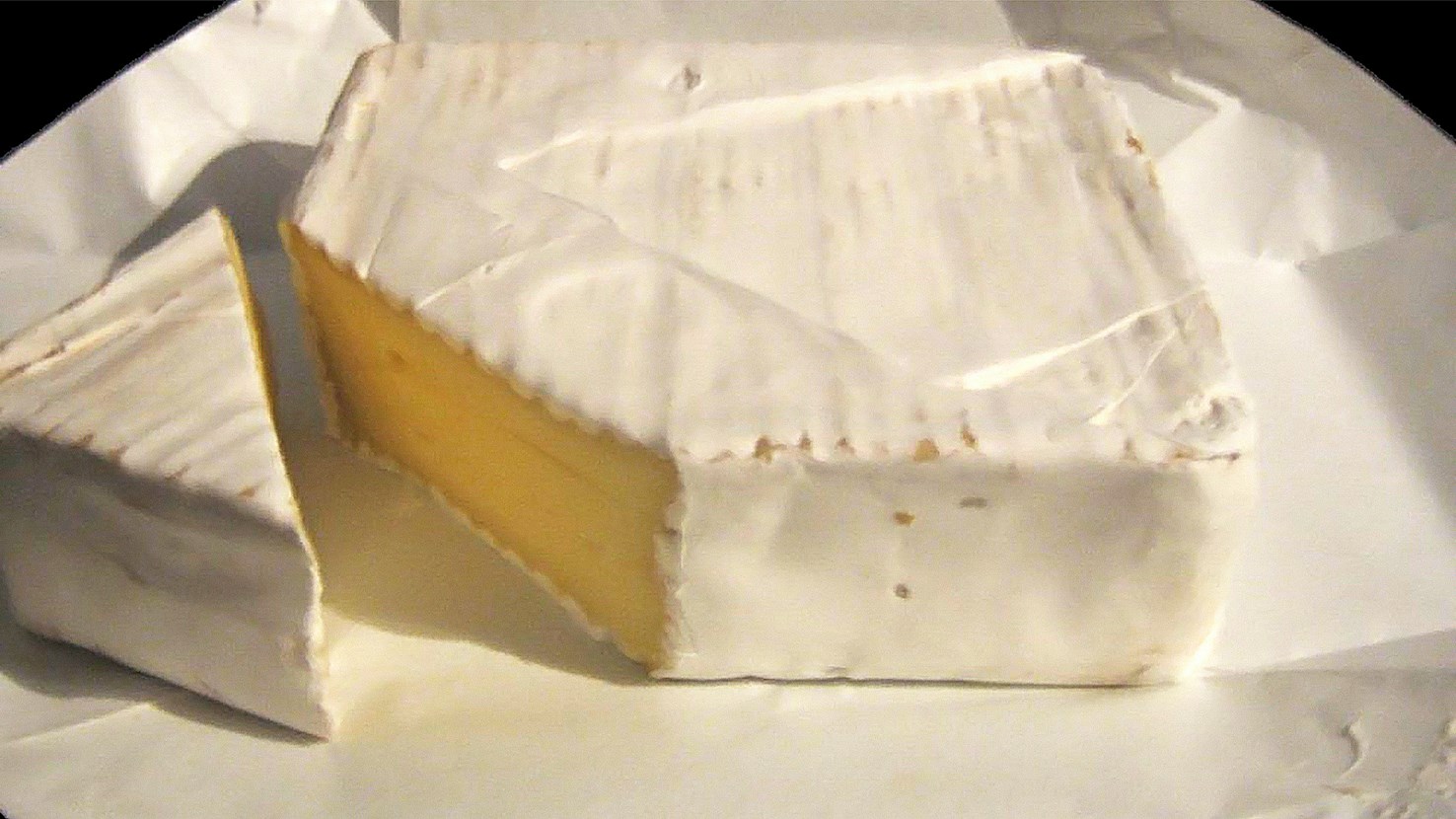
Carré de l'Est is a French cheese made with cow's milk. It originates from the region of Lorraine. The cheese is traditionally left to mature for 5 weeks. It has a brine-washed rind, pale yellow color, and a pungent, smoky flavor, while the texture is very soft, even more buttery than Brie. The name of this cheese means square of the East, referring to its region of origin and its shape, because carré means square. Carré de l'Est is so popular in France that it can be found throughout the country.
This hearty, meat-studded entrée is often confused with pâté Lorrain, another classic French meat pie. But unlike pâté Lorrain, cream and egg custard is added to the filling of Tourte Lorraine. Apart from this, according to Larousse Gastronomique, one of the prime reference books on French cuisine, both are baked in pastry and include a chunky pâté of pork and veal marinated in an aromatic bath of wine, shallots, cloves, and flavorful Herbes de Provence – a classic blend of dried thyme, marjoram, oregano, rosemary, chervil, tarragon, lovage, savory, sage, bay leaf, and fennel. Best enjoyed fresh out of the oven, Tourte Lorraine is traditionally served as an appetizer with a side of green salad, and is typically paired with a chilled glass of wine. In Lorraine, it is also particularly popular among the working class as an early morning meal.
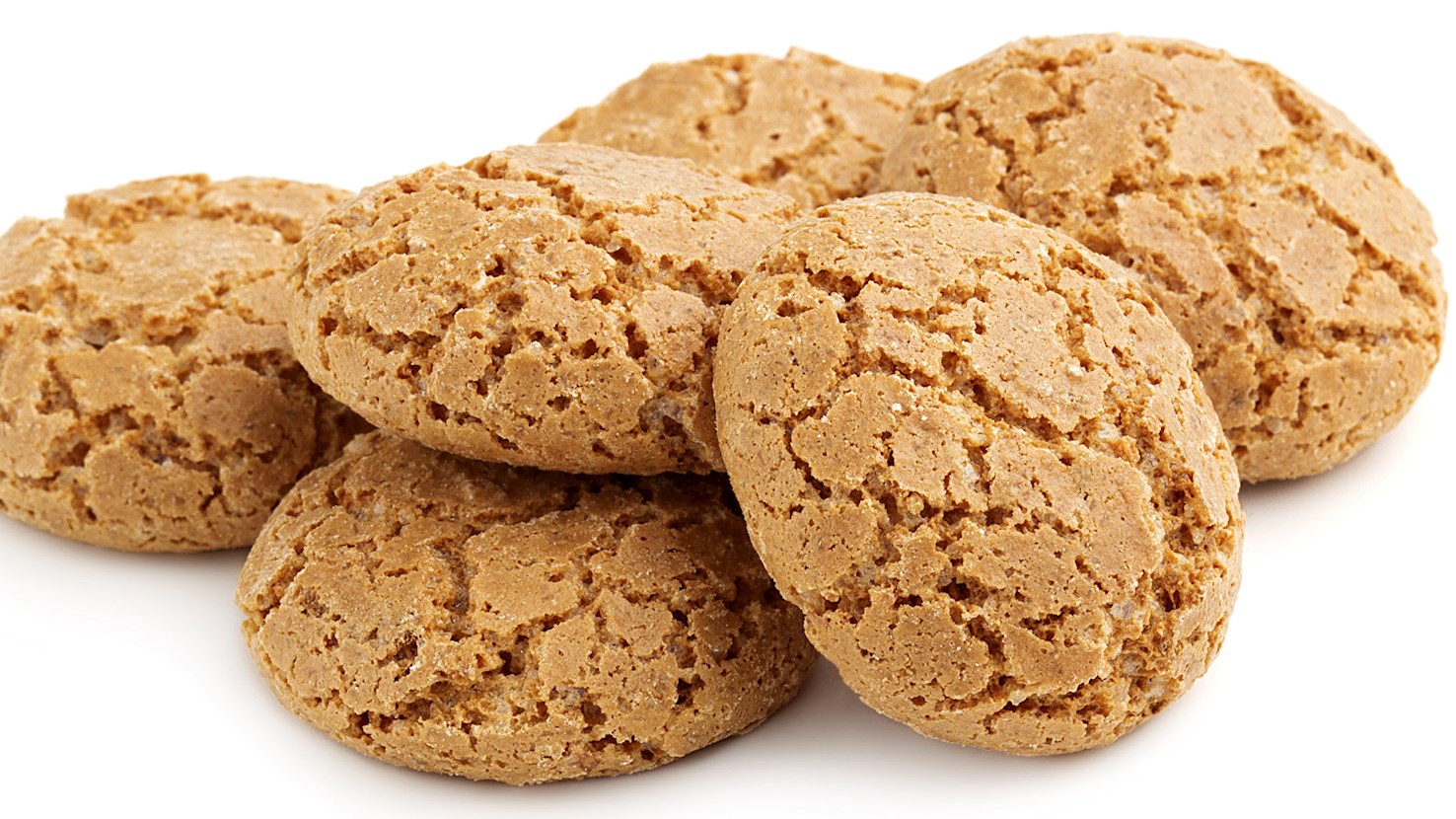
A macaron is a sweet treat that is prepared throughout France, its name derived from the italian maccarone, referring to the crushing of the almond paste, which is the main ingredient of these delectable treats. Originally, the daughter of Charles III, Duke of Lorraine founded a monastery called Les Dames du Saint-Sacrement, right in the center of the French city called Nancy. As meat was forbidden in the monastery, the nuns started to bake numerous pastries, amongst them the popular macarons. Upon their abolishment from the monastery, nuns Marguerite and Marie-Elisabeth sought refuge in the house of a local doctor, and started to make and sell macarons in order to survive. The sweets gained huge popularity, and in 1952, the city of Nancy honored the macaron sisters by naming a part of the street where they lived after them. The recipe for these famous treats is still kept a secret, guarded by Nicolas Génot of the Maison des Soeurs Macarons in Nancy.
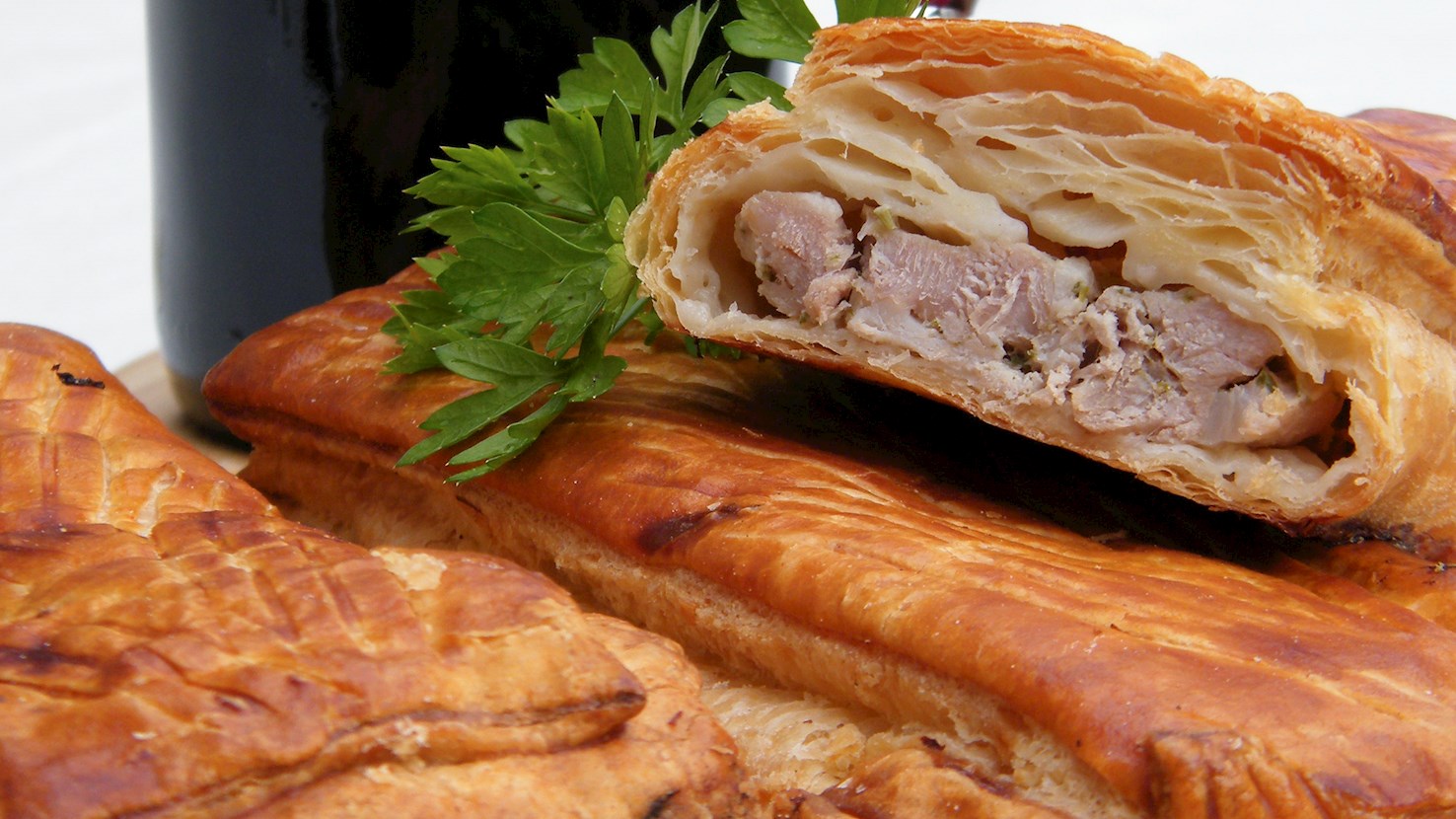
Pâté Lorrain has finely chopped, marinated pork and veal completely encased within a golden, flaky rectangular puff pastry. It holds the distinction of being one of the oldest recorded regional dishes in French gastronomy, with its earliest written recipe appearing in the 14th-century cookbook "Le Viandier" by Guillaume Tirel, famously known as Taillevent. Originally developed as a rustic, practical method for preserving and transporting meat during long workdays, it eventually evolved into a celebrated staple of regional bakeries and charcuteries across northeastern France. The making of pâté Lorrain begins a full day before baking, requiring the meat—traditionally an equal mixture of pork shoulder and veal—to be cut into small, uniform cubes rather than ground into a paste, which provides its signature rustic texture. This coarsely chopped meat is submerged in a highly aromatic marinade composed of dry local white wine, such as Gris de Toul or Riesling, alongside minced shallots, garlic, fresh parsley, thyme, bay leaves, salt, and cracked black pepper. After resting in a cold environment for 12 to 24 hours to develop flavor and tenderize the proteins, the meat is thoroughly drained to prevent the pastry from becoming soggy with excess moisture. The marinated meat is then mounded onto a sheet of dough, wrapped into a neat rectangular parcel, and brushed with an egg wash to achieve a deep golden sheen. The baker typically scores the top to create a decorative pattern and cuts small ventilation holes, or "chimneys," to allow steam to escape during baking, ensuring the puff pastry crust rises perfectly crisp and shatters upon cutting. While the pork and veal blend represents the standard, notable variations exist across the region, including purely pork-based versions for a richer flavor profile, occasional substitutions of rabbit or poultry, and a sturdier shortcrust pastry base to better support the heavy meat filling. As a cornerstone of Lorraine's culinary identity, the dish is traditionally served warm, never piping hot, allowing the meat's juices to settle and the complex flavors of the wine marinade to fully emerge. It is almost universally presented as a hearty appetizer or a light main course, accompanied simply by a crisp green salad tossed with a sharp, acidic vinaigrette that expertly cuts through the rich, buttery density of the pastry and the savory depth of the meat.
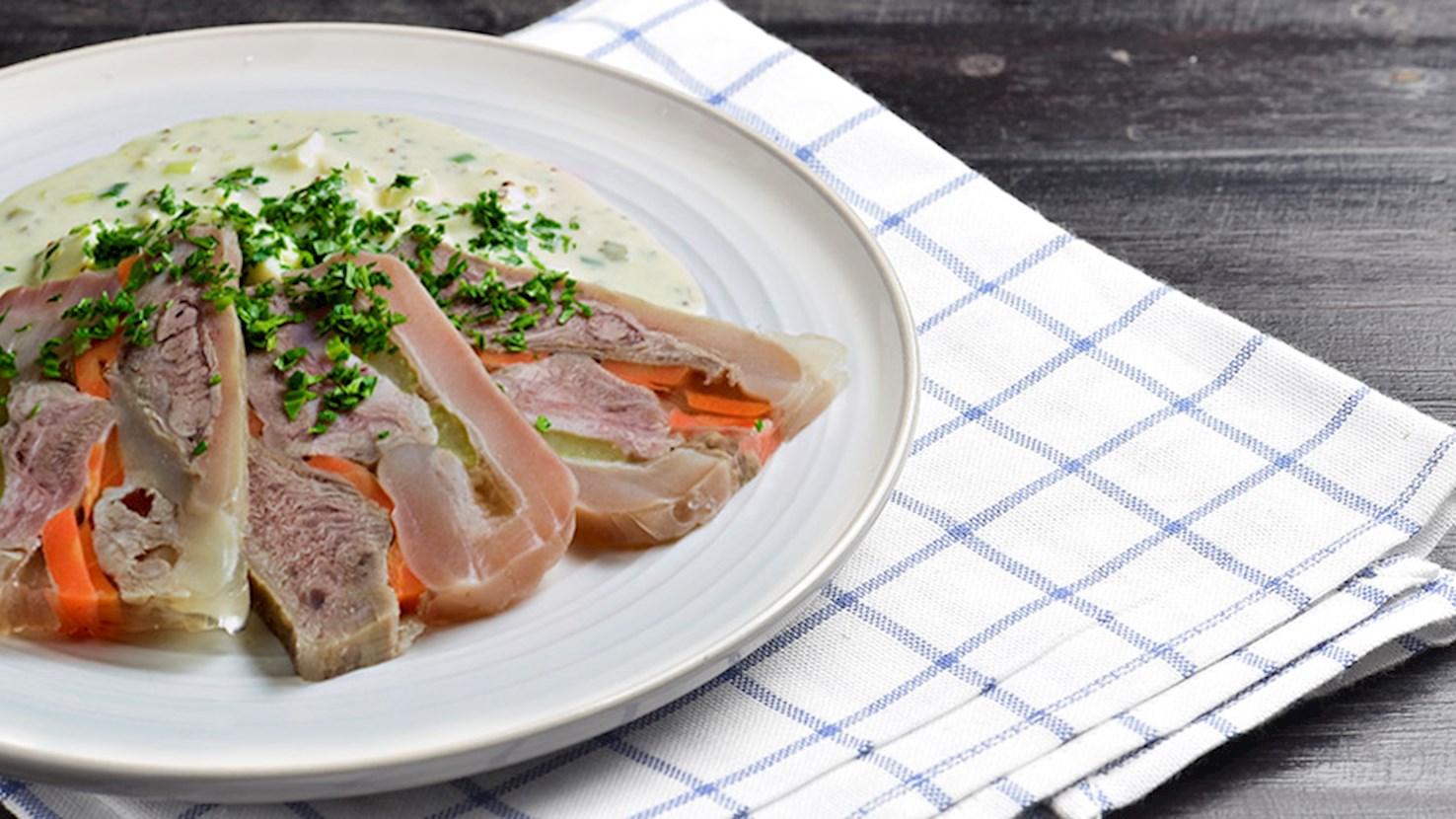
As the name might imply, this French dish consists of a calf’s head, which is boiled for a long time until the meat becomes tender and the skin develops a gelatinous consistency. The tongue and brain are also boiled separately with a combination of spices, and the three types of meat are served together in thick slices on a platter with the vegetables used in cooking, usually potatoes and carrots, and a drizzling of ravigote sauce. Although the dish has numerous supposed origins, famous French writer Gustave Flaubert traces it back to the British celebrating the decapitation of King Charles I. After the French revolution and yet another well-known decapitation, the French followed suit. This same dish used to be made using a pig’s head, however at some point (and for reasons unknown), the pig fell out of fashion and calf's head started to be used instead.
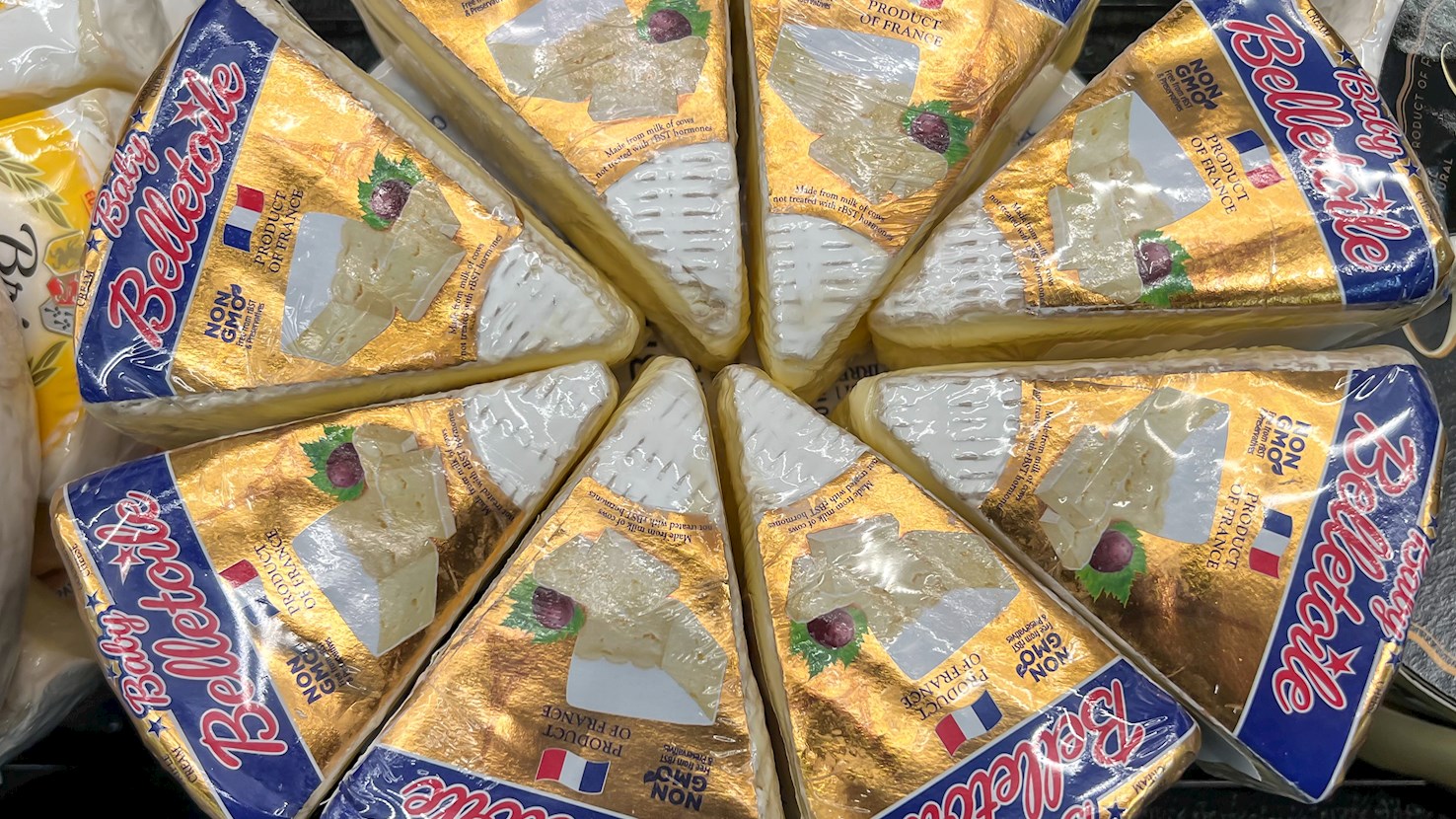
Belletoile is a French triple cream brie-style cheese hailing from the Lorraine region. The cheese is made from pasteurized cow's milk and extra cream. It's aged for less than a month. Underneath its bloomy rind, the texture is soft, creamy, smooth, and buttery. The aromas are mild, while the flavors are nutty, mild, mushroomy, and slightly tangy. It's recommended to serve Belletoile with a crusty baguette or crackers on the side. Pair it with bold red wines such as Pinot Noir or Cabernet Sauvignon.
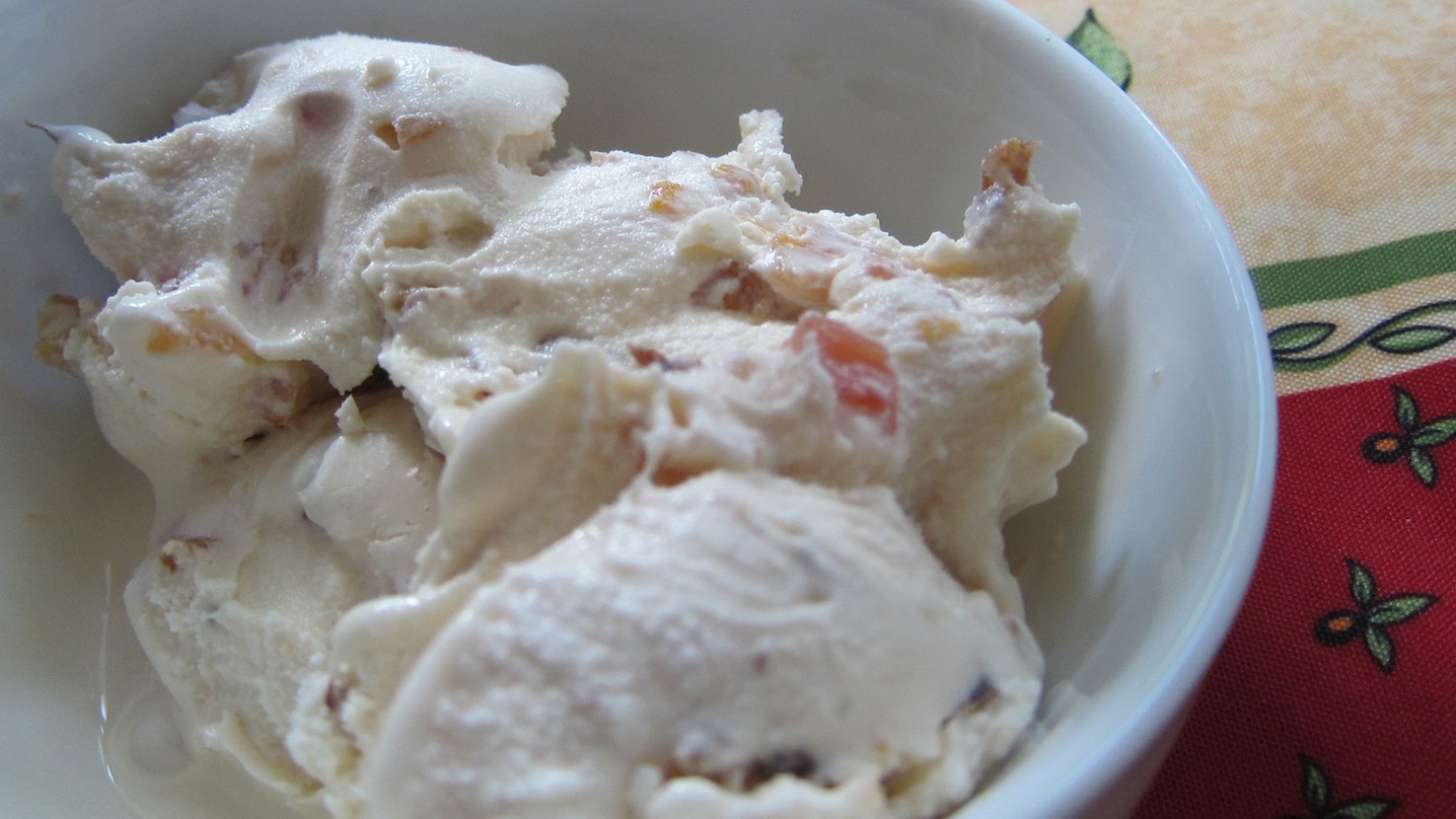
Glace plombières is a French ice cream that was originally invented as a way to cover up a cook's failure at a secret dinner party for Napoleon. There is a theory that the plombière part of its name refers to the leaden ice cream molds that were used in the preparation of ice cream in the past. However, Napoleon's dinner was held in the French commune called Plombières-les-Bains to negotiate a secret treaty, so the true origin of glace plombières still remains a mystery. The defining characteristic of this ice cream is the candied fruit that is ideally macerated in high-quality kirsch, which is typically dispersed throughout the dessert.
TasteAtlas food rankings are based on the ratings of the TasteAtlas audience, with a series of mechanisms that recognize real users and that ignore bot,
nationalist or local patriotic ratings, and give additional value to the ratings of users that the system recognizes as knowledgeable.
For the “Top 19 Lorrainian Foods” list until October 21, 2026, 1,010 ratings were recorded, of which 890 were recognized by the system as legitimate.
TasteAtlas Rankings should not be seen as the final global conclusion about food. Their purpose is to promote excellent local foods,
instill pride in traditional dishes, and arouse curiosity about dishes you haven’t tried.
The initial list of top producers was compiled based on available reviews, awards, local recommendations, media and blog coverage, and consumer reviews.
The list will be updated with ratings from TasteAtlas local ambassadors and TasteAtlas users.









What People Say