Top 7 Traditional Foods
in Lower Carniola

Last updated on June 02, 2026

Best Lower Carniola food products

01
Spirit

Evrosad Krško

4.8 ·
Awards
IWSC- International wine & spirit competition - Spirit Gold (2024)
02
Beer

Rooster's Brewing

4.3 ·
Awards
International Brewing Awards - Gold (2017)
03
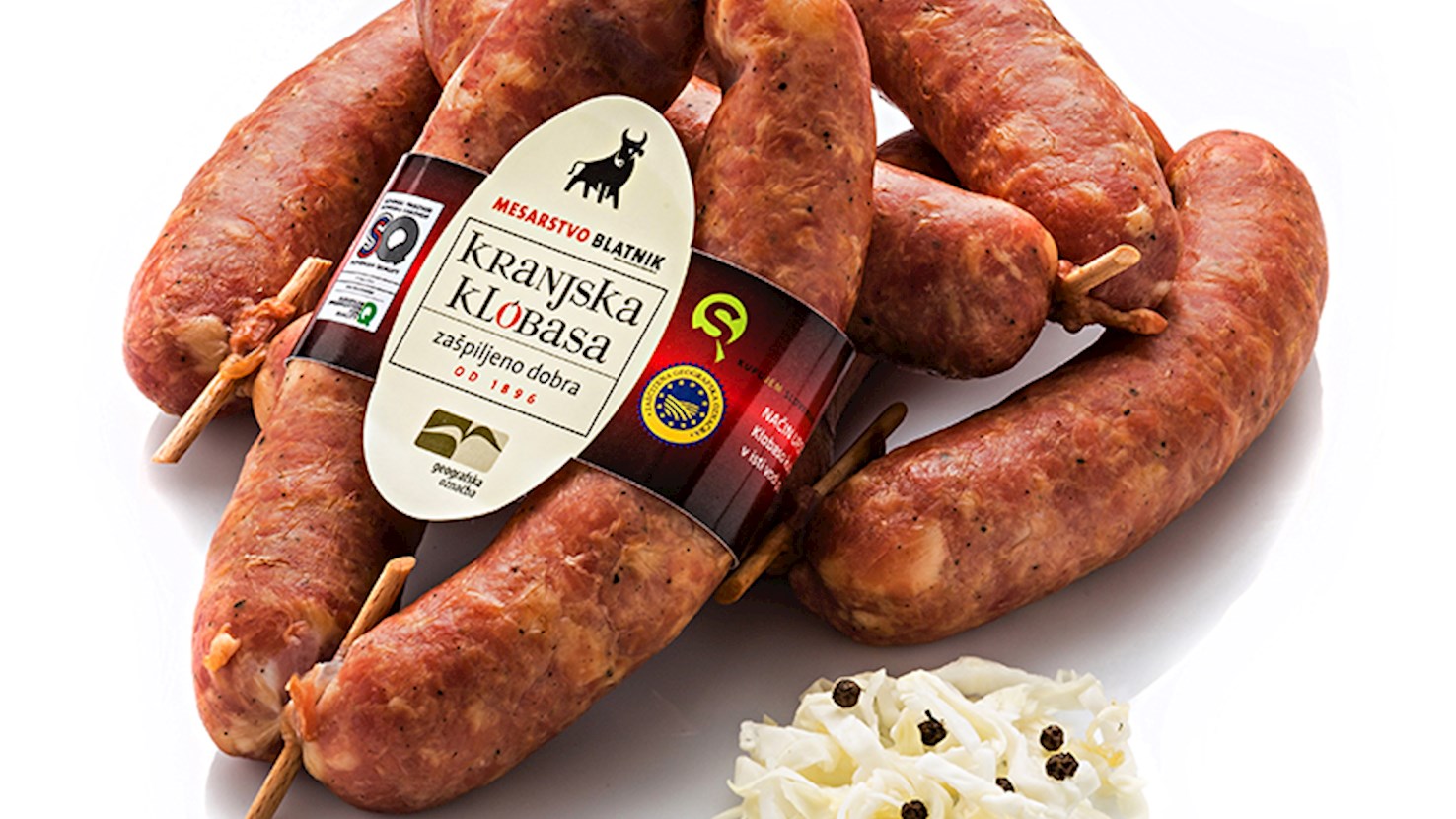
Cooked Sausage

Mesarstvo Blatnik

3.8 ·
Mesarstvo Blatnik is a traditional Slovenian meat processing company established in 1994, headquartered at Škofljica, Slovenia. The company specializes in high-quality, locally sourced meat products, offering a diverse range of fresh meats, including beef, pork, veal, lamb, and poultry. Their product line also features cured and dried meats, such as čajna salama, špehovka, domača salama, sudžuk, suhe klobase, pohodniške klobase, and kmečka salama. Additionally, they provide cooked products like krvavice (blood sausages) and prešano pleče (pressed pork shoulder), smoked meats, and various pâtés and spreads. Mesarstvo Blatnik is committed to quality, sourcing livestock from verified Slovenian farmers and holding certifications like the SQ (Slovenska Kakovost) label and the Izbrana Kakovost (Selected Quality) designation.
Awards
Zaščitena geografska označba - ZGO
GIZ Kranjska klobasa - Kranjska klobasa - zašpiljeno dobra

Best Lower Carniola foods

01
Side Dish

Matevž

3.4 ·

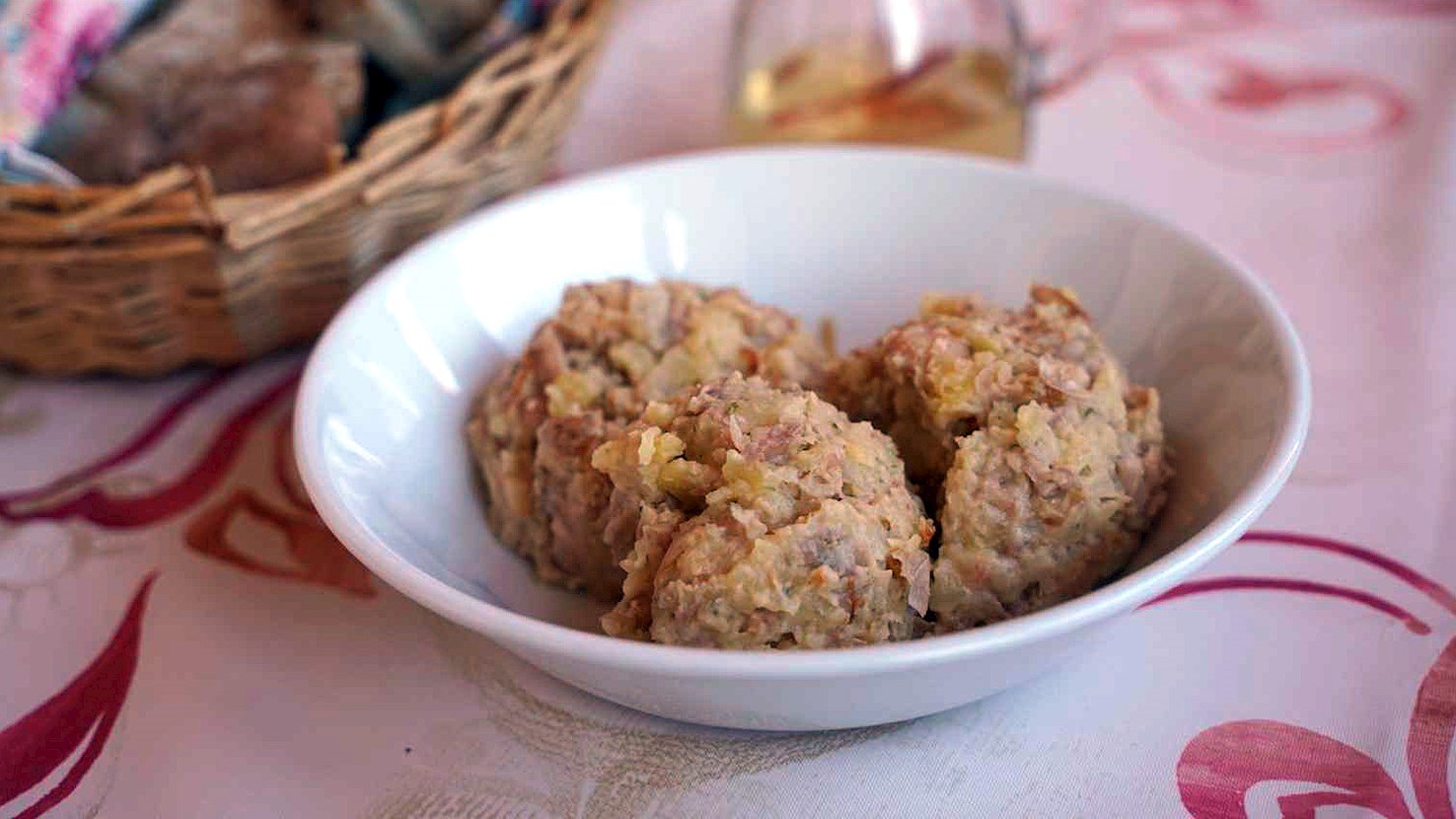
This creamy potato and bean purée is typically paired with sauerkraut, turnip, pork cracklings, roasted meat, ham, or sausages. Although it appears under various names such as krompirjev mož (potato man), medved (bear), or belokranjski mož (Bela krajina man), the most common is matevž, which is probably derived from the male name Matej. Once considered a frugal dish, matevž is nowadays appreciated as a traditional delicacy that is mainly associated with the region of Kočevsko and the wider region of Dolénjska.

02
Flatbread

Belokranjska pogača

3.5 ·

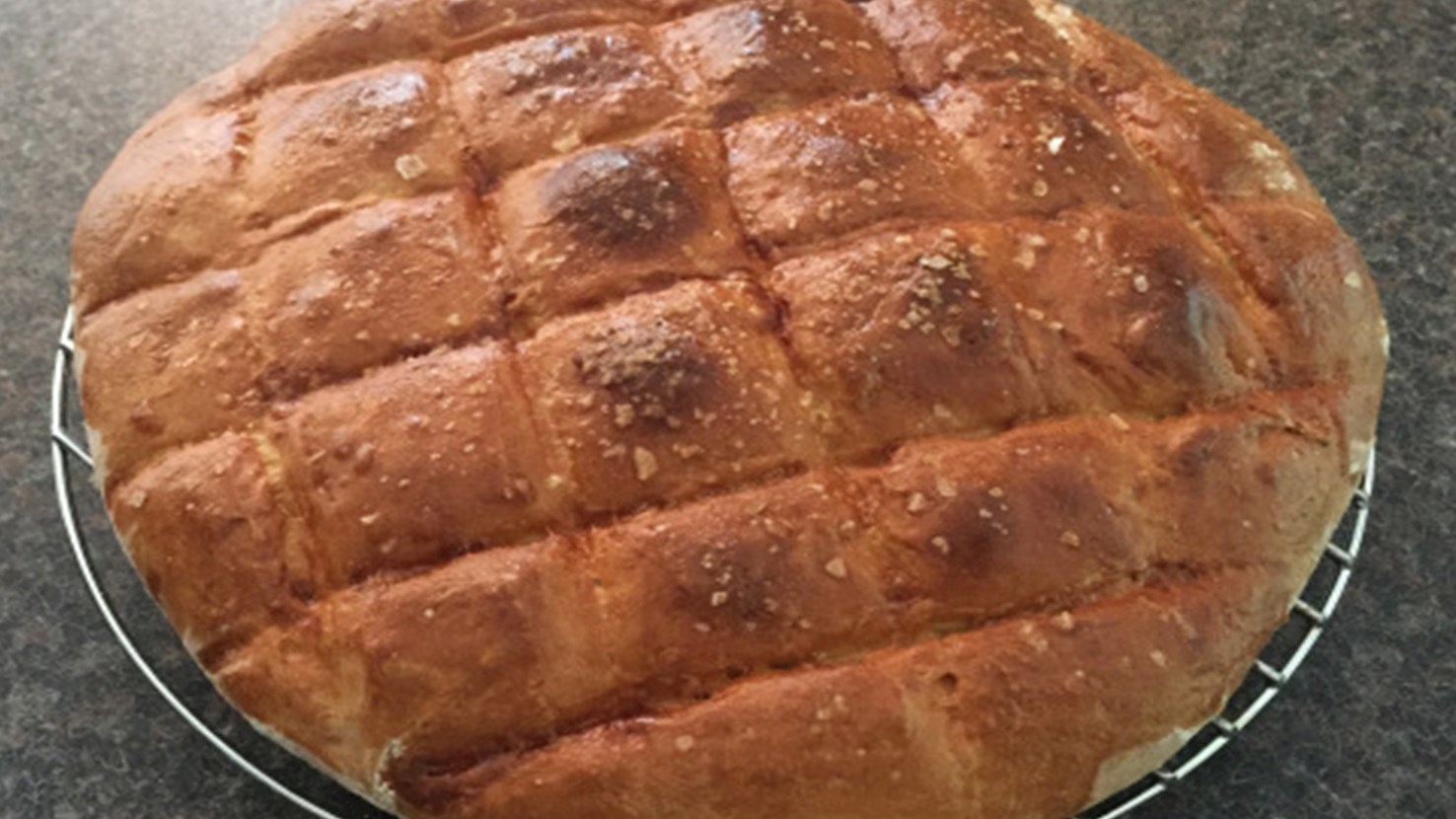
Made with only four basic ingredients, this variety of flatbread is a typical product of the White Carniola region and was brought there in the 15th or the 16th century by Uskoks, Balkan migrants who settled in the highlands of southeastern Slovenia. However, it was first mentioned in Bajke in Povesti o Gorjancih, a 1882 book by Janez Trdina, a renowned Slovene historian, folk collector, author and traveler. Belokranjska pogača is about 3-4 centimeters thick, round in shape, with its surface sliced in a cross-hatched pattern. It is glazed with egg wash, generously sprinkled with coarse salt and cumin, and baked to a golden or light brown color. Freshly baked Belokranjska pogača exudes a delightful aroma of cumin and it is best enjoyed while it's still warm, broken by hand, and consumed in bite-size squares. Traditionally, this authentic Slovenian flatbread is prepared for special occasions such as the Feast of St. Martin, religious holidays, and other similar festivities.

03
Savory Pie

Belokranjska povitica

n/a ·

Believed to have been brought to Slovenian Bela Krajina by Uskoks - Serbian and Croatian Habsburg soldiers that inhabited the areas of the eastern Adriatic - belokranjska povitica is a savory treat that combines a creamy cheese-like filling and thin phyllo dough. The filling is traditionally prepared with pregreta smetana – a milk product that is produced by heating and baking full-fat milk until a brown crust forms on top. The cream is then drained, and the leftover cheese is combined with eggs before it is spread on phyllo sheets. Belokranjska povitica is always savory, and it is traditionally rolled into a swirl. It is best enjoyed freshly baked.

04
Dumplings

Kostelske hrge

n/a ·

Kostelske hrge are traditional Slovenian dumplings originating from the town of Kostel. They’re made with a combination of potatoes, eggs, cracklings, garlic, salt, pepper, butter or lard, parsley, flour, and breadcrumbs. The potatoes are peeled, washed, and grated, then mixed with the eggs, cracklings, garlic, salt, pepper, and chopped parsley. The mixture is stirred and mixed with flour in order for the dough not to stick. The dough is shaped into dumplings, which are then boiled in salted water. They’re topped with breadcrumbs, cracklings, or sour cream, then served on their own with seasonal salads, or more commonly as an accompaniment to venison.

05
Meat Dish

Kostelski želodec

n/a ·

Kostelski želodec is a traditional dish originating from the town of Kostel. This typical Easter dish is made with a combination of smoked or dry-cured pig stomach or colon, stale bread, yeast, eggs, smoked ham, bacon, salt, and pepper. The pig stomach is soaked in lukewarm water until tender, and it's then stuffed with a mixture of cubed bread, bacon, and ham, eggs, salt, pepper, and yeast. Once stuffed, the stomach is sewn shut, and it's then roasted in a greased roasting tin. Interestingly, some cooks like to parboil the stomach before it's roasted. In Kostel, almost every household has their own way of preparing the dish.

06
Soup

Aleluja

n/a ·

Aleluja (lit. Hallelujah) is a traditional soup originating from the Dolenjska region. This typical Easter soup is prepared with water in which the Easter ham was cooked, dried turnip peels, salt, pepper, seasonal vegetables, eggs, and flour. The vegetables are cooked in leftover Easter ham cooking water, along with the turnip peels. Hand-made soup pasta is made from flour and eggs, which is then cooked in the soup. Once done, aleluja is often garnished with hot cracklings before it’s served and enjoyed. There are several regional variations on aleluja, and some of them are not prepared as a soup, but as a porridge. This is one of the oldest Slovene Easter dishes.

07
Savory Pastry

Prosta povitica

n/a ·

Translated as simple povitica, this simple and frugal dish hails from the Slovenian region of Bela Krajina. It consists of thin sheets of dough that are coated in melted lard, sprinkled with salt, and smeared with beaten eggs. The dough is then rolled, and the whole pastry is shaped in a swirl. Prosta povitica can be enjoyed on its own and is best served warm and freshly baked.

About this ranking

TasteAtlas food rankings are based on the ratings of the TasteAtlas audience, with a series of mechanisms that recognize real users and that ignore bot, nationalist or local patriotic ratings, and give additional value to the ratings of users that the system recognizes as knowledgeable. For the “Top 7 Traditional Foods in Lower Carniola” list until June 02, 2026, 50 ratings were recorded, of which 26 were recognized by the system as legitimate. TasteAtlas Rankings should not be seen as the final global conclusion about food. Their purpose is to promote excellent local foods, instill pride in traditional dishes, and arouse curiosity about dishes you haven’t tried.

The initial list of top producers was compiled based on available reviews, awards, local recommendations, media and blog coverage, and consumer reviews. The list will be updated with ratings from TasteAtlas local ambassadors and TasteAtlas users.

Similar lists