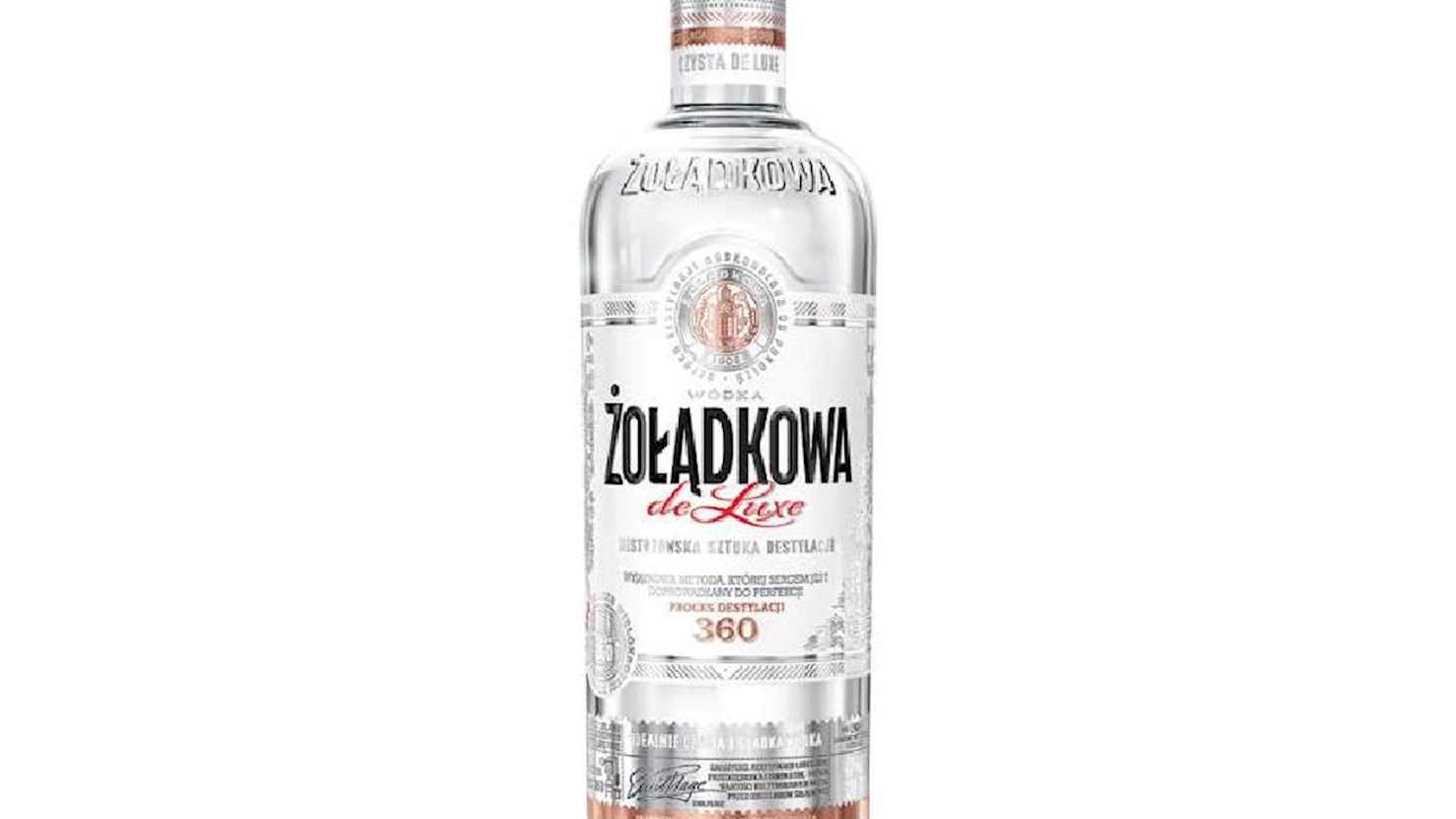
The producer of the "Żołądkowa Gorzka" liqueur is Polmos Lublin S.A., a company with a long tradition in the production of alcoholic beverages. The company stands out for its use of high-quality natural ingredients and carefully developed recipes.
Polmos Lublin S.A. is known for its innovations in production and the development of various product variations, which have earned it a strong reputation in both domestic and international markets. Additionally, the company has received numerous awards and accolades, confirming the quality of its products.
Awards
SFWSC - San Francisco World Spirits Competition - Gold
(2024)
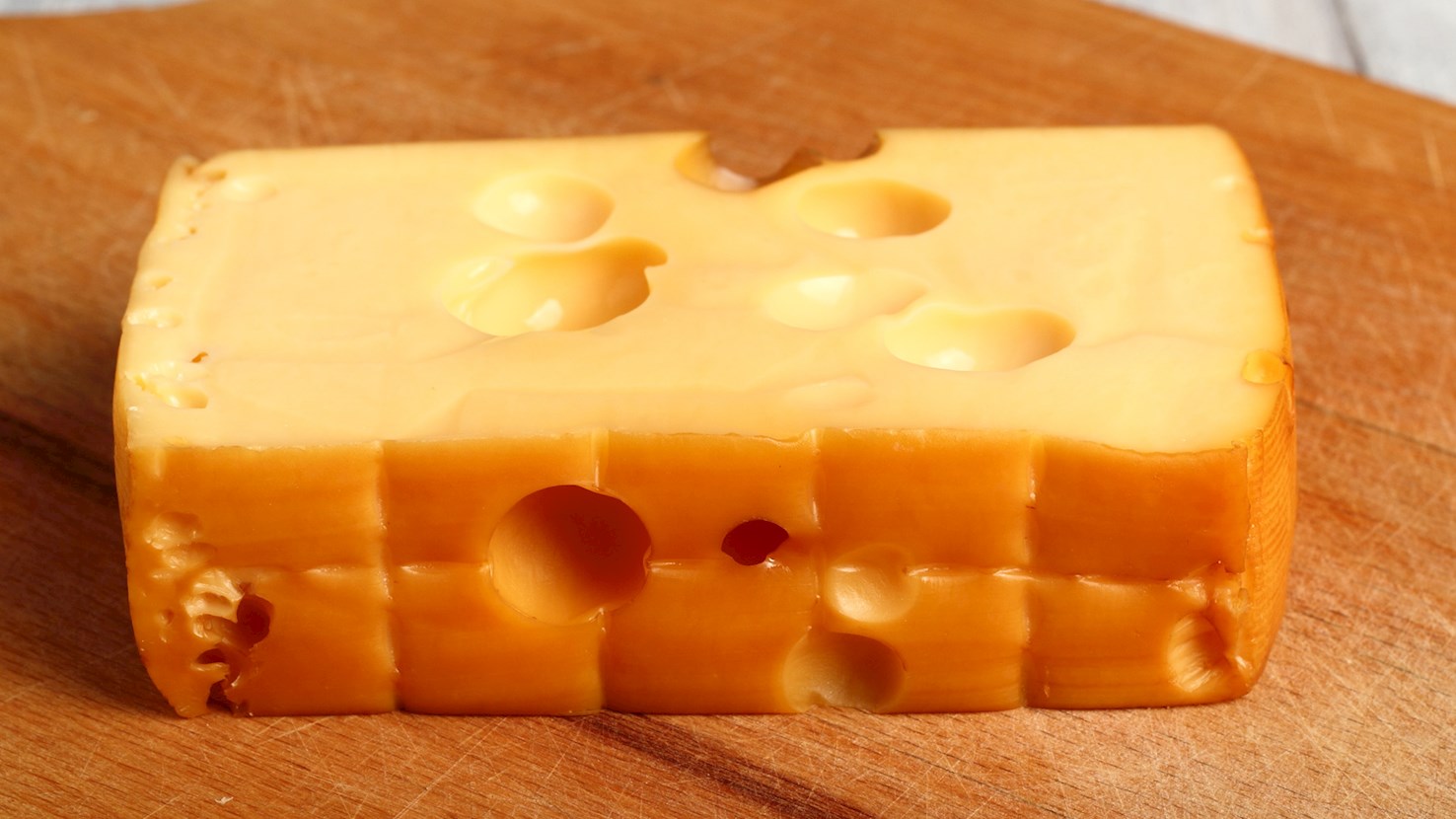
Radamer is the first Polish cheese with holes, produced by Spomlek dairy. Made from cow's milk from Polesie region, the cheese combines elements of both Dutch and Swiss tradition, and it's easily distinguishable by its cherry-sized eyes (holes) that are dispersed throughout the pale yellow paste. The flavors are nutty and sweet, and the cheese is sold in wheels, quarters, bricks, and slices. There is also a smoked version of Radamer. Interestingly, Radamer is the most awarded Polish cheese.
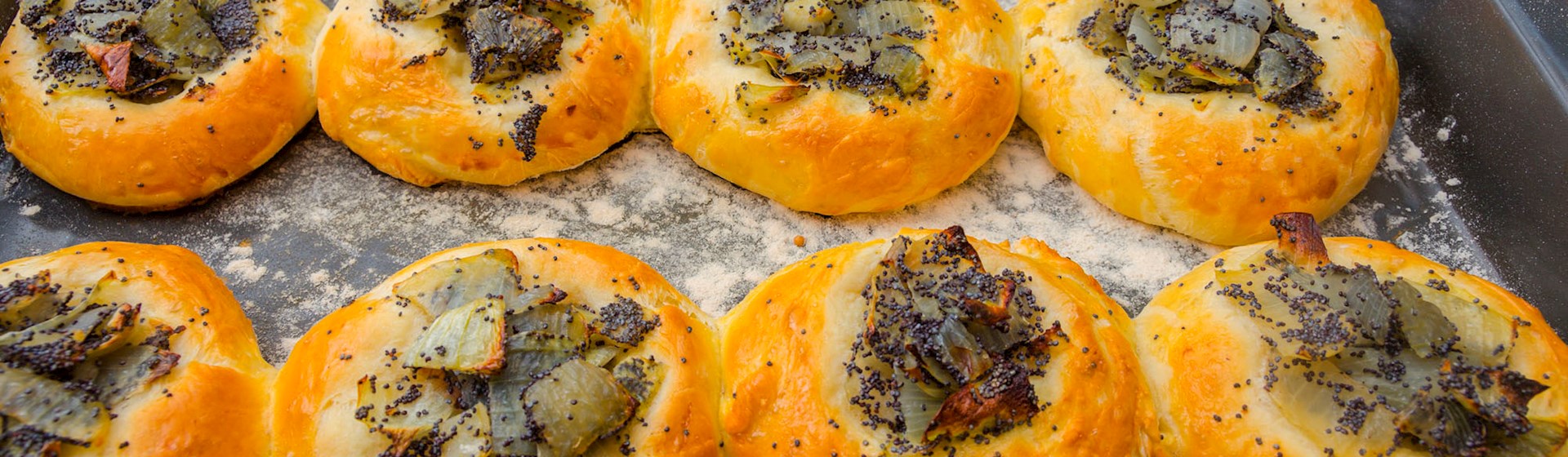
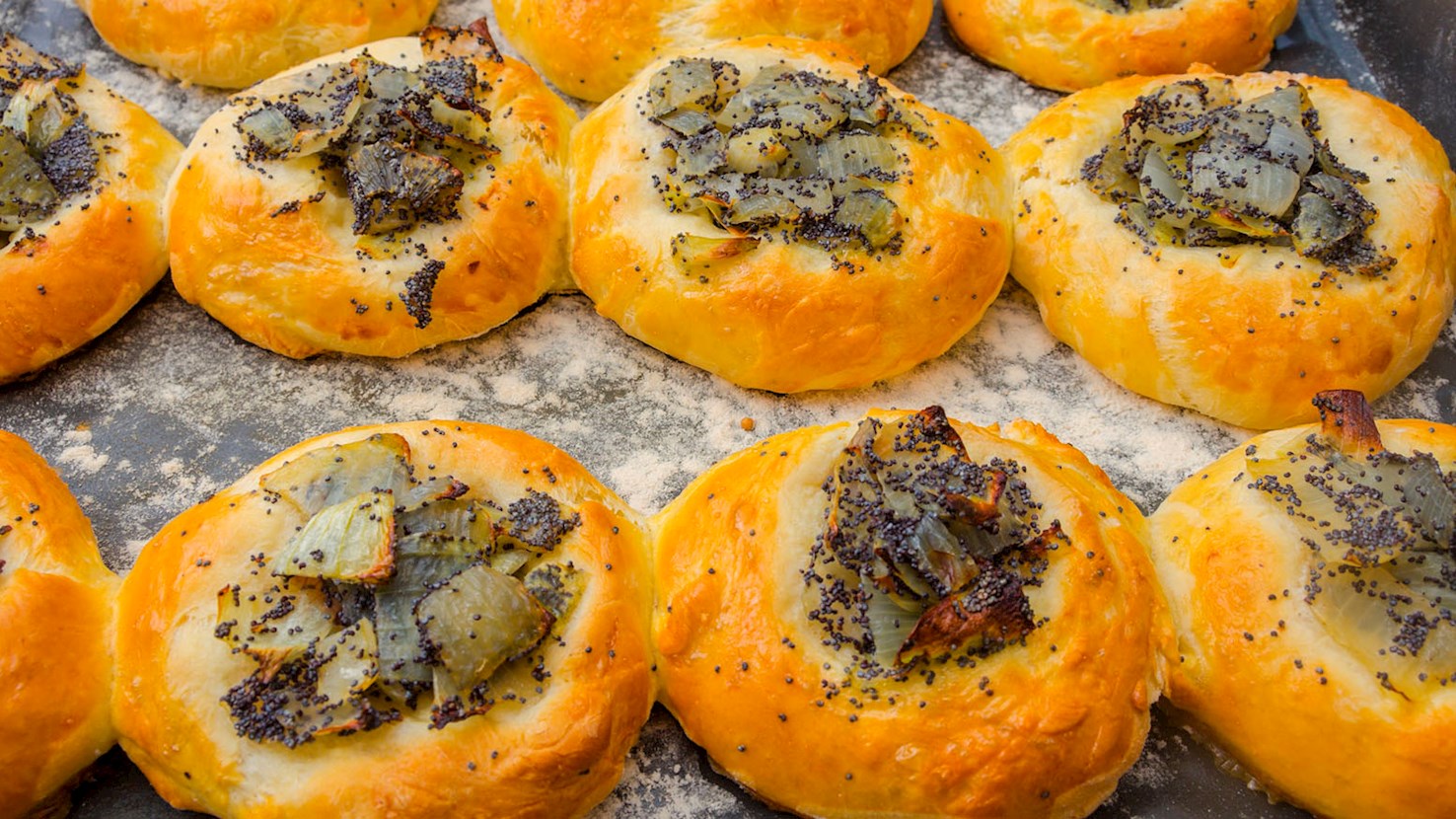
Cebularz lubelski is a round-shaped flatbread with a thickness of about 1,5 centimeters. It is produced in the Lublin Province in Poland, and only 24 bakeries make this unique product that should be eaten fresh, as it must be consumed within 48 hours of being baked. It is made with high-quality flour dough that contains twice as much sugar and margarine or butter compared to the ordinary wheat dough. The flatbread is topped with diced onions, salt, and poppy seeds, baked until it develops a golden color and an aroma characteristical of freshly fried onions. This product has Jewish origins and it was first made in the 19th century by Jews from Lublin, Kazimierz Dolny, and Zamość, but later it has spread and became popular among Poles. It currently holds a strong reputation and is often served at gatherings, events and family picnics.
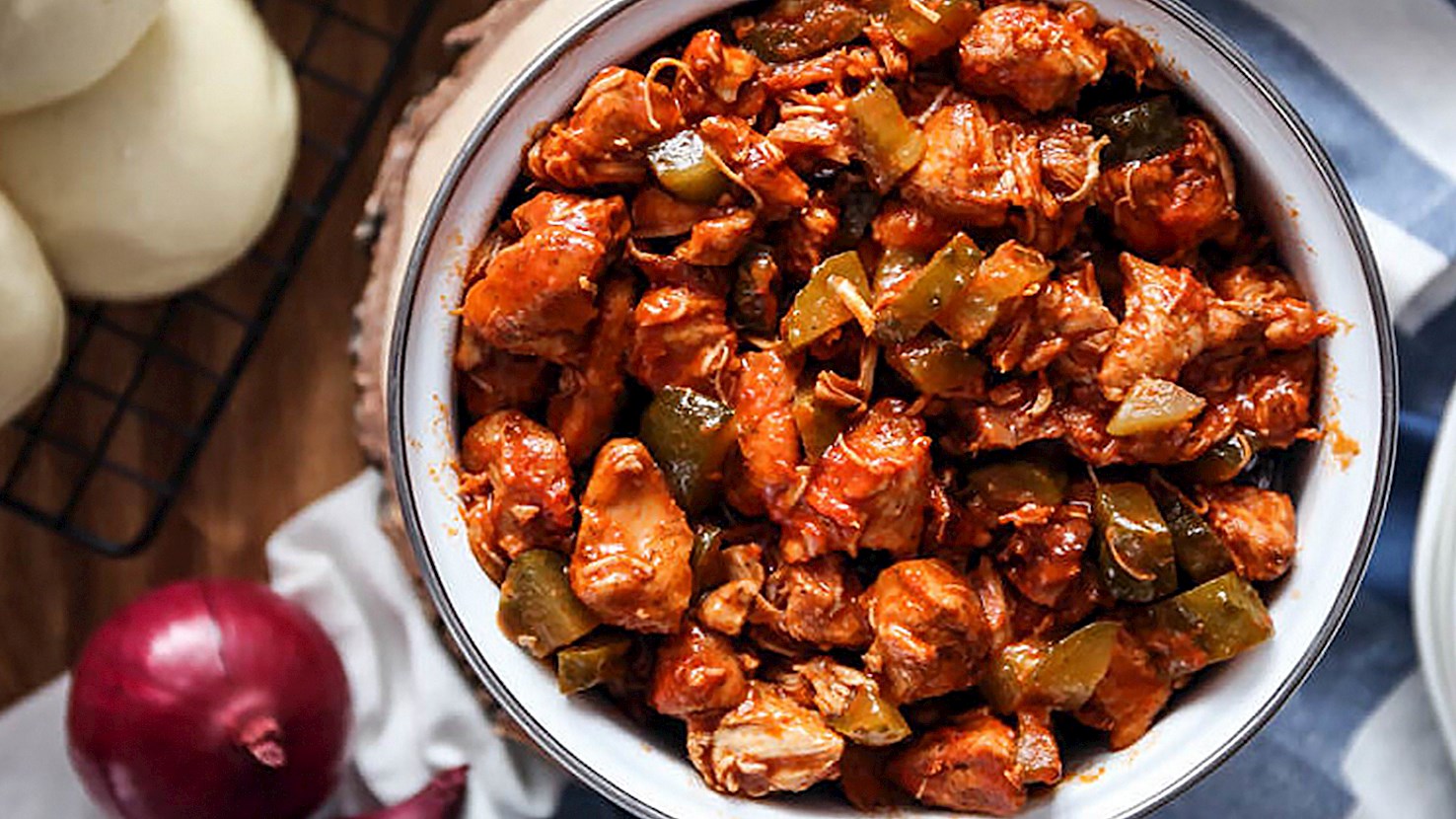
Forszmak lubelski is a Polish meat stew typical of the Lublin region. Even though the recipe for the dish may vary, common ingredients include chopped meat (beef, pork, or chicken), pickled cucumbers, and tomato concentrate. Similar to goulash, the stew is typically flavored with smoked kielbasa, chopped ham, and bacon, seasoned with spices such as hot and sweet paprika, allspice, pepper, and bay leaves. Even though the name forszmak is derived from the German word Vorshmack, meaning appetizer, this dish is eaten as a main course in Poland, usually for lunch or dinner. Perfect for the winter season, this rich meat stew is usually accompanied by slices of bread and potatoes or barley groats.
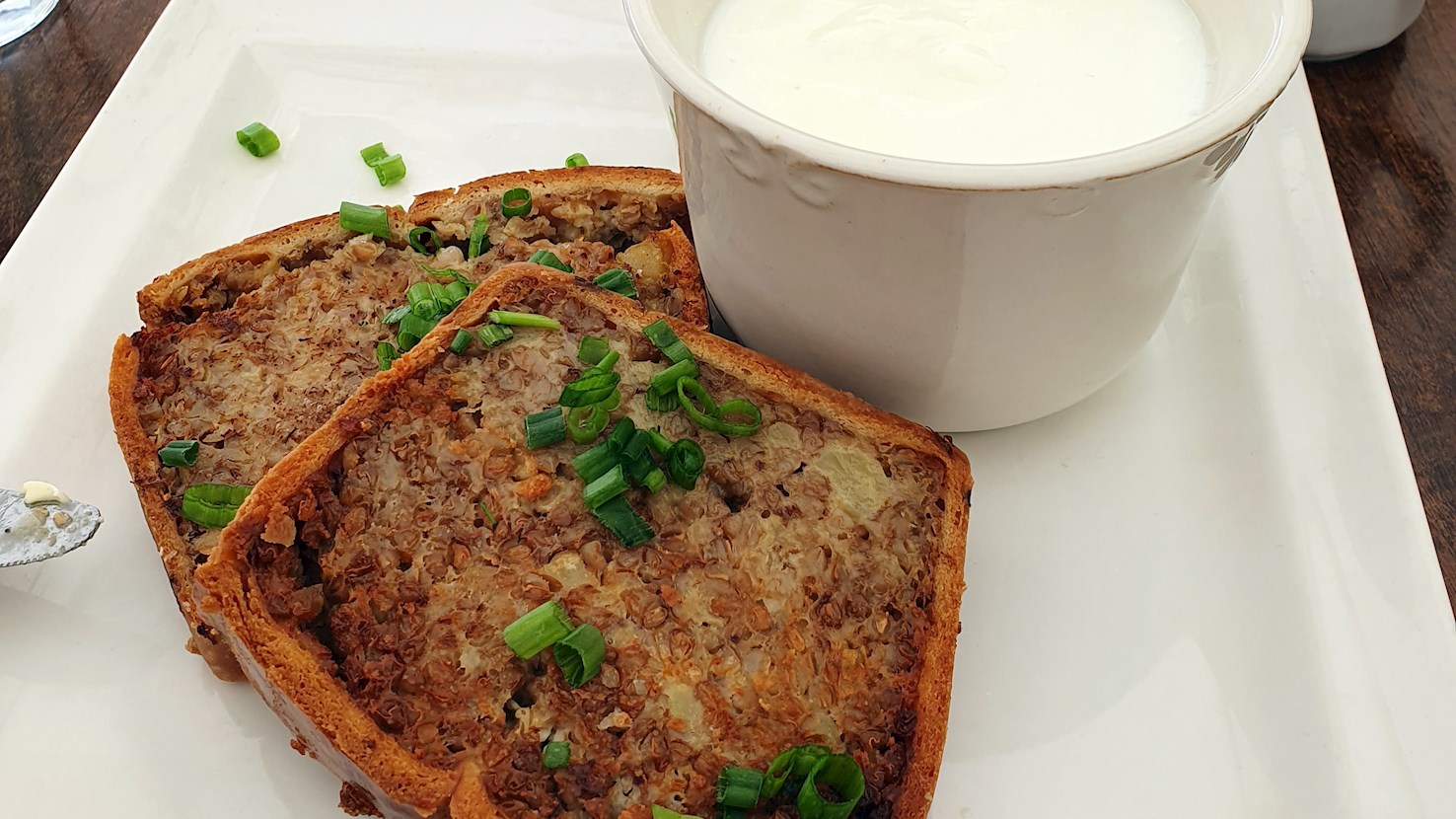
Piróg biłgorajski is a traditional Polish pie consisting of buckwheat, boiled potatoes, cottage cheese, sour cream, salt, pepper, and lard. The stuffing may be enriched with the addition of mushrooms, fresh mint, or pork rinds. The dish is sometimes baked in a round shape, but it is more commonly prepared as a large rectangular loaf. Traditionally baked in the Biłgoraj region, this specialty was once considered a festive pie, adorned with decorations on top and baked for Christmas and Easter, as well as for special occasions such as christenings and weddings. There are two versions of this pie: one with yeast dough coating the filling, known as piróg w cieście drożdżowym, and the other one without any yeast dough, called piróg łysy, meaning bald piróg. Some of the earliest pirógi were made with raw white buckwheat and baked on horseradish leaves or bran in traditional bread ovens. The pie can be eaten hot or chilled, usually with sour cream, mushroom sauce, or with a glass of milk, buttermilk, or kefir. Another way to consume this specialty, and a favorite among its admirers, is to fry slices of it in butter. Once a lesser-known Polish dish, piróg biłgorajski was officially included in the list of traditional products typical of the Lublin region in 2005.
Pieróg biłgorajski is a massive, savory pie resembling a dense pâté, hailing from the Biłgoraj region of the Lublin Voivodeship, and it has boiled potatoes, farmer's cheese, and roasted buckwheat groats as its core ingredients. Despite carrying the word "pieróg" in its name—which most foreigners and modern Poles strictly associate with small, boiled, half-moon dumplings—this specific dish represents an older, archaic use of the term derived from the Old Slavic word pir, referring to a large, ceremonial pie baked for communal feasts. Culturally rooted in the poor, sandy agricultural landscape of eastern Poland, the recipe was historically driven by necessity, heavily relying on resilient, low-yield crops like buckwheat and root vegetables that could survive the unforgiving Lublin soil. The freshly boiled potatoes are heavily mashed and folded with cooked brown buckwheat, then bound together with the sharp, acidic white farmer's cheese (twaróg), raw eggs, and thick sour cream. The mixture is then heavily fortified with rendered pork fat—typically bacon or fatback—and seasoned with salt, sharp black pepper, and, crucially, crushed dried mint, which cuts through the dense, earthy fat profile with a bright herbaceousness. This wet, heavy batter is most traditionally baked "bald"—meaning completely crustless in a large rectangular roasting pan until the top develops a deep, golden-brown, hardened crust—though festive variations occasionally swaddle the entire mass in a thin casing of yeast dough. The finished pieróg is notoriously dense, meaty, and crumbly; it is sliced into thick, heavy slabs rather than served whole, functioning as a standalone meal historically eaten with cold milk, or dressed heavily with warm sour cream and rich, earthy mushroom sauce. While intensely local to Biłgoraj, the dish bears striking structural similarities to the Ukrainian Yavoriv pie across the border, and can be rectangle-shaped or round.
Pierogi nowodworskie are pierogi from the village of Nowodwór, known for a filling made of white farmer's cheese twaróg and roasted brown buckwheat. The secret to this dish lies in the region's sandy, poor-quality soil, which made growing hardy buckwheat an absolute necessity for local survival. To make the filling, the earthy, nutty roasted buckwheat is mixed with fresh, creamy white cheese. But instead of just sticking to the standard salt and fried onions used across the rest of eastern Poland, in Nowodwór, they do something completely unexpected: they fold in sweet raisins, fresh green mint, and a pinch of warming ginger and cinnamon. This mix of savory cheese, hearty grains, sweet fruit, and sharp spices creates a complex, slightly sweet-and-salty flavor you won't find anywhere else. Stuffed inside a soft, simple wheat dough, folded into small half-moons, and pinched shut with a classic ruffled edge, pierogi nowodworskie are served piping hot, generously glazed with melted butter, and lightly dusted with granulated sugar or a dollop of thick, sweet cream.
TasteAtlas food rankings are based on the ratings of the TasteAtlas audience, with a series of mechanisms that recognize real users and that ignore bot,
nationalist or local patriotic ratings, and give additional value to the ratings of users that the system recognizes as knowledgeable.
TasteAtlas Rankings should not be seen as the final global conclusion about food. Their purpose is to promote excellent local foods,
instill pride in traditional dishes, and arouse curiosity about dishes you haven’t tried.
The initial list of top producers was compiled based on available reviews, awards, local recommendations, media and blog coverage, and consumer reviews.
The list will be updated with ratings from TasteAtlas local ambassadors and TasteAtlas users.





What People Say