Stocafi is a local delicacy from Monaco. The dish consists of dried cod that is stewed in tomato sauce flavored with garlic, capers, bay leaves, and black olives. Before the preparation, dried cod should be soaked for about 24 hours. Once the fish is cooked, the dish is ready to be served. It is recommended to garnish stocafi with chopped chives and pair it with boiled potatoes.
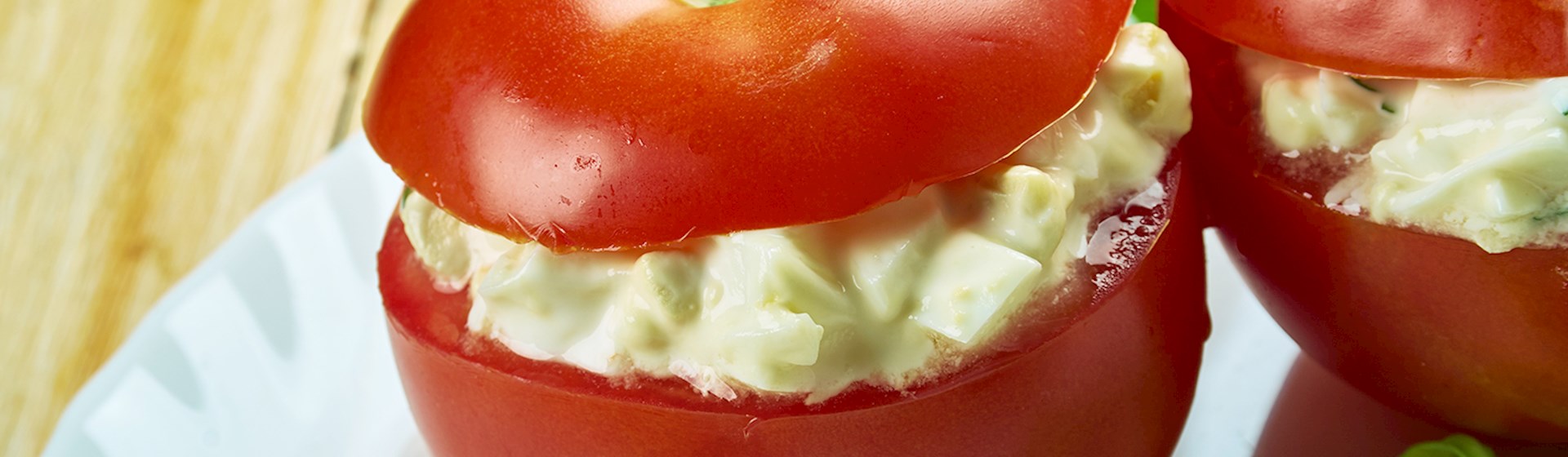
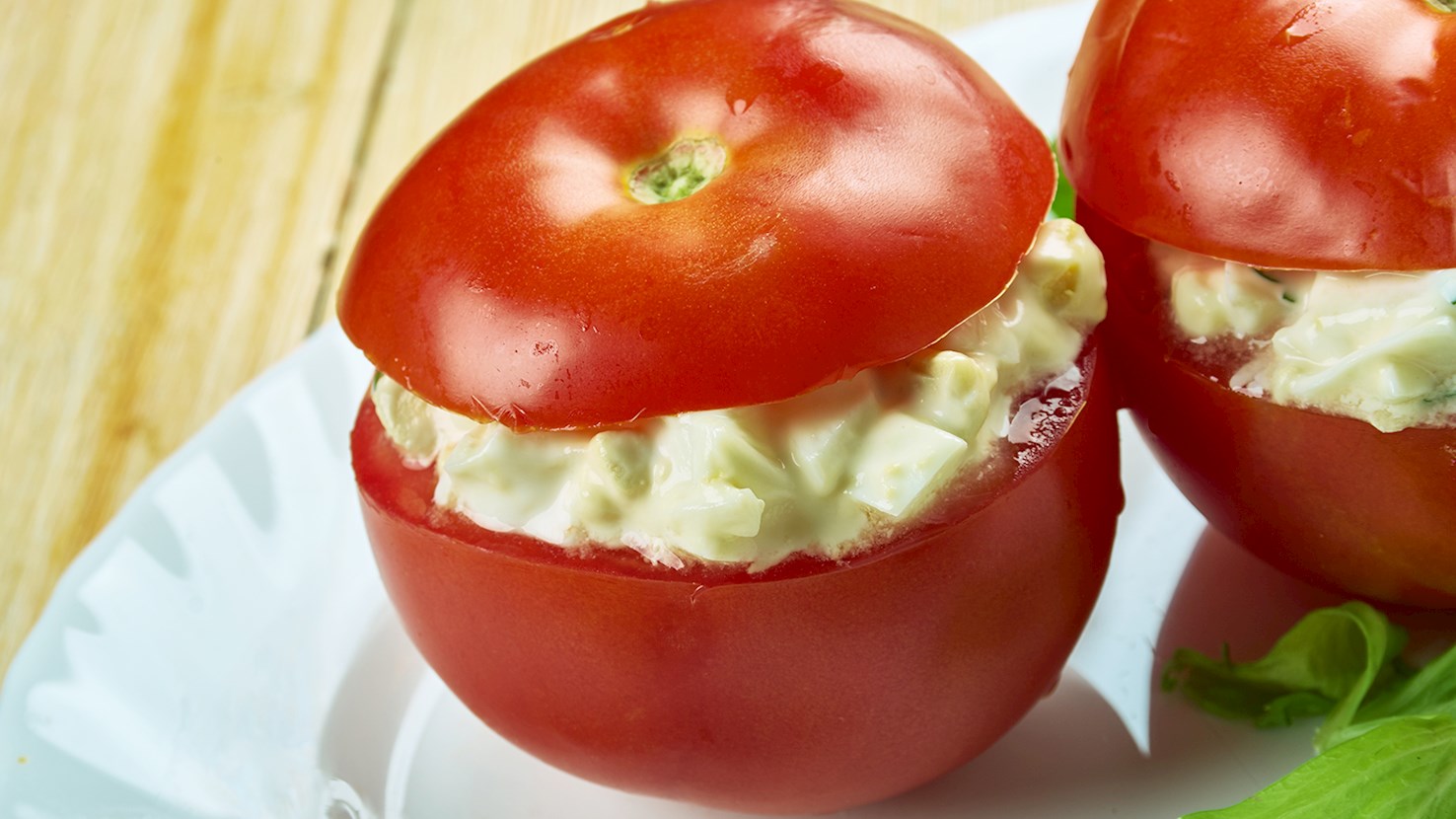
Tomates à la Monegasque is a traditional dish hailing from Monaco. The dish consists of stuffed tomatoes and it's made with a combination of big tomatoes, hard-boiled eggs, tuna, mustard, mayonnaise, chives, lettuce leaves, and seasonings. The tomato tops are cut out and the pulp and seeds are removed. The inside of the tomatoes is then rubbed with salt so that they lose the water. The pulp is mixed with the eggs, tuna, mayonnaise, mustard, and chopped chives, and the combination is stuffed into the tomatoes. The tomatoes are served with their tops on after being chilled in the refrigerator for a few minutes. The dish is traditionally served on lettuce leaves.
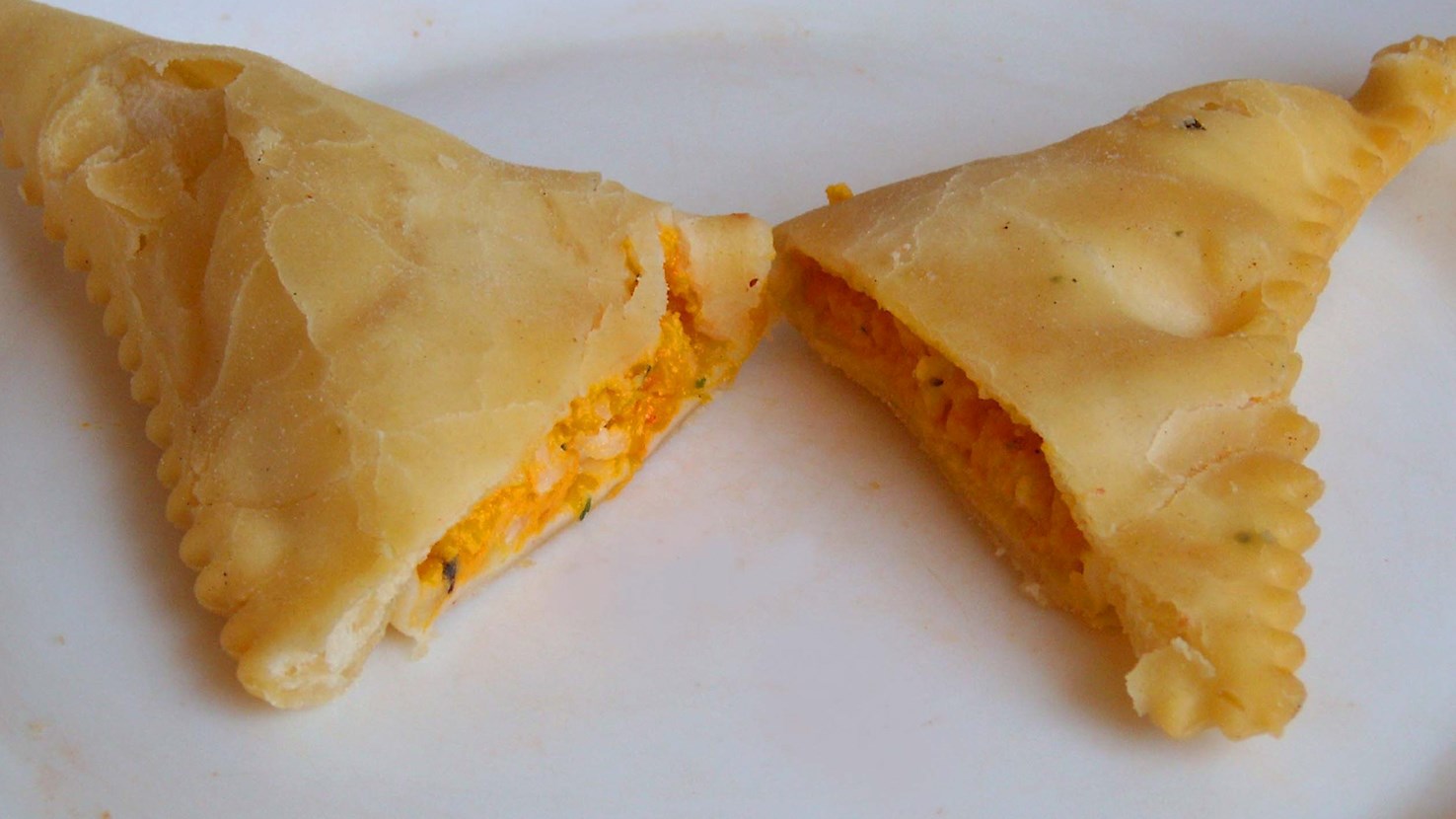
Barbagiuan is the national dish of Monaco, a deep-fried pastry fritter that is usually filled with Swiss chard, spinach, ricotta cheese, or pumpkin. It is traditionally served as an appetizer both in Monaco and parts of Northern Italy. The small, tasty snack is especially popular on 19th of November, the National Day of Monaco.
Lou fassum is a stuffed cabbage specialty from Grasse, made by wrapping seasoned pork and vegetable filling in blanched cabbage leaves and slowly poaching the entire bundle in aromatic broth until tender. The dish was born from the resourceful cooking of Provence, where families used ingredients from the garden and preserved meats from the pantry to create sustaining meals that could simmer gently for hours. The name “fassum,” meaning “bundle” in the Provençal dialect, refers to the cabbage’s shape after it's tied for cooking, forming a compact parcel that holds the filling together. Cooking lou fassum begins with prepping the cabbage. Namely, the outer leaves of two large cabbages are carefully removed and blanched in hot water until supple. These leaves are set aside for wrapping, while the paler inner leaves are finely chopped and mixed with cooked rice, diced dry-cured ham, salt pork, smoked bacon, peas, chard, and onion. The mixture is seasoned with salt, black pepper, and Herbes de Provence, then moistened with a drizzle of olive oil to bind the filling. The reserved green cabbage leaves are layered inside a clean cloth or netting, the filling is packed in the center, and the leaves are folded back to form a tight ball. The bundle is tied securely with butcher’s twine and placed in a pot of broth made from the same water used to blanch the cabbage, enriched with ham rind and pork fat to enhance the flavor. The cabbage parcel simmers gently for about two hours, fully immersed, so that the flavors meld and the meat and rice cook through while the outer leaves remain intact. Once done, it is lifted from the broth, drained, and allowed to rest before serving. Some versions use more rice to make the texture lighter, while others favor a meatier filling with extra bacon or ham. Also, the poaching liquid can be enriched with a splash of white wine, or the pork can be replaced with poultry. Lou fassum is served warm, cut into thick slices that reveal a layered interior of greens, grains, and cured meats. It is often accompanied by crusty bread and a drizzle of olive oil or served alongside a simple tomato coulis, and pairs naturally with Provençal rosé or a light red wine.
Oignons Monégasque is a dish from Monaco that can be served as a snack, side dish, or an appetizer. It is prepared by sautéeing small pickling onions and combining them with wine vinegar, tomato paste, and raisins. When done, the sauce should be thick, the onions tender, and the flavors both sweet and sour. Before serving, it is recommended to garnish the dish with finely chopped parsley.
TasteAtlas food rankings are based on the ratings of the TasteAtlas audience, with a series of mechanisms that recognize real users and that ignore bot,
nationalist or local patriotic ratings, and give additional value to the ratings of users that the system recognizes as knowledgeable.
TasteAtlas Rankings should not be seen as the final global conclusion about food. Their purpose is to promote excellent local foods,
instill pride in traditional dishes, and arouse curiosity about dishes you haven’t tried.
The initial list of top producers was compiled based on available reviews, awards, local recommendations, media and blog coverage, and consumer reviews.
The list will be updated with ratings from TasteAtlas local ambassadors and TasteAtlas users.






What People Say