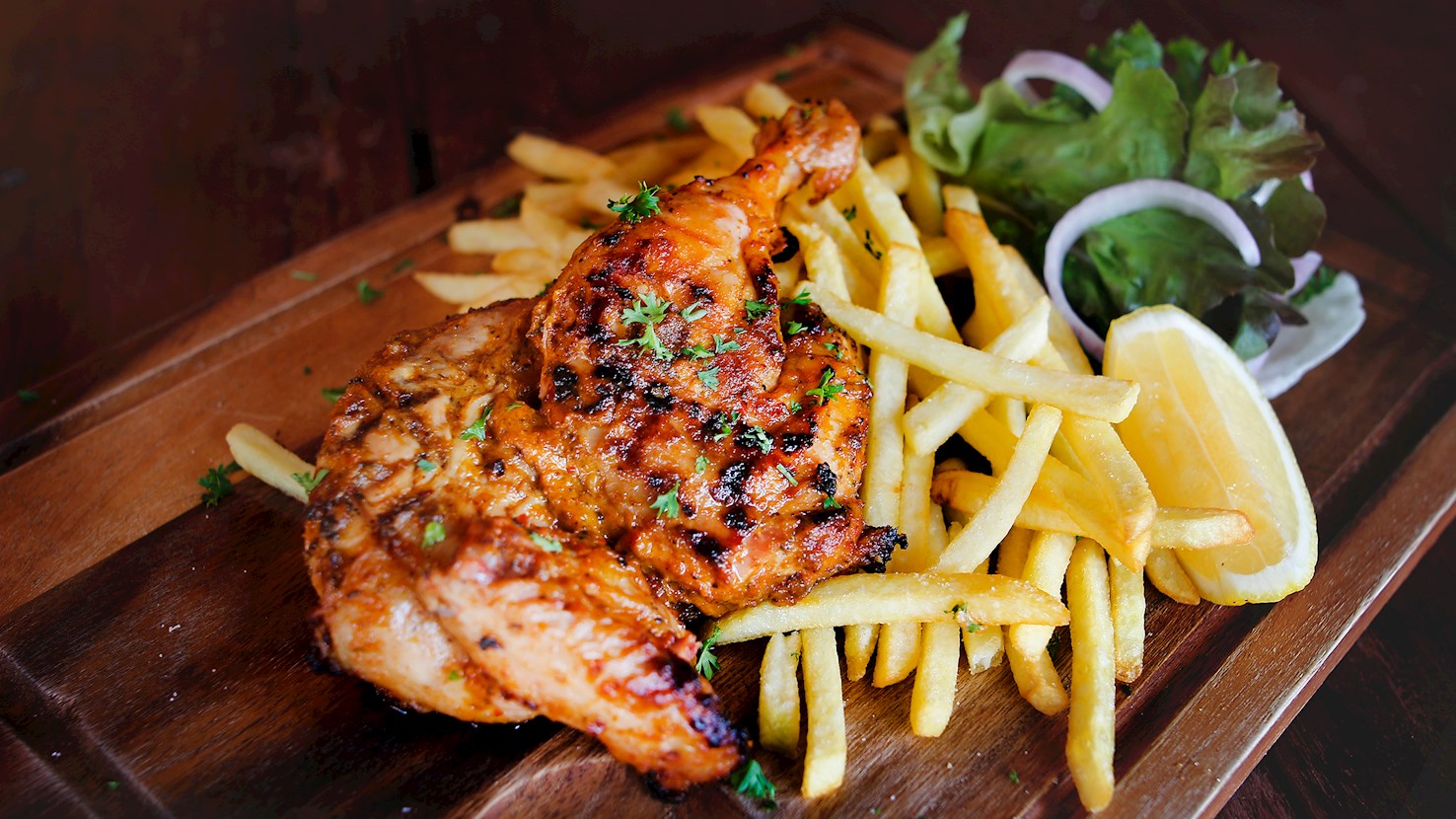
Peri peri chicken is a Mozambican dish consisting of grilled or roasted chicken that is often served with a creamy and spicy coconut sauce. Before grilling, the meat is traditionally marinated in cumin, garlic, paprika, lemon juice, and bird's eye chilis, giving the chicken a unique flavor. The name of the dish is a Portuguese transliteration of the Swahili phrase piri piri, meaning pepper pepper, referring to the spiciness of the dish.
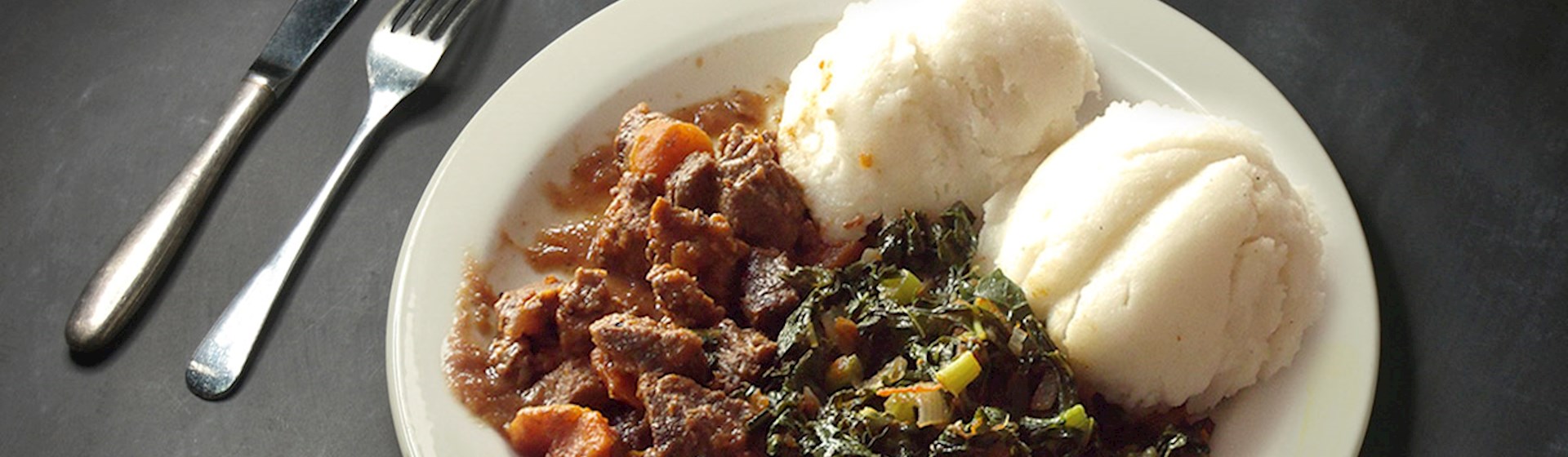
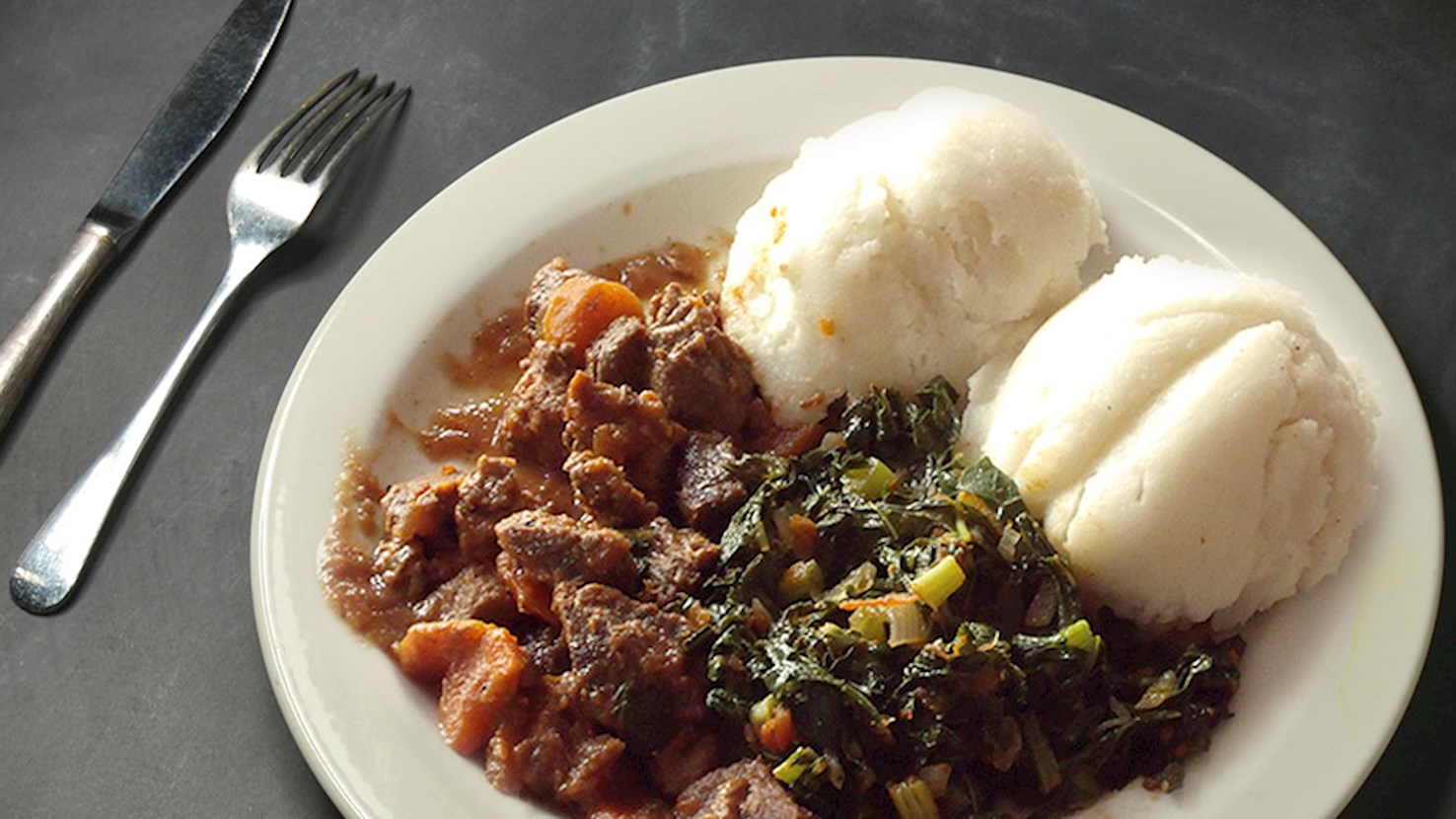
Ugali is a stiff maize-based staple food made by cooking maize flour with water into a firm mass, eaten widely across eastern and southern Africa, most prominently in Kenya and Tanzania, and also present under the same name or close variants in many other African countries, where it functions as a primary source of dietary energy rather than a side dish. Its development followed the introduction of maize to Africa from the Americas beginning in the sixteenth century, after which the crop spread rapidly because of its adaptability and yield, gradually replacing earlier millet and sorghum porridges in many areas and becoming embedded in everyday meals due to its affordability, long storage life, and compatibility with diverse local sauces. Preparation involves bringing water to a boil and steadily adding maize flour while stirring continuously to prevent lumps, then cooking the mixture until it thickens into a cohesive mass with no free liquid, a process governed more by experience and texture than by fixed measurements. Serving is immediate, with the cooked ugali shaped into a mound and portioned by hand or spoon, and it is not consumed alone but used to scoop vegetables, legumes, meat stews, or fish, acting as a neutral carrier rather than a flavored component. It is eaten primarily at lunch or dinner in homes, eateries, and communal settings, most often by hand, and it pairs naturally with leafy greens, bean dishes, grilled or stewed meats, and fish sauces, while beverages alongside are typically water, unsweetened tea, or light fermented drinks rather than sweet or acidic options, keeping attention on the accompanying foods rather than the starch itself. Nsima from Malawi, which follows the same method and role at the table and was formally recognized in 2017 when it was inscribed on the Representative List of the Intangible Cultural Heritage of Humanity by UNESCO, reflecting its central place in daily life and social practice.
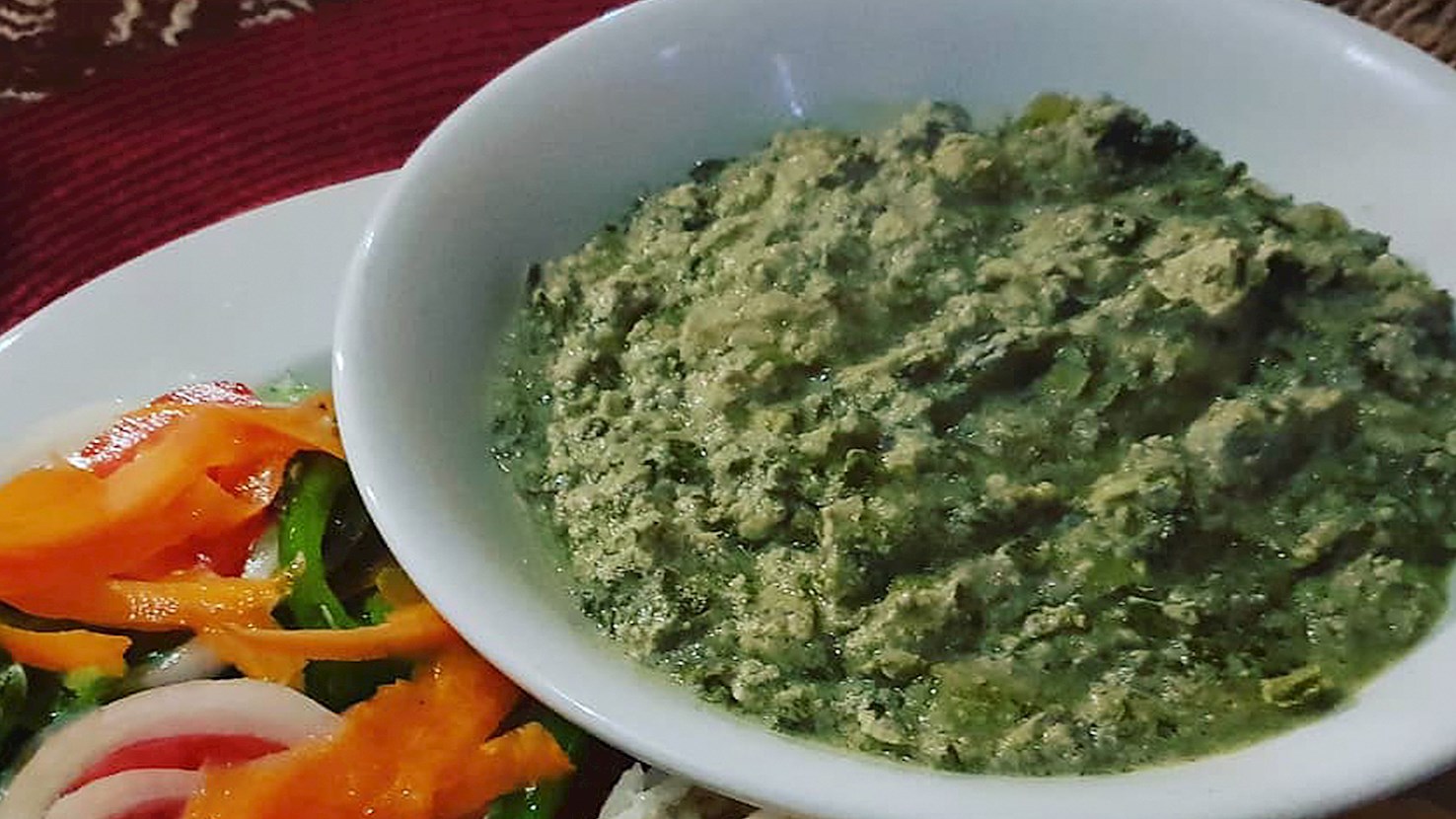
Matata is one of the rare Mozambican dishes that wasn't influenced by Portugese cuisine. This stew is made with a combination of chopped clams (or other shellfish), ground peanuts or peanut butter, onions, tomatoes, red chili flakes, young pumpkin or spinach leaves, oil, and seasonings. The onions are sautéed in oil and mixed with the other ingredients. The pot is covered and the stew is shortly simmered until the leaves wilt. This Mozambican stew is traditionally served over rice.
This popular dish from Mozambique consists of deep-fried balls of rice filled with savory ingredients such as shrimp, garlic, and onions. Fofo balls are traditionally dipped in eggs and rolled in breadcrumbs, then fried in hot oil. The dish is served warm, and it is recommended to arrange the balls attractively on a heated platter.
Bolo Polana is a traditional cashew and potato cake originating from Mozambique. It's made with a combination of mashed potatoes, ground cashews, eggs, orange zest, lemon zest, vanilla essence, sugar, and butter. The egg whites are folded into the batter, and the cake is then baked until golden brown. If properly prepared, bolo Polana should have a rich and nutty flavor. This cake is often made for special occasions and it's named after Polana, the suburb of Maputo (Mozambique's capital city). If desired, the cake can be garnished with a few roasted cashew nuts.
TasteAtlas food rankings are based on the ratings of the TasteAtlas audience, with a series of mechanisms that recognize real users and that ignore bot,
nationalist or local patriotic ratings, and give additional value to the ratings of users that the system recognizes as knowledgeable.
For the “Top 5 Mozambican Foods” list until June 17, 2026, 232 ratings were recorded, of which 189 were recognized by the system as legitimate.
TasteAtlas Rankings should not be seen as the final global conclusion about food. Their purpose is to promote excellent local foods,
instill pride in traditional dishes, and arouse curiosity about dishes you haven’t tried.