
Top 21 Burmese Foods

Last updated on July 22, 2026

Best Burmese foods

01
Savory Pastry

Samusa

4.1 ·

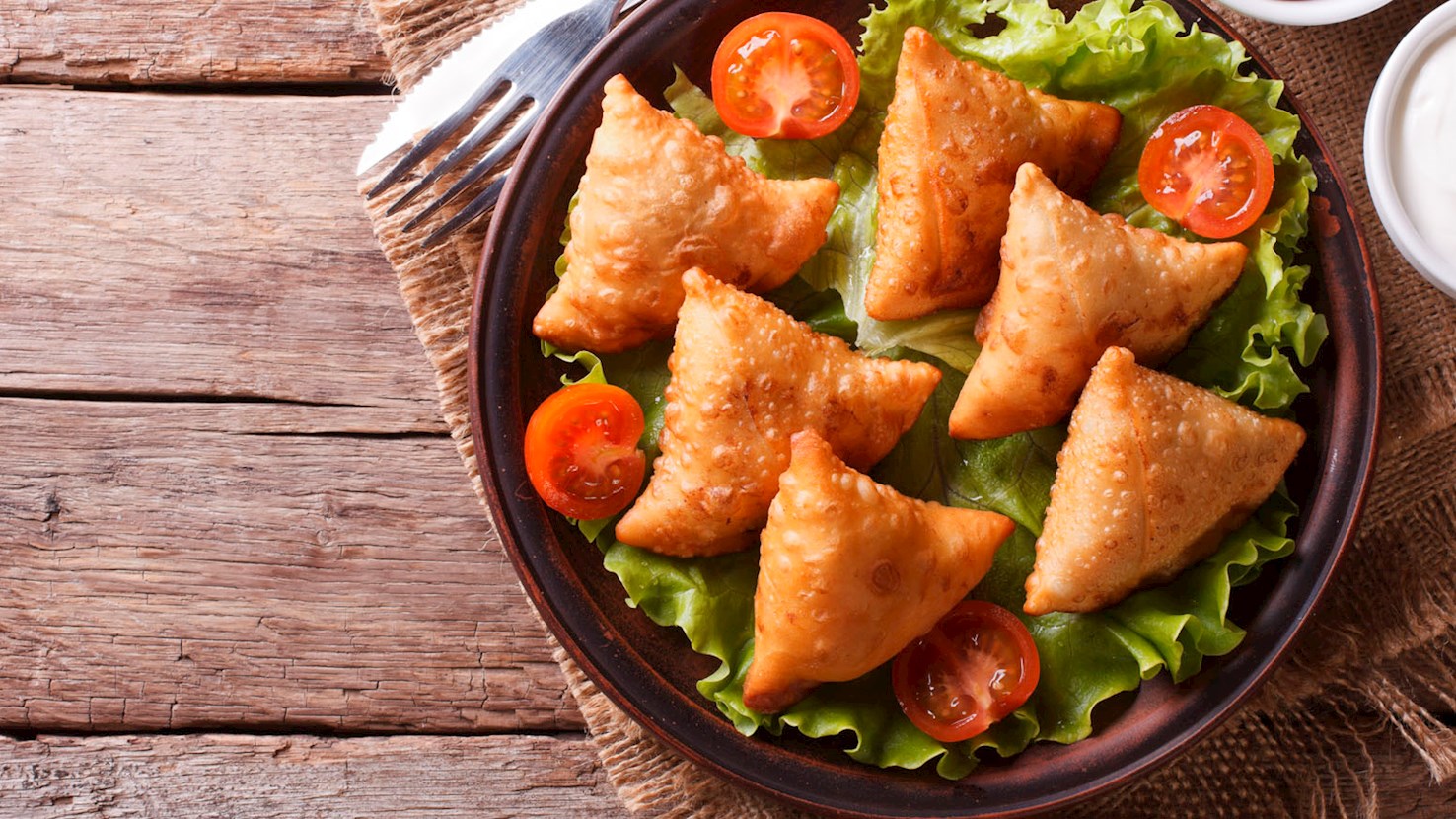
Due to their crunchy texture and a variety of different flavors, samosas provide a perfect introduction to the world of Indian cuisine for newcomers. These deep-fried, triangular pastries are filled with a variety of ingredients ranging from vegetables to meat, such as onions, lentils, spiced potatoes, peas, or ground meat. It is said that the popular, golden-brown snack travelled to India along the old trade routes from Central Asia, which is why samosas are also prevelent in Middle Eastern countries where they are typically served for Ramadan. In Saudi Arabia, for example, they are typically filled with meat or cheese and can be shaped as triangles, squares, and rolls. These savory triangles are typically served hot and accompanied with chopped onions, yogurt, or fresh, homemade Indian chutneys made with a variety of ingredients such as mint, coriander or tamarind. However, not all samosas are savory - some versions can contain a number of sweet ingredients such as pomegranate, mango, and raisins. Sweet or savory, they can be found throughout India at numerous street stalls and roadside eateries, freshly made and traditionally paired with masala chai tea.

02
Stew

Burmese Chicken Curry

3.8 ·

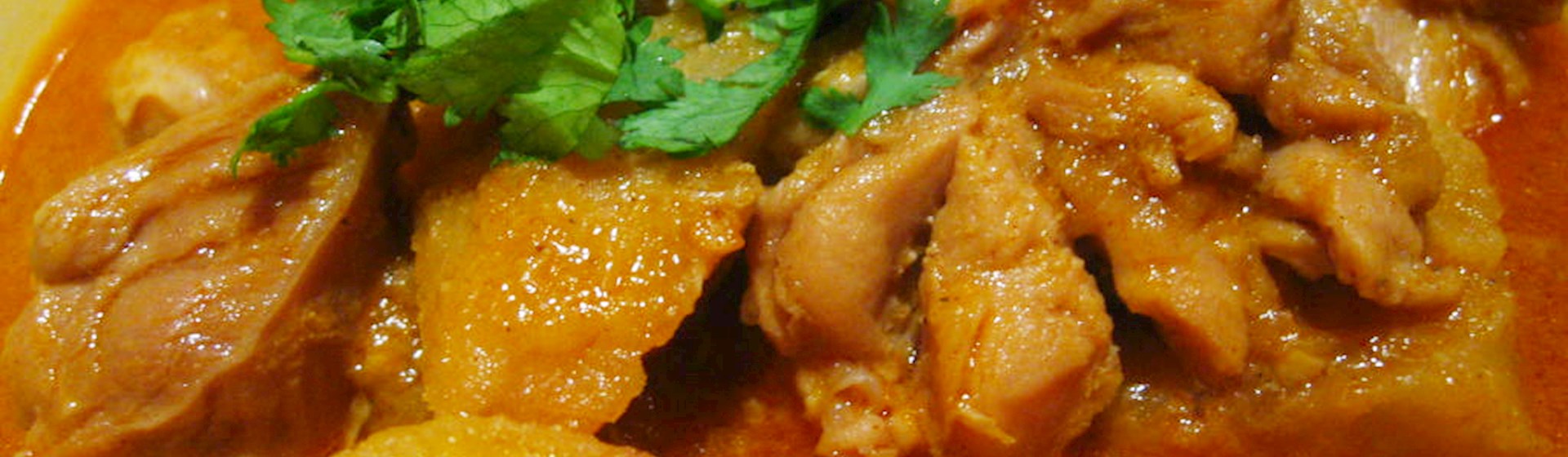
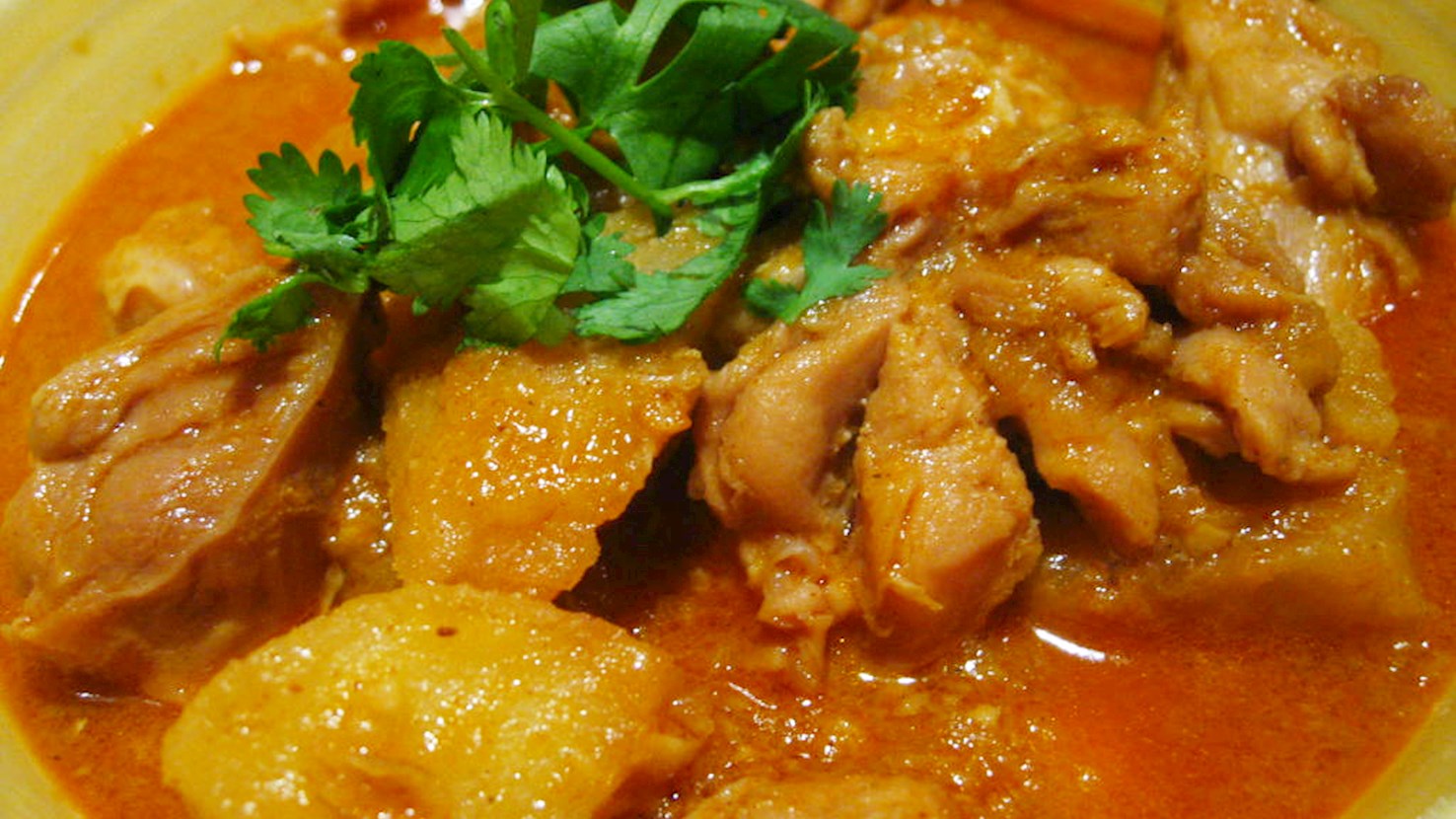
Burmese chicken curry, also known as see-pyan, is a traditional curry stew from Myanmar. It's prepared by marinating chicken pieces in a combination of oil, garam masala spices, curry powder, fenugreek, coriander, cumin, and turmeric. The chicken is then cooked in a mix of tomatoes, lemongrass paste, fish sauce, and a curry paste consisting of onions, ginger, garlic, and hot peppers. The dish is simmered for about half an hour, but it shouldn't get dry. Once done, this chicken curry is typically served with white rice. Burmese chicken curry is a great showcase of Indian and Thai culinary influences – it contains both Indian spices and southeast Asian flavors of fish sauce and lemongrass.

03
Stew

Khow suey

3.8 ·

Khow suey is a Burmese one-pot dish consisting of coconut-milk-based curry, noodles, and an array of toppings such as hard-boiled eggs, potato sticks, fried garlic, leeks, and spring onions. Both the dish and the toppings are traditionally served in bowls. It is believed that khow suey spread from Burma to East India during World War II.

04
Dessert

Paung din

3.2 ·

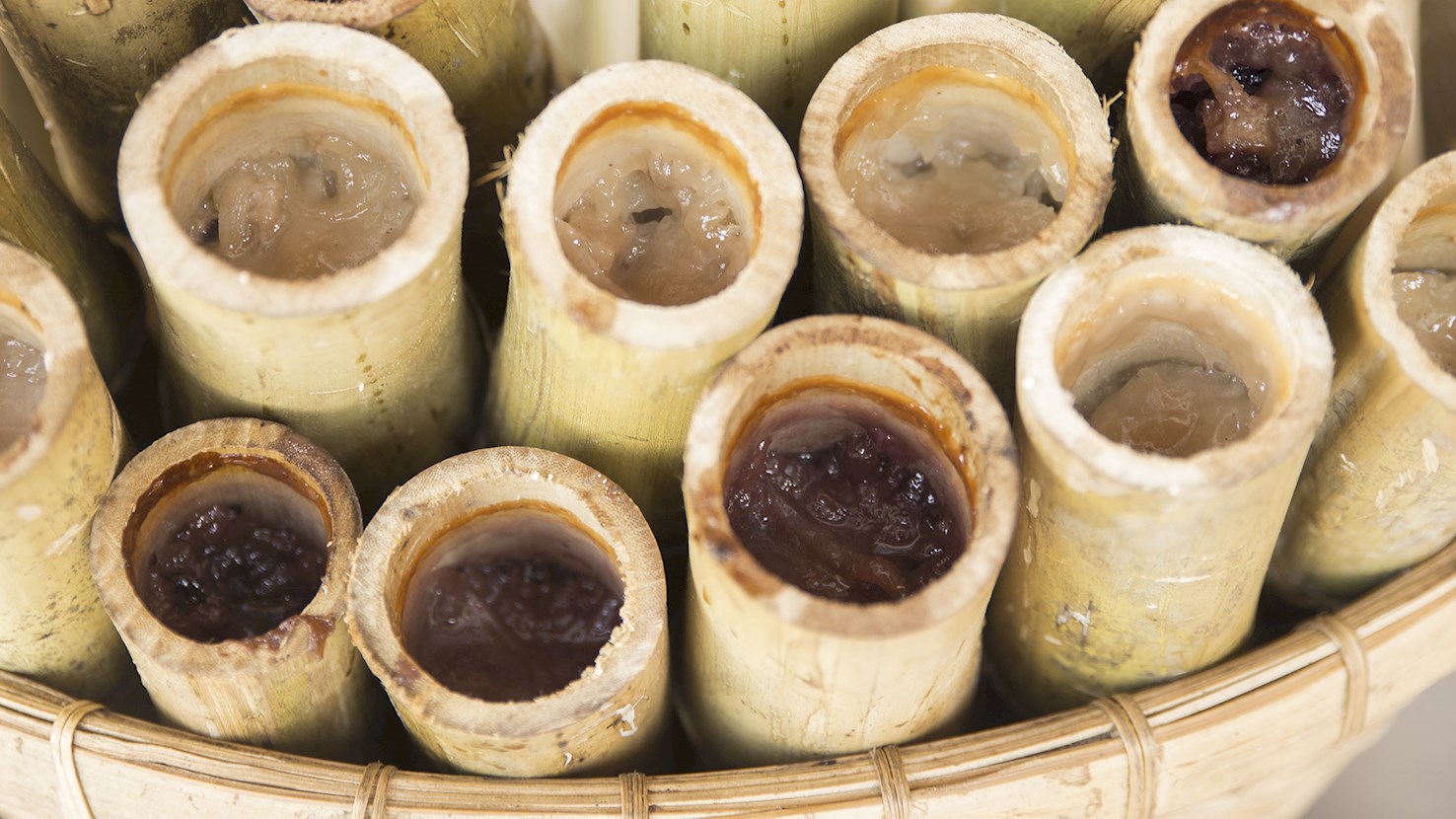
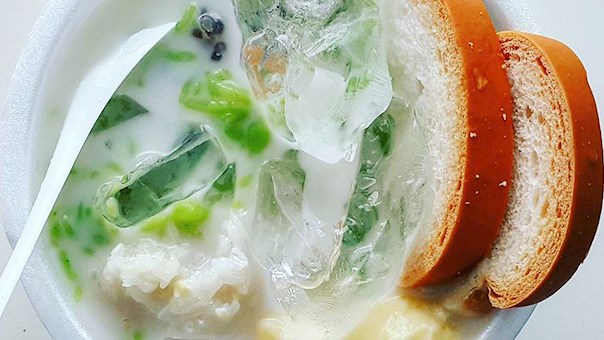
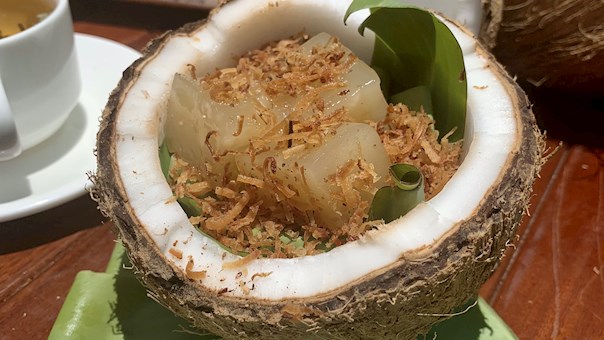
Khao lam or kralan is a unique Southeast Asian dessert consisting of sweet sticky rice, either white or red, steamed in bamboo tubes, popular in Thailand, Myanmar, Cambodia, and Laos. The simplest, original version included only rice mixed with water and salt, but more elaborate interpretations nowadays include the addition of grated coconut, sugar, coconut milk, and red beans. The rice is mixed with the desired ingredients and placed inside specially prepared bamboo sticks. Coconut milk is added on top of the rice, and then the stick is sealed and carefully placed on a construction over hot coals. This unusual slow-cooking process transforms the rice into a sweet and rich creation, similar to custard or rice pudding. Modern versions come in a variety of different flavors such as taro, durian, Thai custard, or corn, which are usually tucked in the center of the roll. Khao lam is regarded as a filling treat and is usually sold by street vendors at food fairs, around the temples, and at numerous Asian markets.

05
Noodle Soup

Mohinga

3.2 ·

Crowned as the unofficial national dish of Burma, mohinga is a fish and rice noodle soup that can, depending on the region, be enriched with an array of different ingredients by adding them to the soup or using them as a dressing or garnish. When it comes to the origin, various accounts exist, some of them dating as far back to the first century. By the 19th century, mohinga was regarded as a working-class meal due to its low cost, but over time, it has become so popular that today it can even be purchased as a ready-made soup. Although this fish soup is typically consumed for breakfast, it evolved into an all-day dish that is traditionally sold by street hawkers and roadside sellers.

06
Salad

Lahpet thoke

n/a ·

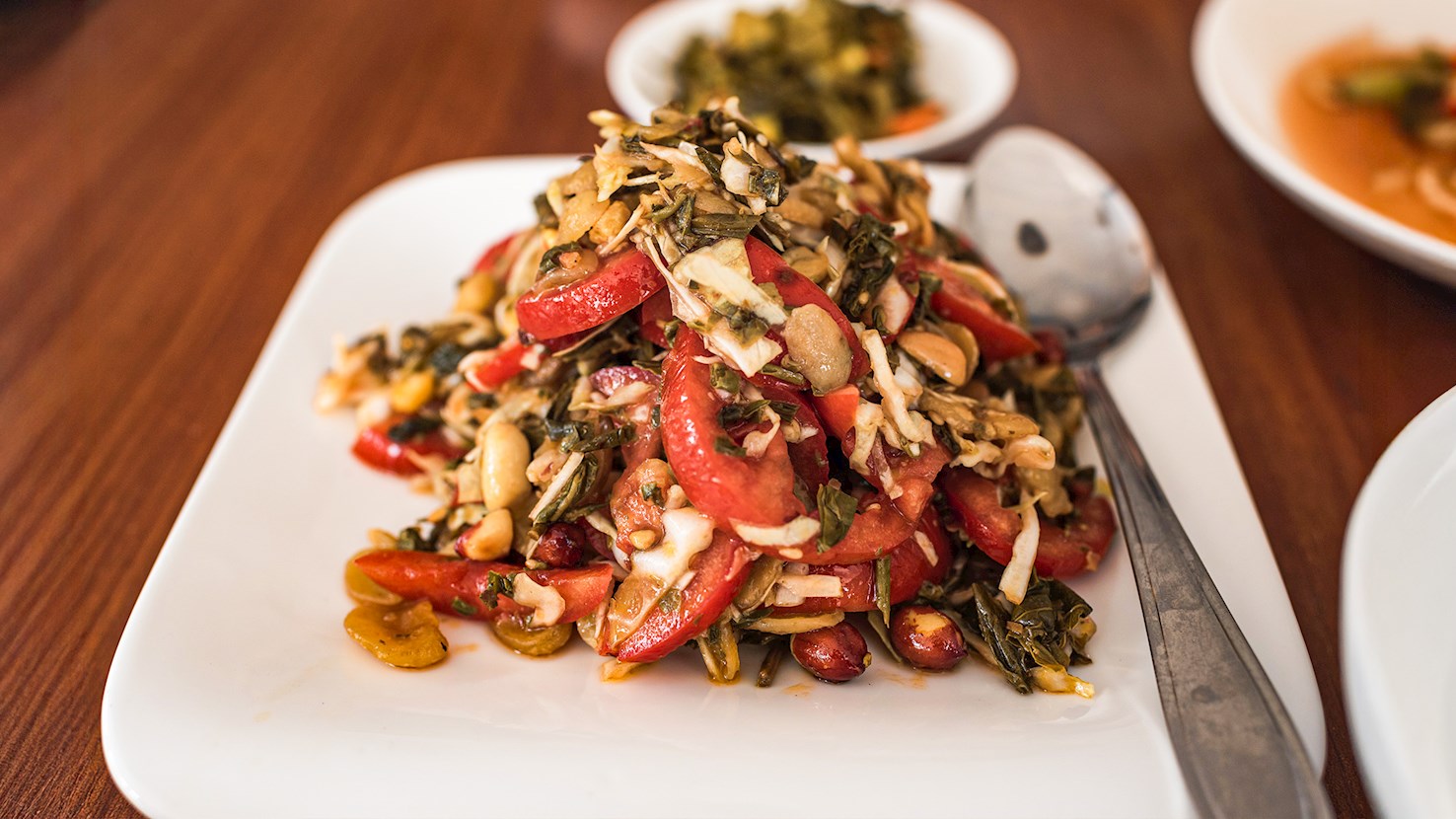
Lahpet thoke is a unique Burmese salad made from fermented tea leaves, a specialty of Myanmar where it holds deep cultural and culinary significance. Often referred to as tea leaf salad, it combines the slightly bitter, tangy flavor of pickled tea leaves with a vibrant mix of crispy fried beans, toasted nuts and seeds, shredded cabbage, sliced tomatoes, garlic oil, and fresh chili. The dish balances an array of textures and tastes (earthy, sour, spicy, and crunchy), and is commonly enjoyed as an appetizer, a snack, or even a light meal. Its preparation varies by household and region, but the key element is always the lahpet: tender tea leaves that have been steamed, fermented, and seasoned to form a pungent, aromatic paste. Originating in the highlands of Myanmar where tea is grown, lahpet thoke is a social and ceremonial food often served during gatherings, religious offerings, and important communal events. In the past, presenting lahpet signified peace and hospitality, and today it continues to play a role in everyday meals and festive tables alike. Vendors sell packaged tea leaves specially prepared for making lahpet thoke, and restaurants often serve the salad with toppings arranged separately for diners to mix according to preference.

07
Dumplings

Mont lone yay paw

n/a ·

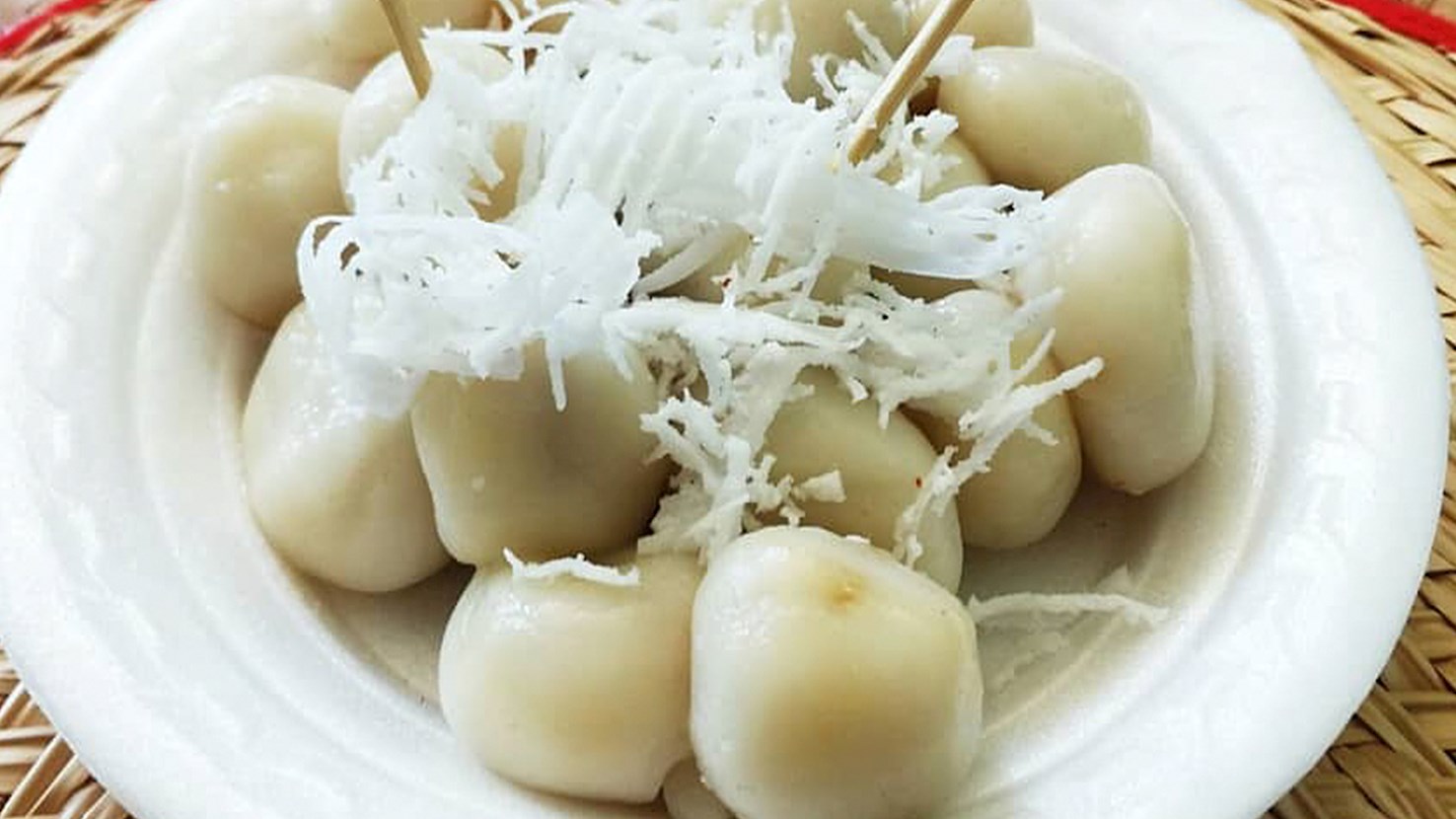
Mont lone yay paw, meaning round snack on the water, is a traditional sweet snack made by combining glutinous rice flour, rice flour, water, and salt. The combination is shaped into smooth balls, which are then typically filled with palm jaggery or palm sugar. This sweet derives its name from the tendency of the rice balls to float to the surface of the boiling water or coconut milk in which they’re being cooked once they’re done. Shredded or desiccated coconut is often sprinkled over the rice dumplings, and they’re usually served on a banana leaf while still warm. Mont lone yay paw is typically prepared for festive occasions such as Myanmar New Year (known as Thingyan or Water Festival), when groups of friends, neighbors, and family members gather to roll batches of rice balls and cook them in a big pot of boiling water over an open fire.

08
Noodle Dish

Ohn no khao swè

4.0 ·

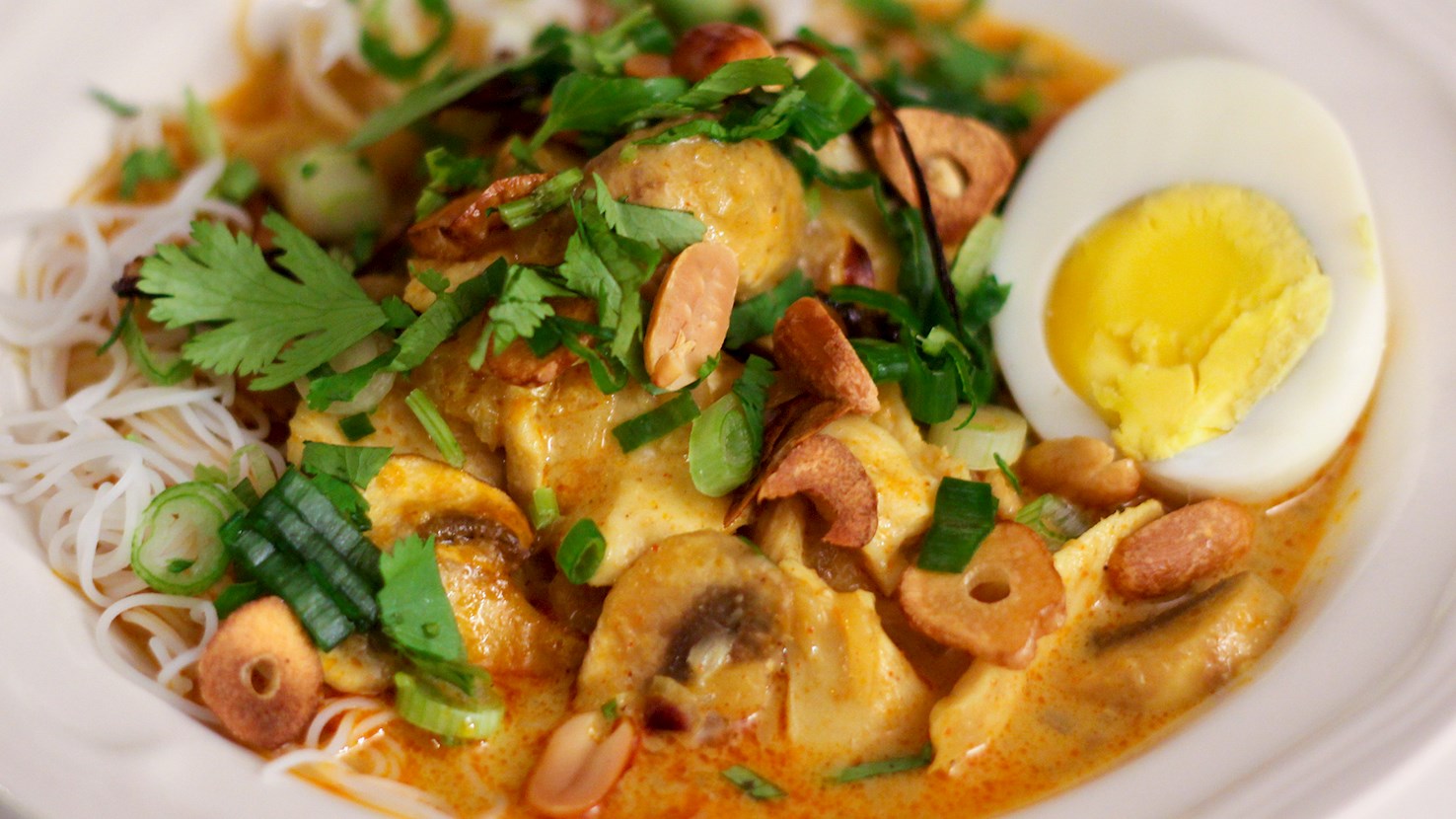
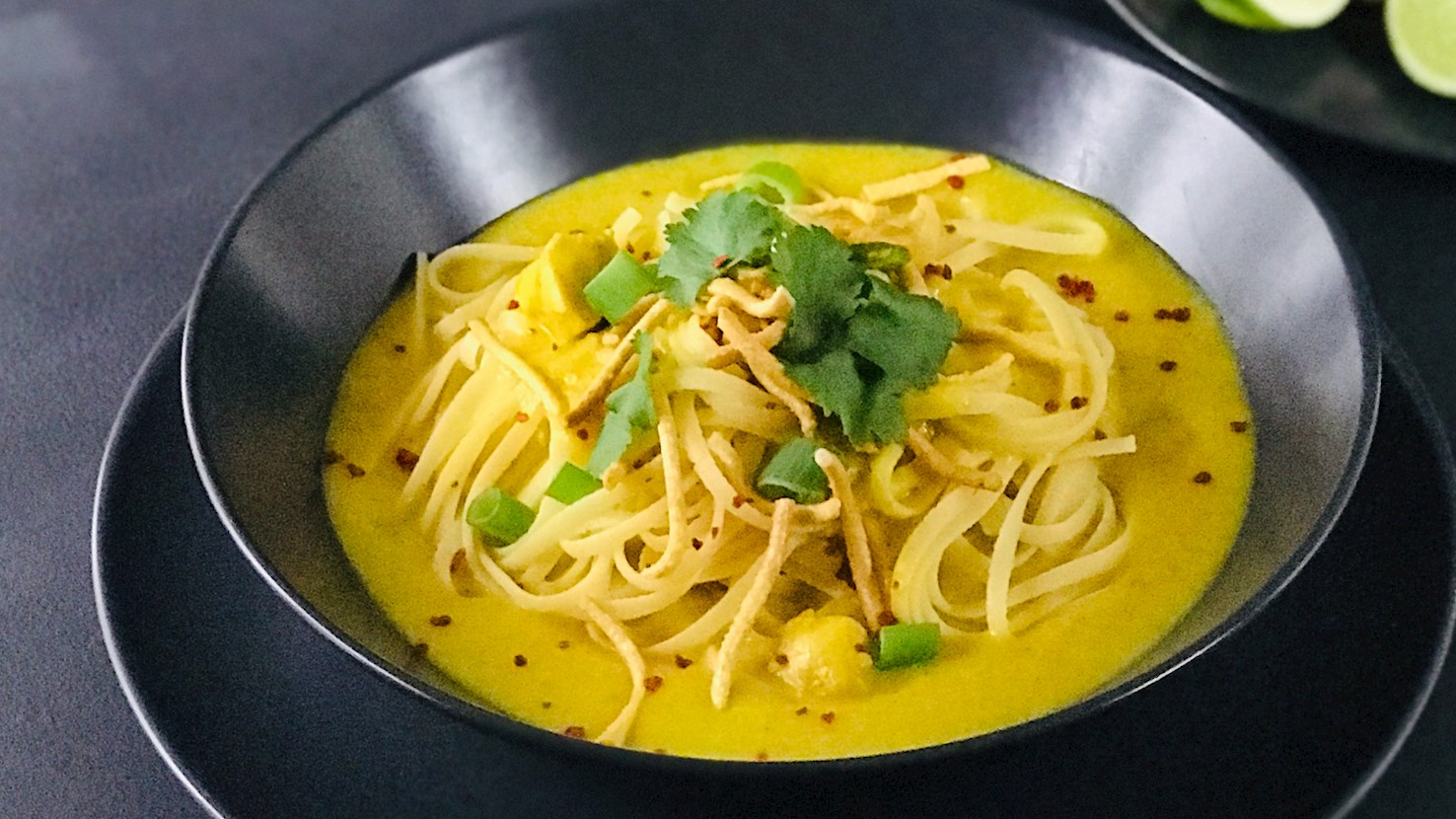
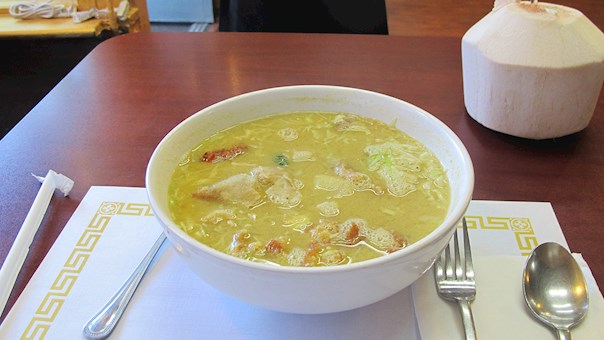
Ohn no khao swè, meaning noodles with coconut milk, is a traditional dish that is believed to have inspired the creation of Thailand’s khao sai. It consists of boiled egg noodles and pieces of curried chicken smothered in a creamy coconut-milk-and-chicken soup. The soup is typically thickened with chickpea flour, and it usually comes with an array of different garnishes and condiments. Typical ingredients added to this dish for enhanced flavor and texture include slices of hard-boiled eggs, crispy fried noodles, bean or chickpea fritters, fresh cilantro, green onions, soaked yellow onions, lime or lemon slices, ngapi fish sauce, and red chili flakes. In Myanmar, this specialty is a popular street food item, and it is commonly enjoyed for breakfast, lunch, or dinner. Ohn no khao swè can also be found in numerous eateries, restaurants, cafés, and hotels across the country.

09
Noodle Dish

Meeshay

n/a ·

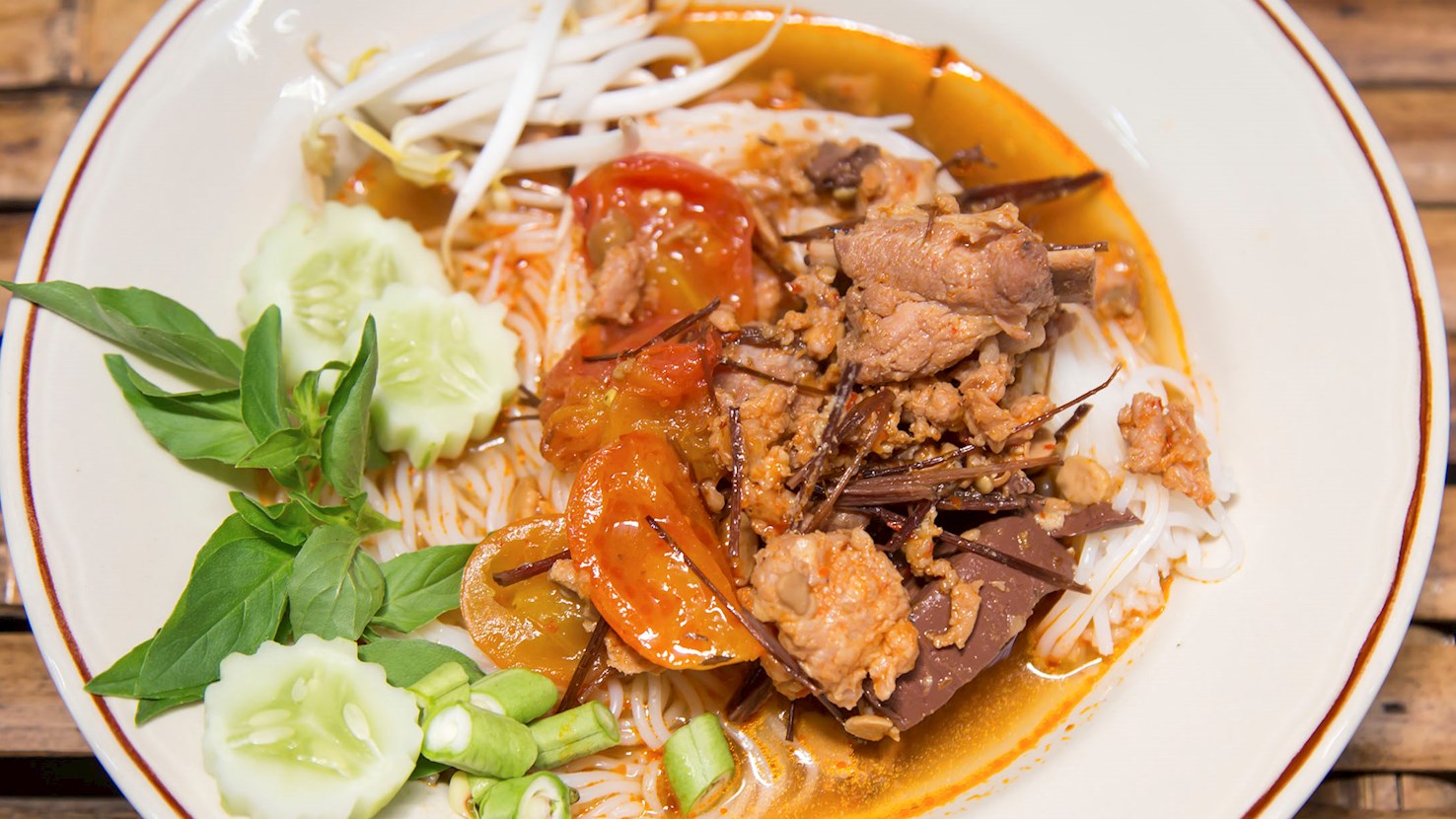
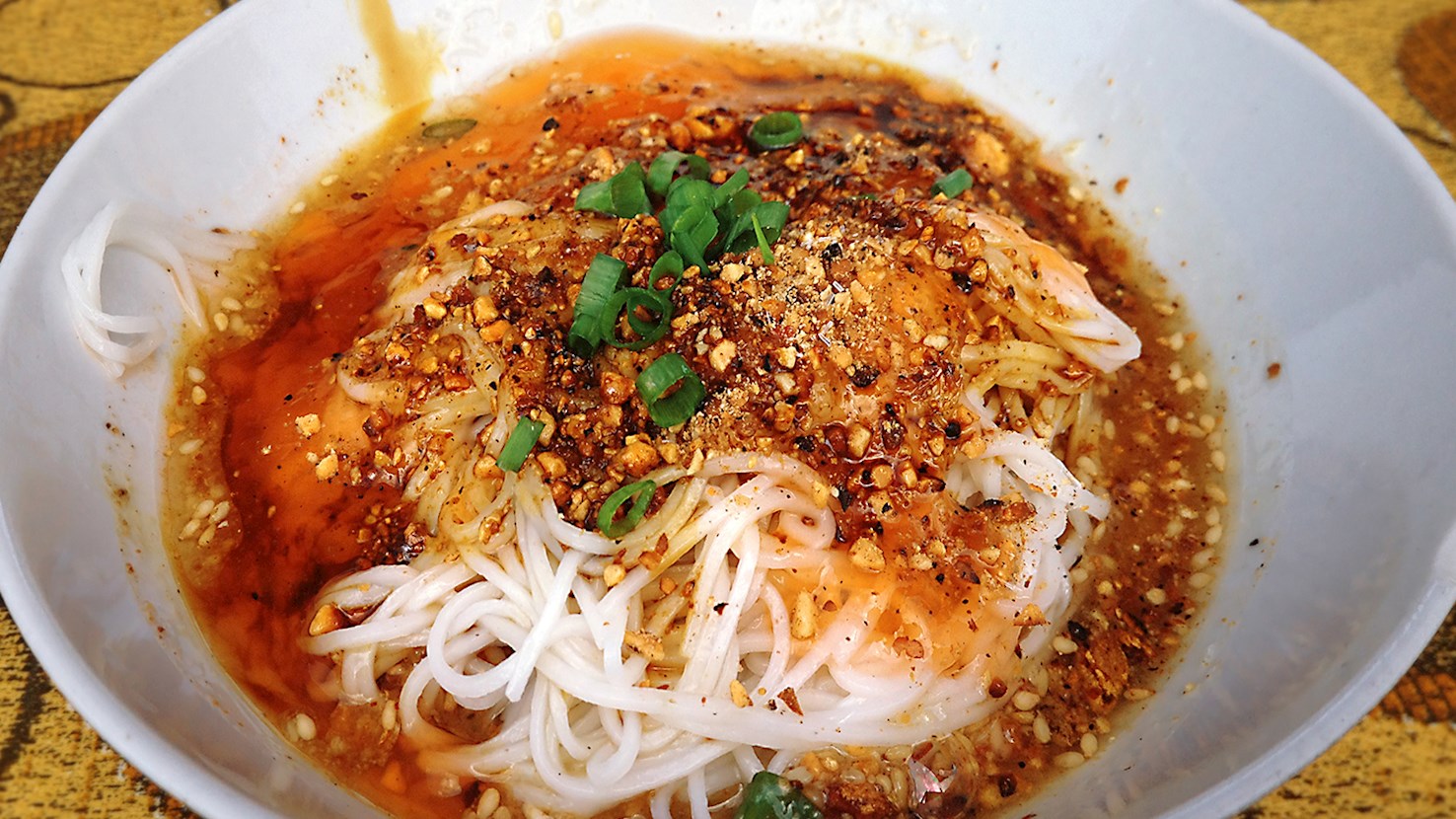
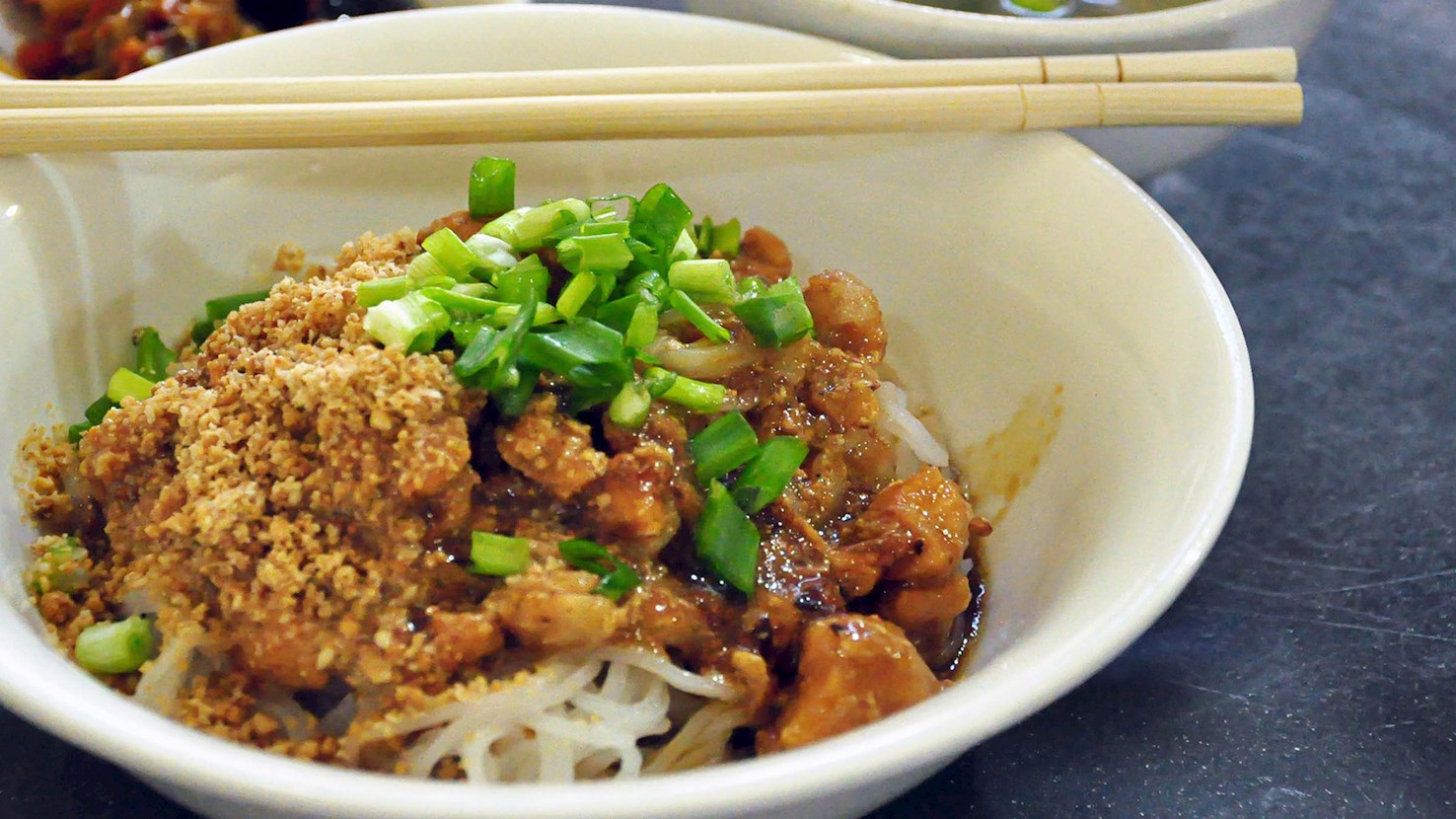
Meeshay is a traditional noodle dish originating from Myanmar. It consists of rice noodles and a meat-based sauce (usually chicken or pork), along with an array of toppings. The dish has origins with the Chinese Mixian, but over time it became a delicacy of the Shan people living in Eastern Myanmar. There are several versions of meeshay, but the two main versions are Shan or Mogok meeshay and Mandalay meeshay. The Shan version uses meat cooked in a sauce with onions, rice noodles, rice vinegar, and a dressing of fried peanut oil, chili oil, and soy sauce. The dish is garnished with fried onions, coriander, and spring onions. The Mandalay version has a thicker and oilier meat sauce and a dressing of fried peanut oil, chili oil, and fermented soybeans. This version is garnished with daikon, crushed garlic, coriander, and bean sprouts. Meeshay is enjoyed as a breakfast or light lunch throughout the country.

10
Noodle Dish

Kyay oh

n/a ·

Kyay oh is a popular Burmese dish consisting of vermicelli noodles, eggs, and meatballs in a broth made with chicken, fish, or pork. The dish is usually not made at home, as there are a lot of restaurants serving it - usually at very high prices. Traditionally, kyay oh is served in a copper pot.

12
Soup

Samusa

n/a ·
14
Rice Dish

Dan bauk

n/a ·
15
Cake

Sanwin makin

n/a ·
16
Rice Dish

Si htamin

n/a ·
17
Rice Dish

Htamanè

n/a ·
18
Duck Dish

Be kin

n/a ·
19
Flatbread

Nan bya

n/a ·
20
Dessert

Kyauk kyaw

n/a ·

Best Burmese food products

01
Spirit

Grand Royal Group International

4.5 ·
Awards
World Gin Awards - Country Winner (2022)
Read more
View all
View map
About this ranking

TasteAtlas food rankings are based on the ratings of the TasteAtlas audience, with a series of mechanisms that recognize real users and that ignore bot, nationalist or local patriotic ratings, and give additional value to the ratings of users that the system recognizes as knowledgeable. For the “Top 21 Burmese Foods” list until July 22, 2026, 742 ratings were recorded, of which 612 were recognized by the system as legitimate. TasteAtlas Rankings should not be seen as the final global conclusion about food. Their purpose is to promote excellent local foods, instill pride in traditional dishes, and arouse curiosity about dishes you haven’t tried.

The initial list of top producers was compiled based on available reviews, awards, local recommendations, media and blog coverage, and consumer reviews. The list will be updated with ratings from TasteAtlas local ambassadors and TasteAtlas users.

Similar lists