Top 7 Northeastern Indian Foods

Last updated on June 10, 2026

Best Northeastern Indian food products

01
Tea / Infusion

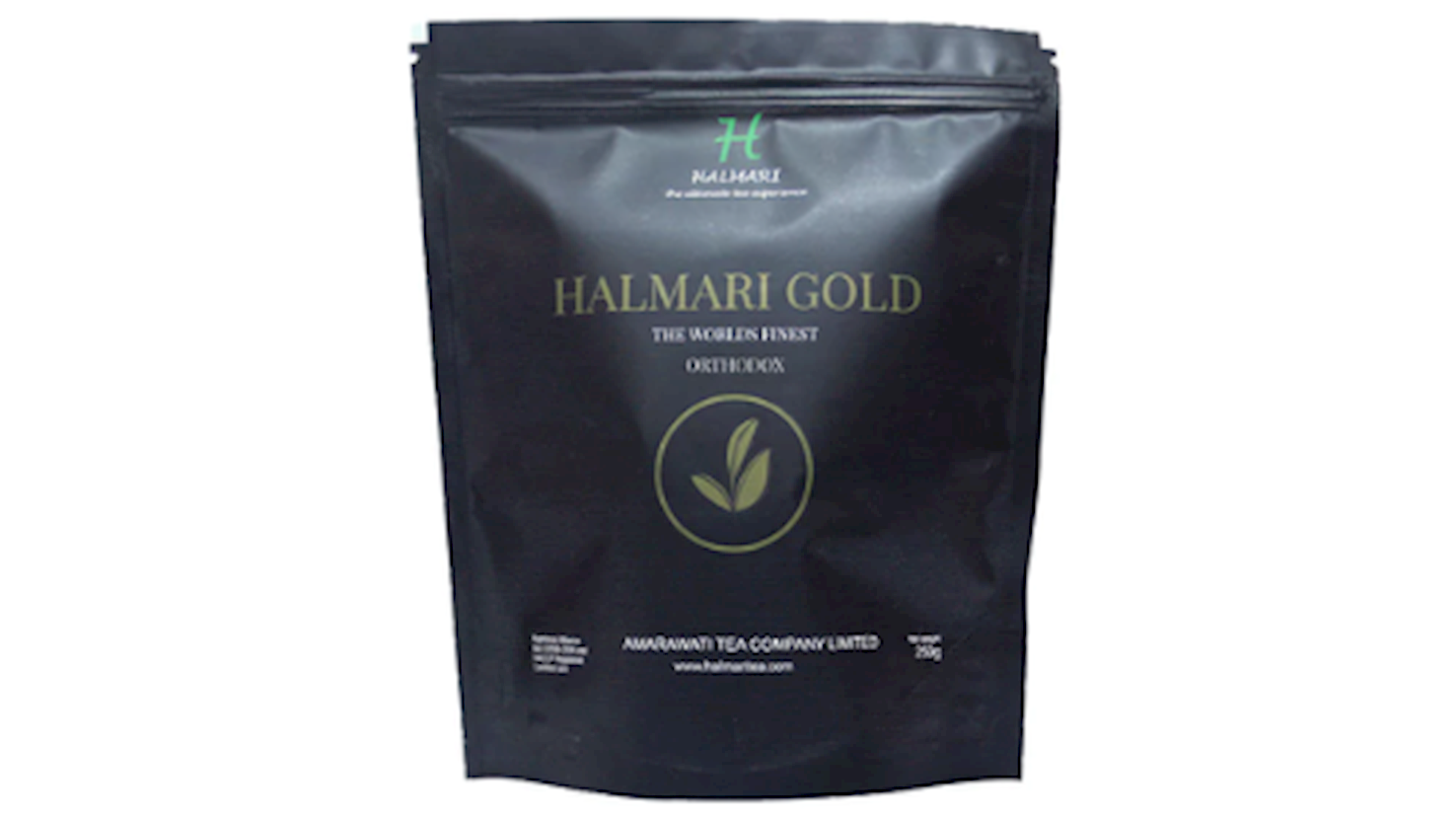
Halmari Tea Estate

5 ·
Halmari Tea is a renowned tea producer from Assam, India, recognized for its premium-quality Assam black teas. Situated in the lush tea gardens of Assam, the estate has a rich history of over 100 years of tea cultivation and production. Known for its focus on producing fine teas, Halmari Tea has earned a reputation among tea enthusiasts worldwide for its exquisite quality and exceptional flavor profiles. In addition to their traditional black teas, Halmari also produces flavored teas, blended teas, and Masala Chai. These offerings allow tea drinkers to explore a variety of flavors and experiences, from spiced blends to smooth, aromatic orthodox teas. Their dedication to quality is reflected in every step of the production process, from cultivating the tea leaves to carefully processing them for the perfect cup.
Awards
Global Tea Championship - Winner (2019, 2017)
02
Tea / Infusion

Rujani Tea

4.8 ·
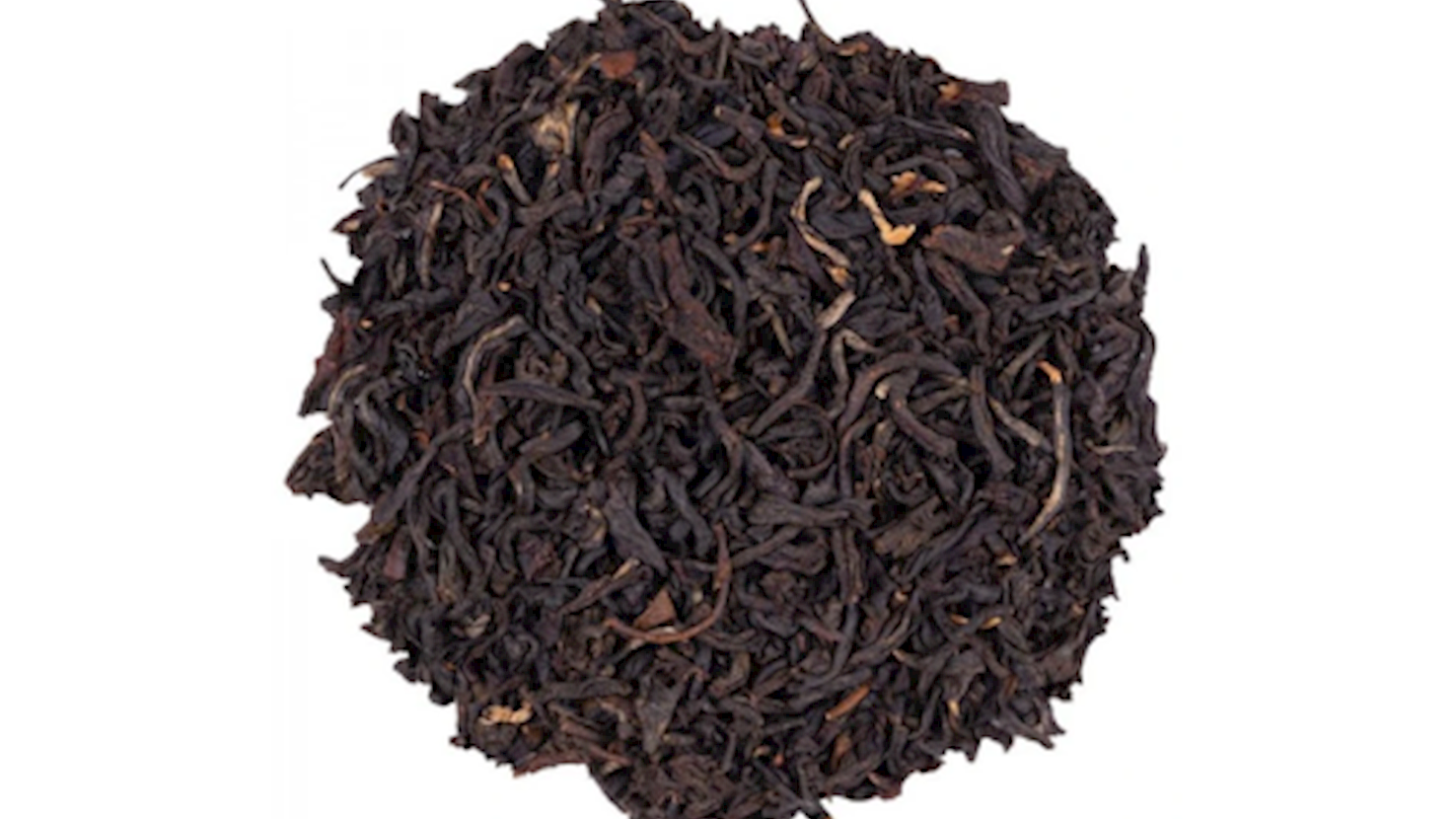
Rujani Tea is a premium tea brand from India that offers high-quality teas produced in various tea-growing regions across the country. The brand is known for its wide range of teas, including black, green, white, and specialty teas, all carefully selected to provide rich and aromatic flavors. Rujani Tea prides itself on its commitment to sustainable farming practices. They work closely with local farmers to ensure that the tea is produced in an environmentally friendly way, adhering to fair trade principles and responsibility toward the environment. The tea is grown in regions with perfect climatic conditions, contributing to the unique flavors and characteristics of the product. Each type of tea offered by Rujani Tea is handpicked and carefully processed to preserve the freshness and high quality of the leaves. The brand focuses on providing premium products with smooth, rich flavors and full aromas, making them ideal for all tea lovers.

Best Northeastern Indian foods

01
Rice Dish

Panta bhat

2.9 ·

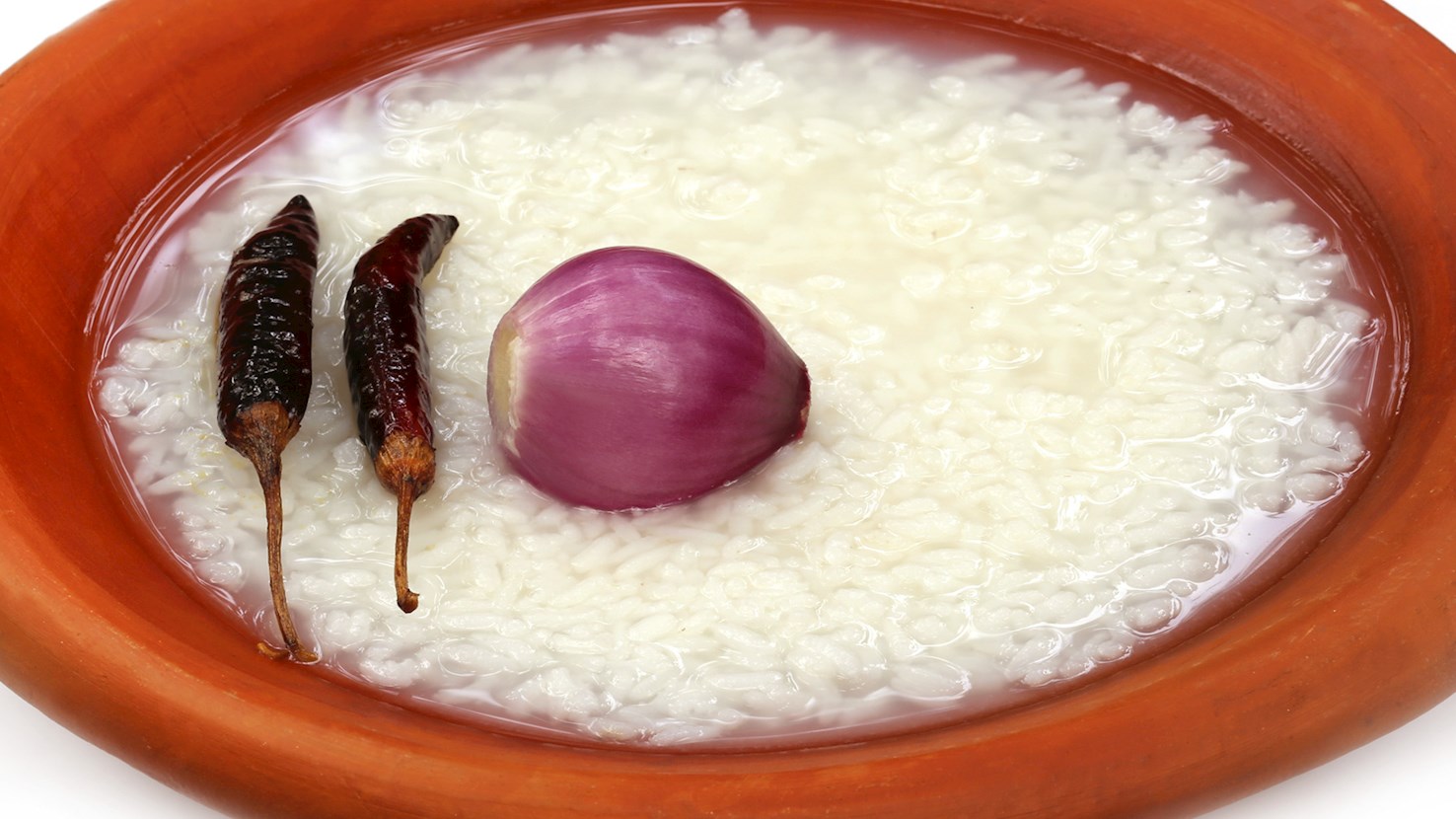
Panta bhat is a simple rice dish prepared by first cooking the rice, rinsing it, and then soaking it in water overnight. The dish is rich in minerals, and it is believed to have health-beneficial effects. Because it is usually enjoyed chilled, it is a favorite summer treat, and apart from being a typical everyday breakfast, it is also regularly prepared for special occasions such as Bengali New Year and Pahela Baishakh festivity. The dish is usually topped with fresh green chili peppers, salt, and onions, and when served with fried ilish fish it goes under the name panta ilish.

02
Dessert

Tel pitha

n/a ·

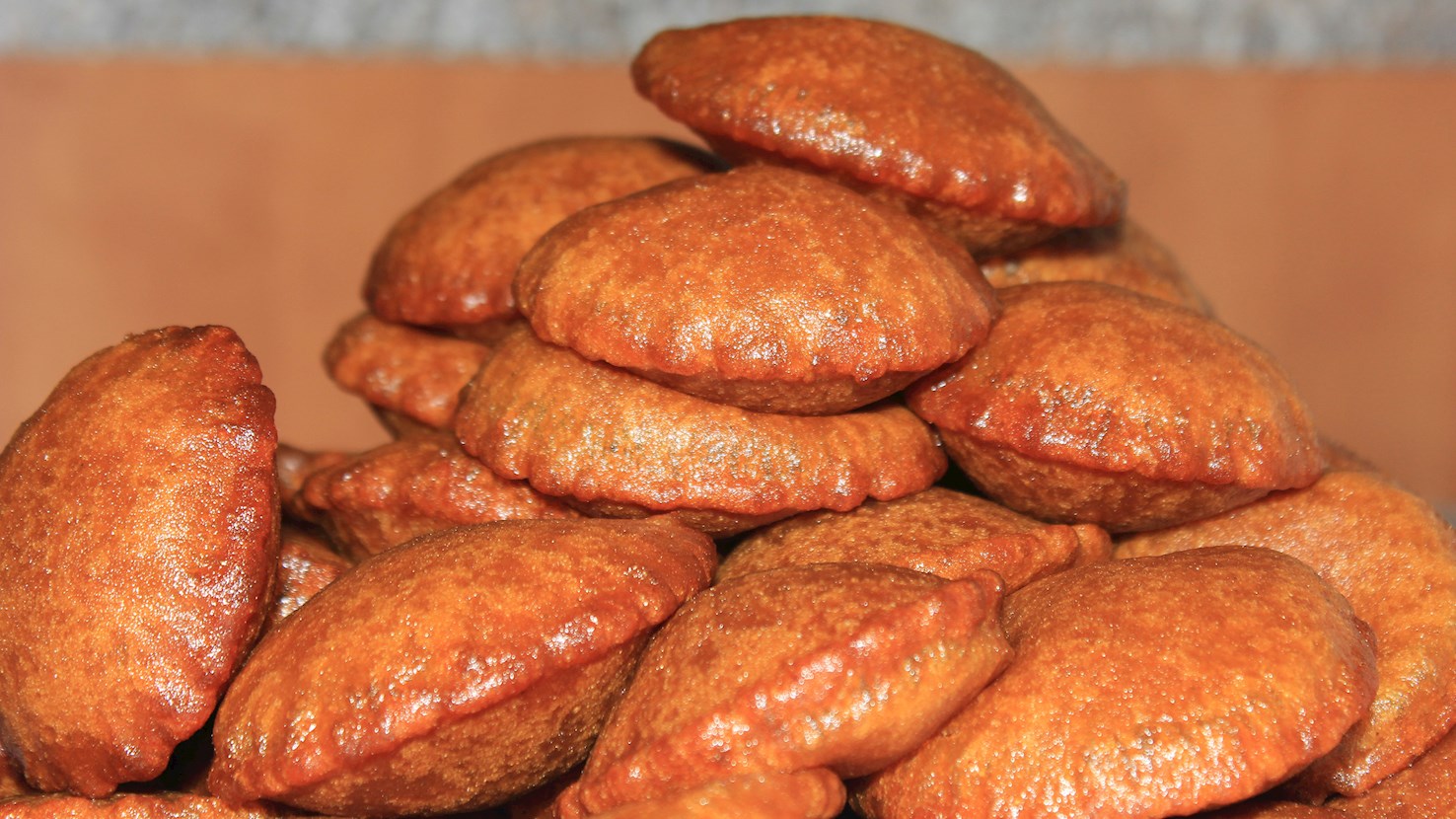
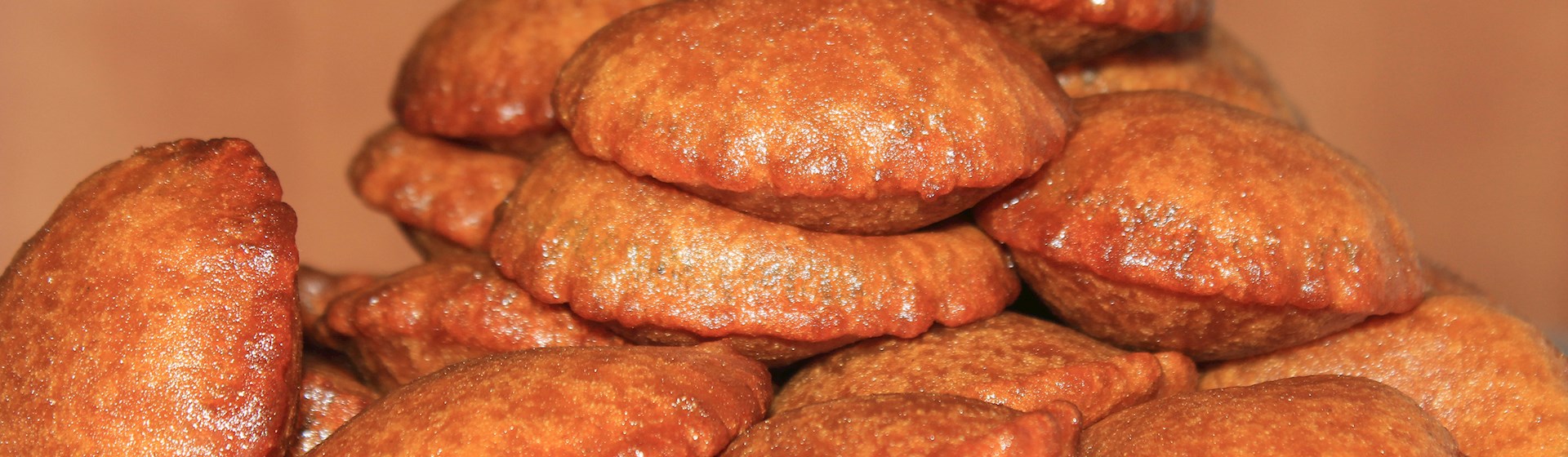
Handesh is a traditional dessert originating from Sylhet region of Bangladesh and the Indian state of Assam. It’s usually made with a combination of rice flour, wheat flour, molasses, sugar, and vegetable oil. If desired, these sweet treats can be enriched with cinnamon or cardamom. The flours are mixed with sugar, molasses, and water in order to make a thick batter. The batter is left to rest for a few hours or overnight, and it’s then fried in oil in batches on both sides until brown and fully cooked. These dense and crisp sweet treats are typically enjoyed with a cup of tea or warm milk on the side. Handesh is especially popular during the winter, and it’s often served at weddings.

03
Appetizer

Amitar khar

n/a ·

Amitar khar is a traditional Assamese dish that is part of the broader category of "khar" dishes, made using an alkaline ingredient derived from sun-dried banana peels or a specific type of alkali called "khar" water, which is obtained from filtering water through the ashes of sun-dried banana peels. Amitar khar specifically refers to a khar dish made with papaya (amita in Assamese). The papaya is typically cooked with the khar, along with minimal spices, resulting in a dish that is both healthy and flavorful. The combination of the soft, cooked papaya with the unique flavor of the khar creates a dish that is both light and refreshing, often served as the first course in a traditional Assamese meal. Khar dishes, including amitar khar, are considered essential in Assamese households and are typically served with rice.

04
Potato Dish

Aloo pitika

n/a ·

Aloo pitika is a traditional dish from the Indian state of Assam, a simple and flavorful mashed potato preparation commonly served as a side dish in Assamese meals. Aloo pitika is made by boiling potatoes until they are soft, then mashing them and mixing them with ingredients such as mustard oil, finely chopped onions, hot peppers, and fresh coriander leaves. Some variations might include adding roasted green chili, garlic, or ginger for additional flavor. The use of mustard oil is a key element, giving the dish its distinctive, slightly pungent flavor. Aloo pitika is typically enjoyed with rice, dal, and other Assamese dishes, and it is cherished for its simplicity, earthy flavors, and comforting nature. It’s a staple in Assamese cuisine, often eaten as part of everyday meals.

05
Stew

Masor tenga

n/a ·

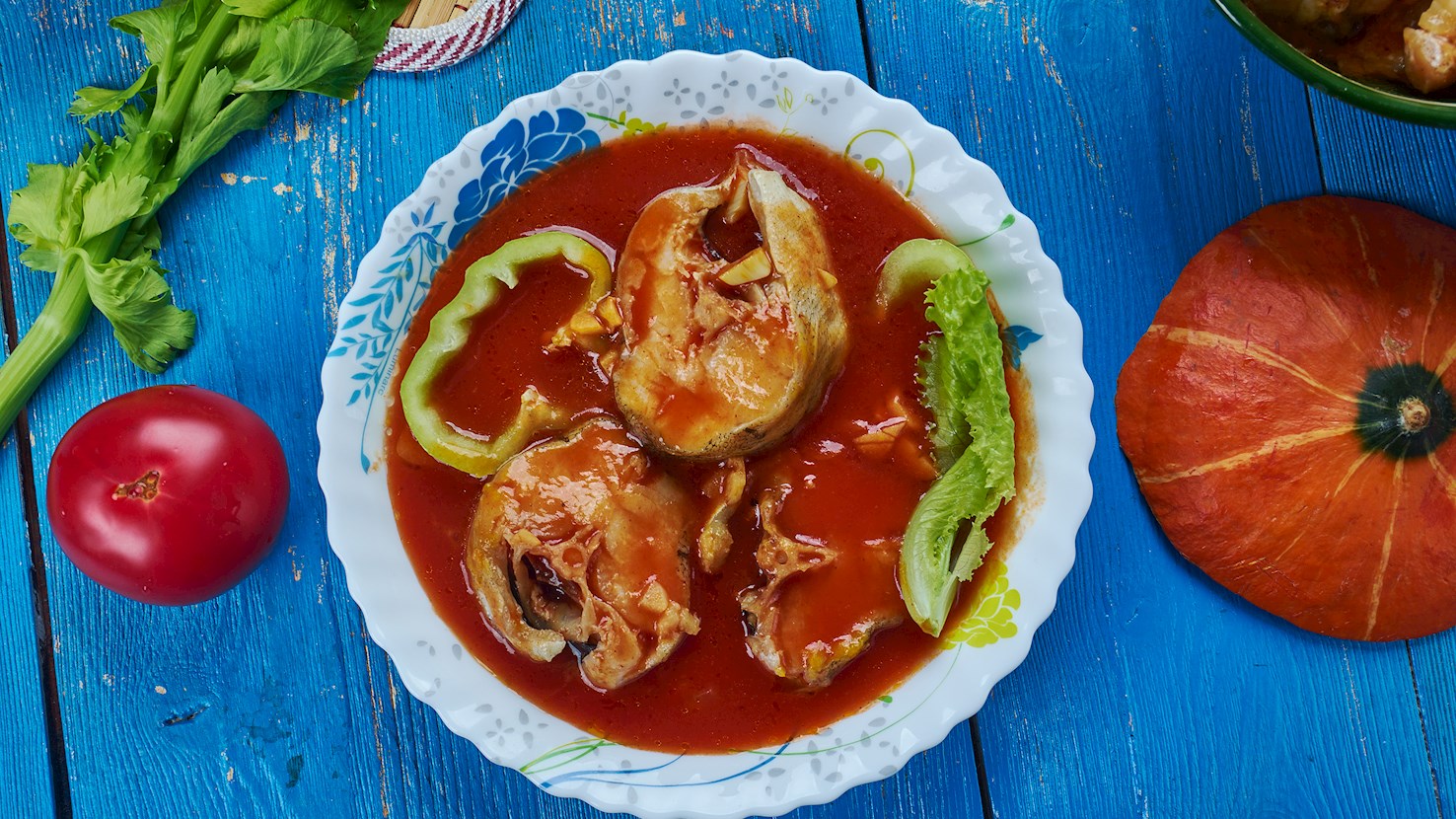
Masor tenga is a traditional curry originating from Assam. Although there are many recipes, it’s usually made with a combination of fish, kokum, mustard seeds, hot peppers, tomatoes, mustard oil, potatoes, rice flour, turmeric, coriander, and salt. The fish is cut into pieces, seasoned with turmeric and salt, and then deep-fried in mustard oil until crisp. Mustard seeds and hot peppers are fried in mustard oil and mixed with chopped boiled potatoes and puréed tomatoes. Kokum is boiled in water and added to the curry, along with the fried fish pieces. Rice flour is added as a final touch in order to thicken the curry. Before serving, masor tenga is typically garnished with fresh coriander leaves. It’s recommended to serve it for lunch or dinner with steamed rice and fresh green hot peppers on the side. The word tenga means sour, referring to the flavors of the stew.

06
Pork Dish

Sunga gahori

n/a ·

Sunga pork is a traditional dish originating from Assam, but it's popular across the northeastern tribes. Although there are some variations, it's usually made with a combination of pork, ginger, garlic, mustard oil, salt, pepper, and hot peppers. The ingredients are mashed into a paste that is then mixed with the pork. After an hour or so, the marinated pork is placed inside bamboo poles, and the holes are then covered with banana leaves. The poles are placed over hot charcoal and regularly turned so that the bamboo doesn't burn. Once done, sunga pork is served warm, and it's often garnished with fresh herbs.

07
Snack

Til pitha

n/a ·

Til pitha is a traditional snack and a type of pitha originating from Assam. These rolls are made from rice flour and they're stuffed with a filling consisting of ground black sesame seeds and jaggery. The rice is soaked, slightly dried, ground into a powder, then spread over a hot tawa and topped with the filling. Once the rice flour becomes firm, it's folded into a roll and enjoyed as it is. The pithas should be crunchy and warm, and it's recommended to serve them with a cup of coffee or milk tea. These snacks are often made during Bihu, the main festival of Assam that celebrates the harvest season.

Read more
View all
View map
About this ranking

TasteAtlas food rankings are based on the ratings of the TasteAtlas audience, with a series of mechanisms that recognize real users and that ignore bot, nationalist or local patriotic ratings, and give additional value to the ratings of users that the system recognizes as knowledgeable. For the “Top 7 Northeastern Indian Foods” list until June 10, 2026, 45 ratings were recorded, of which 21 were recognized by the system as legitimate. TasteAtlas Rankings should not be seen as the final global conclusion about food. Their purpose is to promote excellent local foods, instill pride in traditional dishes, and arouse curiosity about dishes you haven’t tried.

The initial list of top producers was compiled based on available reviews, awards, local recommendations, media and blog coverage, and consumer reviews. The list will be updated with ratings from TasteAtlas local ambassadors and TasteAtlas users.

Similar lists