




shutterstock

Top 6 North Korean Foods

Last updated on June 06, 2026
01
Fish Soup

Taedong River Grey Mullet Soup

n/a ·

Taedong River grey mullet soup is a traditional clear soup that features pieces of flathead grey mullet. To make the soup, the cleaned fish (with skin intact) are cut into small pieces and salted before being boiled in water seasoned with black pepper and soy sauce. Once done, the clear broth with chunks of fish can be seasoned with additional salt and soy sauce, depending on individual preferences. The soup is then poured into serving bowls and sprinkled with chopped scallions or cilantro on top, and it is typically enjoyed while still hot, with various accompaniments such as garlic, peppers, tofu, or red bean paste. Flathead grey mullet was once abundant in the waters of the Taedong River, which flows through the country’s capital, Pyongyang, where this simple dish has been a part of the traditional local cuisine.

02
Noodle Dish

Pyongyang naengmyeon

3.6 ·

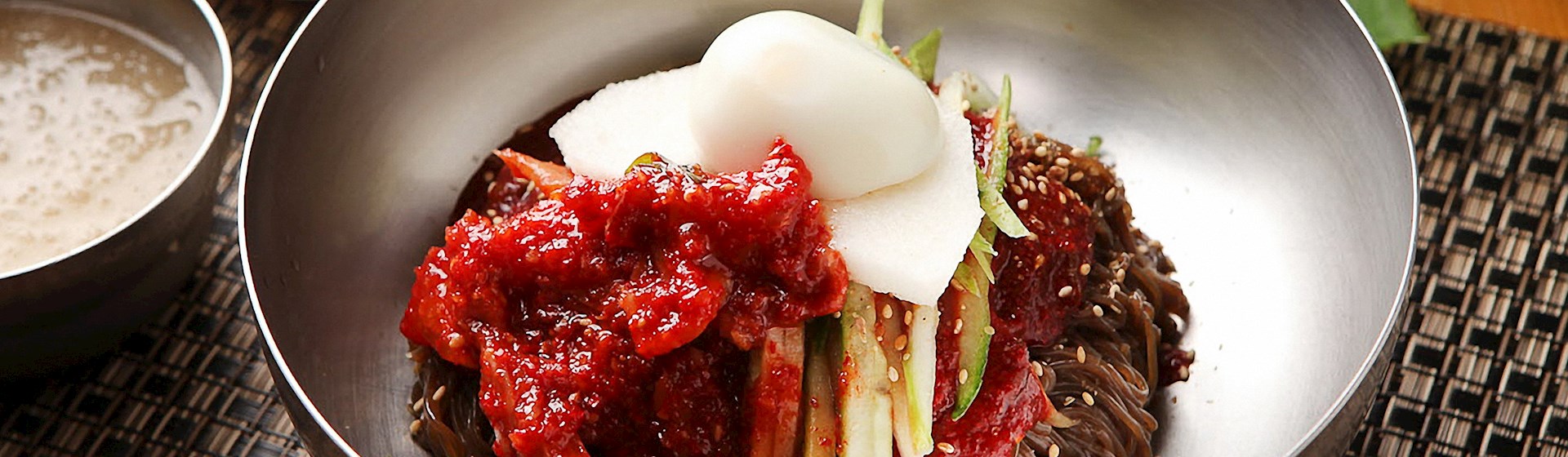
As the name suggests, Pyongyang naengmyeon is a version of a traditional North Korean noodle dish called naengmyeon or raengmyeon that is typical of Pyongyang. It usually consists of a combination of buckwheat noodles, thin strips of cucumbers, Korean pears, vegetable kimchi (often radish kimchi), and thinly sliced beef, chicken, or pork served in a cold, tangy broth (either meat broth, dongchimi broth, or a mixture of both) with ice chunks in it. This specialty is traditionally enjoyed chilled in a large metal bowl, and it is typically finished with slices of hard-boiled egg and cold beef on top. Typical condiments added to the dish before consumption include spicy mustard, vinegar, and sugar. In North Korea, it is customary to eat the long buckwheat noodles without cutting them as they are symbolically associated with longevity and good health. This custom isn’t usually practiced in restaurants because it's more convenient to consume the noodles after they've been cut. In South Korea, the broth for this specialty is made exclusively with beef, while the addition of sugar is not typical.

03
Clam Dish

Nampo Petrol Clams

n/a ·

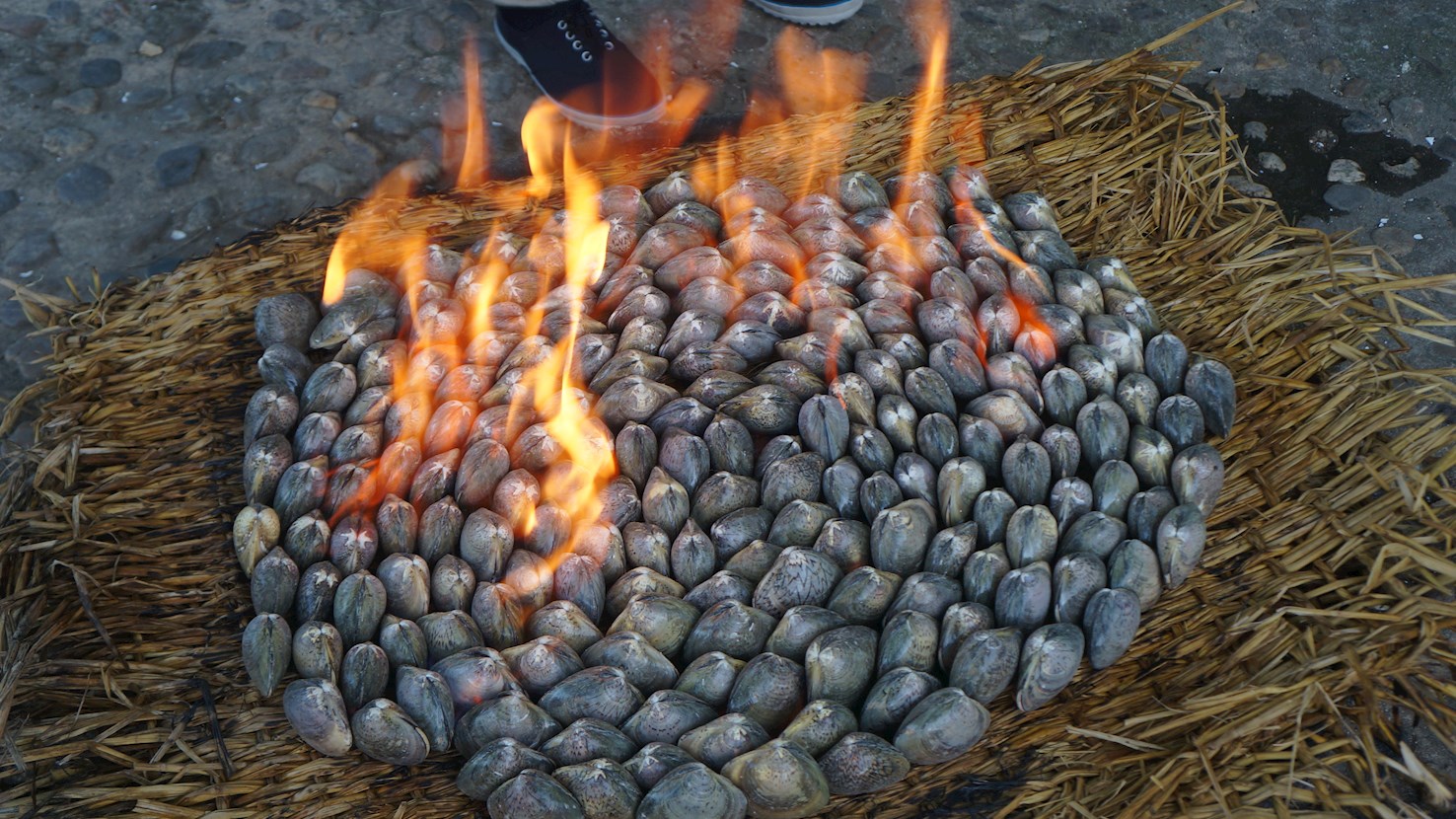
Nampo petrol clams are, as the name implies, clams cooked in petrol. They are a specialty of Nampo, a major port on the west coast of North Korea, usually enjoyed by work groups or rare foreign tourists visiting the city and its spa centers. Clams are sourced from the Yellow Sea and are arranged in concentric circles on a fireproof surface, facing down, then sprayed with petrol and set on fire. There is a minimal risk of petrol getting inside the shell because clams do not usually open until forced by your fingers and nails. However, if they do open during the cooking or cannot be opened after they are removed from the fire, it's best to avoid consuming them. The cooking should take five to ten minutes, and once they are done, Nampo petrol clams are best paired with some local soju (it's believed soju kills any of the remaining bacteria).

04
Rice Dish

Pyongyang onban

n/a ·

As the name suggests, this one-pot dish is a local specialty of Pyongyang. It consists of cooked rice that is topped with boiled and shredded chicken, slices of soaked dried mushrooms, sliced leeks, and garlic. The combination is doused in a warm broth and is then finished off with sliced eggs and a pancake made of green beans. Pyongyang onban is a staple dish enjoyed on special occasions, and the story of its origin says that it was invented by chance when a woman assembled leftover ingredients as a one-bowl dish that she then took to her husband in prison.

05
Meat Jelly Dish

Ox Trotter Aspic

n/a ·

As the name suggests, this traditional North Korean specialty is a type of aspic made with a combination of ox parts (alternatively cow parts) such as trotters, tail, tendons, and shank. The animal parts are first simmered in water until tender, and then the meat is removed from the bones and cut into pieces. Shredded eggs and stone mushrooms, finely chopped leeks, minced garlic, ground pine nuts, red pepper, salt, and black pepper are added to the chilled strips of meat and mixed with a strained broth that's rich in natural gelatin coming from the animal parts. Once chilled, the mixture gets a jelly-like consistency and it's then usually enjoyed sliced as an appetizer. In North Korea, slices of ox trotter aspic are typically accompanied by a side of vinegar mustard sauce, made by combining vinegar, mustard, and soy sauce.

06
Snack

Dububap

n/a ·

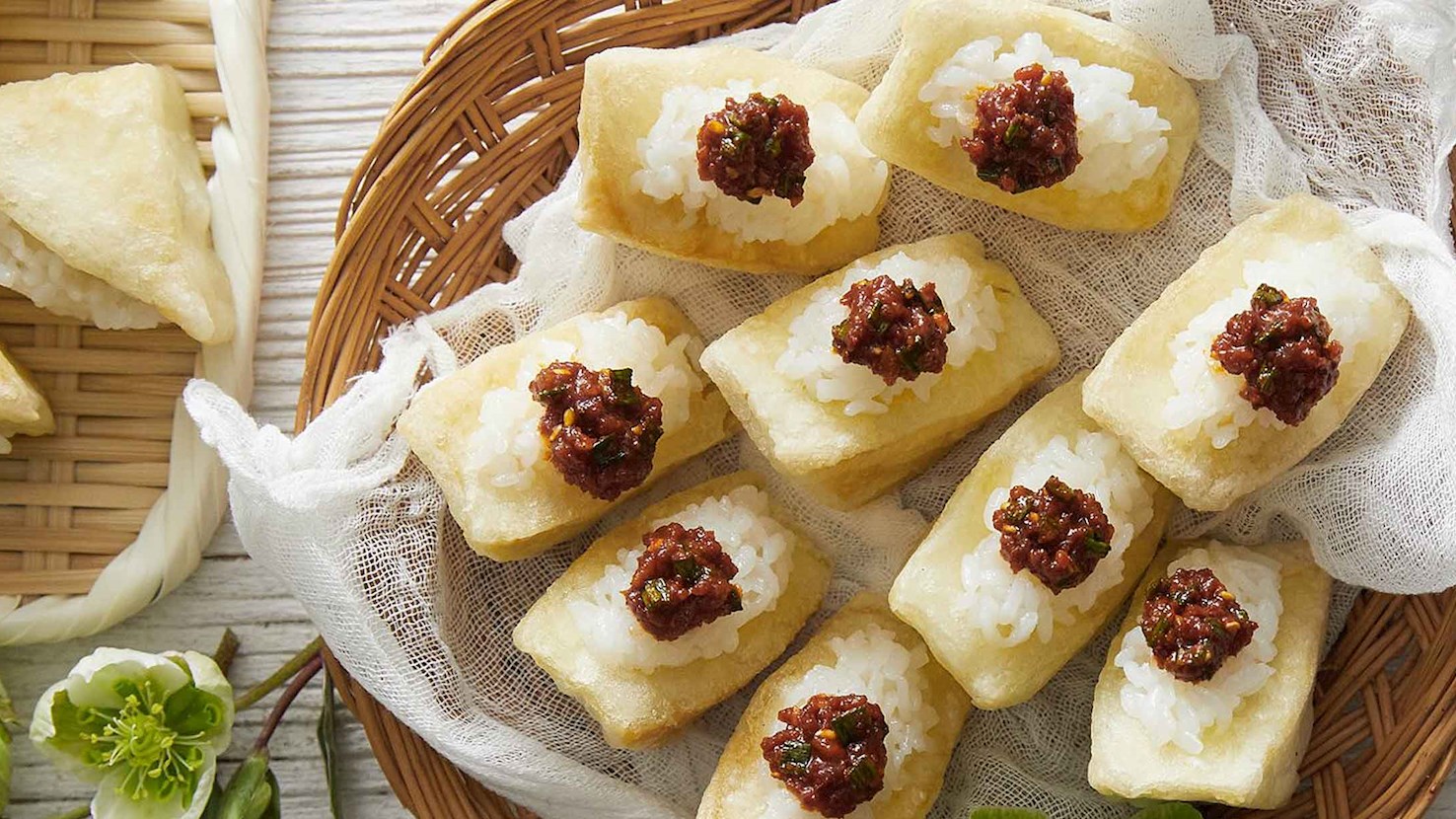
Dububap or tububap, which translates as tofu rice, is a simple snack that is especially popular in North Korea. It consists of fried tofu slices that are filled with rice. The top of each piece is finished off with chili sauce, while the rice is occasionally combined with sliced vegetables. It is said that the dish is a fairly recent invention that has become popular due to its nutritional value, affordability, and convenience.

Read more
View all
View map
About this ranking

TasteAtlas food rankings are based on the ratings of the TasteAtlas audience, with a series of mechanisms that recognize real users and that ignore bot, nationalist or local patriotic ratings, and give additional value to the ratings of users that the system recognizes as knowledgeable. For the “Top 6 North Korean Foods” list until June 06, 2026, 87 ratings were recorded, of which 69 were recognized by the system as legitimate. TasteAtlas Rankings should not be seen as the final global conclusion about food. Their purpose is to promote excellent local foods, instill pride in traditional dishes, and arouse curiosity about dishes you haven’t tried.

Similar lists