Top 5 Northern Brazilian Foods

Last updated on September 30, 2026

Best Northern Brazilian Food Products

01
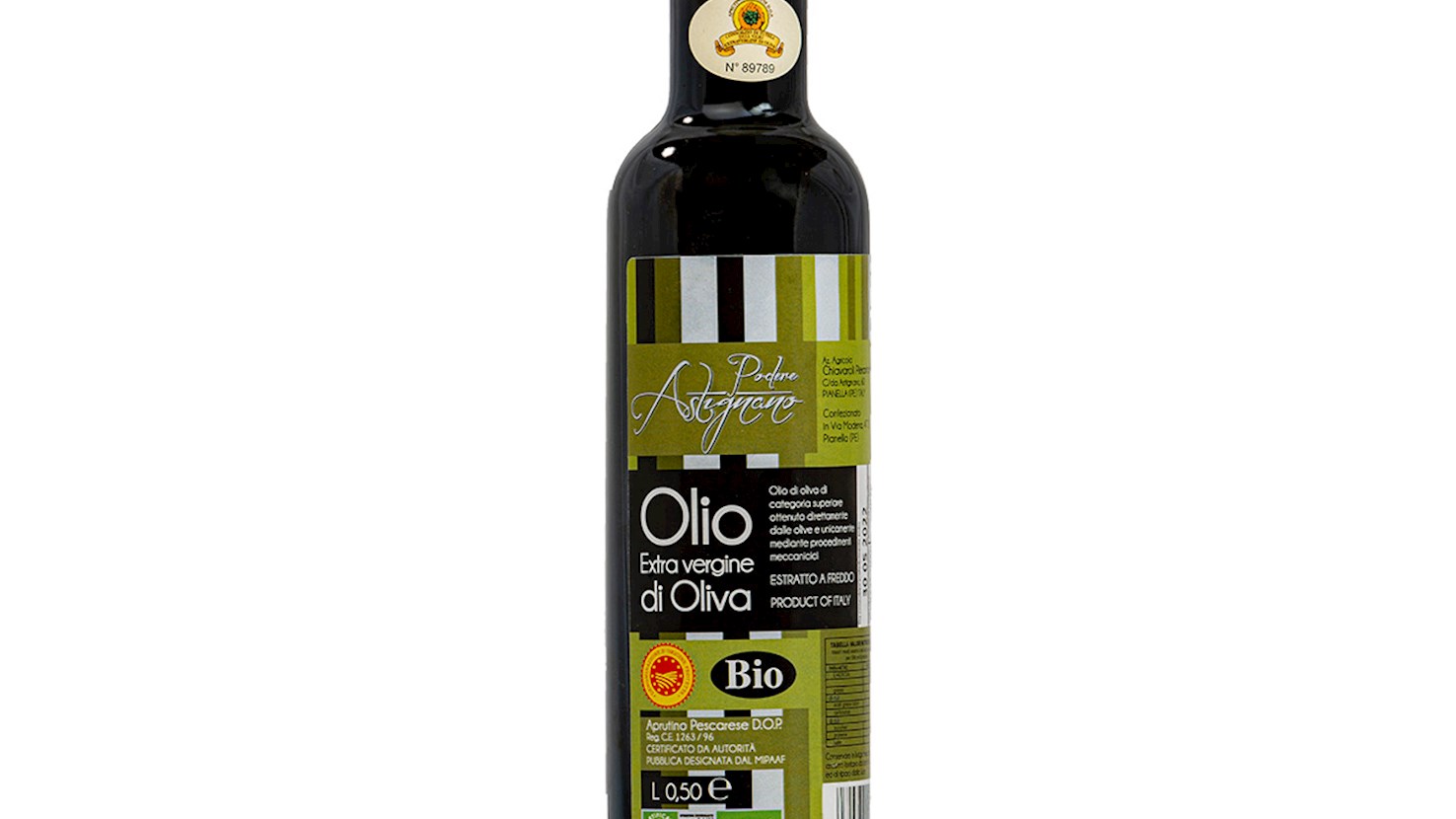
Olive Oil

Agfacundo Lda.

4.9 ·
Awards
Terraolivo IOOC - Prestige Gold (2021)
Terraolivo IOOC - Gold Medal (2021)
02
Olive Oil

Agfacundo

4.9 ·
Awards
Terraolivo IOOC - Prestige Gold (2022)
Terraolivo IOOC - Gold Medal (2022)
03
Olive Oil

Riazor- Azeites E Óleos Vegetais,sa

4.9 ·

Riazor- Azeites e Óleos Vegetais, SA is an olive oil producer based in Santarém, Portugal. The company specializes in the production and distribution of olive oils and other vegetable oils.

Their product range includes various types of olive oil, catering to different culinary needs.

Awards
Olive Japan - Gold (2014, 2013, 2012)
Terraolivo IOOC - Prestige Gold (2014)
04
Wine

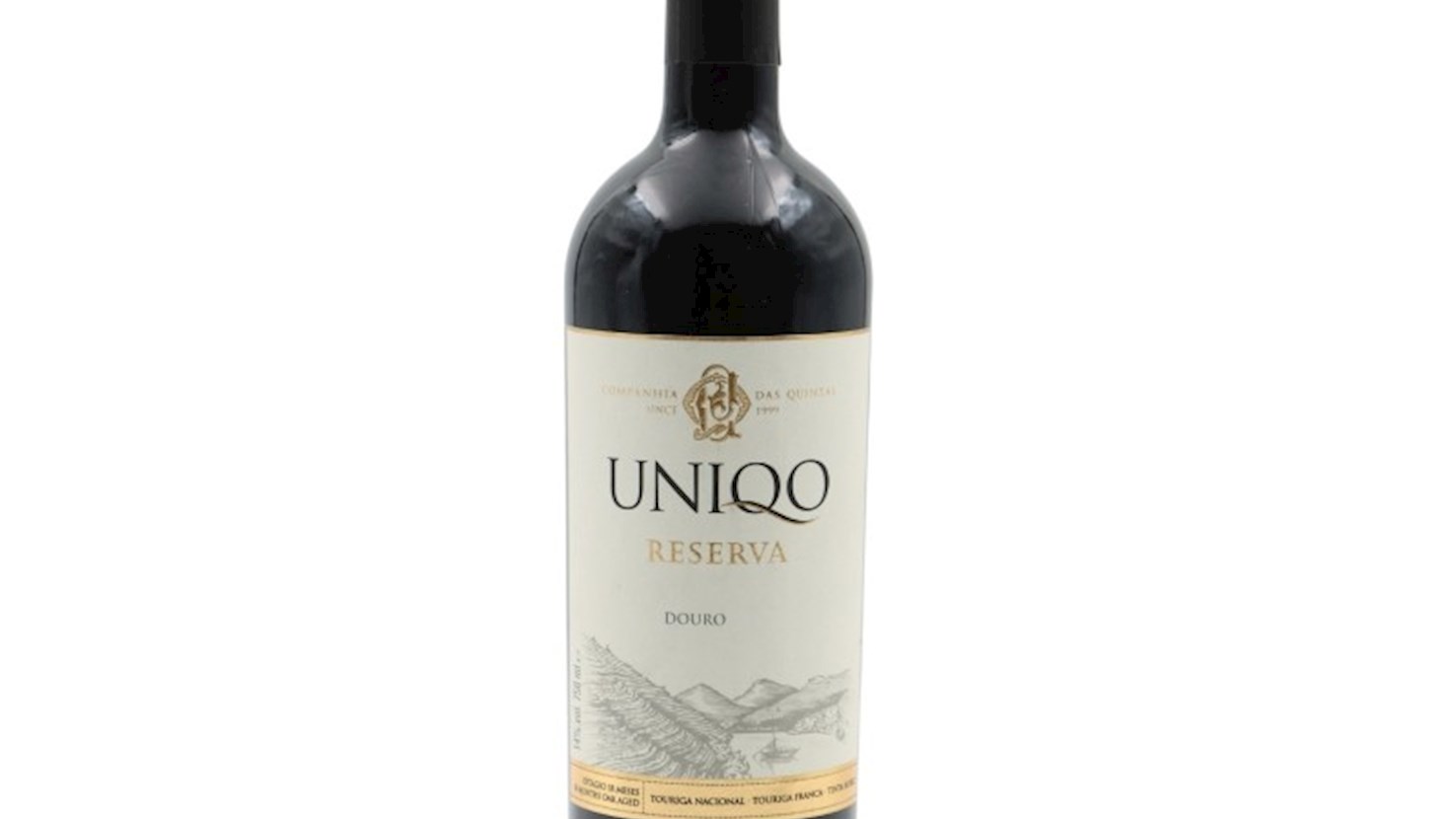
Quinta de Pancas Vinhos S.A

4.4 ·
Awards
Concours Mondial de Bruxelles - Grande Médaille d'or (2019)

Best Northern Brazilian Foods

01
Soup

Tacacá

4.3 ·

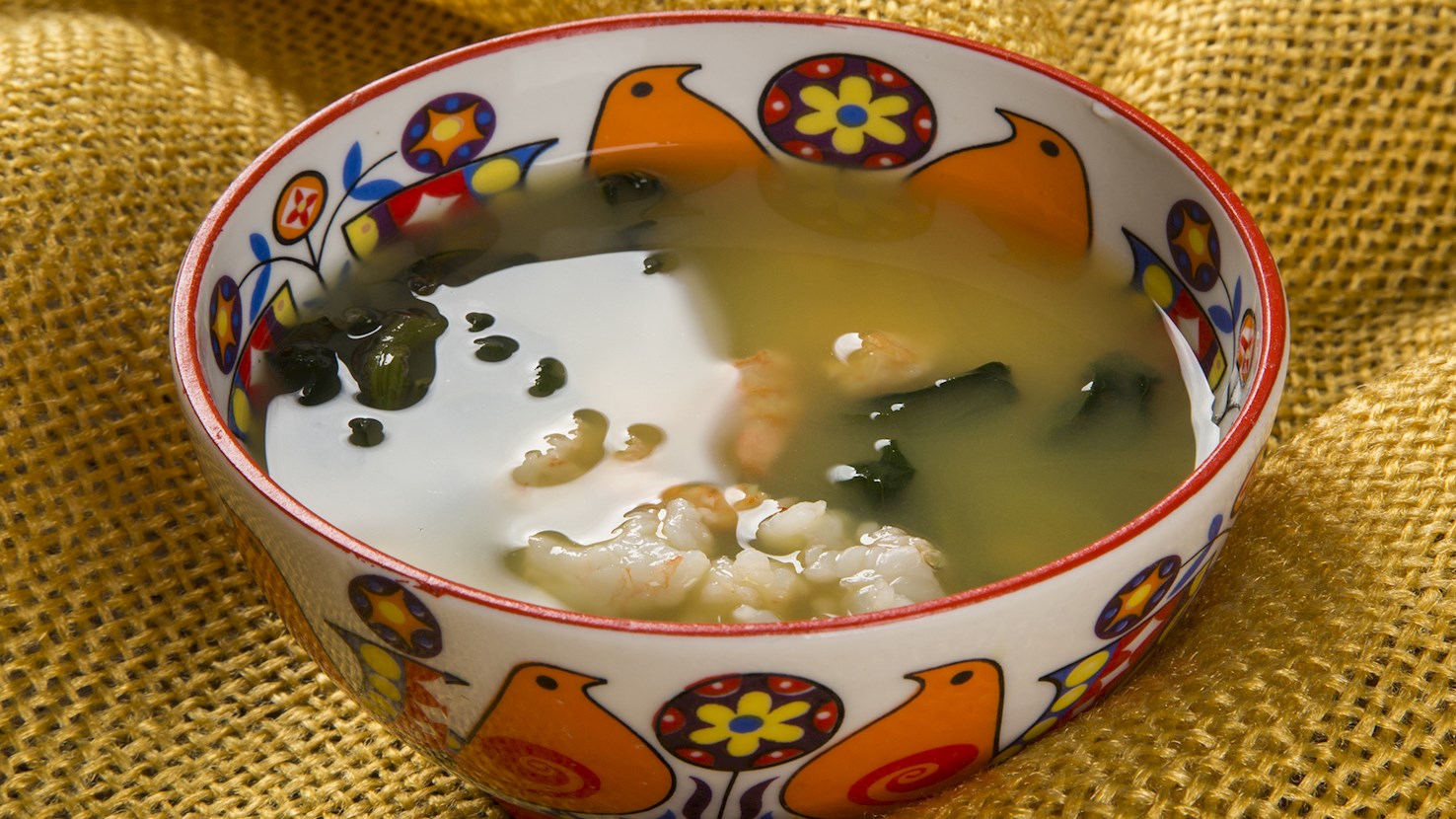
Tacacá is a mouth-numbing Brazilian soup made with large dried shrimps, tucupí (wild cassava byproduct), manioc starch, hot yellow peppers, and jambú – a leafy plant with anesthetic properties. To make tucupí, the juice extracted from a specific variety of sour cassava called mandioca brava (lit. angry cassava) is boiled, then left to ferment to eliminate the high levels of cyanide it possesses in its raw form. After the fermentation process is over, the resulting sauce is distinguished by a yellowish color and an intensely acidic flavor. The mouth-numbing sensation of the soup comes from the jambú plant, which apart from being used in cooking, has also had a long tradition as a folk remedy in northern Brazil, especially in the states of Pará and Amazonas. In northern Brazil, the soup is typically sold in the afternoon, usually by female vendors called tacacazeiras. It is traditionally served piping hot in hollowed-out gourds known as cuias, although some vendors offer it in ceramic bowls. No spoon is needed when eating tacacá as the traditional way of consuming it is by sipping straight from the bowl. Interestingly, most vendors who sell this delicacy have no idea about the quantities of ingredients used for the soup as they don’t use a fixed recipe.

02
Stew

Maniçoba

3.8 ·

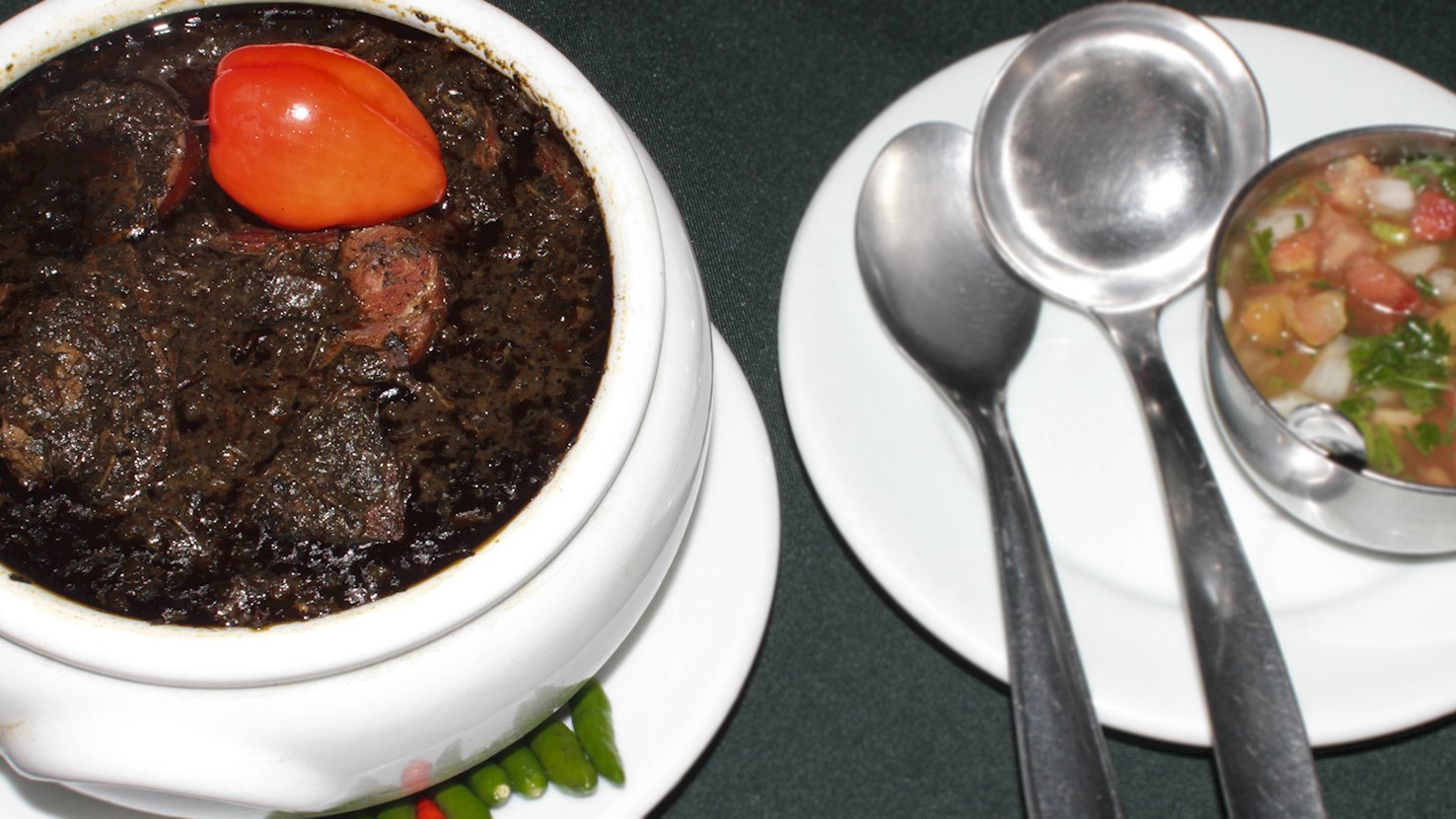
A specialty dish from the Brazilian regions of Pará and Bahia, maniçoba is a part of the feijoada family of Brazilian dishes. In addition to dried meat, salted pork, bacon, and sausages, chopped cassava leaves are used instead of beans which are commonly used in a traditional feijoada. One must be extra careful when preparing the dish due to the toxic cyanides found in cassava leaves, which is why they need to be ground and boiled for at least one week in order to remove the toxins. Since it is a lengthy process, maniçoba is mostly prepared for festivities and religious celebrations, when it's consumed by large groups of people. In Bahia, peppers and farofa are often added to the dish, while in Pará, the usual accompaniment is white rice.

03
Stew

Pato no tucupi

3.2 ·

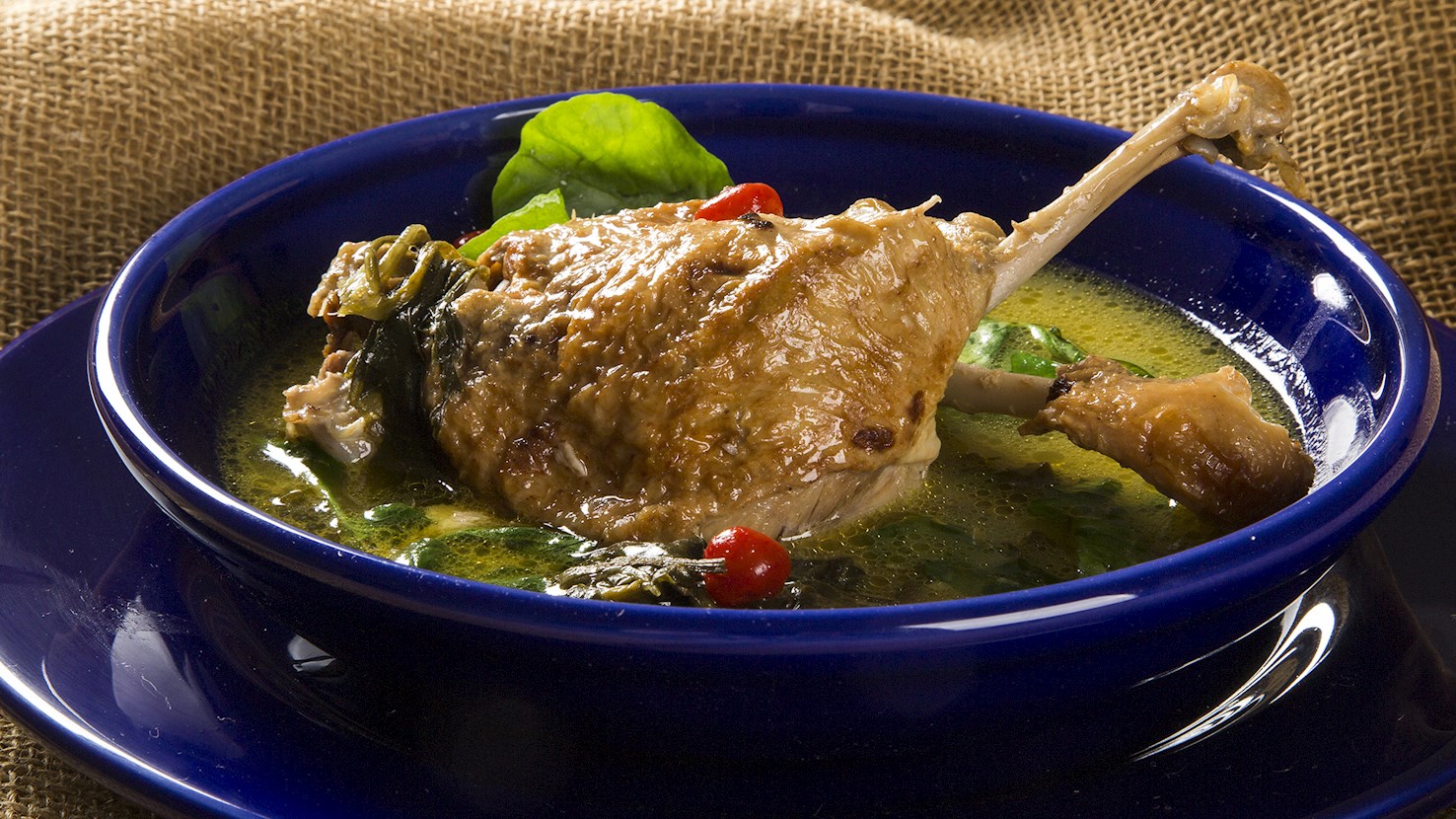
Pato no tucupi is a specialty dish from Belem, consisting of duck stewed with tomatoes and onions. The duck is then roasted and stewed with tucupi (yellow juice extracted from cassava) and jambú (a leafy plant with anesthetic properties). The dish is typically served with rice on the side. It is traditionally prepared and consumed once a year, during the Círio de Nazaré festivities.

04
Stew

Chambari

n/a ·

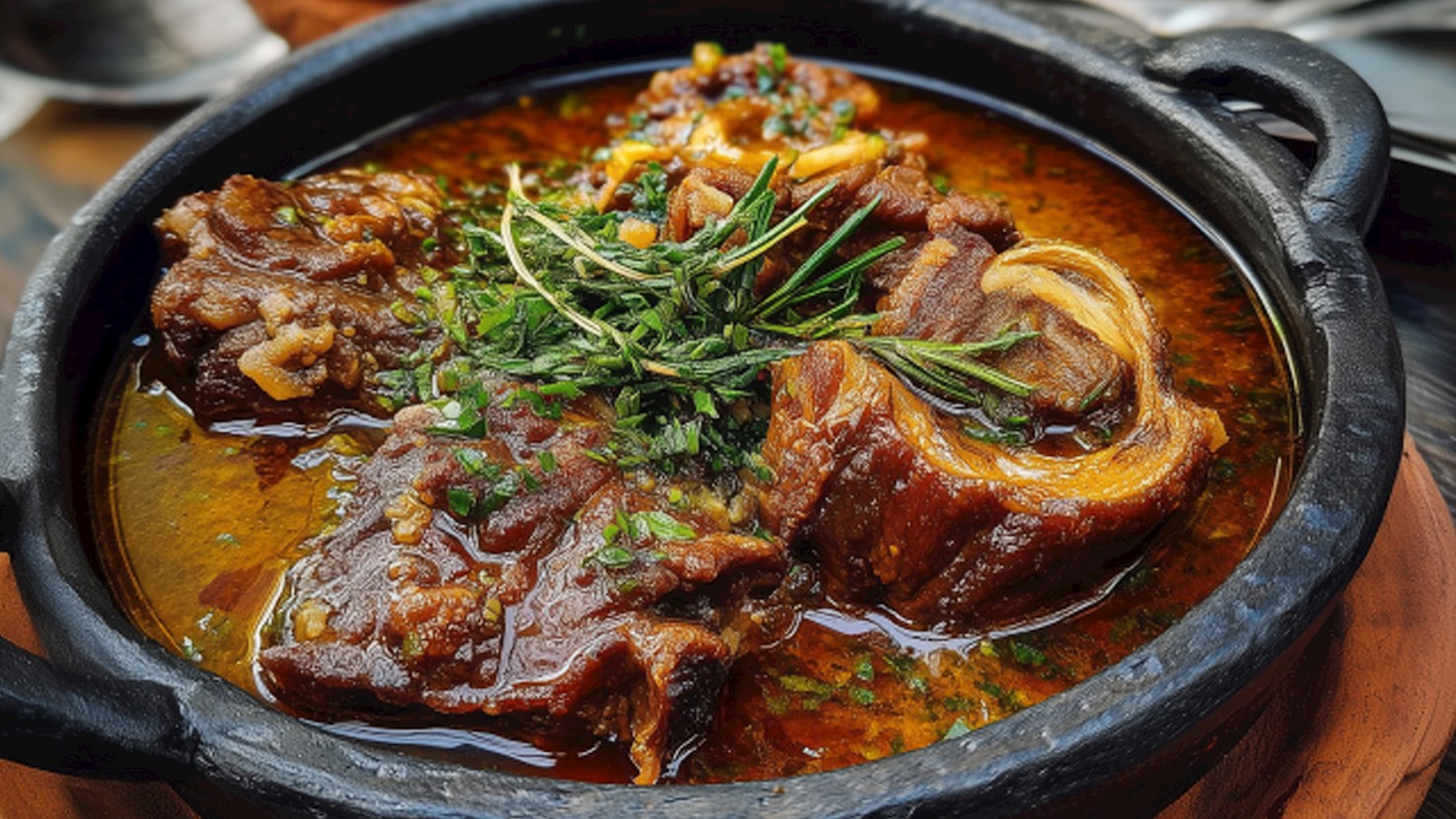
Chambari, sometimes also known as chambaril, is a stew from the Brazilian state of Tocantins, made with beef shank on the bone, including marrow. Deeply rooted in the local food culture, it's considered a symbol of regional identity and was officially declared part of the Cultural and Gastronomic Heritage of Tocantins in 2017. The dish is prepared by slowly simmering beef shank with garlic, onions, tomatoes, sometimes peppers, and parsley until the meat becomes tender, allowing the marrow to enrich the broth. Traditionally, it's served with white rice, cassava flour (farinha de mandioca), green herbs (usually parsley), and hot pepper sauce. While commonly eaten at lunch, in Paraíso do Tocantins—where the dish is especially celebrated—chambari is also a popular breakfast item, renowned for its hearty and sustaining qualities. For this reason, it is also often eaten as a hangover cure. Chambari is typically sold at street food stalls, but also served at markets, festivals, and community gatherings, and even featured at the annual Chambari Festival.

05
Breakfast

Baixaria

3.1 ·

Baixaria is a traditional dish originating from Acre. It's made with a combination of cornmeal, ground beef, onions, garlic, olive oil, bell peppers, and tomatoes. The couscous is steamed and served with the combination of ground beef, onions, and vegetables. Once done, baixaria is topped with a fried egg, garnished with chopped parsley, then served, usually for breakfast.

About this Ranking

TasteAtlas food rankings are based on the ratings of the TasteAtlas audience, with a series of mechanisms that recognize real users and that ignore bot, nationalist or local patriotic ratings, and give additional value to the ratings of users that the system recognizes as knowledgeable.

TasteAtlas Rankings should not be seen as the final global conclusion about food. Their purpose is to promote excellent local foods, instill pride in traditional dishes, and arouse curiosity about dishes you haven’t tried.

The initial list of top producers was compiled based on available reviews, awards, local recommendations, media and blog coverage, and consumer reviews. The list will be updated with ratings from TasteAtlas local ambassadors and TasteAtlas users.

What People Say

Similar Lists