shutterstock

Top 4 Traditional Foods
in North Sumatra

Last updated on June 02, 2026

Best North Sumatra food products
01
Coffee

Wahana Estate

4.7 ·
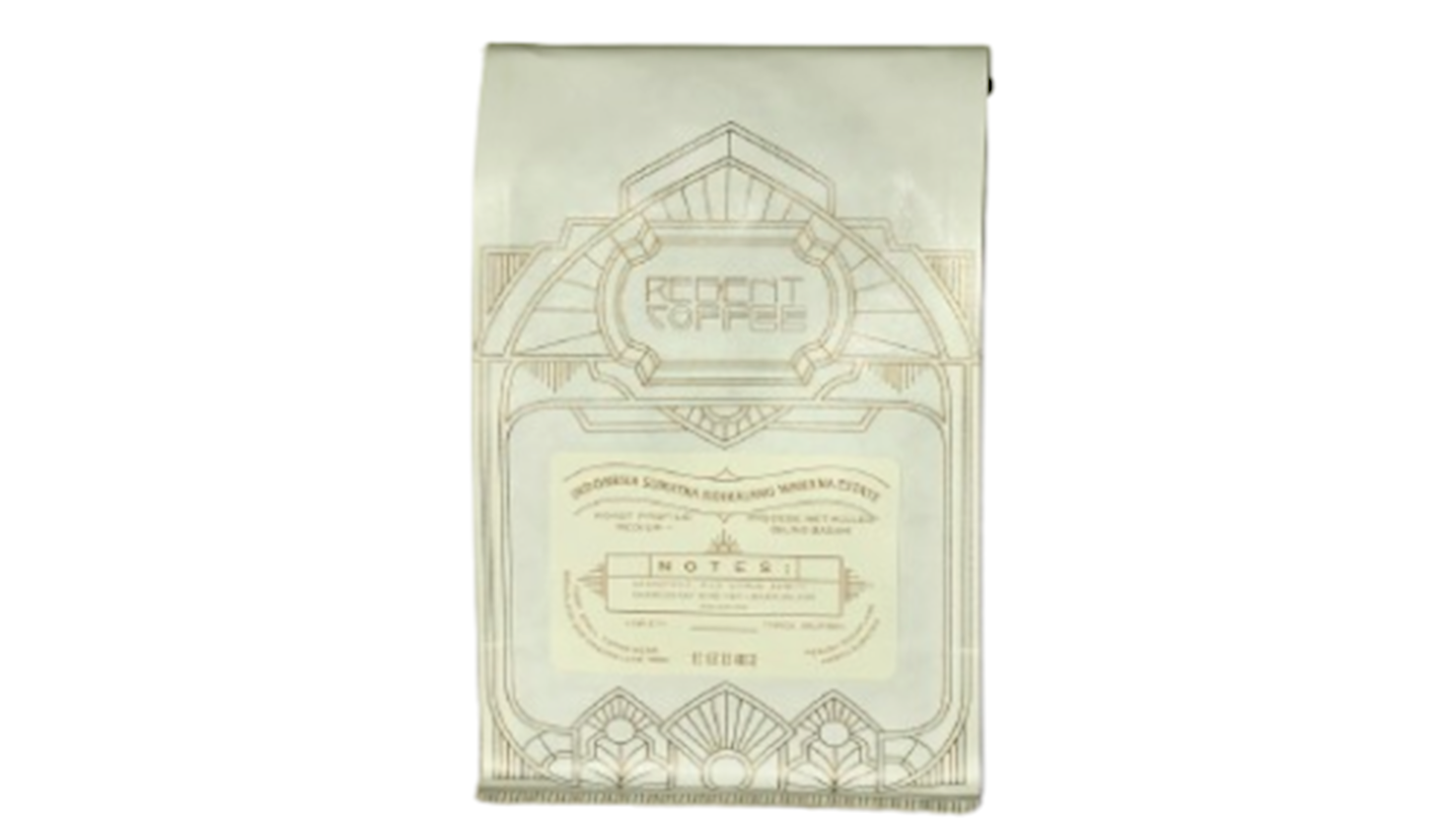
Wahana Estate is one of the most renowned and innovative coffee plantations in Indonesia, located in the Sidikalang region at elevations ranging from 1,300 to 1,500 meters above sea level in North Sumatra. Established in 2005, the estate is owned by the company PT Wahana Graha Makmur, and its name, “Wahana”, symbolically means “a vehicle for great success” in the Indonesian language. The estate spans approximately 500 hectares, with around 250 hectares dedicated to coffee cultivation and over 30 hectares used for nurseries where numerous coffee varieties are developed. Wahana Estate stands out in the world of specialty coffee due to its dedication to varietal research and experimentation with a wide range of cultivars. Coffee processing takes place directly on the estate, using the traditional Indonesian giling basah (wet-hulled) method, as well as natural and dry processes. This results in diverse flavor profiles - from notes of chocolate, almond, dried fruits, and spices, to citrusy and floral tones such as jasmine, honey, and black tea. Today, Wahana Estate is a symbol of sustainability, varietal diversity, and high standards in specialty coffee from Sumatra - an ideal choice for those seeking complex and authentic flavor experiences.

Best North Sumatra foods

01
Meat Soup

Soto Medan

3.1 ·

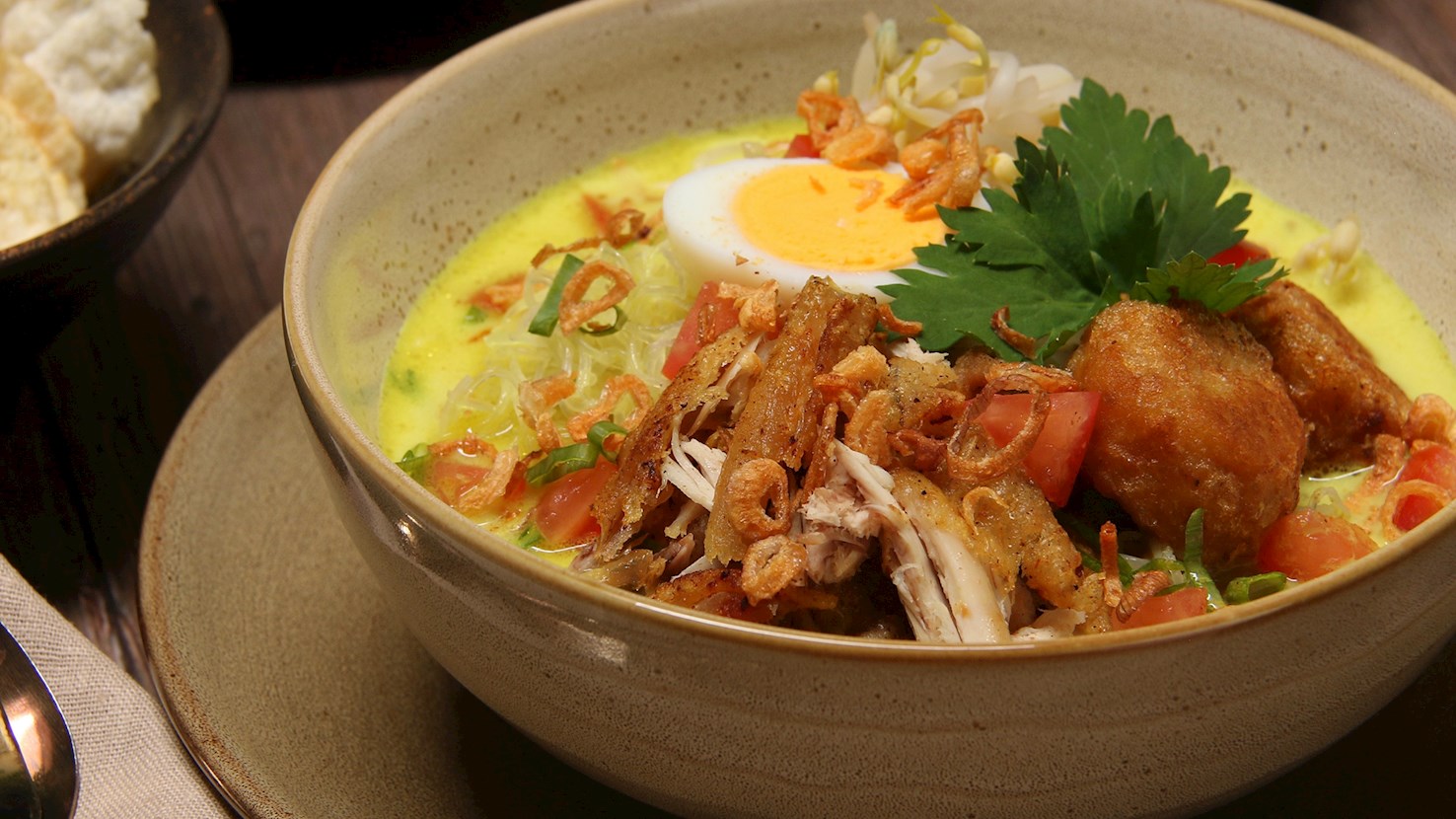
Soto Medan is a rich, coconut milk-based soup originating from the bustling city of Medan, the capital of North Sumatra in Indonesia. At its heart, Soto Medan is a soulful dish made with tender chicken or beef simmered in a creamy broth infused with lemongrass, makrut lime leaves, galangal, turmeric, and coriander. What sets it apart from other regional soto varieties is the generous use of coconut milk, which adds depth and a velvety texture that clings to every ingredient. The result is a comforting bowl of golden soup, rich in spice yet balanced, often topped with crispy shallots and accompanied by a side of sambal for a fiery contrast. The dish typically includes rice or lontong, served directly in the bowl or alongside it. Garnishes such as hard-boiled eggs, potato fritters, fried peanuts, and vermicelli add layers of texture and heartiness. A squeeze of lime just before eating brightens the richness of the soup, while a sprinkle of celery or scallions gives a fresh lift. Although Soto Medan is enjoyed in homes across North Sumatra, it has also become a signature offering in local warungs and food courts, especially during breakfast or lunchtime hours.

02
Mussel Dish

Sate kerang (Mussels satay)

3.4 ·

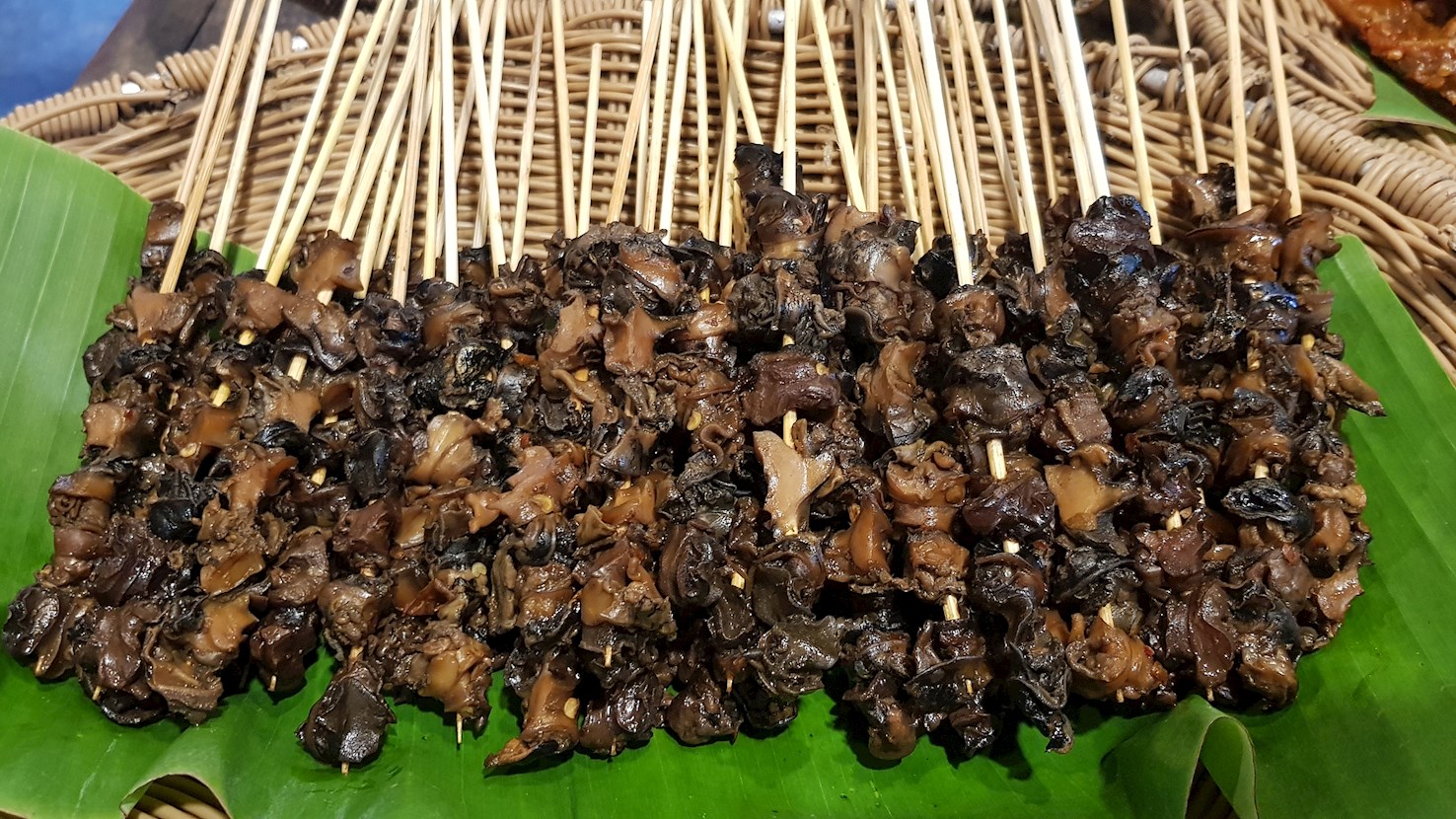
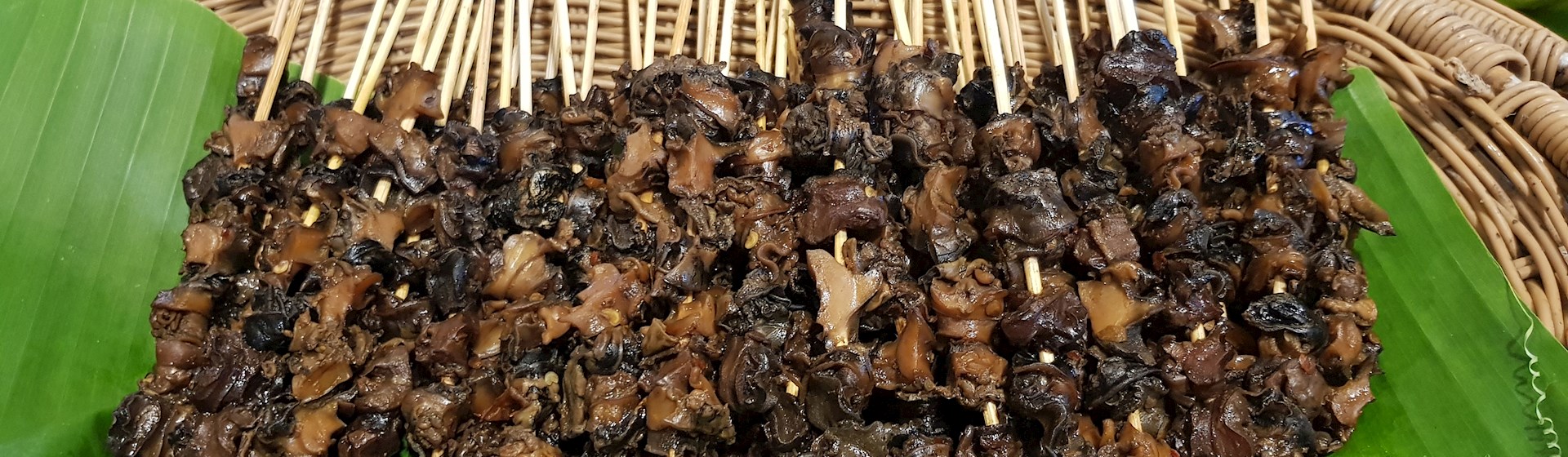
Sate kerang is an Indonesian skewered dish made with spiced and cooked mussels or clams, most famously associated with the city of Medan in North Sumatra. Unlike other types of sate that are grilled over charcoal, sate kerang is typically boiled or braised in a richly seasoned spice mixture before being skewered, resulting in a tender, flavorful bite with no need for additional grilling or sauces. Shellfish are first cleaned and then simmered in a blend of ground spices such as coriander, turmeric, galangal, lemongrass, chili, and shallots, often with the addition of coconut milk and sweet soy sauce to balance the heat with richness and a touch of sweetness. Sate kerang is commonly sold as a snack or side dish in warungs, roadside stalls, and markets, particularly in Medan, where it is often served alongside rice dishes like nasi gurih or as part of mixed platters during festive occasions. Its popularity has spread beyond North Sumatra, and it is now enjoyed in other parts of Indonesia, although it remains especially emblematic of Medan’s diverse culinary identity.

03
Stew

Saksang

n/a ·

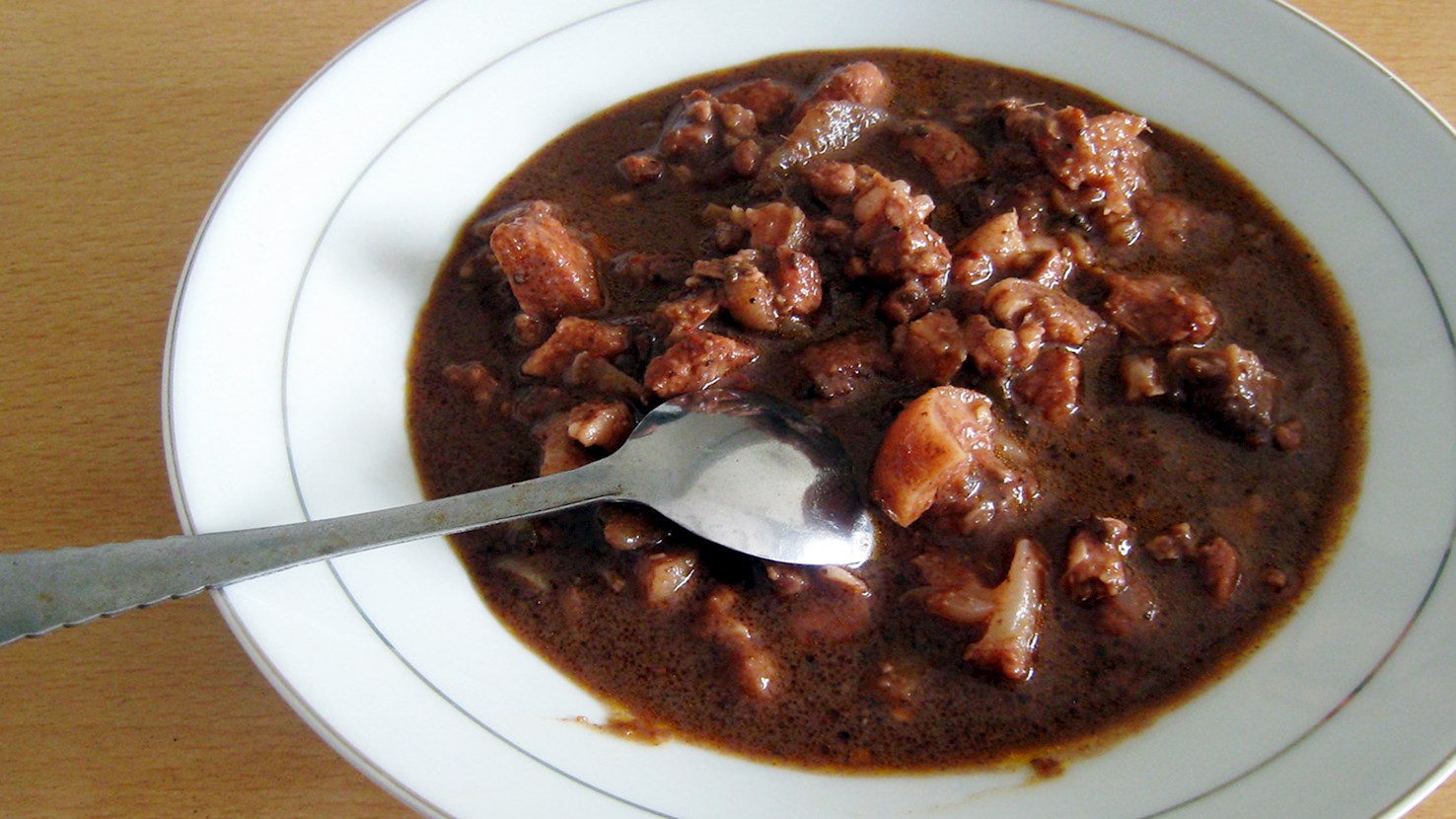
Saksang is a savory Indonesian stew which is usually served on special occasions. It is traditionally made with pork, which is cooked in blood and fiery spices. The tradition of preparing saksang is believed to have originated among the Batak people of North Sumatra. The most common main ingredient is pork; however, the varieties which include dog or water buffalo meat are also frequent among the Batak culture. Due to the addition of blood and numerous different spices, the dish has a unique spicy and sweet flavor and a distinctive dark-brown color. Batak people consider saksang to be their ceremonial dish and a traditional meal served at weddings. If not served at traditional ceremonies, saksang can be found at many traditional Batak restaurants throughout North Sumatra. In restaurants, the dish should be ordered a day in advance, and it is usually served with boiled vegetables and rice. The head of the animal is specially prepared and included in the ceremony during prayers and blessings.

04
Freshwater Fish Dish

Arsik

n/a ·

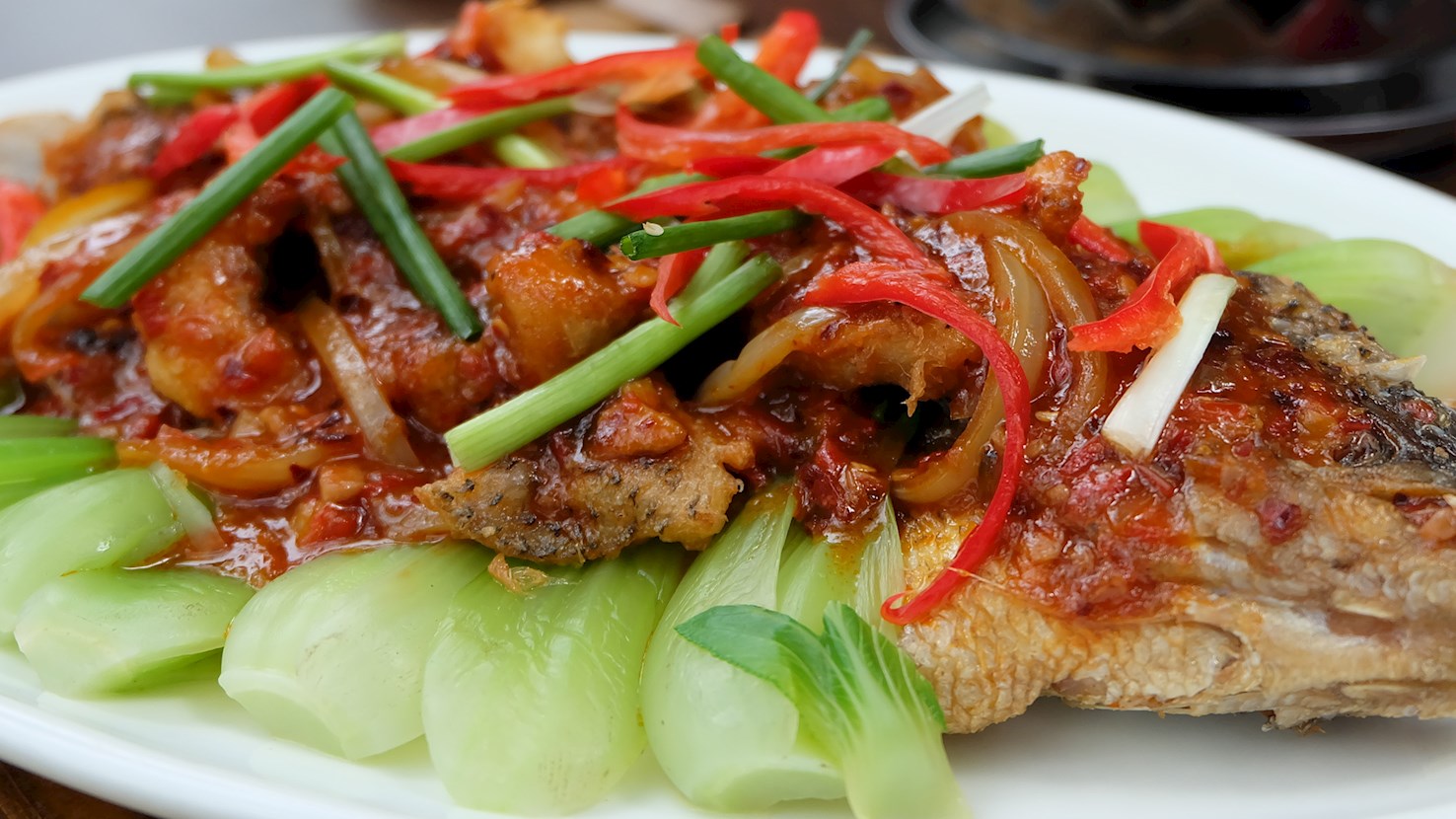
Arsik is an Indonesian fish dish that originates from the Batak ethnic group of North Sumatra, particularly associated with the Toba Batak people who live around Lake Toba. At its core, arsik features whole freshwater fish, typically carp, cooked in a rich, vibrant yellow sauce made from a combination of andaliman (a native Batak spice related to Sichuan pepper), turmeric, ginger, garlic, shallots, candlenuts, and fresh torch ginger fruit. These spices are blended into a paste and simmered with the fish in minimal water, creating a thick, intensely aromatic sauce that coats the fish while keeping it moist and tender. The defining ingredient in arsik is andaliman, which imparts a slightly numbing, citrusy zing that is central to Batak cooking but rare in the rest of Indonesia. This unique spice, combined with the use of torch ginger and the absence of coconut milk, results in a flavor profile that is earthy, tangy, and fiery, distinct from the sweeter, coconut-based curries more common in Javanese or Minangkabau cuisine. The fish is often cooked whole, with head and tail intact, and served as the centerpiece of ceremonial meals, family gatherings, or traditional feasts such as weddings and funerals. It is typically enjoyed with steamed rice and a variety of Batak side dishes that complement its bold flavor.

About this ranking

TasteAtlas food rankings are based on the ratings of the TasteAtlas audience, with a series of mechanisms that recognize real users and that ignore bot, nationalist or local patriotic ratings, and give additional value to the ratings of users that the system recognizes as knowledgeable. For the “Top 4 Traditional Foods in North Sumatra” list until June 02, 2026, 57 ratings were recorded, of which 37 were recognized by the system as legitimate. TasteAtlas Rankings should not be seen as the final global conclusion about food. Their purpose is to promote excellent local foods, instill pride in traditional dishes, and arouse curiosity about dishes you haven’t tried.

The initial list of top producers was compiled based on available reviews, awards, local recommendations, media and blog coverage, and consumer reviews. The list will be updated with ratings from TasteAtlas local ambassadors and TasteAtlas users.

Similar lists