shutterstock

Top 23 Northeastern Brazilian Foods

Last updated on August 19, 2026

Best Northeastern Brazilian Foods
01
Stew

Moqueca Baiana

4.3 ·

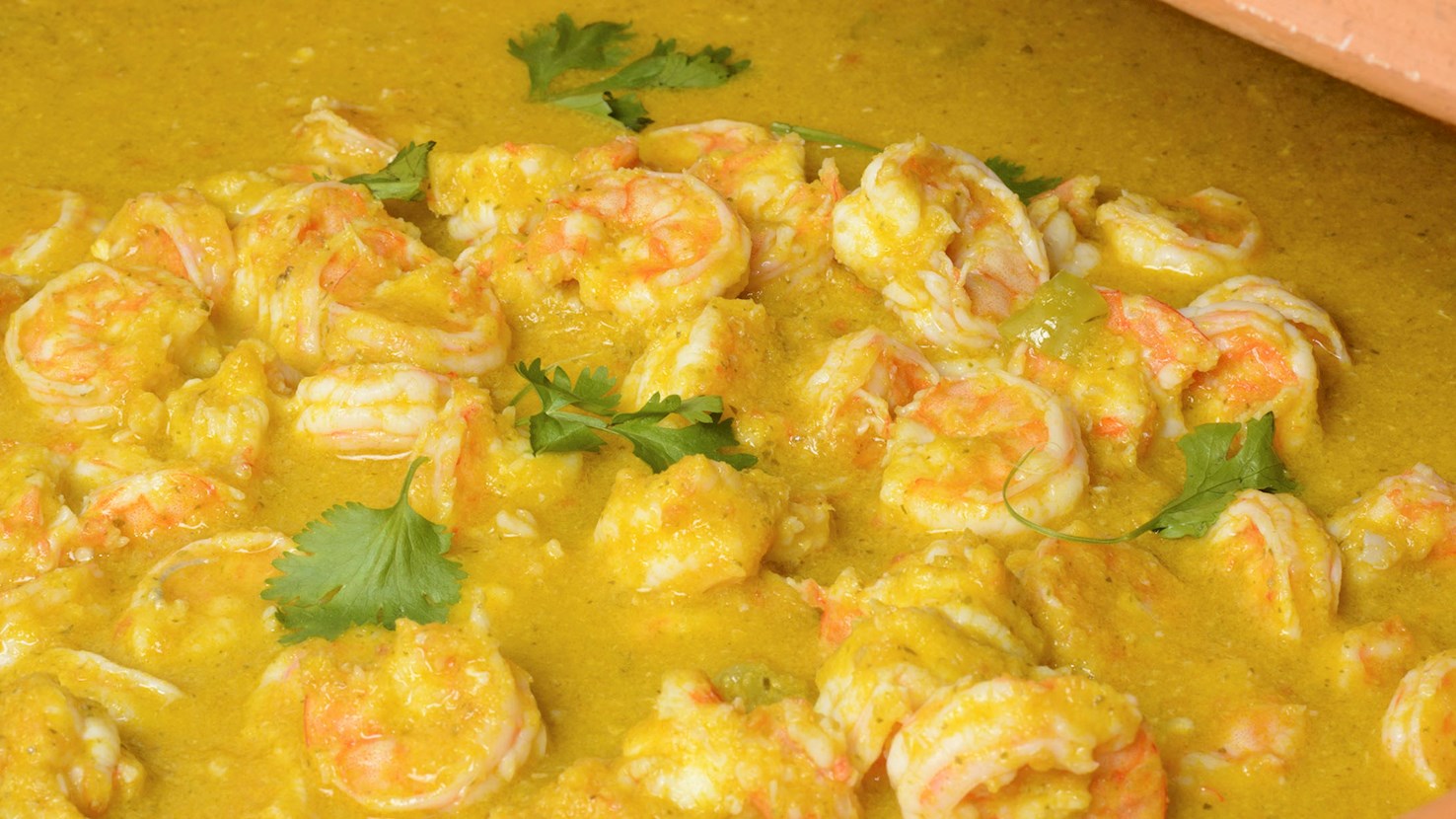
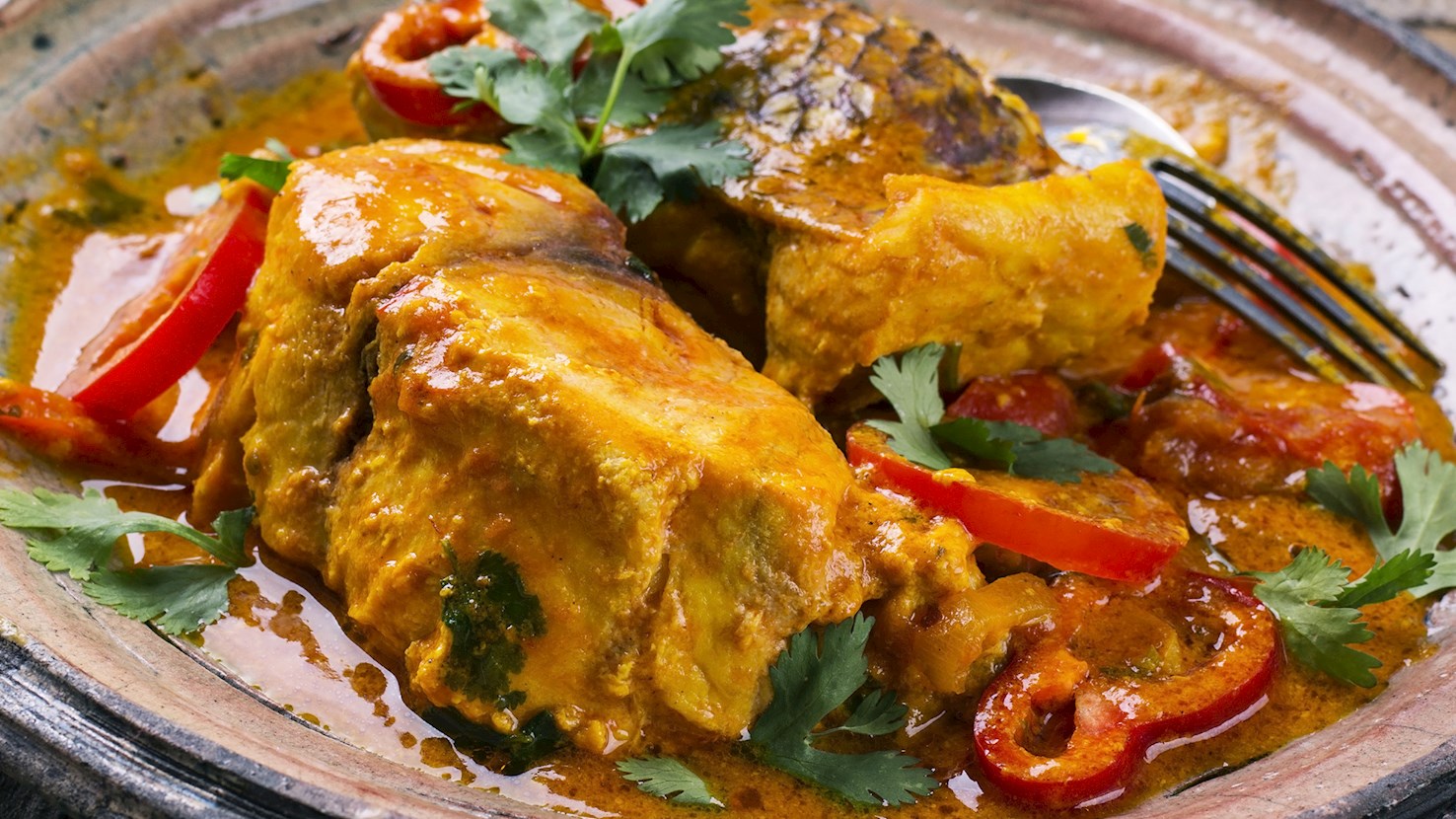
Moqueca Baiana is a seafood stew originating from the Brazilian state of Bahia, hence the word Baiana in its name. It consists of white fish, shrimps, or other seafood combined with coconut milk, dendê oil, lime juice, and various vegetables such as red and yellow peppers, tomatoes, spring onions, garlic, onions, and sometimes ginger. When done, the dish is typically garnished with chopped coriander, then served with rice and farofa. This seafood stew was originally prepared by the native people of Brazil. Over time, new elements were added to the stew, such as coconut milk, which was first introduced to Brazil by Portuguese colonists, and palm oil, which was brought over to the country by African slaves.

02
Stew

Bobó de camarão

4.3 ·

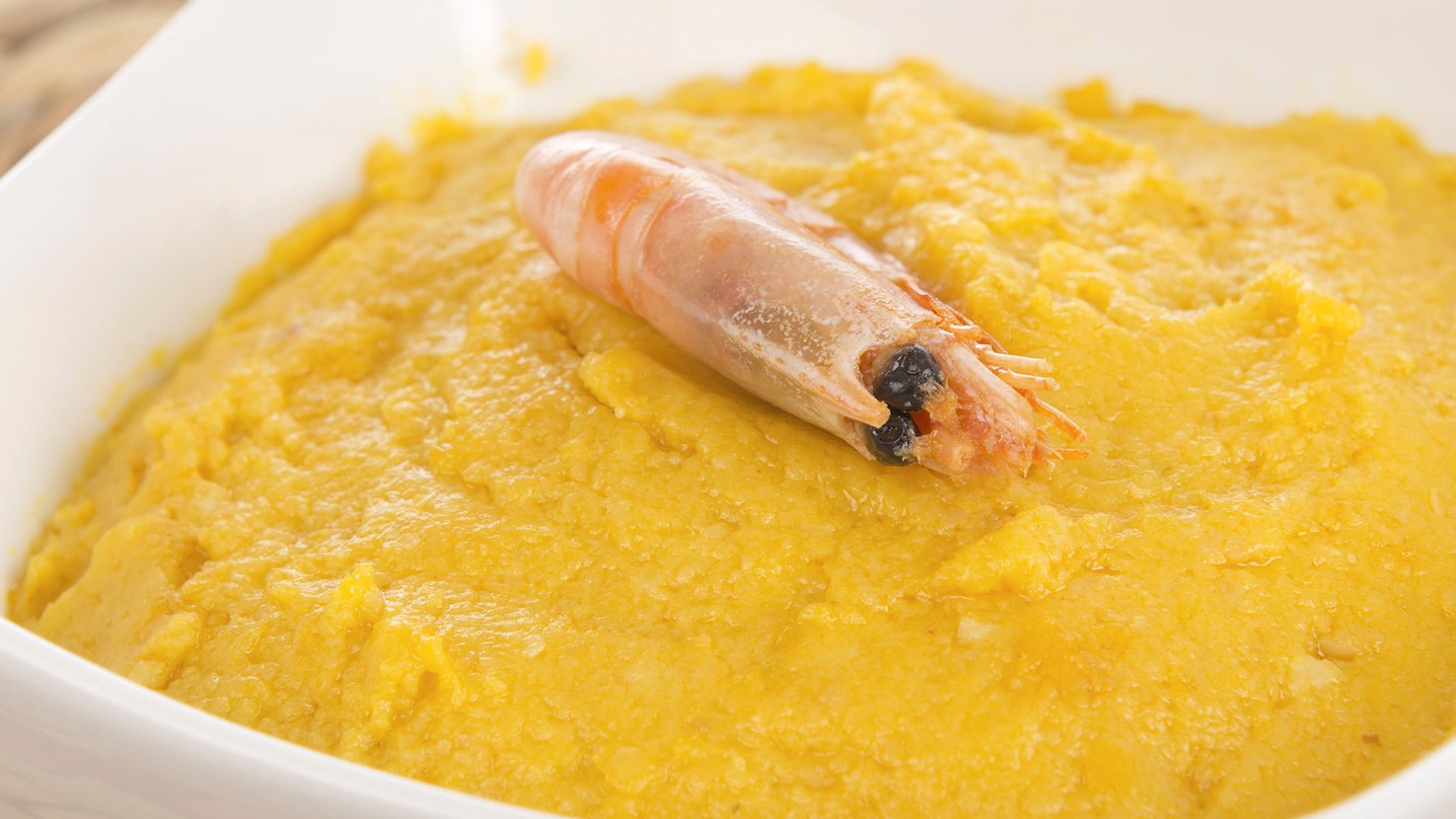
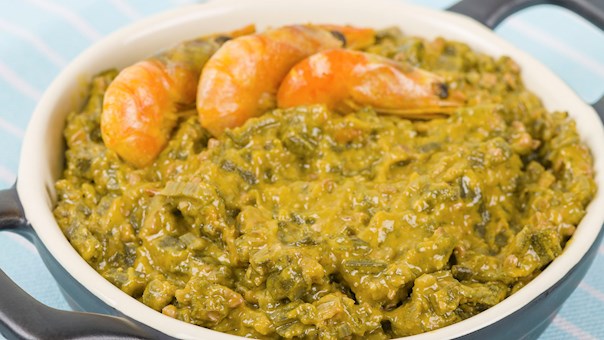
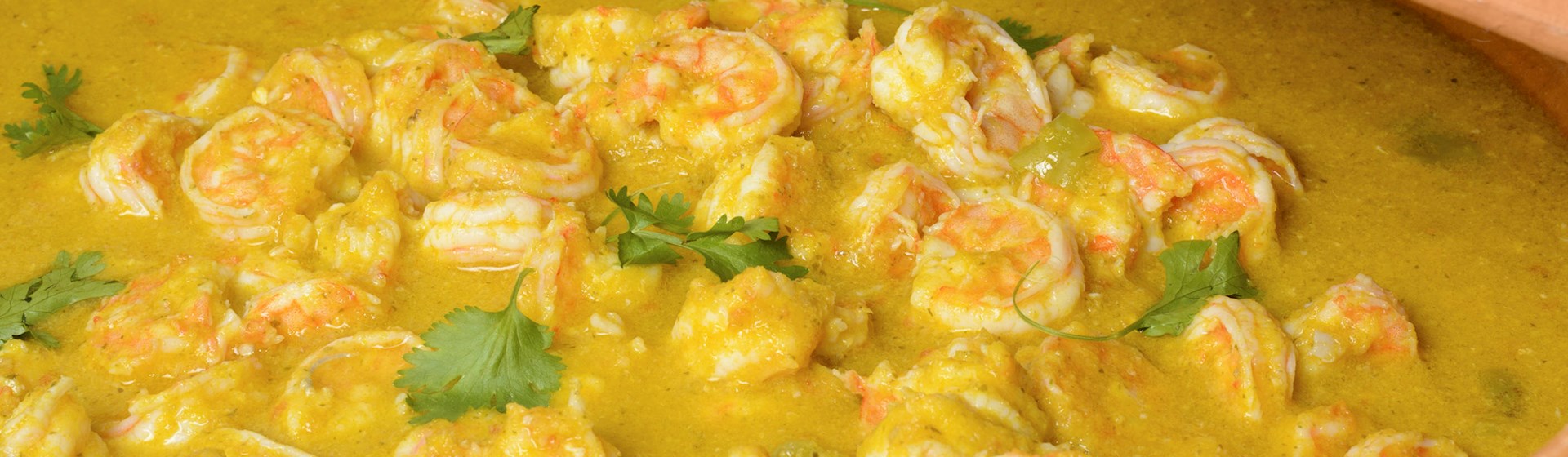
A classic dish of the Brazilian Bahia region, bobó de camarão is a stew made with puréed cassava (bobó), fresh shrimps, coconut milk, and dendê palm oil. The word bobó comes from the Ewe people who were brought to Brazil as slaves, denoting a dish made with beans, although there are no beans in bobó de camarão as we know it today, due to the fact that the Afro-Brazilians enthusiastically took to cassava when they were first introduced to it. The dish is traditionally accompanied by rice on the side, and is a staple of most traditional Brazilian eateries and Bahian self-service restaurants.

03
Cheese

Queijo de Coalho

4.3 ·

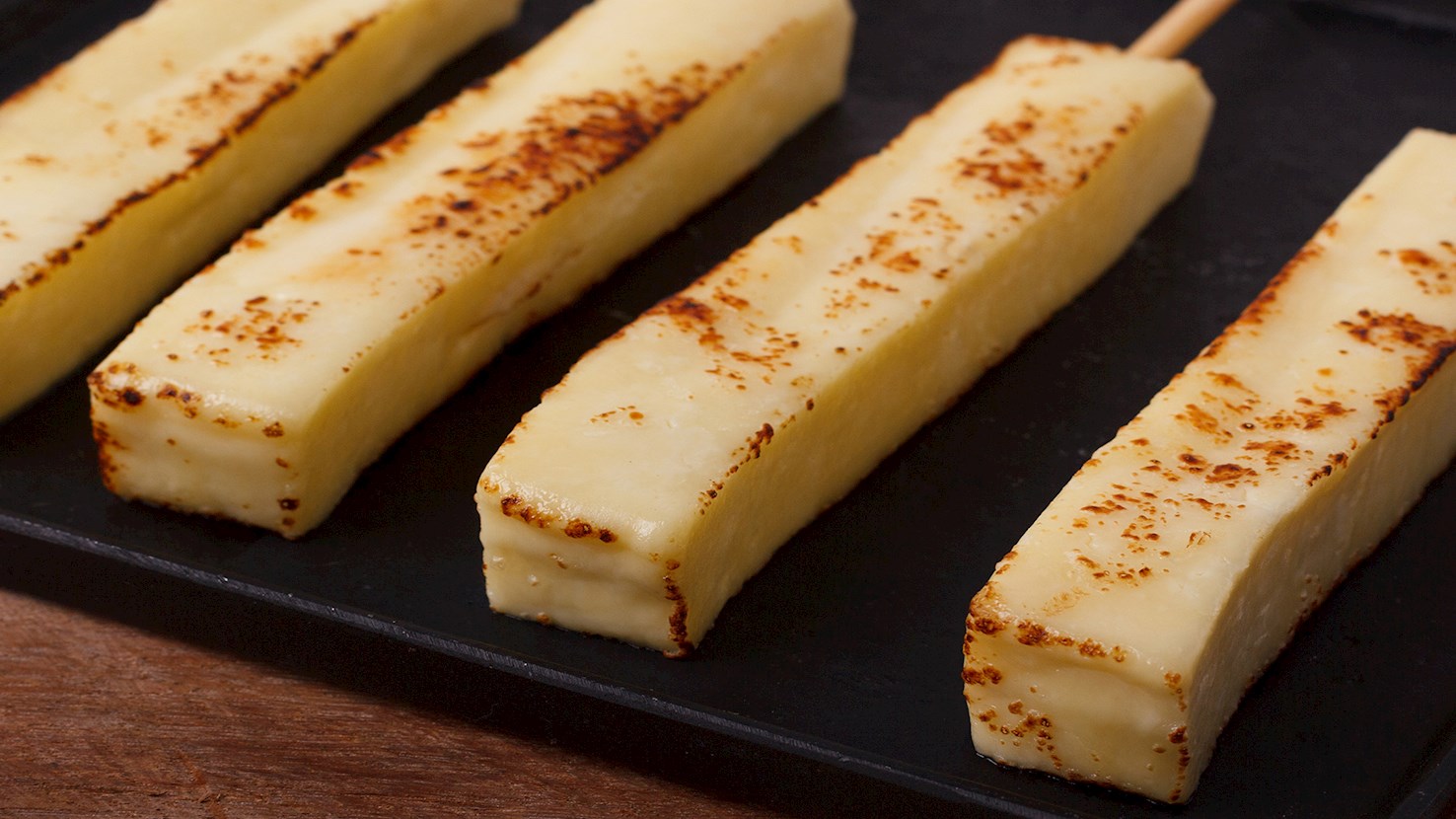
Queijo de coalho is a traditional cow's milk cheese from the northeastern regions of Brazil. The cheese is characterized by its firm, yet elastic texture and a slightly yellow color. Coalho is often sold on sticks for roasting, because it can withstand high temperatures and does not melt easily. Its flavor is salty and acidic, making it an ideal snack on numerous Brazilian beaches, where it is usually grilled and sprinkled with oregano.

04
Rice Dish

Baião-de-dois

4.2 ·

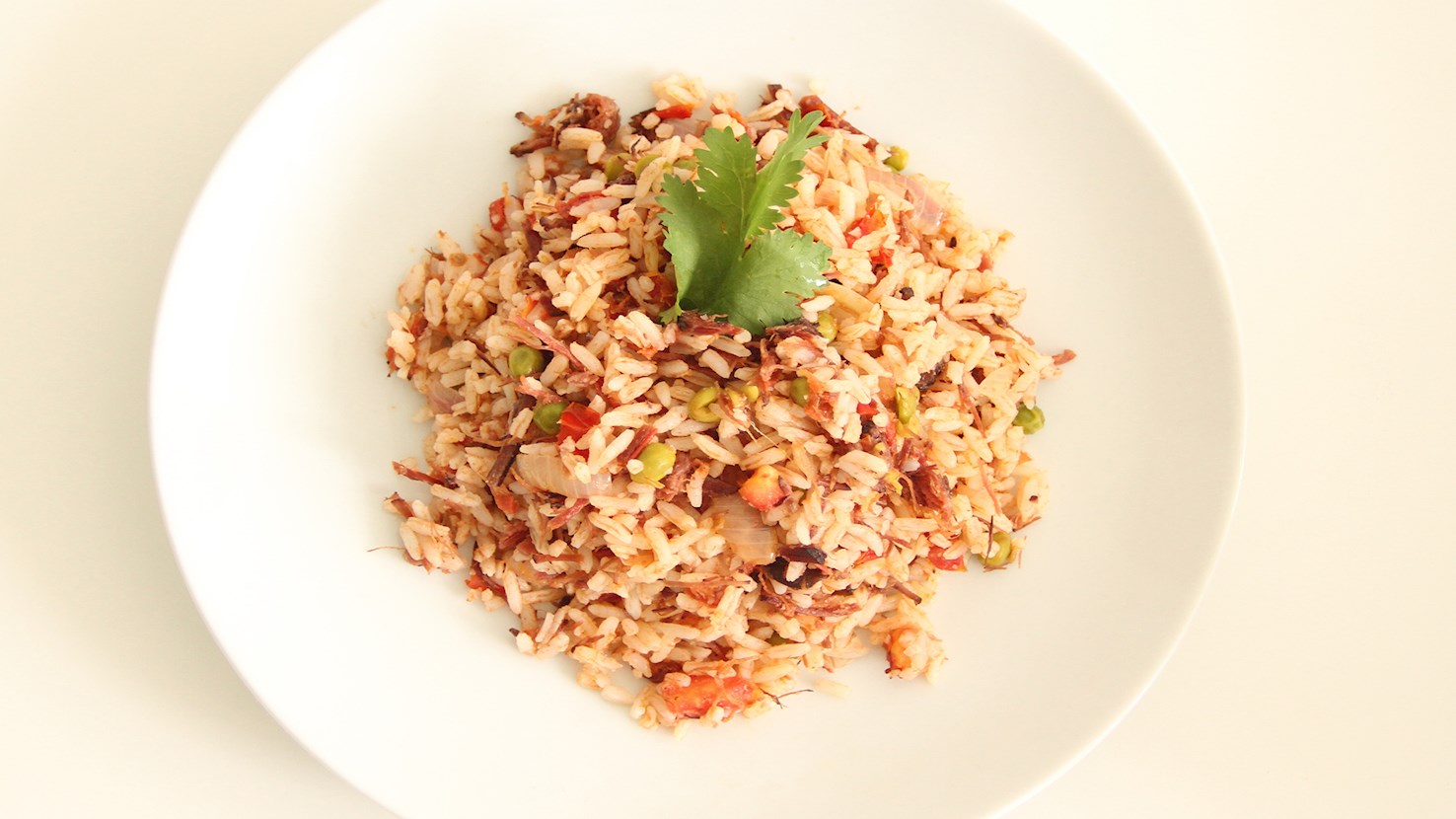
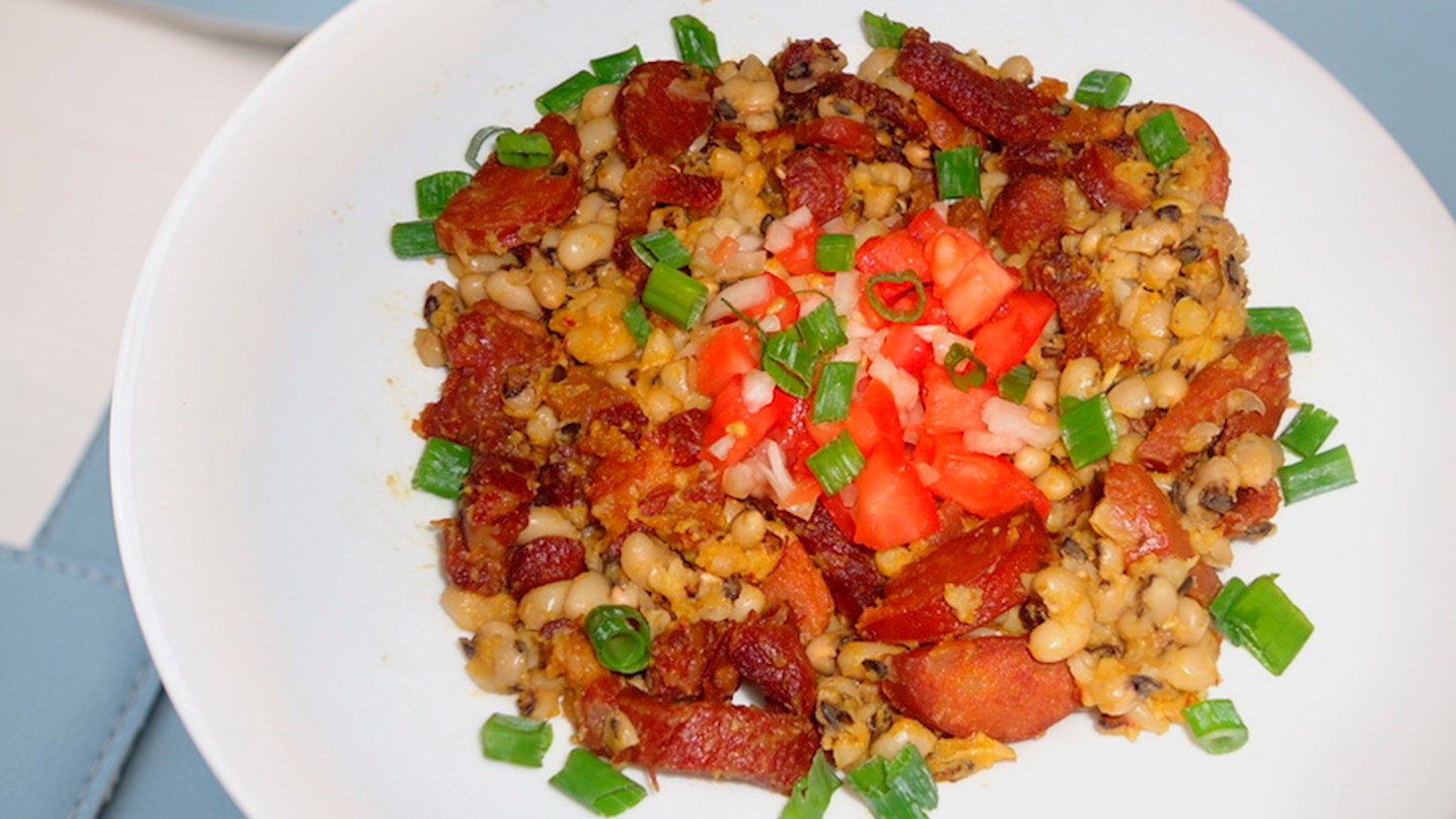
Baião is a traditional folk dance of the Brazilian Ceará region, which was popularized by two musicians, Humberto Teixeira and Luís Gonzaga, in a song called Baião-de-dois (baião for two). The name of the song attached itself to the dish of the same name, consisting of freshly picked black-eyed peas and rice cooked together, reminiscent of a couple dancing the baião. The dish has numerous varieties throughout the region, so some cooks add dried beef (carne de sol), while the others add pork or cheese to the combination. Garnishes may include freshly chopped coriander and chives. The history of the dish dates back to the time of great difficulties, when food was scarce and nothing could go to waste, so, like many other dishes, this one was also created out of necessity, combining rice, beans, and kitchen leftovers.

05
Stew

Vatapá

4.2 ·

Rich, substantial, and tropically flavored - vatapá is one of the most famous Brazilian dishes, a main course consisting of a combination of stale bread, fish (usually cod), shrimp, coconut milk, manioc flour, dendê palm oil, and cashews. The dish is often consumed with white rice, or as a filling for acarajé fritters, another popular Brazilian dish. Bright yellow in color, vatapá is a specialty of Bahia, a state on the country's northeastern coast that is heavily influenced by the West Africans who were brought to the country as slaves. Although the origins of this dish are unknown, most culinary historians agree that it was invented in Bahia, even if the basic concept for the dish came from Africa.

Best restaurants
06
Side Dish

Cuscuz nordestino

4.1 ·

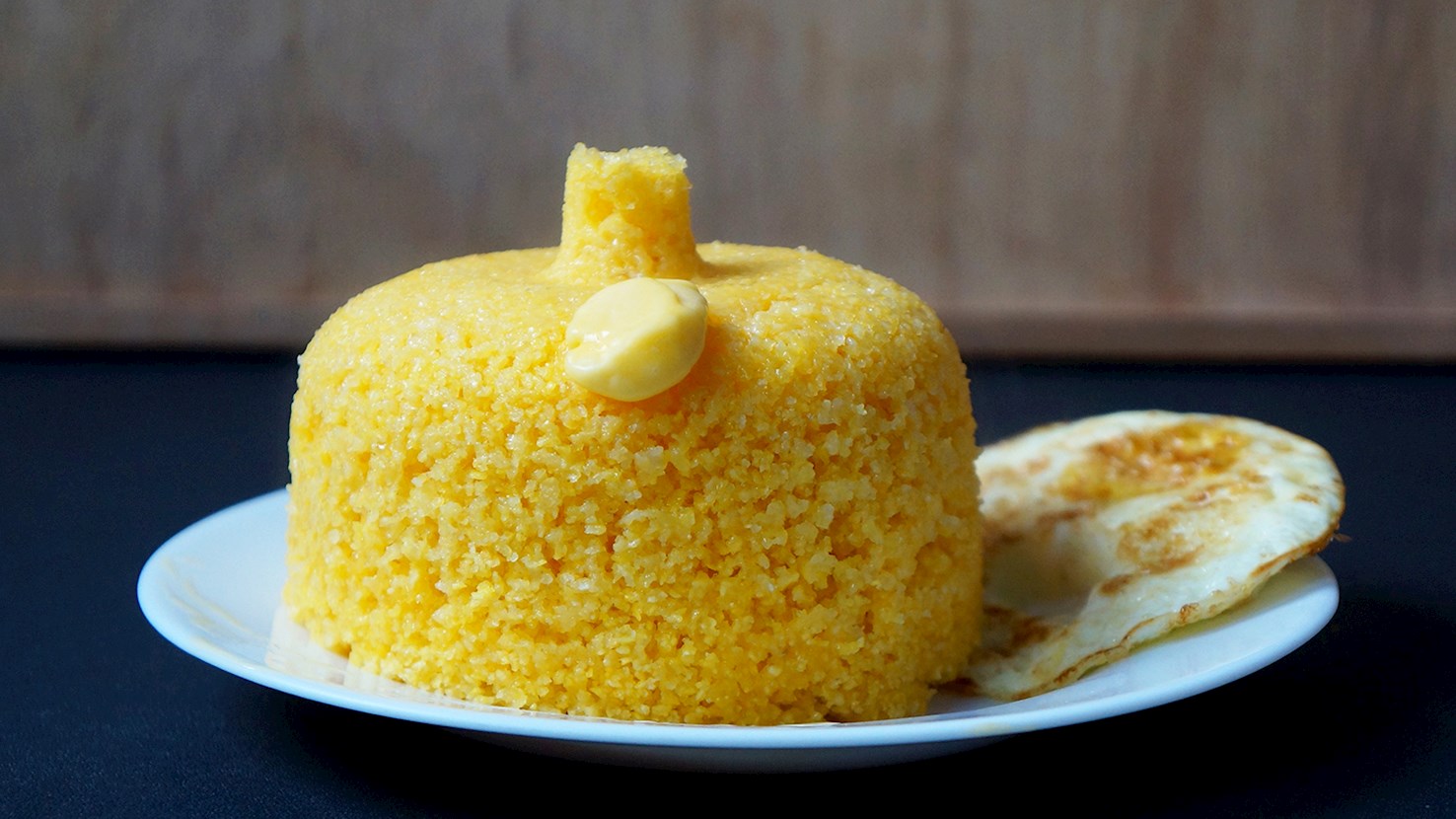
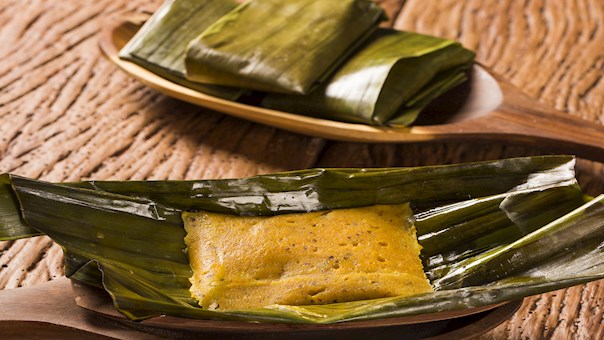
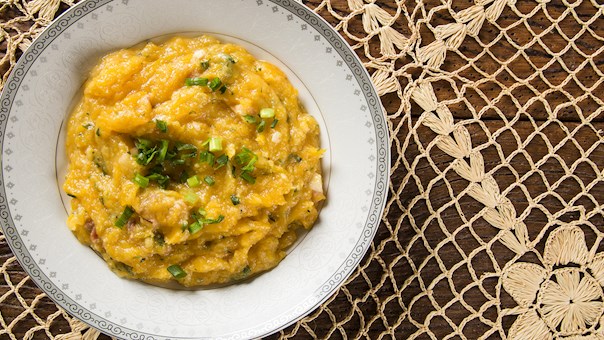
Cuscuz nordestino is a traditional dish from the Northeast region of Brazil. It is prepared with corn flour, salt, manioc starch, and either water or coconut milk. The combination of these ingredients is steamed until fragrant. Once prepared, cuscuz nordestino is cut into slices and served hot. This nutritious, inexpensive, and simple dish was brought to Brazil by Portuguese colonizers, and today it's a staple in the Northeast of Brazil – in some places, it's even used as a replacement for bread.

07
Dessert

Bolo de rolo

4.1 ·

Bolo de rolo is a traditional dessert with origins in the state of Pernambuco. This rolled guava cake is similar to a jelly roll cake or a Swiss roll; however, its preparation is much more complicated. It incorporates many delicate and thin sponge layers which are connected to form a giant sheet, spread with a layer of sweet guava jam, then rolled into a log. The most elaborate varieties of bolo de rolo can have up to twenty layers of sponge, which results in an unusual decorative spiral. Because of the intricate and time-consuming preparation, it is rarely made at home and can usually be found in pastry shops and supermarkets around Brazil. It is usually served sliced, to showcase the number of meticulously created jelly spirals. To balance the sweetness, slices of bolo de rolo are often served with a dollop of unsweetened whipped cream.

08
Street Food

Acarajé

4.1 ·

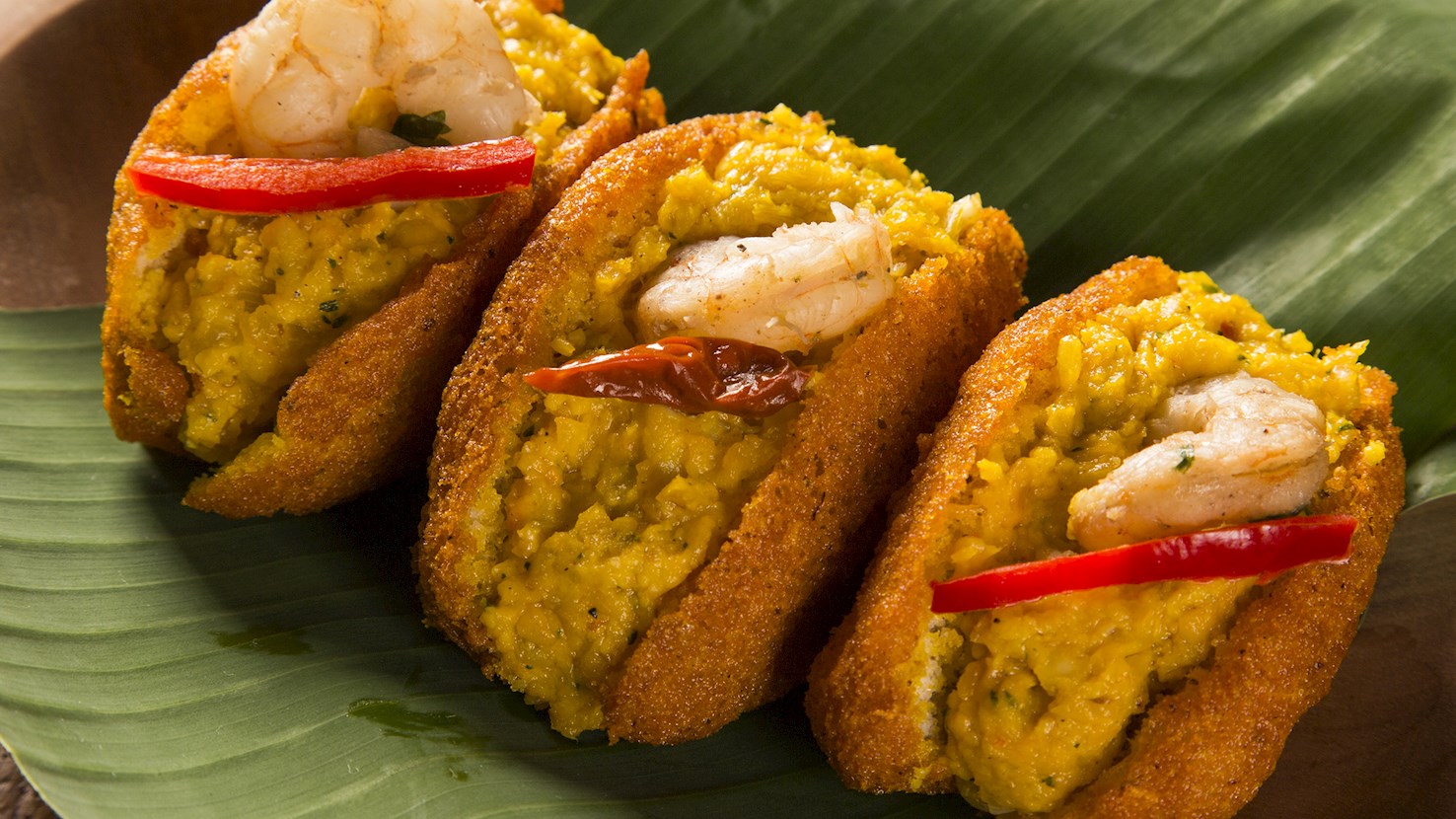
In Bahia, the northeastern state of Brazil, there is a dish that is considered to be the most popular street food around, called acarajé. It consists of black-eyed peas or cowpeas that are formed into a ball, deep-fried in dendé palm oil, split in half, then stuffed with flavorful, spicy pastes made from numerous ingredients such as cashews, palm oil, and shrimp. The most common accompaniments to the dish include a tomato salad and homemade hot pepper sauces. The recipe for the dish originated during the colonial period of the country, from the Nigerian slaves who first started selling it on the streets of Brazil. Today, acarajé represents a good example of how African influences have been shaping Brazil's cultural heritage and its culinary identity.

09
Appetizer

Arrumadinho

4.0 ·

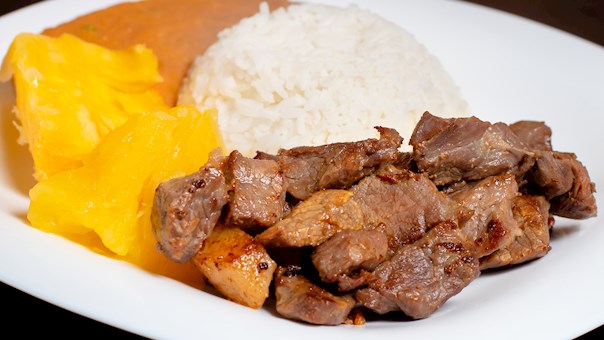
Arrumadinho is a complex Brazilian dish that is usually served as an appetizer. The dish is a combination of four elements that are neatly organized and served together as a complete meal. The essential parts are sliced, sun-dried beef, diced and mixed vegetable vinaigrette, beans, typically black eyed peas, and farofa – a toasted cassava flour mixture. All of the ingredients are seasoned with clarified butter, neatly arranged and served on a plate. The four elements of arrumadinho can either be mixed or consumed as individual dishes. A plate of arrumadinho is usually shared by a couple or a group of people, typically followed by a glass of cold beer or a freshly prepared caipirinha. The dish can usually be found in the northeast of Brazil, more precisely in the state of Pernambuco, where it is believed to have originated. It is often sold at food stands as a snack, but it is also commonly served as an appetizer in elegant restaurants.

10
Cheese Dessert

Cartola

4.0 ·

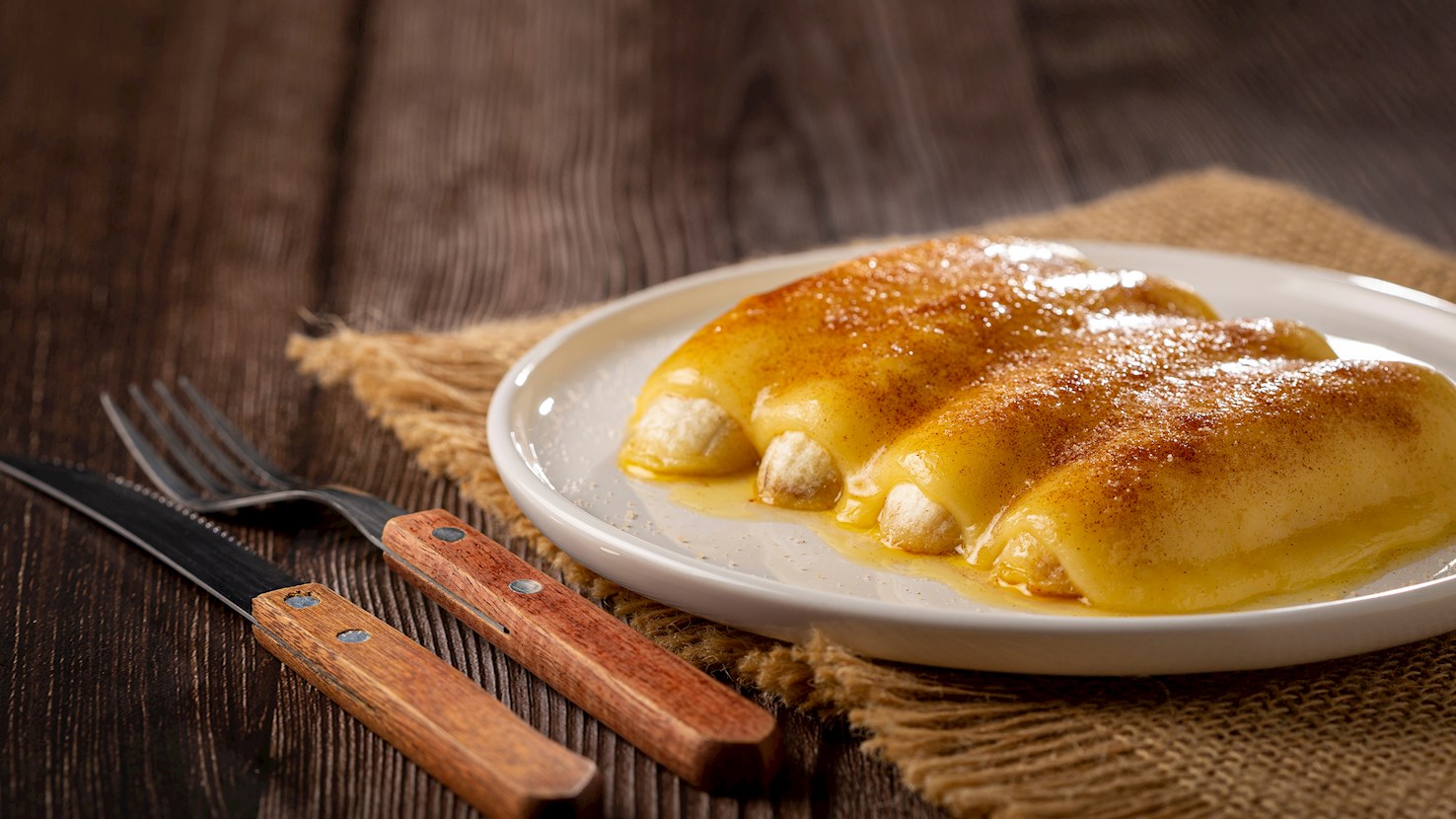
Cartola is a traditional dessert originating from Pernambuco, but popular across the country – it can be found both in restaurants and home kitchens. The name of the dish means top hat. It's made with sweetened and fried bananas in combination with cheese. The cheese should brown and bubble, but not melt, so queijo coalho cheese is most often used for this dish. In texture, it's like a firm feta, but without the saltiness in flavor. The bananas are cut lengthwise, then fried in butter, while the cheese is sprinkled with a combination of sugar and cinnamon before it's heated through. When served, the cheese goes on top of the bananas, and it's recommended to accompany the dessert with a scoop of vanilla ice cream for the ultimate indulgence.

Best Northeastern Brazilian Food Products
02
Chocolate

Kaê Chocolates

4.8 ·

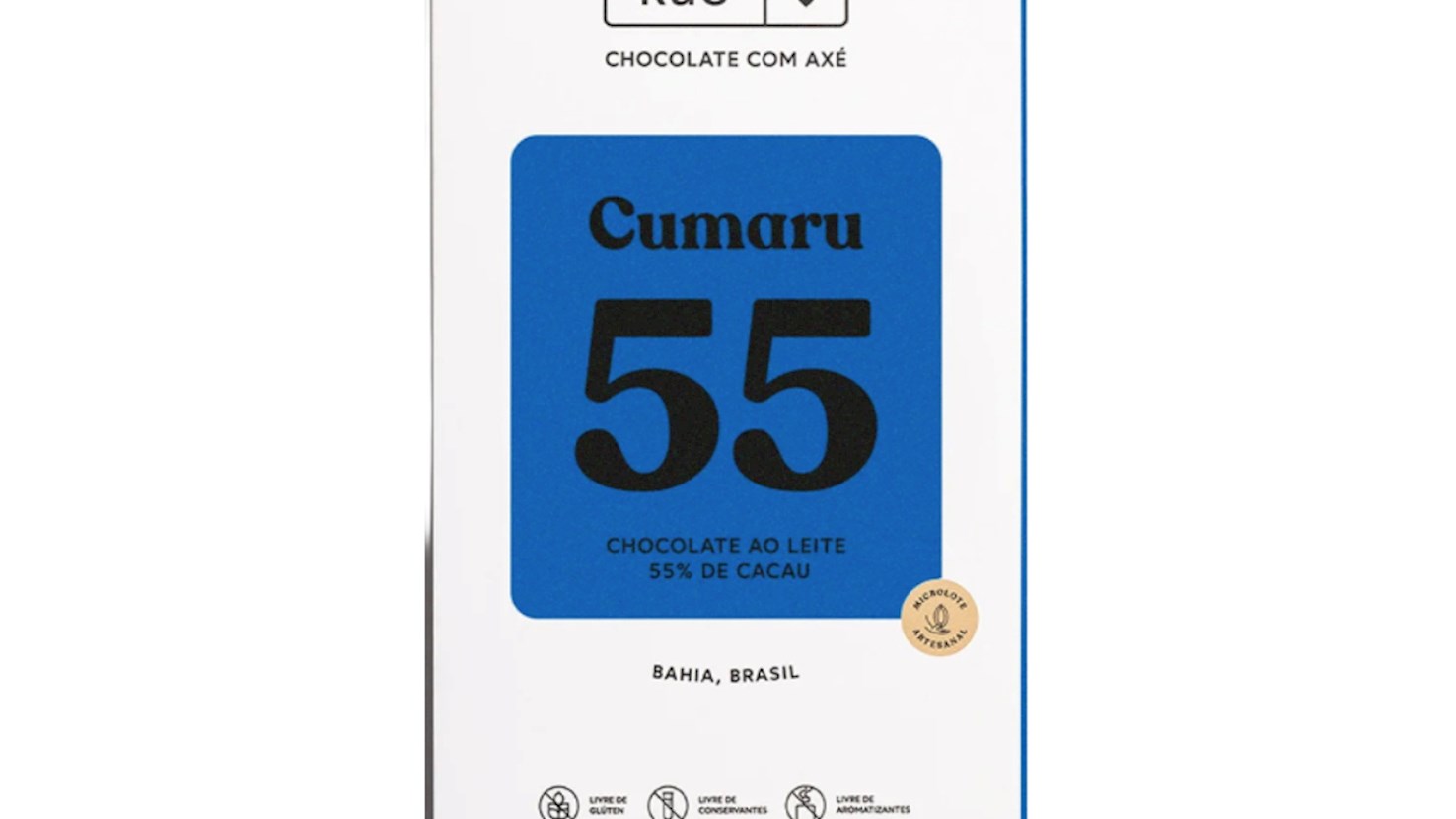
Kaê Chocolates is a chocolate producer based in Itabuna, Brazil. Itabuna is located in the state of Bahia, a region known for its cacao production.

The company specializes in making chocolates from locally sourced cacao beans.

Awards
Academy of Chocolate - Gold (2024)
Academy of Chocolate - Silver (2024)
03
Chocolate

Ju Arléo Chocolates

4.8 ·

Ju Arléo chocolates is a chocolate producer based in Ilhéus, a city in Brazil known for its cacao production. They focus on crafting high-quality chocolates from locally sourced cacao beans.

The company is involved in the entire chocolate-making process, from bean to bar, ensuring sustainability and quality.

Awards
Academy of Chocolate - Gold (2024)
Academy of Chocolate - Silver (2024)
04
Chocolate

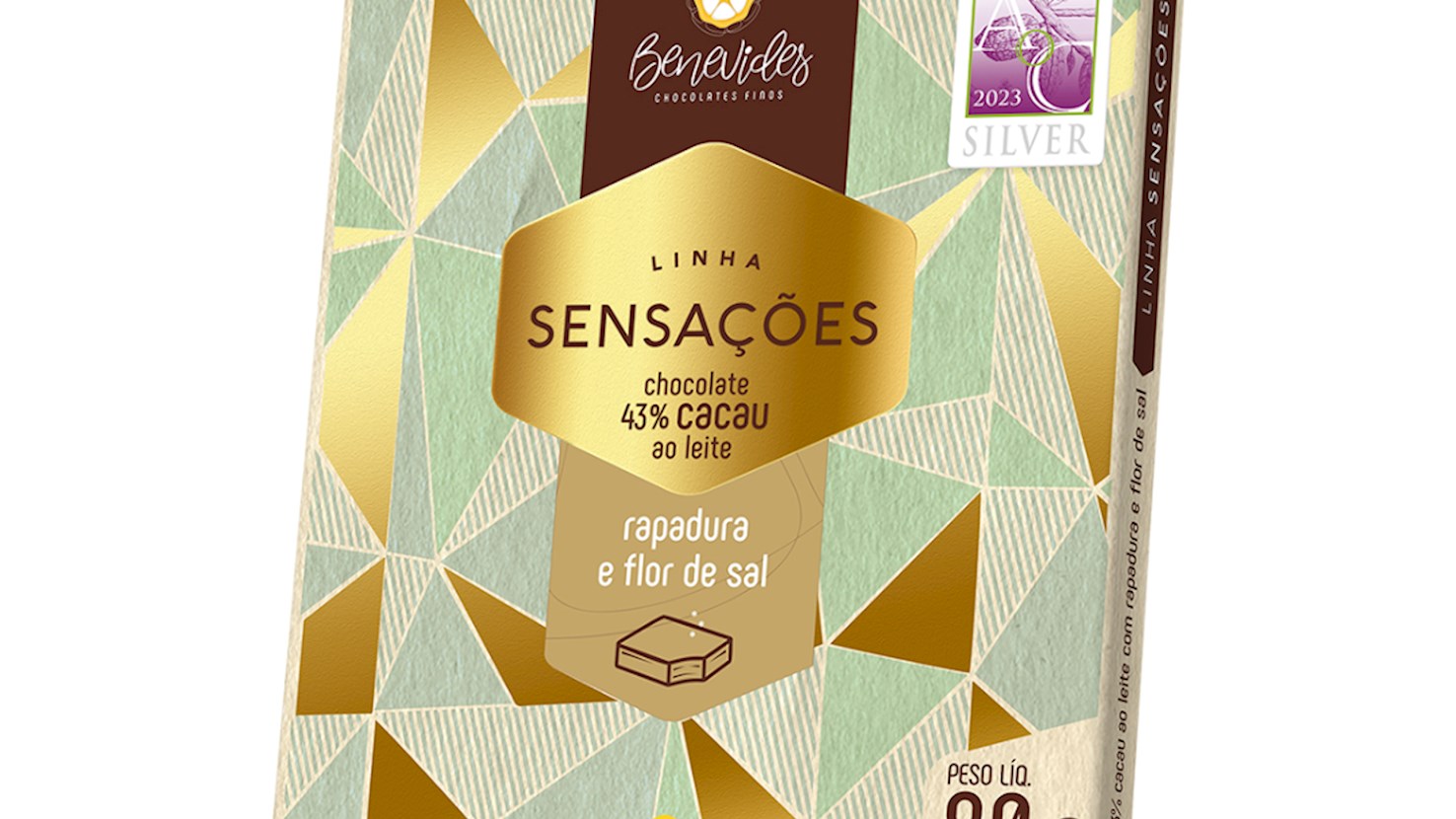
Benevides Chocolates Finos

4.7 ·

Benevides Chocolates Finos, located in Itabuna, specializes in fine chocolates utilizing locally sourced cacao from the Bahia region of Brazil. The company produces a variety of chocolate products, emphasizing traditional methods and sustainable practices.

They are particularly noted for their craft chocolate bars that highlight the distinctive flavors of the region’s cacao beans.

Awards
Academy of Chocolate - Silver (2024, 2023)
Academy of Chocolate - Bronze (2024, 2023, 2022)
05
Chocolate

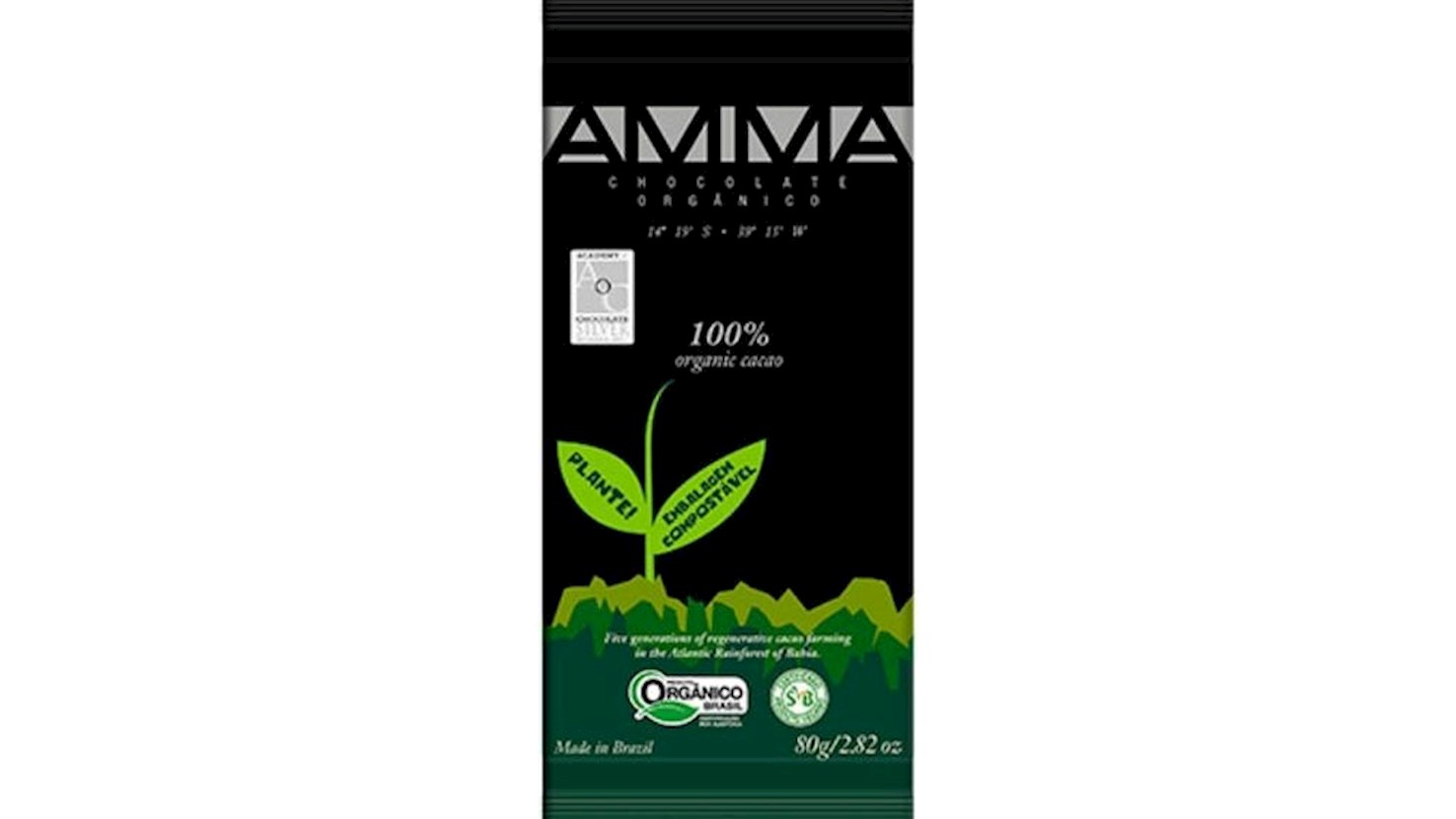
Amma Chocolate Orgânico

4.7 ·

Amma Chocolate Orgânico, based in Salvador, Brazil, specializes in organic chocolate, crafted from locally sourced cacao. The company maintains a focus on sustainability and environmental responsibility throughout its production processes.

It employs traditional methods, including fermentation and sun-drying, to enhance the flavors of their chocolate products. Amma Chocolate Orgânico works closely with local farmers to ensure high-quality, organic ingredients.

Awards
Academy of Chocolate - Silver (2017, 2016)
Academy of Chocolate - Bronze (2019, 2017, 2016)
06
Chocolate

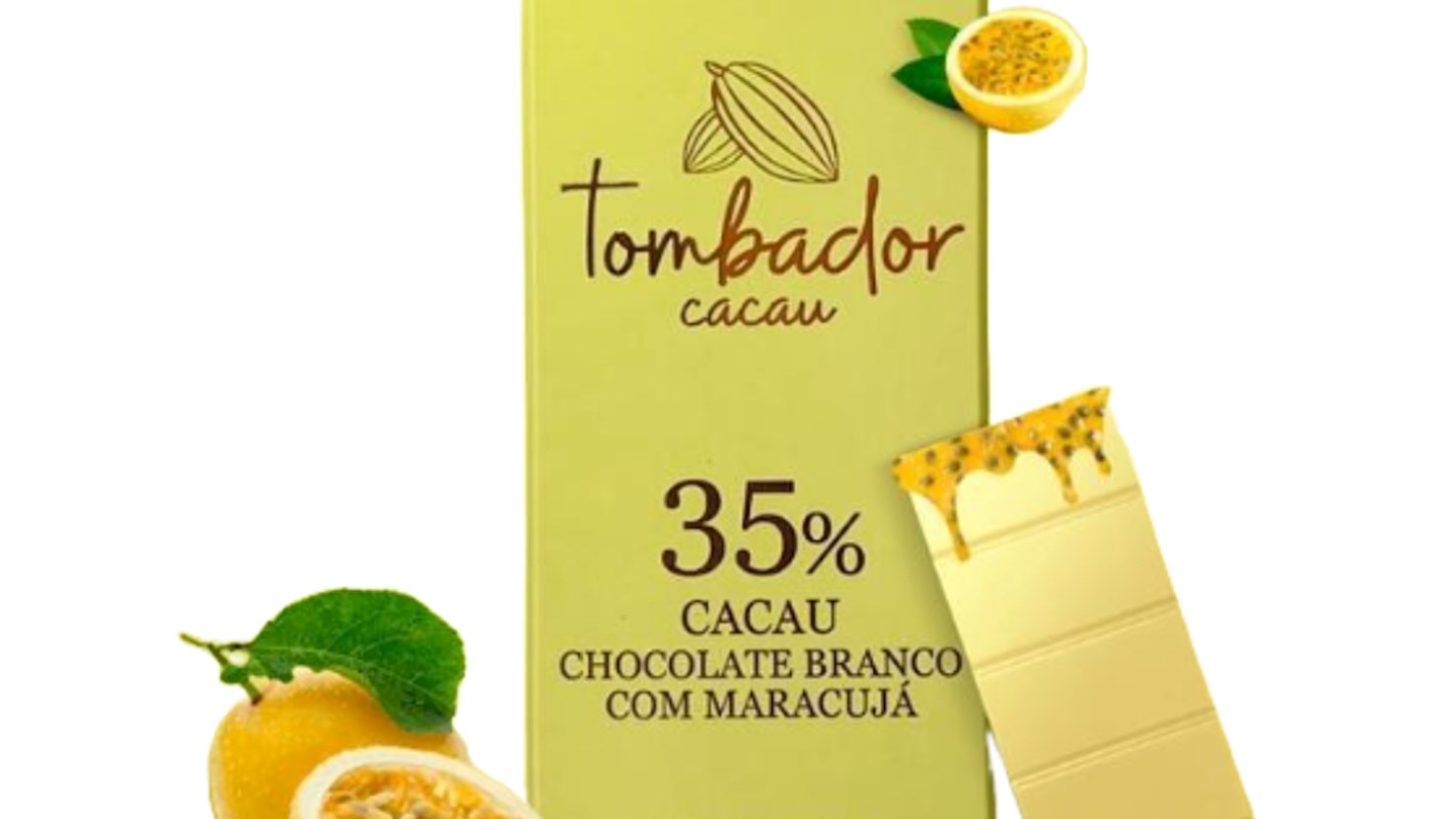
Tombador Cacau

4.7 ·

Tombador Cacau is a family-owned chocolate producer based in Valença, Bahia, Brazil. The company is known for its premium, single-origin chocolate made from high-quality cocoa beans grown on the Fazenda Saudade farm, located in the Tombador II region, near the Jiquiriçá River.

Tombador Cacau is committed to sustainability and quality, producing chocolates that highlight the unique flavors of the Bahia region. Their products are celebrated for their rich, pure taste, with some varieties containing up to 100% cocoa, offering a true, unadulterated chocolate experience.

Awards
Academy of Chocolate - Silver (2024)
07
Chocolate

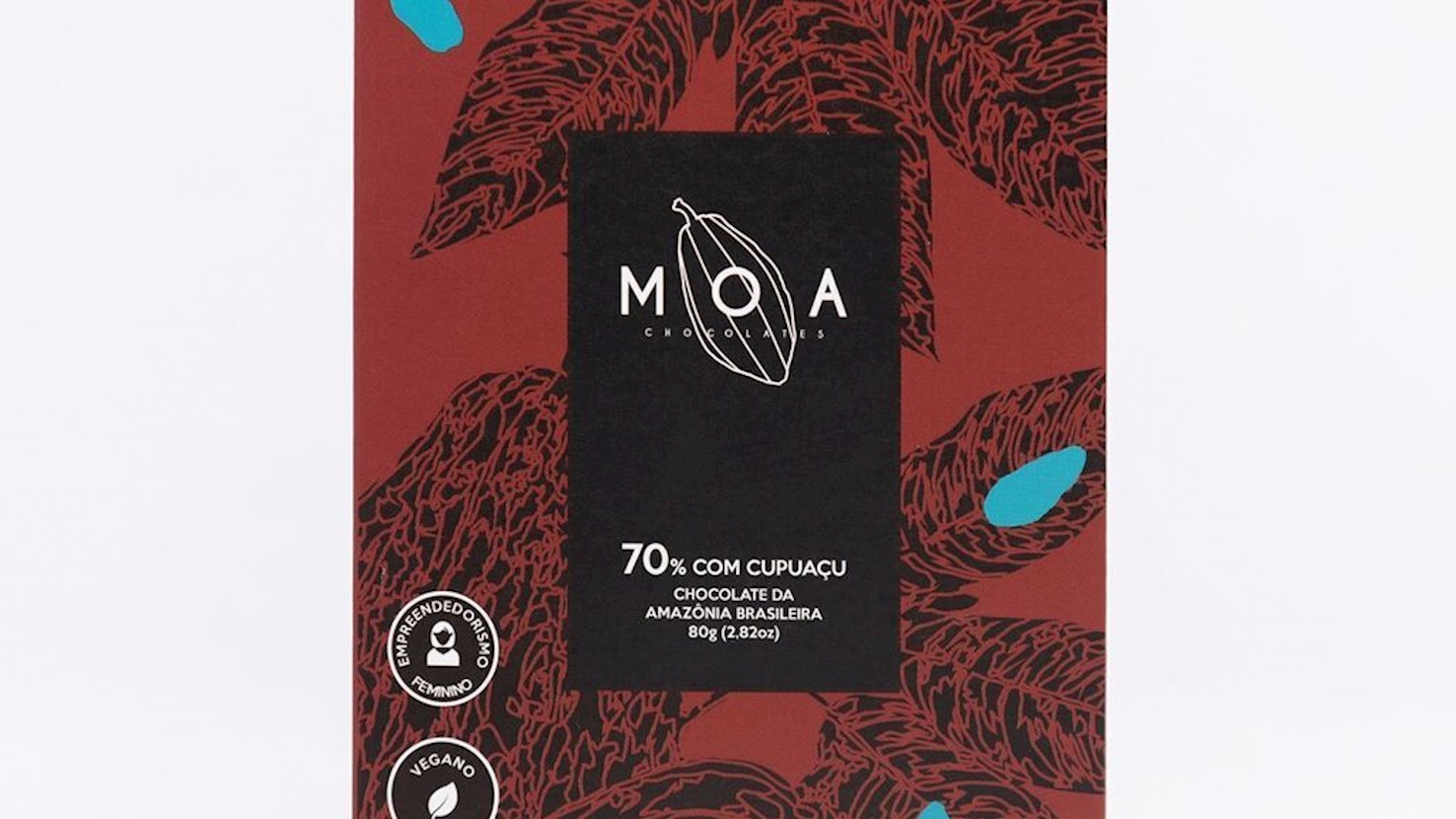
Moa Chocolates

4.7 ·
Awards
Academy of Chocolate - Silver (2023)
International Chocolate Awards - Silver (2023)
08
Chocolate

La Lis Chocolates

4.7 ·

La Lis Chocolates, based in Ilhéus, Brazil, focuses on producing high-quality, single-origin chocolate using a bean-to-bar process. The company sources its cacao beans locally from the Bahia region, which is known for its rich cacao heritage.

La Lis emphasizes sustainable farming practices and works closely with local farmers to ensure the quality and traceability of their beans.

Awards
Academy of Chocolate - Silver (2024, 2023)
Academy of Chocolate - Bronze (2023)
09
Chocolate

Cacau Do Céu Chocolates

4.7 ·

Cacau do Céu Chocolates is based in Ilhéus, a city in Brazil famous for its cacao production. The company produces a variety of chocolate products, including bars and truffles, using locally sourced cacao beans.

Their focus is on maintaining high-quality standards and sustainable practices in cacao farming and chocolate production.

Awards
Academy of Chocolate - Silver (2023)
Academy of Chocolate - Bronze (2024, 2023)
10
Chocolate

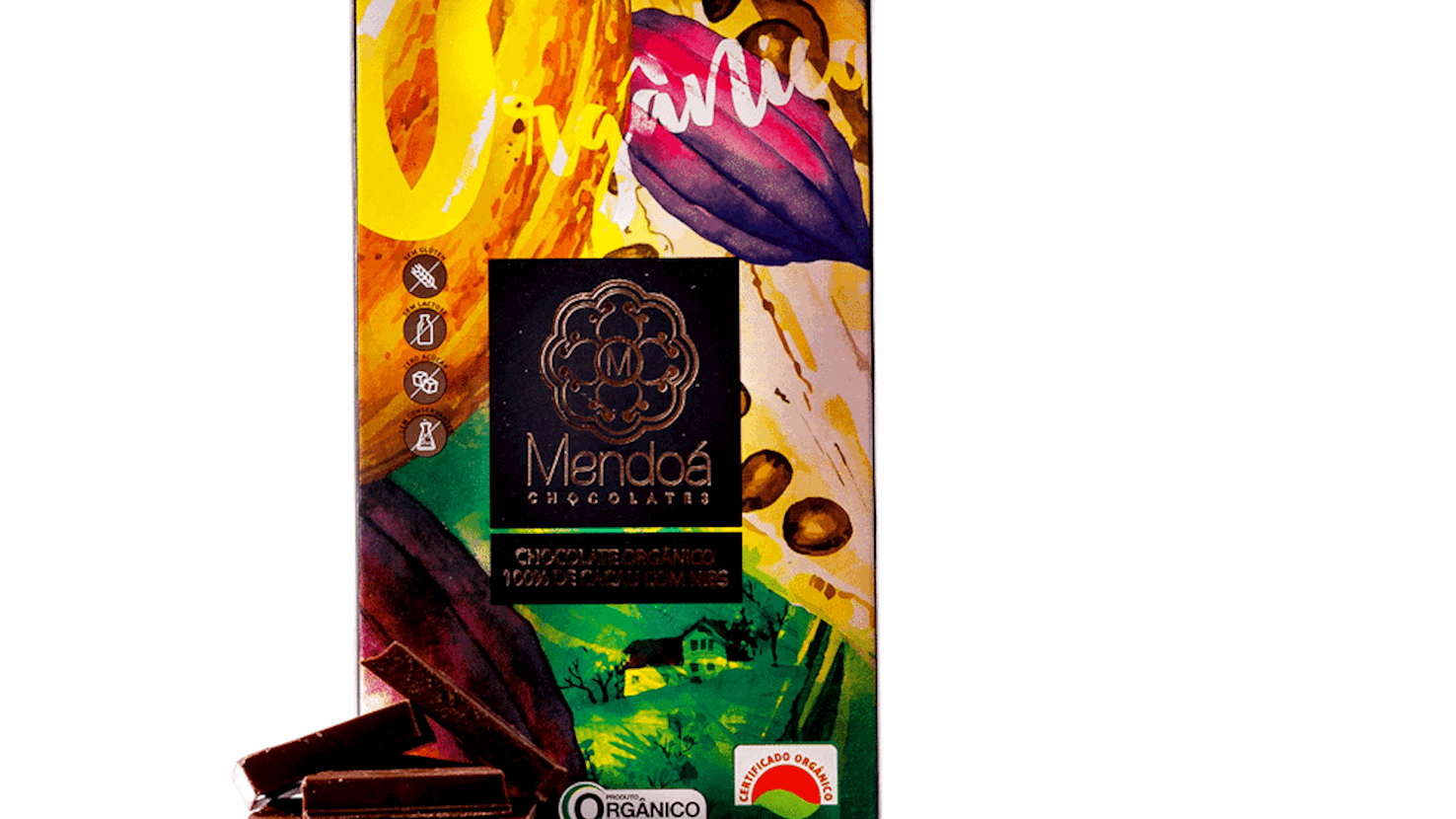
Mendoá Chocolates

4.7 ·

Mendoá Chocolates, based in Salvador, specializes in producing premium chocolates by utilizing cocoa sourced from sustainable plantations in the Bahia region of Brazil. They focus on bean-to-bar processes, emphasizing the unique flavors and qualities of Brazilian cocoa.

Mendoá Chocolates also invests in local communities by supporting sustainable agricultural practices among its cocoa suppliers.

Awards
Academy of Chocolate - Silver (2020)
Academy of Chocolate - Bronze (2023, 2020, 2019, 2018)
About this Ranking

TasteAtlas food rankings are based on the ratings of the TasteAtlas audience, with a series of mechanisms that recognize real users and that ignore bot, nationalist or local patriotic ratings, and give additional value to the ratings of users that the system recognizes as knowledgeable. For the “Top 23 Northeastern Brazilian Foods” list until August 19, 2026, 1,749 ratings were recorded, of which 1,252 were recognized by the system as legitimate.

TasteAtlas Rankings should not be seen as the final global conclusion about food. Their purpose is to promote excellent local foods, instill pride in traditional dishes, and arouse curiosity about dishes you haven’t tried.

The initial list of top producers was compiled based on available reviews, awards, local recommendations, media and blog coverage, and consumer reviews. The list will be updated with ratings from TasteAtlas local ambassadors and TasteAtlas users.

What People Say

Similar Lists