shutterstock

Top 7 Traditional Foods
in Okinawa Prefecture

Last updated on July 08, 2026

Best Okinawa Prefecture food products

01
Spirit

Zuisen

4.2 ·

Zuisen Distillery Co., Ltd., founded in 1887, is a celebrated Okinawan producer of Ryukyu Awamori, a traditional distilled spirit. Located in Naha City, Okinawa, the distillery’s name, "Zuisen," is inspired by a pure spring near the historic Shuri Castle.

Zuisen Distillery creates a range of Awamori, including the "Zuisen," "Usaki," and "Omoro" series, using traditional techniques from the Ryukyu Kingdom era to ensure an authentic flavor. Visitors can tour the distillery to learn about Awamori production and purchase their products onsite or through their online store.

Awards
IWSC- International wine & spirit competition - Silver (2024)

Best Okinawa Prefecture foods

01
Noodle Dish

Okinawa soba

3.7 ·

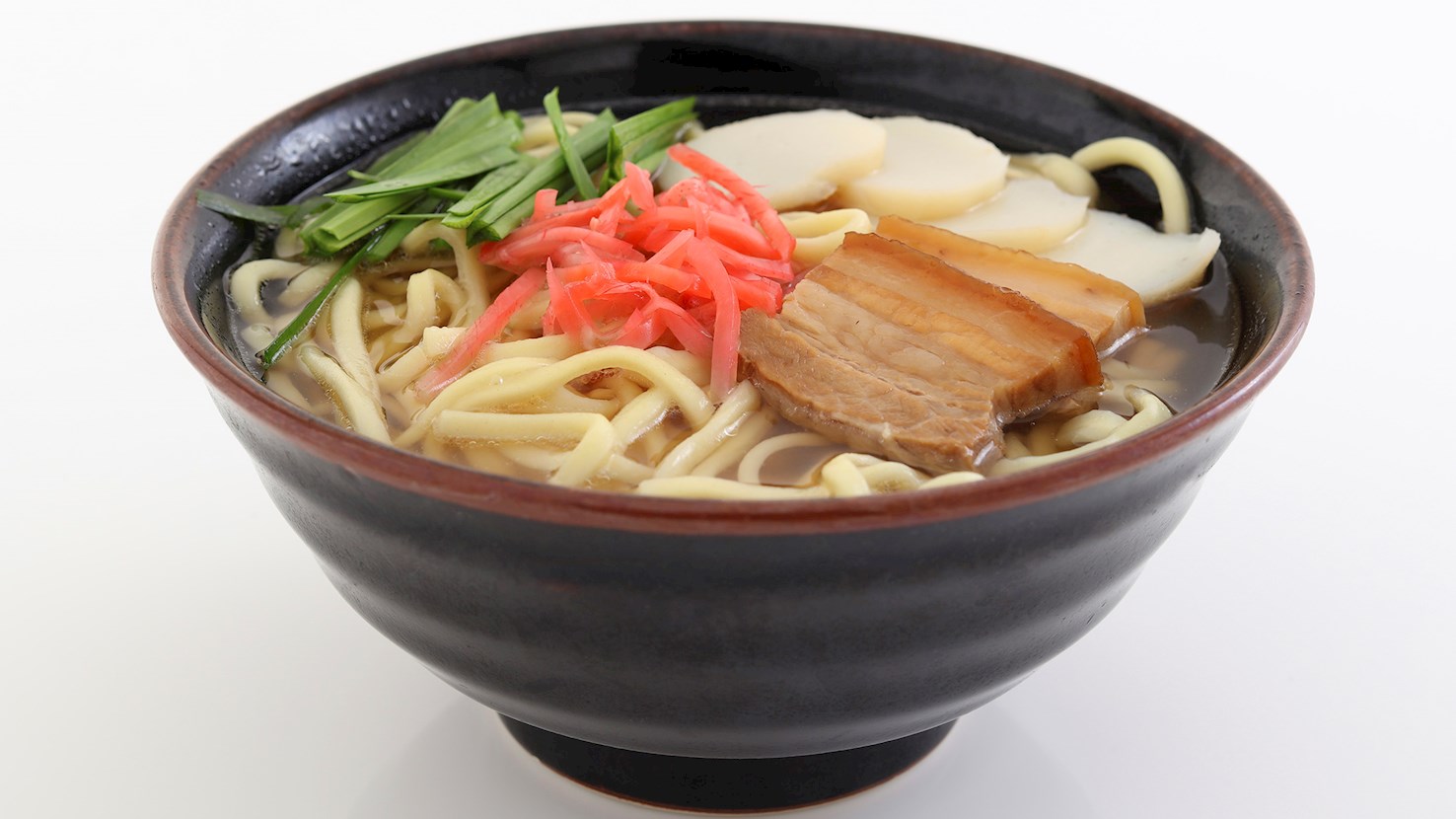
Okinawa soba is a variety of Japanese noodle soup originating from the Okinawa prefecture. Although the name soba traditionally encompasses buckwheat noodles, buckwheat is rarely used in Okinawa, and the noodles incorporated in this authentic dish are primarily made with wheat flour. They range from round and long varieties to the thicker and wider types. Pork, most commonly pork belly cooked in soy sauce is most often utilized in Okinawa soba, and the dish is usually topped with fish cakes, fish paste, sliced scallions, and pickled ginger. Finally, all ingredients are covered in dashi; an aromatic broth flavored with konbu seaweed, fish flakes, and pork. The first recorded mention of the dish goes back to 1902, but it was only in the 1960s that it became popular and commonly eaten by all social classes. Different varieties can be found across Okinawa, including additional ingredients such as extra ribs or the unusual pork’s trotter. The dish is served sizzling hot in traditional pots and eaten with chopsticks.

02
Ground Meat Dish

Takoraisu

3.3 ·

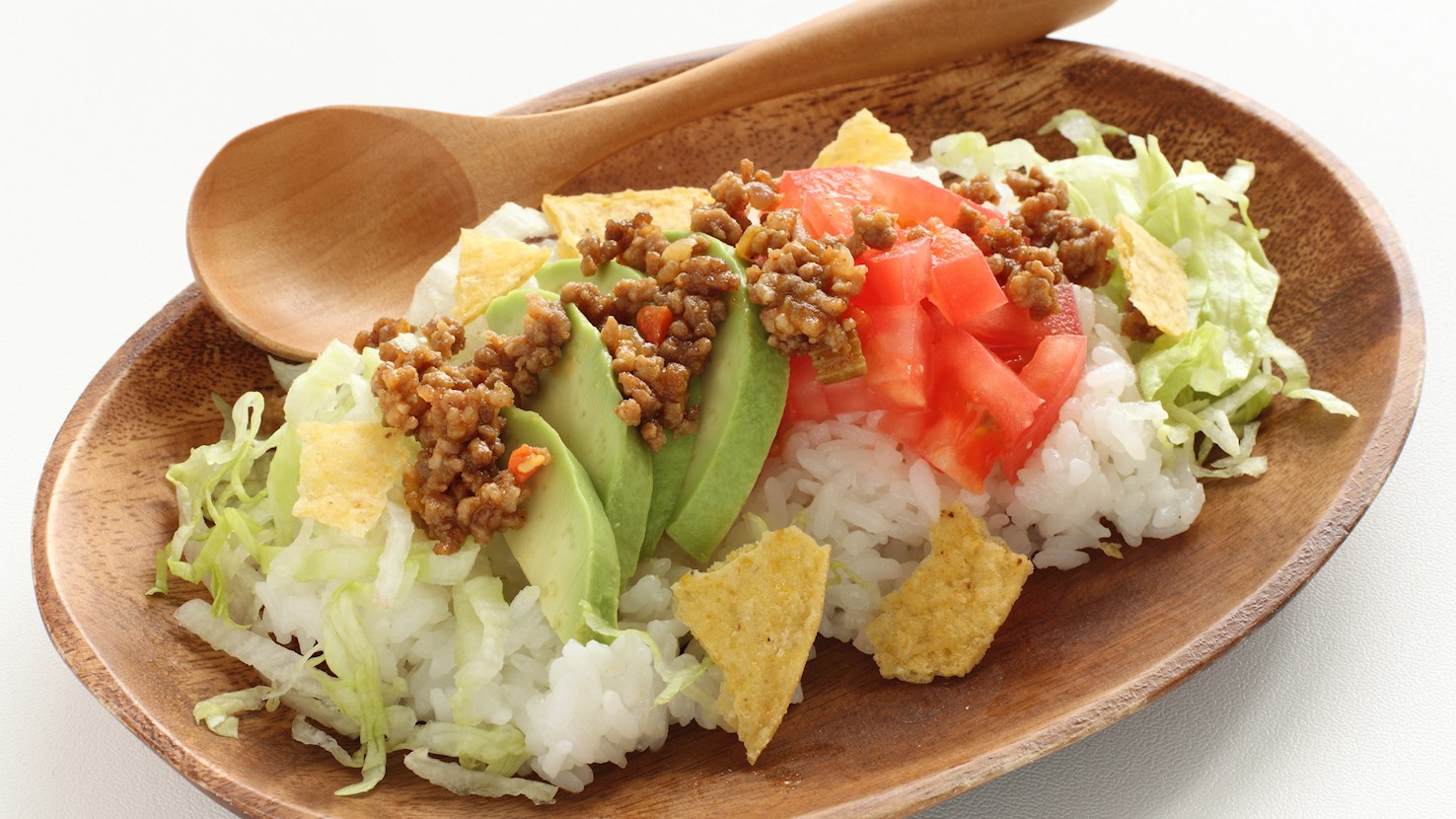
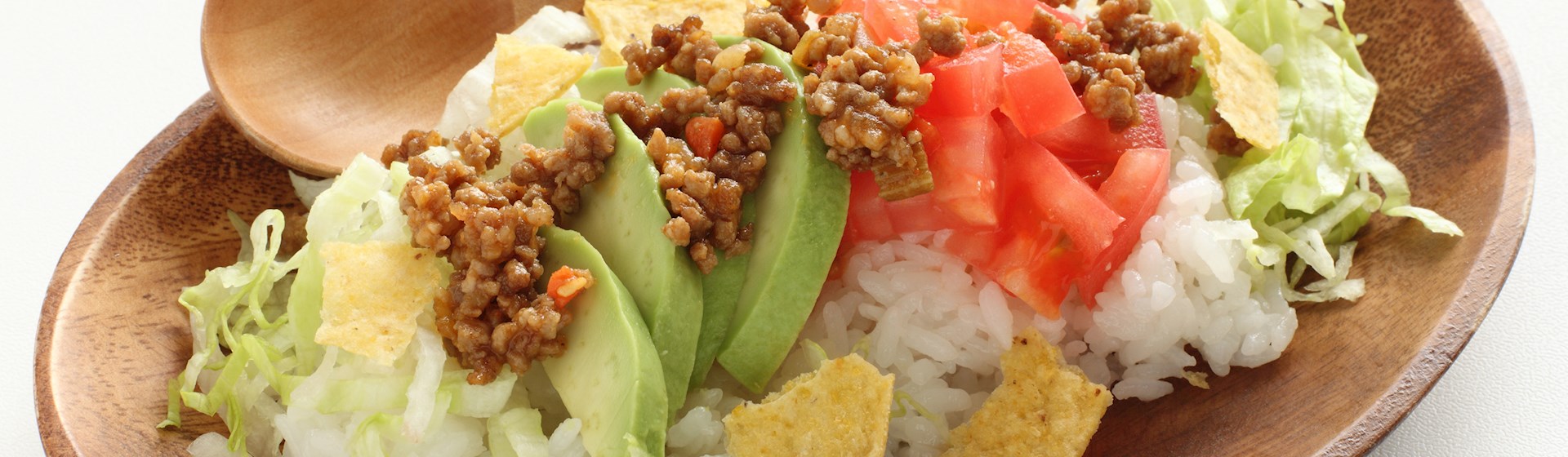
Taco rice is a Japanese dish hailing from Okinawa. It was created in 1984 as a dish for the US soldiers stationed in the prefecture. The dish consists of ground beef, cheese, lettuce, and tomatoes served on a bed of short grain rice. The whole dish is traditionally topped with salsa. The meat is seasoned with taco seasoning or a combination of common Japanese condiments if the taco seasoning is unavailable. What was once created for the American soldiers is now one of the best known dishes in Okinawa, and it's recommended to accompany it with koregusu, a condiment similar to chili vodka.

03
Stir-fry

Goya chanpuru

3.0 ·

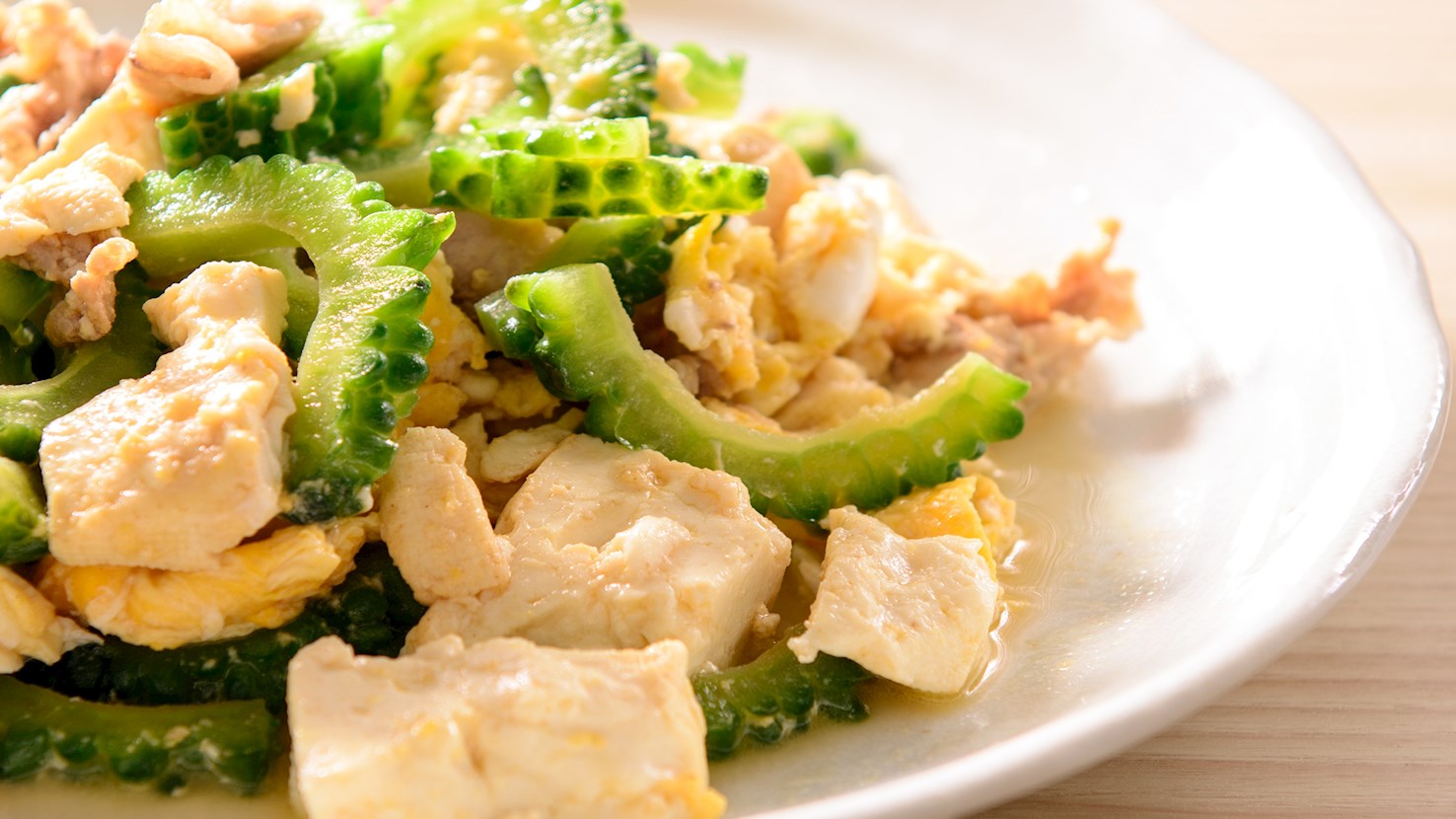
Among the broad group of Japanese chanpuru dishes, goya chanpuru is the most traditional version prepared with stir-fried bitter melon, eggs, pork, and tofu. It is often blended with various seasonings and vegetables. Occasionally, the dish is served sprinkled with fish flakes and accompanied by rice. This colorful and nutritious summer stir-fry is the signature dish of Okinawa island. It has recently grown in popularity and can also be found in other parts of Japan.

04
Appetizer

Tofuyo

n/a ·

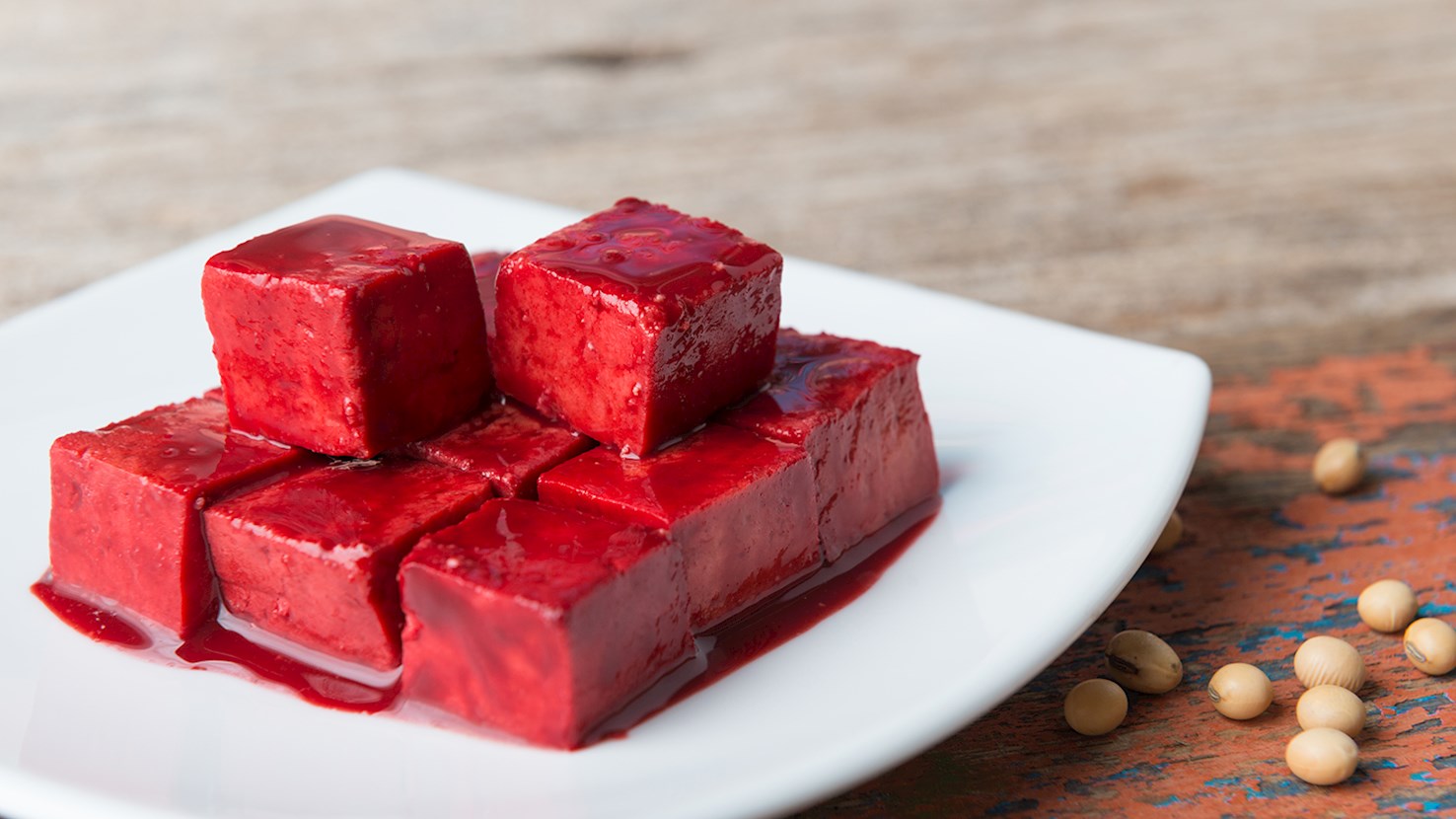
Tofuyo is a traditional delicacy originating from Okinawa. In order to prepare it, Okinawa-style tofu known as shima-dofu is left to ferment in a combination of red yeast, rice malt, and awamori (alcoholic beverage). The addition of red yeast gives tofuyo its reddish color. After a long period of fermentation, tofuyo is served sliced in tiny cubes which should be nibbled a bit at a time. The flavor is very rich and creamy, the aromas are pungent, while the texture is very soft, similar to cream cheese. This specialty dates back to the Ryukyu kingdom era, and it was enjoyed only by the emperor’s family and a few selected nobles.

05
Pork Dish

Rafute

3.7 ·

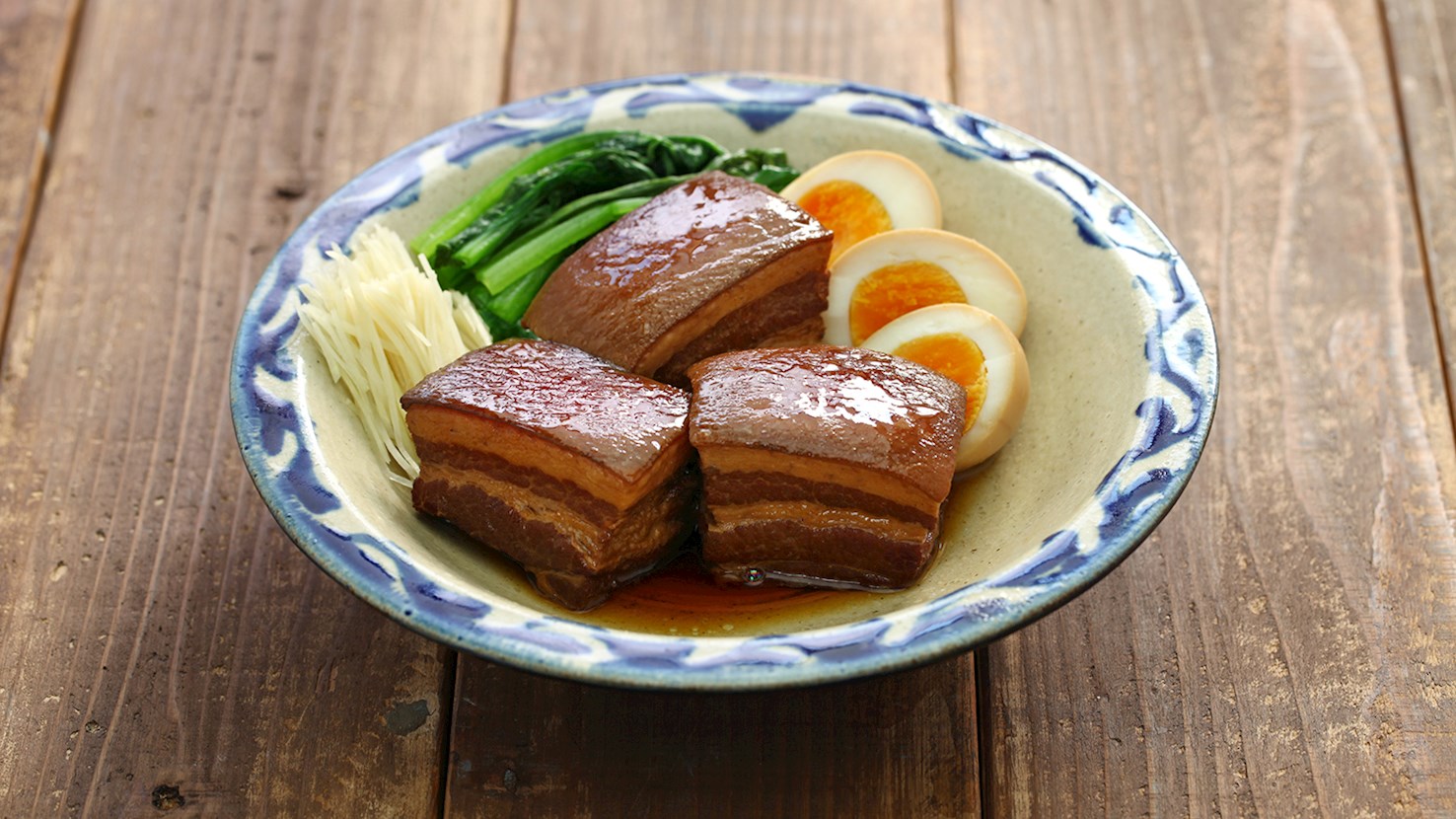
Rafute is a traditional dish originating from Okinawa. The main compoment of the dish is braised pork belly, but every restaurant has its own variation. In order to prepare it, the pork belly is usually slowly cooked in black sugar, soy sauce, and awamori (Okinawan distilled liquor). The origins of rafute are believed to come from a Chinese dish called dong po rou. While the pork is simmering, the fat renders and becomes gelatinous. When eaten with chopsticks, the meat just falls apart due to the long slow-cooking process. It's recommended to serve it with steamed white rice or noodles on the side and pair it with an ice-cold beer.

06
Soup

Ikasumi jiru

n/a ·

Ikasumi jiru is a traditional dish originating from Okinawa. This thick black soup is prepared with squid ink, three pieces of either chicken or pork, and nigana leafy greens. The stock is usually prepared from katsuo (skipjack). It is believed that squid ink has medicinal properties that cleanse the body from toxins, and in the past numerous Okinawan babies were fed ikasumi jiru as their first meal. After eating this soup, don't forget to wipe your lips because they will probably be very black.

07
Egg Dish

Omutako

n/a ·

Omutako is a Japanese variation on the much more popular omurice. This simple dish is prepared by placing the omelet on top of taco rice (typically consisting of taco-flavored ground beef and rice). Omutako is sometimes also spelled as omutaco, and the first one was invented in a restaurant called Kijimunaa in Onna Village. Nowadays, omutako can be found in numerous shops and restaurants throughout Okinawa.

About this ranking

TasteAtlas food rankings are based on the ratings of the TasteAtlas audience, with a series of mechanisms that recognize real users and that ignore bot, nationalist or local patriotic ratings, and give additional value to the ratings of users that the system recognizes as knowledgeable. For the “Top 7 Traditional Foods in Okinawa Prefecture” list until July 08, 2026, 120 ratings were recorded, of which 86 were recognized by the system as legitimate. TasteAtlas Rankings should not be seen as the final global conclusion about food. Their purpose is to promote excellent local foods, instill pride in traditional dishes, and arouse curiosity about dishes you haven’t tried.

The initial list of top producers was compiled based on available reviews, awards, local recommendations, media and blog coverage, and consumer reviews. The list will be updated with ratings from TasteAtlas local ambassadors and TasteAtlas users.

Similar lists