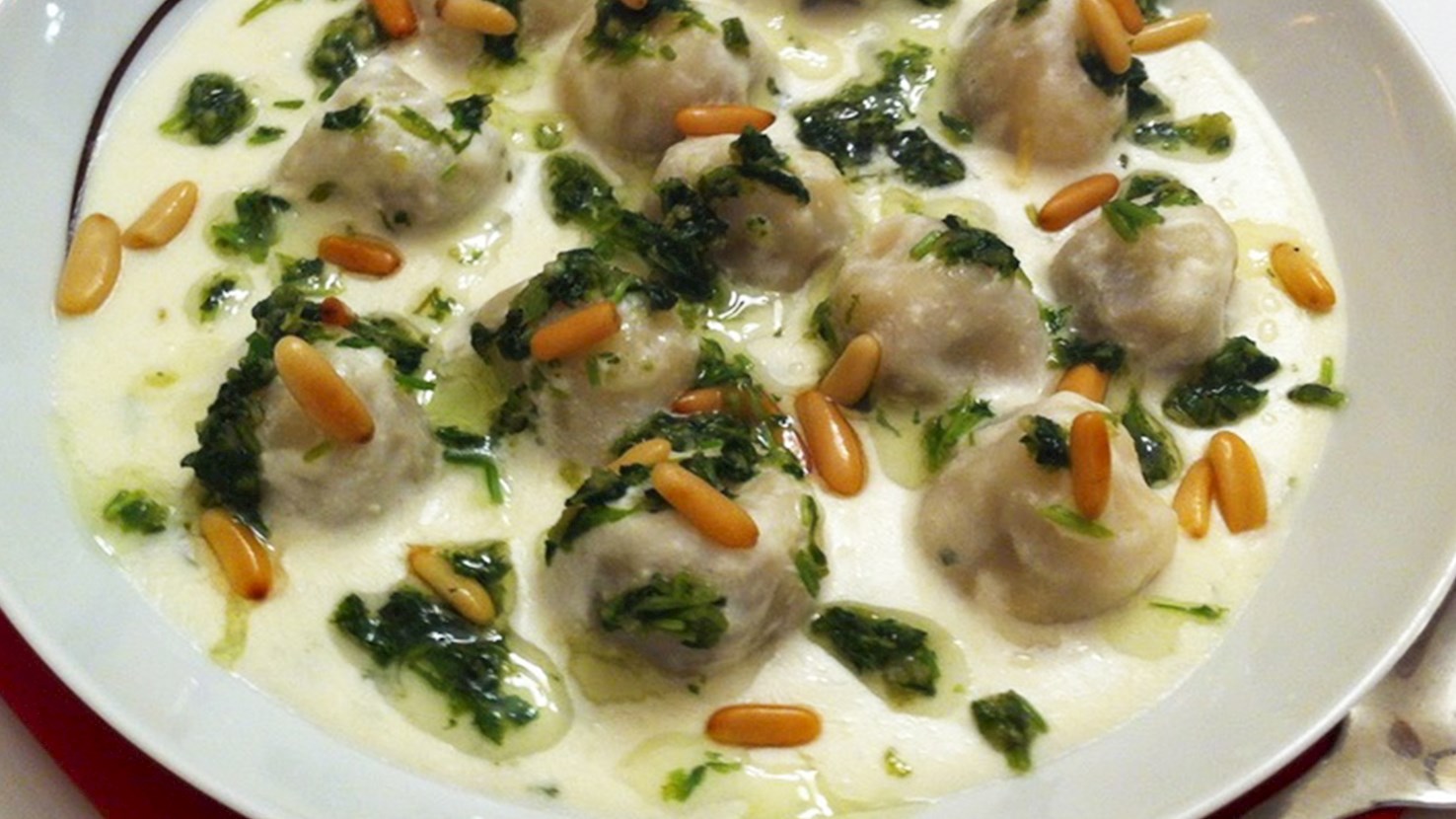
This combination of meat-stuffed dumplings and yogurt is common in Levantine cuisine. The dish consists of tiny dumplings—believed to have originated in Iran under the name joshpara—that are filled with a combination of meat and onions. The dumplings are cooked in yogurt that is seasoned with mint, garlic, or other spices, and the dish is then typically served warm. Because of its international status, there are many varieties of the dish that may employ labneh-based sauces, different types of meat, nuts, and various spices.
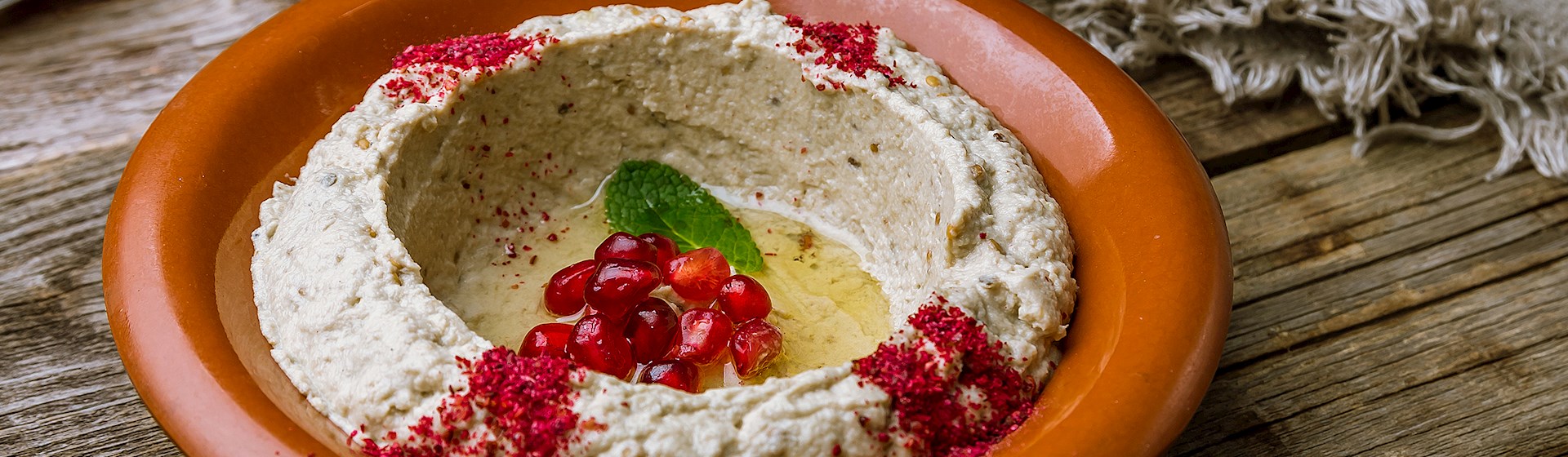
Mutabal is an eggplant-based dip prepared in the eastern Mediterranean and Arabian regions, most commonly associated with Lebanon, Syria, Jordan, and Palestine, made from cooked eggplant blended with tahini, lemon juice, garlic, and salt to form a smooth, pale-colored spread. Its development is closely tied to the long-standing cultivation of eggplant in the Levant and the parallel use of sesame paste as a core ingredient in savory preparations, with regional cookery texts from the medieval Islamic world describing combinations of mashed vegetables, fermented or acidic elements, and ground seeds, indicating a settled culinary logic in which mutabal emerged as a distinct preparation emphasizing tahini more strongly than other eggplant dishes. Preparation begins with roasting whole eggplants, ideally over direct flame, until the flesh softens and absorbs smoke, after which the skins are removed and the pulp drained to control bitterness and moisture, then mixed thoroughly with tahini, lemon juice, crushed garlic, and salt until the mixture becomes cohesive and smooth rather than coarse. Mutabal is served at room temperature, usually spread in a shallow dish and finished with olive oil, and it is presented as part of a larger table rather than as an individual portion. A defining characteristic of mutabal is the dominant role of tahini, which gives it a lighter color, thicker body, and more pronounced nutty profile compared to related eggplant spreads that rely less on sesame paste. It is eaten in homes, restaurants, and social gatherings throughout the Levant, typically accompanied by flatbreads such as pita or markouk and raw vegetables, and it pairs well with unsweetened black tea, mint tea, arak diluted with water, or dry white wines, fitting naturally into meals where multiple small dishes are shared and balanced by bread rather than by heavy seasoning.
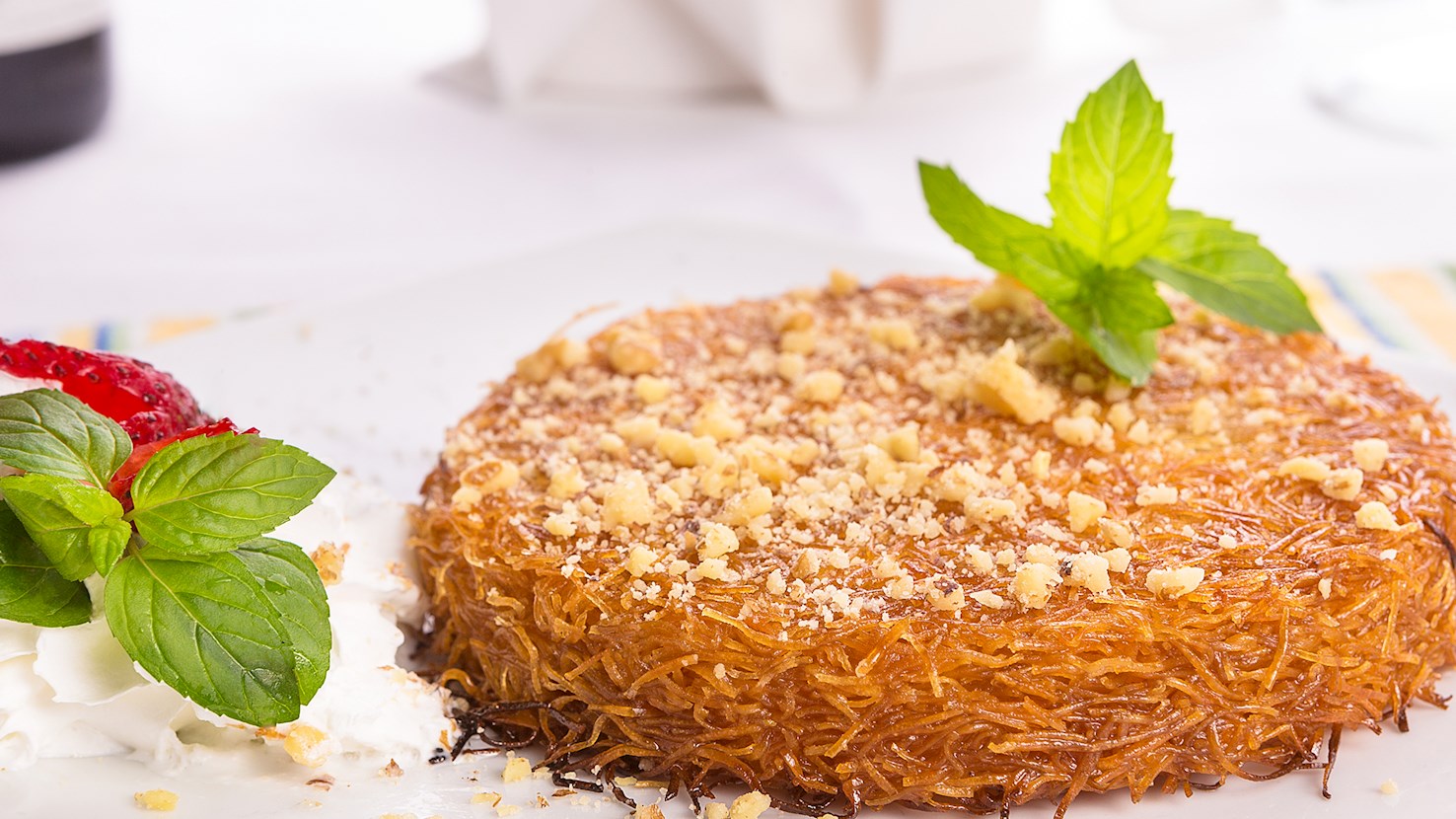
Kunāfah consists of two crunchy layers of shredded and buttered kataifi or knefe dough, filled with a luscious cheese cream that's often flavored with orange zest and cardamom, then drenched in a sugar syrup infused with lemon juice and orange blossom water. Turkish künefe is traditionally made with Hatay, Urfa, or Antep cheese. It is usually topped with pistachios and is best served warm. Elegant and amazingly simple to make, this dessert is nothing short of what cheese-filled pastry dreams are made of. Some authors speculate that it originated from the Fatimid Egypt or pre-Islamic Syria, while others claim that the Palestinian city of Nablus is its birthplace - hence the name kanafeh nabulsieh. Nevertheless, this decadent dessert has been a part of a long culinary tradition in Türkiye and Egypt, and it is listed as one of Egypt's national dishes.
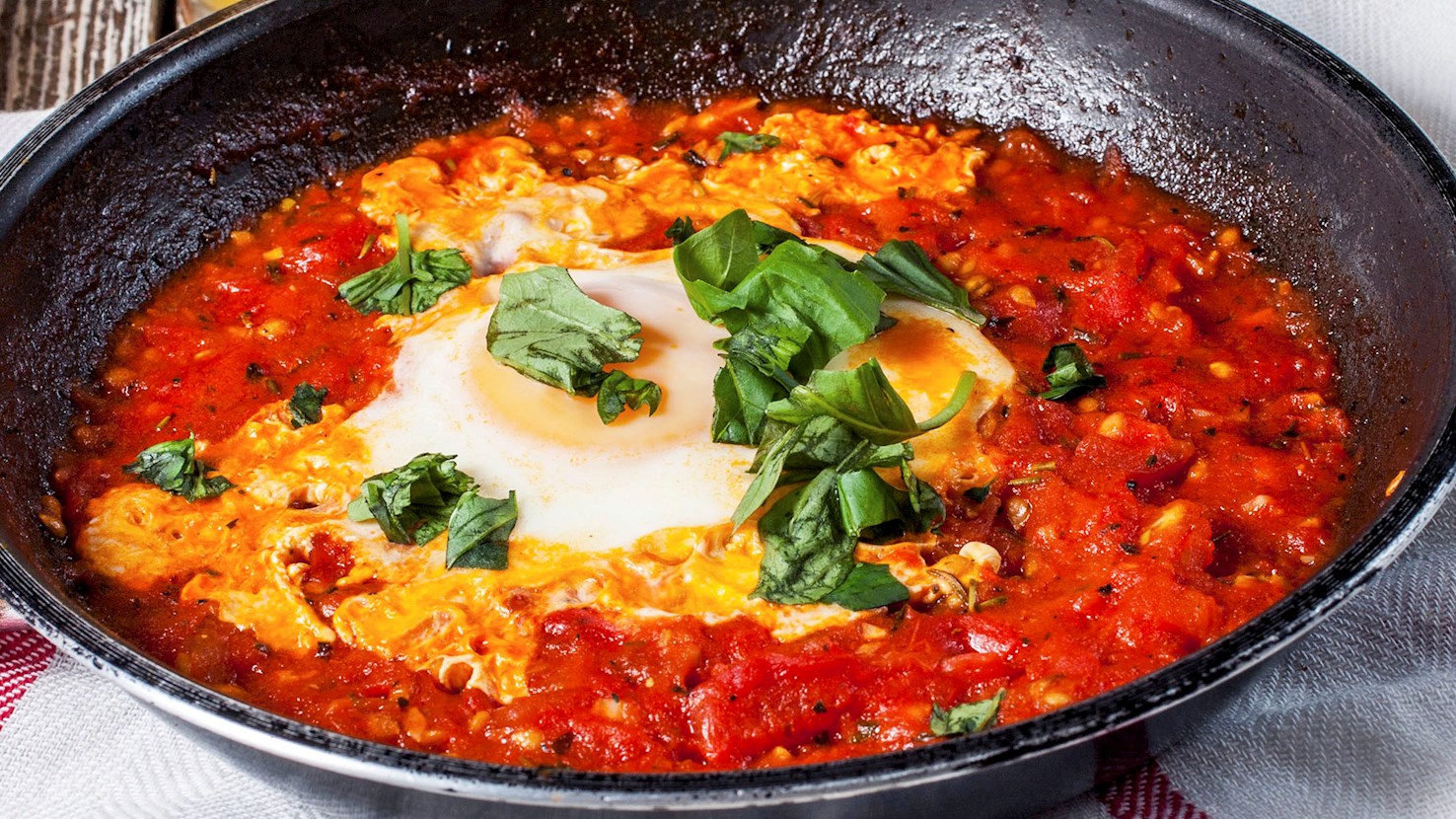
Shakshouka is a delicious combination of eggs poached in a spicy tomato sauce. Although it has an unusual name, the dish is straightforward and easy to make. It is usually made in a skillet in which onions, tomatoes, and spices are cooked until they form a delicious tomato sauce. Eggs are then added directly to the tomato sauce and poached until done. Merguez sausage can also be added to the dish. It is believed that shakshouka originated in Tunisia, but the dish is well-known and commonly eaten throughout North Africa and the Middle East as well. Almost every region has formed their distinctive variety of shakshouka: in Egypt, eggs are usually scrambled and served in a sandwich, and in Israel it is often served with salty feta cheese on top. The consistency of the sauce and eggs is also variable – the sauce can be thinner or thicker, while the eggs can be completely firm or soft. For a more nutritious meal, meat, most commonly sausages, can be included in the dish. Shakshouka is suitable for any meal of the day and is usually served warm or sizzling hot, with bread on the side. Because it is budget-friendly, simple, and easy to prepare, the dish has recently gained popularity both in Europe and North America.
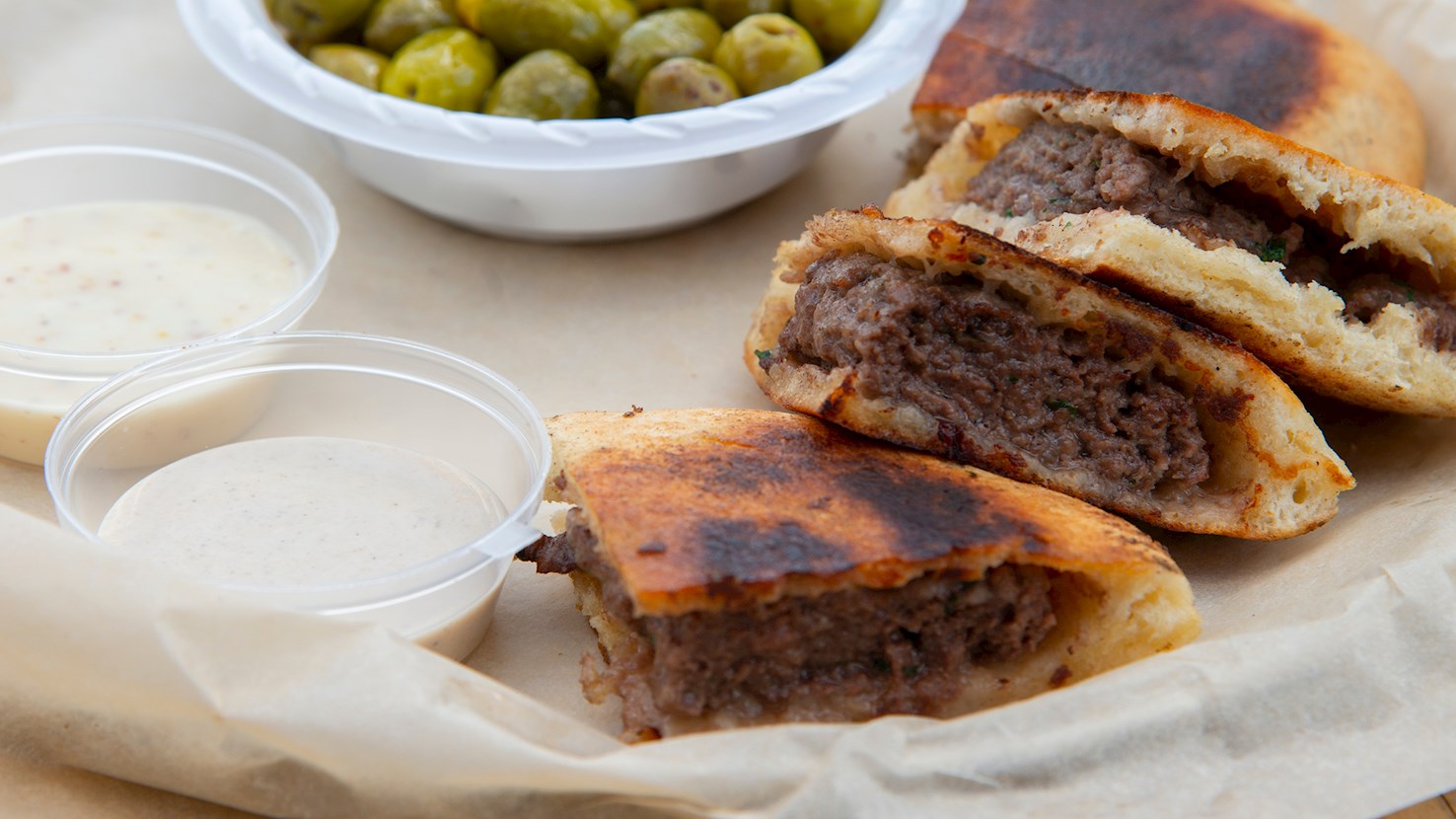
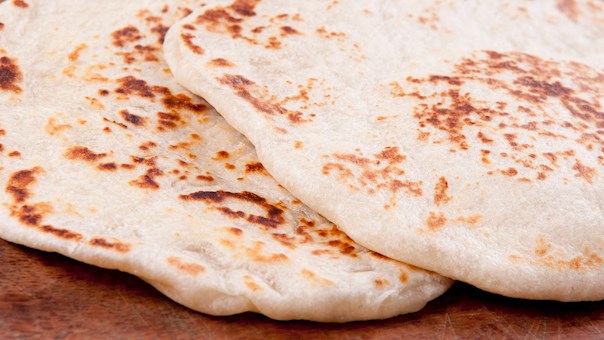
Arayes, translated from Arabic as brides, is a convenient snack consisting of pita bread filled with a mixture of minced meat that is seasoned and enriched with garlic, onions, and tomatoes. The bread is typically cut in quarters and then spread with lamb or beef before it is coated in olive oil and baked, pan-fried, or grilled until crisp. The dish can be served as a snack or a main course, preferably with yogurt and olives on the side. The origin of the arayes is disputed, but the variations are found throughout Middle East, Levant, and some Arabic countries.
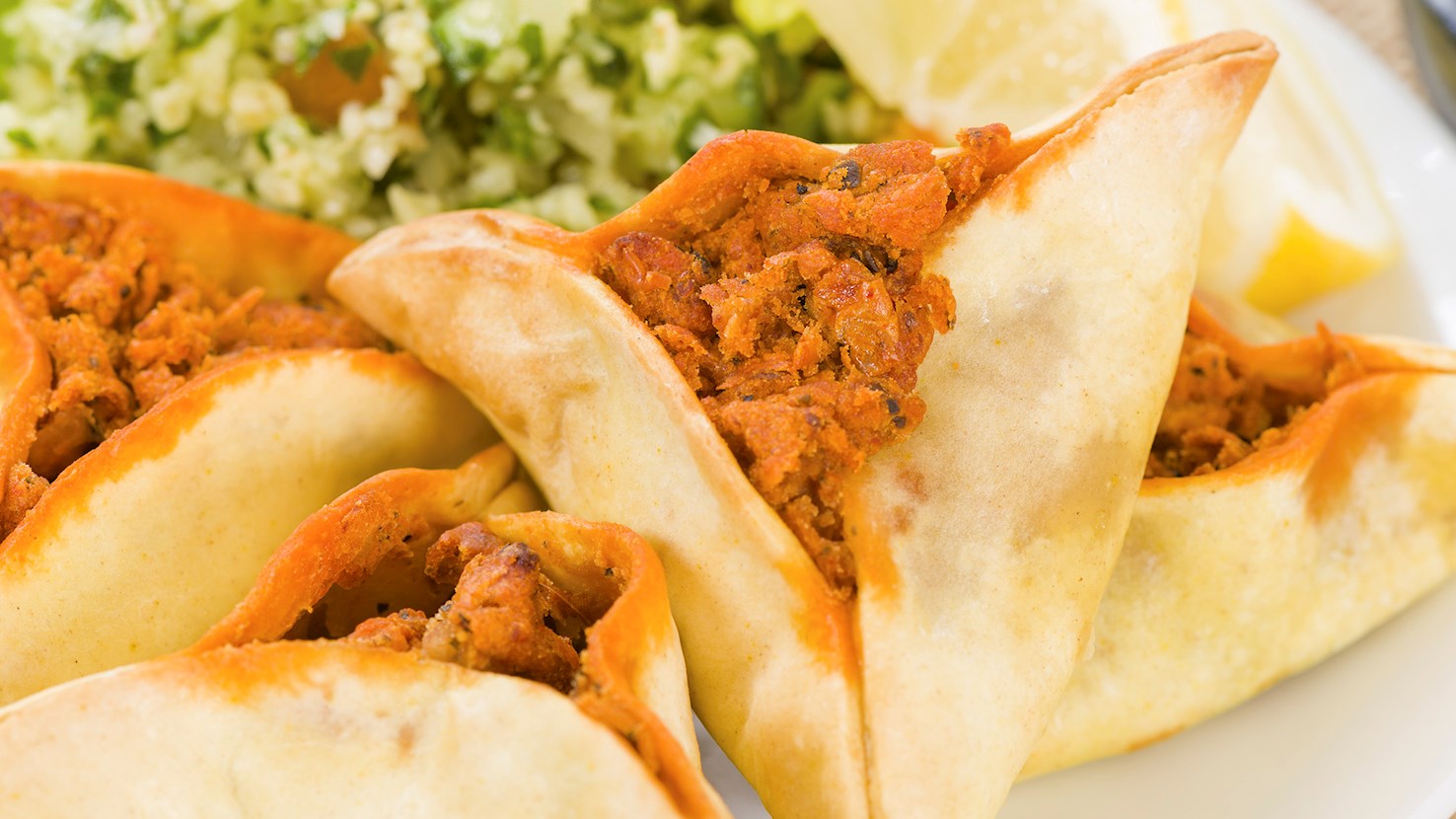
Fatayer is an Arabic specialty consisting of pockets of dough that are filled with a variety of ingredients: spinach, cheeses such as halloumi or feta, meat such as chicken, beef, or lamb, potatoes, or soft Arabic yogurt-based cheeses. The dish can be baked or fried and is commonly consumed as a snack or a light lunch. It is still unknown who invented fatayer, as the Lebanese, Syrians, Egyptians, and Palestinians all claim the dish as their own. Today, these turnovers are popular throughout the Arab region, with numerous regional varieties and different fillings.
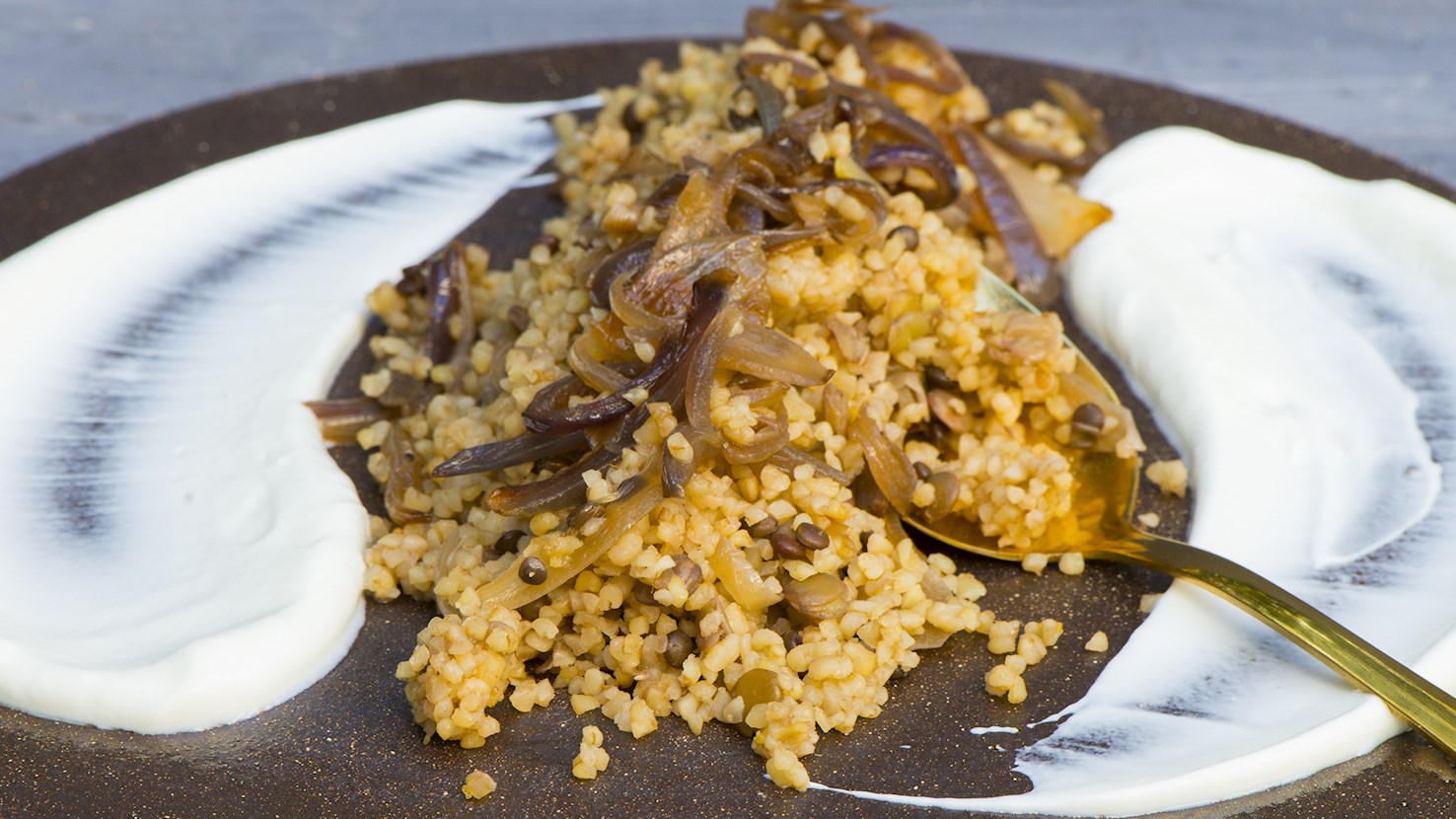
Mujaddara is a staple dish in Middle Eastern cuisine, widely enjoyed across countries such as Iraq, Lebanon, Syria, Palestine, and Jordan. It consists primarily of lentils and rice or bulgur, combined with caramelized onions that lend the dish a deep, savory flavor and a pleasing texture contrast. This dish has roots extending back to ancient times when legumes and grains formed the dietary backbone of many communities. Over generations, mujaddara evolved as a nourishing meal that is both affordable and filling. The method of slow-cooking lentils and rice together allows their flavors to meld naturally, while the golden, fried onions add a rich, slightly sweet counterpoint. The dish’s name, derived from Arabic, translates roughly to “pockmarked,” referring to the appearance lentils create in the grain. Preparation involves rinsing lentils and rice before cooking them in broth or water until tender. Meanwhile, onions are sliced thin and fried slowly to achieve a crisp, caramelized exterior. The onions are then either mixed into the lentil and rice mixture or served on top as a garnish, along with optional additions like yogurt or fresh herbs. Mujaddara is served warm or at room temperature and is often accompanied by side dishes such as pickles, salad, or a drizzle of olive oil.
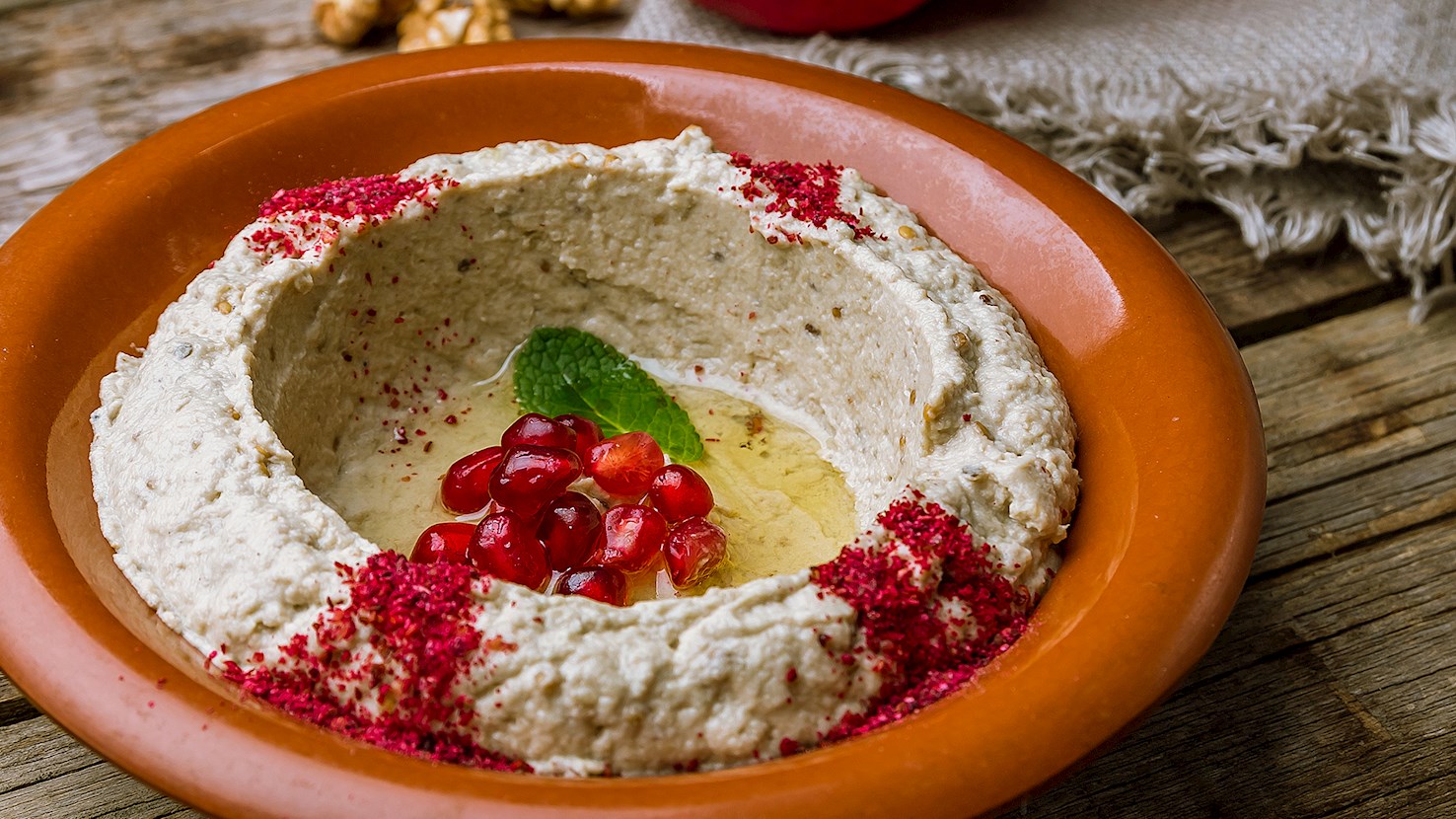
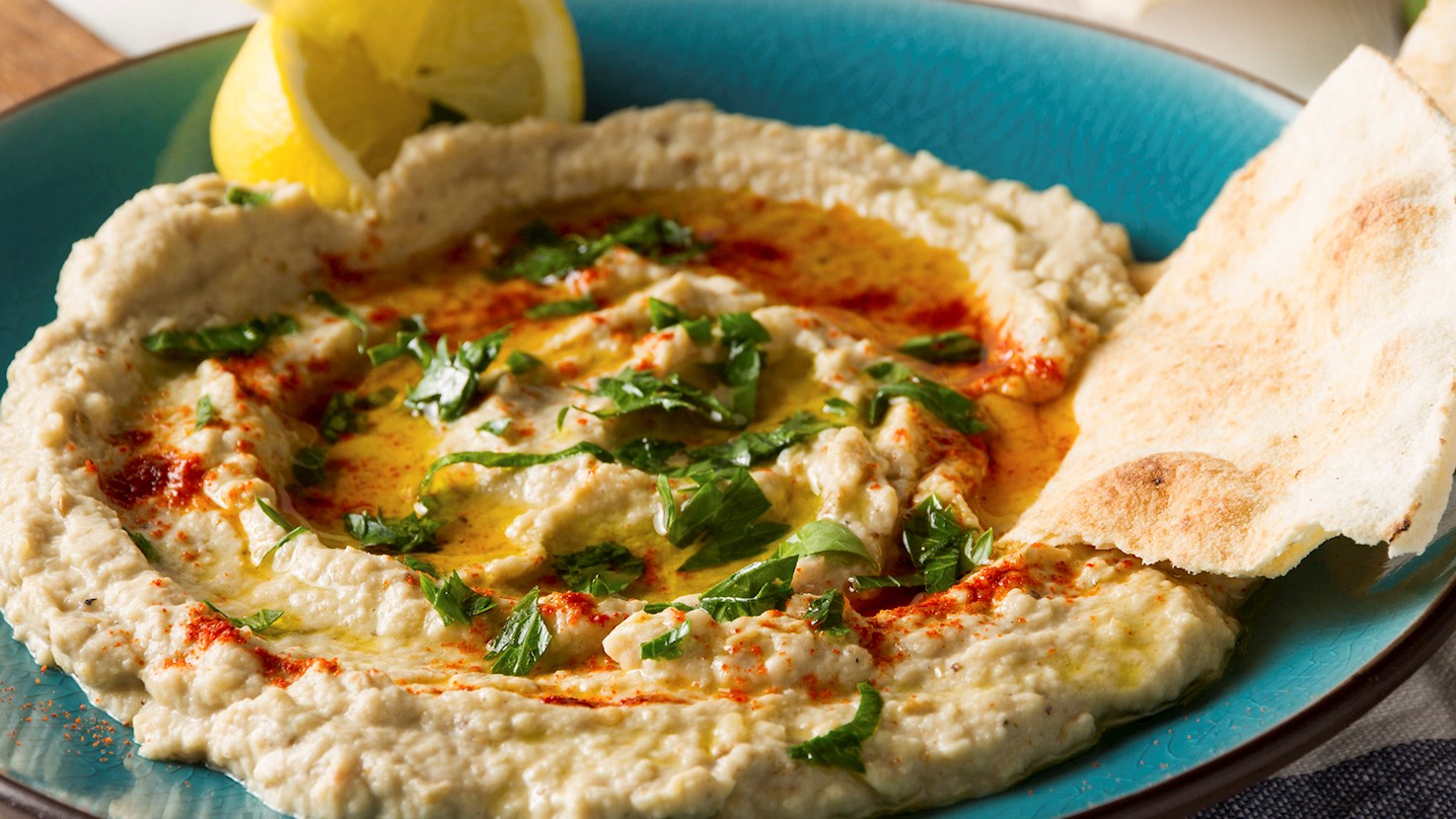
Baba ghanoush is a cold eggplant-based spread originating from the Levant, widely prepared and consumed in countries such as Lebanon, Syria, Jordan and Palestine, made primarily from cooked eggplant combined with tahini, lemon juice, garlic, and olive oil to form a smooth or lightly textured paste. Its emergence is tied to the long-standing cultivation of eggplant in the eastern Mediterranean and the parallel development of sesame-based condiments, with medieval Arabic cookery texts describing mashed or puréed eggplant dishes seasoned with acids and fats, indicating a settled place in regional cuisines by the early Islamic period as cooking techniques such as open-fire roasting became common in domestic kitchens. Its name comes from the Arabic phrase baba gannuj, where baba means father or daddy, and gannuj means pampered or spoiled, referring to a supposed invention of baba ghanoush by a member of a royal harem. Preparation begins with whole eggplants roasted directly over flame or in ovens until the flesh softens and absorbs smoke, after which the skin is removed and the pulp drained to control moisture before being mixed with tahini, lemon juice, salt, and garlic, producing a balance between bitterness, acidity, and fat, and the spread is usually finished with olive oil and sometimes garnished with parsley or pomegranate seeds depending on local preference. A defining characteristic of baba ghanoush is the use of smoke from direct heat rather than added spices to create depth of flavor, and its composition relies on emulsification between eggplant fibers and sesame paste rather than dairy or starch for body. Baba ghanoush is eaten throughout the Levant and beyond as part of mixed appetizer spreads, served with flatbreads such as pita or saj, alongside raw vegetables or grilled meats, and it pairs well with dry white wines, light-bodied reds, anise-based spirits diluted with water, or non-alcoholic options like mint tea and sparkling water that complement its acidity and richness without overpowering its flavor.
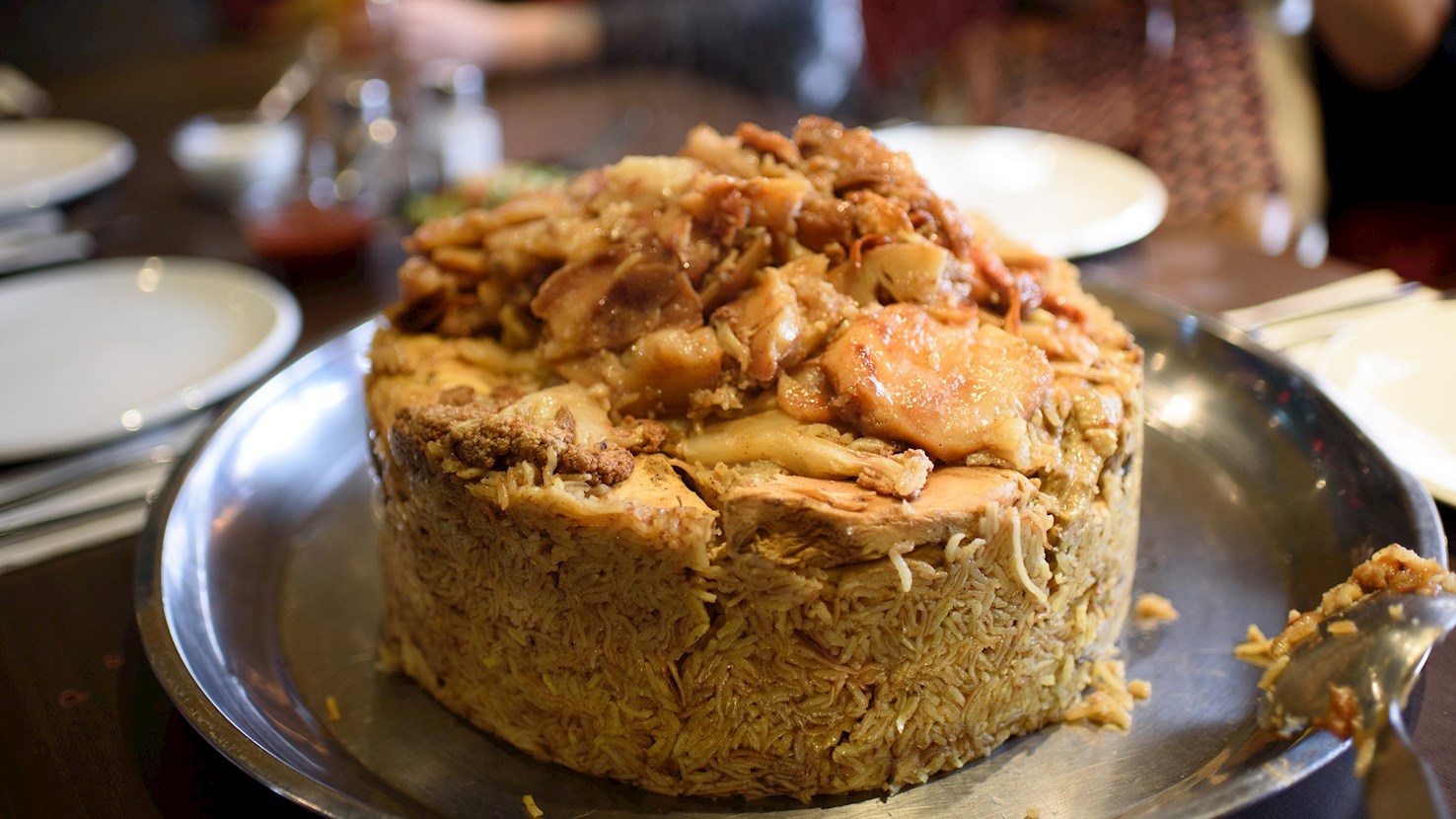
Maqluba is a one-pot rice dish from the Levant, especially popular in Palestine, Jordan, Syria, and Iraq, whose name means “upside-down” in Arabic. It is built from layers of rice, meat such as chicken or lamb, and fried vegetables, usually eggplant, cauliflower, or potatoes, all cooked together in a single pot and then flipped onto a serving platter so that the ingredients form a structured, layered cake. The inversion is its defining feature, giving it both its name and its striking appearance. The dish reflects centuries of Levantine cooking practices, where rice, meat, and vegetables were often cooked together for both sustenance and efficiency. Over time, cooks developed a method that not only maximized flavor but also gave the meal a distinctive presentation. The practice of turning the pot upside down and serving it intact became associated with family gatherings and communal tables, and recipes began to vary from one household to another. Some families preferred lamb for its richness, others chicken for its lighter flavor, while the selection of vegetables depended on the season and local produce. To prepare maqluba, the meat is first cooked with onions and spices, often including cinnamon, cardamom, and allspice, which infuse the broth that later cooks the rice. Vegetables are sliced and fried until golden, then layered at the bottom of a large pot, followed by the meat and then the rice. The cooking liquid, usually the seasoned broth from the meat, is poured over the layers, and the pot is left to cook gently until the rice is tender and has absorbed all the flavors. When finished, the pot is rested briefly before being inverted onto a large platter, revealing the colorful strata of vegetables and meat beneath the rice topping. Maqluba is eaten widely across the Levant, served as a centerpiece dish for gatherings, family meals, and festive occasions. It pairs well with simple accompaniments such as yogurt or a fresh cucumber-tomato salad, which provide a cooling contrast to the warm spices and hearty layers of the dish.
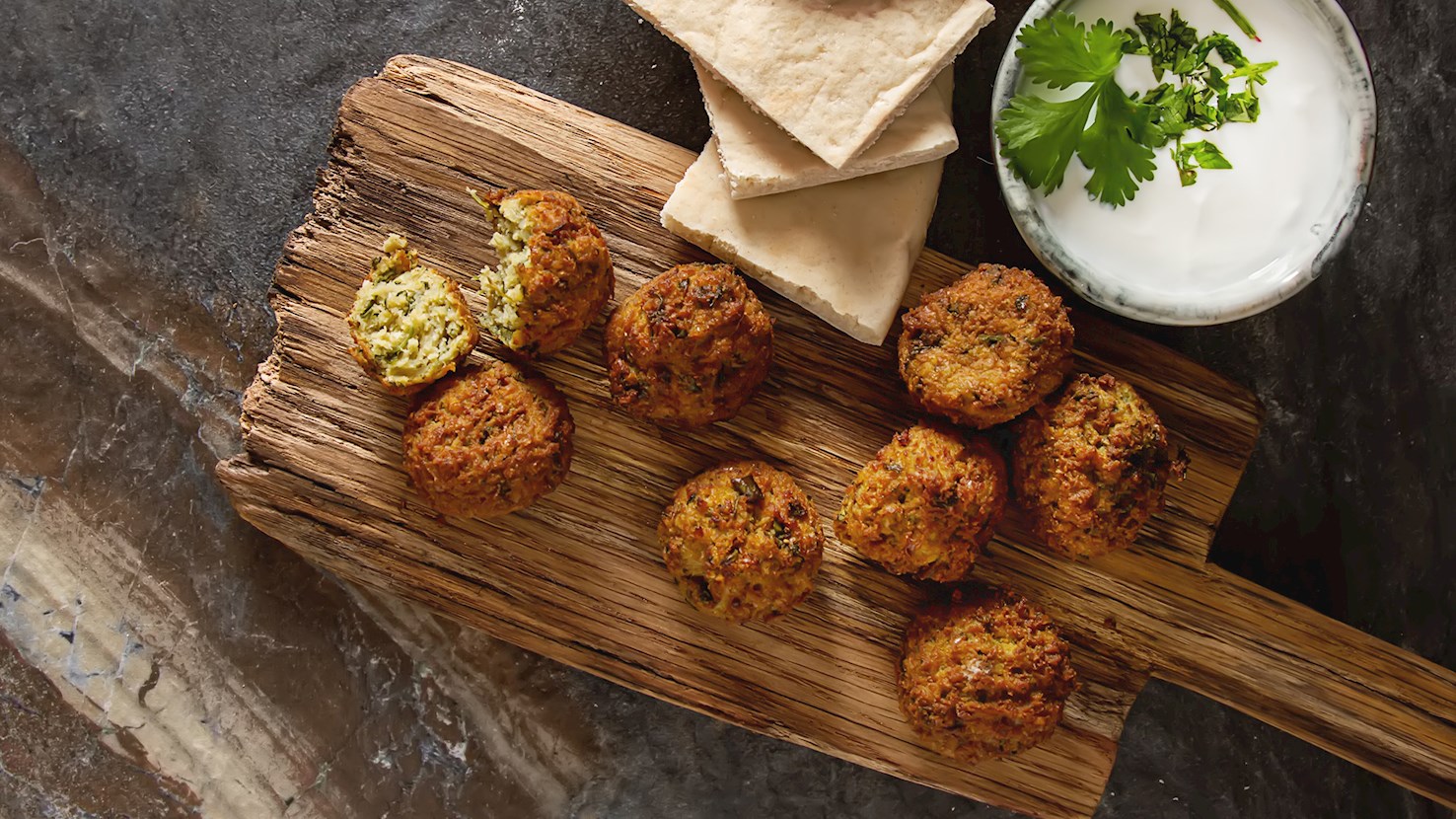
Falafel is a deep-fried food made from ground legumes, most commonly chickpeas or fava beans, and is widely eaten across the Middle East and North Africa. It is shaped into balls or patties and seasoned with herbs, onions, and spices such as cumin, coriander, and garlic. Falafel is recognized as one of the most characteristic foods of Levantine and Egyptian cuisines, commonly served in pita bread or flatbreads with salads, pickles, and tahini-based sauces. Its presence extends beyond the Middle East, having become a common street food and vegetarian option in many parts of the world. Falafel is believed to have originated in Egypt, where it was first made from fava beans and known as ta’amiya. The dish spread north through trade and migration, especially during the 20th century, and chickpeas became the preferred ingredient in Levantine regions such as Lebanon, Syria, and Palestine. Its popularity grew because it was inexpensive, nutritious, and could be prepared in large quantities, making it suitable for both home and commercial cooking. Over time, regional variations developed, with differences in texture, spice levels, and serving style. In Egypt, falafel tends to be greener and softer, while in the Levant, chickpea-based versions are denser and crispier. Preparation begins by soaking dried chickpeas or fava beans overnight, then draining and grinding them with onions, garlic, fresh herbs like parsley or cilantro, and spices. The mixture is formed into small balls or disks, often with a pinch of baking soda to ensure lightness. They are deep-fried in hot oil until golden brown and crisp on the outside while remaining moist inside. The cooking process requires precise oil temperature to achieve the right balance of texture and color without excessive oil absorption. In modern kitchens, falafel may also be baked or air-fried, though frying remains the most common method. It is served in many ways, most often in pita or laffa bread with lettuce, tomato, cucumber, pickled vegetables, tahini sauce, and sometimes hummus or yogurt sauce. In Egypt, it is commonly eaten at breakfast, while in the Levant, it is served throughout the day as a snack or meal. The dish is particularly popular among vegetarians and vegans, as it provides a high-protein option free from animal products. Falafel pairs well with beverages that balance its fried texture and spices, such as mint tea, lemonade, or yogurt drinks like ayran or laban. In Middle Eastern eateries, it is often accompanied by fries, tabbouleh, or baba ghanoush, forming part of a broader mezze spread. Across different regions, falafel maintains its core identity as a flavorful, plant-based dish prepared with skill and precision, reflecting the regional diversity and shared culinary heritage of the Middle East.
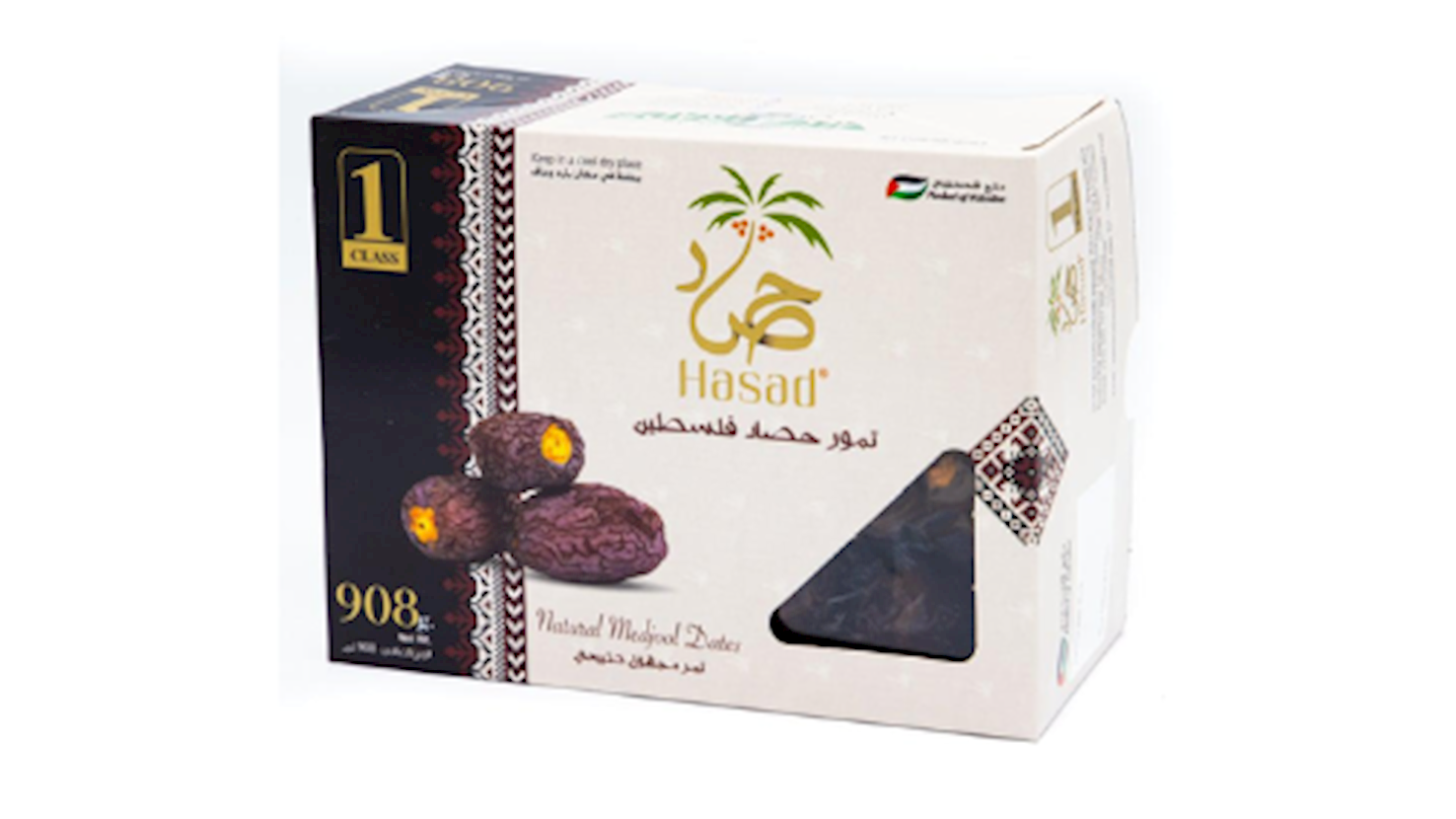
Hasad Dates is a Palestinian company specializing in the cultivation, processing, and export of Medjoul dates, located near Jericho, in the fertile Jordan Valley. This region, known for its unique microclimate and rich soil, provides ideal conditions for producing dates of exceptional quality.
Hasad has established itself as one of the most modern producers in Palestine, operating a state-of-the-art sorting and packaging facility with a capacity of up to 4 tons per hour, spanning approximately 3,000 m². The company employs over 150 workers, contributing to the local economy and the development of rural communities.
Combining advanced technology with traditional cultivation methods, Hasad ensures products that meet the highest international quality standards. Each date is carefully sorted by size, color, and texture, and only freshwater irrigation is used for the palms, guaranteeing a natural flavor and high purity.
The brand has become a symbol of the “golden Palestinian date”, merging authentic origin, technological precision, and the distinctive taste of the Jordan Valley. Its visual identity - marked by gold and deep earthy tones - reflects both luxury and tradition.
Hasad Dates now exports to several markets across the Middle East and Europe, strengthening Palestine’s image as a source of premium agricultural products. The company’s philosophy unites meticulous craftsmanship, exceptional quality, and a deep sense of responsibility toward the community and the environment.
Palestine Gardens is a leading Palestinian company specializing in the cultivation, processing, and export of Medjoul dates, founded in 2007 as part of the Sinokrot Holding group. Its headquarters and production facilities are located near Jericho, in the heart of the Jordan Valley, an area renowned for its unique climate that allows for the cultivation of dates of exceptional quality.
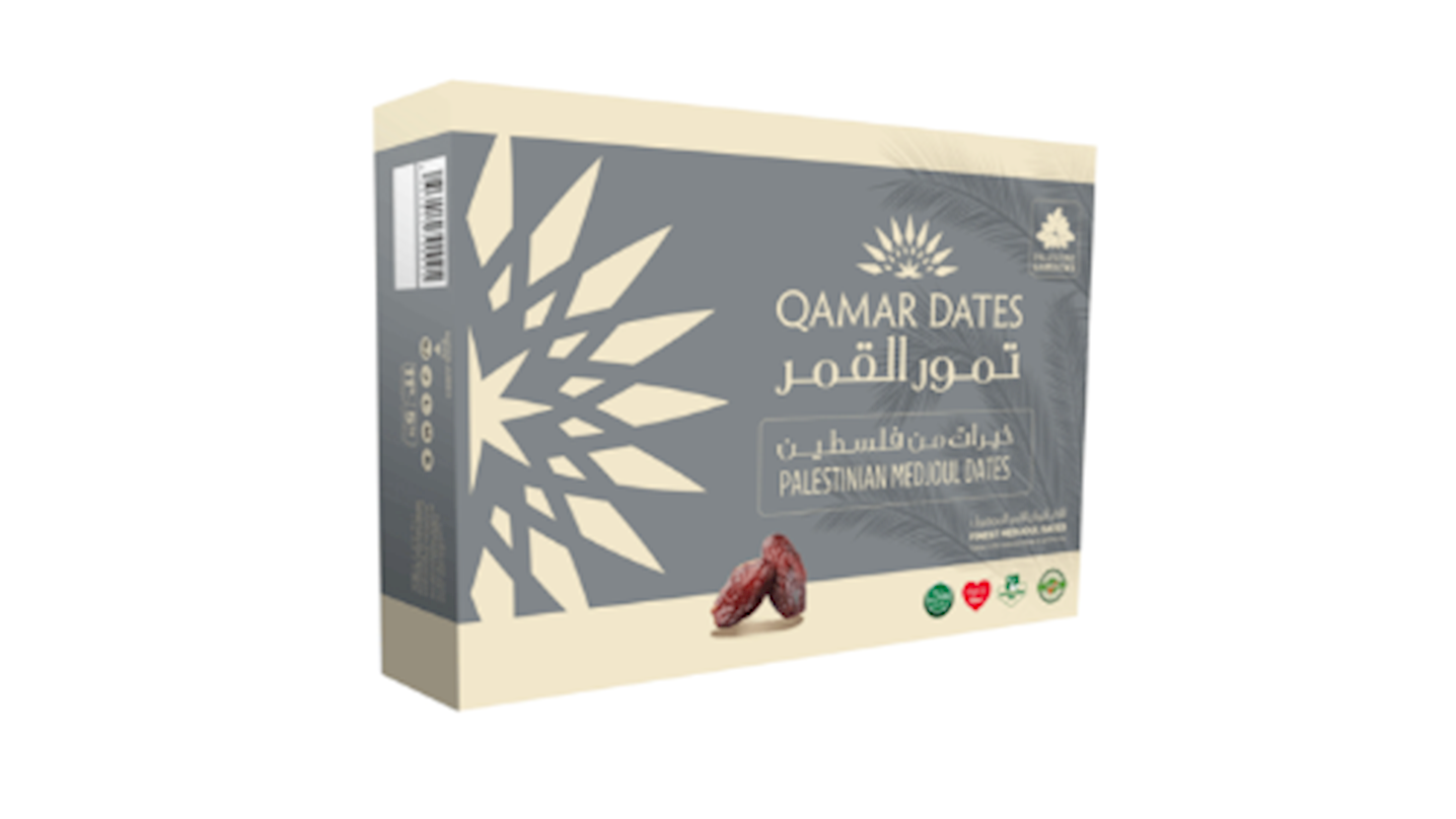
The company oversees the entire production process - from palm plantations covering more than 300 hectares to a modern sorting and packaging facility spanning 4,200 m². Its product range includes several brands that differ in market positioning and packaging, yet share the same identity of high quality and authentic origin.
Palestine Gardens exports to more than 20 countries, including European and Middle Eastern markets, making it one of the most prominent exporters of Medjoul dates from Palestine. Through a combination of tradition and technology, the company successfully bridges local heritage with global market standards.
Today, its dates stand as a symbol of Palestinian agricultural excellence and genuine gastronomic authenticity.
TasteAtlas food rankings are based on the ratings of the TasteAtlas audience, with a series of mechanisms that recognize real users and that ignore bot,
nationalist or local patriotic ratings, and give additional value to the ratings of users that the system recognizes as knowledgeable.
For the “Top 30 Palestinian Foods” list until September 23, 2026, 11,390 ratings were recorded, of which 4,286 were recognized by the system as legitimate.
TasteAtlas Rankings should not be seen as the final global conclusion about food. Their purpose is to promote excellent local foods,
instill pride in traditional dishes, and arouse curiosity about dishes you haven’t tried.
The initial list of top producers was compiled based on available reviews, awards, local recommendations, media and blog coverage, and consumer reviews.
The list will be updated with ratings from TasteAtlas local ambassadors and TasteAtlas users.





What People Say