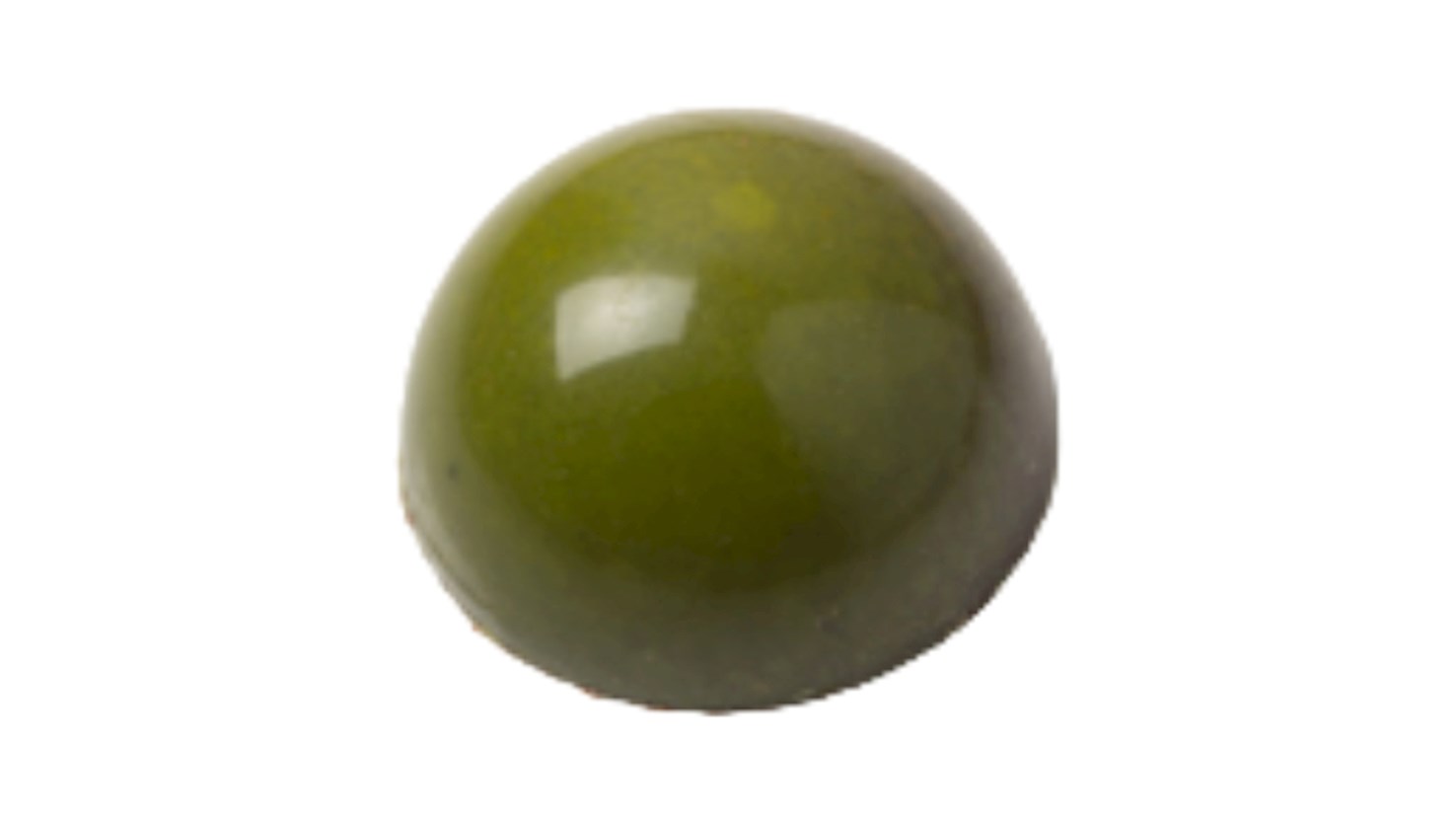
Delaveaux Chocolatier is a premium chocolate maker renowned for handcrafted pralines and chocolate specialties. This chocolatier combines traditional production techniques with a modern approach, using high-quality ingredients to create rich and innovative flavors.
They emphasize aesthetics, authenticity, and intense chocolate experiences.
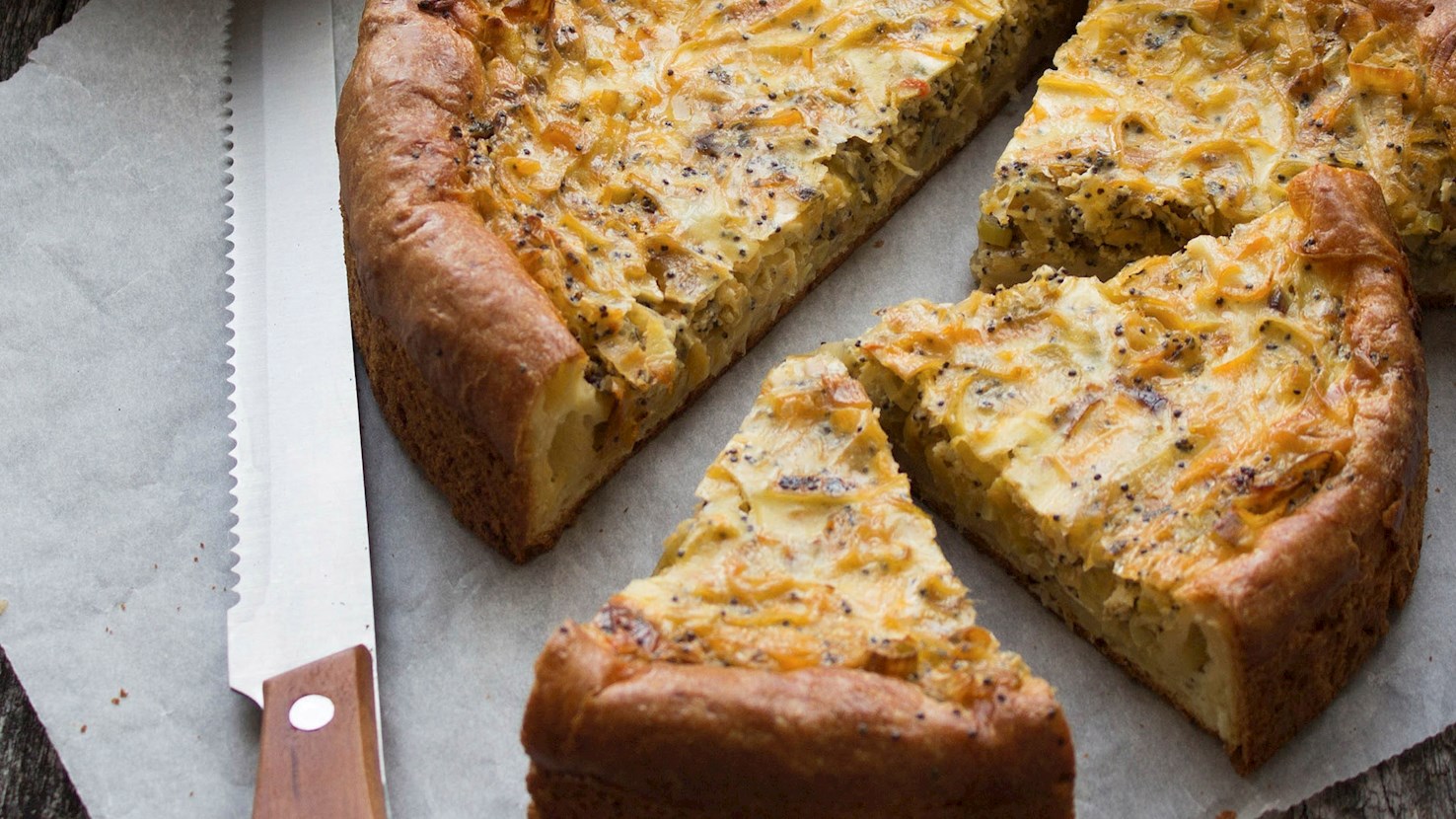
Flamiche is a traditional pie that is filled with chopped leeks, a small amount of butter, and either milk or crème fraîche. The dish has origins in the French region of Picardy, and it is considered the Picardy equivalent of the popular quiche Lorraine. The first known recipe dates back to the late 18th century, and it has been found in a French soldier's notebook. Today, there are numerous variations of flamiche, with added cheese, nutmeg, bacon, and different vegetables. Flamiche can sometimes be used as an accompaniment to heavier meat dishes.
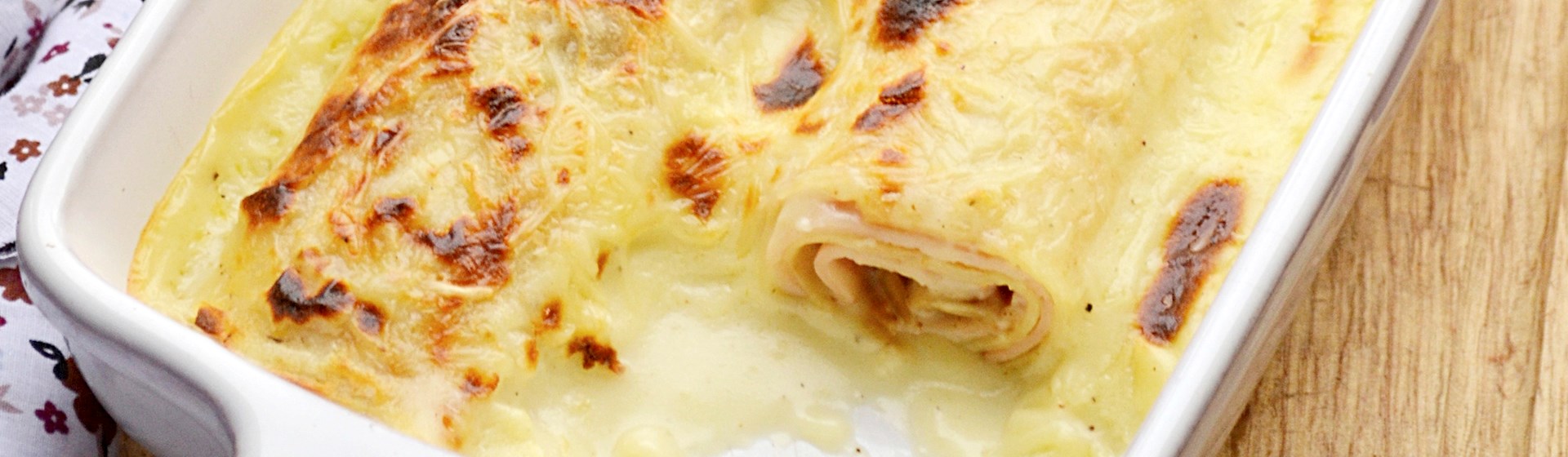
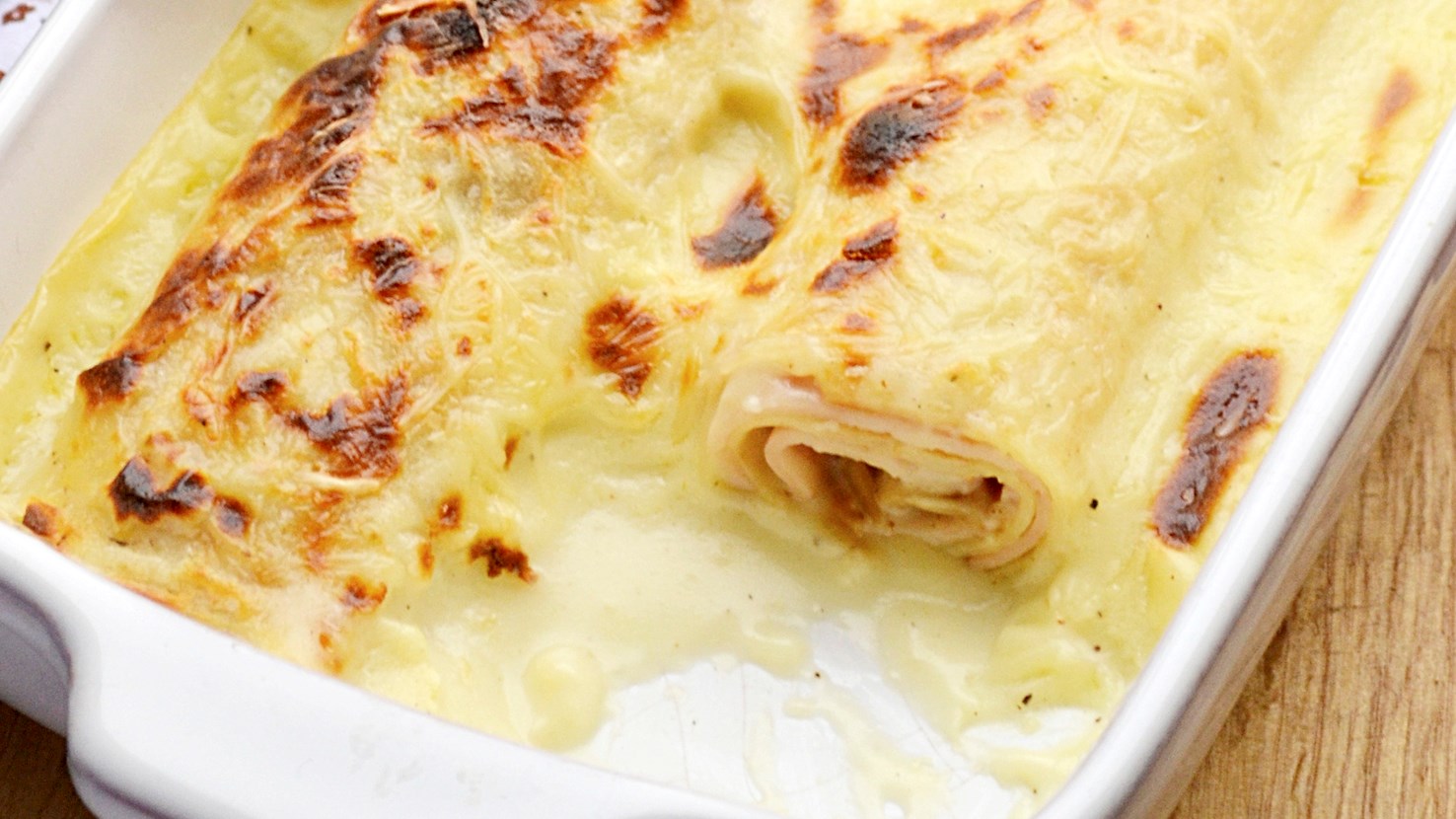
Ficelle picarde or Picardy string is a traditional dish from the French region of Picardy, a simple and easy entrée that can be found on the menus of numerous restaurants across northern France. The dish consists of a savory pancake that is filled with ham, cheese, and mushrooms. The pancake is often topped with grated cheese, and it is sometimes baked in the oven. Although it is a representative of the Picardy region, it was actually invented in the city of Amiens in the 1950s, when it was served to notable locals attending the Hotoie Exhibition. Amiens' leading chefs had to invent new, imaginative dishes for the event, and as a result, a chef named Marcel Lefévre created the ficelle picarde.
Baguette Laonnaise is a French cheese originating from the town of Laon. This semi-soft cheese is made from pasteurized cow's milk, either at creameries or industrially. Underneath its washed rind, the texture is supple and open. The cheese is shaped into a brick or a baguette, and it's usually left to age for 3 to 4 months. The aromas are pungent, while the flavor is spicy and similar to Maroilles, and as it ages, it becomes sharper. It's recommended to pair Baguette Laonnaise with a glass of Riesling on the side.
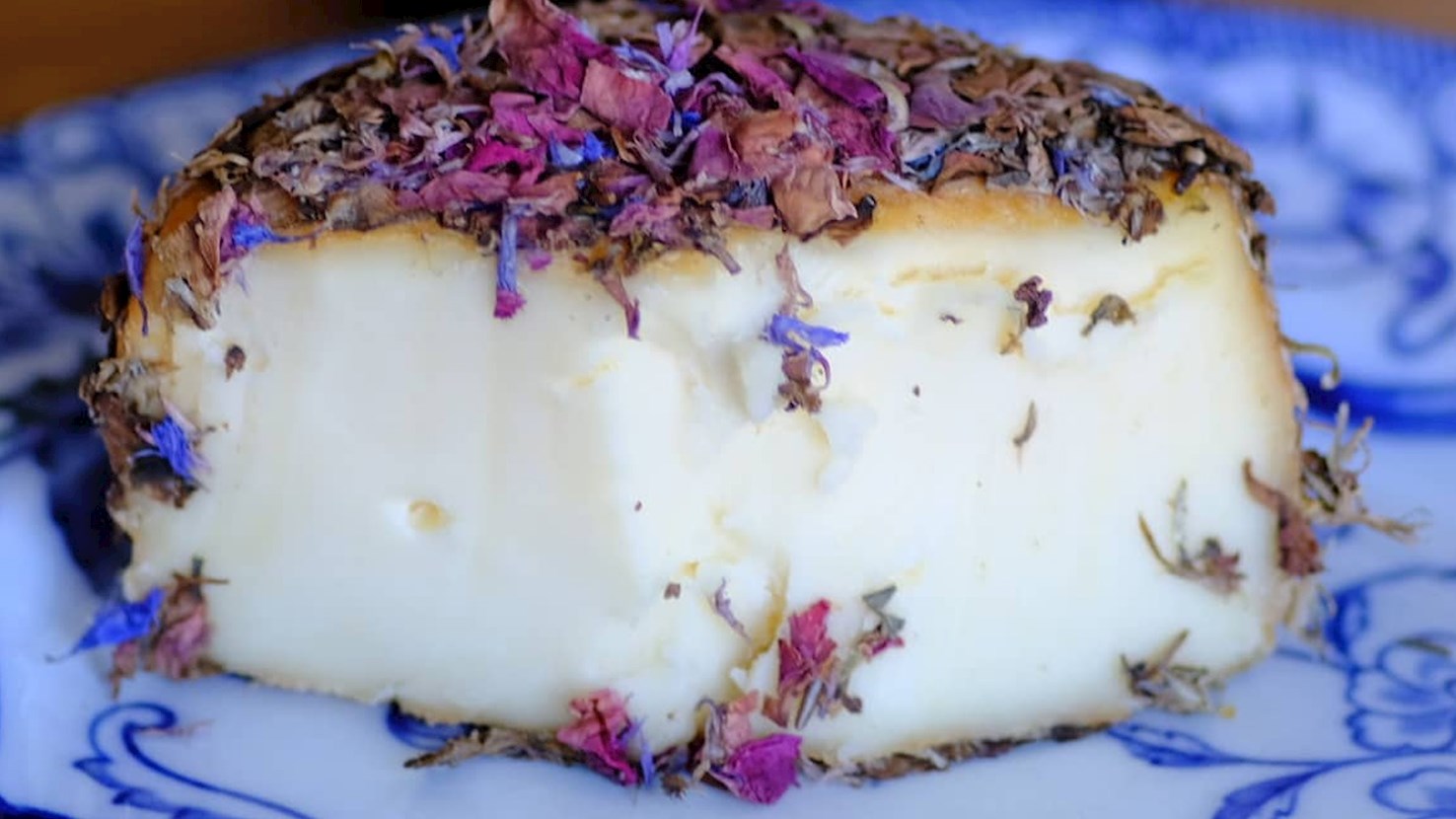
Abbaye de Belval is a traditional cheese that's also known as Belval or Le Trappiste de Belval. The cheese is produced in the region of Picardy by Trappist sisters and it's made from raw cow's milk. Belval matures for 60 days in the abbey cellars. This semi-soft cheese and has a golden and glossy washed rind. Underneath it, the body is ivory white in color and elastic. The aromas are subtle and light. Apart from the basic Le Belval Nature that's washed in a simple brine, there are also Le Belval Bière Blonde, washed in blonde ale, and Le Belval Bière Brune, washed in brown ale. It's recommended to pair the cheeses with light and fruity reds or full-bodied red wines.
Rollot is a French cheese hailing from the eponymous commune in the Somme department in Picardy. The semi-soft cheese is made from cow's milk and ages from 6 to 8 weeks. It's usually round, but in recent years the factory-produced versions have also been molded into a heart shape. The rind is washed, while the texture is firm, yet tender and sticky. The aromas are yeasty and fruity, and the flavors are strong, spicy, salty, and bitter. It's recommended to serve it with fruity wines such as Savigny-les-Beaune and Saint-Emilition.
Pâté de canard d'Amiens is a traditional, cold-served French pâté en croûte originating from the Picardy region, that has a distinctively sweet-and-savory forcemeat of duck, fatty pork jowl, and tart Reinette apples, all baked inside a sturdy, chimney-vented shortcrust pastry. The origins of this robust specialty are wrapped in local lore, with the most famous legend attributing its creation in 1643 to an imprisoned Amiens chef named Antoine Degand, who supposedly secured his freedom by baking a pie so magnificent it pleased both King Louis XIII and Cardinal Richelieu, eventually earning the culinary admiration of the prominent aristocrat Madame de Sévigné. While early iterations involved encasing a whole, bone-in stuffed bird directly into the dough, modern preparations demand meticulous deboning and a highly specific blend of ingredients. To construct the filling, the rich duck meat and its offal are coarsely ground alongside gorge de porc (pork jowl)—a heavy cut of pork fat essential for preventing the lean poultry from drying out—and mixed with minced shallots, earthy mushrooms or truffles, soft breadcrumbs bound with egg, diced local Reinette apples to cut the fat with a sharp acidity, and a heavy splash of Cognac. This spiced mixture is packed tightly into a traditional pâte brisée crust, crowned with a decorative pastry lid, and pierced with a central hole to vent steam during the long bake. Once it emerges from the oven, the pie undergoes the critical charcuterie step of slow cooling, during which a savory liquid jelly is continuously poured through the pastry chimney to fill the air pockets created as the meat shrinks. Sliced thick only after chilling completely—allowing the dense web of meat, fruit, fat, and aspic to set into a solid, cohesive mosaic—it is traditionally served cold alongside sharp cornichons, a bright, mustard-dressed green salad, and thick slices of crusty country bread.
Tarte à l’badrée is a cream-filled custard tart from Picardy. It is a flat tart with a base of shortcrust or risen dough and a creamy custard filling made from milk, eggs, sugar, flour or starch, crème fraîche, and vanilla, that can be enriched with fruit such as apples or prunes depending on the version. The dessert has been known in Picardy since at least the 16th century when custard-style tarts were prominent in local cuisine and it was served for family meals and festive occasions before gradually becoming less common in wider circulation. To make tarte à l’badrée, a dough of flour, sugar, butter, and sometimes yeast is prepared and pressed into a tart mold, then a rich custard mixture is made by heating milk with sugar and vanilla and blending it with eggs, flour or cornstarch and crème fraîche to create l’badré, which is poured into the crust and baked until the filling has lightly set and the edges of the pastry are lightly colored, with fruit like apples or prunes sometimes added on or beneath the custard before baking. Variations occur in the type of dough used, with some versions using a simple shortcrust while others use a risen dough, and in the inclusion of fruit such as sliced apples or prunes. Tarte à l’badrée is eaten at room temperature or slightly warm as a dessert or sweet course after meals and is commonly served plain or with coffee or tea, and it pairs well with light dessert wines or cider that complement the creamy custard and subtle sweetness of the filling
Rabotte picarde is a baked apple dessert from Picardy that is composed of whole peeled apples wrapped in a thin layer of pastry dough, baked until the fruit softens and the dough becomes lightly crisp. Its presence is tied to rural home cooking where apples were abundant and desserts relied on minimal ingredients, and it became associated with family meals and orchard harvest periods rather than festive pastry shops. Preparation begins by peeling and coring apples while keeping them whole, enclosing each apple completely in rolled pastry dough, placing them closely together in a buttered baking dish, and baking them slowly so the apples cook in their own juices while the dough seals moisture inside, with sugar added either before baking or lightly sprinkled afterward. Variations include differences in apple variety, slight adjustments in sugar levels, or the addition of vanilla or a splash of local alcohol. Rabotte picarde is eaten warm or at room temperature as a dessert, often served plain or with a light accompaniment such as cream, and it pairs well with black coffee, mild teas, or dry white wines.
Pavé de Corbie is a cookie from Corbie, that is either square or rectangular, made with hazelnut powder, honey, apple compote, sugar, and flour, giving it a nut-forward taste and a compact texture that holds its shape well. Its development dates to the early 2000s when pastry maker Alain Langlet in Corbie created the recipe by adapting the concept of macaron-style sweets from nearby Amiens, replacing almond powder with hazelnut and combining it with honey and fruit to produce a distinctly local confection. Preparation begins by mixing hazelnut powder with honey, apple compote, sugar, and flour into a cohesive dough; the dough is shaped into small rectangles or cubes and baked at moderate heat until set and lightly colored, with no glazing, filling, or icing, which allows the nut and fruit flavors to emerge clearly. Variations are generally limited to small changes in hazelnut proportion, the sweetness of the apple compote, or minor shape differences, while the defining characteristic remains the use of hazelnut as the primary ground nut ingredient rather than almond. Pavé de Corbie is eaten at room temperature as a snack or dessert, commonly served with coffee or tea, and it pairs well with hot beverages and lightly sweet wines that complement its gentle sweetness and nutty profile.
Gaufres d’Albert are dry waffles from Albert that are thin, rectangular or oval baked wafers, made from a simple batter of flour, eggs, sugar, butter, and milk. Their origin dates back to 1924, when a pastry maker named Saturnin Joachim from Guadeloupe settled in Albert and created a unique waffle recipe he sold from his shop opposite the basilica; after his retirement in 1957, the recipe was forgotten and later revived in 1998 when his children shared the method and a confraternity was formed to preserve and promote the specialty within the region. Preparation involves mixing eggs and sugar until smooth, adding melted butter and milk, then incorporating flour to form a thin batter that is cooked in a hot waffle iron until the wafers are dry and crisp rather than soft and thick, cooled fully to develop their brittle texture, and sometimes lightly dusted with sugar after baking. Variations are limited and mainly involve small differences in shape, thickness, or sugar content, while the defining feature remains the dry, crisp wafer form with no glaze, filling, or syrup applied. Gaufres d’Albert are eaten at room temperature as a snack or accompaniment to coffee and tea, and they pair well with hot beverages that balance their gentle sweetness and crisp texture without requiring additional spreads or sauces.
TasteAtlas food rankings are based on the ratings of the TasteAtlas audience, with a series of mechanisms that recognize real users and that ignore bot,
nationalist or local patriotic ratings, and give additional value to the ratings of users that the system recognizes as knowledgeable.
TasteAtlas Rankings should not be seen as the final global conclusion about food. Their purpose is to promote excellent local foods,
instill pride in traditional dishes, and arouse curiosity about dishes you haven’t tried.
The initial list of top producers was compiled based on available reviews, awards, local recommendations, media and blog coverage, and consumer reviews.
The list will be updated with ratings from TasteAtlas local ambassadors and TasteAtlas users.










What People Say