shutterstock

Top 61 Picto-Charentais Foods

Last updated on June 07, 2026

Best Picto-Charentais foods
01
Cheese

Buche de Chevre

4.1 ·

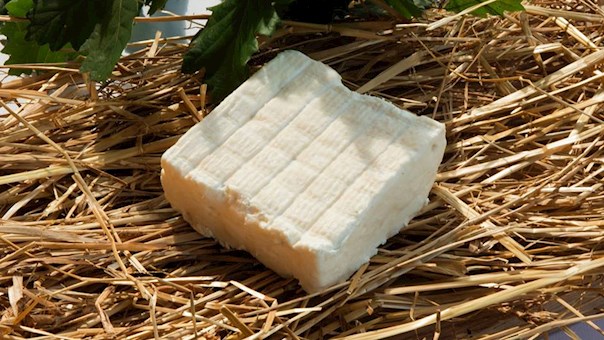
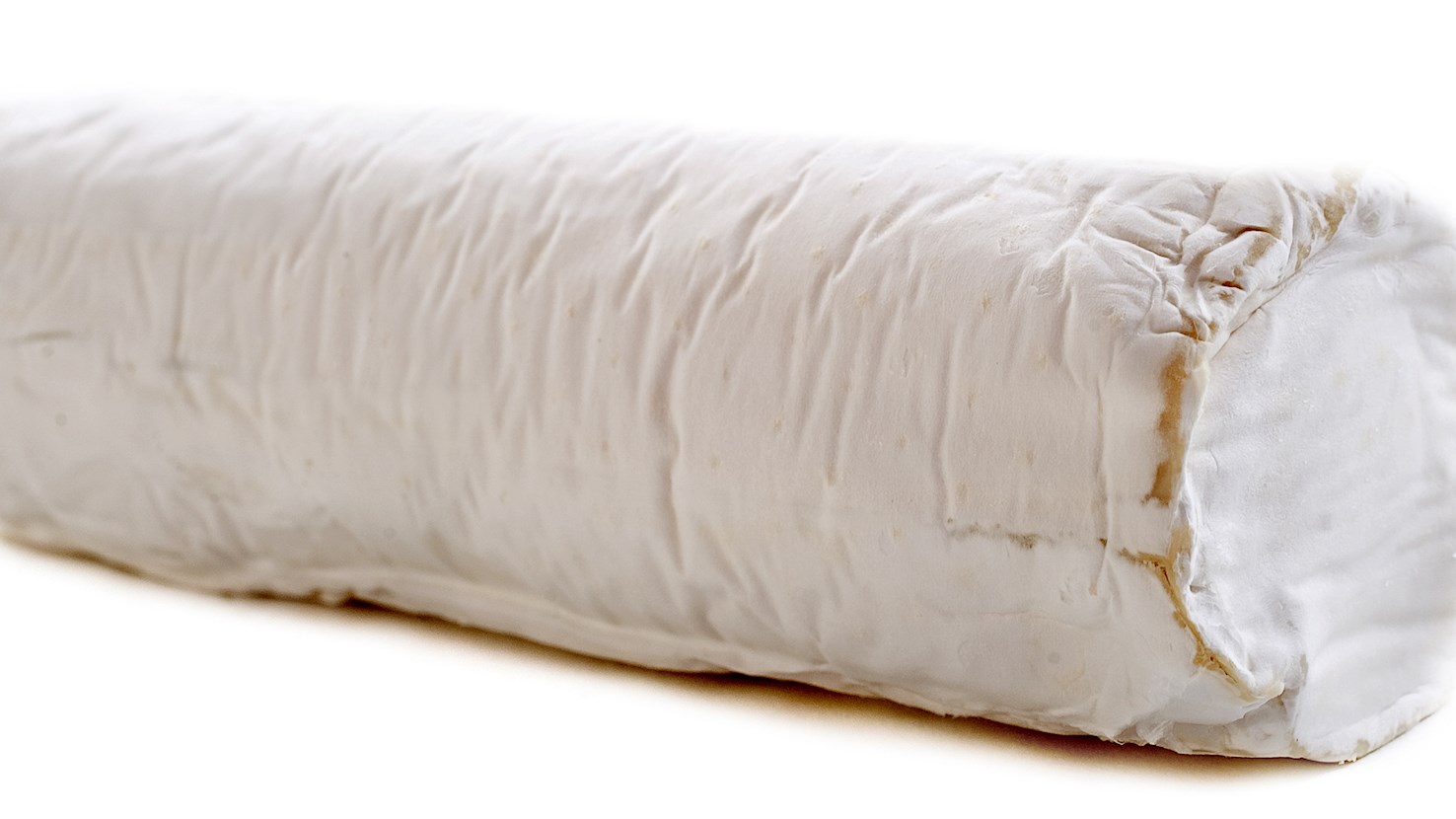
Buche de Chevre is a French cheese originating from the Poitou-Charentes region. Made from goat's milk, this soft cheese has a white color, bloomy rind, and a creamy, flaky texture. The flavors are tangy, earthy, and slightly sweet. The cheese is shaped into a log and it must mature for at least 7 days before consumption. It is recommended to serve Buche de Chevre with crusty baguettes, fruit, or honey. The cheese can also be used in salads and quiches. Pair it with a glass of robust red Bordeaux wine or a glass of crisp white wine from the Loire Valley.

02
Cheese

Chabichou du Poitou

3.7 ·

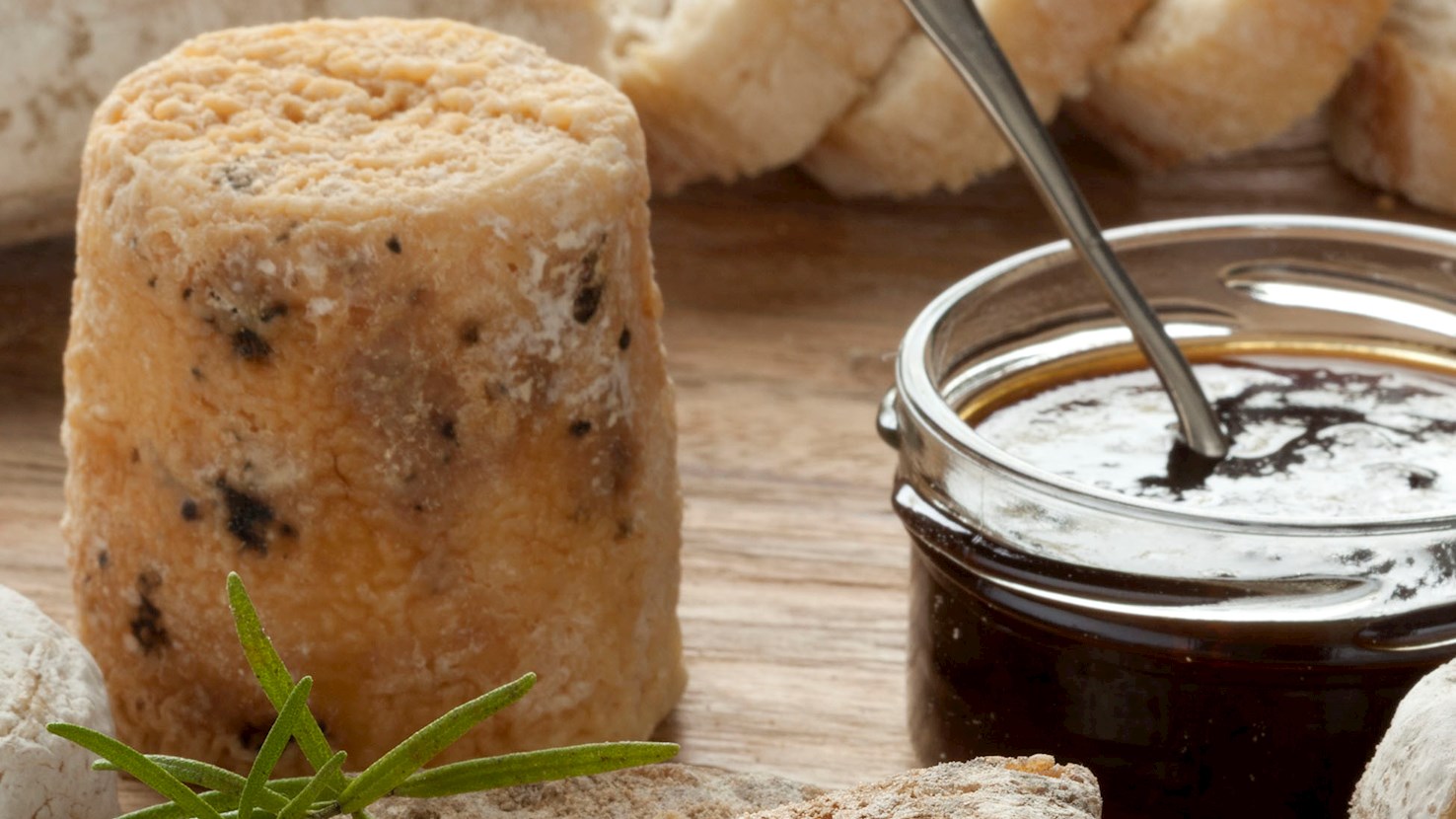
Chabichou du Poitou is a soft cheese made from full-fat goat's milk, with a characteristic appearance - it is shaped like a small cone called bonde, and it has a thin, wrinkled, white-grayish rind. It usually matures for 10-14 days before it's ready to be sold, but it can also mature for 5-6 weeks in order to develop a stronger taste. Its texture will become crumbly on the inside during the maturation process. Its taste is sweet, salty and tangy, similar to lemon zest when the cheese is young, or spicy and nutty when well-matured. Chabichou goes well with lighter, white wines, sparkling wines and beer, or with some drizzled honey as a dessert meal.

03
Cheese

Coeur de Chevre

3.4 ·

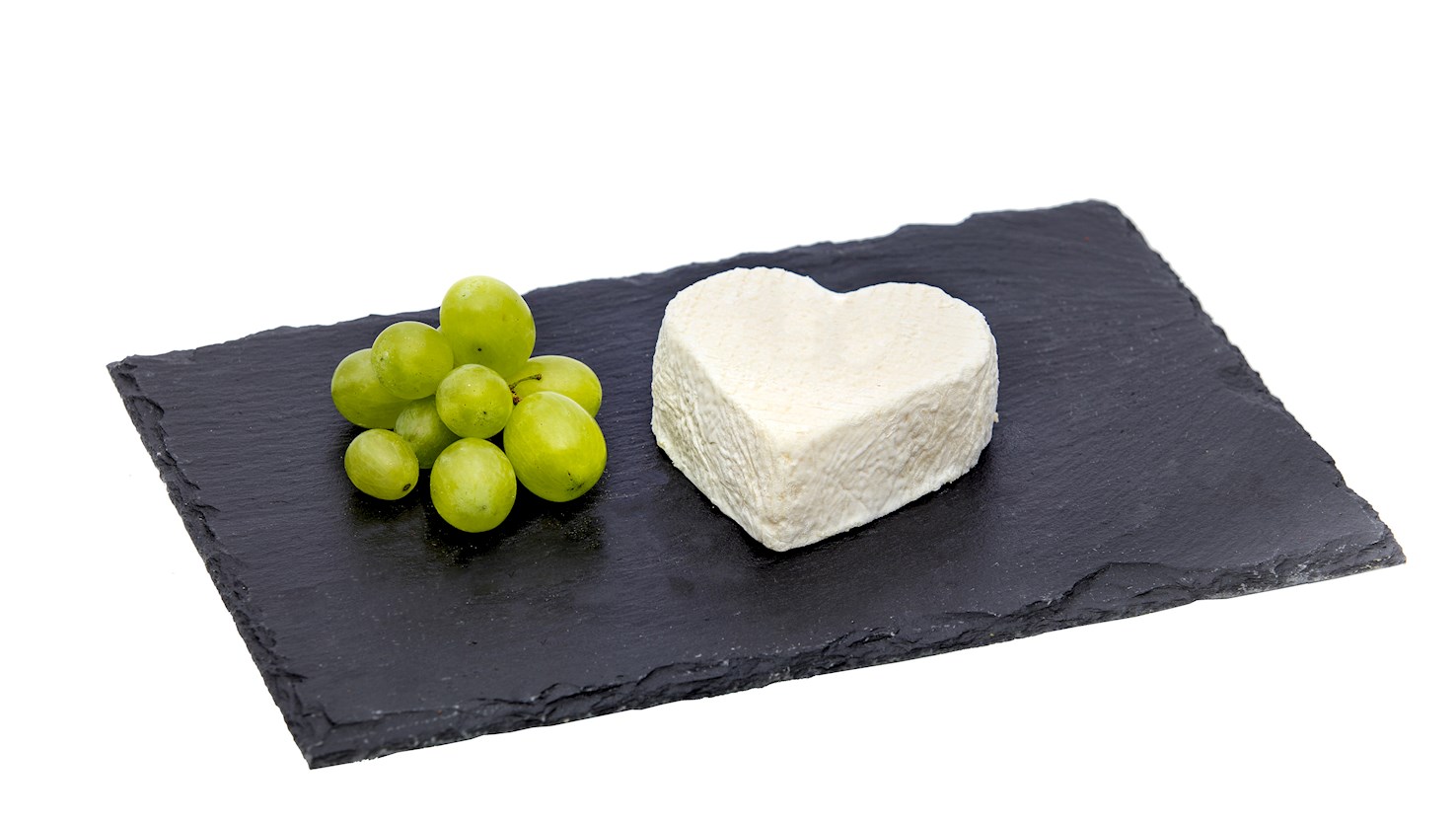
Coeur de Chevre is a French cheese made from raw milk of the poitevine goat breed. It's easily recognizable by its heart shape, which is left to ripen in cellars for 7 days after it's been molded by hand. The aromas are fresh and milky, the texture is creamy and smooth, melting in the mouth, while the flavors are salty and slightly spicy, becoming even more pronounced if the cheese is left to age for a few months. Coeur de Chevre is traditionally wrapped in chestnut leaves which hide the bloomy edible rind underneath. It's recommended to pair it with sparkling white wines or light and fruity reds such as Beaujolais.

04
Cheese

Mothais-sur-Feuille

3.4 ·

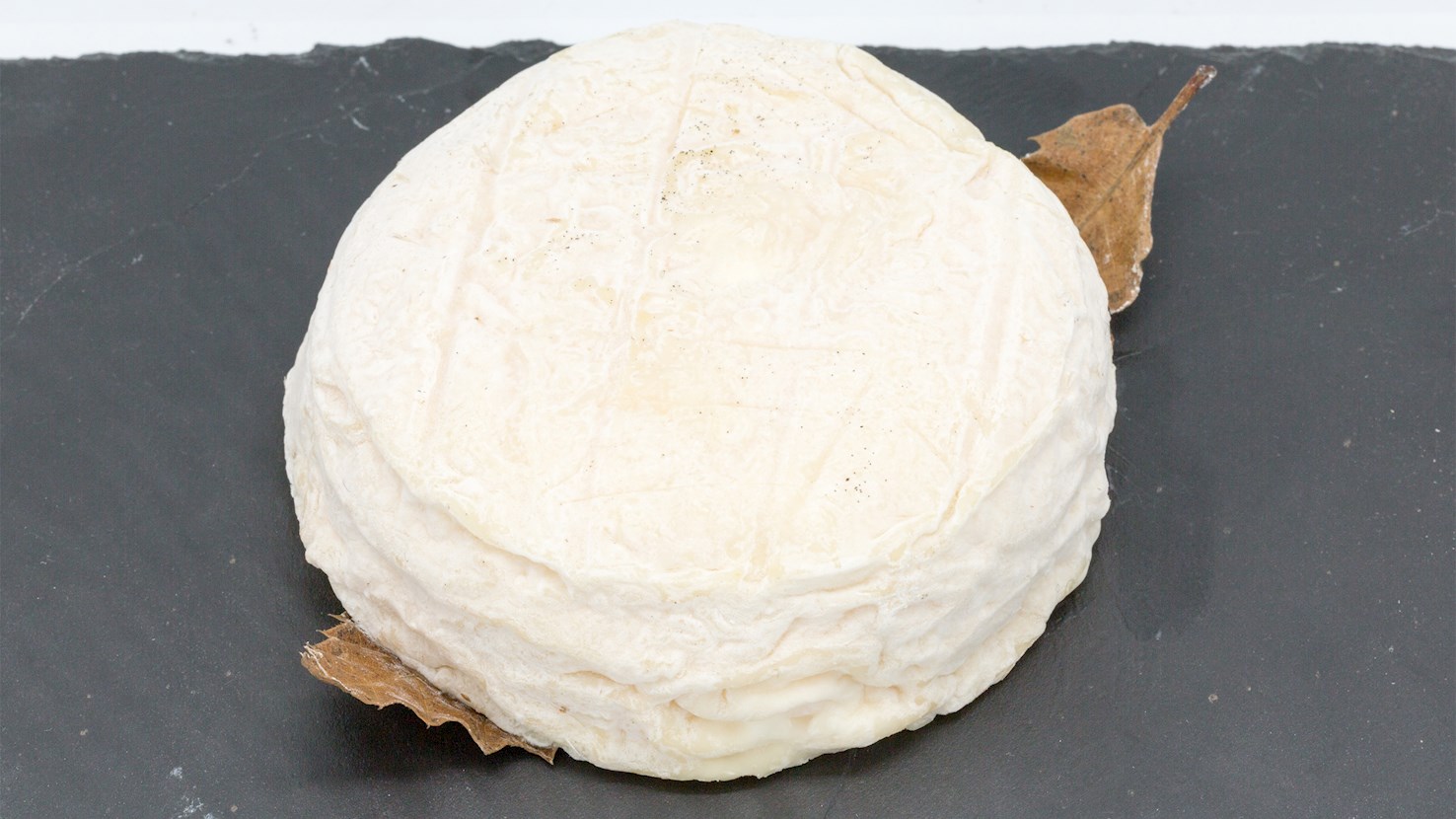
Mothais-sur-Feuille is a traditional cheese hailing from the Poitou-Charentes region. The cheese is made from raw goat's milk since the 19th century, and it's usually left to age for 2 weeks before consumption. Underneath its bloomy rind, the texture is supple, creamy, and dense. The aromas are light, moldy, and earthy, while the flavors are lemony and woody with a long and delicate aftertaste. As it ages in a room with high humidity, the cheese is placed on a chestnut leaf, and when fully mature the texture becomes runny. It's recommended to pair the cheese with full-bodied red wines from the region.

05
Cheesecake

Tourteau fromagé

n/a ·

Tourteau fromagé is a traditional pastry from the Poitou region in France, made with fresh goat cheese. Originating from the Pays Mellois, its name derives from "tourterie," meaning "cake" in the Poitevin dialect. Historically baked in rounded earthenware dishes, it features a distinctive blackened dome crust contrasting with a soft, creamy white interior. The filling is made with eggs, sugar, flour, fresh goat cheese, and a pinch of salt and is encased in shortcrust pastry. Traditionally enjoyed at weddings, it remains popular during Easter and other convivial gatherings.

06
Ground Meat Dish

Paté de Pâques

3.1 ·

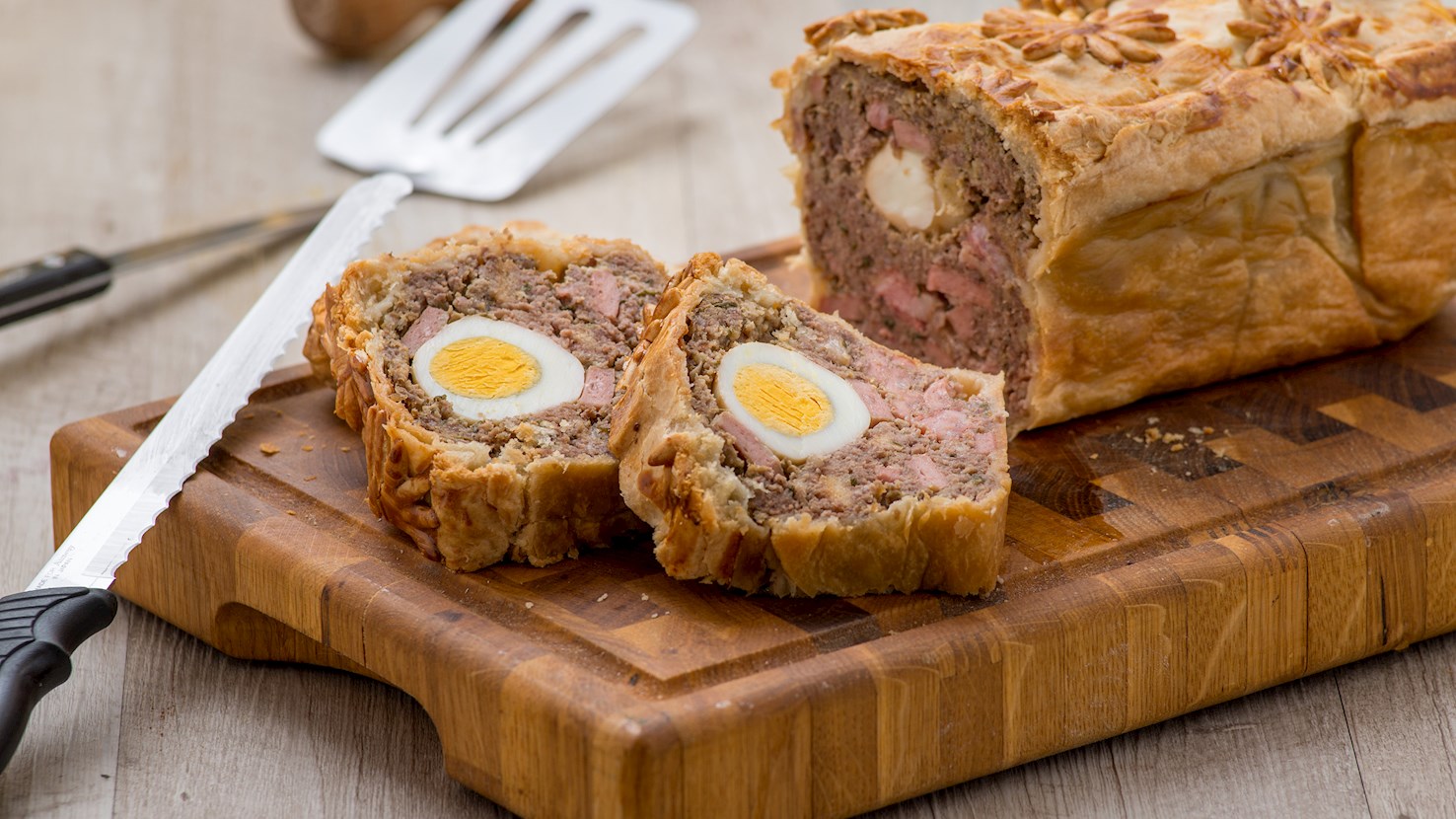
Paté de Pâques is a traditional dish originating from the Poitou area. The dish is a combination of ground pork, ground veal, and hard-boiled eggs encased in pastry. It's traditionally eaten as a first course for Easter dinner. What distinguishes this dish from other patés en croûte is the addition of hard-boiled eggs, making it an Easter staple. Once baked, the dish is cut in slices before it's served, preferrably with pickles and salad on the side.

07
Mussel Dish

Mouclade

n/a ·

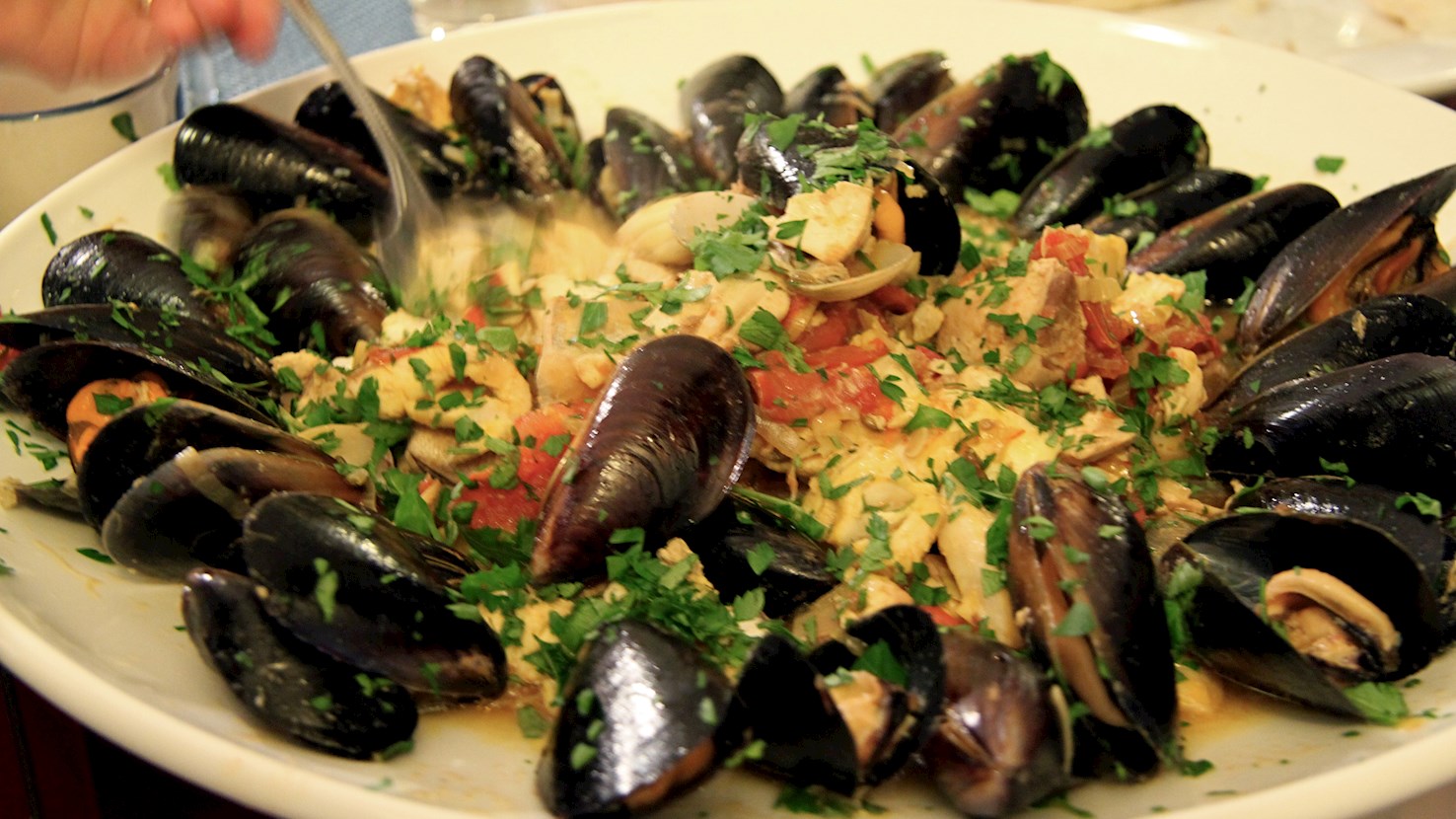
Mouclade is a traditional dish originating from La Rochelle in south west France. In order to prepare it, mussels are cooked with cream, saffron, white wine, and herbs. The key is in using the freshest mussels – preferably small, black, and glistening. After the dish has been eaten, it's recommended to mop up the sauces with a crusty baguette. The dish reflects the long history of La Rochelle port with the east, and the name mouclade comes from the word moucle, which means mussel. Pair this seafood dish with a glass of white wine from the region.

08
Mussel Dish

Éclade de moules

n/a ·

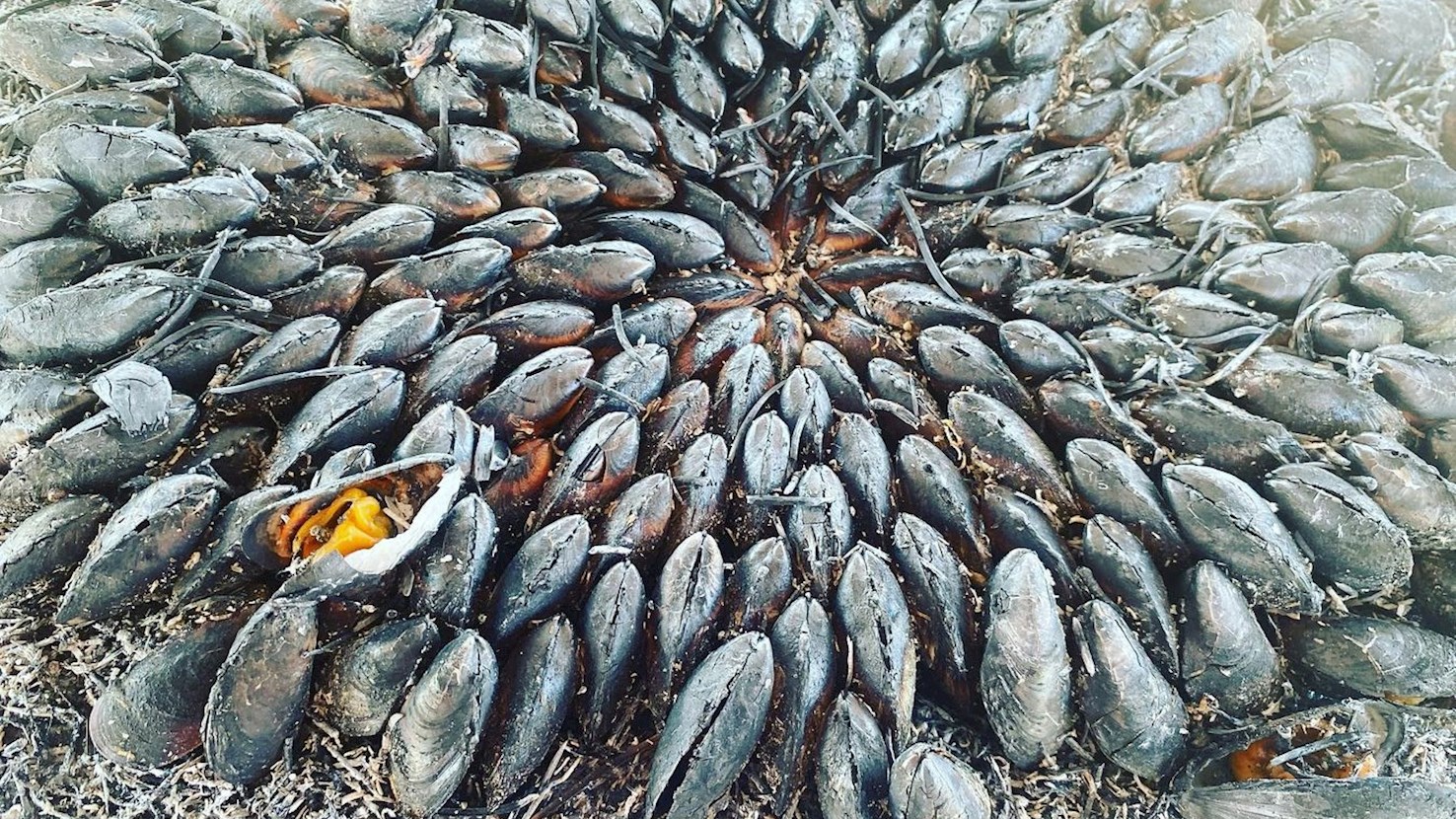
Éclade de moules is a traditional dish of mussels cooked under pine needles. It originated in the Charente-Maritime department on the western coast of France. There, the local mussel fishermen used dry needles from the surrounding pine forests to cook their daily haul. The most traditional (and to this day, the most popular) way to prepare éclade de moules is to stack the mussels in concentric circles on a thick wooden board. The mussels are then covered with pine needles, which are set ablaze, and cooked in their own juices until they crack open. Once opened, the meat inside is infused with a pine-smoke aroma, which gives it a unique flavor. Cooked mussels are served with fresh, crusty bread and Charentes butter, and paired with regional white wine.

09
Cookie

Macaron de Montmorillon

n/a ·

Macaron de Montmorillon is a small, round cookie made from almond powder, sugar, egg whites, bitter almond extract, and a pinch of salt, that has a tender heart and a lightly crisp shell, highlighting the almond flavor and restrained sweetness. Its presence in Montmorillon dates back to at least the eighteenth century when local confectioners and religious communities produced almond biscuits in the town; by the early twentieth century the recipe was linked to the Rannou-Métivier family, and their bakery helped make the macarons known nationally while a dedicated museum now traces their development and technique over generations. Preparation begins by finely combining almond powder with sugar, then carefully folding this dry mix into whipped egg whites and a touch of bitter almond extract to form a dense but pliable batter; this batter is piped or shaped into small crowned rounds and baked at moderate heat until the exterior sets and develops fine cracks while the interior remains soft and almond-rich. Variations are minimal and relate mostly to slight differences in shape or the amount of bitter almond extract used, while the defining feature remains a simple almond and sugar composition without added fillings, colors, or creams that emphasizes the natural flavor of almonds. Macaron de Montmorillon is eaten at room temperature as a sweet snack or dessert, often enjoyed with coffee or tea, and pairs well with dessert wines or lightly sweet sparkling beverages that balance its almond richness and gentle sweetness without overwhelming its delicate texture.

10
Dessert

Broyé poitevin

n/a ·

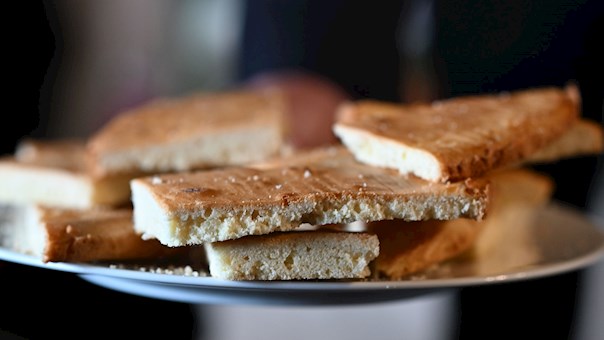
Broyé poitevin is a shortbread-style butter pastry from France that can range from small individual sizes to very large sharing formats, made from wheat flour, butter, sugar, eggs, and salt, producing a texture designed to snap and crumble rather than slice cleanly. Its emergence dates back to at least the eighteenth century in Poitou, where butter-rich doughs were prepared in simple forms for family meals and village gatherings, and the pastry became closely associated with convivial serving customs centered on breaking the round rather than cutting it. Preparation involves creaming softened butter with sugar, incorporating eggs, then adding flour to form a stiff dough that is rested briefly, pressed into a round on a baking sheet or in a mold, marked on the surface with decorative lines or a central indentation, and baked at moderate heat until evenly set and lightly colored without developing softness. Variations mainly concern size, thickness, and surface decoration, with some versions slightly richer or drier depending on butter proportion. Broyé poitevin is eaten at room temperature, typically broken by hand or with a light tap into irregular pieces and shared at the table as a dessert or afternoon sweet, and it pairs well with coffee, tea, cider, or lightly sweet white wines that balance its richness and highlight its crisp, buttery character.

Best Picto-Charentais food products
01
Spirit

Rémy Martin

5 ·
Awards
SFWSC - San Francisco World Spirits Competition - Double Gold (2024, 2023)
SWSC - Singapore World Spirits Competition - Double Gold (2023)
02
Spirit

Martell

5 ·
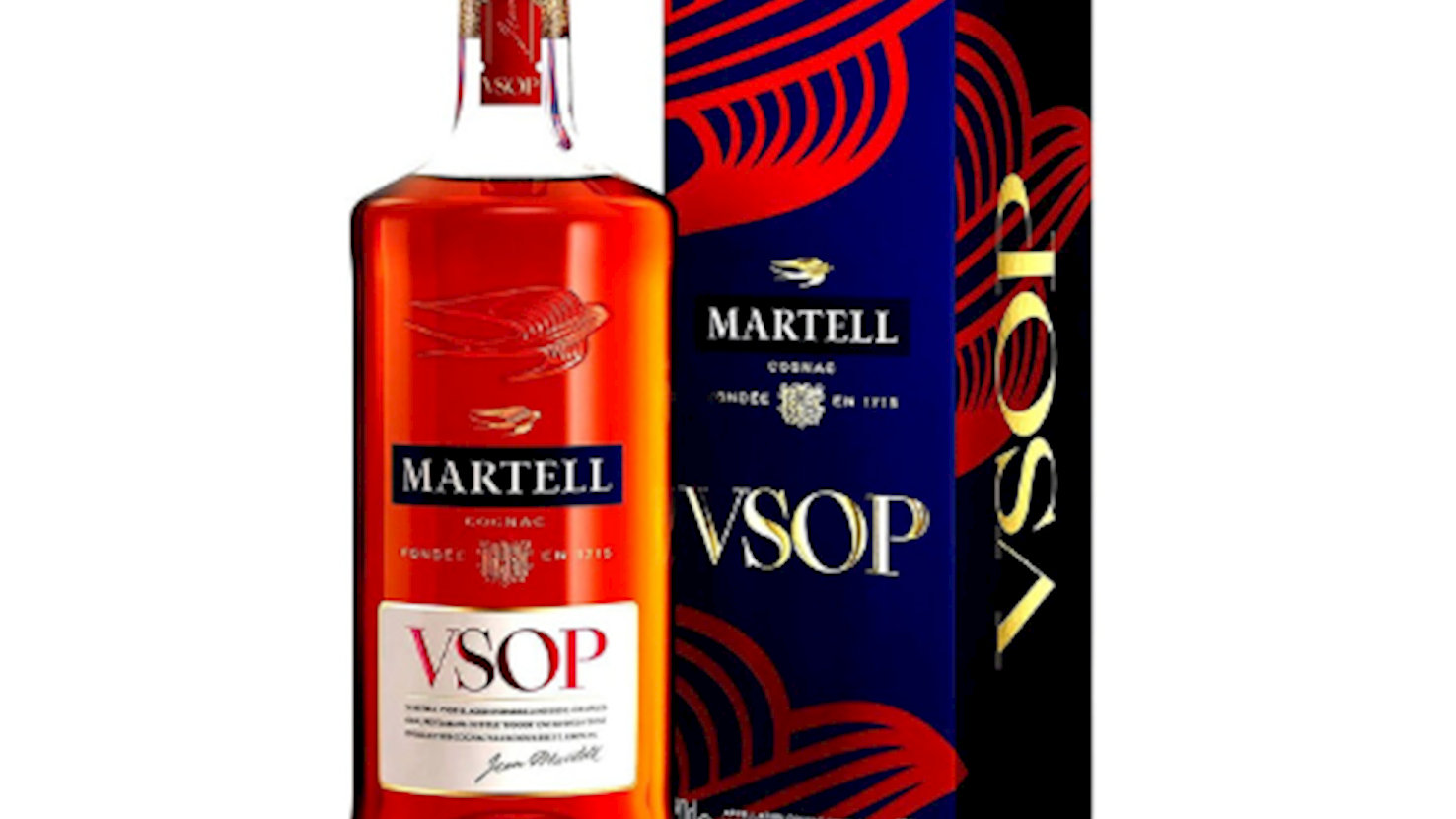
Martell is one of the oldest and most prestigious cognac houses, founded in 1715 in Cognac, France. Known for its expertise, Martell uses grapes from the finest vineyards and traditional double distillation methods. Their portfolio includes iconic cognacs like Martell VS, VSOP, Cordon Bleu, and XO. Visitors can explore the brand’s rich history, book tours, and enjoy tastings at their distillery in Cognac.
Awards
SFWSC - San Francisco World Spirits Competition - Double Gold (2024, 2023)
SWSC - Singapore World Spirits Competition - Double Gold (2023)
03
Spirit

Courvoisier

5 ·
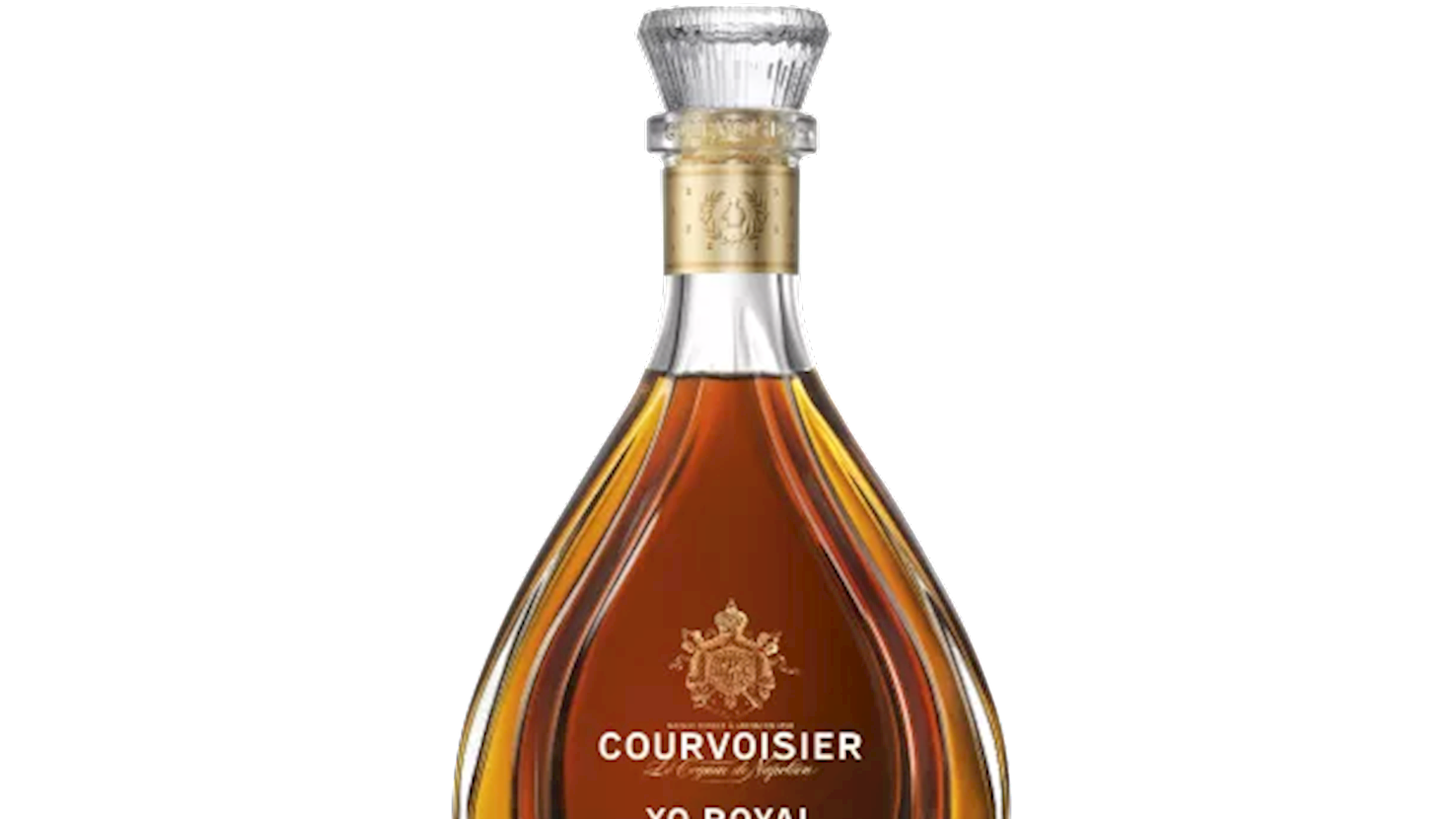
Courvoisier is a prestigious French cognac producer known for its high-quality craftsmanship and rich history. Founded in the early 19th century, it is located in Jarnac, in the heart of the Cognac region. Courvoisier blends tradition with innovation, using meticulously sourced grapes and a refined distillation process to create its premium cognacs. The brand has earned a reputation for luxury, often associated with French elegance and heritage.
Awards
SFWSC - San Francisco World Spirits Competition - Double Gold (2024, 2023)
NYWSC - New York World Spirits Competition - Double Gold (2023)
04
Spirit

Plantation Rum

5 ·
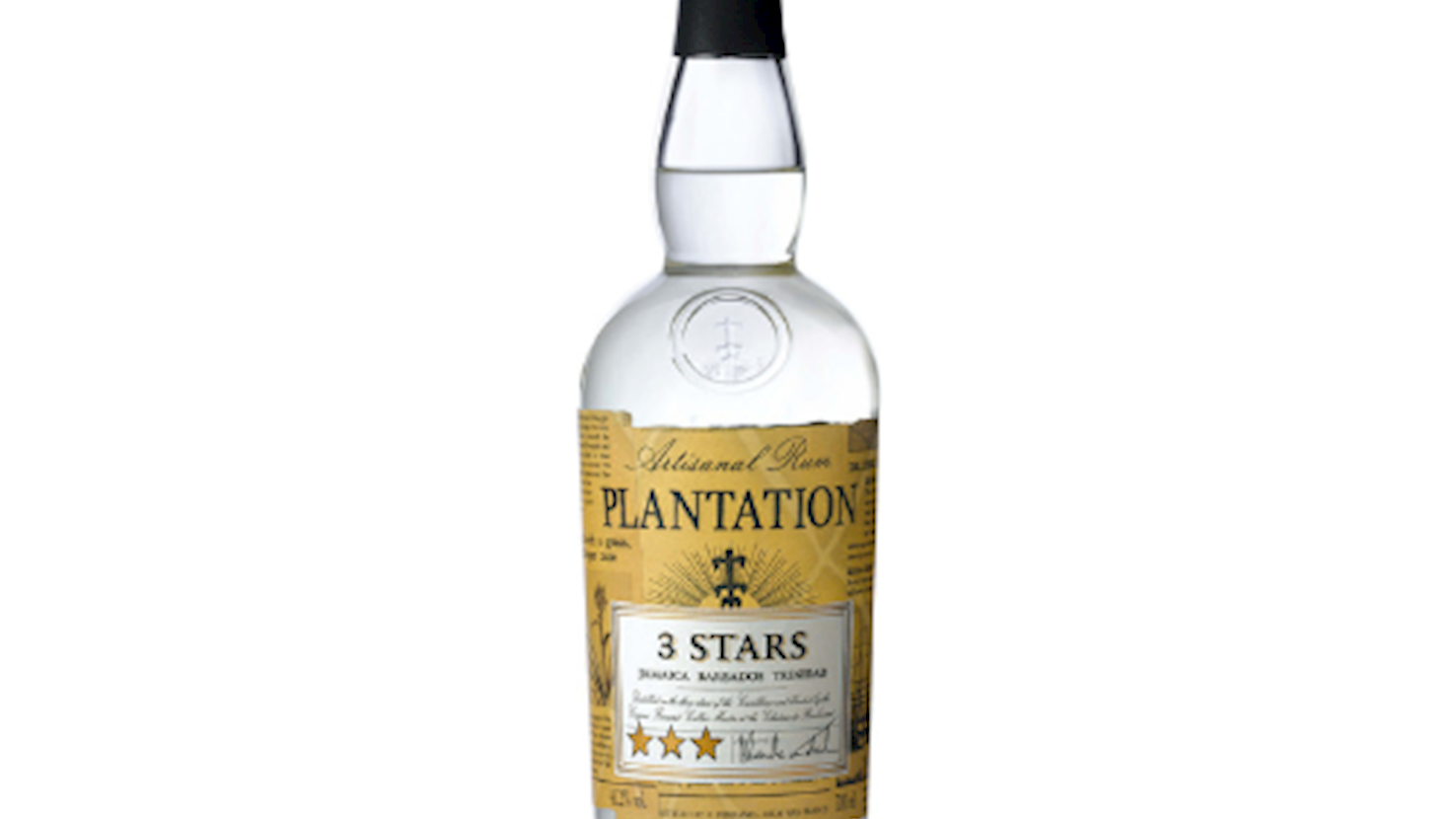
Plantation Rum is a distinguished rum brand known for producing high-quality spirits with a focus on traditional craftsmanship and distinctive flavors. It is part of the Maison Ferrand family, a renowned producer of fine spirits, including cognac. Plantation Rum is sourced from various regions around the world, including the Caribbean and Central America, where it is distilled using time-honored methods and aged in a combination of tropical and European barrels to enhance its complexity and character. Plantation Rum is celebrated for its range of expressions, from rich, spiced varieties to more delicate, fruity offerings. The rum is crafted to highlight the unique characteristics of the sugarcane and the aging process, with each bottle reflecting the terroir of its origin. The brand’s portfolio includes various age statements and limited editions, including rare, single-cask releases.
Awards
SFWSC - San Francisco World Spirits Competition - Double Gold (2023)
The Rum & Cachaça Masters - Gold (2023, 2022)
05
Spirit

Camus Cognac

5 ·
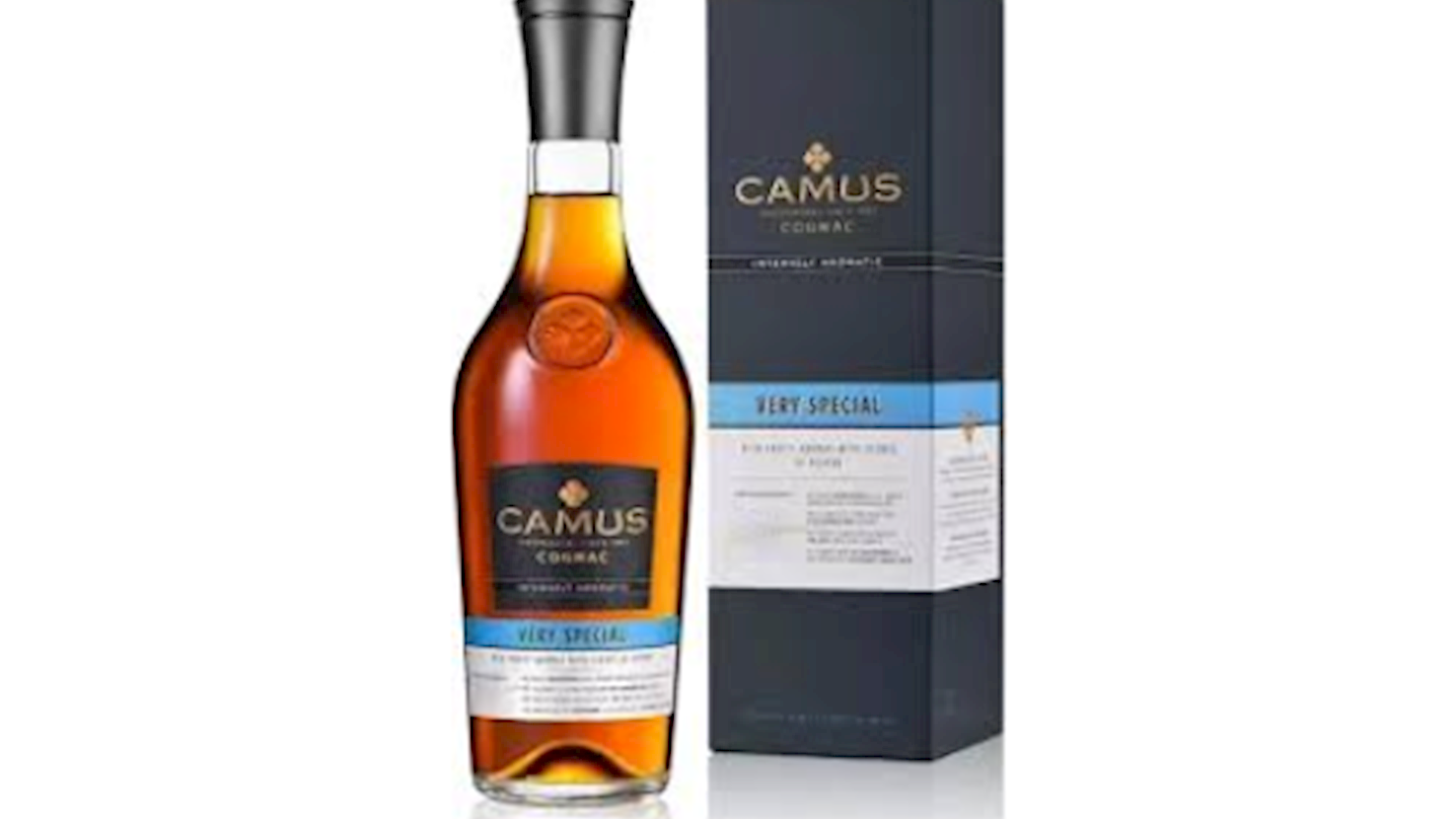
Camus is a historic, family-owned Cognac house founded in 1863 by Jean-Baptiste Camus and still independently run by the same family today, making it the largest family-owned producer in the Cognac region. The house is known for its strong emphasis on aromatic intensity and terroir expression, supported by proprietary techniques such as distillation using non-filtered wines and extended contact with the lees to preserve natural esters. Camus places particular importance on small-batch distillation and careful aging to enhance fragrance, texture, and complexity. Its portfolio spans classic expressions such as VS, VSOP, XO, and Extra, alongside more terroir-driven and distinctive lines, including Borderies Single Estate Cognac, which highlights the floral character of this rare cru, and Île de Ré Fine Island Cognac, shaped by Atlantic maritime influences. Innovation plays a key role in the house’s identity, seen in both production methods and limited, high-end releases. Camus positions itself at the intersection of tradition and modern craftsmanship, with a clear focus on aromatic precision and stylistic clarity.
Awards
SFWSC - San Francisco World Spirits Competition - Double Gold (2024, 2023)
The Cognac Masters - Gold (2023)
06
Spirit

ABK6 Cognac

5 ·
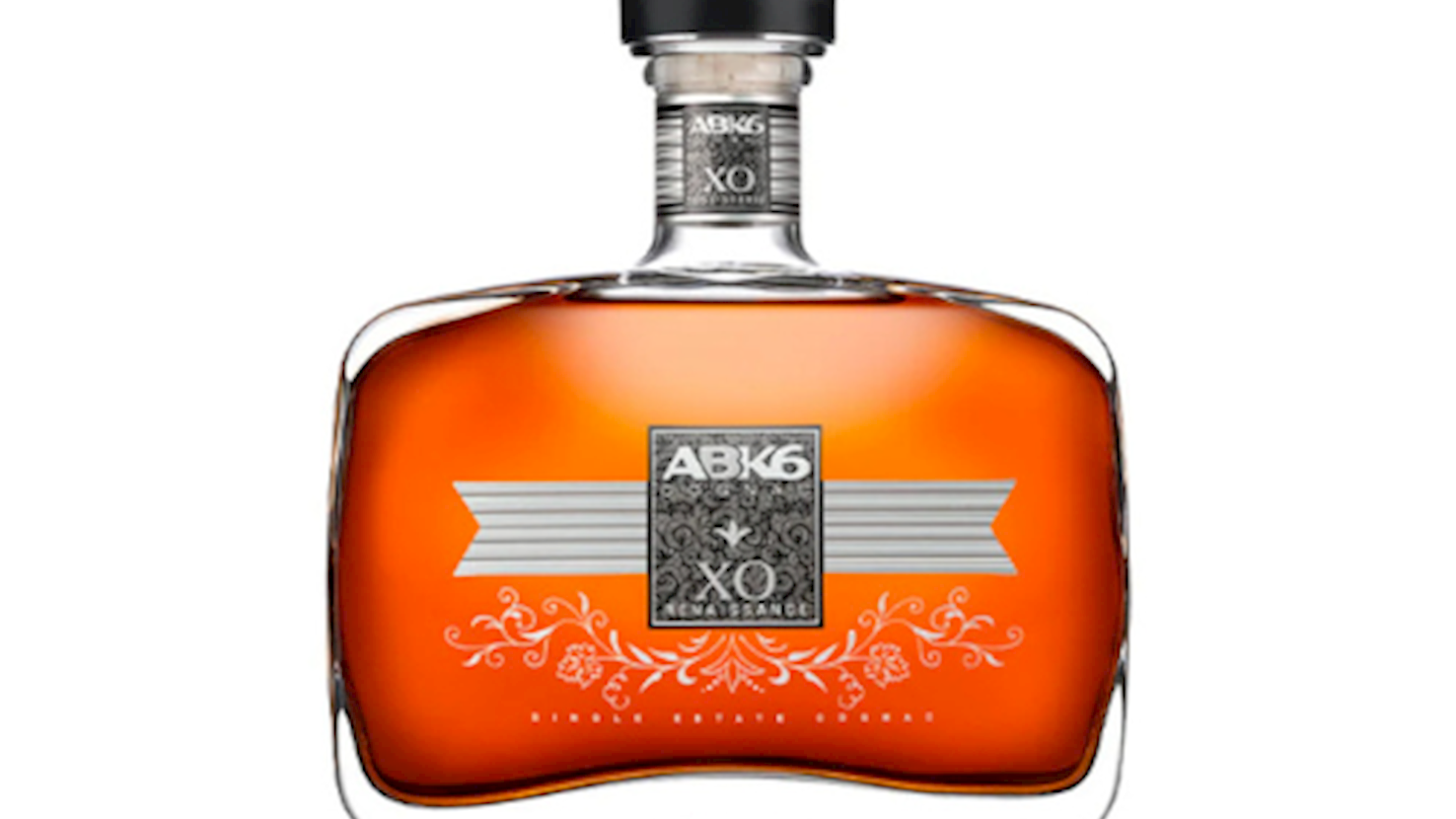
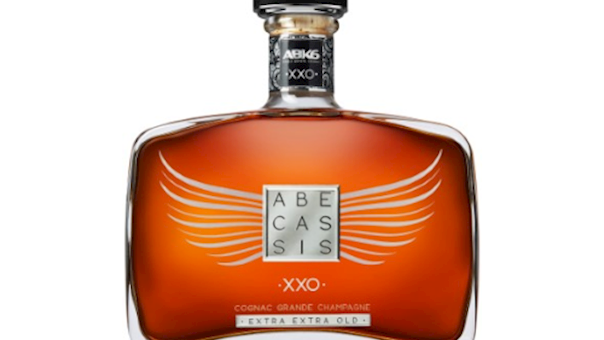
ABK6 Cognac is a prestigious brand created in 2005 by Francis Abécassis. The name "ABK6" is a condensed version of the family name and represents the fusion of tradition and modernity. The brand focuses on producing Single Estate Cognac, meaning the entire process, from vineyard cultivation to bottling, is handled on their own estate. This ensures a unique and high-quality product that reflects the expertise of their Master Blender. ABK6's offerings include a wide range of cognacs, all crafted with meticulous attention to detail and respect for tradition.
Awards
SFWSC - San Francisco World Spirits Competition - Double Gold (2024, 2023)
World Cognac Awards - Best V.S.O.P. (2021)
07
Spirit

Maison Ferrand

5 ·
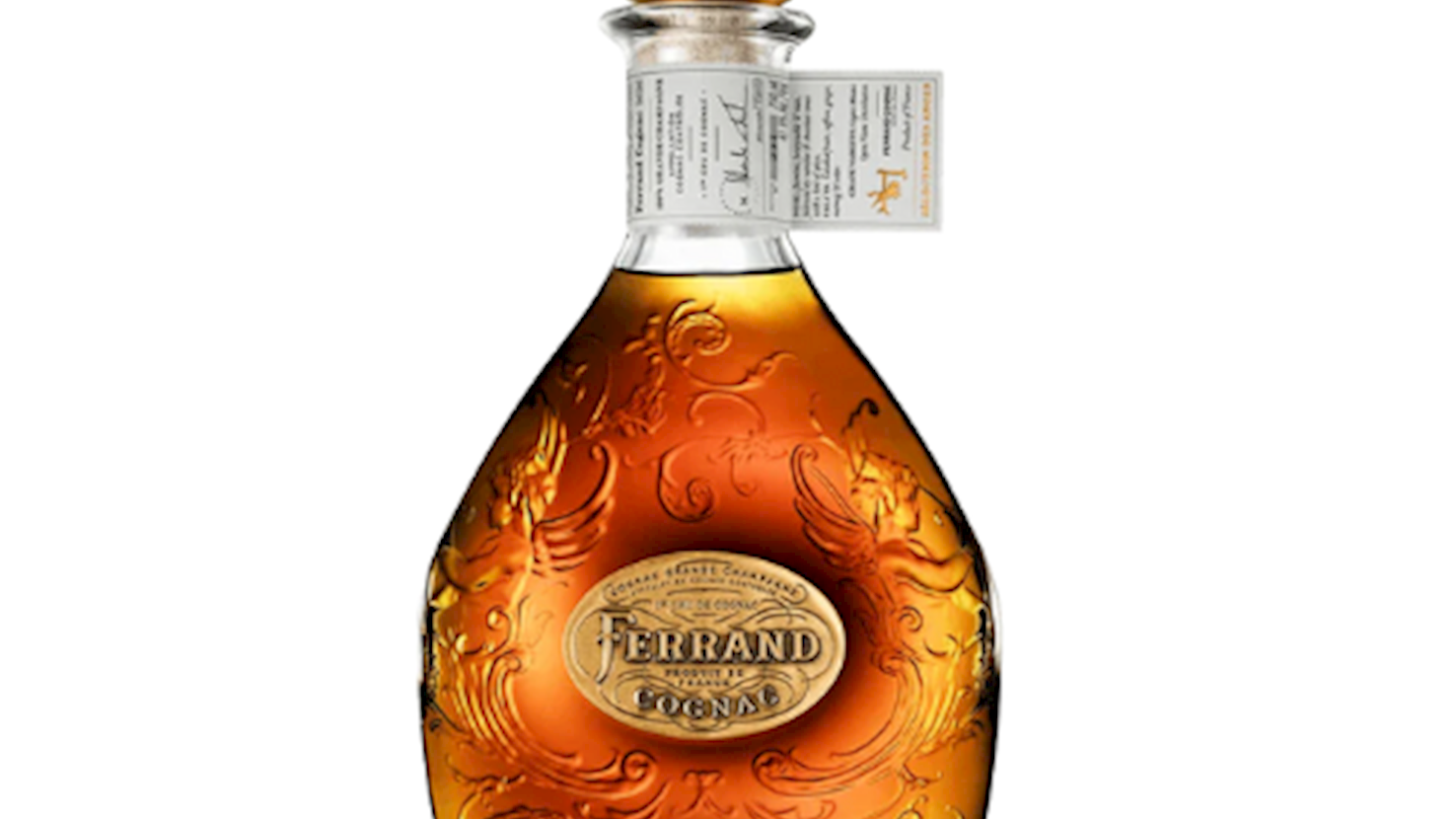
Maison Ferrand is an independent French producer of premium spirits, founded in 1989 in the Charente region, at the heart of the Cognac appellation, under the leadership of Alexandre Gabriel. The house is focused on preserving authentic distillation and ageing techniques while applying a contemporary, research-driven approach to terroir and raw materials. Its portfolio includes Ferrand Cognac from the prestigious Grande Champagne cru, Citadelle Gin as one of the earliest modern French craft gins, Planteray rum (formerly Plantation), as well as liqueurs such as Ferrand Dry Curaçao. The house is particularly known for its double ageing approach to rum, whereby spirits mature first in their countries of origin and are then further aged in France, often in French oak or ex-cognac casks. Maison Ferrand directly operates or closely collaborates with distilleries in the Caribbean, including the West Indies Rum Distillery in Barbados, ensuring strong control over the production process. Sustainability, transparency, and long-term partnerships with local producers are central to its philosophy. The house maintains a careful balance between tradition and innovation, deliberately avoiding an industrial, mass-production model. Today, Maison Ferrand is widely regarded as a reference point in the world of high-quality spirits, with a clearly defined identity and strong global presence.
Awards
World Cognac Awards - Best V.S.O.P. (2023)
SFWSC - San Francisco World Spirits Competition - Double Gold (2023)
08
Spirit

Cognac Jean Fillioux

5 ·
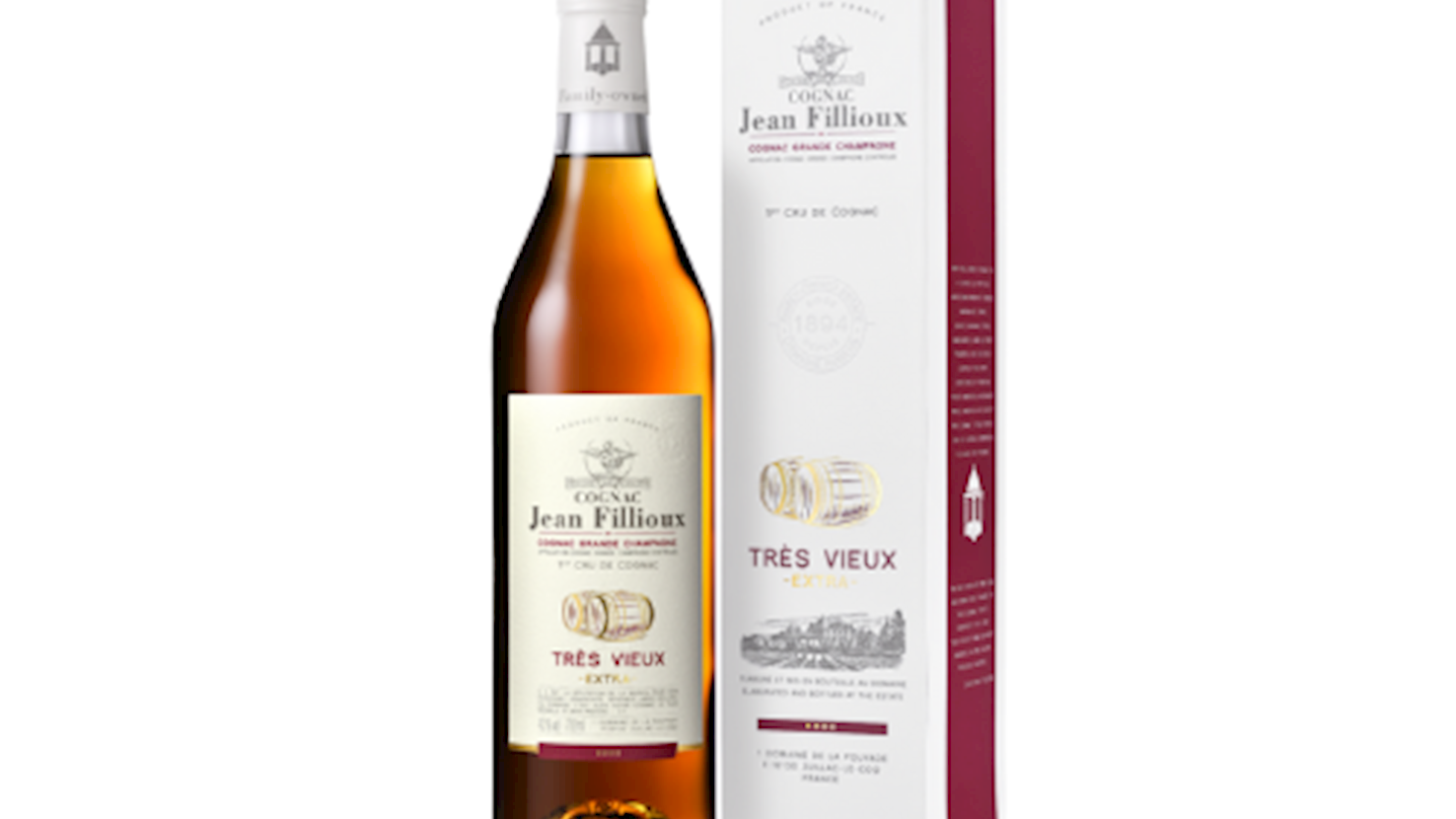
Cognac Jean Fillioux is a family-owned Cognac house based in Grande Champagne, the most prestigious cru of the Cognac region, with a history spanning more than a century. The estate is located in La Pouyade and relies exclusively on its own vineyards, planted mainly with Ugni Blanc. Production follows a traditional approach, with distillation in copper pot stills and long aging in French oak barrels, without excessive oak influence or stylistic manipulation. Jean Fillioux cognacs are known for their finesse and balance, expressing floral notes, ripe fruit, vanilla and gentle spice, along with a refined, persistent finish. The house focuses on small-scale production and a pure expression of terroir, which has earned it strong recognition among connoisseurs and fine-dining professionals.
Awards
Bartender Spirits Awards - Double Gold (2021)
The Cognac Masters - Master (2023)
09
Spirit

Cognac Gautier

5 ·
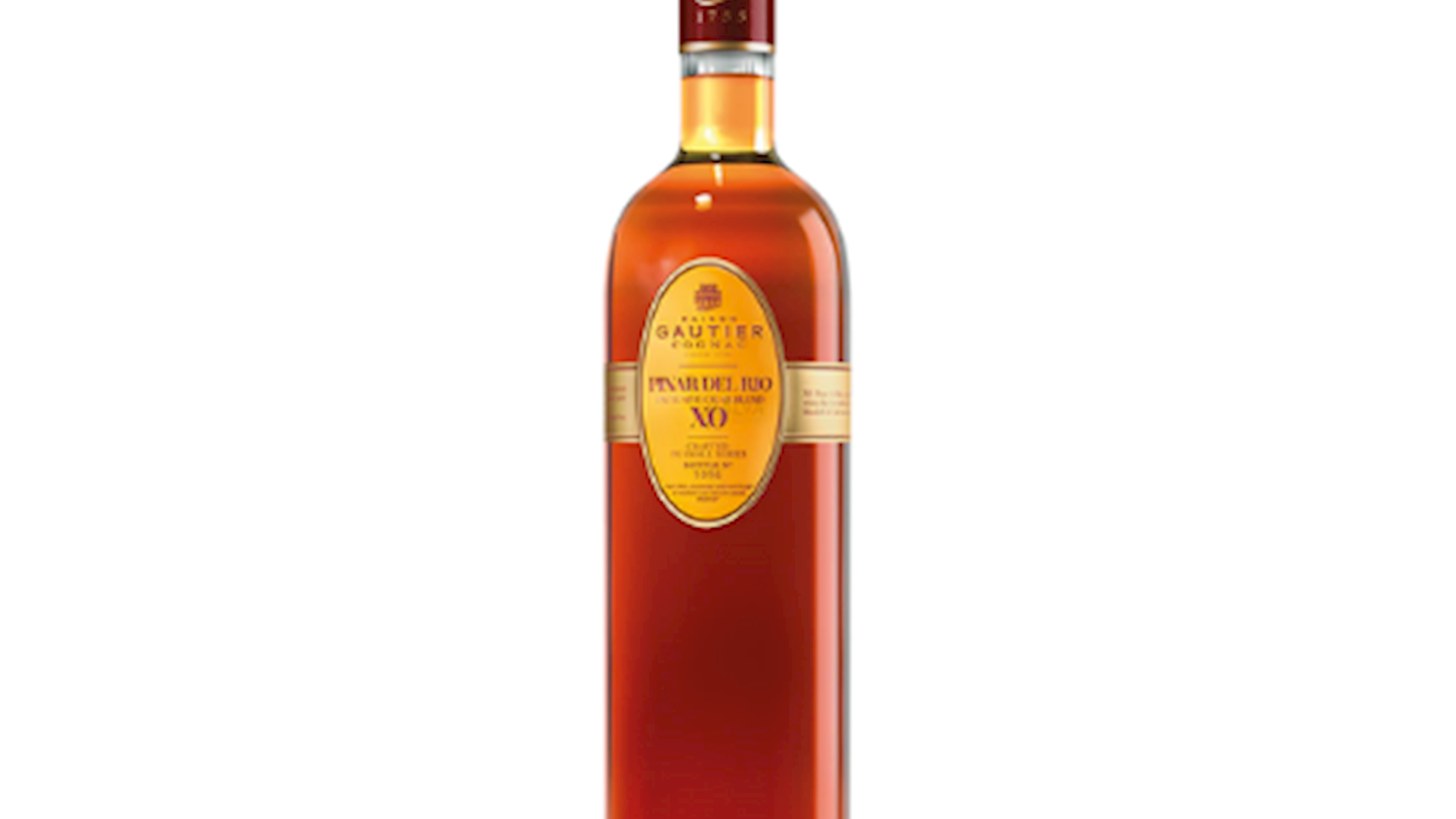
Cognac Gautier is one of the oldest Cognac houses in the world, founded in 1755 and located in Aigre, in the Charente region of France. The house is distinguished by its historic cellars built directly above the Osme River, where naturally high humidity creates ideal conditions for slow, balanced aging and enhanced aromatic roundness. Gautier works with eaux-de-vie sourced from several Cognac crus, including Grande Champagne, Petite Champagne, Fins Bois, and Bons Bois, which are blended to achieve harmony and complexity. Distillation follows the traditional Charentais double distillation method, with a strong emphasis on smoothness and texture. The style of Cognac Gautier is typically rich and supple, marked by notes of ripe and tropical fruit, vanilla, gentle spice, and well-integrated oak. Its range includes classic VS, VSOP, and XO expressions, alongside older and limited releases that reflect the house’s long heritage and cellar expertise.
Awards
SFWSC - San Francisco World Spirits Competition - Double Gold (2024, 2023)
World Cognac Awards - Best Superior Quality Cognac (2020)
10
Spirit

A de Fussigny

5 ·
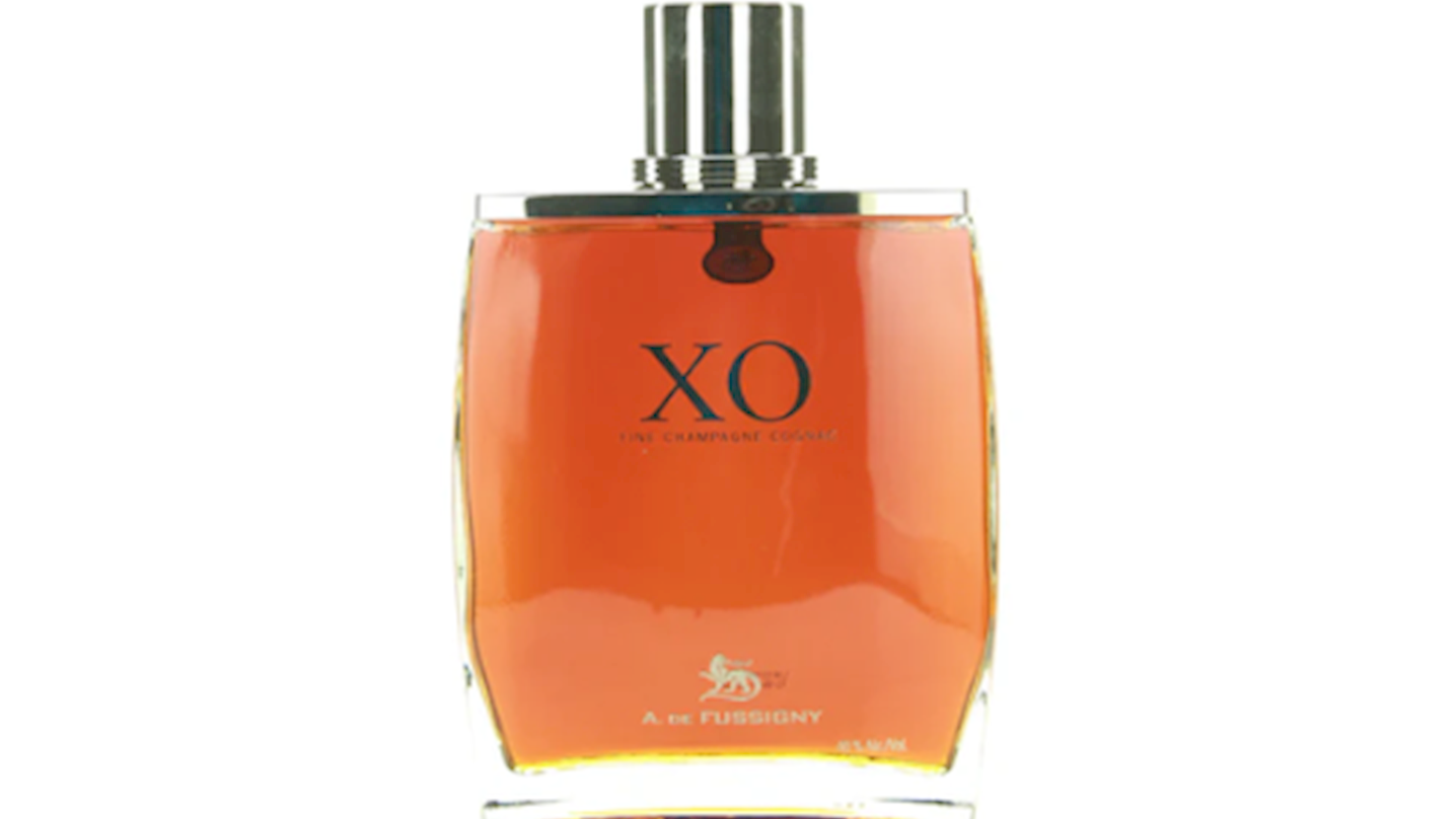
A de Fussigny is a historic Cognac house founded in 1814 and located in the town of Cognac, along the banks of the Charente River. Its cellars benefit from the river’s natural humidity, which supports slow, even aging and contributes to a smooth, rounded style. The house works primarily with Fine Champagne blends, combining eaux-de-vie from Grande and Petite Champagne to achieve balance and aromatic depth. Production focuses on careful selection and maturation of eaux-de-vie in French oak, preserving fruit character while allowing complexity to develop gradually. The style of A de Fussigny Cognacs is generally elegant and approachable, marked by floral notes, ripe fruit, gentle spice, and well-integrated oak. Alongside traditional craftsmanship, the brand is also recognized for its modern presentation and contemporary positioning within the Cognac category.
Awards
SFWSC - San Francisco World Spirits Competition - Double Gold (2024)
ISC-International Spirits Challenge - Double Gold (2023)
Read more
View all
View map
About this ranking

TasteAtlas food rankings are based on the ratings of the TasteAtlas audience, with a series of mechanisms that recognize real users and that ignore bot, nationalist or local patriotic ratings, and give additional value to the ratings of users that the system recognizes as knowledgeable. For the “Top 61 Picto-Charentais Foods” list until June 07, 2026, 31 ratings were recorded, of which 24 were recognized by the system as legitimate. TasteAtlas Rankings should not be seen as the final global conclusion about food. Their purpose is to promote excellent local foods, instill pride in traditional dishes, and arouse curiosity about dishes you haven’t tried.

The initial list of top producers was compiled based on available reviews, awards, local recommendations, media and blog coverage, and consumer reviews. The list will be updated with ratings from TasteAtlas local ambassadors and TasteAtlas users.

Similar lists