Top 17 Traditional Foods
in the Province of Padua

Last updated on June 02, 2026

Best Province of Padua food products
01
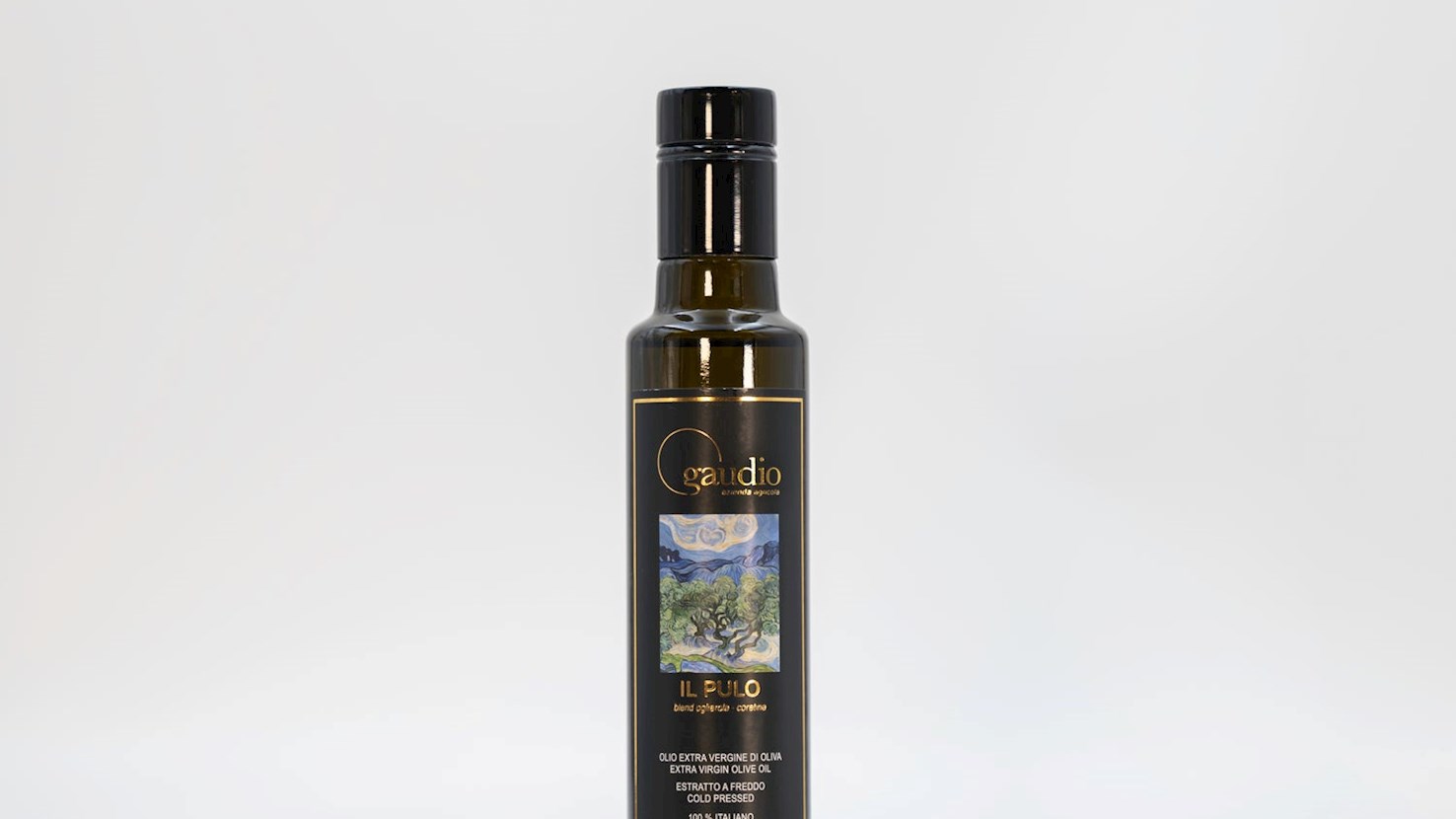
Olive Oil

Gaudio Società Agricola Semplice

4.9 ·
Gaudio Società Agricola Semplice is based in Padua, Italy. The company specializes in the production of high-quality olive oil. They focus on traditional methods combined with modern techniques to ensure the purity and quality of their product. Their offerings include a variety of olive oil products tailored to different culinary needs.
Awards
EVO IOOC - Gold Medal (2022)
02
Olive Oil

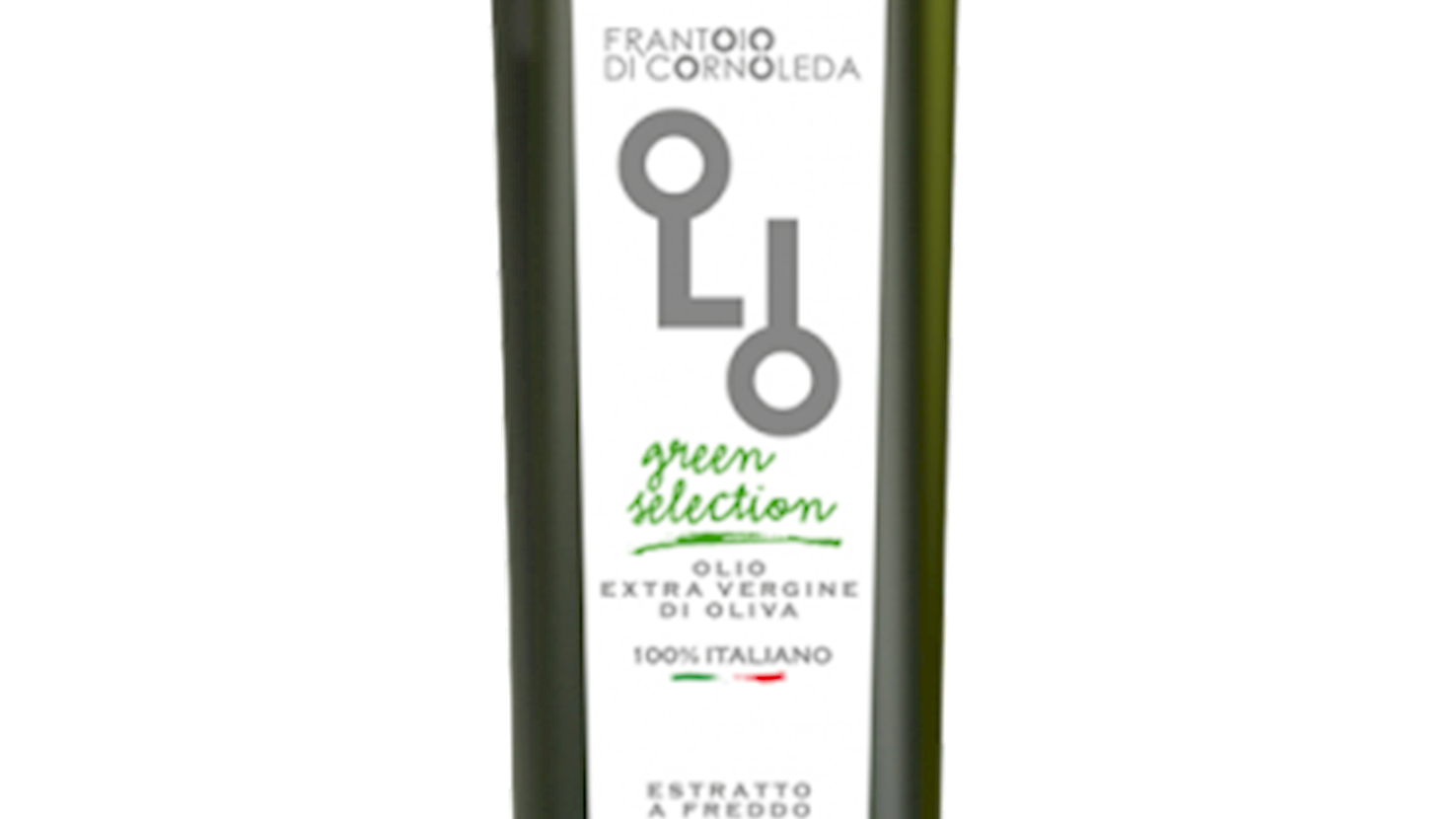
Frantoio Di Cornoleda Sas

4.9 ·
Frantoio di Cornoleda Sas is an olive oil producer based in Padua, Italy. The company specializes in the production of high-quality extra virgin olive oil. They emphasize traditional methods combined with modern technology to ensure the purity and flavor of their oils. Frantoio di Cornoleda Sas also places a strong focus on sustainable agricultural practices in their olive groves. The company offers a variety of olive oil products and frequently receives recognition for its quality.
Awards
EVO IOOC - Gold Medal (2023, 2022, 2021, 2020, 2019, 2018, 2017, 2016)
ATHENA IOOC - Gold (2022)
03
Olive Oil

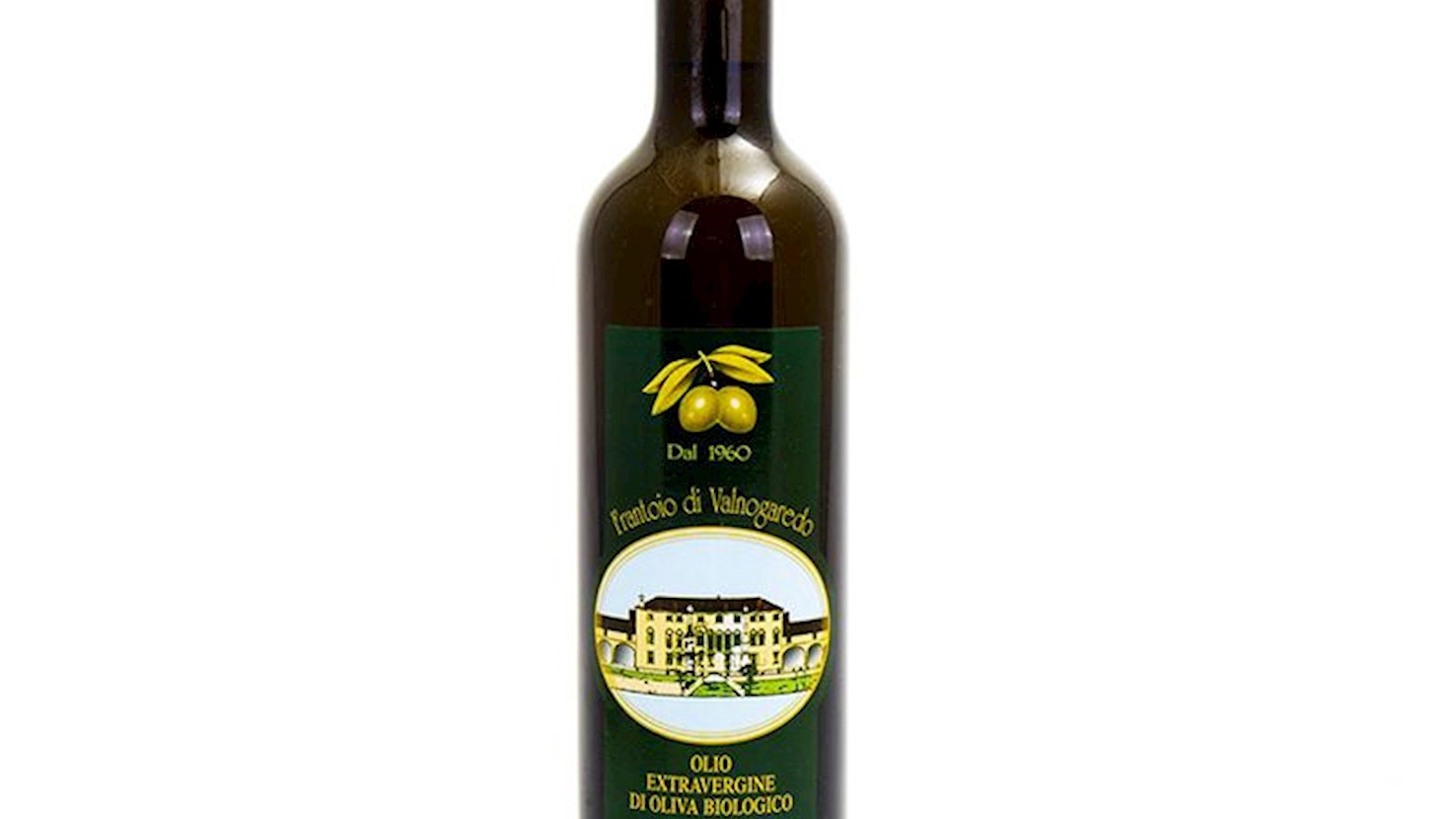
Frantoio Di Valnogaredo Snc

4.9 ·
Frantoio di Valnogaredo SNC is an olive oil producer based in Padua, Italy. The company specializes in the production of high-quality extra virgin olive oil. They emphasize traditional methods combined with modern technology to ensure the purity and flavor of their oils. Frantoio di Valnogaredo's products are often praised for their distinct taste and nutritional value.
Awards
EVO IOOC - Gold Medal (2020, 2019, 2017)
04
Liqueur

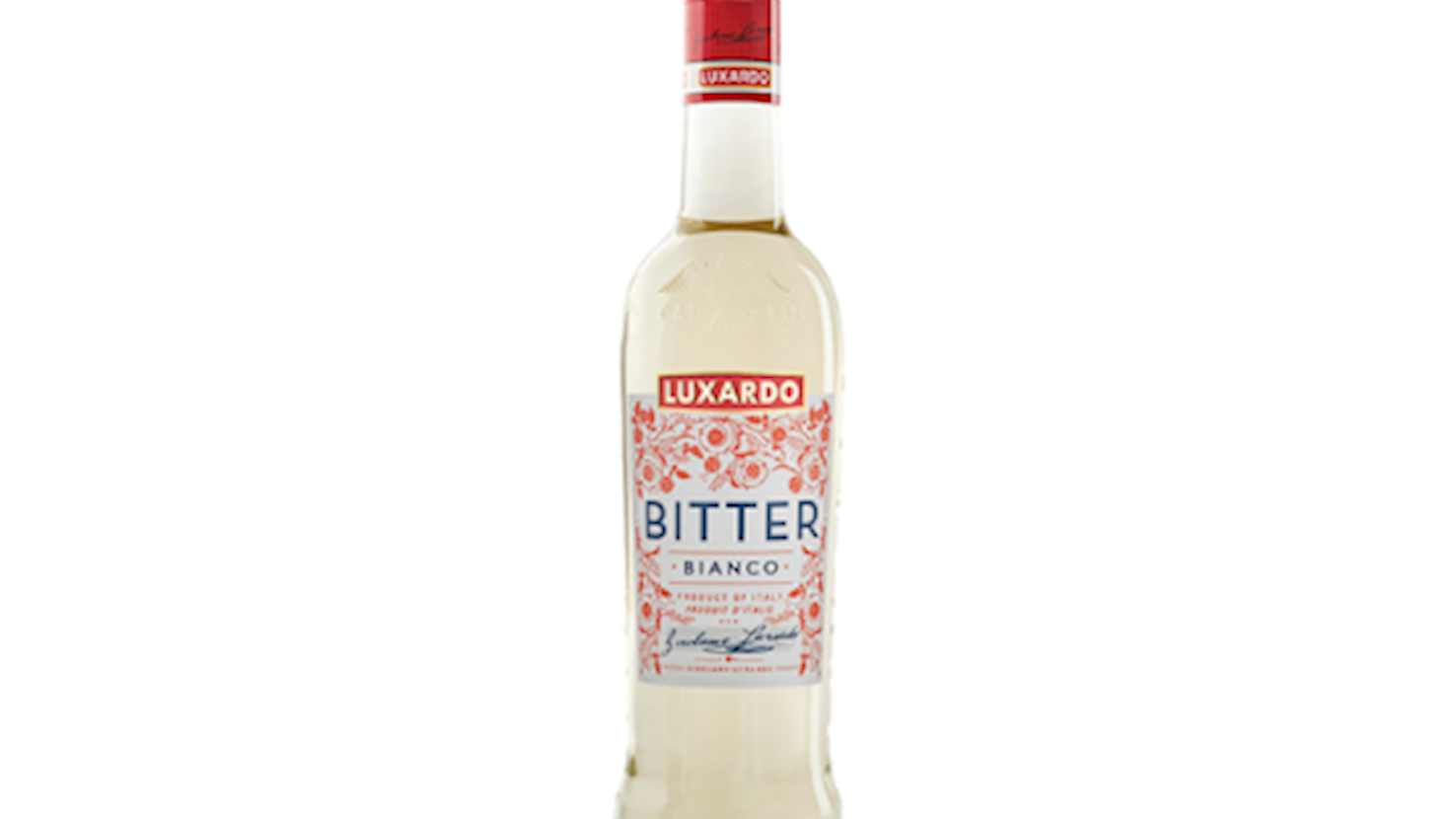
Luxardo

4.8 ·
Luxardo is a historic Italian distillery founded in 1821, renowned for its continuous family ownership and its signature Maraschino Originale liqueur made from marasca cherries. After the original factory in Zadar was destroyed during World War II, production was rebuilt in Torreglia near Padua, where the company still operates using traditional methods and long aging processes for its distillates. Beyond maraschino, Luxardo produces a wide range of liqueurs and spirits - including amaretto, sambuca, grappa, fruit liqueurs, and its celebrated maraschino cherries, regarded as a benchmark in the cocktail industry. Luxardo’s products hold a central place in classic cocktails and Italian gastronomy, and the brand’s global presence reflects its blend of authenticity, craftsmanship, and more than two centuries of heritage.
Awards
IWSC- International wine & spirit competition - Spirit Gold (2024)
05
Spirit

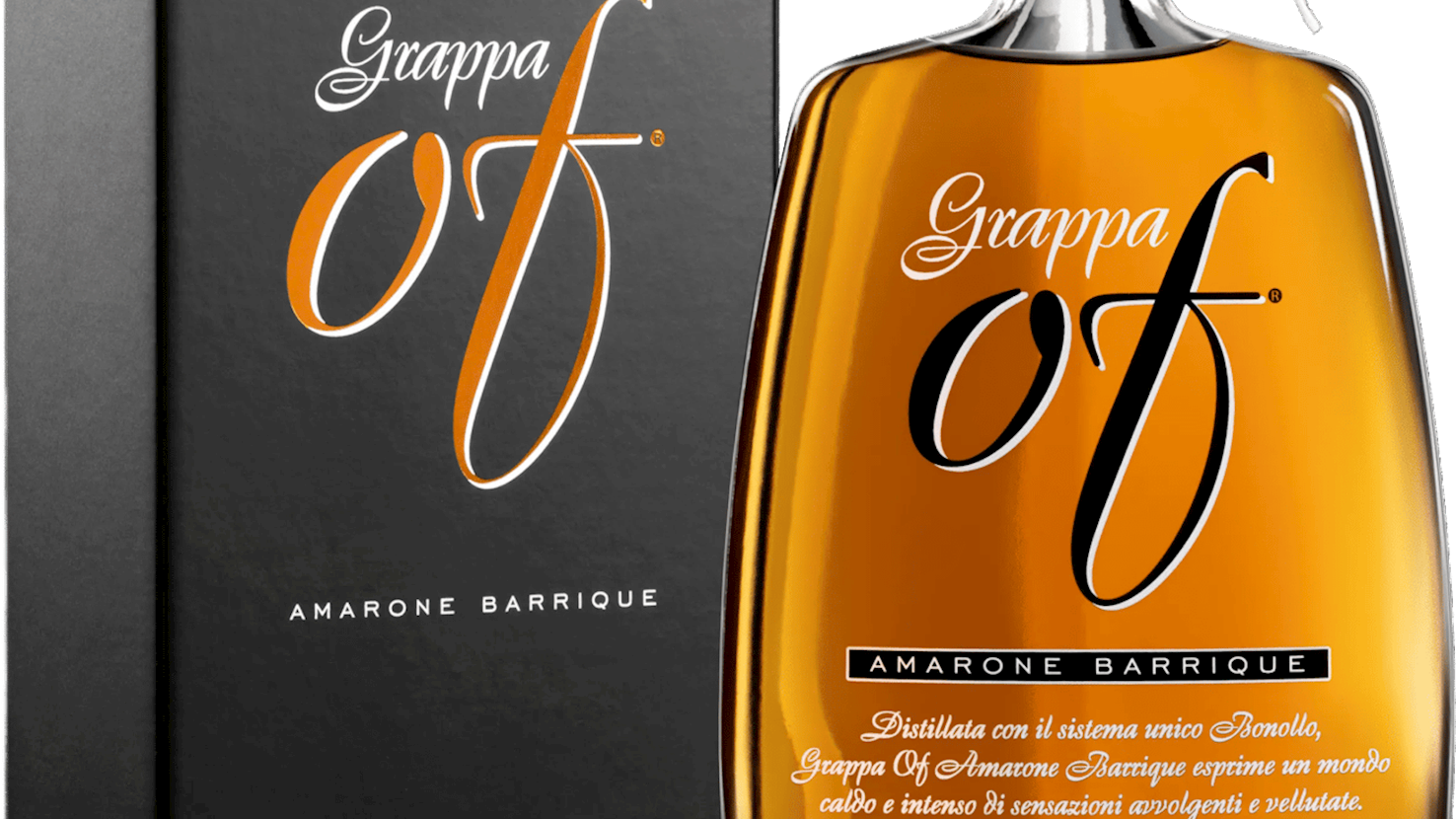
Distillerie Bonollo Umberto

4.8 ·
Distillerie Bonollo is a prestigious Italian producer renowned for its exceptional grappas and spirits, embodying over a century of distillation expertise. Founded in Padua, in the heart of the Veneto region, Bonollo combines deep-rooted family tradition with innovative techniques to create products of outstanding quality and character. The hallmark of Bonollo’s craftsmanship lies in its dedication to selecting the finest pomace (grape skins) sourced from Italy's most celebrated wine regions. Through the use of state-of-the-art equipment and the family’s proprietary “Bonollo Method”, each product achieves a perfect balance of purity, aroma, and flavor. Bonollo's range includes premium grappas, including their renowned Grappa OF line, celebrated for its smoothness, complexity, and refinement, often aged in oak barrels to develop rich and velvety notes. The distillery also produces innovative liqueurs and spirits that showcase Italian creativity and a passion for excellence. Their offerings are distinguished not only by their exceptional taste but also by their elegant packaging, making Bonollo products a symbol of Italian luxury and craftsmanship. As a fourth-generation family business, Bonollo continues to honor its legacy while embracing modern innovation, delivering spirits that are cherished by enthusiasts and connoisseurs worldwide.
Awards
IWSC- International wine & spirit competition - Spirit Gold (2023)
06
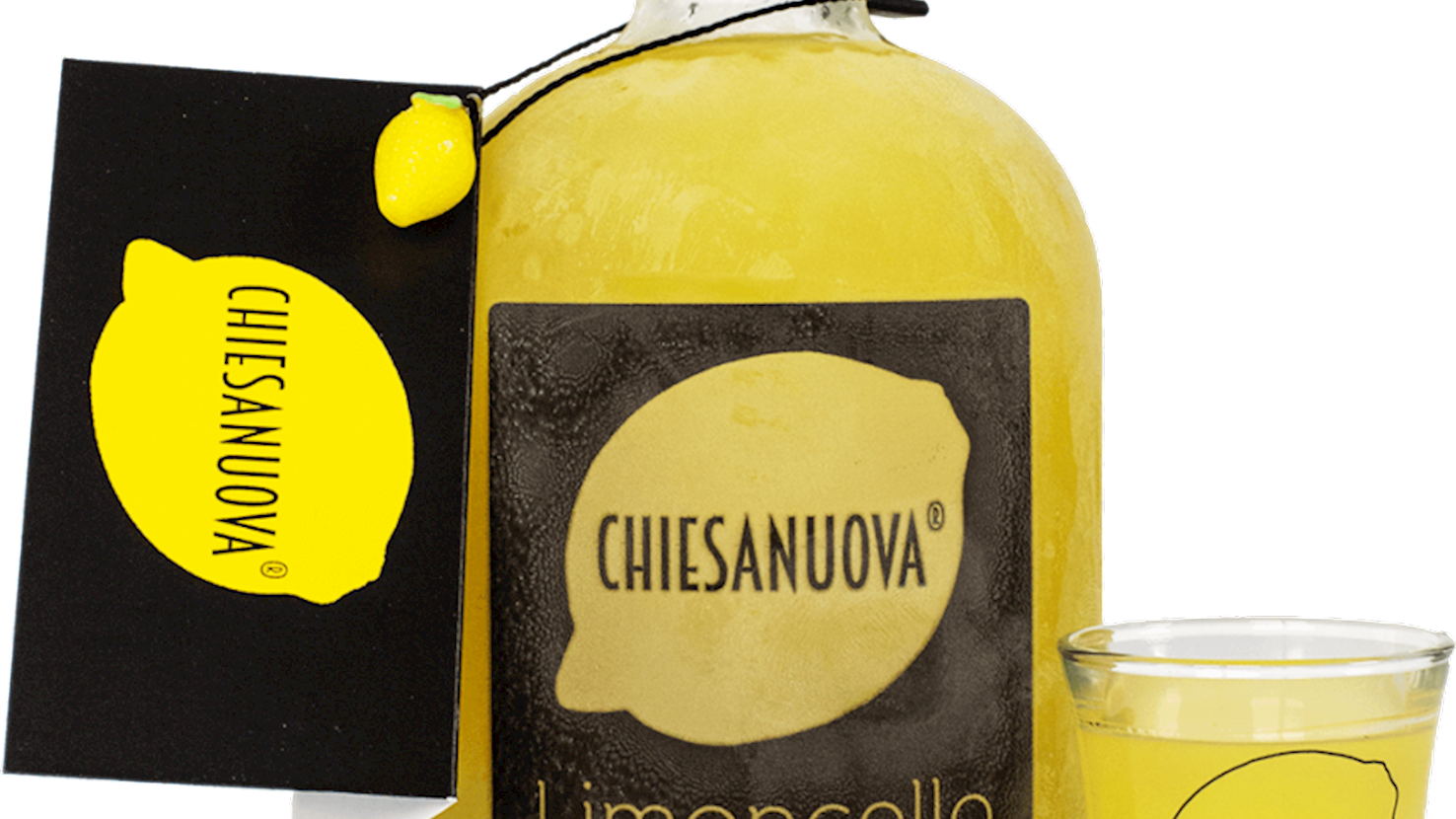
Liqueur

Chiesanuova

4.8 ·
Awards
IWSC- International wine & spirit competition - Spirit Gold (2022)
07
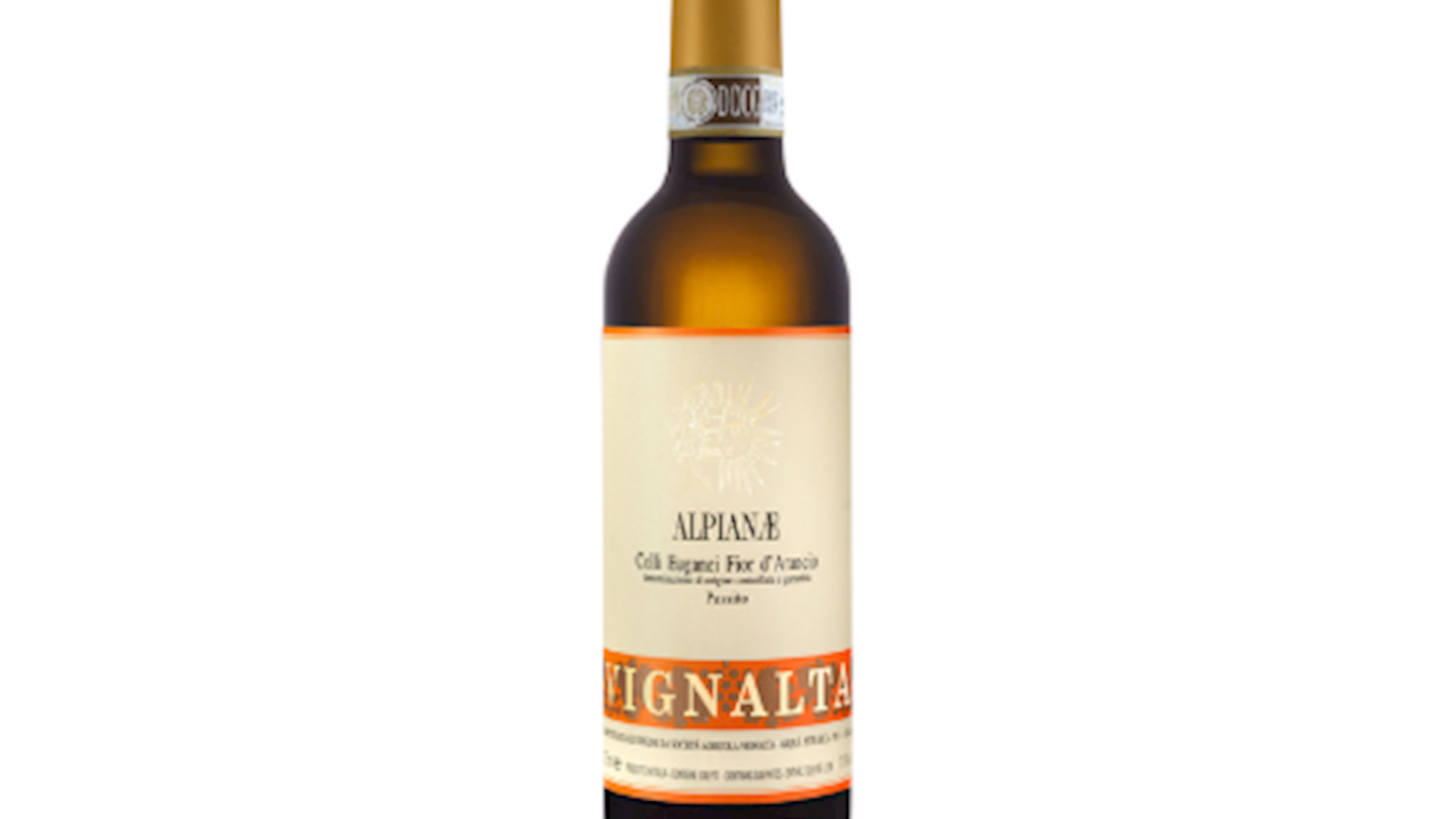
Wine

Vignalta

4.8 ·
Vignalta is a winery located in the Colli Euganei area, southwest of Padua in the Veneto region, an area known for its volcanic soils and strong territorial identity. The estate was established in the late 20th century with a clear focus on expressing terroir through low yields and careful vineyard management. Its vineyards are planted on hilly sites characterized by basaltic and clay-rich volcanic soils, which give the wines structure, depth, and a distinctive mineral character. Vignalta works primarily with varieties such as Merlot, Cabernet Franc, Carménère, and selected local white grapes, producing wines that emphasize precision and balance. The winery is particularly known for its structured, age-worthy red wines, made through meticulous vinification and extended aging. Its style combines concentration with elegance, avoiding excess while highlighting varietal clarity and site expression. Vignalta’s wines are considered among the most refined examples from the Colli Euganei area, clearly reflecting the uniqueness of its volcanic terroir.
Awards
Decanter World Wine Awards - Platinum (2019)
Vivino - 4.3
08
Cheese

Caseificio Morandi

4.7 ·
Caseificio Morandi is an Italian cheese producer located in Roncole Verdi di Busseto, a region famous for its agricultural produce. The company specializes in the production of Parmigiano Reggiano cheese, following traditional methods that date back centuries. Caseificio Morandi controls each step of their production process, from the feeding of the cows to the aging of the cheese, to ensure high-quality products.
Awards
Concours International de Lyon - Gold (2025)
World Cheese Awards - Gold (2022, 2021)
09
Wine

Cantina Bernardi

4.6 ·
Awards
IWSC- International wine & spirit competition - Gold (2022)
10
Olive Oil

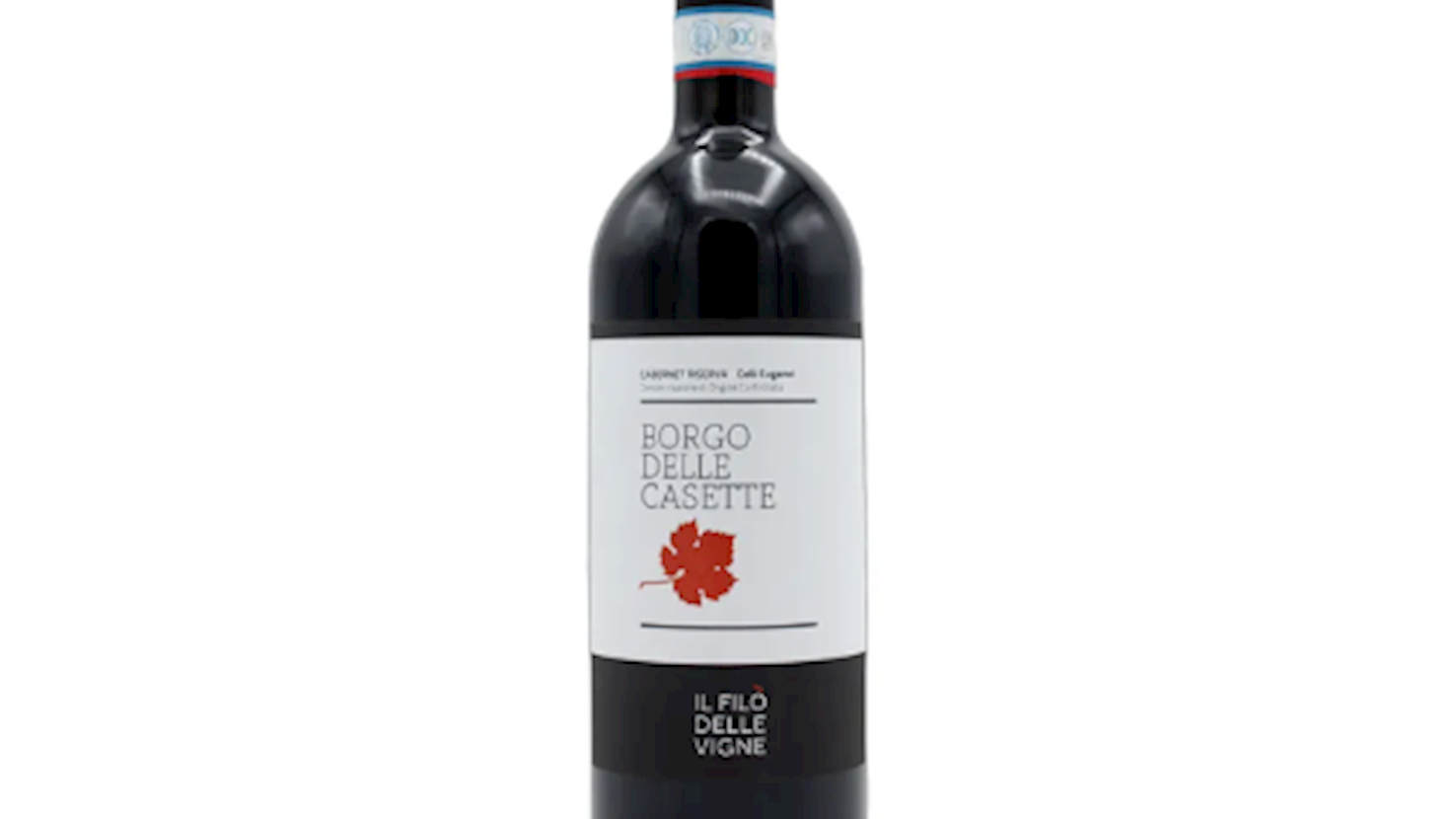
Il Filò delle Vigne

4.6 ·
Il Filò delle Vigne is a family-run winery located in Baone, within the Euganean Hills of Veneto, an area defined by a strong landscape and viticultural identity. The estate is closely tied to its terroir, with vineyards set on volcanic and sedimentary soils rich in minerals, contributing sapidity and structure to the wines. Vineyard work is carried out with careful manual practices and respect for natural cycles, aiming to preserve varietal authenticity and site expression. In the cellar, a restrained and precise winemaking approach is adopted, avoiding stylistic excess in favor of clarity and balance. The portfolio includes white, red and rosé wines made from both local and international varieties, consistently focused on equilibrium, purity and length. Wines from Il Filò delle Vigne show a composed, serious style that reflects the microclimate and soils of the Euganean Hills. The winery stands as a solid example of a producer that unites tradition and a contemporary mindset through a faithful expression of terroir.
Awards
Vivino - 4.2
Wine-Searcher - 92/100

Best Province of Padua foods

01
Bread

Montasù

n/a ·

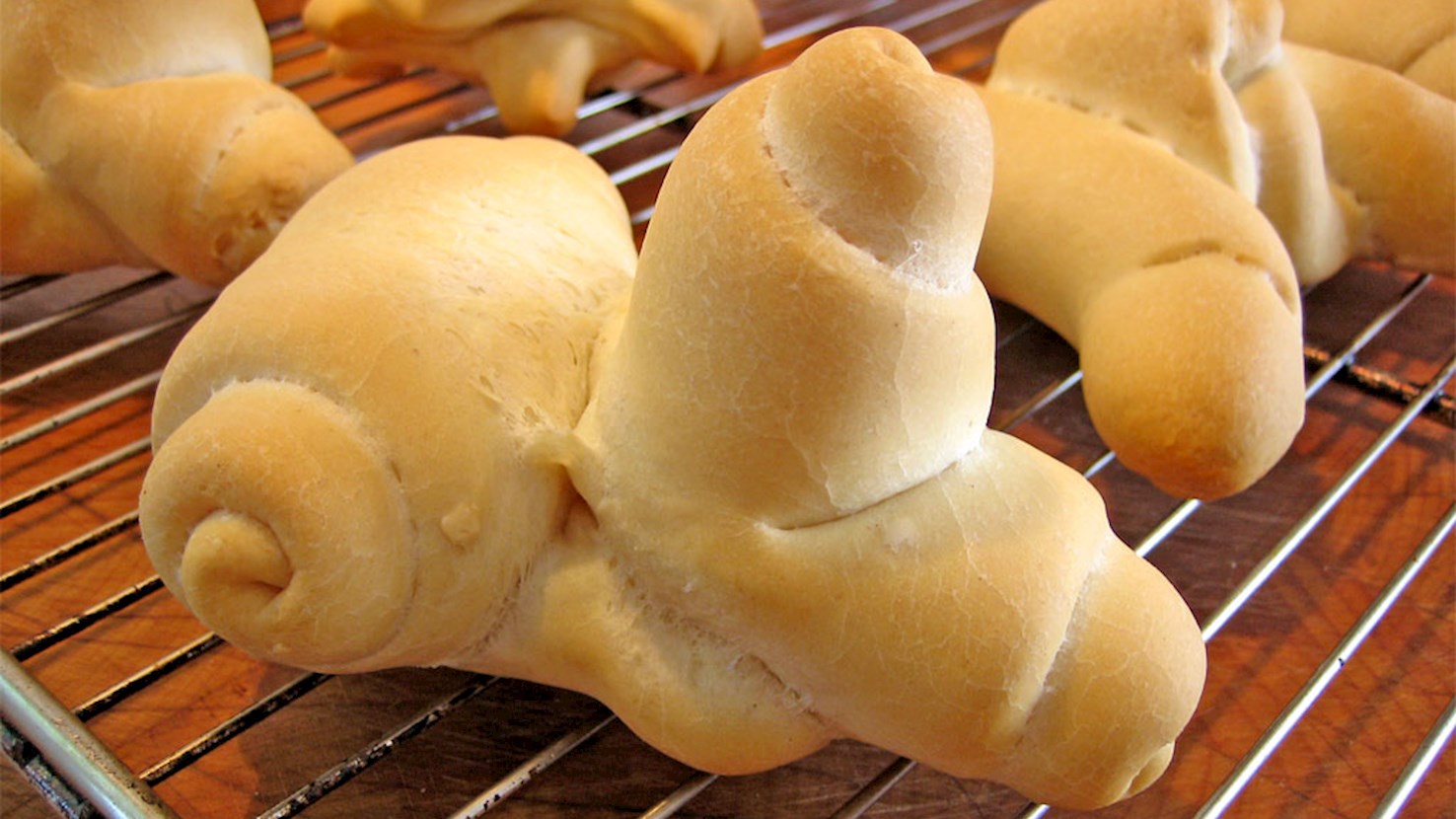
Montasù is a traditional bread originating from Padua, and it dates back to the 15th century, although it became popular once again after World War II. The bread is usually made with a combination of wheat flour, yeast, water, salt, malt, and lard. The ingredients are mixed into a dough, and lard is added near the end of kneading. The dough is divided into smaller pieces that are rolled into thin strips and shaped into various forms, such as crossed crescents. Montasù is baked in the oven until golden brown, and it’s then ready to be consumed. If properly prepared, the crust should be thin and flaky, while the texture is soft and the aroma is fragrant.

02
Dessert

Dolce del santo

n/a ·

Dolce del santo, or the "cake of the saint," is a highly symbolic, dome-shaped baked confection hailing from the historic city of Padua, meticulously crafted from a delicate outer shell of buttery puff pastry that completely envelops a soft, fruit-studded sponge cake to honor the city's beloved patron, Saint Anthony. Deeply entrenched in local monastic lore, the origins of this fragrant pastry trace directly back to the ancient tradition of Franciscan friars distributing modest loaves of sweet bread to weary pilgrims and the local poor at the heavy bronze doors of the magnificent Pontifical Basilica of Saint Anthony. Over the centuries, this humble charitable offering organically evolved into a luxurious, multi-textured dessert whose very architecture remains a profound visual homage to its namesake; the distinctive domed silhouette is deliberately designed to evoke the towering Byzantine cupolas of the local basilica, the radiant halo of the Saint, or the traditional shaved tonsure of a medieval monk. Dolce del santo is a beautiful exercise in contrasting textures, beginning with a wide sheet of pasta sfoglia that is carefully draped into a round baking tin, serving as the structural foundation. Before any batter is introduced, the raw pastry base is thickly painted with a tart, sticky layer of apricot jam and generously scattered with a deeply aromatic mixture of crushed amaretti biscuits, lightly toasted almonds, plump sweet sultanas, and brilliant, citrusy jewels of candied orange peel. The heart of the dessert relies entirely on a remarkably airy, leavening-free sponge batter made by vigorously whisking whole eggs with sugar, fine flour, potato starch, and fresh lemon zest until the mixture becomes pale and voluminous, which is then poured directly over the rich fruit-and-nut foundation. Finally, the overhanging edges of the puff pastry are rustically gathered and folded back over the top of the golden sponge before the entire construction is baked, resulting in an extraordinary treat where the crisp, shattering exterior yields instantly to a soft, yielding crumb heavily perfumed by the caramelized jams and toasted nuts hiding at the bottom.

03
Cake

Pazientina

n/a ·

Pazientina is a spectacularly decadent, historically significant, and labor-intensive layered cake originating from the northern Italian city of Padua, defined by its complex architecture of almond-rich pastry dough, airy sponge cake, and a remarkably dense, dark chocolate zabaglione. Originating in the 1600s within the hushed walls of Paduan monasteries, this dessert is the absolute antithesis of simple, rustic Italian baking, requiring a level of patience and structural precision—hence its name, derived from the Italian word for "patience"—that makes it a rare and treasured undertaking. The architecture of the cake is essentially a magnificent, edible tower built from three distinct, alternating components that must be prepared completely separately before assembly. The foundation and intermittent structural floors are constructed from pasta frolla alle mandorle, a rich, buttery shortcrust pastry heavily fortified with finely ground toasted almonds, which is rolled incredibly thin and baked until it achieves a crisp, deeply golden snap. Resting between these brittle almond layers are thick, soft discs of pan di spagna, a classic Italian sponge cake that acts as the absorbent heart of the dessert, meticulously soaked in a fragrant, alcoholic bath—traditionally a splash of dark rum or a sweet Marsala wine—to introduce crucial moisture and a heady, aromatic warmth. The undisputed soul of the Pazientina, however, is the mortar that binds this entire structure together: a thick, impossibly rich chocolate zabaione. This luxurious custard is crafted by vigorously whisking egg yolks and sugar over a gentle water bath until pale and voluminous, before slowly folding in a heavy dose of premium melted dark chocolate and, often, another generous pour of Marsala. This dark, velvety cream is slathered aggressively between the crisp almond pastry and the rum-soaked sponge, creating an extraordinary textural contrast in every single bite—the snap of the crust, the soft yield of the soaked cake, and the dense, coating richness of the chocolate cream. To finish, the entire assembled cake is frequently showered with a heavy dusting of dark cocoa powder or adorned with delicate chocolate shavings, occasionally framed by a final ring of crushed almonds. Because of its sheer density and the caloric load of its ingredients, local lore dictates that it was originally prescribed by monks as a restorative tonic for the sick or given to the elderly to rebuild their strength.

04
Cake

Torta Pedrocchi

n/a ·

Torta Pedrocchi is a renowned dessert created in the historic Caffè Pedrocchi in Padua, Italy. It is a layered cake, often consisting of alternating layers of coffee sponge cake, chocolate, and green-colored mint cream. The contrasting colors create a visually appealing dessert, and the combination of flavors is both rich and refreshing. Caffè Pedrocchi, founded in the early 19th century, is famous for its architecture and cultural significance, and the torta Pedrocchi is one of its signature offerings.

About this ranking

TasteAtlas food rankings are based on the ratings of the TasteAtlas audience, with a series of mechanisms that recognize real users and that ignore bot, nationalist or local patriotic ratings, and give additional value to the ratings of users that the system recognizes as knowledgeable. For the “Top 17 Traditional Foods in the Province of Padua” list until June 02, 2026, 2 ratings were recorded, of which 2 were recognized by the system as legitimate. TasteAtlas Rankings should not be seen as the final global conclusion about food. Their purpose is to promote excellent local foods, instill pride in traditional dishes, and arouse curiosity about dishes you haven’t tried.

The initial list of top producers was compiled based on available reviews, awards, local recommendations, media and blog coverage, and consumer reviews. The list will be updated with ratings from TasteAtlas local ambassadors and TasteAtlas users.

Similar lists