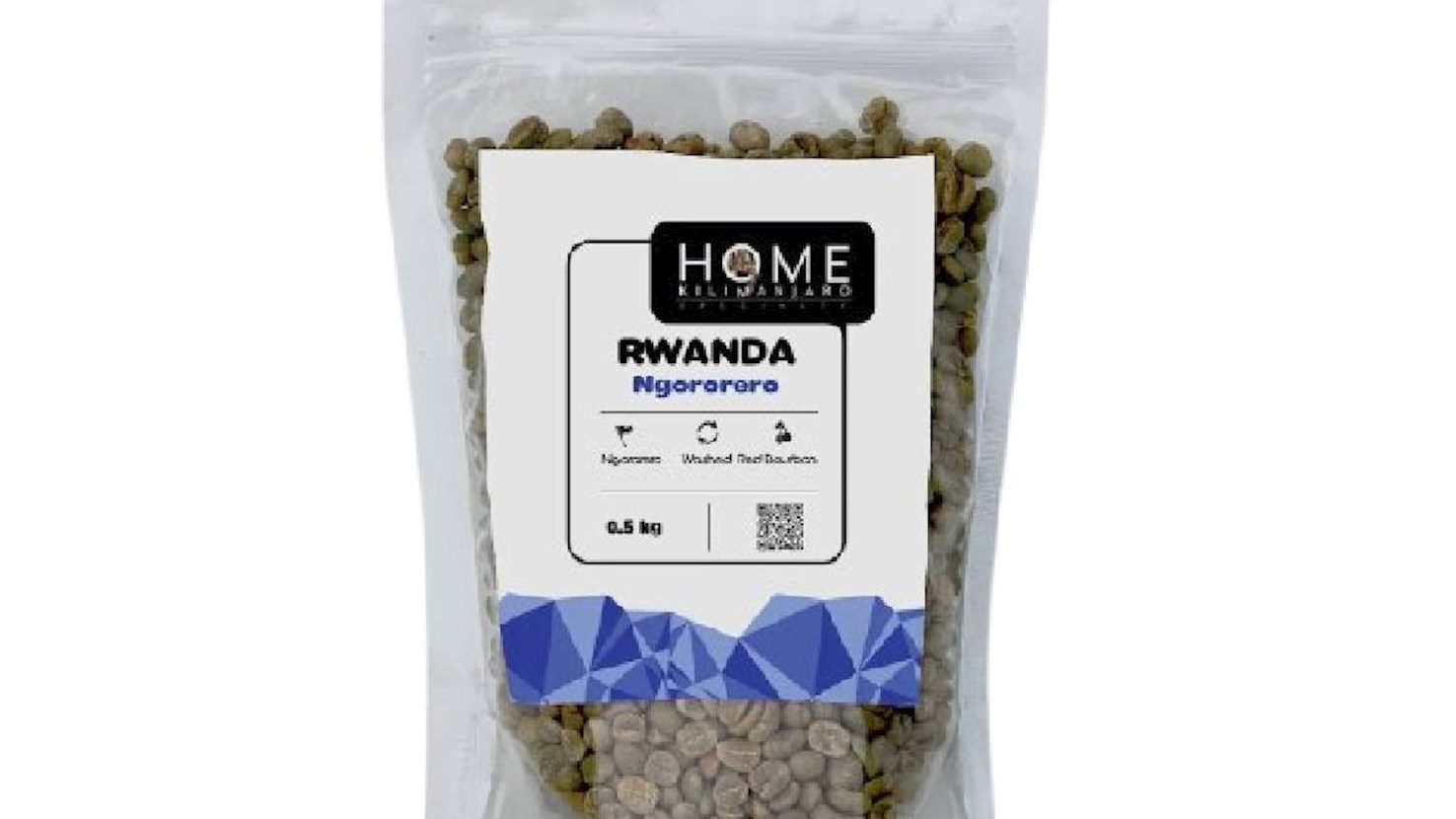
Ngororero Coffee Washing Station is owned and operated by Rwacof Exports Ltd, a subsidiary of the global trading company Sucafina. Rwacof is one of the largest coffee processors and exporters in Rwanda, with significant investments in the coffee sector, including operations at 22 out of the country’s 300 coffee washing stations.
Ngororero focuses primarily on fully washed coffee processing, while also experimenting with honey and natural processing in smaller quantities.
After purchasing ripe coffee cherries from farmers, a strict selection process is conducted, which includes flotation to remove lower-quality cherries and visual inspection by trained staff.
Following this, the cherries are pulped, fermented, and dried on raised beds, with regular sorting to ensure consistent quality.
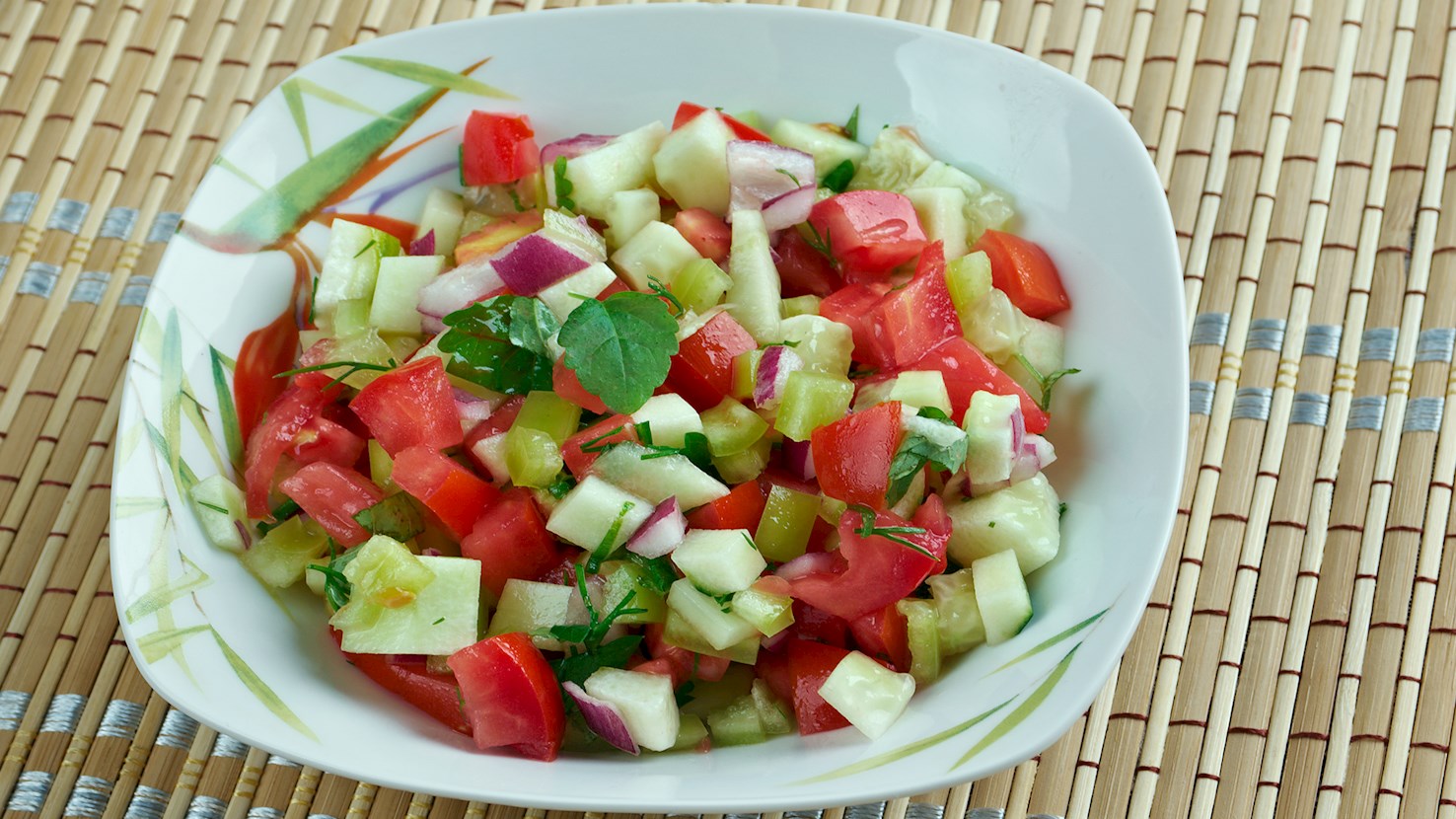
Kachumbari is a fresh vegetable salad made primarily from raw tomatoes and onions, prepared and eaten widely in East Africa, especially in Kenya, Tanzania, Rwanda, Uganda, and Burundi, where it functions as a table accompaniment rather than a standalone dish. Its development is tied to Swahili-speaking coastal foodways and inland adaptations shaped by Indian Ocean trade and regional agriculture, as tomatoes, onions, and citrus became integrated into local diets and were combined in raw form to provide contrast to grilled, fried, or stewed foods that dominate main meals. Preparation involves finely chopping ripe tomatoes and onions and mixing them with salt and a source of acidity such as lime or lemon juice, with chili peppers and fresh herbs like cilantro added in some households, producing a salad that is crisp, sharp, and lightly juicy rather than dressed or marinated. Serving is immediate, as kachumbari is meant to retain freshness, and it is placed in a small bowl or directly on the plate alongside the main dish rather than layered or chilled extensively. It is eaten at home meals, roadside eateries, and social gatherings, commonly alongside grilled meats such as nyama choma, fried fish, rice dishes like wali wa kukaanga, or stiff maize porridge, and it pairs naturally with plain water, unsweetened tea, or light beers, which complement its acidity without competing with its freshness.
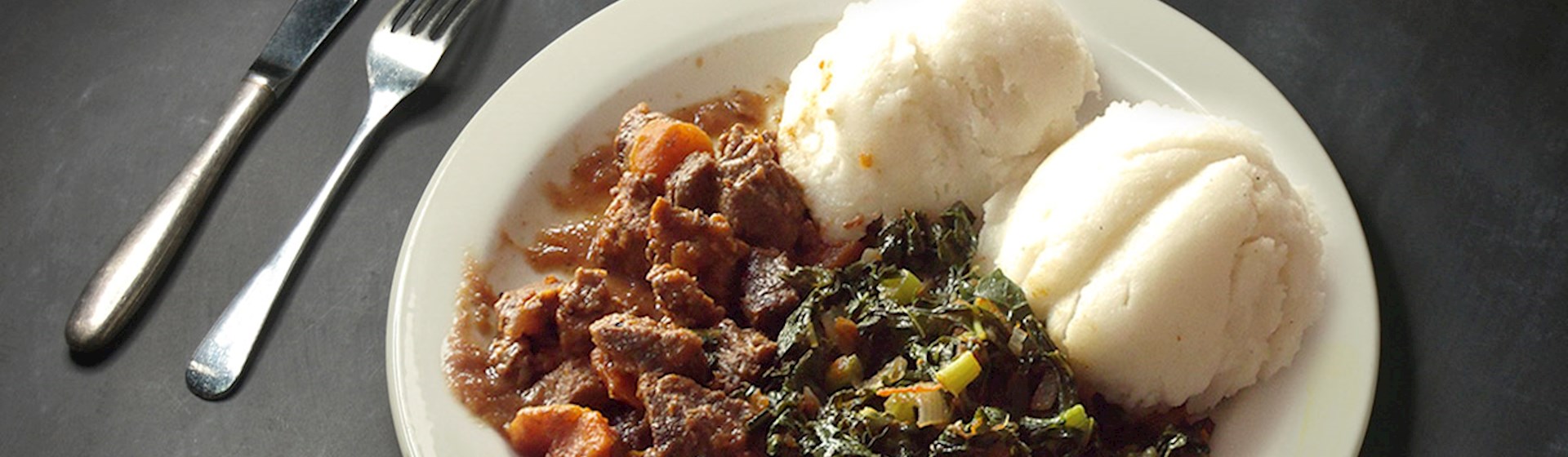
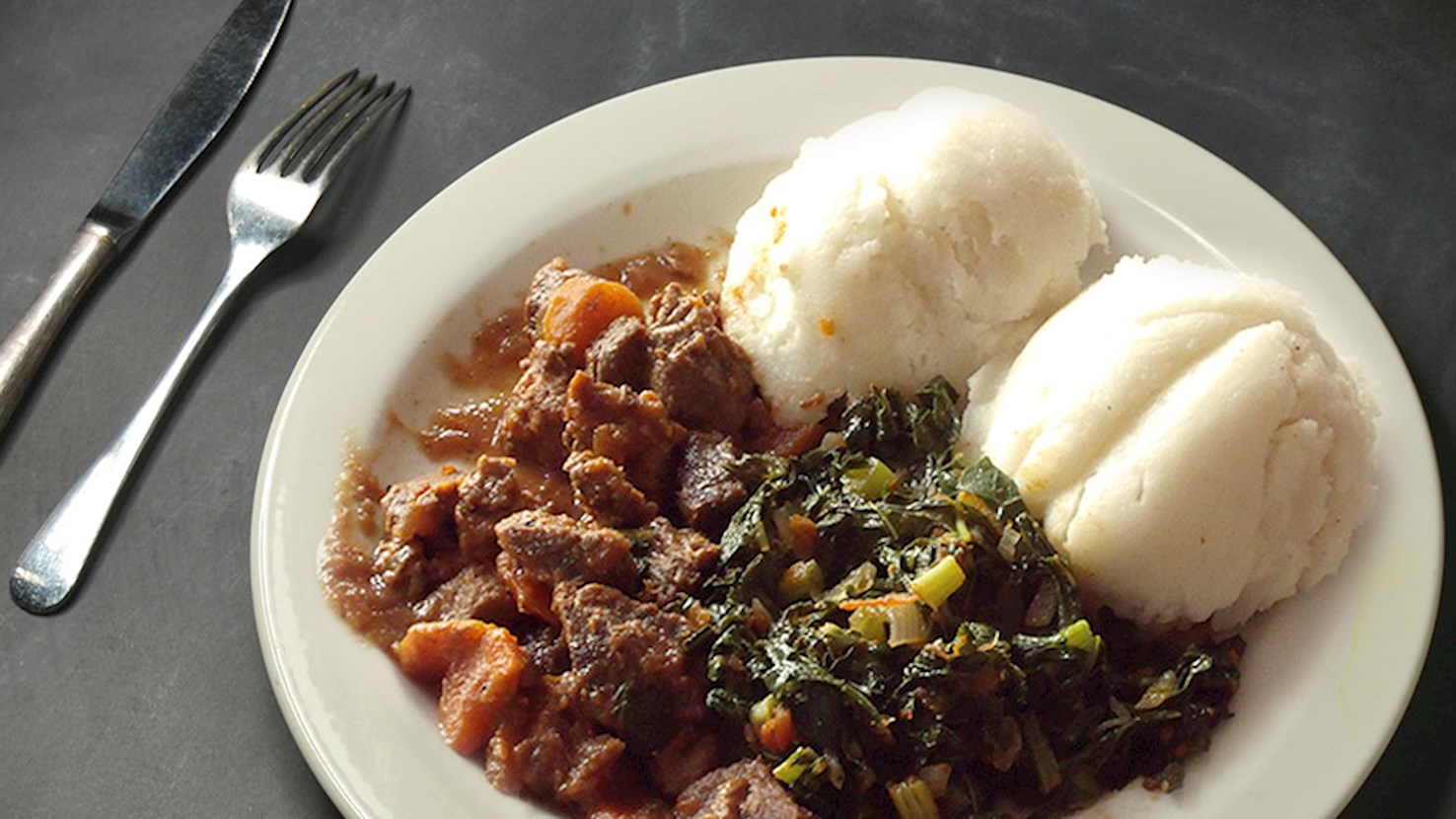
Ugali is a stiff maize-based staple food made by cooking maize flour with water into a firm mass, eaten widely across eastern and southern Africa, most prominently in Kenya and Tanzania, and also present under the same name or close variants in many other African countries, where it functions as a primary source of dietary energy rather than a side dish. Its development followed the introduction of maize to Africa from the Americas beginning in the sixteenth century, after which the crop spread rapidly because of its adaptability and yield, gradually replacing earlier millet and sorghum porridges in many areas and becoming embedded in everyday meals due to its affordability, long storage life, and compatibility with diverse local sauces. Preparation involves bringing water to a boil and steadily adding maize flour while stirring continuously to prevent lumps, then cooking the mixture until it thickens into a cohesive mass with no free liquid, a process governed more by experience and texture than by fixed measurements. Serving is immediate, with the cooked ugali shaped into a mound and portioned by hand or spoon, and it is not consumed alone but used to scoop vegetables, legumes, meat stews, or fish, acting as a neutral carrier rather than a flavored component. It is eaten primarily at lunch or dinner in homes, eateries, and communal settings, most often by hand, and it pairs naturally with leafy greens, bean dishes, grilled or stewed meats, and fish sauces, while beverages alongside are typically water, unsweetened tea, or light fermented drinks rather than sweet or acidic options, keeping attention on the accompanying foods rather than the starch itself. Nsima from Malawi, which follows the same method and role at the table and was formally recognized in 2017 when it was inscribed on the Representative List of the Intangible Cultural Heritage of Humanity by UNESCO, reflecting its central place in daily life and social practice.
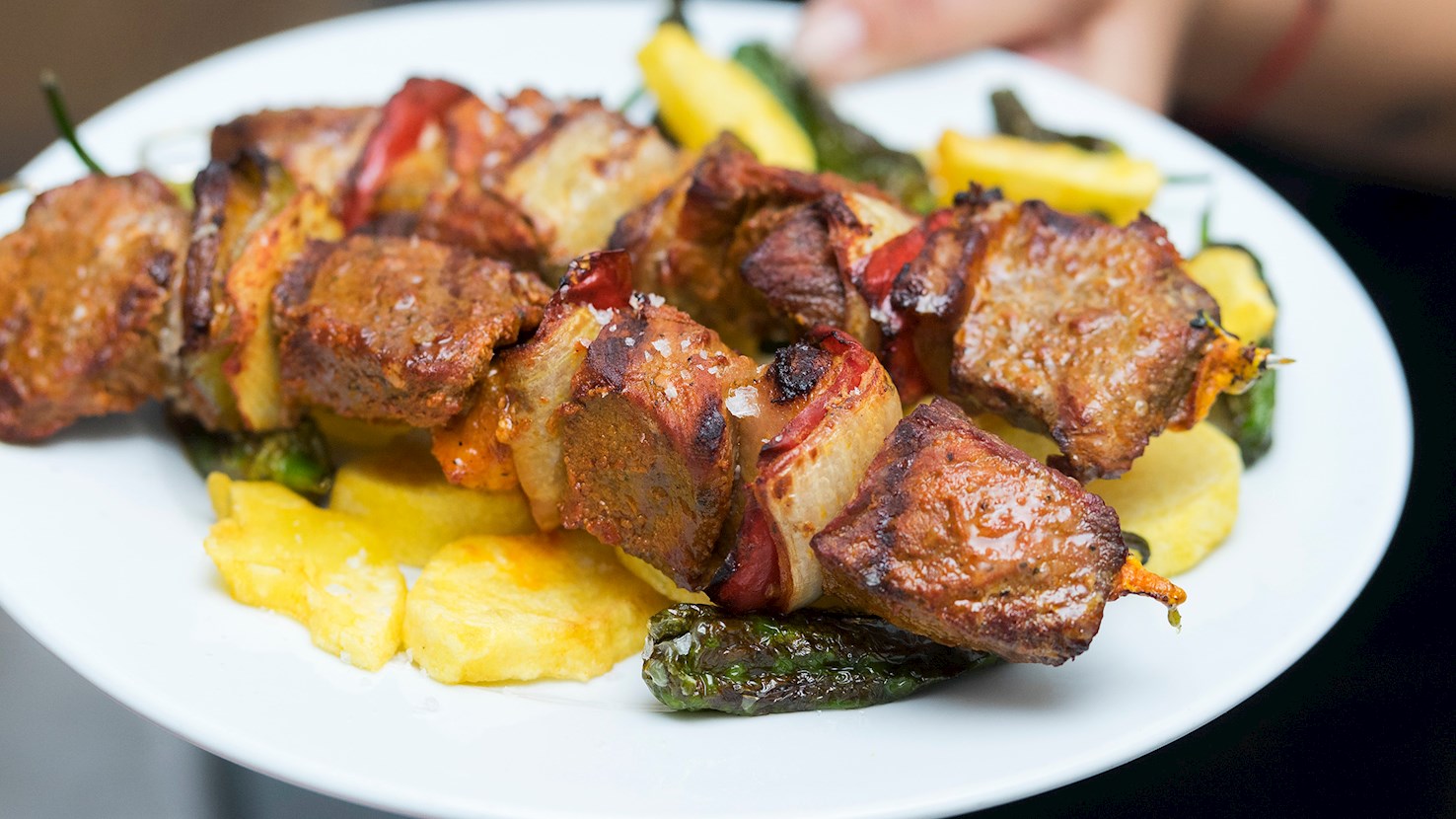
Brochettes is the national dish of Rwanda, consisting of meat or fish on a skewer. The meat used for brochettes is typically goat, beef, chicken, or pork. The skewers are sometimes enriched with the addition of vegetables, and they are roasted over hot coals. Typical side dishes include roasted potatoes, deep-fried bananas, or fresh salads. In Rwanda, brochettes can be found pretty much everywhere – from small bars to hotel restaurants.
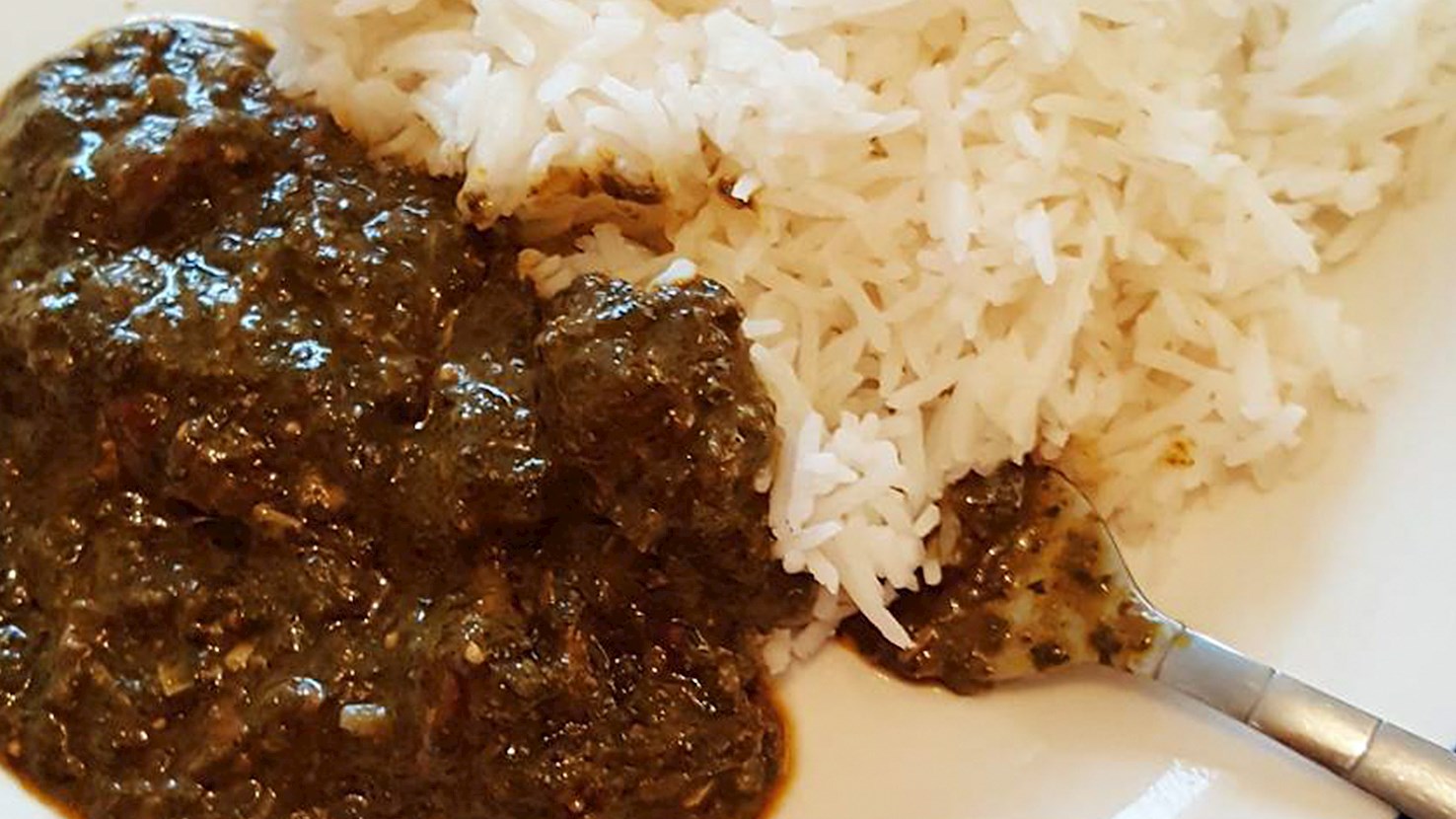
Isombe is a typical Rwandan stew made from mashed cassava leaves and other ingredients such as tomatoes, onions, coriander, garlic, Maggi seasoning, and peanut butter. The dish often has a meaty flavor although it contains no meat due to the usage of stock from boiled beef bones. Isombe is traditionally served with rice or beans on the side.
Igisafuliya is a Rwandan one-pot dish characterized by its specific combination of chicken, plantains, and several varieties of vegetables. The name of the dish derives from the Kinyarwanda word for pot, which refers to the singular vessel required for its entire preparation. This culinary staple is deeply rooted in the agricultural practices of the Great Lakes region of Africa, particularly within the highland territories of Rwanda. It emerged from a necessity for efficient cooking methods and the availability of diverse produce within a single harvest cycle. The dish gained prominence as a communal meal that utilized the primary crops of the Rwandan countryside, reflecting a shift toward balanced starchy and protein-heavy diets as poultry became a more accessible livestock option in rural households. The preparation begins with browning pieces of chicken in a large, heavy-bottomed pot to develop a base of fat and flavor. Once the meat is seared, sliced onions, leeks, and celery are added to provide an aromatic foundation. The primary starch component consists of peeled, green plantains which are layered over the poultry. Following this, significant quantities of chopped tomatoes, green bell peppers, and often a substantial amount of dodo, a regional variety of amaranth greens, are packed into the pot. Unlike many other regional stews, igisafuliya is distinct because it is cooked with very little added water; instead, the ingredients simmer in the moisture released by the vegetables and the juices from the chicken. This technique results in a dense, concentrated sauce rather than a thin broth. In some variations, peanut paste is stirred in toward the end of the cooking process to thicken the liquid and add a nutty profile, though the inclusion of amaranth remains its most defining structural characteristic. The dish is served hot directly from the cooking vessel, often presented in a large communal bowl where the plantains have softened to a texture similar to boiled potatoes but with a subtle sweetness that counters the savory chicken. It is frequently consumed as a midday or evening meal in both domestic settings and local restaurants across Kigali and the surrounding provinces. Because of its nutrient density and the presence of a rich sauce, it is commonly paired with a side of white rice or occasionally extra portions of steamed vegetables. While many diners consume it as a standalone meal, it is often accompanied by a glass of cold water or a local ginger-infused tea to balance the richness of the chicken fat and the earthiness of the cooked greens.
TasteAtlas food rankings are based on the ratings of the TasteAtlas audience, with a series of mechanisms that recognize real users and that ignore bot,
nationalist or local patriotic ratings, and give additional value to the ratings of users that the system recognizes as knowledgeable.
TasteAtlas Rankings should not be seen as the final global conclusion about food. Their purpose is to promote excellent local foods,
instill pride in traditional dishes, and arouse curiosity about dishes you haven’t tried.
The initial list of top producers was compiled based on available reviews, awards, local recommendations, media and blog coverage, and consumer reviews.
The list will be updated with ratings from TasteAtlas local ambassadors and TasteAtlas users.




What People Say