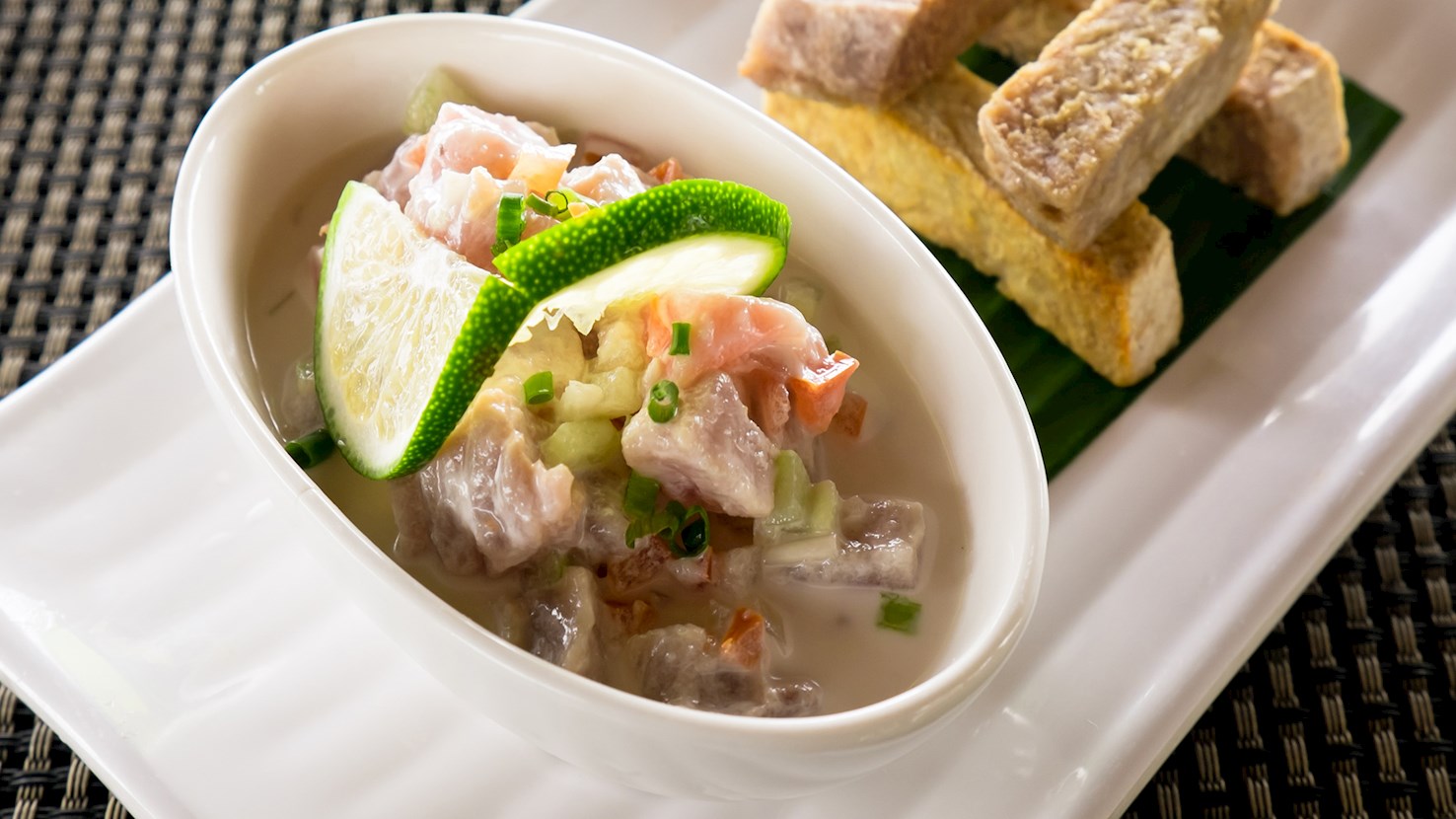
Oka i’a is a raw fish salad made with fresh ocean fish, citrus juice, coconut cream, and finely chopped vegetables. The dish is built around firm-fleshed fish such as yellowfin tuna, snapper, or mahi-mahi, which is cut into bite-sized cubes and mixed with fresh lime or lemon juice. The acidity firms the fish's surface and turns the translucent flesh opaque, giving it a texture similar to lightly cured seafood while keeping the center tender. While the fish rests in the citrus juice, vegetables are prepared to add crunch, color, and sharpness. White onion, seedless cucumber, firm red tomato, scallions, and bird’s eye chiles are commonly diced and added to the bowl. Once the fish has reached the desired texture, fresh coconut cream is poured over the mixture and stirred through the citrus, vegetables, and fish until a smooth, rich, lightly tangy dressing forms. Sea salt is added to bring together the sweetness of the coconut, the acidity of the citrus, the heat of the chiles, and the clean flavor of the raw fish. Oka i’a is served very cold, usually in a wide bowl, with the fish and vegetables suspended in the coconut-citrus liquid. It is often accompanied by boiled taro root, baked breadfruit, or starchy green bananas, whose mild flavor and dense texture balance the sharp onion, acidic citrus, and fatty coconut cream. These starchy sides also help absorb the remaining coconut dressing at the bottom of the bowl. The basic formula can be easily adjusted to suit household preferences and available ingredients. Grated carrots or diced green bell peppers may be added for extra volume, sweetness, and crunch. When fresh limes or lemons are not available, a small amount of white vinegar can provide the acidity needed to firm the fish. Some versions shorten or skip the marinating stage, adding citrus juice and coconut cream to the raw fish just before serving so the seafood keeps a softer, more sashimi-like texture. The combination of raw fish, coconut, and acidic liquid reflects the foodways of Samoa and the wider South Pacific, where coastal communities relied on the ocean for fresh protein and on coconuts gathered near the shore. Before citrus fruits became common in the region through foreign contact, seawater or fermented coconut water could provide the liquid used to season, soften, and preserve fresh fish. Treating the daily catch with naturally available liquids helped extend its keeping time in a tropical climate and produced a cooling meal that required no fire, making oka i’a both practical and well-suited to the heat of the islands.
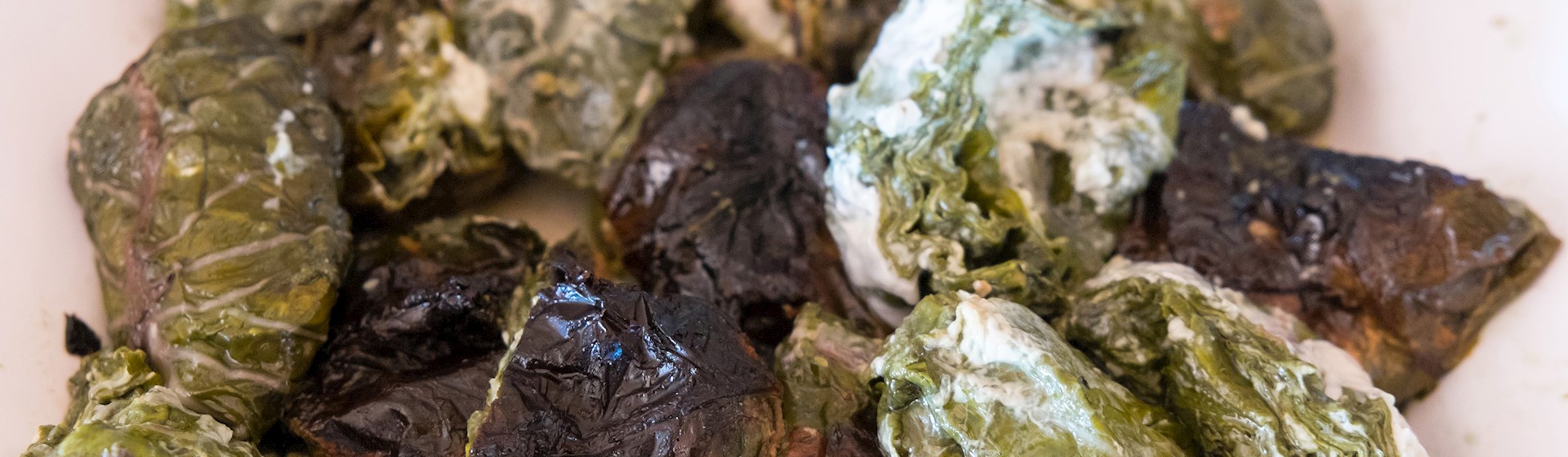
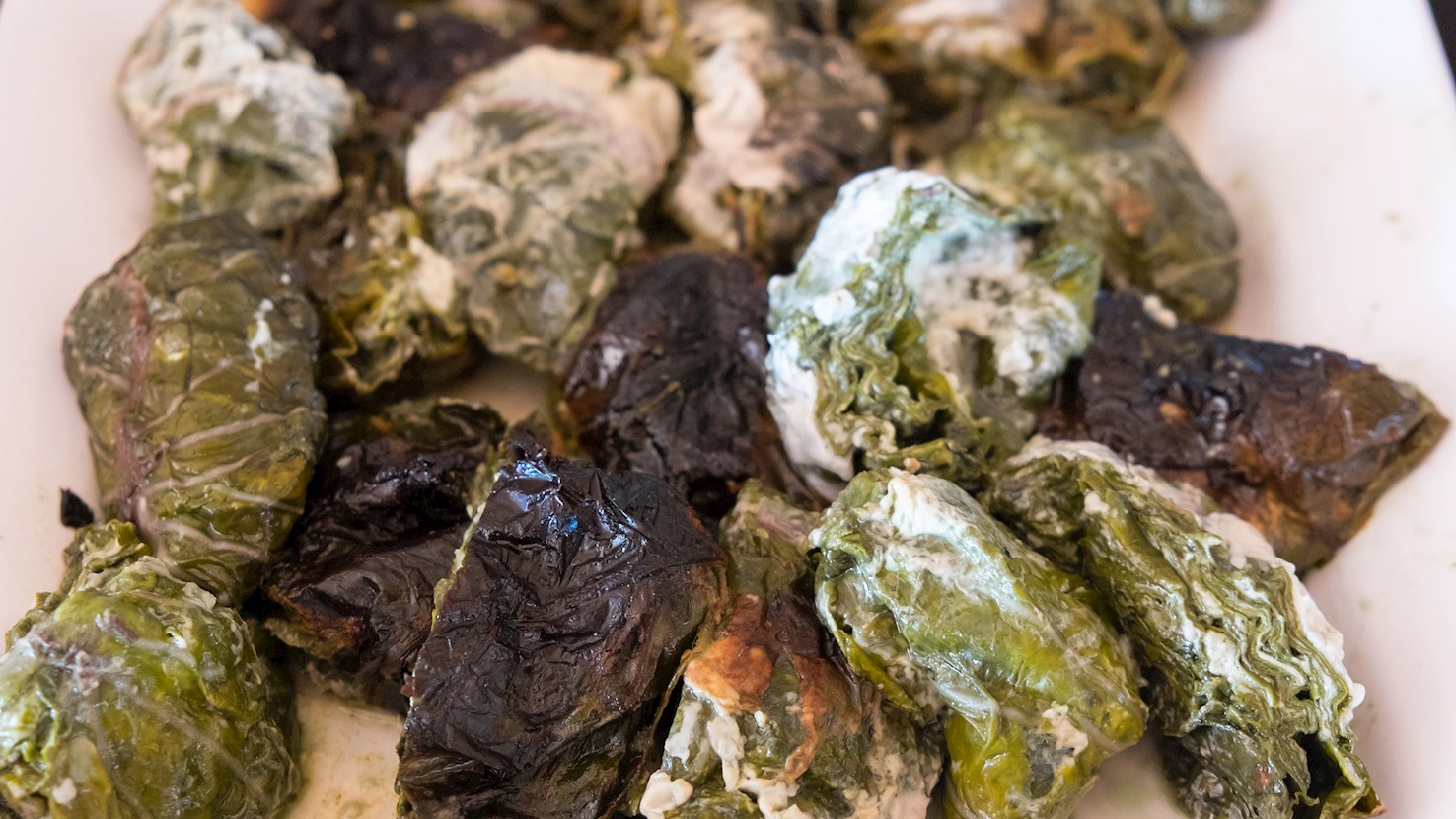
Palusami is a Samoan main dish prepared with taro leaves and onions in coconut milk. The combination of these ingredients is baked in a casserole dish until the taro leaves become wilted and the sauce becomes bubbly. The dish has a few variations so it can be modified by adding corned beef or dill into the casserole in order to elevate the flavors.
Poi mago is a refreshing Samoan mango pudding consisting of mangoes, lime juice, coconut milk, sugar, and vanilla. The concoction is blended until smooth and chilled until ready for consumption. It is recommended to serve this flavorful dessert over ice.
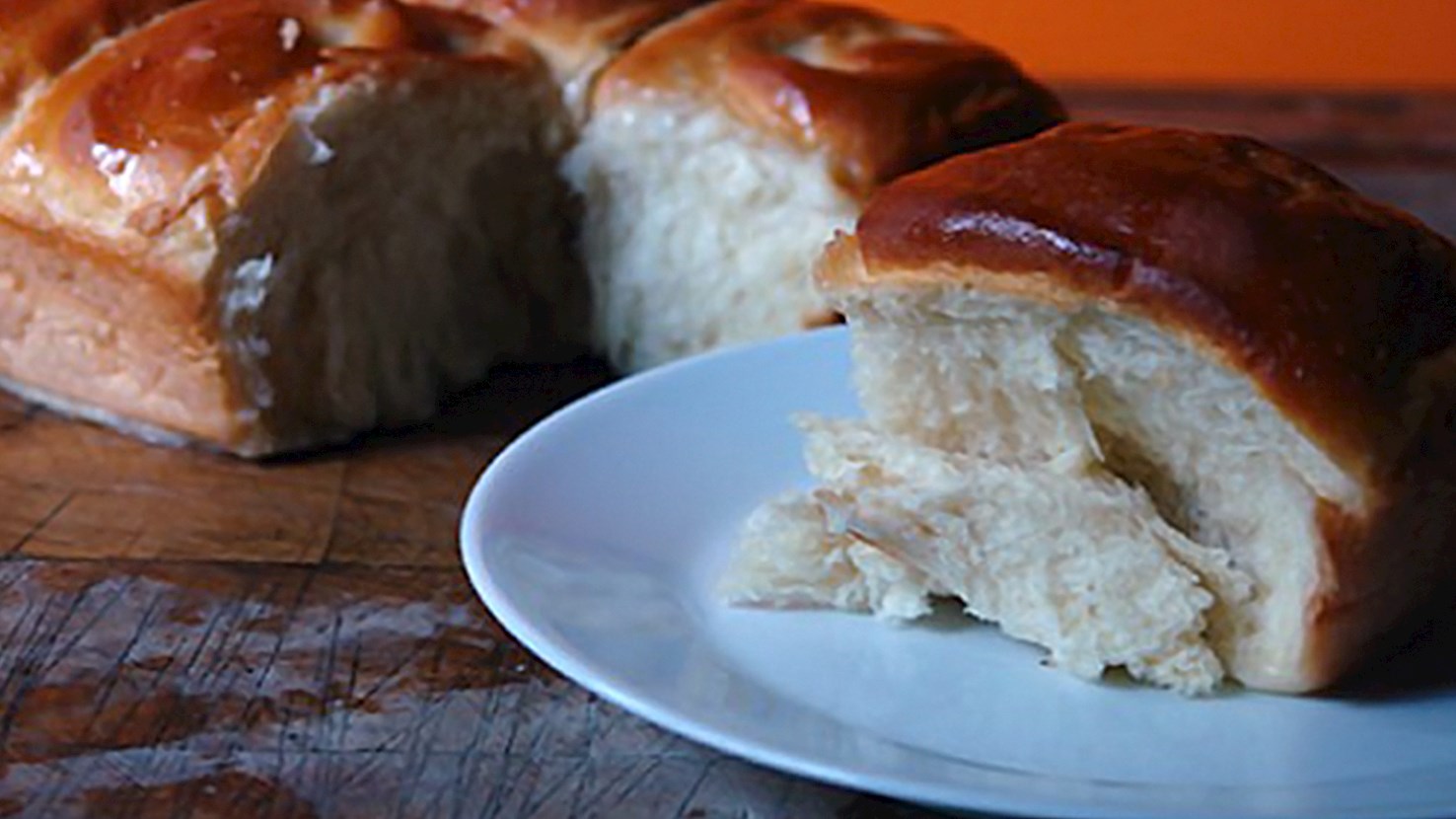
Panipopo is the national dish of Samoa, a unique dessert consisting of buns baked in a sweet and sticky coconut cream sauce. The buns are typically served in shallow bowls spooned over with more sauce, accompanied by a hot beverage on the side, preferably Samoan cocoa. These treats can be consumed the following day by simply reheating them for a few minutes.
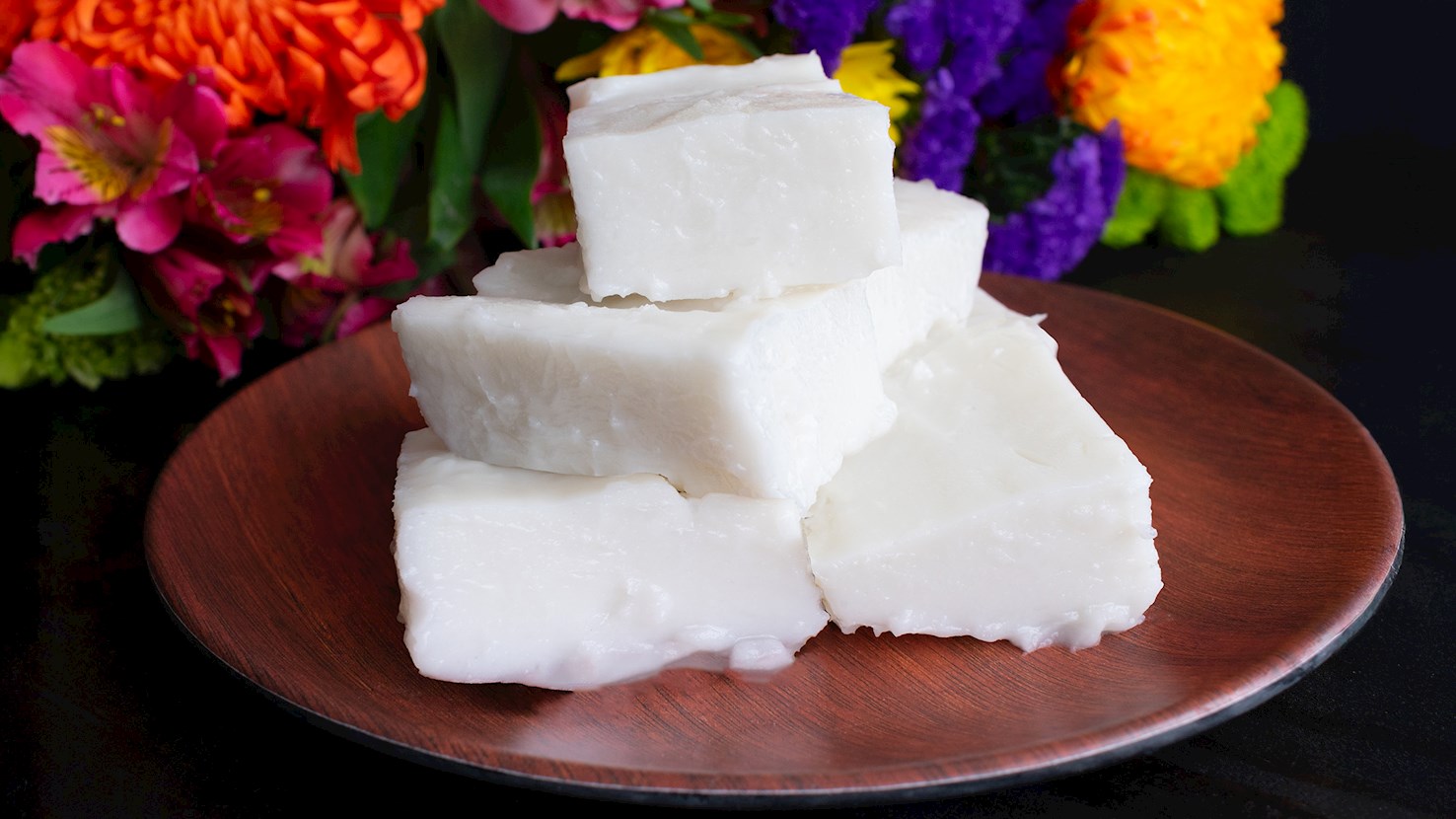
Haupia is a traditional Hawaiian dessert made from coconut milk, thickened into a smooth, jelly-like custard using arrowroot starch or cornstarch, and typically served chilled in small, white squares. Simple yet luxurious, haupia is a staple at Hawaiian luaus, family gatherings, and potlucks, offering a cool, creamy bite that perfectly captures the flavors of the islands. The texture of haupia falls somewhere between firm pudding and soft gelatin, depending on the starch used and the cooking time. It’s lightly sweet, with a clean, tropical flavor driven almost entirely by the natural richness of coconut milk. While classic haupia is unadorned and stark white, modern variations may layer it over chocolate crusts (as in haupia pie) or combine it with sweet potatoes, lilikoi (passionfruit), or even taro for fusion twists. Deeply rooted in Native Hawaiian cuisine, haupia reflects a culinary heritage that values simplicity, texture, and the natural bounty of the islands—especially the coconut, a sacred and versatile ingredient in Polynesian cultures. Apart from Hawaii, this pudding is also a staple in other Polynesian countries.
Keke pua'a are Samoan versions of bao steamed buns, filled with a combination of pork, garlic, soy sauce, and onions, although they can be filled with basically any combination of meat and other ingredients. The tender dough is made with flour, sugar, salt, eggs, butter, milk, water, and yeast. It is then filled and steamed or baked. When translated, the name keke pua'a means pork cake, referring to the most common filling in Samoa.
Kale moa is a rich Samoan chicken curry made with yellow curry powder, onions, garlic, ginger, root vegetables, and coconut cream. The sauce is usually mild compared with many South Asian curries, with the coconut cream softening the spices and giving the stew a smooth, slightly sweet finish. The name translates simply as “chicken curry,” with moa meaning chicken. The exact history of kale moa is not clearly documented. It most likely developed during the colonial period, when imported curry powder and other foreign pantry ingredients became increasingly available throughout the Pacific. Samoa was closely connected with German, British, New Zealand, Asian, and wider Pacific trading networks, making it difficult to trace the curry to one specific source. The idea that Indian indentured laborers directly introduced it to Samoa is particularly doubtful, since colonial labor records instead document large numbers of Melanesian and Chinese contract workers. Commercial curry powder itself was already an established export product by the nineteenth century, making it much easier to transport than a large collection of individual spices. In Samoa, it was combined with coconut cream, an ingredient already central to local food culture, creating a curry with a distinctly Pacific character. The base usually begins with vegetable oil heated in a large pot. Chopped onions are added first, followed by crushed garlic and fresh ginger. They are fried until soft and aromatic rather than heavily browned. Yellow curry powder is then stirred into the hot oil and aromatics. Heating it briefly helps release its fragrance and distributes the turmeric, coriander, cumin, fenugreek, and other spices commonly found in commercial blends. The oil does not need to be smoking hot, since excessive heat can scorch the curry powder and make it bitter. Bone-in chicken thighs, drumsticks, or pieces from a whole chicken are added next. Bone-in meat is especially well suited to kale moa because it remains moist during simmering and gives the surrounding liquid more flavor. Boneless chicken can also be used for a quicker version. The chicken is coated thoroughly in the curry mixture and may be lightly browned before liquid is added. Potatoes and carrots are common vegetables and are cut into fairly large pieces so they remain intact while the chicken cooks. Water, chicken stock, coconut milk, or a combination of these is then added. The stew is brought to a simmer and left to cook until the chicken is tender and the potatoes and carrots are soft. It should simmer steadily rather than boil violently, which can break apart the vegetables and toughen the chicken. Coconut cream gives kale moa its characteristic richness. Some versions add it during the main simmer, while others stir it in closer to the end. Full-fat coconut cream creates the thickest sauce and gives the curry a gentle sweetness that balances the yellow curry powder. The sauce can be left relatively light or thickened further. Some household versions use a little flour mixed with fat or liquid to create a thicker gravy that clings more strongly to the chicken and vegetables. Glass noodles or vermicelli can also be added. The noodles are usually softened separately before being mixed into the curry, where they absorb the yellow coconut broth and make the meal more substantial. This is a household variation rather than an essential part of kale moa. Another variation replaces some or all of the coconut cream with evaporated milk. This produces a lighter dairy flavor and a thinner sauce, while still giving the curry a creamy finish. It is best understood as a modern household adaptation rather than the defining version. Green peas may be added near the end so they remain bright and slightly firm. They can replace some of the carrots or simply be added alongside the potatoes, contributing small bursts of sweetness. Other versions change the protein. Beef and lamb can be cooked with a similar curry base, although chicken remains the defining meat in kale moa. The finished curry should contain tender chicken and soft vegetables surrounded by enough yellow coconut gravy to spoon over a starch. The sauce is usually aromatic and savory rather than intensely hot, although fresh chilies can be added for more heat. Kale moa is commonly served with steamed white rice, which absorbs the coconut curry sauce. Taro and breadfruit can also accompany it, providing denser starches that work particularly well with the creamy gravy. Fresh chili may be served alongside for additional heat. Other simple sides can provide contrast to the mild coconut sauce, but the curry itself is usually substantial enough to serve as the center of the meal. Kale moa is eaten both as an everyday family meal and as part of larger gatherings. It can also appear at to’ona’i, the substantial Sunday meal associated with family gatherings after church.
Although it looks like a side dish, in Samoan cuisine, coconut rice is usually served as a savory snack. It is made with rice, water, coconut milk, and salt. The dish should be served hot or warm, at room temperature. It is recommended to pair coconut rice with a strong cup of coffee or a cup of Samoan cocoa.
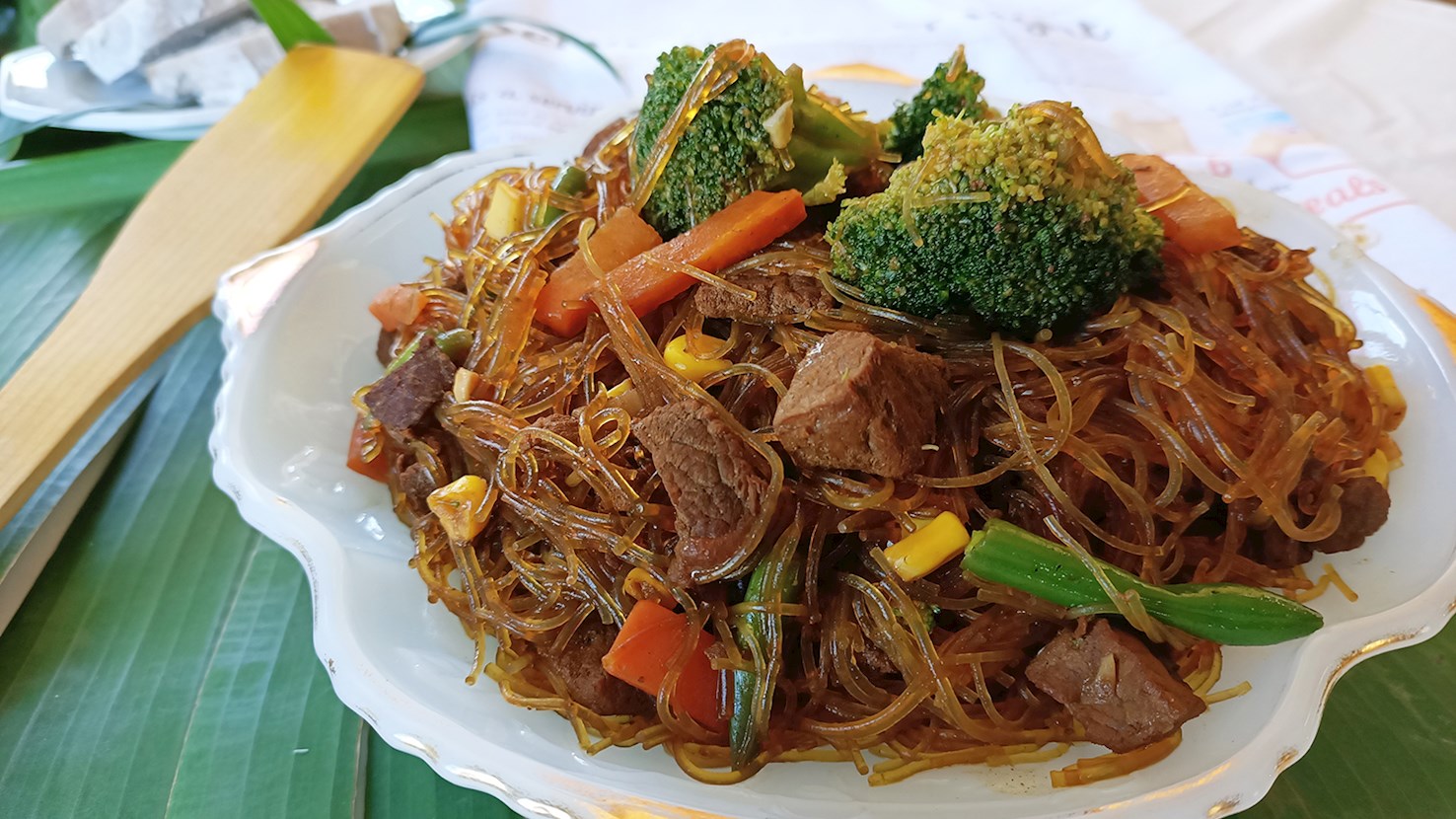
Sapasui or Samoan chop suey is a Chinese import that has, over time, become a Samoan staple with numerous variations. Inexpensive, delicious, and easy to prepare, the dish consists of vermicelli noodles, soy sauce, sugar, garlic, ginger, and meats such as chicken, beef, or pork. Fresh vegetables such as carrots, broccoli, or cabbage can also be added to the dish. It is recommended to serve sapasui with taro, green bananas, or white rice on the side.
Oka popo is a cold Samoan raw-fish salad made with fresh fish, citrus juice, coconut cream, and finely chopped vegetables such as onion, tomato, and cucumber. The fish is briefly marinated in lemon or lime juice until its surface becomes firm and opaque, then combined with rich coconut cream. The result is fresh, creamy, mildly acidic, and usually served well chilled. The name is Samoan. Oka refers to a food made from raw or marinated fish, while popo means a mature coconut—the type grated and pressed to obtain rich coconut cream. The name oka popo is especially documented in American Samoa, while oka i‘a, literally referring to fish, is the more common name for the same general style of Samoan raw-fish salad. Closely related raw-fish dishes appear throughout the Pacific: ‘ota ‘ika in Tonga, ika mata in the Cook Islands, kokoda in Fiji, and similar coconut-and-fish combinations elsewhere. The modern Samoan version commonly includes citrus juice, onion, tomato, cucumber, and chili. Still, there is no good evidence that these vegetables suddenly entered the recipe through local canneries in the mid-twentieth century. The most important ingredient is extremely fresh, firm fish suitable for eating raw. Tuna is especially common, including yellowfin, although snapper, mahi-mahi, marlin, swordfish, and other firm ocean fish can also be used. The fillets are cleaned carefully and cut into small, even cubes so that the citrus affects them at roughly the same rate. The fish is placed in a non-reactive bowl and mixed with freshly squeezed lemon or lime juice. Some recipes use enough juice to surround the fish, while others use considerably less. There is also no fixed ten- or twenty-minute rule: marinating time varies according to the size of the pieces and the desired texture. A relatively short cure keeps the center tender and raw, while a longer one produces firmer fish throughout. The citrus does not actually cook the fish with heat. Its acid denatures the proteins, causing the flesh to become firmer and more opaque in much the same visible way that heat does. For this reason, very fresh fish intended for raw consumption remains important even though the surface looks cooked after marinating. Once the fish has reached the desired texture, some or all of the excess citrus juice can be drained away. Leaving too much strong citrus in the bowl for a long period can make the exterior of the fish increasingly firm and overwhelm the coconut flavor. Fresh coconut cream is then mixed with the fish. Traditionally, this comes from mature popo: the white coconut flesh is grated and squeezed to obtain the thick cream known in Samoan as pe‘epe‘e. Coconut milk or canned coconut cream can be used instead, but fresh cream gives the salad its characteristic richness. Finely chopped onion, tomato, and cucumber are among the most common additions. Green onion may also be included, while fresh chili adds heat. The vegetables provide crunch, sweetness, and freshness against the soft fish and fatty coconut cream. Salt is added according to taste. The proportions vary considerably from one household to another. Fish dominates some versions with just enough coconut cream to coat it, while others contain enough coconut liquid to resemble a very thick, cold soup. The amount of citrus also varies, from lightly acidic versions to sharply tart ones. Other seafood can be treated similarly across the wider Polynesian family of raw seafood dishes, including prawns, crab, lobster, octopus or squid, mussels, and sea urchin. These should not simply be described as requiring progressively longer citrus curing, however, because their textures and handling differ considerably. Acid is used mainly for flavor and textural change rather than as a universal method for tenderizing every type of seafood. A small amount of clean seawater is sometimes mentioned in local versions as a source of salinity, particularly where the food is made close to the coast. However, ordinary salt is far more practical, and this should be considered a variation rather than an essential part of oka. The idea of deliberately fermenting coconut milk before adding it is not a defining feature of oka popo and is better associated with other Pacific coconut foods. Oka popo is chilled before serving so that the fish, citrus, coconut cream, and vegetables remain cool and refreshing. It may be served as an appetizer, a side at a larger meal, or as a light meal on its own. Samoa’s National Park Service describes oka i‘a as a raw fish salad made with diced fish, coconut cream, lime juice, onion, and sometimes chili. Taro is a particularly natural accompaniment and is commonly eaten alongside Samoan oka. Other substantial Pacific starches such as breadfruit or green banana can also accompany raw fish and coconut dishes. Their mild flavor balances the acidic fish and rich coconut cream rather than simply absorbing leftover liquid.
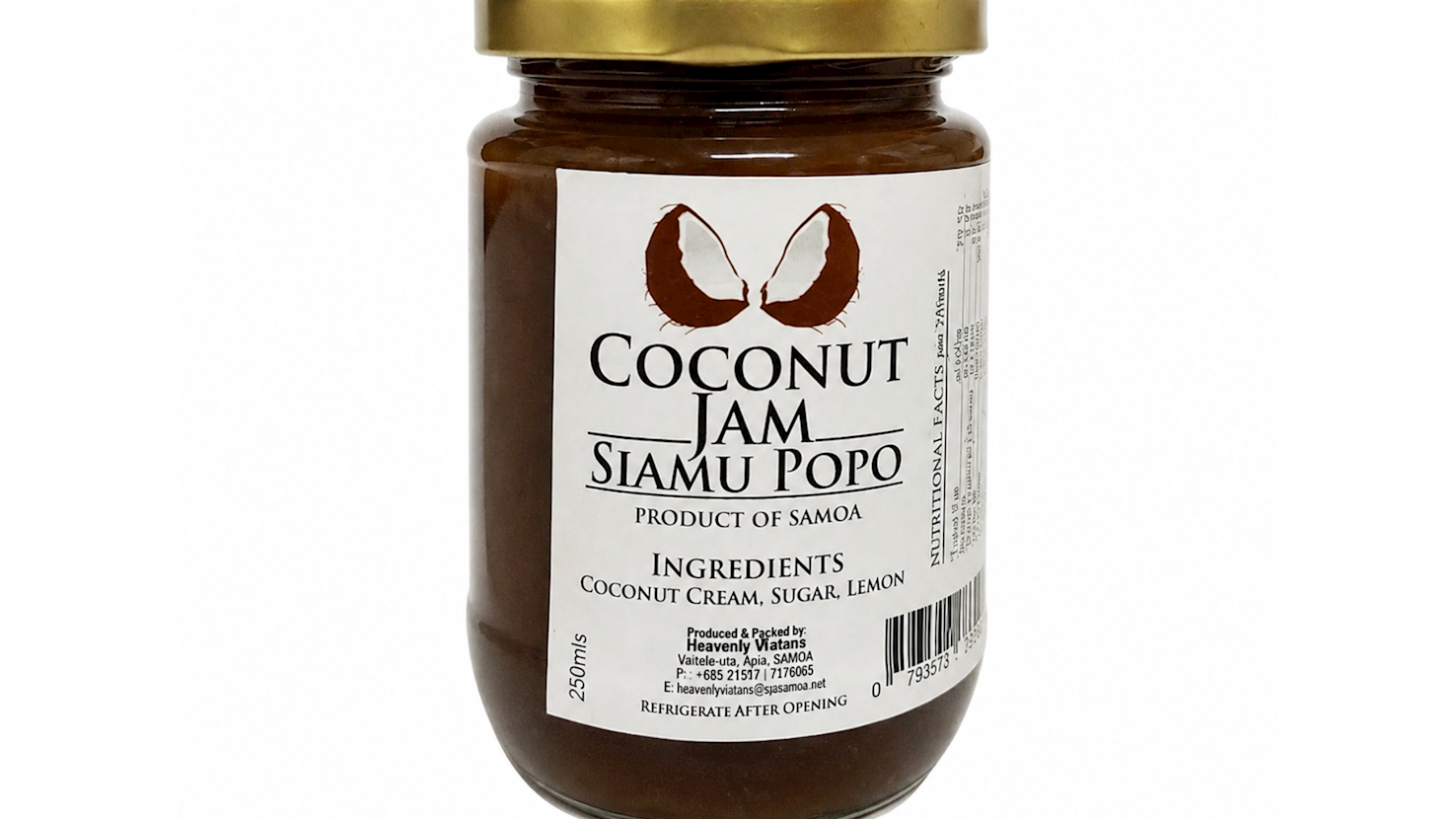
Vicki’s Organic Coconut Jam is a Samoan brand associated with Apia, specializing in the traditional coconut spread known as siamu popo. Its identity is rooted in locally grown coconuts and the Samoan tradition of making sweet spreads.
The brand’s signature product is made with coconut cream, sugar, and lemon, emphasizing simple ingredients and a rich coconut flavor. According to the product description, it uses coconuts grown in Samoa and a traditional local recipe. Through this offering, the brand presents one of the island’s characteristic flavors in practical packaging for everyday use.
TasteAtlas food rankings are based on the ratings of the TasteAtlas audience, with a series of mechanisms that recognize real users and that ignore bot,
nationalist or local patriotic ratings, and give additional value to the ratings of users that the system recognizes as knowledgeable.
TasteAtlas Rankings should not be seen as the final global conclusion about food. Their purpose is to promote excellent local foods,
instill pride in traditional dishes, and arouse curiosity about dishes you haven’t tried.
The initial list of top producers was compiled based on available reviews, awards, local recommendations, media and blog coverage, and consumer reviews.
The list will be updated with ratings from TasteAtlas local ambassadors and TasteAtlas users.







What People Say