



dreamstime

Top 5 Saxon-Anhaltish Foods

Last updated on September 02, 2026
01
Sweet Pastry

Magdeburger Schmalzkuchen

4.0 ·

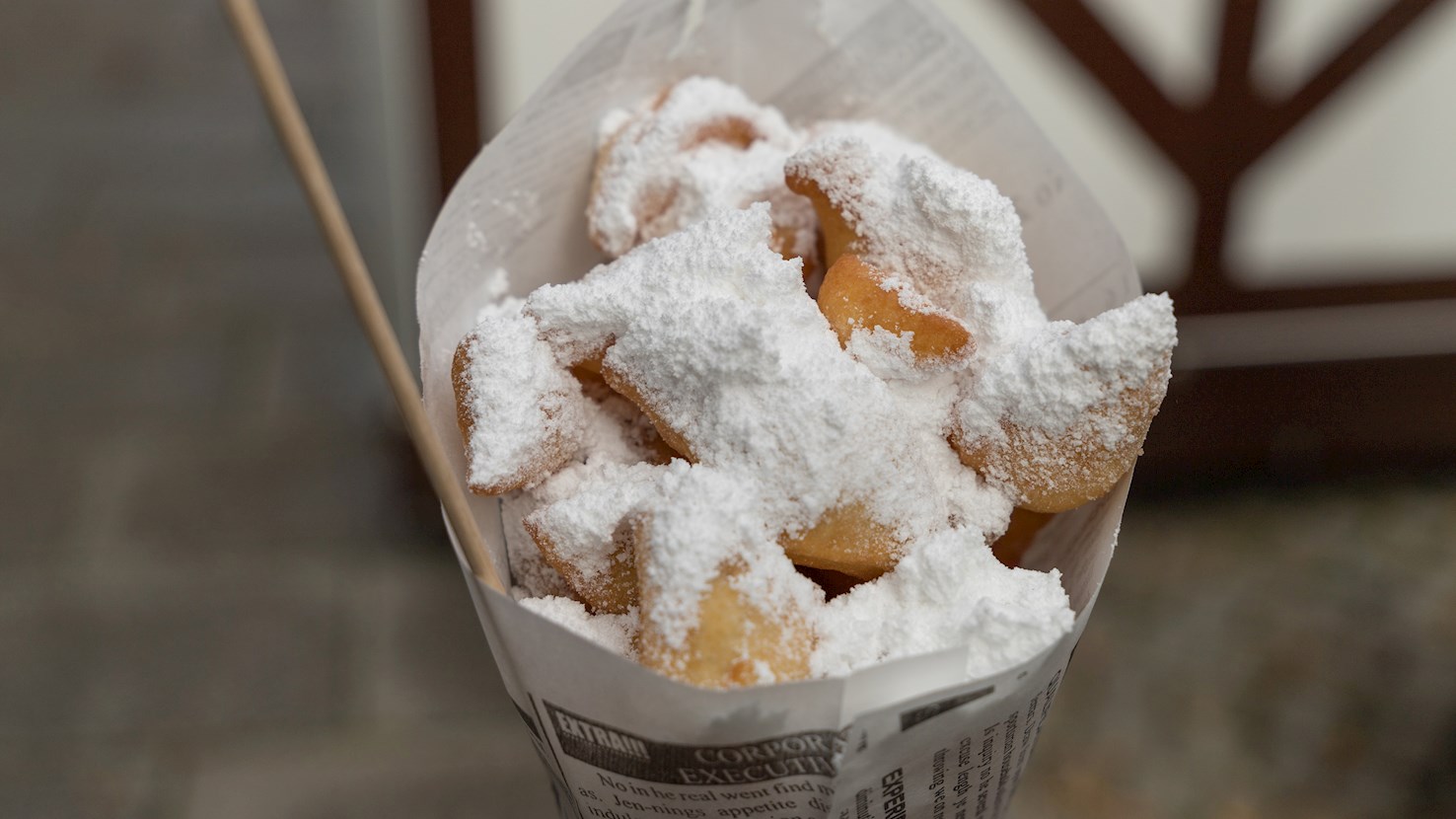
Magdeburger schmalzkuchen is a small, deep-fried pastry, considered a local specialty in the city of Magdeburg. It usually consists of yeast dough flavored with vanilla extract or vanilla sugar and lemon zest or juice. Typically rectangular or diamond-shaped, the fried pastries are consumed warm, dusted with confectioners' sugar. These small doughy pillows coated with confectioners' sugar are a staple at festivals, carnivals, and Christmas markets throughout the country.

02
Cake

Salzwedeler Baumkuchen

3.7 ·

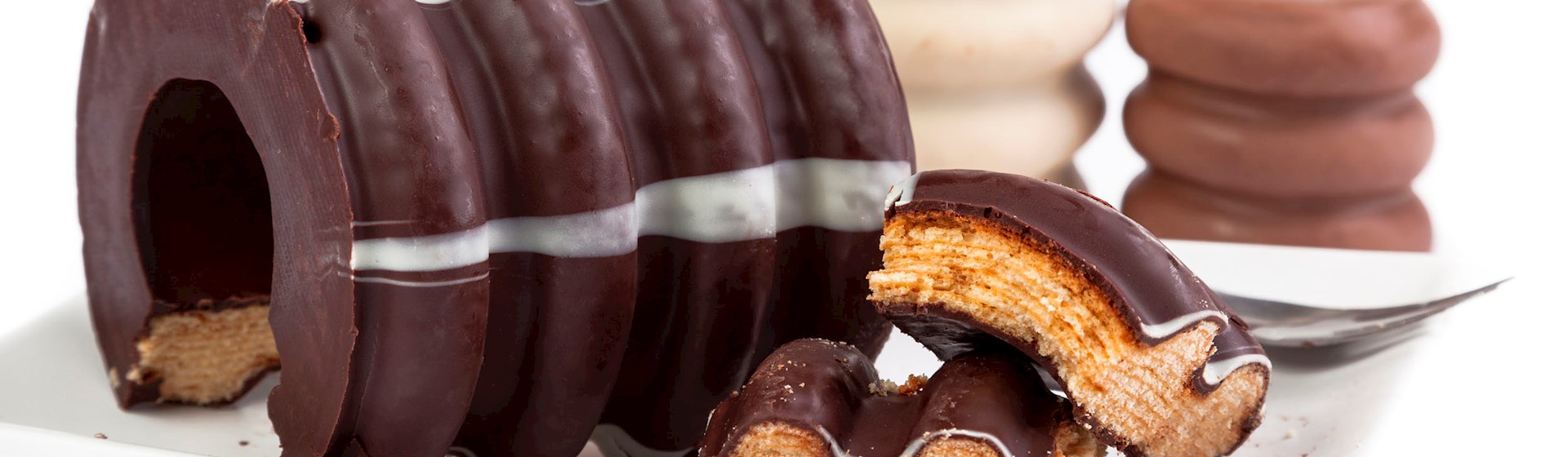
This German variety of the spit cake is sometimes called the king of cakes, as it was served at the courts of German royalty. This layered pastry was invented in the old Hanseatic League town of Salzwedel in Saxony-Anhalt some 200 years ago. Salzwedeler Baumkuchen is prepared using a unique baking process – twelve to fifteen layers of batter are applied layer by layer to a spit and baked over an open fire. The typical ingredients are butter, flour, eggs, vanilla, sugar, and salt. Baking powder is not used. Various ground nuts, marzipan, honey, or brandy can be added as fillings. Spices such as cardamom are used to emphasize the cake’s special aroma. Finally, the cake is either coated with dark chocolate or a sugar glaze.

03
Sausage

Halberstädter Würstchen

2.9 ·

Entrepreneur Friedrich Heine made it big in 1896 when he introduced a national specialty known as Halberstädter Würstchen to the global market. His jarred, preserved sausages travelled well and were able to be distributed far and wide, and they quickly gained popularity far outside of Germany's borders. The company was expropriated by the East German government in 1948, and its name was changed to VEB Halberstadt Meats. The smoky flavor of these long and thin sausages in sheep's casings results from a patented, traditional method of smoking in a chimney over a beechwood fire, combined with long ripening times of 24 to 36 hours. Halberstadt's products have received many gold medal awards from the German Agricultural Society, the first of which was awarded in 1913. Chimney-smoked Halberstädter Würstchen are the only products from Halberstadt in Saxony-Anhalt that can bear the official local denomination Halberstädter.

04
Pork Dish

Bötel

n/a ·

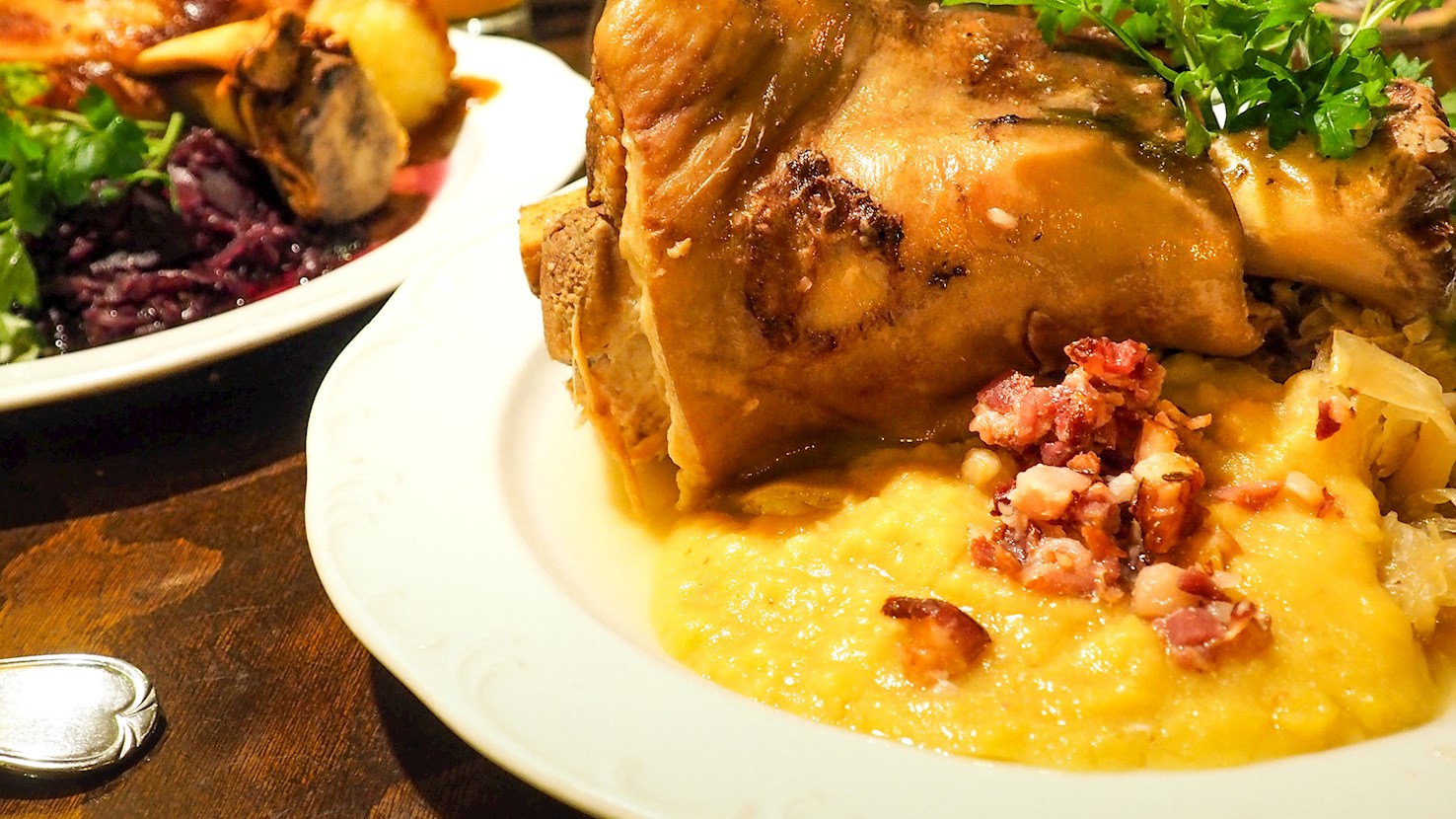
Bötel is a traditional salt-cured ham hock or pork knuckle hailing from Magdeburg. Just like its cousin from northern Germany, the well-known eisbein (cured and boiled pork knuckle), this cured pork knuckle is typically simmered before it is traditionally served with a side of puréed peas and sauerkraut. The combination is locally known as bötel mit Lehm und Stroh, translating to pork knuckle with clay and straw, where clay refers to the side of puréed peas, while straw refers to the sauerkraut. The term bötel actually means house, estate or farm in Low German, and, therefore, the name of the dish mentioned above would also translate to a house with clay and straw. Other typical accompaniments to the salt-cured and boiled pork knuckle include mashed potatoes, slices of fresh bread, and a cold beer on the side.

05
Cheese

Milbenkäse

n/a ·

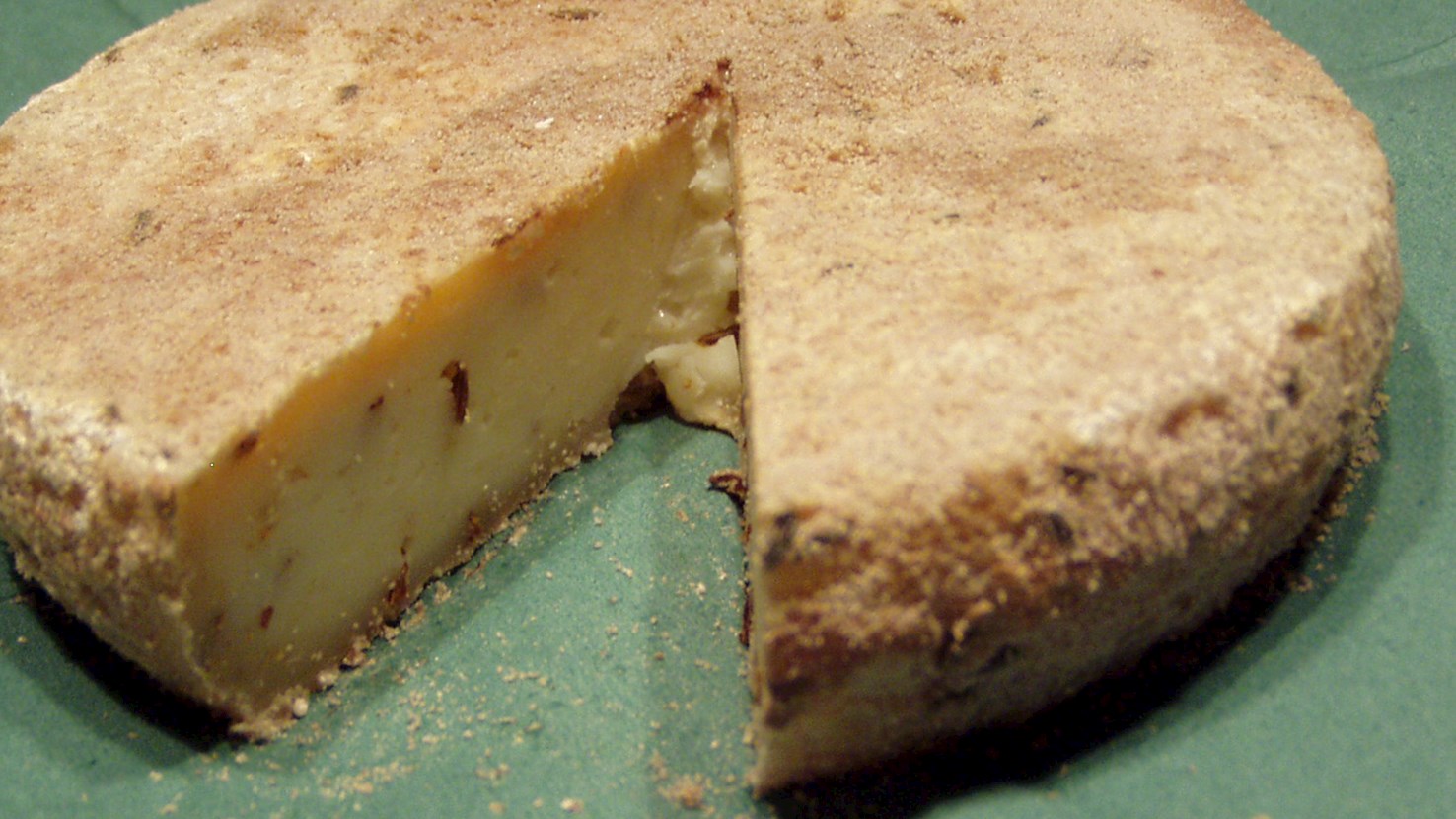
Milbenkäse is a unique German cheese produced in Würchwitz. The cheese is made by combining mites with balls of quark (dried and seasoned with salt and caraway) in a wooden box with rye flour, then leaving the cheese for at least 3 months. The mites' digestive juices diffuse into the cheese and cause fermentation. The rye flour is added because the mites would otherwise eat the whole cheese instead of just feasting on the crust. After just 1 month, the rind becomes yellow, and after 3 months it's reddish-brown. The mites are also consumed with the cheese, and the flavor of Milbenkäse is said to be similar to Harzer cheese, but with bitter notes and a zesty aftertaste. The locals don't have any problems with the cheese mites – in fact, they've built a statue celebrating the creature in the center of the village.

About this Ranking

TasteAtlas food rankings are based on the ratings of the TasteAtlas audience, with a series of mechanisms that recognize real users and that ignore bot, nationalist or local patriotic ratings, and give additional value to the ratings of users that the system recognizes as knowledgeable.

TasteAtlas Rankings should not be seen as the final global conclusion about food. Their purpose is to promote excellent local foods, instill pride in traditional dishes, and arouse curiosity about dishes you haven’t tried.

What People Say

Similar Lists