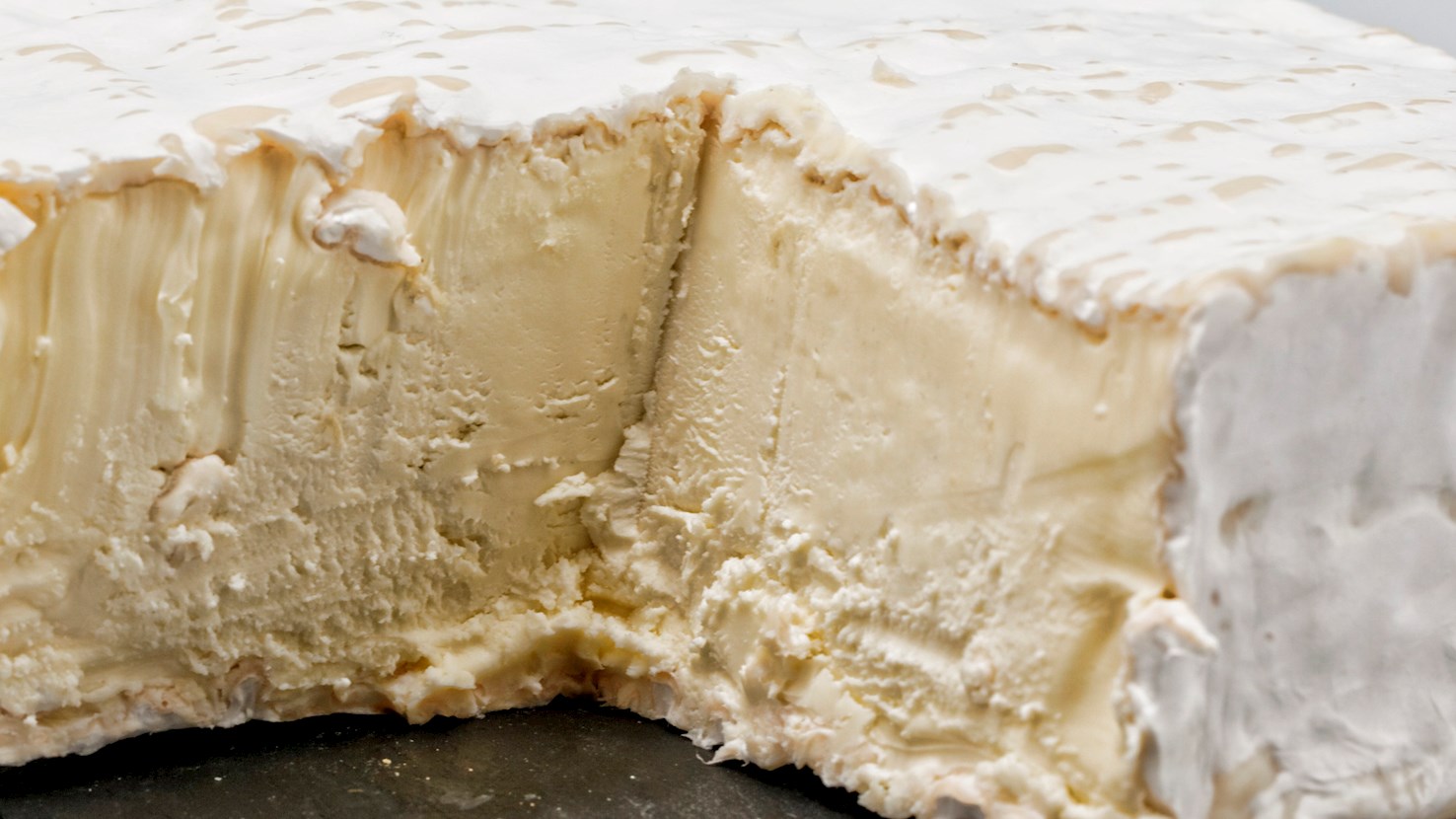
Originally known as Excelsior, Délice des Gourmets, or Le Magnum, this triple-cream cheese was first produced in the late 1800s near Forges-les-Eaux, Normandy. In the 1930s, to pay homage to an 18th-century gourmet Jean Anthelme Brillat-Savarin, the famous French cheesemaker Henri Androuët renamed the cheese to Brillat-Savarin. Available year round throughout Normandy and Burgundy, Brillat-Savarin is a soft, white-crusted cow's milk cheese with at least 75% butterfat, and an edible snowy rind. It is luscious, creamy, and neutral to faintly sour when fresh, but it can develop pronounced earthy flavors with longer aging. Like any other triple-crème cheese, Brillat-Savarin is best enjoyed with sparkling wines, and for a nice fruity twist, try pairing it with fresh berries.
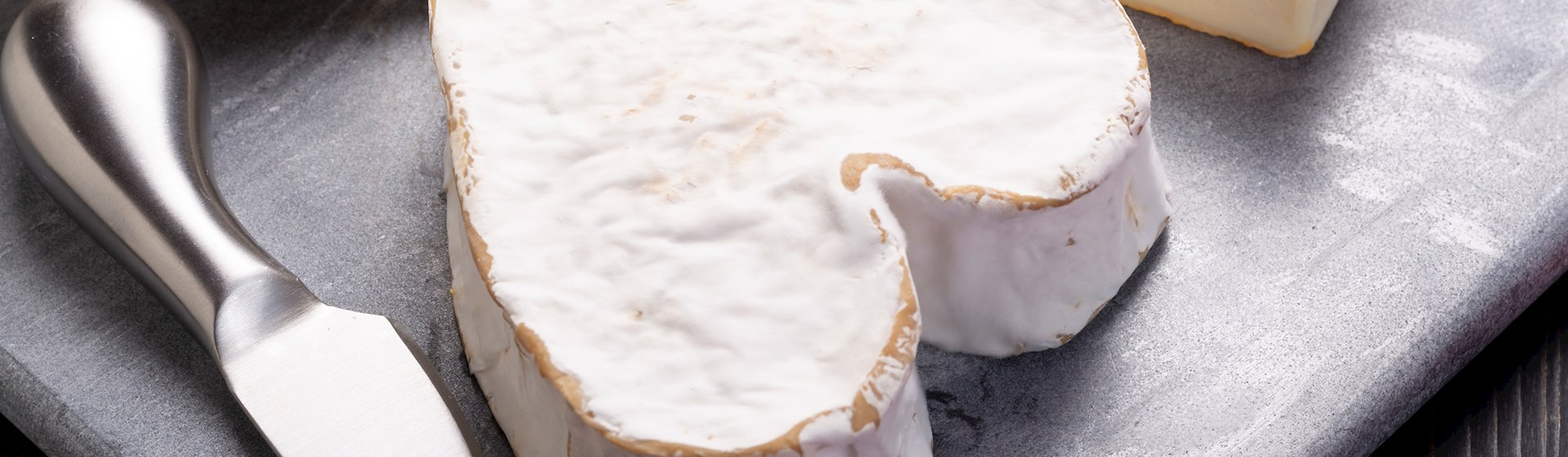
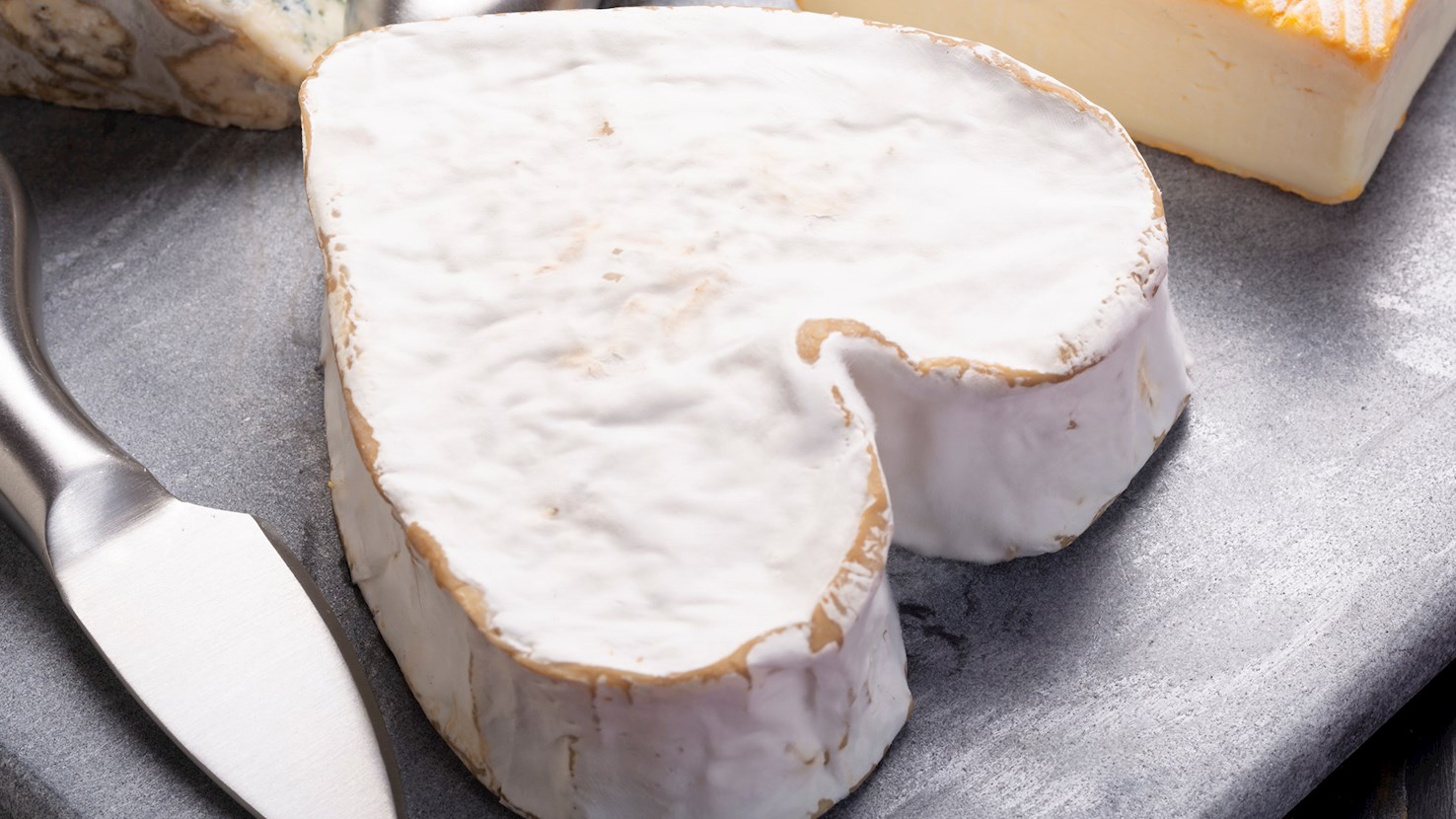
Neufchâtel is a soft cheese with a white rind made from cow's milk in the humid Bray region in France and it can come in a variety of shapes - round, brick-shaped, square-shaped, or heart-shaped. This cheese is arguable the oldest in France, and it must mature for at least 10 days. In terms of flavor, it is similar to Camembert, but saltier and more intense, with mushroomy and nutty flavors. The texture is grainy, and the cheese is usually used as a low-fat substitute for cream cheese. Neufchatel goes well with sparkling wines, and it is often consumed spread on a piece of crusty bread.
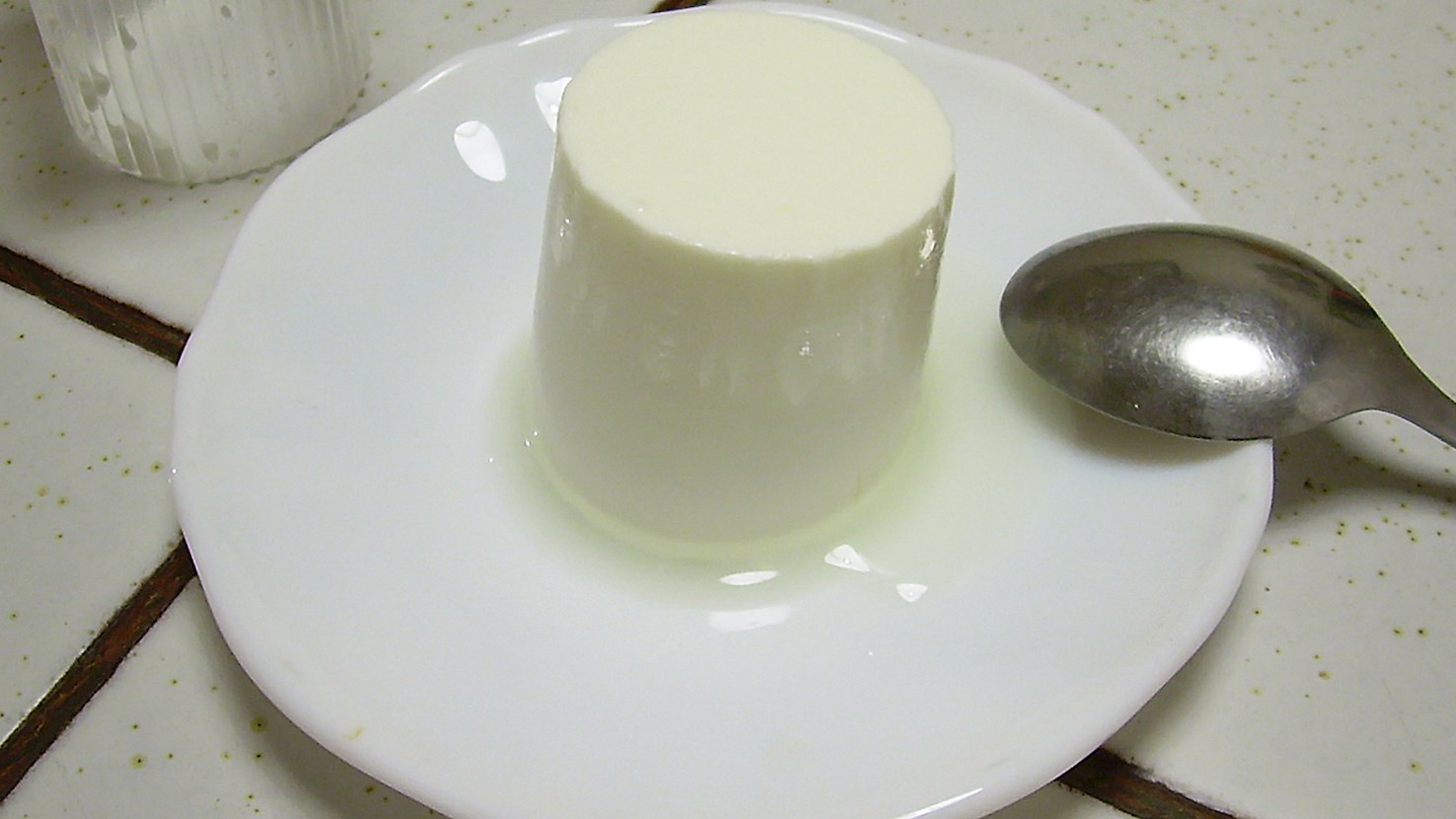
Despite its name, petit-suisse (lit. little Swissman) is not a Swiss cheese. It comes from Normandy, where it has been produced since 1850. However, there was a Swiss worker in the dairy of Auvilliers, who suggested adding cream to the curd because he thought it would enrich the flavor of the cheese, and it turns out that he was right. This fresh and soft cow's milk cheese has a smooth and creamy texture, and its flavor is quite mild, with sour, sweet, and tangy hints. It is usually eaten with honey, fruit jams, sugar, and nuts, although some like to season it with salt, pepper, and fresh herbs.
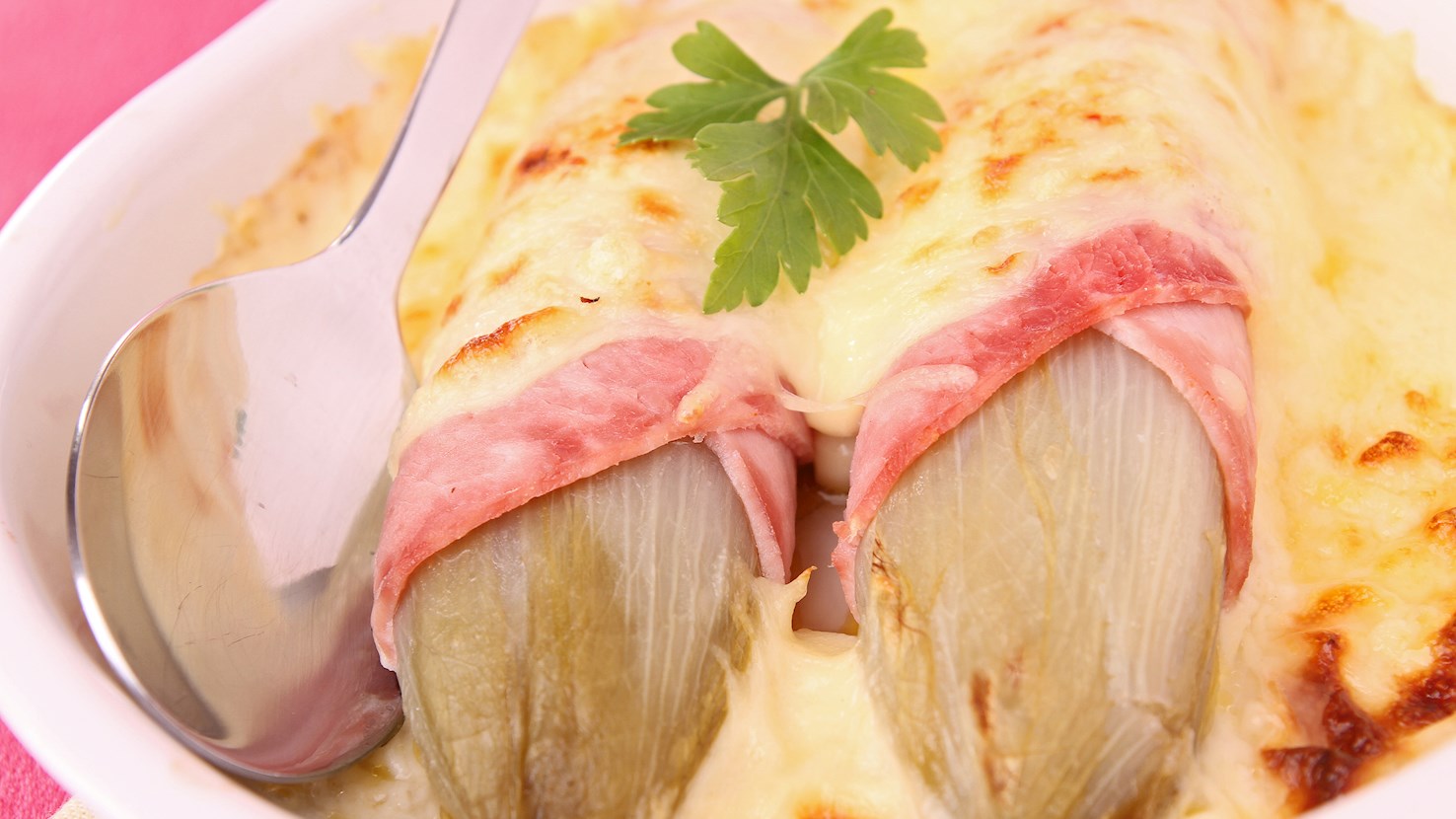
Endives au jambon is a traditional dish that's especially popular in the region of Seine-Maritime. The dish is usually made with a combination of endives, lemon juice, milk, flour, butter, ham slices, nutmeg, Neufchâtel cheese, salt, and black pepper. The endives are cut in half lengthwise and boiled in a mixture of salted water and lemon juice. Béchamel sauce is made in a saucepan, with the addition of Neufchâtel cheese. The endives are refreshed in cold water, drained, wrapped in ham slices, and placed into a buttered baking dish. The sauce is drizzled over the endives and the dish is baked in the oven for twenty minutes before serving.
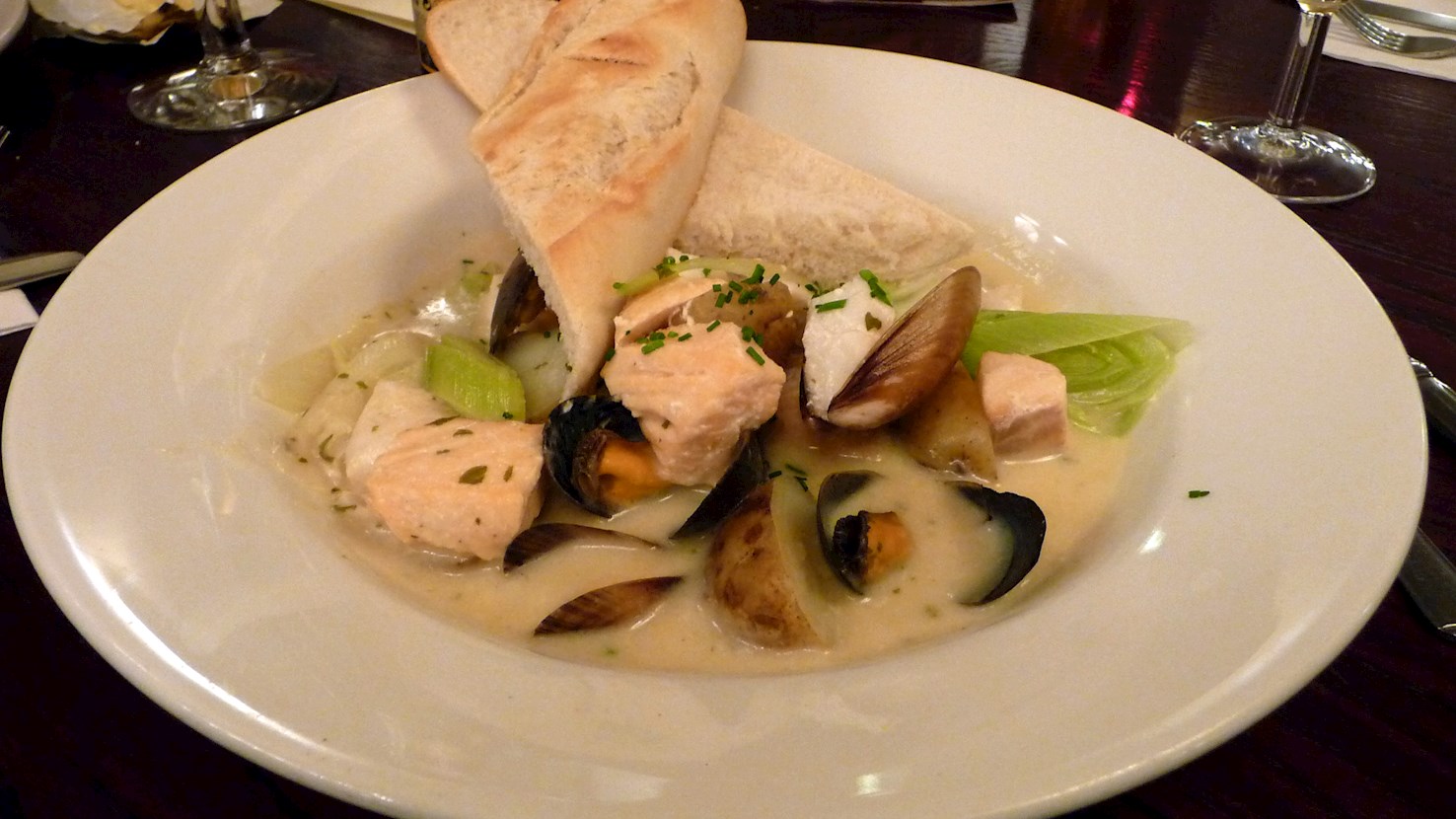
Marmite dieppoise is a traditional fish stew originating from Dieppe on the Normandy coast. The fish stew is usually made with a combination of scallops, prawns, mussels, salmon or monkfish, mushrooms, heavy cream, shallots, white wine, thyme, bay leaves, and parsley. The dish is traditionally made in a marmite – a covered earthenware or metal pot. The shallots, thyme, bay leaves, wine, and mussels are brought to a boil and simmered for a few minutes. The unopened mussels are discarded, while those that have opened are set aside to cool. The cooking liquid is simmered and mixed with prawns and scallops. After a few minutes, the prawns and scallops are removed, and the cooking liquid is used once again for the fish. The fish is poached until firm, and the cooking liquid is strained to remove any traces of sand. Next, it’s reused to cook the mushrooms until the liquid evaporates. The cream is stirred in and boiled until thick, and the mussels, prawns, scallops, and fish are placed into the pot and cooked until hot. The fish stew is seasoned with salt and pepper and garnished with chopped parsley before serving.
Mirlitons de Rouen are almond pastries from France associated with the city of Rouen. They are small oval pastries made from puff pastry filled with an almond-based mixture that becomes soft and slightly moist during baking while the layered dough turns light and crisp, creating a clear contrast between flaky exterior and smooth interior with a pronounced almond flavor. The pastry is documented in Rouen from the nineteenth century, when it became established as a local specialty produced by city bakers and progressively identified as a characteristic sweet of Rouen’s urban gastronomy. Preparation consists of shaping puff pastry into small oval molds, filling them with an almond mixture made from ground almonds combined with sugar, butter, and eggs, and baking until the pastry is well risen and the filling is set without excessive browning. The defining elements are the use of puff pastry and the almond filling, which clearly differentiate the Rouen version from other pastries bearing the same name in different towns and with different formats. Variations are limited and focus mainly on slight adjustments within the almond filling rather than changes in shape or dough, maintaining a consistent identity over time. Mirlitons de Rouen are eaten as individual pastries, most often at room temperature, and are commonly enjoyed with coffee or tea as part of everyday bakery consumption.
Pain de Dieppe is a yeast-based loaf originating from the French port city of Dieppe. It bridges the gap between a standard daily loaf and a rich pastry. The bread features a pale, delicate crust and a finely textured, uniform crumb. Crafted from a blend of wheat flour, milk, butter, eggs, sugar, and yeast, it offers a subtly sweet, buttery flavor. The bread's development is deeply tied to Dieppe's bustling maritime environment. Catering to both local city dwellers and the seafaring trade, urban bakers utilized their ready access to refined flour and high-quality dairy. This commercial influence resulted in a refined, softer loaf that stood in stark contrast to the heavy, dense, and utilitarian breads typical of the surrounding rural farming communities. To create this bread, bakers first combine flour, milk, yeast, eggs, and sugar into a flexible dough, subsequently working in the butter. The mixture undergoes meticulous kneading to build elasticity, followed by a carefully monitored fermentation process. This controlled rising ensures the internal structure remains tight and even. The dough is then formed into various shapes and baked just until it develops a light golden hue, intentionally avoiding the formation of a thick or hard crust so it remains highly sliceable. Differences among batches are generally minor, mostly pertaining to the bread's physical form—ranging from individual small rolls to full-sized loaves. While bakers might slightly tweak the ratios of butter or sugar to adjust the richness, the core identity of Pain de Dieppe always rests on its signature pillowy softness and a sweetness that is purposefully subdued compared to heavily enriched goods like brioche. Enjoyed predominantly while fresh, this bread is a staple for breakfast or daytime snacks. It is highly versatile, whether eaten plain, smeared with butter, honey, or fruit preserves, or used as a soft foundation for mild cheeses and simple sandwiches. It pairs beautifully with morning coffee, tea, or a crisp, light cider that highlights the loaf's gentle dairy notes.
Salade fécampoise is a cold composed salad from Fécamp, a fishing port on the Normandy coast of France, made from potatoes, herring, onions or shallots, hard-boiled eggs, and a mustard vinaigrette, sometimes supplemented with ingredients such as apples, tomatoes, carrots, dandelion leaves, parsley, or cornichons. It is also known as "salade des chalutiers fécampois" (lit. salad of the trawlers of Fécamp), a name that underscores its link to the town's trawler fleets and situates it within the broader context of Norman and French cuisine. The salad developed in a setting where herring was central to daily life: Fécamp was for decades one of France's major fishing ports, with large cod trawlers and a dedicated herring season that usually ran from May to September, during which households cooked fresh herring in numerous ways, then relied on salted or smoked herring for the rest of the year. In this environment, combining readily available potatoes with fresh or smoked herring, onions and eggs into a single dish provided a practical way to serve substantial but simple food to crews and families; later, restaurant and bistro cooking adopted the preparation, to the point that some sources treat the classic Paris bistro "hareng pomme à l'huile" as a version or synonym of salade fécampoise when it is linked explicitly to Fécamp and its fishing heritage. Creating this salad starts with boiling potatoes in salted water until just tender and hard-boiling eggs; the potatoes are peeled and cut into slices or cubes while still warm, the eggs are shelled and sliced, and smoked herring fillets are cut into short pieces. Finely chopped onion or shallot and parsley are added, and the whole is dressed with a simple vinaigrette made from oil, vinegar, and Dijon mustard, seasoned with salt and pepper. Some cooks mix in additional elements such as thin carrot rounds, tomato slices, diced apple, dandelion leaves, or cornichons. Salade fécampoise is eaten in Fécamp and across Normandy at home, in harbour bistros and at events such as the Fête du Hareng, where herring dishes are served on the quays during the season; it appears as both a starter and a complete plate, depending on portion size and accompaniments. It is commonly paired with crusty bread and sometimes with other cold dishes or charcuterie, forming a simple seafront meal. In terms of beverages, regional preferences and the composition of the salad suggest dry Norman cider, which matches both the maritime context and the tangy dressing, as well as light, crisp white wines such as Muscadet or other Loire wines that work well with smoked or marinated fish and potatoes; a light lager or pale ale also suits the salty and acidic profile of the dish without overpowering the herring.
Salade cauchoise is a composed potato salad from the Pays de Caux in Seine-Maritime, where it is regarded as a regional specialty, made with local produce such as potatoes, dairy, and often cider vinegar. It is generally defined as a salad made with cooked potatoes, celery sticks, and watercress, sometimes enriched with diced ham, diced Gruyère, and walnut kernels, all coated in a dressing based on Norman cream and either lemon juice or cider vinegar. The link with the Pays de Caux, the plateau area north of the Seine around towns such as Le Havre, Dieppe, and Rouen, reflects the agricultural nature of this region, where potatoes, dairy cows, and apple orchards for cider are prominent. It is often suggested the salad likely emerged in the restaurant scene of the Le Havre–Dieppe–Rouen triangle, perhaps as a way for a cook to distinguish a local potato salad from the better-known “salade normande” that uses potatoes with apple pieces and a cider-based or mayonnaise dressing; in contrast, salade cauchoise centres on the combination of potatoes with watercress or other herbs and a cream-and-cider-vinegar sauce. The salad can be served warm or cooled, and some cooks recommend letting it rest so the flavours blend before adding fresh herbs and cress at the last moment to keep their colour and texture. It is eaten in Normandy both at home and in bistros showcasing regional dishes, usually as a starter or a main dish at lunchtime, sometimes packed into jars for picnics or buffets. Because it is relatively rich, it pairs well with crisp Norman cider, which echoes the cider vinegar used in the dressing, as well as with light, fresh white wines such as Muscadet, Sauvignon Blanc or young Loire whites; in a more casual context, it can also be served alongside cold cuts and cheeses as part of a mixed plate, where the creamy, herb-scented potatoes connect naturally with the broader flavours of Normandy.
Boudin de Saint-Romain is a type of black pudding from Saint-Romain-de-Colbosc in Normandy, France, made primarily of pig’s blood, raw onions, and cream, and often enriched with a piece of pork fat at its center when stuffed into a pork casing. Its form dates to 1902, when a local butcher named Émile Maze reworked ancestral village recipes into a refined version that combined regional ingredients, and this version has since defined what boudin de Saint-Romain means today. The sausage’s composition is very specific: about sixty percent pig blood, thirty percent raw onions, and ten percent cream, plus salt and pepper; the central pork fat piece sets it apart from many other black puddings, and after stuffing, the sausage is plunged into salted boiling water to cook. To serve, the boudin is fried in lard until the casing bursts, then removed; the interior is allowed to continue browning while a splash of fresh cream and regional apple brandy (calvados) is added to the pan, creating a lightly creamy sauce. It is commonly paired with cooked apples and a glass of cider, following what local charcutiers and households have long established. Boudin de Saint-Romain is eaten hot, typically as a main course in Normandy — often accompanied by simple side dishes like potatoes or apples — and its rich, onion-blood-cream profile goes well with cider from the region or with modest, lightly tannic red or dry white wines.
TasteAtlas food rankings are based on the ratings of the TasteAtlas audience, with a series of mechanisms that recognize real users and that ignore bot,
nationalist or local patriotic ratings, and give additional value to the ratings of users that the system recognizes as knowledgeable.
For the “Top 12 Traditional Foods in Seine-Maritime” list until June 02, 2026, 46 ratings were recorded, of which 38 were recognized by the system as legitimate.
TasteAtlas Rankings should not be seen as the final global conclusion about food. Their purpose is to promote excellent local foods,
instill pride in traditional dishes, and arouse curiosity about dishes you haven’t tried.