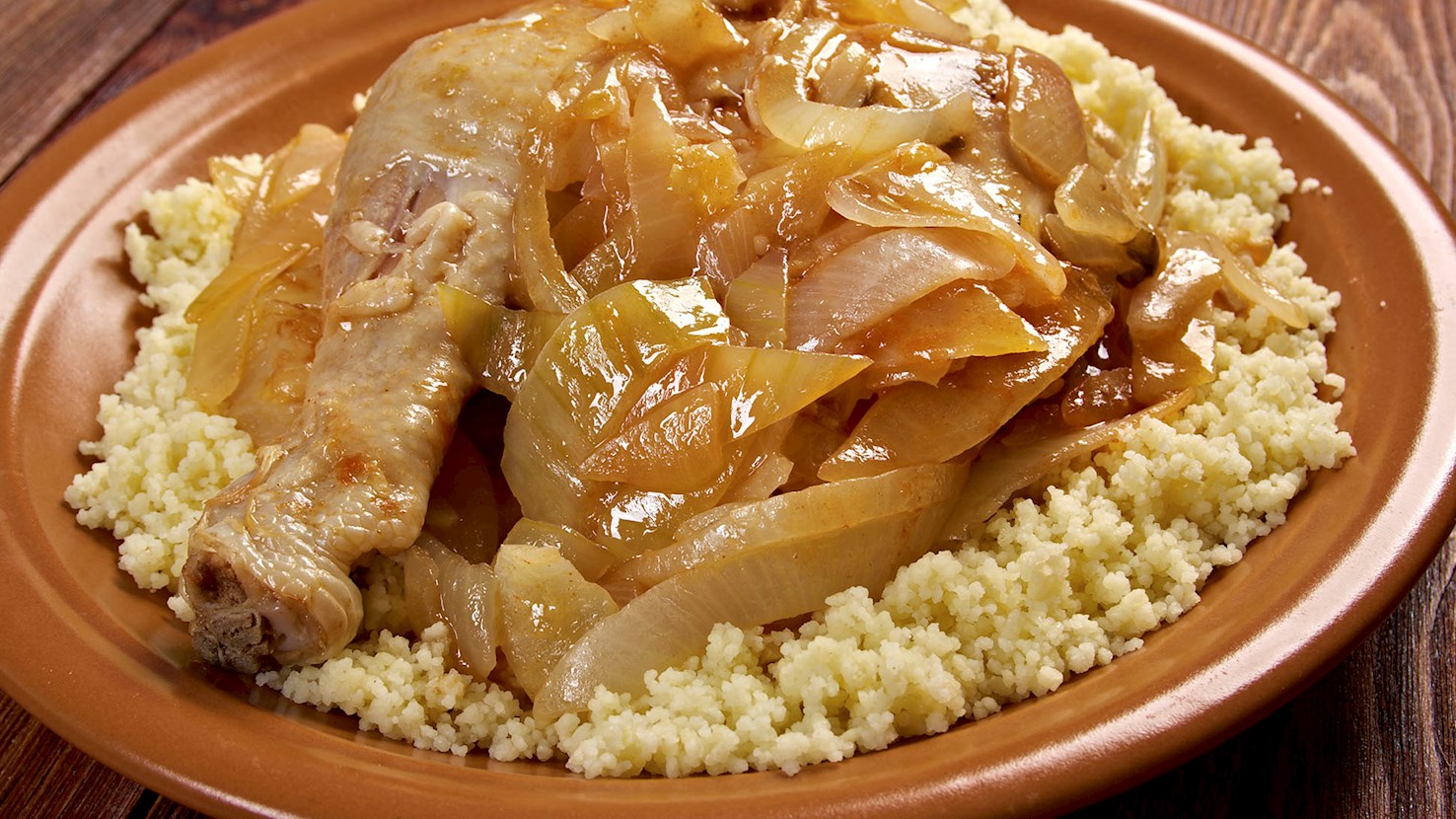
Yassa, also known as chicken yassa or poulet yassa, is Senegal's national dish, a stew consisting of chicken that is marinated in lemon, lots of onions, and vinegar. The chicken needs to marinate in the mixture for at least eight hours, making sure that the lemon juice and vinegar take the bite out of the onions and tenderize the tough poultry found in the Casamance region. Chicken pieces are then cooked over medium-high heat until the marinade becomes a sauce in itself. This process results in an incredibly flavorful and tender meat that is traditionally served with fluffy rice in brightly decorated plates. Other examples of good accompaniments include fufu and couscous, with or without the chickpeas. It is recommended to pair yassa with ginger beer or green tea with mint.
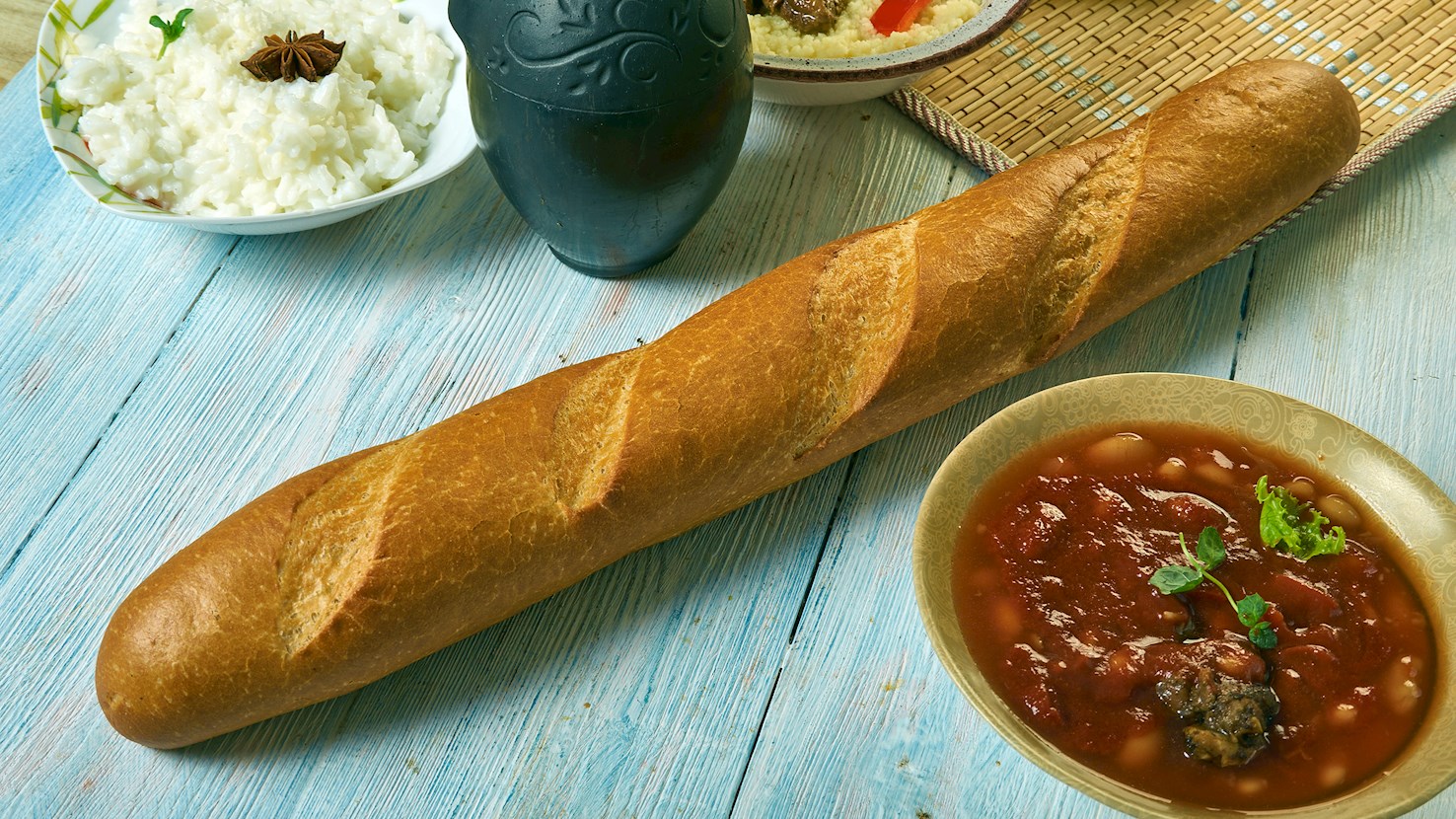
Tapalapa is a traditional bread, also very popular in Guinea. It is made with a mixture of millet and wheat flour with the addition of maize flour, cowpea flour, yeast, salt, and water. Visually, it looks somewhat similar to the French baguette on the exterior, but on the inside, it is much more dense and heavy, and its flavor is reminiscent of pretzels. The bread is typically bought for breakfast, and people like to pair it with jam, butter, or eggs.
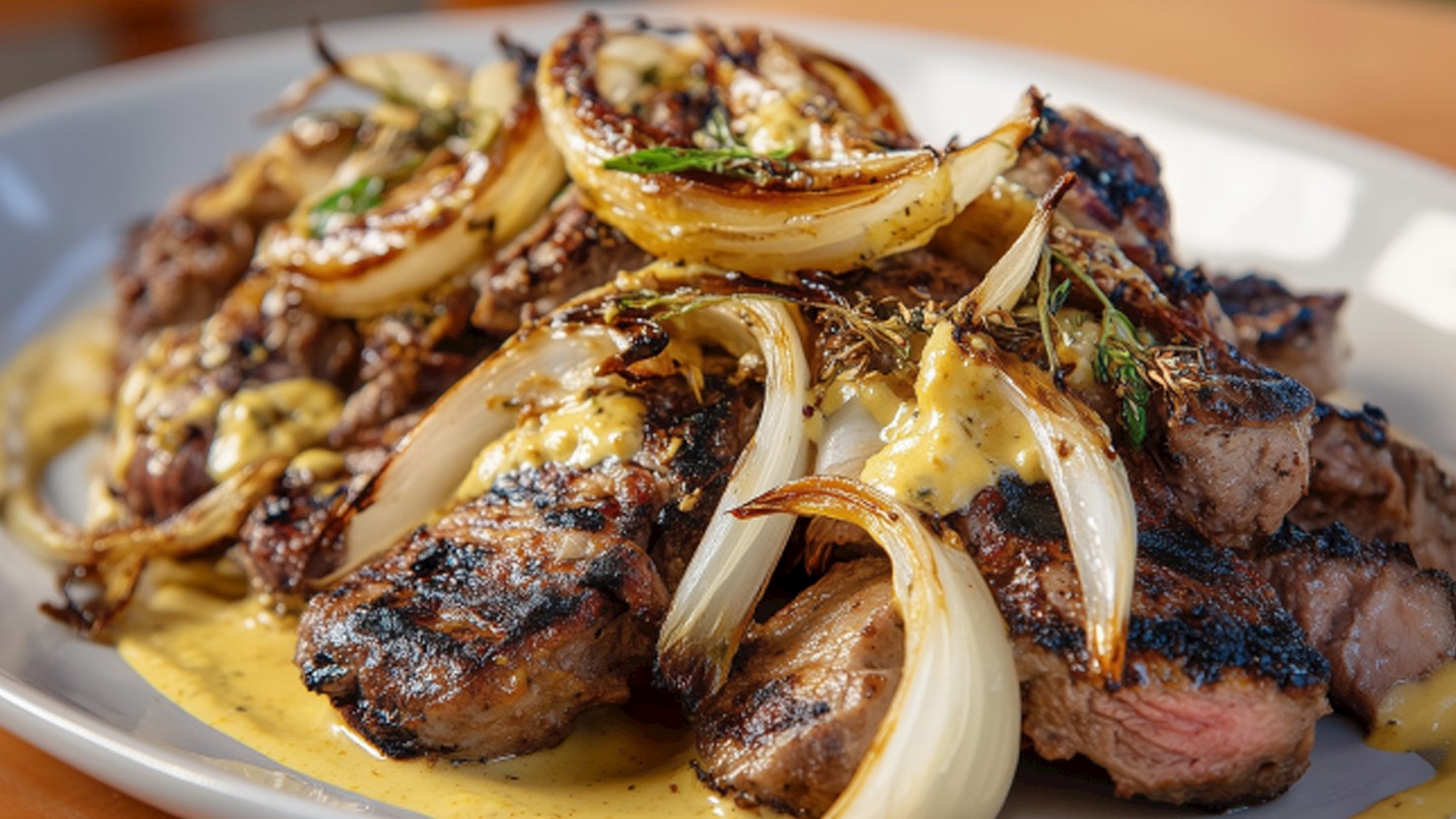
Dibi is a Senegalese dish consisting of grilled meat, most often lamb, seasoned simply and cooked over open flames before being served with accompaniments such as onions, mustard, and bread. It is found throughout Senegal, especially in Dakar, where small eateries known as dibiteries specialize in preparing it. The dish has become an emblem of Senegalese street food, associated with communal dining and casual gatherings. Its roots lie in the widespread practice of roasting and grilling meat across West Africa, where lamb and mutton have long been staples of both everyday and celebratory meals. As urban centers like Dakar expanded in the twentieth century, demand grew for quick yet flavorful meals that could be enjoyed socially, and the dibiterie became a fixture of city neighborhoods. These establishments often set up grills outside, attracting passersby with the aroma of sizzling meat. Preparation begins with cuts of lamb, which may be marinated lightly or seasoned with salt, pepper, and spices before being grilled over wood or charcoal. The meat is cut into portions or small pieces, sometimes skewered, and served on paper or plates with raw onions, a squeeze of mustard, and often baguette bread, reflecting the French influence on Senegalese cuisine. The combination of smoky meat with tangy accompaniments gives the dish its characteristic balance of flavors. What distinguishes dibi is not only the simplicity of its preparation but also the way it is sold and shared. Dibiteries are more than food stalls; they function as social spaces where people gather in the evenings to eat together. The visibility of the cooking process, with whole sides of lamb roasted and carved in front of customers, reinforces its identity as both food and spectacle. Today, dibi remains popular across Senegal and has spread to neighboring countries, often prepared in urban areas where street food culture thrives. It is eaten casually, usually with friends or family, either at the dibiterie itself or taken home.
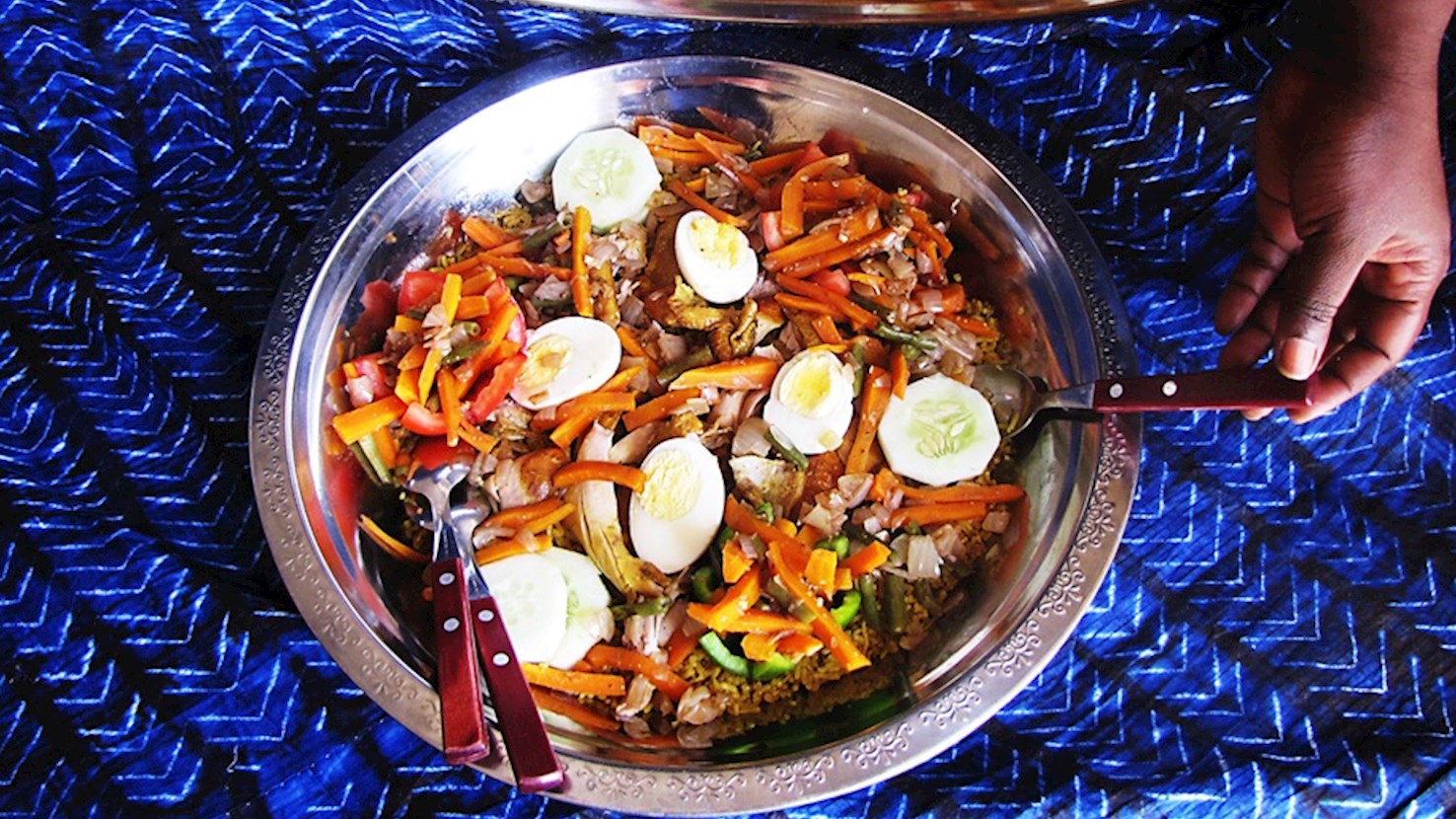
Thiébou yapp is a hearty Senegalese stew made with a combination of rice, meat, and vegetables. It is usually prepared with steamed broken rice, which is added to a meat broth containing browned chunks of beef or lamb, and the concoction is then simmered until fully cooked. Typical ingredients include onions, garlic, bell peppers, cabbage, eggplants, habanero peppers, mustard, carrots, tomatoes, paprika, vinegar, oil, and chopped parsley. This stew is a variation of the Senegalese national specialty thiébou jen, which uses fish instead of meat. Rich and fragrant, the dish is typically served on a plate with the rice on the bottom, topped with meat and vegetable chunks. The dish often features olives and hard-boiled eggs as well.
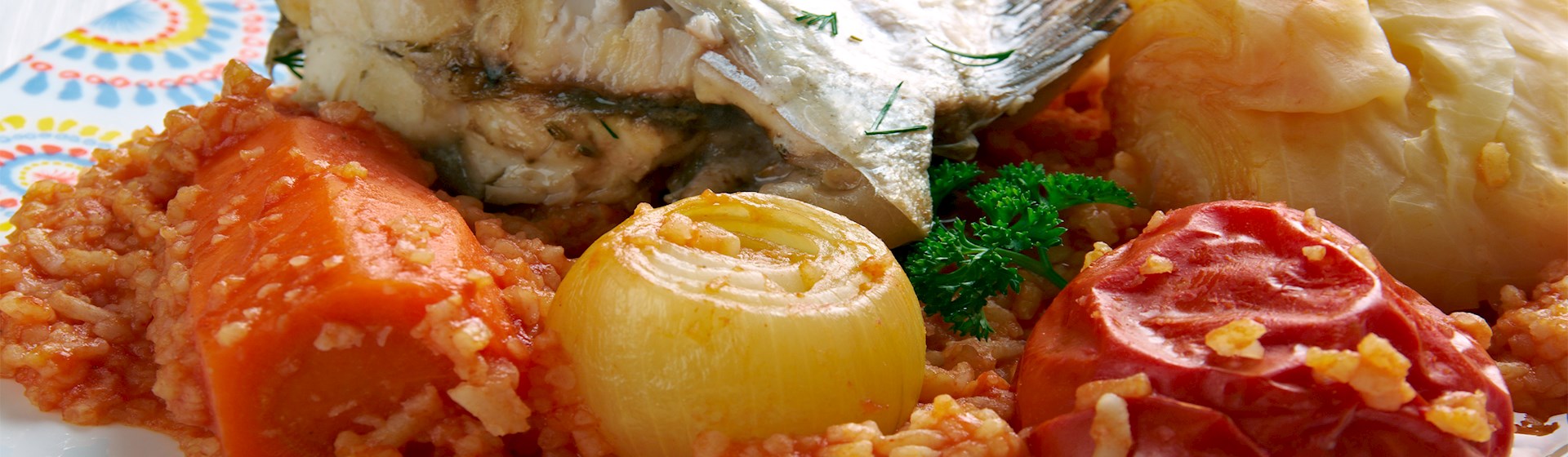
Capitaine à la Saint-Louisienne is a Senegalese fish specialty consisting of fish that is stuffed with a combination of spices. It is typically prepared with perch, more precisely Nile perch, because capitaine, which translates to captain is the term used for this fish type in Senegal. In Africa, the Nile perch is considered an essential food item and a delicacy. The method of preparation of this dish is similar to that of mulet farci à la Saint-Louisienne, another Senegalese fish delicacy. Juicy and packed with flavors, this specialty is usually served with a generous drizzle of sauce, accompanied by rice or chips on the side.
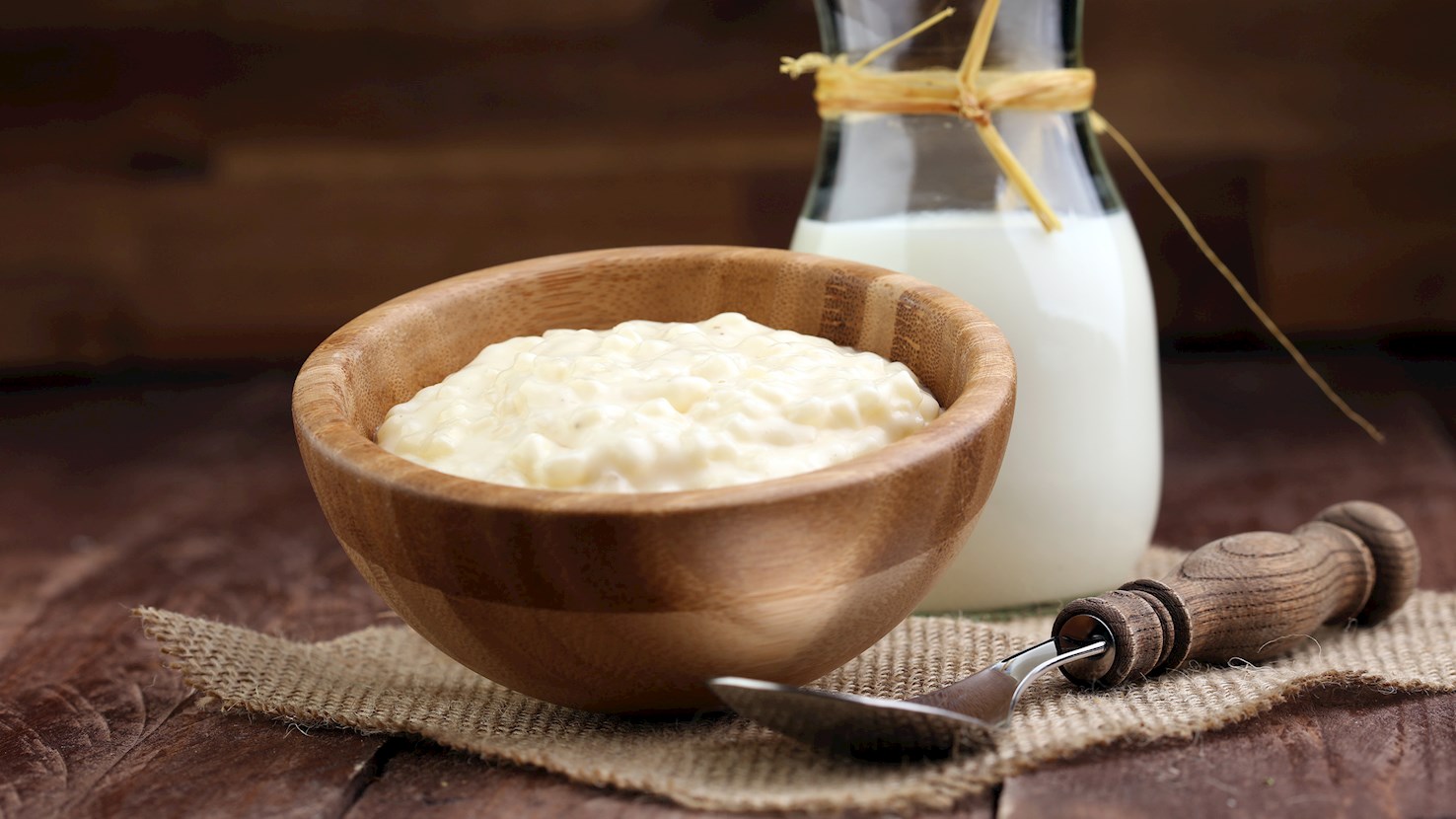
Sombi is a traditional rice pudding made with rice, water, coconut milk, sugar, and salt. It is often served warm, although it can also be served chilled when the weather is exceptionally hot. This comforting dessert is quite easy to prepare, which may be the reason for its popularity. It is recommended to garnish the rice pudding with coconut chips on top.
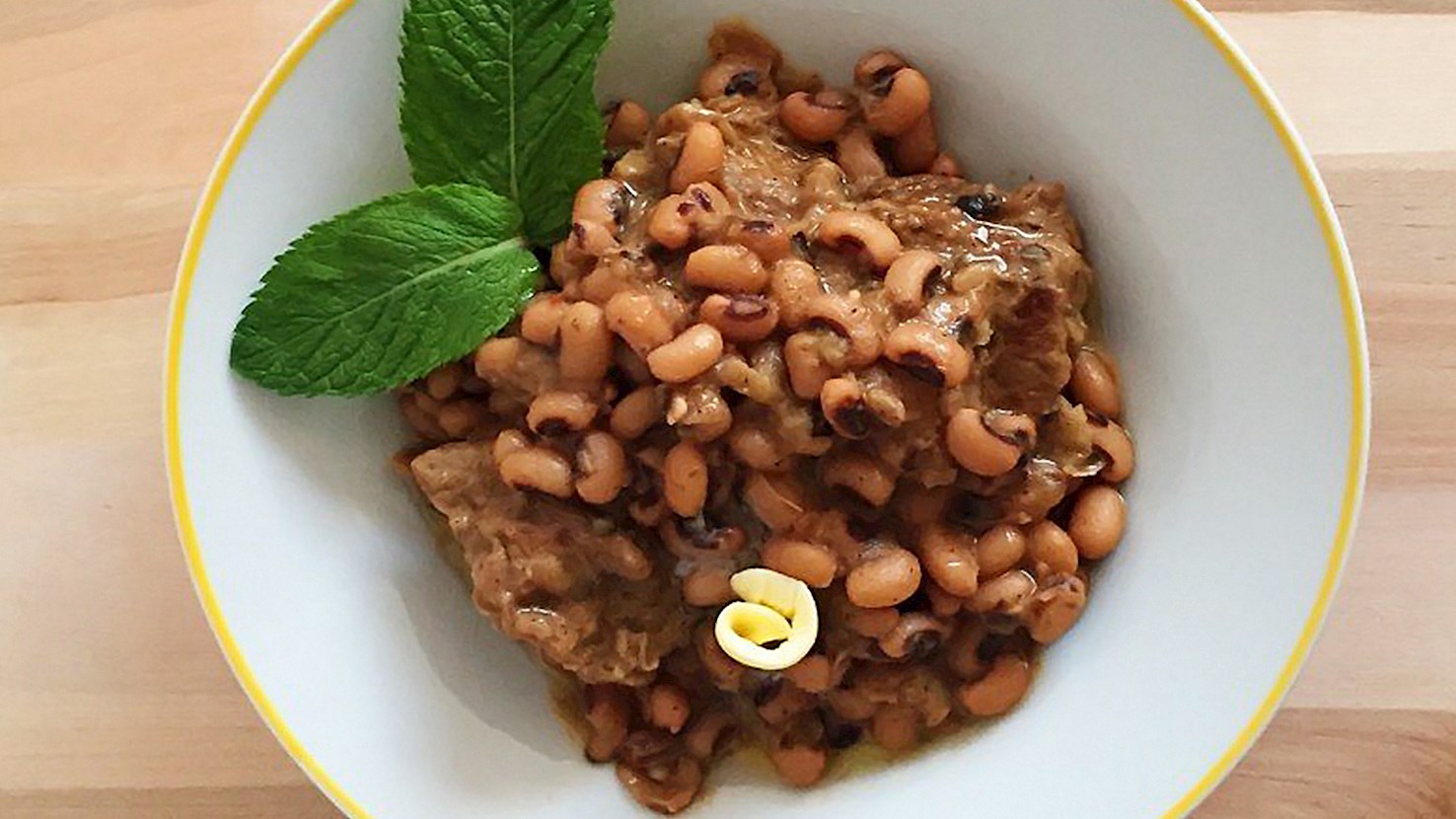
Ndambé is a type of traditional Senegalese stew prepared with black-eyed peas as the main ingredient. The pre-cooked black-eyed peas are usually combined with a sauce consisting of onions and tomato paste, flavored with garlic, bay leaves, bouillon cube, vinegar, chili powder, salt, and pepper. This warm and filling stew can optionally contain sweet potatoes and meat, usually beef or lamb. This Senegalese winter specialty is typically eaten for breakfast or dinner, accompanied by bread, rice, couscous, or quinoa.
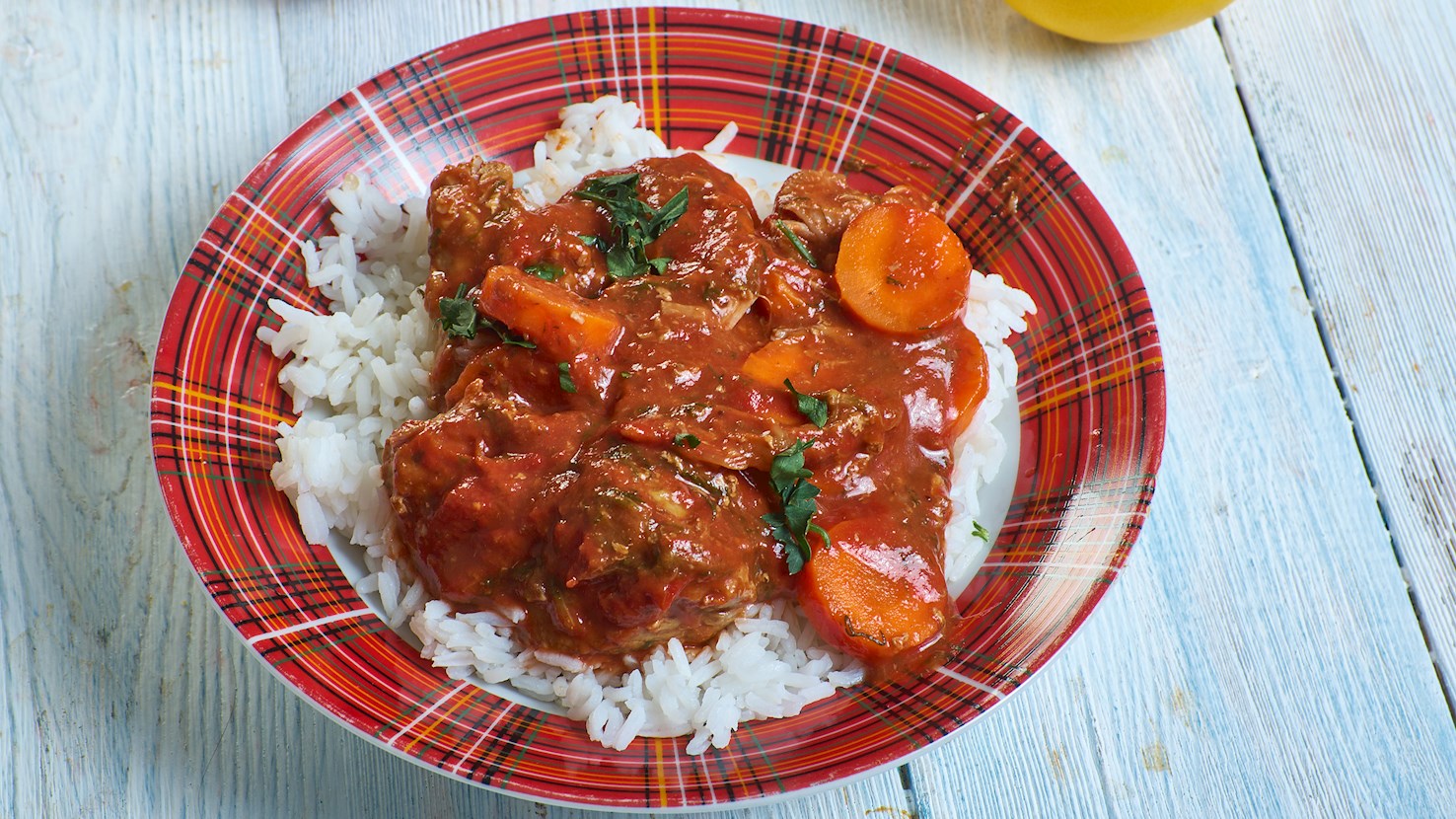
Thiou à la viande is a traditional dish that is typically served over white rice. It can be made with any meat, usually beef or lamb that is cut into small pieces, browned, and then cooked in a tomato-based sauce with chopped vegetables. Typical vegetables include potatoes, sweet potatoes, turnips, carrots, cabbage, onions, and tomatoes. The stew is usually served over white rice, but it can also be consumed on its own, typically with bread on the side.
Chakery is a sweet West African dessert with a creamy texture. It consists of couscous, milk, yogurt, and sour cream. Chakery is usually served at the end of an African meal, and it is recommended to add pineapple chunks in it for extra sweetness, then garnish the dish with some cinnamon on top.
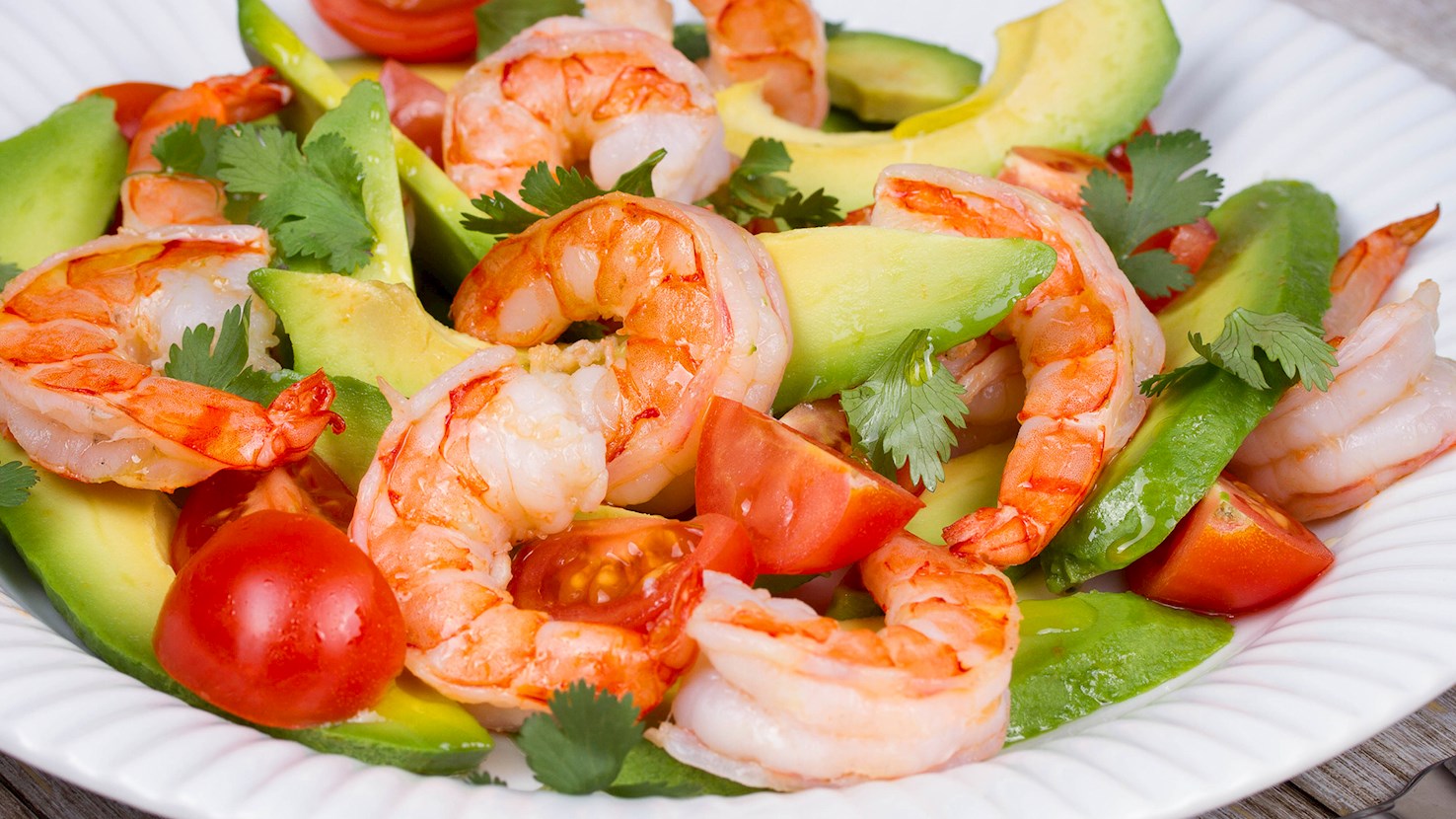
Avocat aux crevettes is a cold appetizer of ripe avocado and cooked shrimp, served either in the avocado skins or as a composed salad. The avocado supplies a soft, creamy base for the firmer shrimp, while lemon juice and the dressing add acidity. Forms of the salad vary. Some use diced avocado with a mayonnaise-based sauce; others add citrus fruit or herbs; and a more elaborate version includes legumes, avocado purée, and hard-boiled eggs. The name means “avocado with shrimp” and doesn't specify a single dressing, garnish, or arrangement. In the stuffed version, the avocados are halved and pitted, then their flesh is removed carefully enough to leave the skins intact for serving. The flesh is cut into small cubes and sprinkled with lemon juice, which seasons it and slows surface browning. Ripeness matters here: the avocado needs to yield easily to a spoon while remaining firm enough for the pieces to survive mixing. Very soft flesh produces a creamier filling with less distinction between the avocado and its dressing. The shrimp are cooked, peeled, and cooled before assembly; smaller shrimp can be mixed through the filling, while a few whole ones are reserved for the top. A mayonnaise-based sauce binds the ingredients. One preparation uses mustard, vinegar, cayenne, ketchup, and a little cognac, giving the dressing a pale pink color, mild sweetness, and some heat. These are choices within that recipe, not requirements for every avocado-and-shrimp appetizer. The sauce is folded gently through the avocado and shrimp, then the mixture is spooned into the skins, sometimes over a small lettuce leaf. Keeping some dressing aside allows it to be added on top without saturating the filling. The composed salad takes a different approach to both texture and presentation. In this version, avocado is mashed with lemon juice and plain yogurt or sour cream to make a smooth mixture. Cooked chickpeas or black-eyed peas provide a firmer, more substantial layer beneath or alongside it. They are drained before assembly so that their cooking liquid does not thin the avocado mixture or collect beneath the lettuce. Shredded lettuce forms the base, with the legumes and avocado mixture placed toward the center. Tomato slices, chopped onion, and pieces of hard-boiled egg can be arranged around them, followed by shrimp on top and a garnish of parsley or watercress. Strips of pimiento add another layer of flavor and color. This arrangement keeps the components visible and lets each forkful combine the creamy avocado with shrimp, vegetables, or legumes in different proportions. It is one documented way to serve the salad, rather than a fixed order that every cook follows. Other preparations omit the legumes and eggs altogether. Restaurant versions pair avocado and shrimp with herbs or seasonal citrus, and some include grapefruit and pineapple. Citrus segments bring juice and sharper acidity than a mayonnaise dressing, while pineapple adds a more pronounced sweetness. These variations also change the structure of the plate: fruit and avocado remain separate rather than bound into a dense filling. Across the different preparations, careful draining and gentle handling preserve the intended texture. Excess water from shrimp or washed lettuce can dilute the dressing, and vigorous stirring can turn diced avocado into an uneven mash. The appetizer is assembled with cooled ingredients and served chilled, with whole shrimp or fresh herbs added as a finishing garnish. A filled avocado half makes an individual starter that can be eaten directly from its skin with a spoon or fork; the larger composed version is served on a plate, allowing the shrimp, avocado, legumes, and garnishes to be eaten together.
TasteAtlas food rankings are based on the ratings of the TasteAtlas audience, with a series of mechanisms that recognize real users and that ignore bot,
nationalist or local patriotic ratings, and give additional value to the ratings of users that the system recognizes as knowledgeable.
TasteAtlas Rankings should not be seen as the final global conclusion about food. Their purpose is to promote excellent local foods,
instill pride in traditional dishes, and arouse curiosity about dishes you haven’t tried.







What People Say