

shutterstock

Top 6 Shikoku Foods

Last updated on June 07, 2026
01
Rice Dish

Tai-meshi

n/a ·

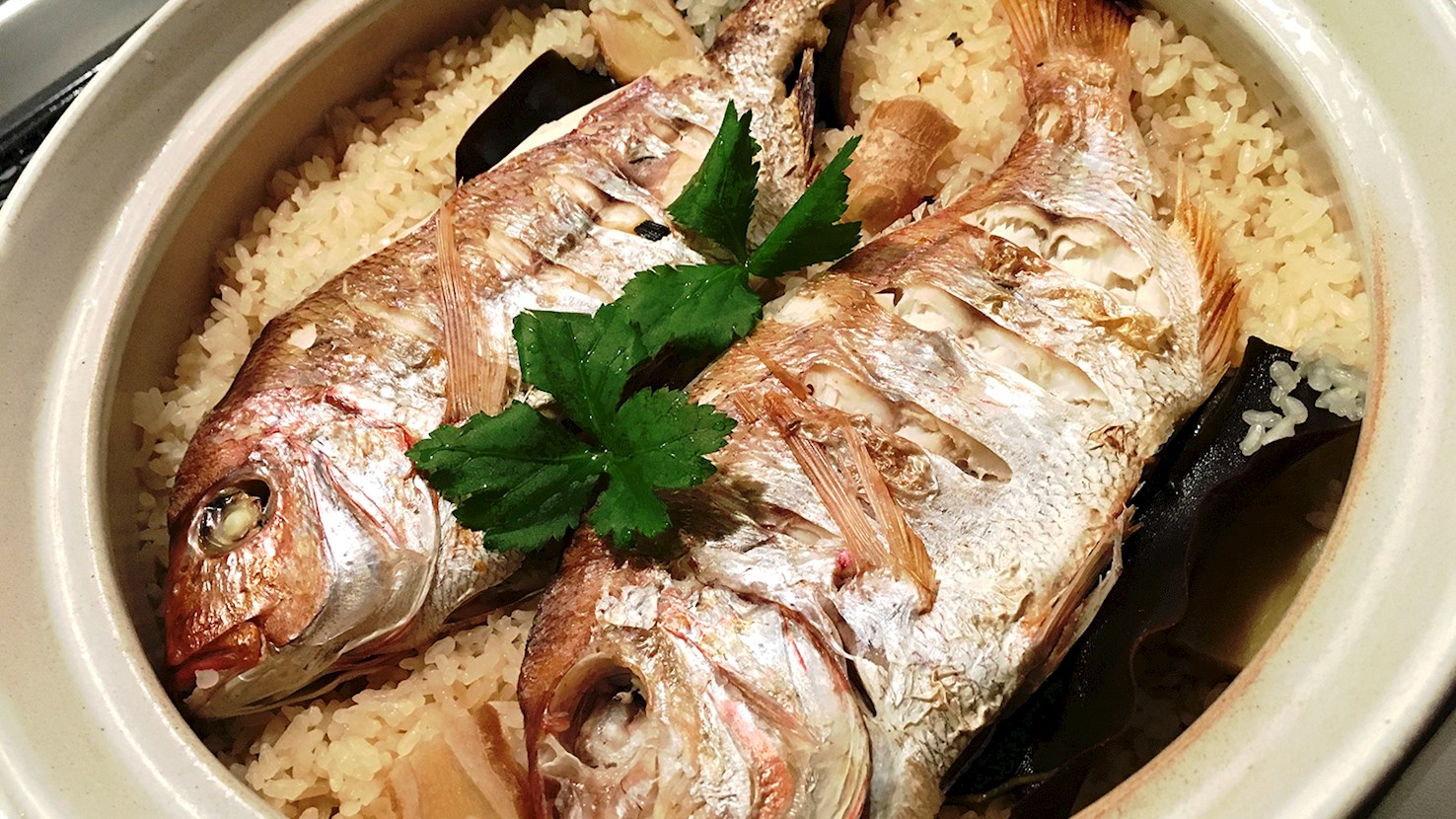
Tai-meshi is a traditional dish consisting of seasoned rice with red sea bream. The fish is scaled, gutted, cleaned, seasoned with salt and sake, then lightly grilled. The stock is made with a combination of kombu kelp, salt, soy sauce, mirin, sake, and grated ginger. In order to prepare the dish, the rice and the red sea bream are cooked in the stock, and the dish is served by stirring the fish meat into the rice, which should be light and fluffy, or serving the whole fish on top of the rice. Tai-meshi is often garnished with chopped chives and white sesame seeds. It’s especially popular in Ehime Prefecture during springtime.

02
Noodle Dish

Tokushima ramen

3.7 ·

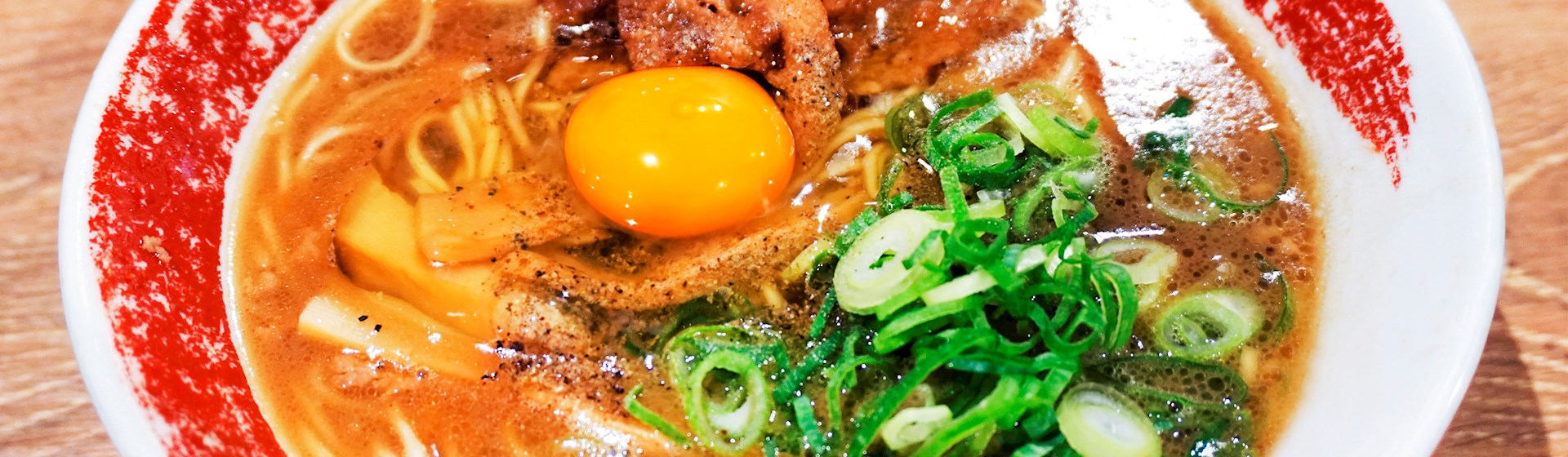
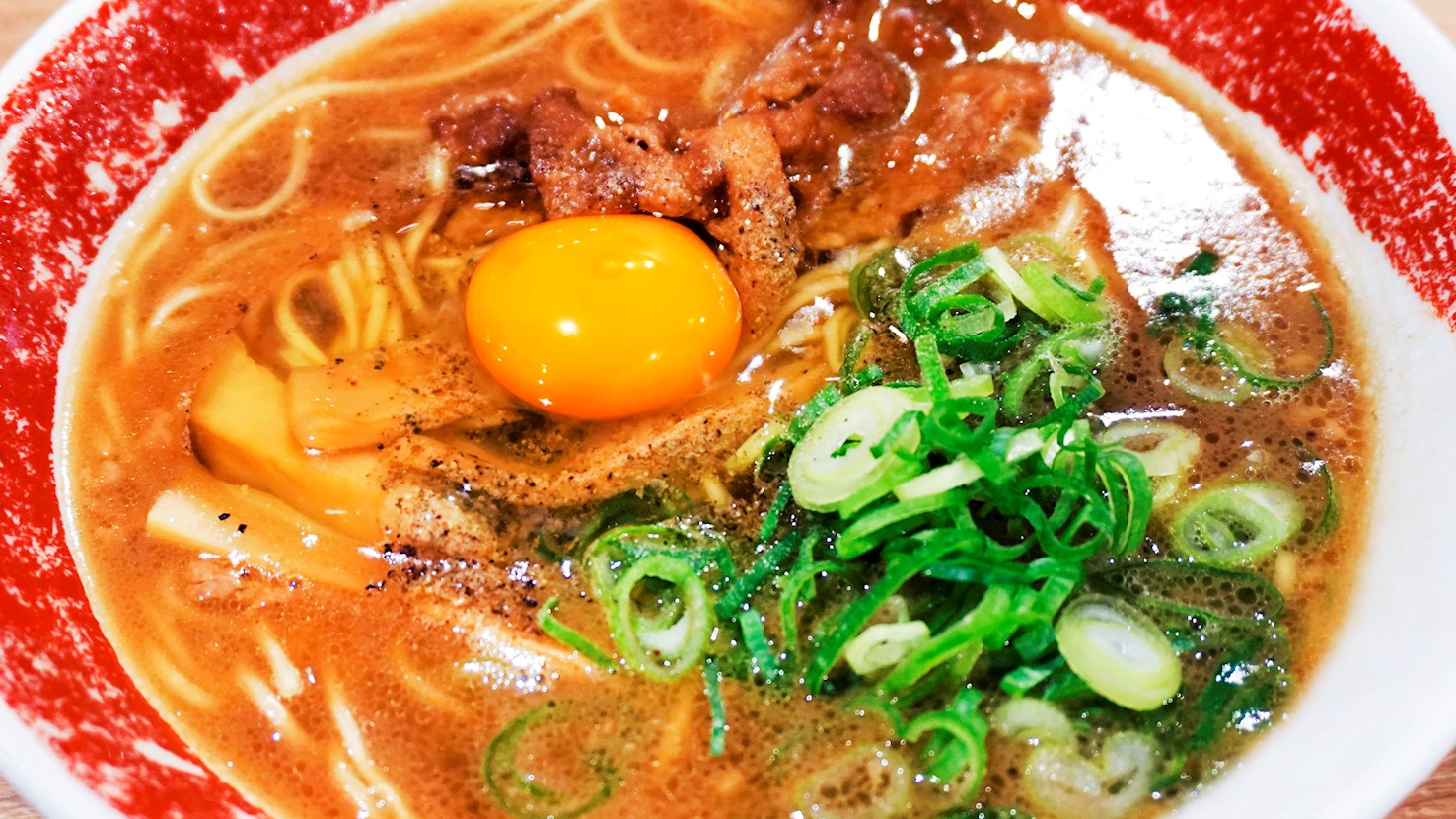
Tokushima ramen exploded on Japanese noodle scene in 1999, when it was displayed at an expo in the Shin-Yokohama Ramen Museum. The broth can be brown, yellow, or white, depending on the base ingredients for every broth – various combinations of pork bones, chicken bones, and vegetables are commonly used. However, most commonly, the broth will have a deep brown color, giving the ramen a rich and hearty flavor. Most Tokushima ramen dishes feature a raw egg with spring onions and bean sprouts. It is recommended to serve this style of ramen with rice on the side.

03
Saltwater Fish Dish

Katsuo no tataki

3.3 ·

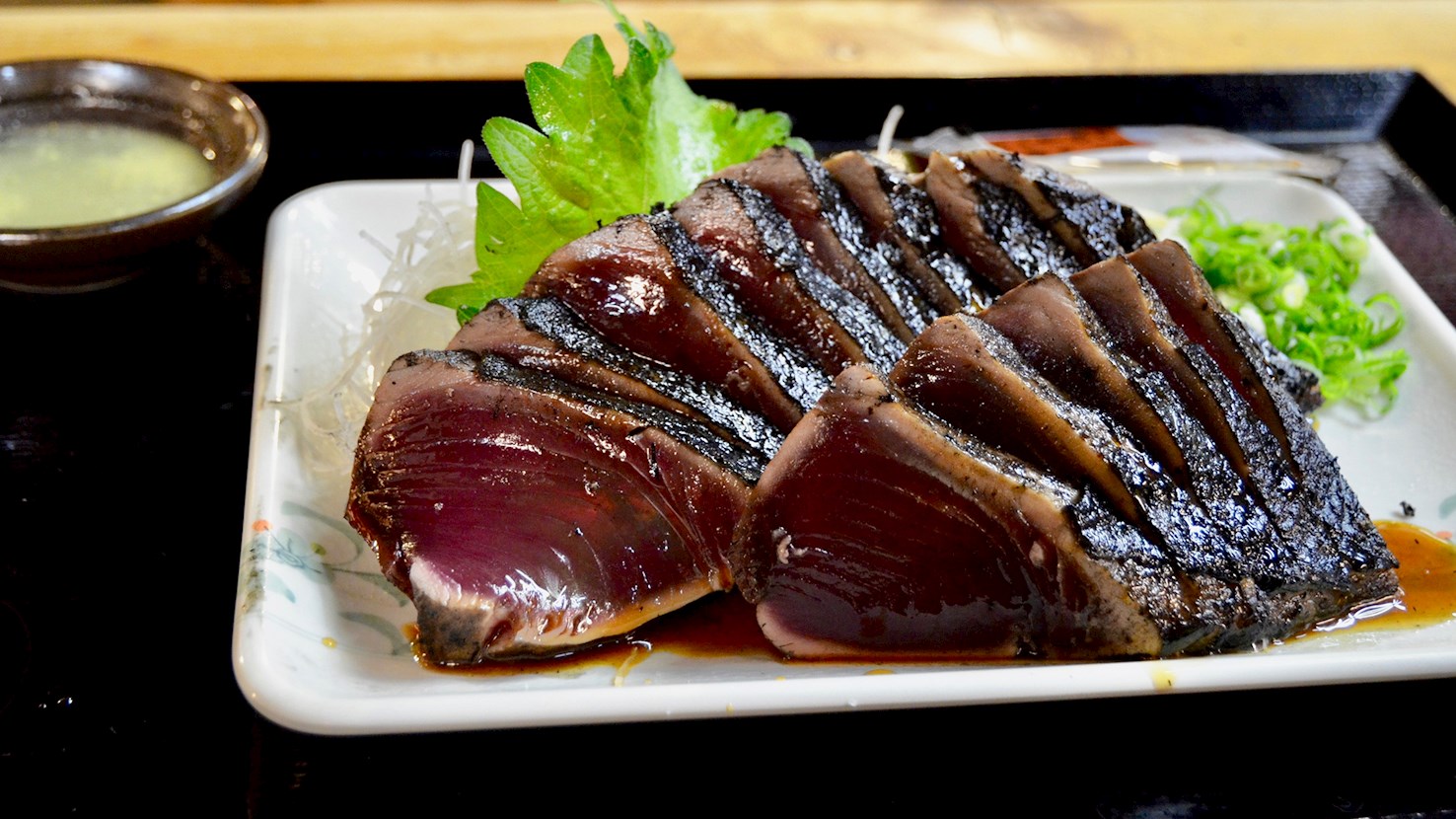
Katsuo no tataki is a traditional dish originating from Kochi. It consists of lightly broiled, sliced bonito (skipjack tuna) that's served with ginger, garlic, and spring onions on the side. The dish is seasoned with vinegar, citrus, and either salt or soy sauce. The fish is broiled over a straw fire until the exterior becomes visibly grilled. By using this method, only the surface is cooked while the interior remains raw, and the smoke from the straw gives the meat a nice smoky flavor. Katsuo no tataki is especially popular at izakaya bars in the area. Interestingly, some claim that the dish was invented by the famous historic figure Sakamoto Ryome, an important samurai of the Bakumatsu era.

04
Snack

Kenpi

n/a ·

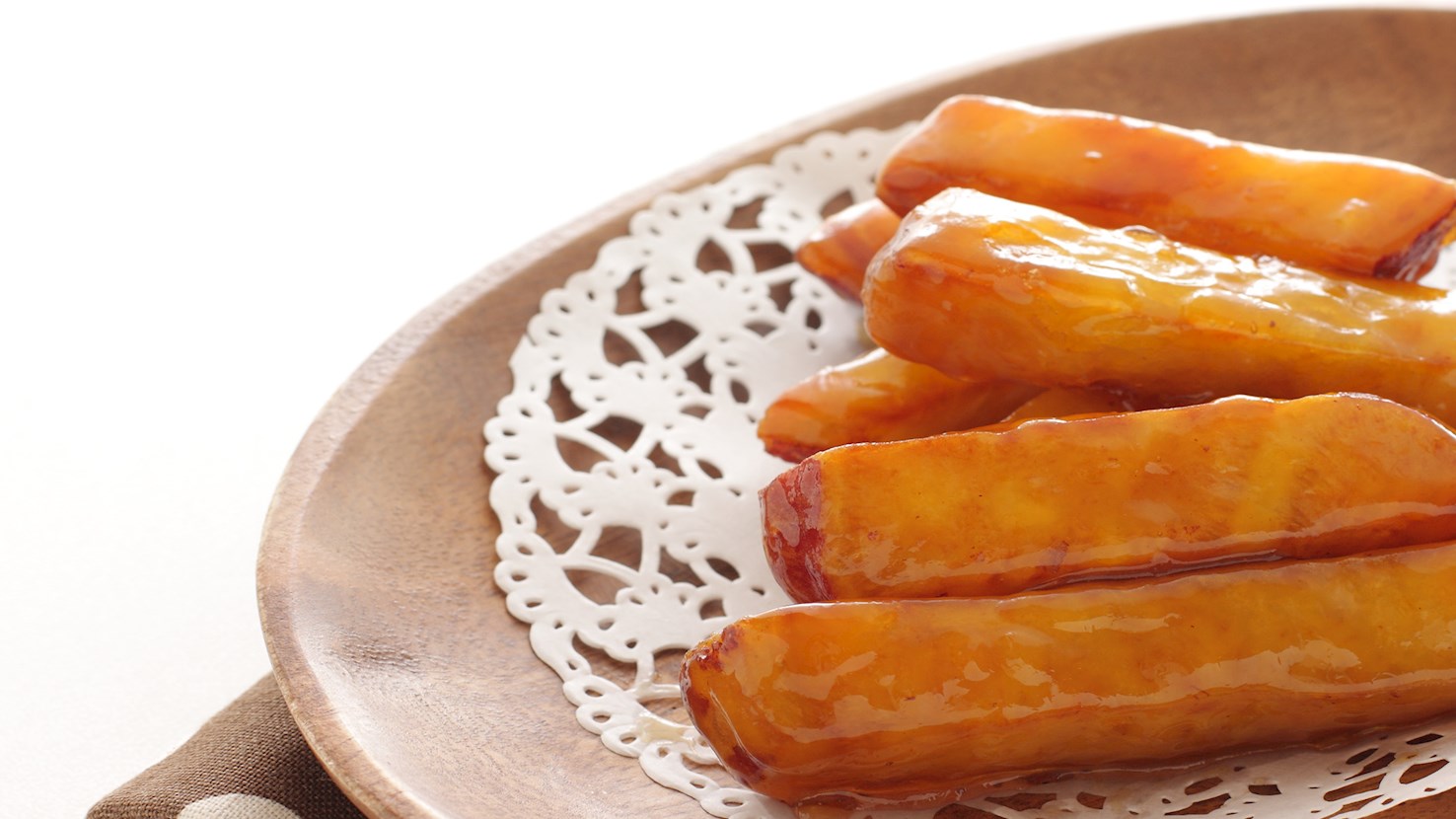
Kenpi is a Japanese snack consisting of strips of candied sweet potatoes. Crunchy and sweet, the potato sticks are usually frosted on the exterior, visually reminiscent of french fries. The snack can be easily found in the Kōchi Prefecture, where kenpi is most popular.

05
Dessert

Bocchan dango

2.9 ·

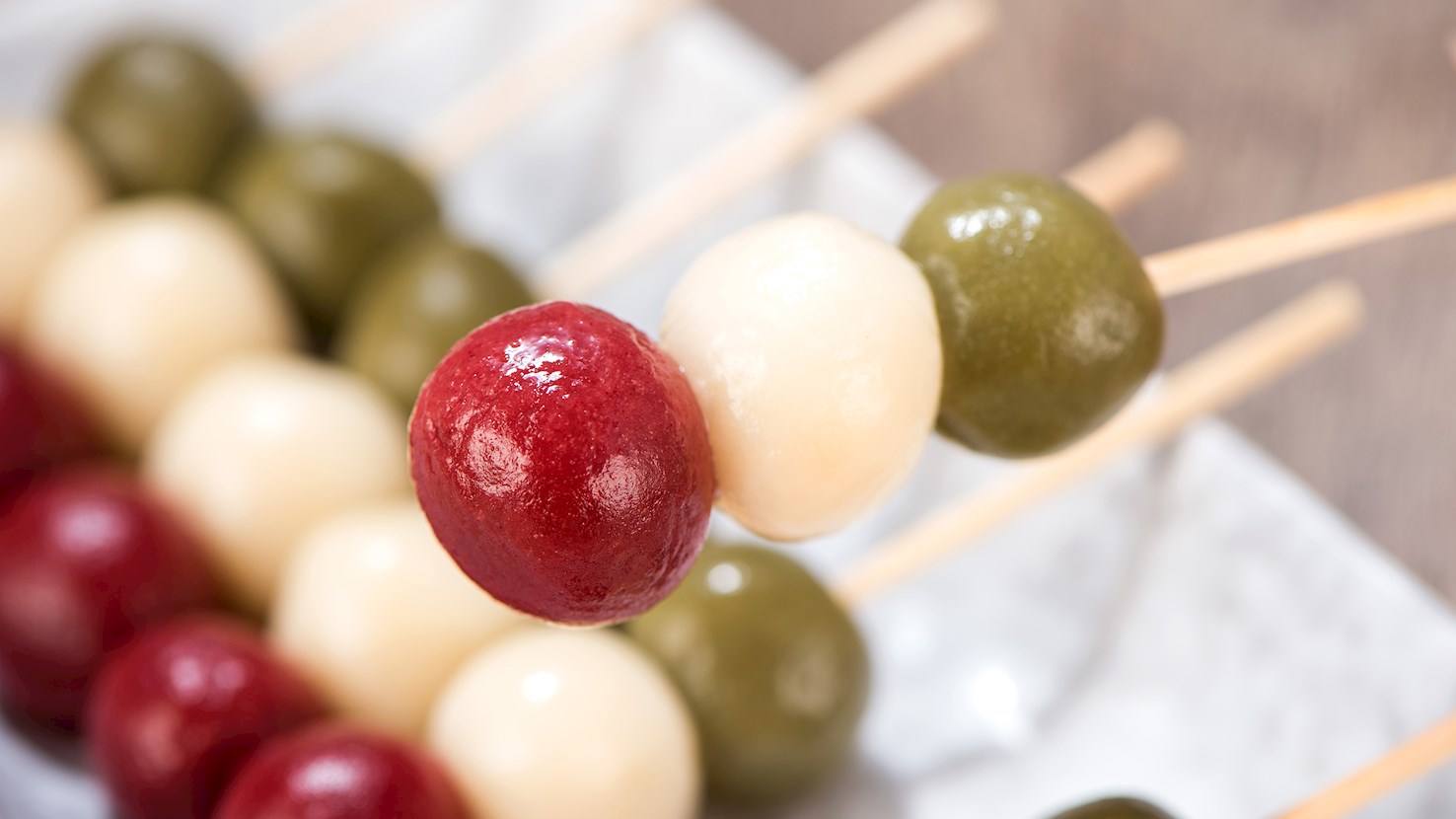
Bocchan dango is a multi-colored variety of popular Japanese dango sweets. It consists of three balls on a skewer, each one with a different color – red, prepared with red bean paste, yellow, prepared with eggs, and green, prepared with green tea. This dango variety is often associated with the city of Matsuyama, because the sweet treat appears in Natsume Soseki’s 1906 novel Botchan. In the novel, the eponymous hero is a Tokyo academic who is posted to a school in Matsuyama, and he finds great solace in this dessert that now bears his name.

06
Noodle Dish

Kijoyu udon

n/a ·

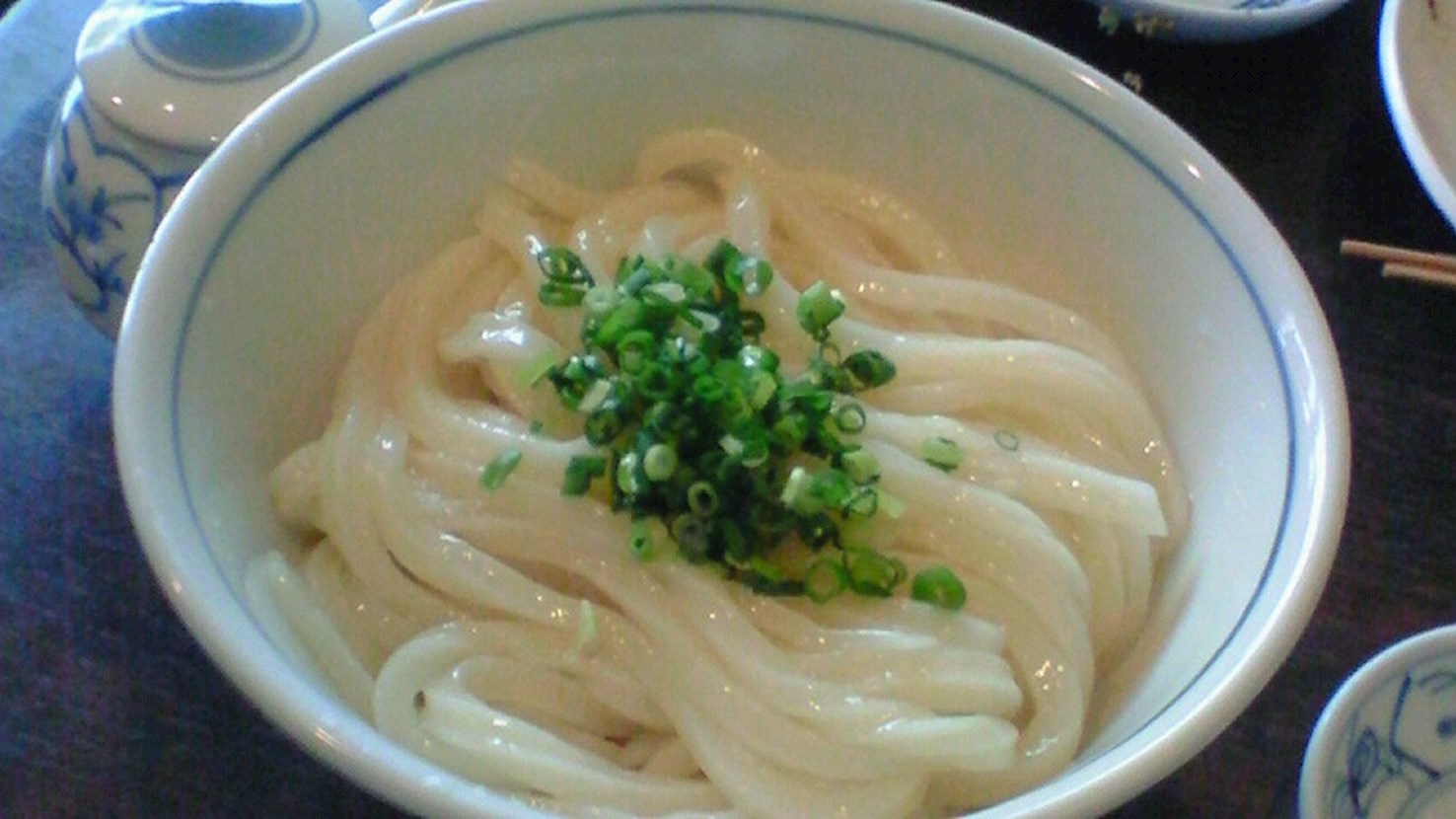
Kijoyu udon is a traditional dish made with udon noodles. This simple dish consists of only two ingredients - udon noodles and dashi soy sauce. The noodles are boiled until done, rinsed, drained, and chilled, then served in a bowl with the condiments of your choice. Dashi soy sauce is then poured onto the noodles and the dish is ready to be enjoyed. The condiments should be as simple as possible, such as grated radish, sudachi citrus fruit, and scallions.

Read more
View all
View map
About this ranking

TasteAtlas food rankings are based on the ratings of the TasteAtlas audience, with a series of mechanisms that recognize real users and that ignore bot, nationalist or local patriotic ratings, and give additional value to the ratings of users that the system recognizes as knowledgeable. For the “Top 6 Shikoku Foods” list until June 07, 2026, 200 ratings were recorded, of which 161 were recognized by the system as legitimate. TasteAtlas Rankings should not be seen as the final global conclusion about food. Their purpose is to promote excellent local foods, instill pride in traditional dishes, and arouse curiosity about dishes you haven’t tried.

Similar lists