Shahan ful is a traditional dish from the countries of the Horn of Africa that is typically served for breakfast. The dish is made by slowly cooking fava beans in water until they soften, then mashing them into a purée. The purée is then combined with onions, lemon juice, berbere spices, chili peppers, and tomatoes. When served, shahan ful is sometimes garnished with yogurt on top and accompanied by bread rolls on the side. The dish is especially popular during Lent and Ramadan.
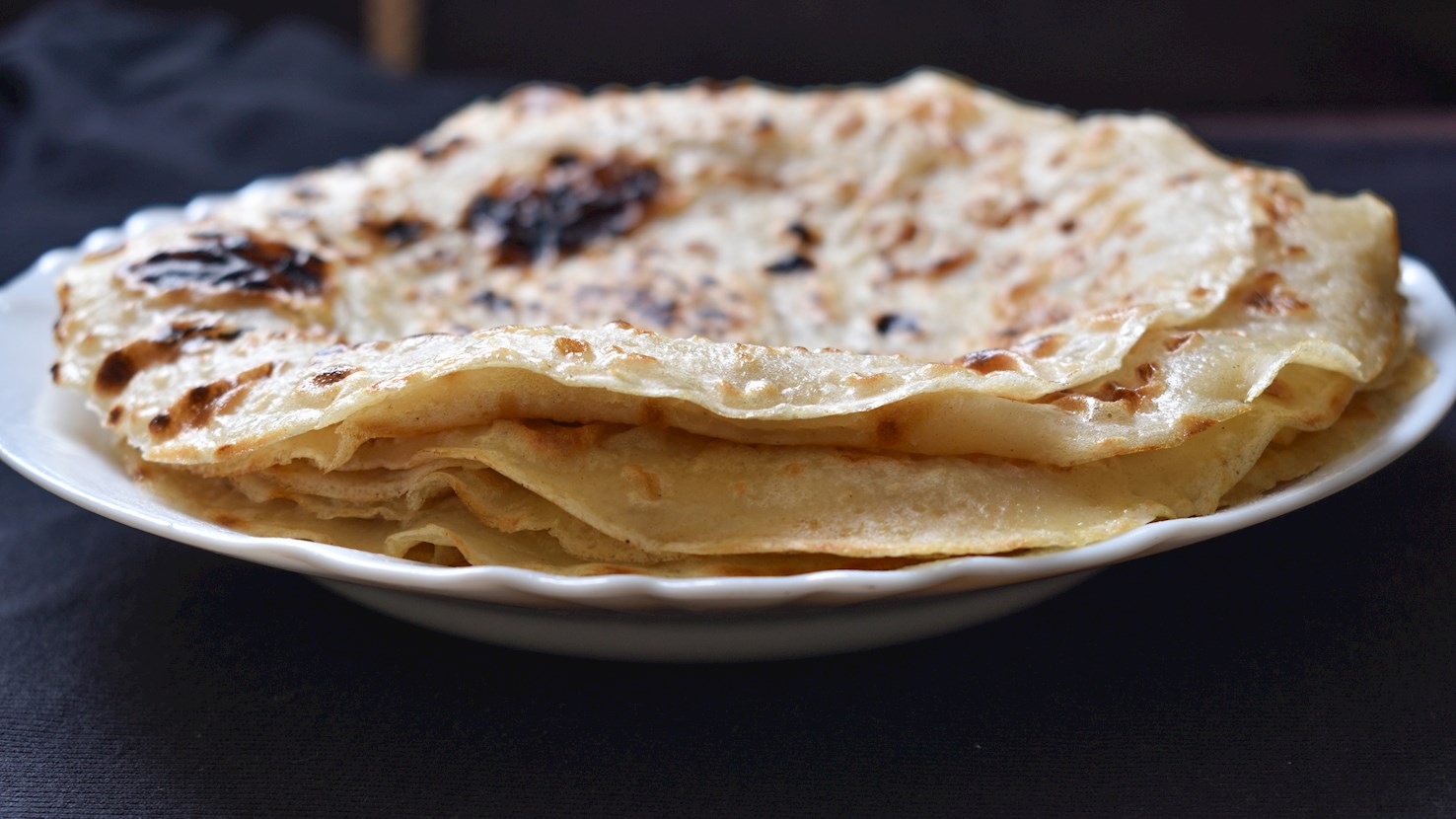
Sabaayad is a layered flatbread from Somalia, Somaliland, Djibouti, and Somali communities in eastern Ethiopia, made from wheat flour, water, salt, and fat, then folded and pan-cooked until the outside is lightly crisp and the inside separates into soft, thin layers. It is closely related to other laminated flatbreads found around the Indian Ocean and Red Sea, especially paratha, and its presence in Somali cooking reflects centuries of contact with Arabian, South Asian, and East African food cultures. The dough is usually mixed until smooth and elastic, divided into portions, and rested before being rolled out thinly. Oil, ghee, or another fat is spread over the surface, after which the dough is folded, rolled, or coiled to create layers, then flattened again and cooked on a hot griddle or frying pan. The result can be round, square, or triangular depending on the folding method, with browned spots on the surface and a tender, slightly flaky interior. Some versions are very thin and crisp at the edges, while others are thicker and softer, but the layered structure is what distinguishes sabaayad from simpler Somali breads such as canjeero or muufo. It is eaten throughout the day and works equally well with savory and sweet accompaniments. At breakfast it may be served with tea, honey, sugar, or eggs, while at lunch and dinner it commonly accompanies stews, beans, grilled or stewed meat, and sauces. Sabaayad is also well suited to dishes with goat, beef, chicken, or lentils because the layers absorb juices without immediately falling apart. In Somali households and restaurants, it is often torn by hand and used to scoop up food, while sweet Somali tea with milk is one of its most familiar pairings. Yogurt, fresh fruit, or a simple salad can provide a lighter contrast when the bread is served with richer meat dishes.
Beef suqaar is a traditional stir-fried dish originating from Somalia. The dish is usually made with a combination of oil, beef, onions, carrots, salt, cumin, turmeric, bell peppers, lime juice, and coriander. The beef and onions are browned in oil, seasoned with salt, and mixed with carrots, cumin, and turmeric. A bit of water is added to the pot and the ingredients are cooked until the carrots begin to get tender. The bell peppers are thinly sliced and added to the pot and cooked until tender. The dish is seasoned with lime juice and salt, and it's then garnished with coriander before serving. It's recommended to serve beef suqaar with rice or chopped lettuce on the side.
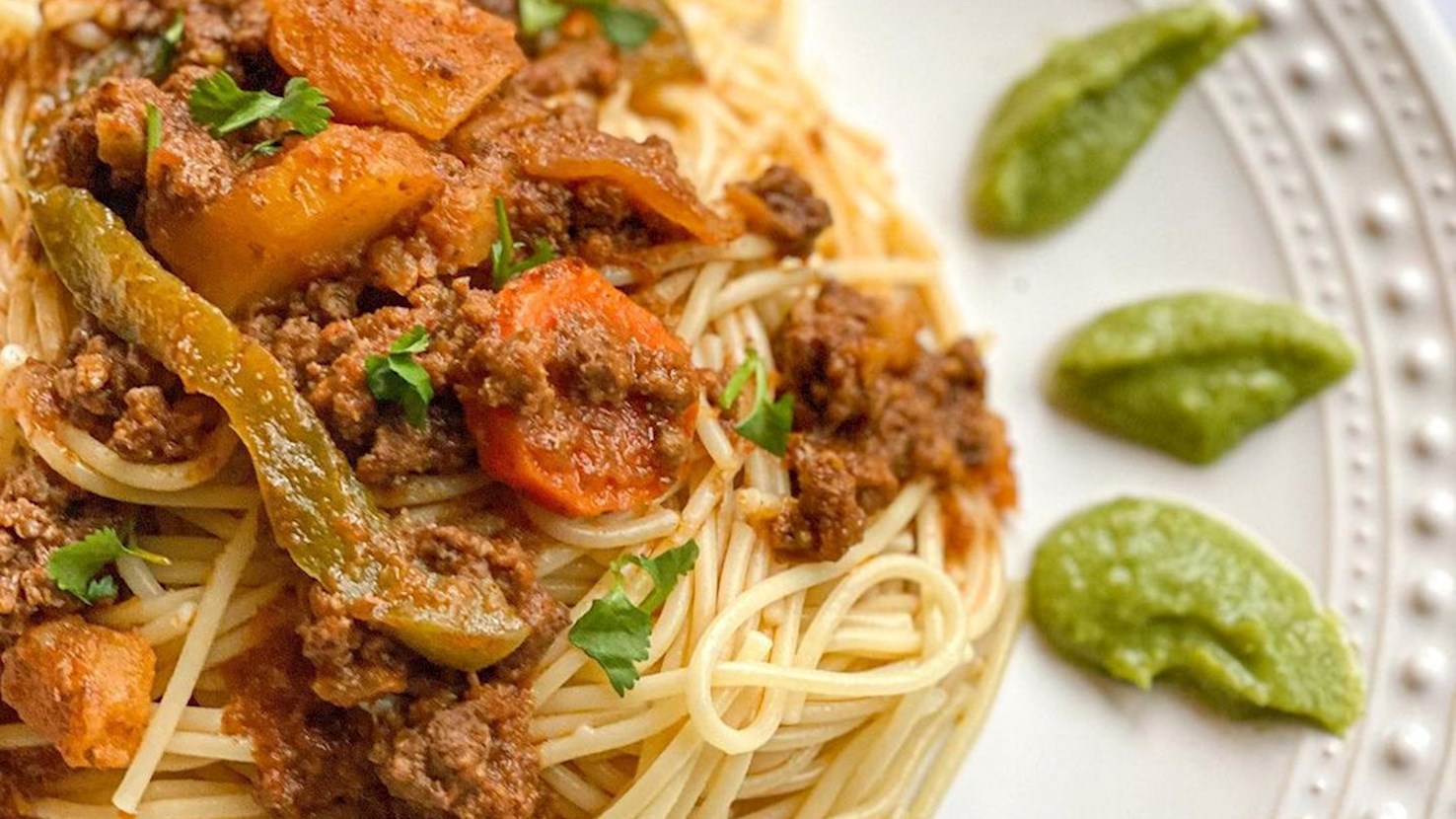
Baasto iyo suugo is a Somali pasta dish with suugo suqaar, a beef sauce unique for using the hawaij spice blend. It is an adaptation of similar Italian pasta dishes, which were introduced to Somali cuisine by Italians who once colonized parts of the country. Al dente pasta (usually spaghetti) is covered with suuqo suqaar, and a few drops of lime are squeezed over the dish. Baasto iyo suugo is paired with a banana and muufo, a Somali bread ideal for scooping the rich sauce.
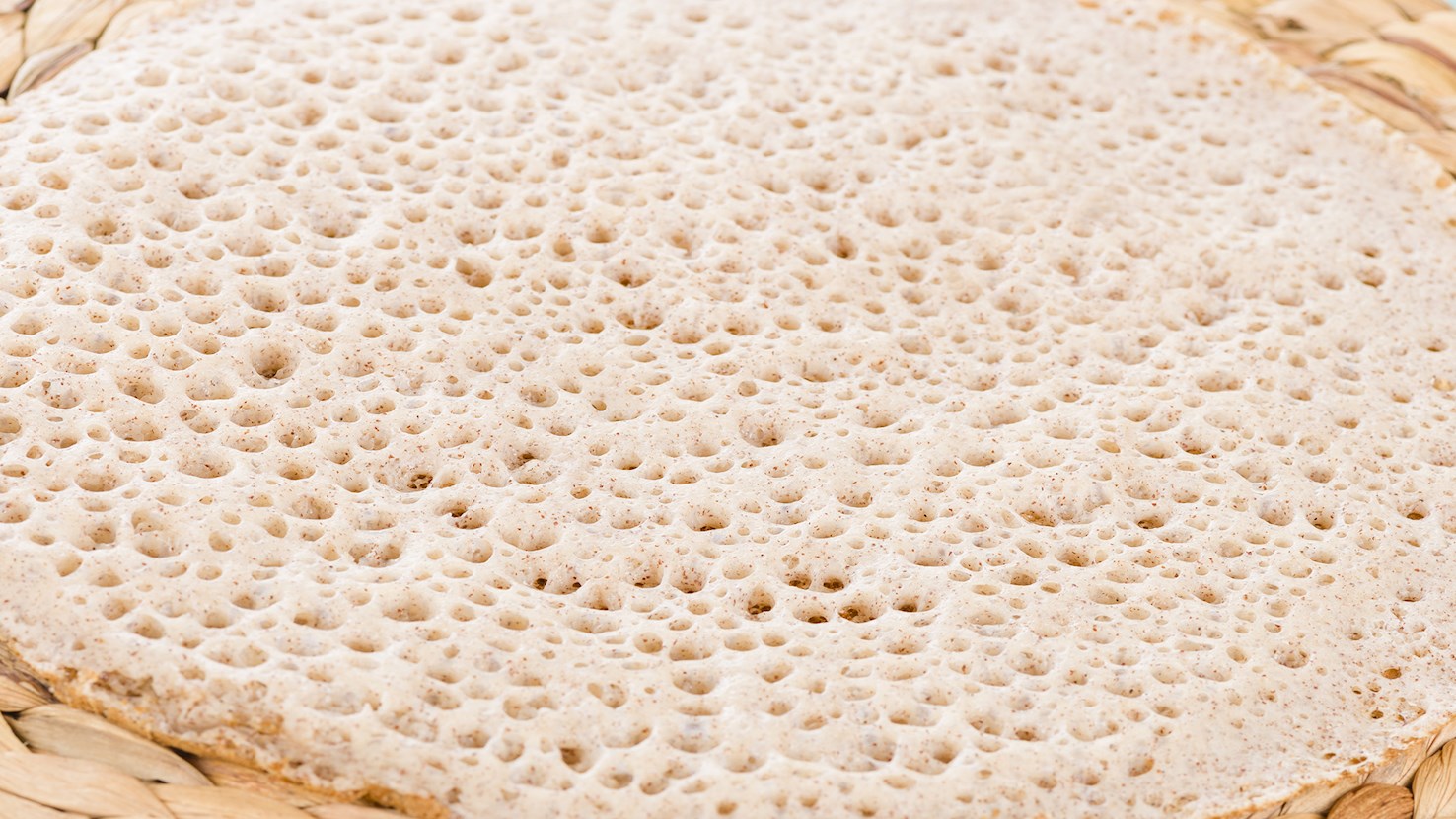
Lahoh is a soft, fermented flatbread eaten across Yemen and the Horn of Africa, especially in Somalia, Somaliland, Djibouti, and eastern Ethiopia. It is made from a loose batter rather than a kneaded dough, usually based on wheat flour, sorghum, maize, or a mixture of grains, and fermentation gives it a lightly sour flavor and a distinctive surface covered with small holes. Lahoh belongs to a wider family of fermented griddle breads that developed across the Red Sea region, where long-standing movement between Arabia and the Horn helped create closely related breads under different local names, including laxoox and canjeero. Preparation begins by mixing flour with water and a starter or yeast, then leaving the batter to ferment until it becomes bubbly and slightly tangy. The batter is poured onto a hot griddle or pan and spread into a thin round, usually cooked on one side only, so the underside browns while the upper surface stays soft and porous. This structure allows lahoh to absorb sauces, butter, honey, and stews very easily without losing its shape. Depending on the region, it can be thin and flexible or slightly thicker and spongier, and the degree of sourness varies with the grain and fermentation time. Lahoh is commonly eaten at breakfast with butter, ghee, honey, sugar, or sweet milk tea, but it also works as a savory bread alongside beans, lentils, meat stews, vegetables, and spiced sauces. In Somali-speaking areas, laxoox may be served with tea or milk in the morning, while in Yemen it can accompany soups, eggs, or savory dishes later in the day. Its mild acidity and soft texture make it especially useful with rich or spicy foods, and tea, coffee, milk, or yogurt are natural drinks and accompaniments.
Malaay qumbe is a coconut fish curry from the Somali coast and the wider East African coastal food culture, made by gently cooking firm white fish in a sauce of coconut milk, tomatoes, onions, garlic, and aromatic spices. The dish is especially associated with coastal Somali towns, where access to fresh fish and long-standing links with Swahili and Indian Ocean cooking shaped a cuisine that differs in some ways from the more meat-centered foods of inland Somalia. Variations of coconut fish curry are found all along the Swahili Coast, and malaay qumbe belongs to that broader family while retaining a distinctly Somali character through the frequent use of xawaash, the spice blend built around cumin, coriander, black pepper, cardamom, cinnamon, cloves, and turmeric. Preparation usually begins with onions cooked until completely soft, followed by tomatoes that are allowed to break down into a loose sauce. Garlic, cilantro, and xawaash are then added before coconut milk is poured in, creating a smooth, mildly spiced base. Firm white fish such as barramundi, cod, halibut, or tilapia is added toward the end so that it cooks directly in the coconut sauce without becoming dry or falling apart. The finished curry is creamy but not excessively heavy, with the sweetness of coconut balanced by tomato acidity, black pepper, and warm spices. Unlike hotter curries, malaay qumbe is often relatively mild, allowing the flavor of the fish to remain noticeable. The use of coconut milk places it clearly within the coastal cooking of East Africa, where coconut is much more prominent than in many inland Somali dishes. Malaay qumbe is usually served hot over plain rice, although soor, a Somali maize porridge, and flatbreads such as muufo also work well because they absorb the coconut sauce. It is most naturally eaten as a main course, often with a simple vegetable side, salad, or fresh lime. Water, lightly sweet Somali tea, or a yogurt-based drink can accompany the meal, while the mild richness of the curry also pairs well with plain rice and lightly seasoned vegetables.
Cambaabur is a fermented griddle bread, especially associated with festive meals and celebrations such as Eid and Dabshid, the Somali New Year. It is closely related to canjeero and laxoox but is usually richer, more aromatic, and more heavily seasoned, with a batter that may combine wheat flour with sorghum, millet, maize, or other grains. The dish developed within the same broader Horn of Africa flatbread culture as canjeero and laxoox, but cambaabur became particularly linked with special occasions because of its spices, color, and richer serving style. Preparation begins with a loose batter of flour, water, and yeast or a fermented starter, which is left to rest until bubbly and slightly sour. Depending on the household, turmeric may be added for a warm yellow color, while onion, garlic, fennel, caraway, nigella, fenugreek, or other spices can give the bread a noticeably more savory and fragrant character than plain canjeero. The batter is poured onto a hot flat pan or griddle and cooked mainly on one side, allowing the surface to develop many small holes while the underside browns lightly. The finished cambaabur is soft, flexible, and porous, with enough structure to absorb yogurt, honey, sugar, or melted fat without immediately falling apart. Some versions are served relatively plain, while others are brushed with ghee or oil and finished with sweet toppings. One of the most characteristic combinations is cambaabur served with yogurt and sugar, which balances the bread’s mild sourness and spice with coolness and sweetness. It can also be eaten with honey, tea, or other breakfast foods, but it is especially valued as a celebratory bread rather than an everyday staple. Cambaabur is usually eaten warm or at room temperature, often by tearing pieces by hand, and it pairs naturally with sweet Somali tea, yogurt, honey, ghee, dates, or lightly spiced savory foods.
Rooti farmaajo is a Somali cheese-filled sweet bread made from soft yeasted dough shaped into small rolls, stuffed with cheese, and baked closely together so the finished loaf forms a honeycomb-like pattern. It is especially popular during Ramadan and at family gatherings, where it is served as a rich, shareable bread rather than as an everyday staple. The name is straightforward: rooti means bread and farmaajo means cheese. The dish belongs to a wider group of filled and pull-apart breads found around the Red Sea and Arabian Peninsula, and it is particularly close in form to Yemeni khaliat al-nahl, although Somali versions are commonly distinguished by the use of sweetened condensed milk and shredded coconut after baking. Preparation begins with a soft dough made from flour, yeast, milk or water, sugar, salt, and fat. After rising, the dough is divided into small portions, each piece is flattened and filled with soft cheese, then sealed into a ball and arranged tightly in a round or rectangular baking dish. The rolls rise again before baking, allowing them to expand into one connected loaf while still remaining easy to pull apart individually. Once golden, the bread is often brushed or drizzled with sweetened condensed milk and finished with coconut, giving it a sweet exterior that contrasts with the mild, slightly salty cheese in the center. Cream cheese, processed spreadable cheese, or another soft melting cheese can be used, depending on what is available. Rooti farmaajo is usually served warm or at room temperature and is eaten by pulling apart individual rolls by hand. It works especially well with Somali tea, coffee, milk, or spiced chai, and can also be served with dates or fruit during Ramadan meals. Its combination of soft bread, creamy cheese, and a sweet topping makes it suitable for breakfast, dessert, or an evening snack, especially when shared from the baking dish while still fresh.
Bariis iskukaris is a one-pot rice dish made by cooking long-grain rice together with meat, vegetables, and a warm blend of spices. It is eaten throughout Somalia and Somali communities across the Horn of Africa and is especially common at lunch, family gatherings, weddings, and other larger meals. The name refers to rice cooked together with the other ingredients, which is the key to the dish: the grains absorb the meat juices, tomato, onions, and spices as everything cooks in the same pot. Bariis iskukaris developed within a food culture shaped by East African, Arabian, and Indian Ocean influences, which helps explain the use of fragrant spices such as cardamom, cinnamon, cloves, cumin, and black pepper alongside rice and meat. Preparation usually begins with onions cooked in oil or ghee, followed by tomatoes, garlic, and spices, then pieces of goat, lamb, beef, or chicken are browned or simmered until flavorful. Water or stock is added, and the rice is cooked directly in the seasoned liquid, sometimes with potatoes, carrots, raisins, or other vegetables. The finished dish should be aromatic and well separated rather than sticky, with the rice taking on a golden or reddish color from the spices and tomato. Some versions use xawaash, the Somali spice blend, while others rely on individual spices adjusted to household preference. Bariis iskukaris is usually served hot and is often accompanied by fresh banana, salad, basbaas, yogurt, or a simple vegetable side. The combination of savory rice, meat, spice, and something fresh or cooling on the side is central to the way the dish is eaten. Somali tea with milk, water, or a light yogurt drink works well alongside it, while banana remains one of the most characteristic accompaniments because its sweetness contrasts with the spiced rice and meat.
Muufo is a thick Somali flatbread made mainly from maize flour, sometimes with sorghum or wheat added, and baked against the hot inner wall of a clay oven known as a tinaar. It is particularly associated with southern Somalia and the agricultural and urban food culture around Mogadishu, Benadir, and the southern river regions, where maize and sorghum have long been important staple grains. Academic research on Somali breads distinguishes muufo from the thinner fermented canjeero or laxoox, describing muufo specifically as a maize-based bread baked in a vertical oven. Its exact beginnings are not recorded, but the bread reflects two long-standing elements of southern Somali food culture: the cultivation of maize and sorghum and the use of clay ovens connected with the Indian Ocean and Red Sea baking traditions. The name is also closely associated with the oven itself; Somali culinary sources use muufo tinaar for the bread and have proposed a connection between muufo and Arabic names such as mofa or mifa for this type of oven, although that etymology remains an interpretation rather than a firmly established linguistic fact. Muufo is prepared from a soft dough or thick batter based on finely ground maize, with water and salt forming the simplest mixture, while many current recipes add some wheat flour, sugar, and yeast to make the bread softer and easier to handle. The dough is shaped with wet hands into a thick round and pressed directly onto the heated wall of the tinaar, where intense heat creates browned or lightly charred patches on the exterior while the center remains dense, tender, and slightly crumbly. Some older Somali versions are unleavened, while other regional forms are fermented; in Brava, for example, an immediately baked maize bread has been distinguished from muufo Baraawe, which is allowed to ferment before baking. Modern Somali households without a tinaar commonly reproduce the bread in a heavy frying pan, on a grill, or in a very hot conventional oven, although these methods do not give exactly the same crust as clay-oven baking. Muufo is generally eaten while fresh because it becomes firmer as it cools, and its substantial texture makes it especially useful for absorbing sauces and meat juices. It can accompany suqaar, meat stews, beans, vegetables, or other saucy foods, but one of its most characteristic serving methods is to tear or cut the bread into pieces, add sesame oil and sugar, and soften the mixture with hot black tea. It may also be eaten more simply with sesame oil, sugar, or a savory stew, and it appears at breakfast as well as later meals. Sweet Somali tea is a particularly natural accompaniment, while meat dishes such as beef or chicken suqaar, beans, and vegetable stews work well with the bread because its dense crumb absorbs their sauces without falling apart immediately.
TasteAtlas food rankings are based on the ratings of the TasteAtlas audience, with a series of mechanisms that recognize real users and that ignore bot,
nationalist or local patriotic ratings, and give additional value to the ratings of users that the system recognizes as knowledgeable.
TasteAtlas Rankings should not be seen as the final global conclusion about food. Their purpose is to promote excellent local foods,
instill pride in traditional dishes, and arouse curiosity about dishes you haven’t tried.








What People Say