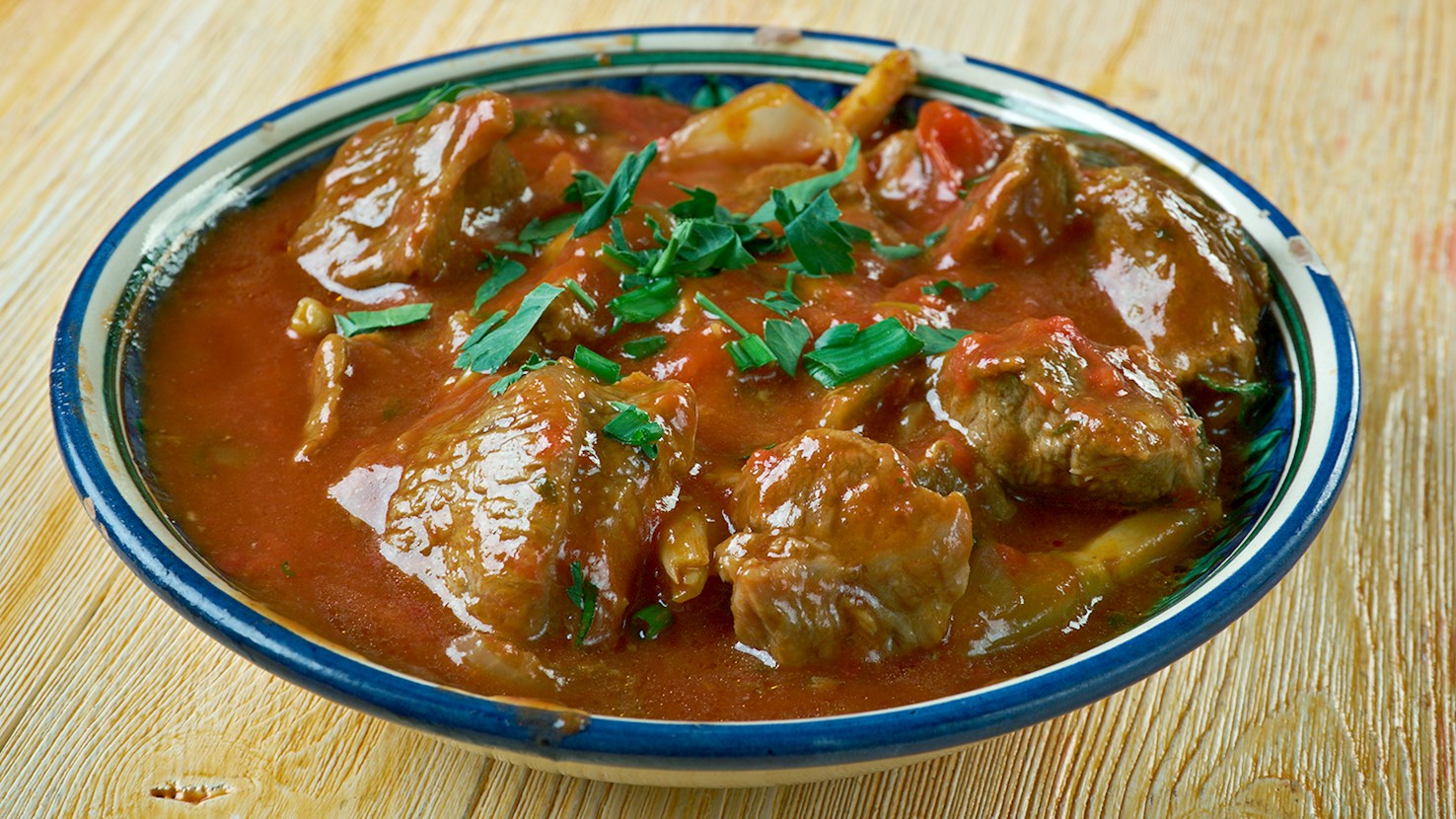
Kamounia is a traditional dish that's a part of Tunisian, Egyptian, and Sudanese cuisine. This hearty stew is usually prepared with beef (sometimes with liver). Variations exist, so lamb is sometimes used instead of the beef, and there are also different spices used depending on the region. Some people like to add parsley, olive oil, and garlic to the stew. Once done, kamounia is often served with rice, either on top of it or on the side.
Shahan ful is a traditional dish from the countries of the Horn of Africa that is typically served for breakfast. The dish is made by slowly cooking fava beans in water until they soften, then mashing them into a purée. The purée is then combined with onions, lemon juice, berbere spices, chili peppers, and tomatoes. When served, shahan ful is sometimes garnished with yogurt on top and accompanied by bread rolls on the side. The dish is especially popular during Lent and Ramadan.
Gorraasa be dama is a traditional beef stew. The stew is usually made with a combination of beef, onions, tomato paste, crushed garlic, tomatoes, bell peppers, cardamom, cinnamon, salt, and oil. The onions are sautéed in oil and covered with water. The mixture is simmered until the liquid has evaporated. The onions are mashed and placed back into the pot with chopped tomatoes, beef, bell peppers, cinnamon, cardamom, and salt. After a few minutes, tomato paste and water are stirred in, and the mixture is simmered until it becomes smooth. Crushed garlic is added near the end of cooking, and gorraasa be dama is then served warm.
Kisra is a traditional spongy flatbread from South Sudan, made with sorghum (millet) flour. It is often used for dipping into stews or as a spoon for scooping up other food. The bread can also be ripped into chunks and placed in soups or porridges, when it is traditionally accompanied by a vegetable and meat stew known as mullah.
Shaaria is a traditional dessert made with a unique blend of ingredients. Pasta nets are first boiled, then fried and combined with sugar, melted butter, raisins or coconut, sesame oil, and a bit of salt. This flavorful dessert is typically prepared and served during Ramadan.
Khoodra mafrooka is a traditional meat dish originating from Sudan. The dish is usually made with either chicken or beef, along with garlic, greens such as spinach, onions, oil, soda bicarbonate, salt, and pepper. The onions and meat are shortly fried in oil, covered with water, and cooked until tender. The meat is taken out and fried in oil on both sides. Spinach and soda bicarbonate are stirred in the broth and blended into a paste that's cooked with garlic and black pepper. The sauce is poured over the meat, and the dish is ready to be enjoyed, ideally with kissra cornbread on the side.
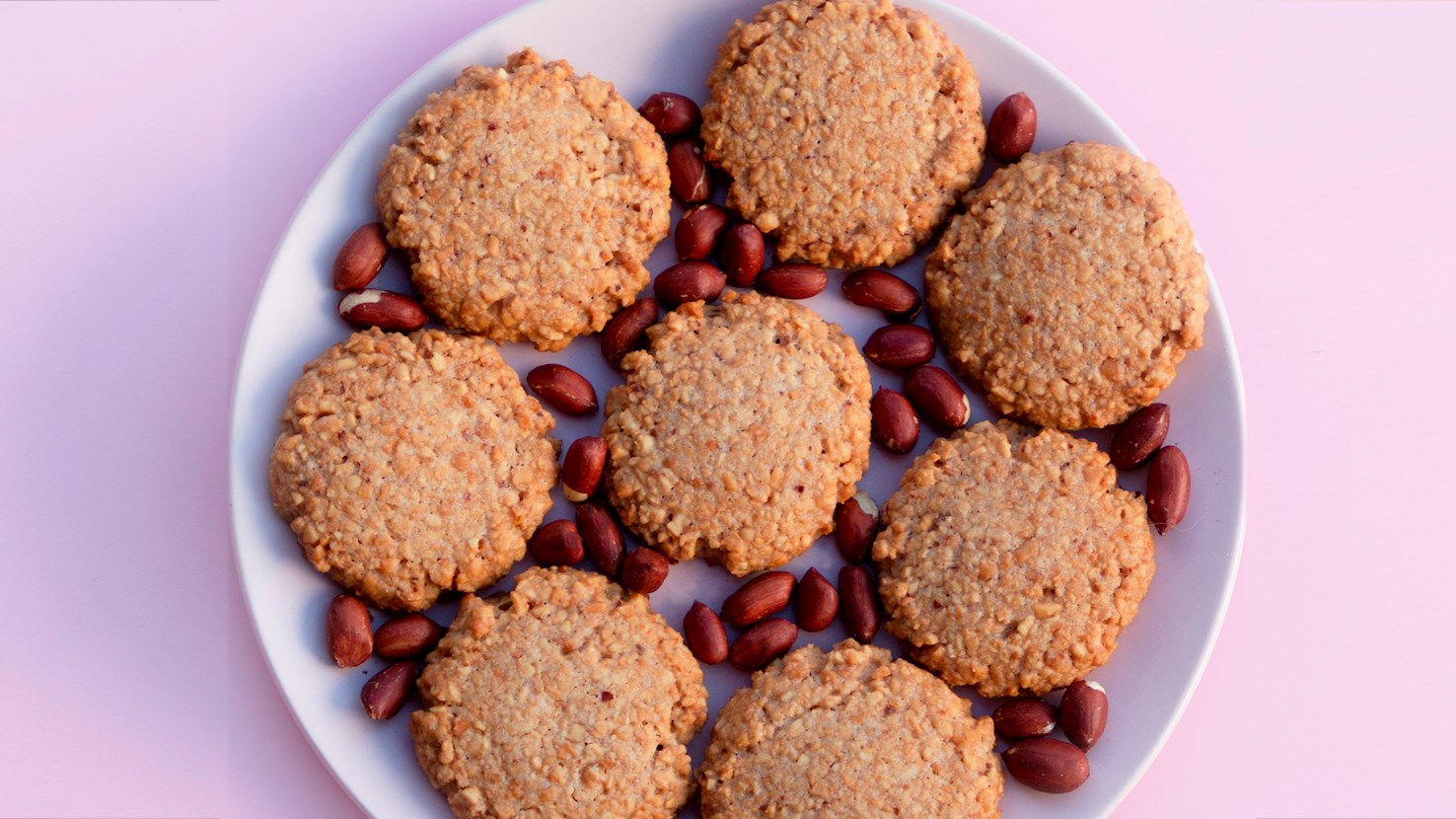
Ful sudani are traditional cookies originating from Sudan. These macaroons are usually made with a combination of egg whites, salt, sugar, vanilla, and peanuts. The peanuts are roasted, their skin is removed, and they're ground until grainy. Vanilla is mixed with the peanuts, egg whites, icing sugar, and salt. Spoonfuls of the batter are placed on a baking sheet, and the cookies are baked until slightly puffy and lightly colored (not browned). It's recommended to serve them alongside some cinnamon tea for the best experience.
Moukhbaza is a traditional dish originating from the east of Sudan. This unusual dish blends together two wildly different flavors – sweet and spicy. The dish is made with a combination of mashed ripe bananas, lemon juice, and hot peppers. The hot peppers are cut into tiny pieces and toasted in the oven. The bananas are mashed, mixed with a teaspoon of lemon juice, and topped with dried hot peppers. Alternatively, larger banana peppers can be cut in half lengthwise, baked, cooled, and stuffed with mashed bananas.
Dama be potaatas is a traditional stew originating from Sudan. The stew is usually made with a combination of beef, potatoes, tomato paste, onions, garlic, tomatoes, oil, bell peppers, cinnamon, cardamom, and salt. The onions are sautéed in oil until soft. Water is poured over the onions, and the mixture is cooked until the liquid evaporates. Chopped tomatoes are stirred in the pot alongside chopped beef, bell peppers, cinnamon, cardamom, tomato paste, and salt. The mixture is simmered until everything is well-blended. Potatoes are chopped, fried, and added to the stew with crushed garlic. The stew is then simmered for a few minutes, and it's ready to be enjoyed.
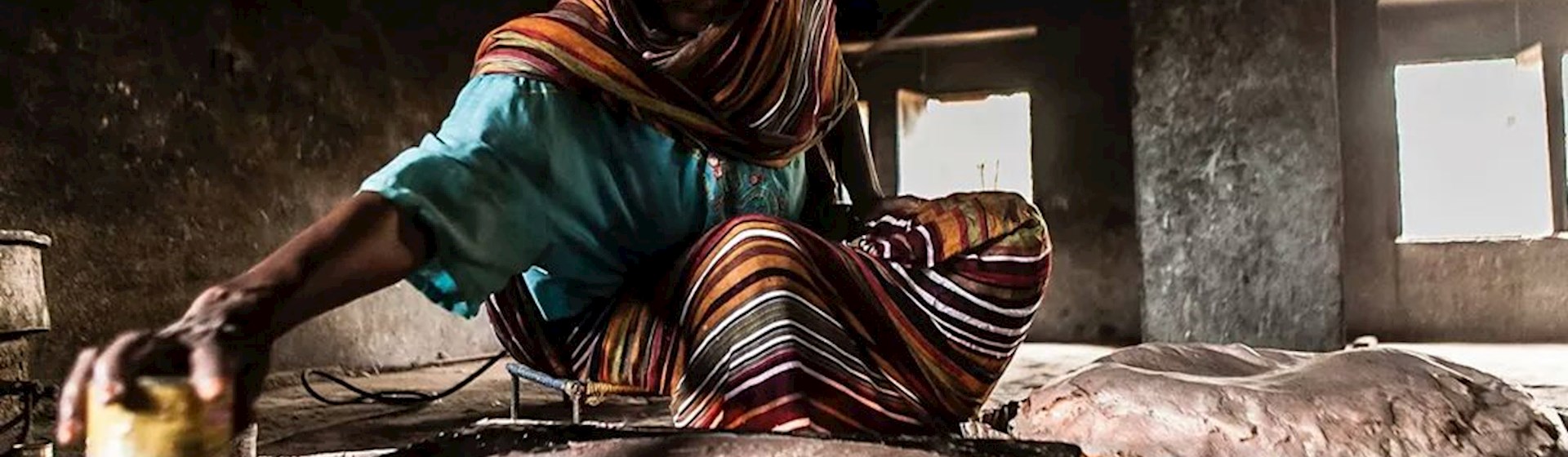
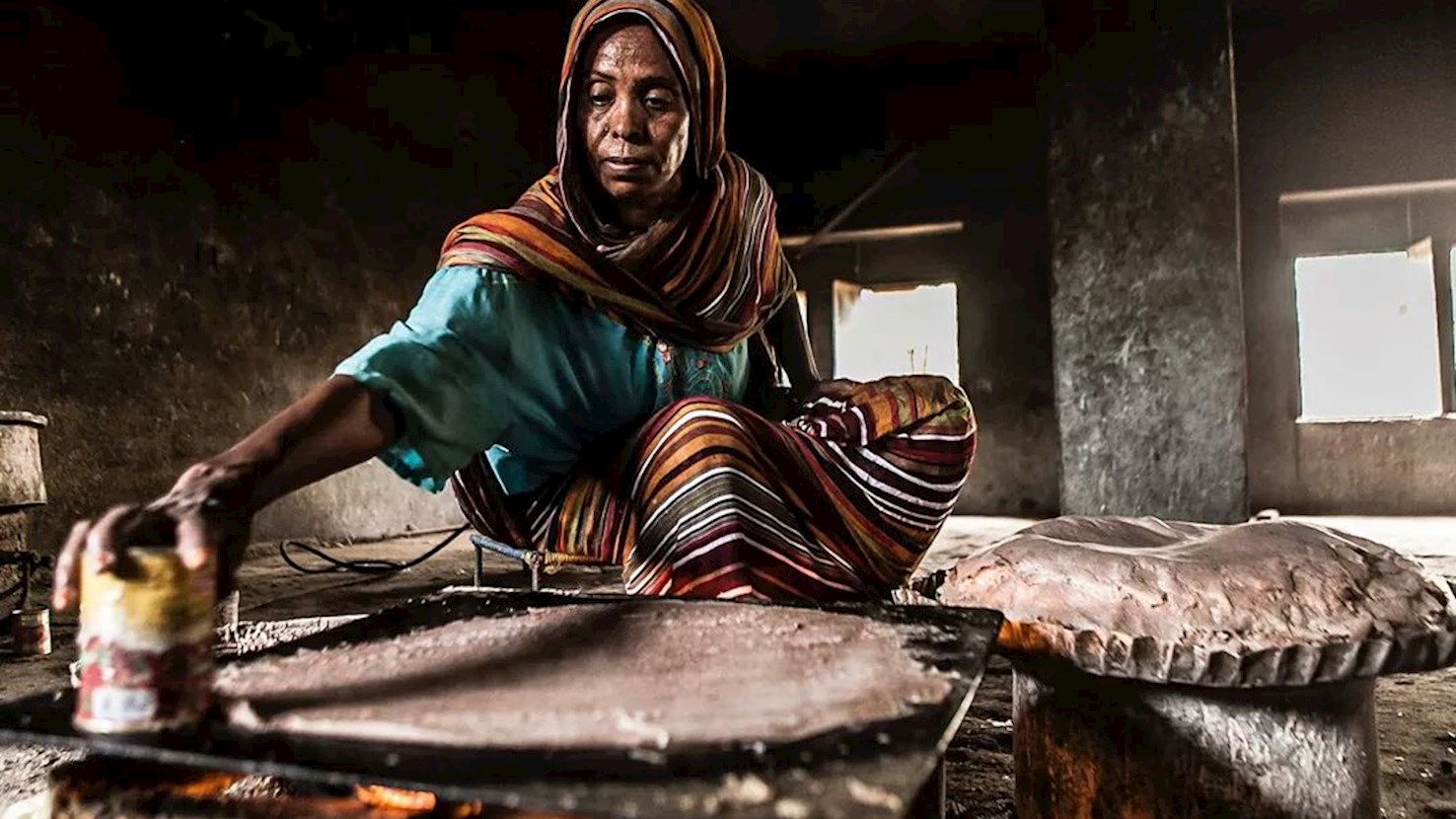
Goraasa, also spelled gurasa or gorassa, is a thick wheat flatbread with a soft, spongy texture. It is particularly associated with northern Sudan, where it is commonly served under stews so the bread absorbs the sauce. Unlike kisra, a very thin fermented flatbread made mainly from sorghum, goraasa is wheat-based and considerably thicker. Its texture falls somewhere between a flatbread and a thick pancake: soft enough to tear easily but substantial enough to hold up under a rich stew. Wholemeal wheat flour is particularly characteristic of the traditional preparation. It is mixed with water, salt, and a leavening agent to form a thick, pourable batter. Yeast is commonly used today, although a small amount of fermented batter saved from an earlier batch can also act as a starter. The mixture is allowed to ferment until it becomes slightly aerated. The batter is then cooked on a hot flat griddle, traditionally a metal or ceramic cooking surface heated over a fire. A portion is poured onto the surface and spread into a thick round. As it cooks, small bubbles appear, and the bread develops its characteristic porous interior. Once the underside is set and lightly browned, the goraasa is turned and cooked on the other side. It should not become crisp. The finished bread should remain soft, supple, and thick enough to absorb sauce. Cooked pieces are usually stacked and covered with a cloth to retain moisture. Goraasa belongs to Sudan's much older culture of cooking breads and grain batters on heated griddles. Archaeological evidence shows that griddle baking has deep roots in the Nile Valley, but the exact age and origin of goraasa itself are not known. Wheat has nevertheless been cultivated along the Nile in northern Sudan since antiquity, and wheat breads became particularly important in areas where irrigated agriculture made the grain easier to grow. Goraasa remains especially characteristic of these northern wheat-growing regions. The traditional way to eat goraasa is with mullah, the broad Sudanese term for the sauces and stews served with staple breads and porridges. The goraasa may be placed on a communal tray and covered with the stew, allowing its porous surface to soak up the cooking juices. Meat-and-tomato mullah and sauces thickened with dried okra are particularly characteristic accompaniments. Pieces of the softened bread are torn off by hand and used to pick up the sauce, meat, and vegetables. Cutlery is not necessary, although it may of course be used.
TasteAtlas food rankings are based on the ratings of the TasteAtlas audience, with a series of mechanisms that recognize real users and that ignore bot,
nationalist or local patriotic ratings, and give additional value to the ratings of users that the system recognizes as knowledgeable.
TasteAtlas Rankings should not be seen as the final global conclusion about food. Their purpose is to promote excellent local foods,
instill pride in traditional dishes, and arouse curiosity about dishes you haven’t tried.






What People Say