shutterstock

Top 13 Sulawesi Foods

Last updated on July 22, 2026

Best Sulawesi food products

01
Coffee Beans

Toarco Toraja

4.6 ·

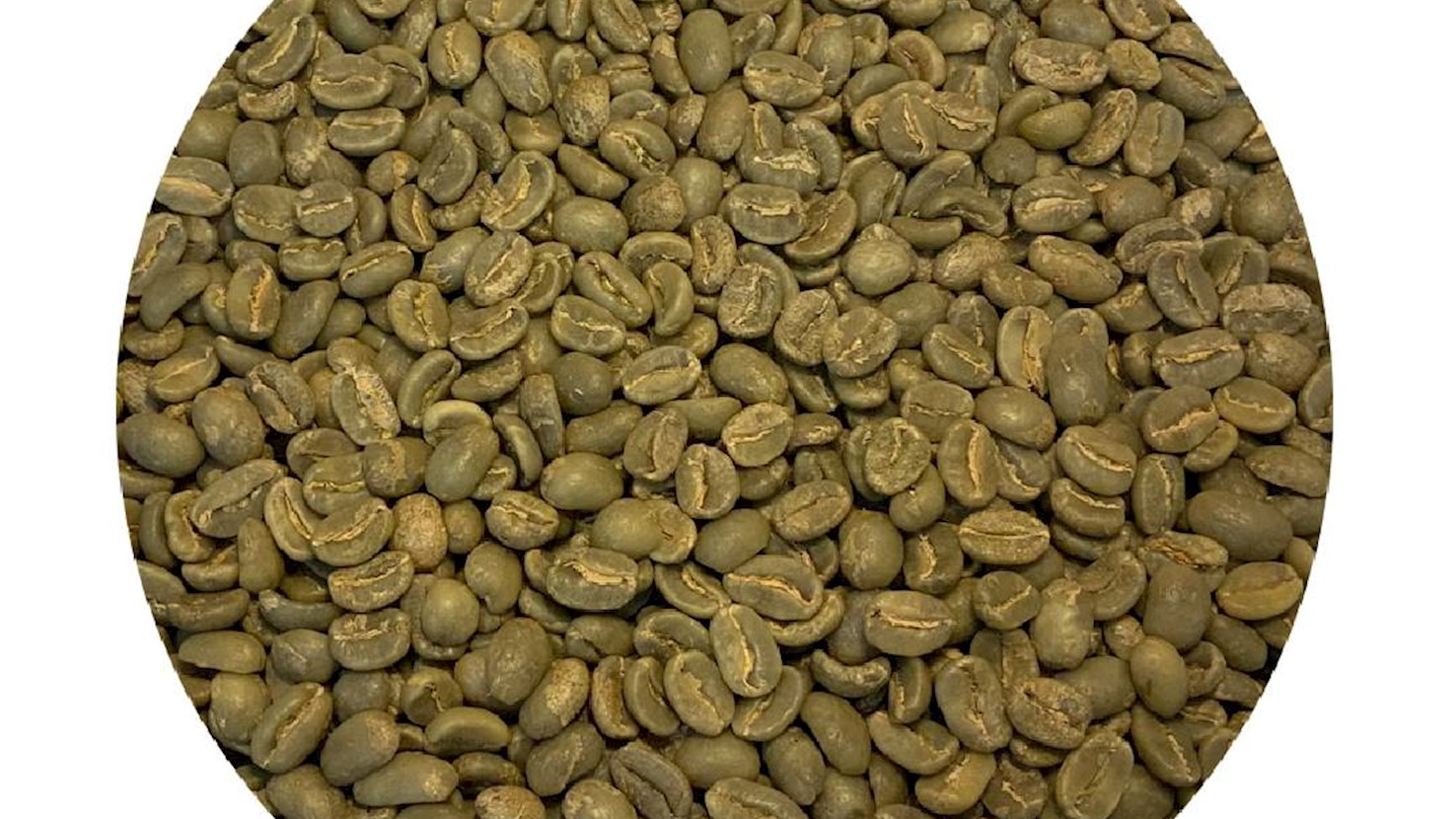
Toarco Toraja is a premier producer of high-quality Arabica coffee from the Toraja Highlands in North Sulawesi, Indonesia. Toarco Toraja stands out as one of the few producers in Indonesia that maintains complete control over the entire coffee production process.

From seedling selection and sustainable cultivation to hand-picking, meticulous sorting, and state-of-the-art "Full Wash" processing, every step is carefully managed to ensure absolute consistency and excellence. The washed processing method enhances the clarity, balance, and refined acidity of the beans, resulting in a clean and vibrant cup profile.

After processing, the beans undergo rigorous grading and sorting before being packed in "GrainPro" bags and exported in temperature-controlled containers to preserve freshness. Recognized for its unparalleled craftsmanship and rich cultural heritage, Toarco Toraja coffee is celebrated by specialty coffee enthusiasts worldwide.

Its flavor profile is known for its smooth body, balanced acidity, delicate sweetness, floral notes, and hints of spice, making it a true connoisseur’s choice. With a relentless focus on quality, authenticity, and sustainability, Toarco Toraja continues to set the global benchmark for Toraja Arabica coffee, delivering an unmatched coffee experience in every cup.

Best Sulawesi foods

01
Meat Soup

Coto Makassar

3.9 ·

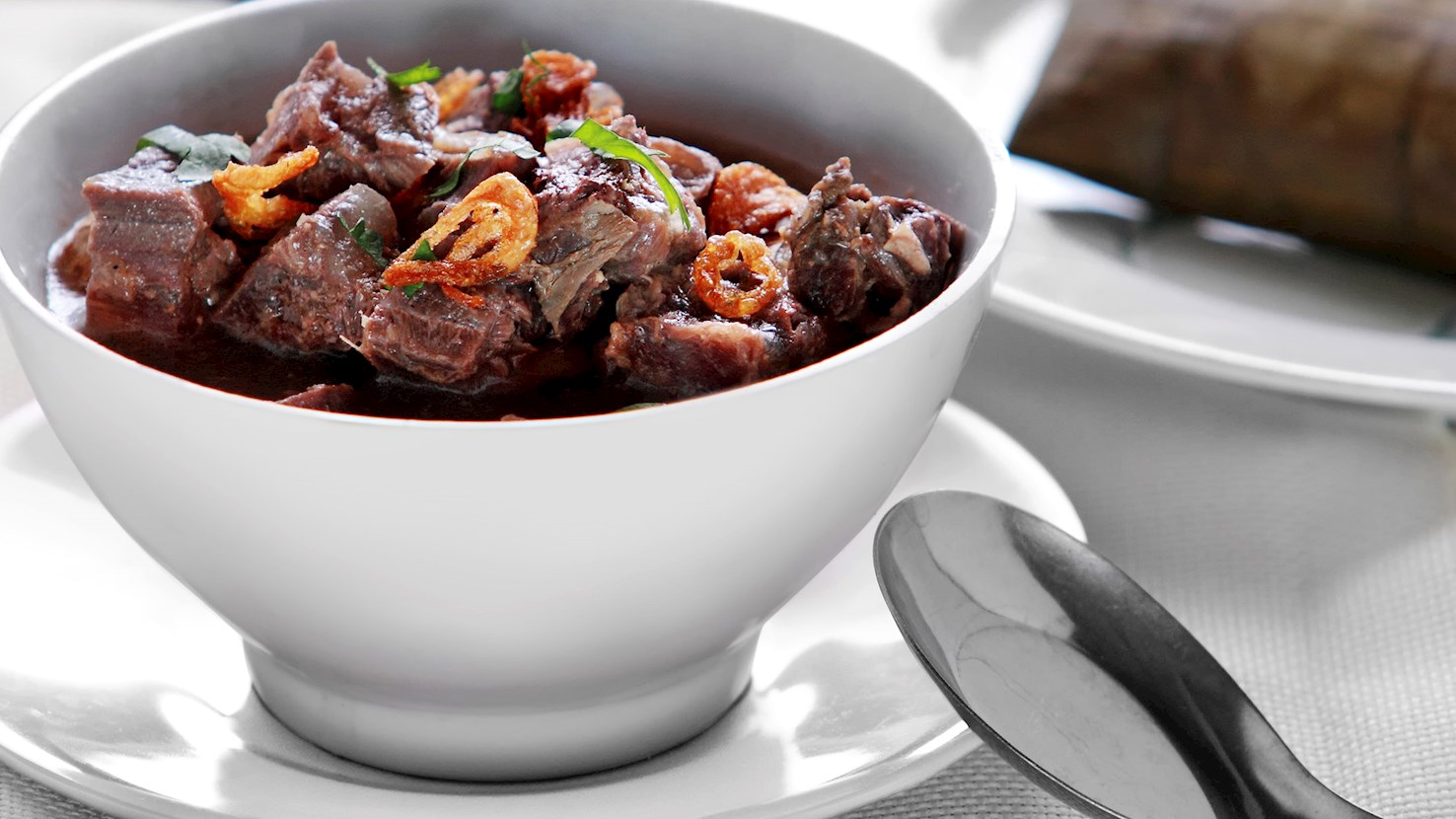
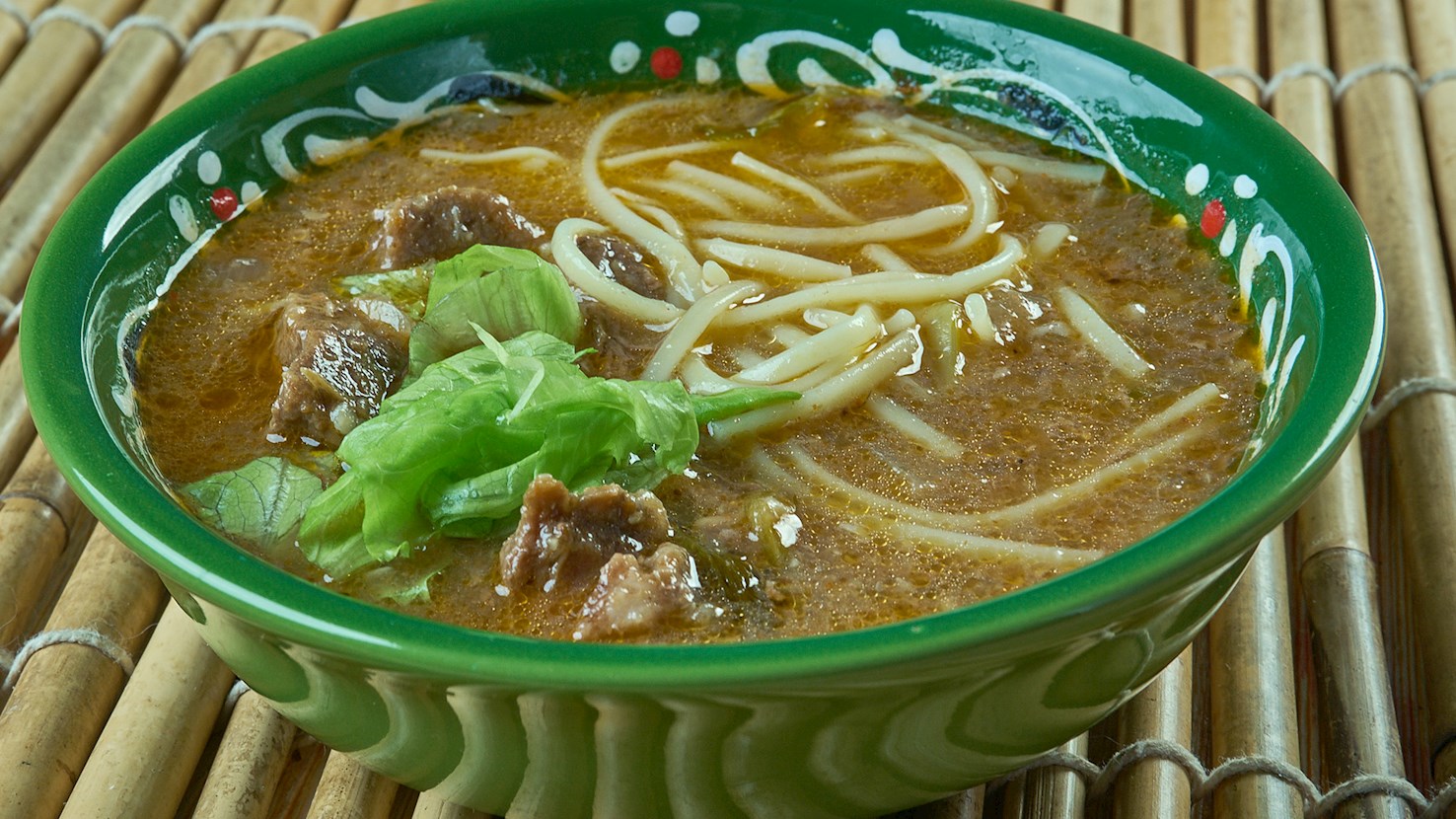
Coto Makassar is a rich and aromatic beef soup from Makassar, South Sulawesi, Indonesia, deeply rooted in the culinary heritage of the Bugis and Makassarese people. Traditionally made with beef and various innards such as tripe and liver, the meat is slow-cooked until tender in a spiced broth infused with peanuts, lemongrass, galangal, and other local spices. What sets Coto Makassar apart is its distinctive broth, which combines the savory depth of beef stock with a subtle nuttiness from ground roasted peanuts, creating a creamy, slightly oily texture that's both hearty and comforting. The soup is typically served steaming hot, accompanied by burasa or ketupat, which help balance the rich, spiced flavors of the broth. It is often garnished with sliced scallions, fried shallots, and a squeeze of lime, and diners can add chili paste or sweet soy sauce to adjust the heat and sweetness to their liking.

02
Porridge

Tinutuan

2.6 ·

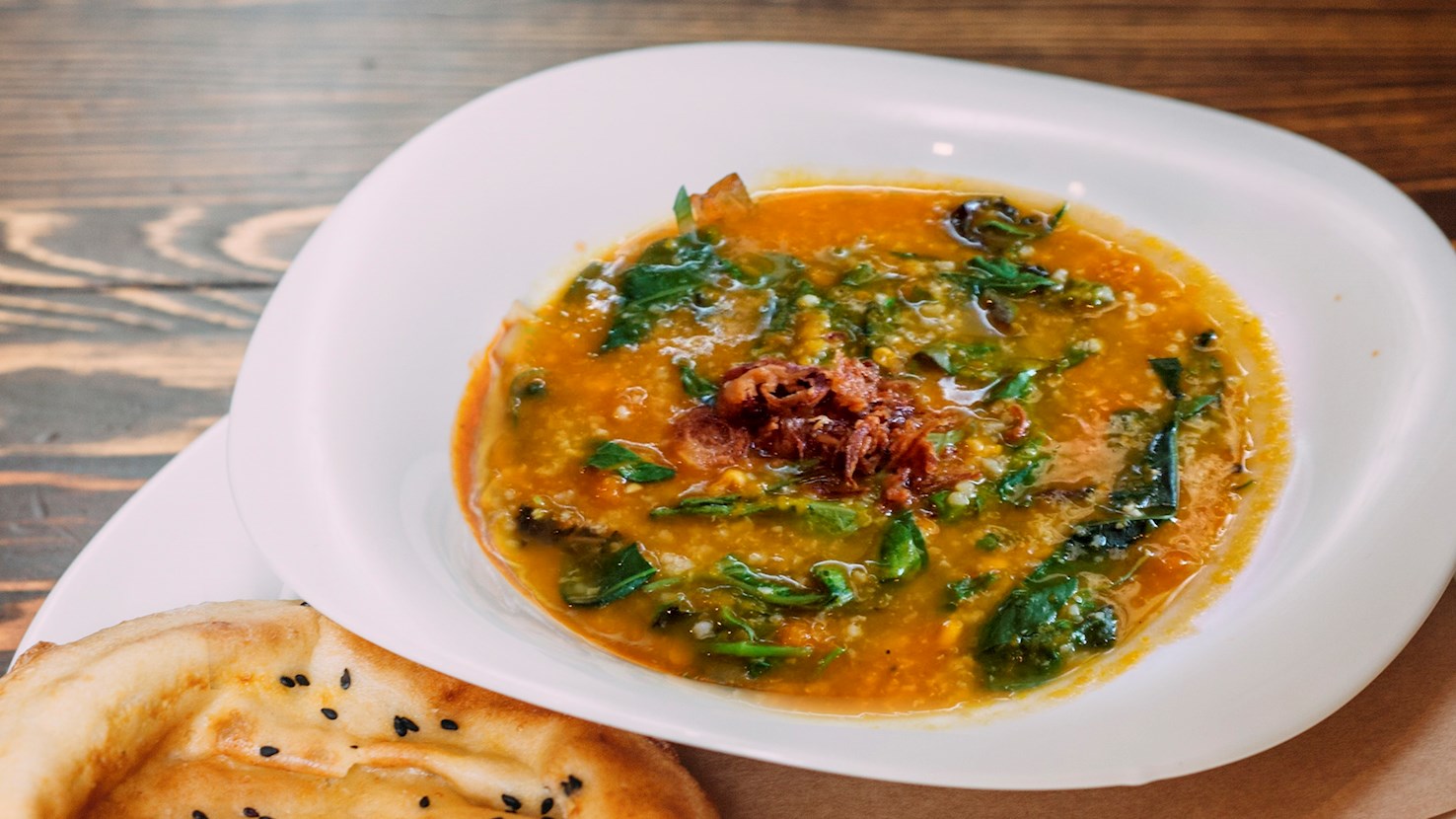
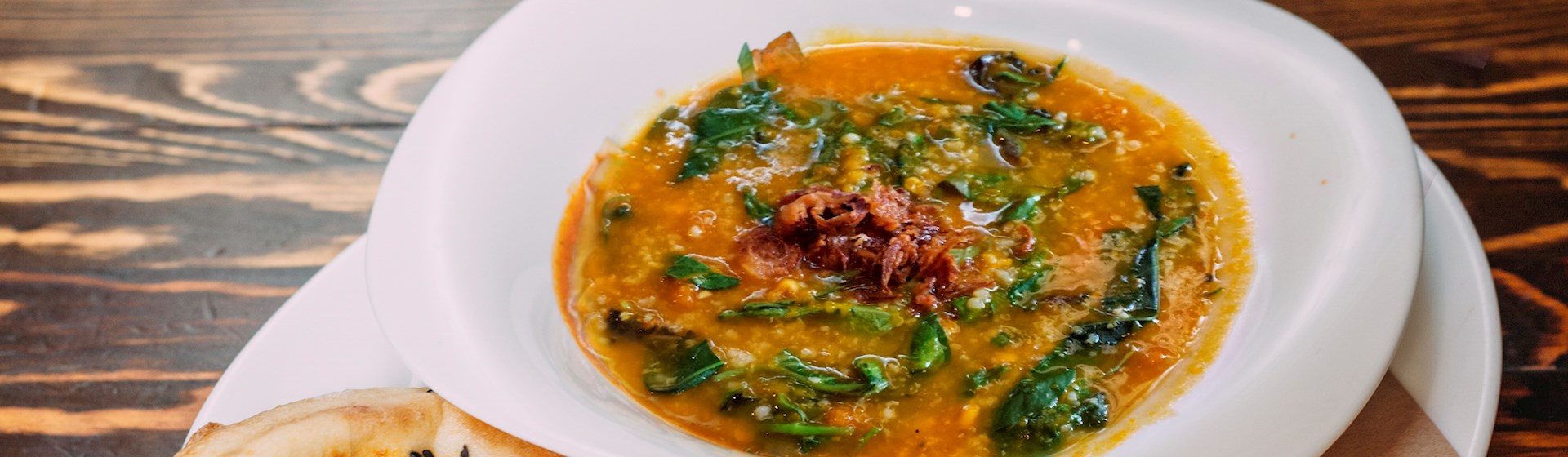
Tinutuan is a hearty rice porridge originating from Manado, the capital of North Sulawesi in Indonesia. It is considered a regional breakfast staple, widely appreciated for its comforting texture and use of locally available vegetables and herbs. Often referred to as Manadonese porridge, tinutuan reflects the agricultural and coastal influences of North Sulawesi, where rice, corn, and leafy greens are readily grown and incorporated into everyday cooking. Unlike plainer rice porridges found in other parts of Indonesia or Asia, tinutuan is notable for its rich combination of starches and vegetables, creating a thick, savory dish that is both filling and nutrient-dense. The base of tinutuan is made by simmering rice with corn kernels, cassava, or sweet potatoes until everything breaks down into a soft, porridge-like consistency. Toward the end of cooking, a variety of chopped vegetables are added, commonly including spinach, water spinach (kangkung), pumpkin, and sometimes basil or melinjo leaves. The mixture is cooked until the greens are wilted and well integrated into the porridge. The result is a flavorful and textured dish that combines sweetness from the corn, earthiness from the greens, and a soft, spoonable consistency from the rice and root vegetables. Tinutuan is typically served warm and accompanied by a range of side dishes and condiments. These may include fried shallots, salted fish, boiled eggs, sambal (chili paste), and sometimes smoked skipjack tuna or fermented soybeans (tempeh). The toppings vary according to availability and personal preference, but the balance of the base with savory and spicy accompaniments is central to the eating experience. In Manado, it is common to find tinutuan sold by street vendors or small eateries in the morning, often alongside other Minahasan breakfast items. The dish has also become a symbol of local culinary identity. In efforts to promote it more broadly, the local government of Manado has supported tinutuan as a signature dish of the city. A dedicated area known as “Wakeke Street” in Manado is even known for its morning porridge stalls that specialize in tinutuan and its variations.

03
Soup

Pallubasa

n/a ·

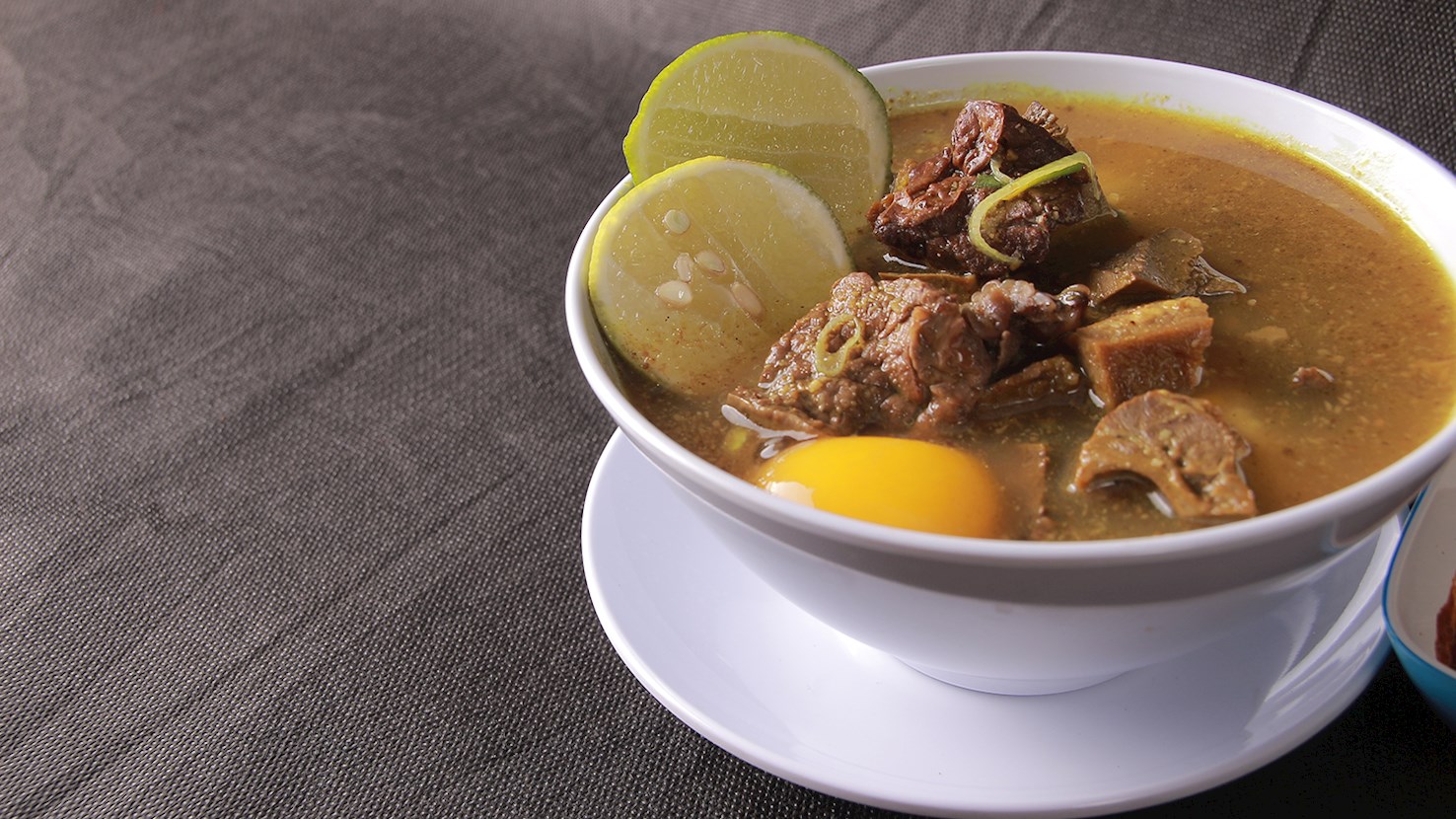
Pallubasa is a hearty meat stew originating from Makassar, the capital city of South Sulawesi. It is closely associated with the culinary traditions of the Makassarese people and is known for its rich, spicy broth, tender beef and buffalo meat, and the distinctive use of grated toasted coconut, which sets it apart from other regional meat soups. The dish is commonly served in small warungs or specialty eateries throughout Makassar and has become a local favorite, often eaten with a side of steamed rice or rice cakes such as ketupat. The primary components of pallubasa include beef or buffalo meat and offal, such as intestines, tripe, or liver, which are slowly simmered in a seasoned broth until tender. The seasoning base consists of a blend of ground spices including coriander, cumin, turmeric, garlic, shallots, and ginger, along with galangal and lemongrass to build aromatic depth. The broth gains its richness from the inclusion of grated coconut that is dry-roasted until golden brown and then added to the soup. This gives the dish a thick, slightly oily texture and a nutty, savory flavor unique to this preparation. One defining feature of pallubasa is the addition of a raw egg yolk, which is often placed into the hot soup just before serving. Diners stir the yolk into the broth, enriching it further and adding to its smooth consistency. The egg component is optional and varies depending on preference or vendor, but it is widely regarded as an integral part of the full pallubasa experience. Another element that differentiates it from other Indonesian beef soups like coto Makassar is the use of toasted coconut rather than ground peanuts or peanut paste. The dish is typically eaten with plain white rice, though some variations are served with ketupat or burasa, depending on local custom. Fried shallots, lime wedges, and sambal may be provided on the side to allow for individual adjustment of flavor. Despite its rich appearance, pallubasa is appreciated for its balance of spices and its satisfying, deeply savory character. Pallubasa has a strong presence in the urban food culture of Makassar and is particularly popular for lunch or dinner. Several long-established eateries in the city specialize exclusively in this dish, and it is often recommended to visitors as an essential part of experiencing local cuisine. While less commonly found outside of Sulawesi, it has begun to appear in Indonesian culinary showcases and regional food festivals, reflecting growing interest in diverse provincial dishes.

04
Custard

Klappertaart

3.4 ·

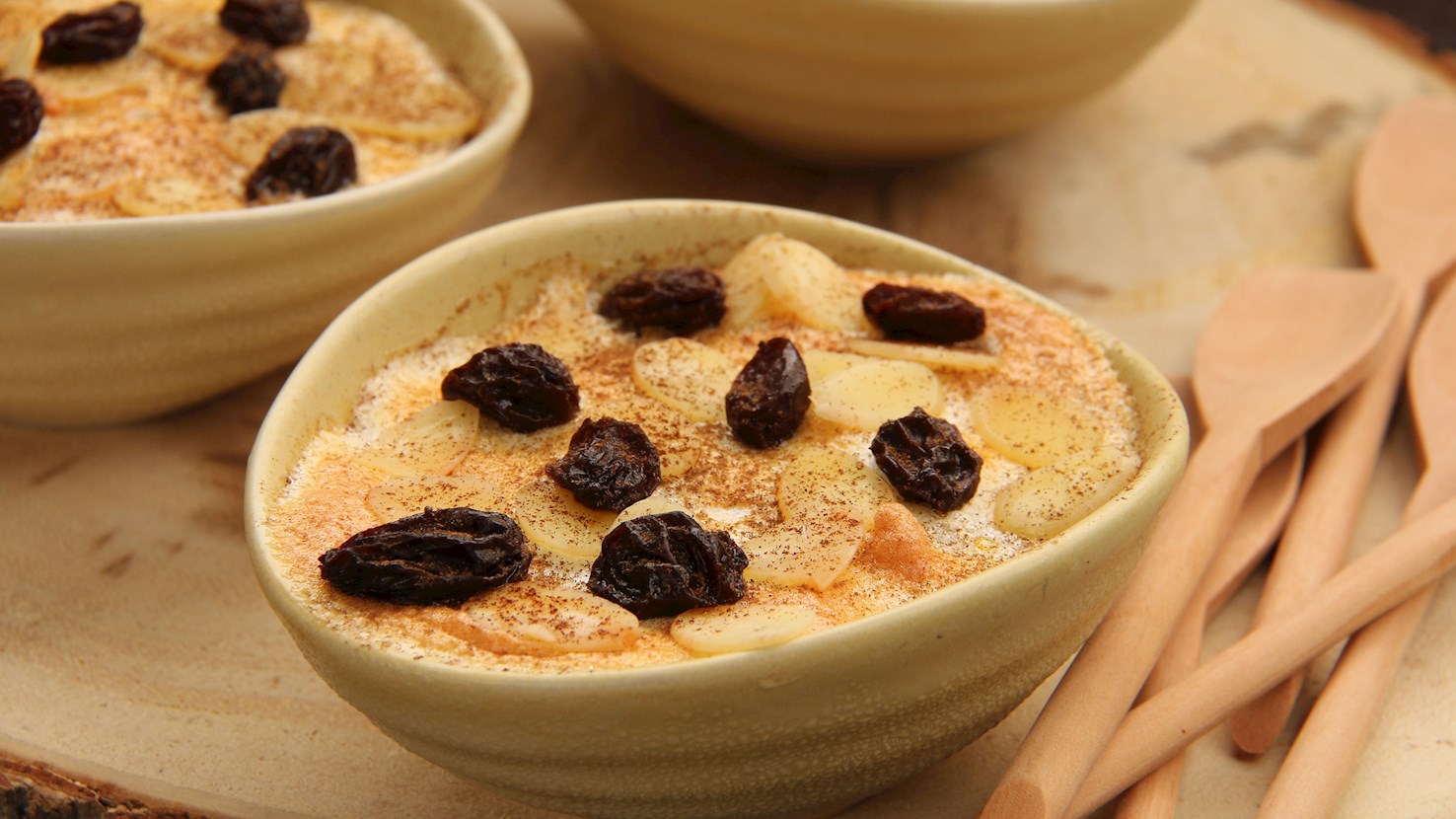
Klappertaart is a rich, custard-based dessert from Manado, the capital of North Sulawesi in Indonesia, that reflects the deep historical ties between Indonesian and Dutch culinary traditions. The name itself comes from the Dutch words “klapper” meaning coconut and “taart” meaning tart or cake, and this dessert perfectly captures that fusion, combining European-style baking techniques with tropical ingredients native to the Indonesian archipelago. At its core, klappertaart is a baked or chilled coconut custard made with young coconut flesh, milk, butter, sugar, eggs, and flour, often enhanced with a touch of rum or cinnamon and topped with raisins and almonds. The flavor is rich and aromatic, with a creamy texture offset by the slight chewiness of the tender coconut strips and the crunch of the toasted topping. Some versions are baked until golden and slightly set, resembling a soft pudding with a firm crust, while others are served chilled and unbaked, resulting in a lighter, mousse-like consistency. The dish is a hallmark of Manado’s unique culinary identity, which stands out in Indonesia for its openness to dairy, alcohol, and European techniques, an influence dating back to the Dutch colonial period when Manado became a strategic hub for spice trade and missionary activity. Klappertaart emerged from this cultural exchange, incorporating local ingredients like coconut and nutmeg into a distinctly European-style dessert. Over time, it became a cherished part of North Sulawesi's festive cuisine, often served during Christmas, birthdays, and other special occasions. Despite its Dutch heritage, klappertaart has been thoroughly localized. The use of young coconut, which provides both flavor and texture, is key to the dessert’s identity and distinguishes it from Western coconut pies or puddings. In Indonesia today, it is available not only in Manado but also in bakeries and restaurants across major cities like Jakarta and Surabaya, often packaged in foil cups and sold as an indulgent snack or dessert to go.

05
Meat Soup

Konro

3.2 ·

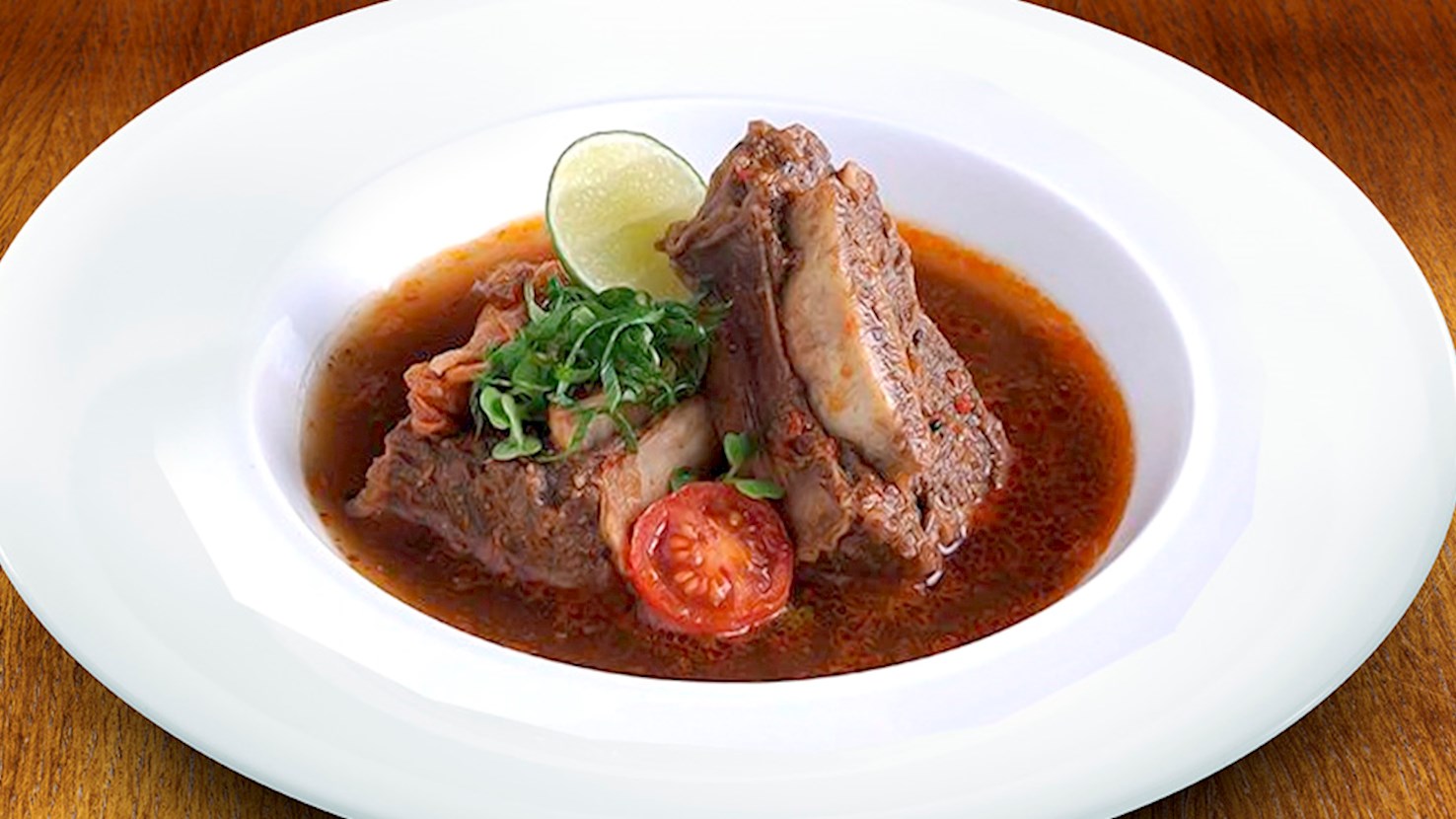
Konro is an Indonesian beef rib soup originating from the Bugis and Makassarese people of South Sulawesi, particularly centered in the port city of Makassar. Known for its deep, rich flavor and dark brown color, konro is made from meaty beef ribs simmered slowly in a broth infused with an aromatic blend of local spices and toasted coriander, kluwak (black nut), nutmeg, cinnamon, and tamarind. The result is a complex and hearty soup that embodies the bold and layered culinary style of Sulawesi’s coastal communities, where spices from the Indonesian archipelago have long been prized and widely used. Traditionally served as a festive or ceremonial dish, konro is both comforting and celebratory, often reserved for special gatherings or family feasts. The slow-cooked beef ribs become fall-off-the-bone tender, while the broth develops a savory, almost earthy depth with a subtle sweetness and a touch of acidity. Some versions of konro are served as a soup, while others, known as konro bakar, feature grilled or charred ribs brushed with the same spiced marinade, offering a smoky variation on the classic preparation. In both forms, it is typically enjoyed with steamed rice or ketupat (compressed rice cakes), and occasionally accompanied by sambal for added heat.

06
Savory Pastry

Panada

3.2 ·

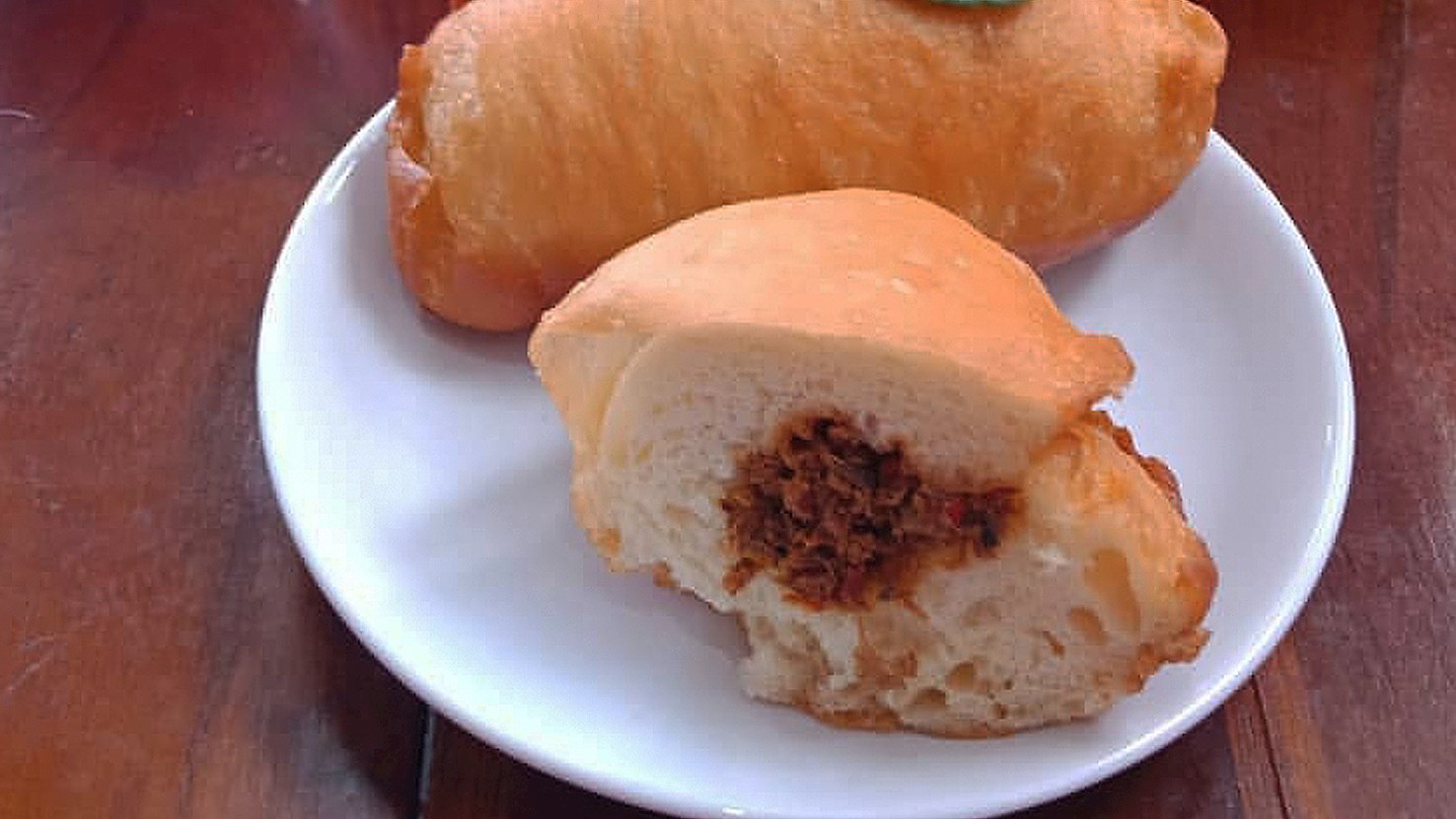
Panada is an interesting Indonesian take on Spanish and Latin American empanadas. These deep-fried, crescent-shaped pastries consist of leavened dough and a fish-based filling. The Indonesian version is traditionally filled with a combination of skipjack tuna, shallots, coconut milk, chili peppers, and other optional ingredients. The name of this convenient snack unmistakably resembles Spanish empanadas, small pies that originated in Galicia, but which have become a staple in Latin American countries. However, it is believed that the origin of panada was influenced by the Portuguese, who were present in the area since the 16th century. Regardless of its questionable background, panada has become a traditional Indonesian snack that is mostly associated with North Sulawesi and the city of Manado.

07
Offal Soup

Kaledo

n/a ·

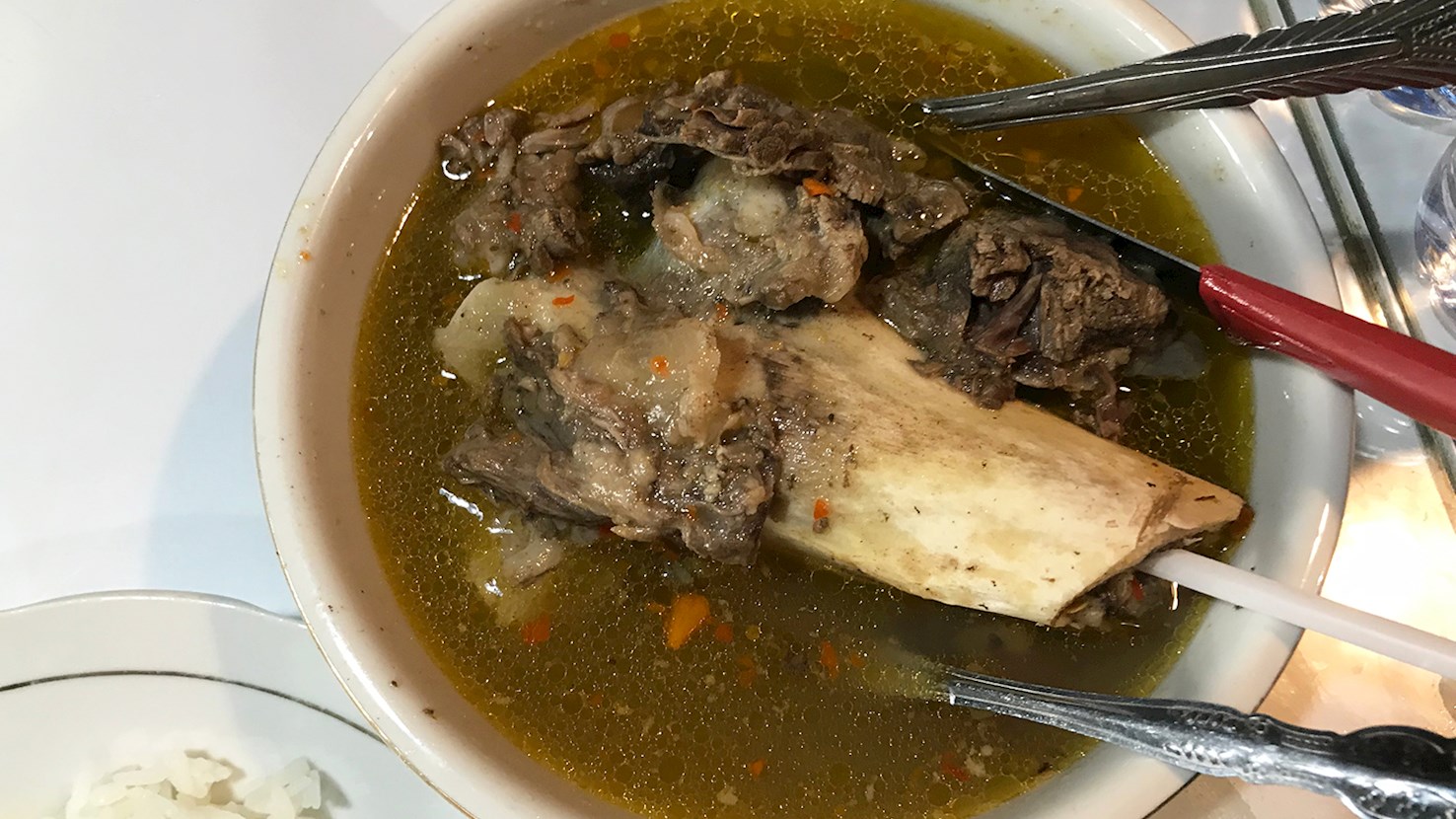
Kaledo is a spicy beef bone soup originating from the city of Palu in Central Sulawesi, Indonesia. The name is a local abbreviation of kaki lembu Donggala, which translates to “cow leg from Donggala,” referring to the key ingredient and the nearby regency where the dish is believed to have first gained popularity. Kaledo is considered one of the region’s most iconic culinary specialties and is widely recognized for its unique presentation, which features large cuts of beef leg bones served in a thin, tangy broth. The core of the dish is beef leg bones, often including marrow-filled segments, which are simmered for several hours to extract flavor and achieve a soft, gelatinous texture in the meat and connective tissues. The broth is relatively clear and light compared to other Indonesian meat soups, but it is deeply flavorful due to long boiling and the inclusion of aromatics such as lemongrass, garlic, shallots, and chilies. A significant aspect of kaledo’s flavor comes from the use of tamarind or lime juice, which gives the soup a sharp, sour element that cuts through the richness of the meat. Unlike more elaborate soups that rely on complex spice pastes or coconut milk, kaledo emphasizes purity of flavor, built around the natural taste of slow-cooked beef and bones. The seasoning is minimal, allowing the broth to remain clear and focused. The dish is usually served with steamed cassava rather than rice, distinguishing it from many other Indonesian soups and reflecting local agricultural preferences. Kaledo is typically eaten with a spoon and straw combination, where the spoon is used for the broth and meat, while the straw is provided to extract the rich bone marrow. This method of eating is both practical and central to the dish’s identity, highlighting the importance of the marrow as a prized component. The experience is casual and often communal, frequently enjoyed at roadside stalls or small local eateries in Palu.

08
Side Dish

Burasa

n/a ·

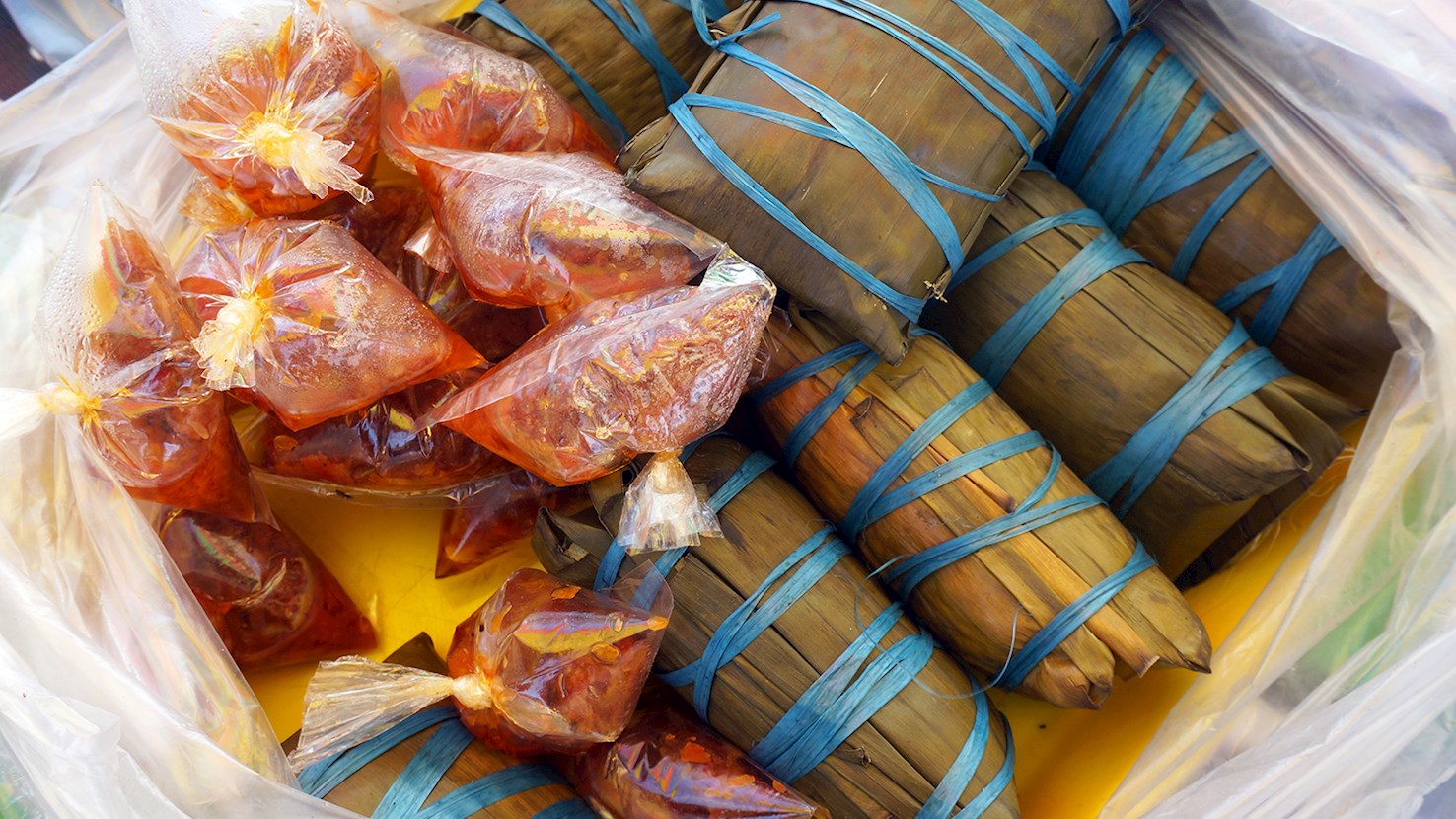
Burasa is a traditional rice cake hailing from the Bugis Muslim community in Makassar. The rice cake is made from rice that's cooked in coconut milk. It seems simple, but burasa is actually cooked twice, first in heavy coconut milk with a bit of salt until the rice absorbs all the liquid. It's then wrapped in banana leaves, shaped into rectangles, tied with a string and boiled for four more hours. The rice cake is a holiday dish and it's always prepared for Idul Fitri. It's served with beef, chicken, or fish, whether cooked in gravy or fried. In Makassar, it's typically served with ayam nasu lekku, a spicy chicken dish.

09
Meat Soup

Sop saudara

n/a ·

Sop saudara is a rich beef soup from South Sulawesi, Indonesia, particularly associated with the city of Makassar and its surrounding regions. The dish is often considered a close relative of coto Makassar, another iconic soup from the same area, but differs in its composition, seasoning, and presentation. The word saudara means “brother” or “relative” in Indonesian, and the dish is said to have been named as a gesture of camaraderie, emphasizing the close connection between the food, its sellers, and the community it serves. The main component of sop saudara is beef, often a mix of cuts including brisket, offal such as lungs or liver, and sometimes beef ribs. The meat is simmered in a fragrant, spiced broth made with garlic, shallots, coriander, lemongrass, galangal, cinnamon, and cloves, which together create a warm and layered flavor. The use of candlenuts adds body to the soup, and a small amount of ground turmeric or nutmeg may be added for color and depth. The broth is typically clear but dark and savory, with a mild heat that comes from chilies used either in the cooking process or served on the side as a sambal. What distinguishes sop saudara further is the inclusion of rice vermicelli and perkedel, a seasoned potato patty, served directly in the bowl along with the soup. Fried shallots and chopped scallions are sprinkled on top, adding aroma and texture. The soup is usually enjoyed with a side of steamed rice and sometimes complemented by grilled milkfish (ikan bandeng bakar), a common pairing in local eateries. A squeeze of lime and chili sauce are often added at the table according to personal taste. Sop saudara was first popularized in the 1950s by a vendor in Makassar and has since become one of the most well-known meat soups in Sulawesi. It is served in homes, roadside stalls, and casual restaurants, especially in South Sulawesi’s urban centers.

10
Game Dish

Paniki

2.2 ·

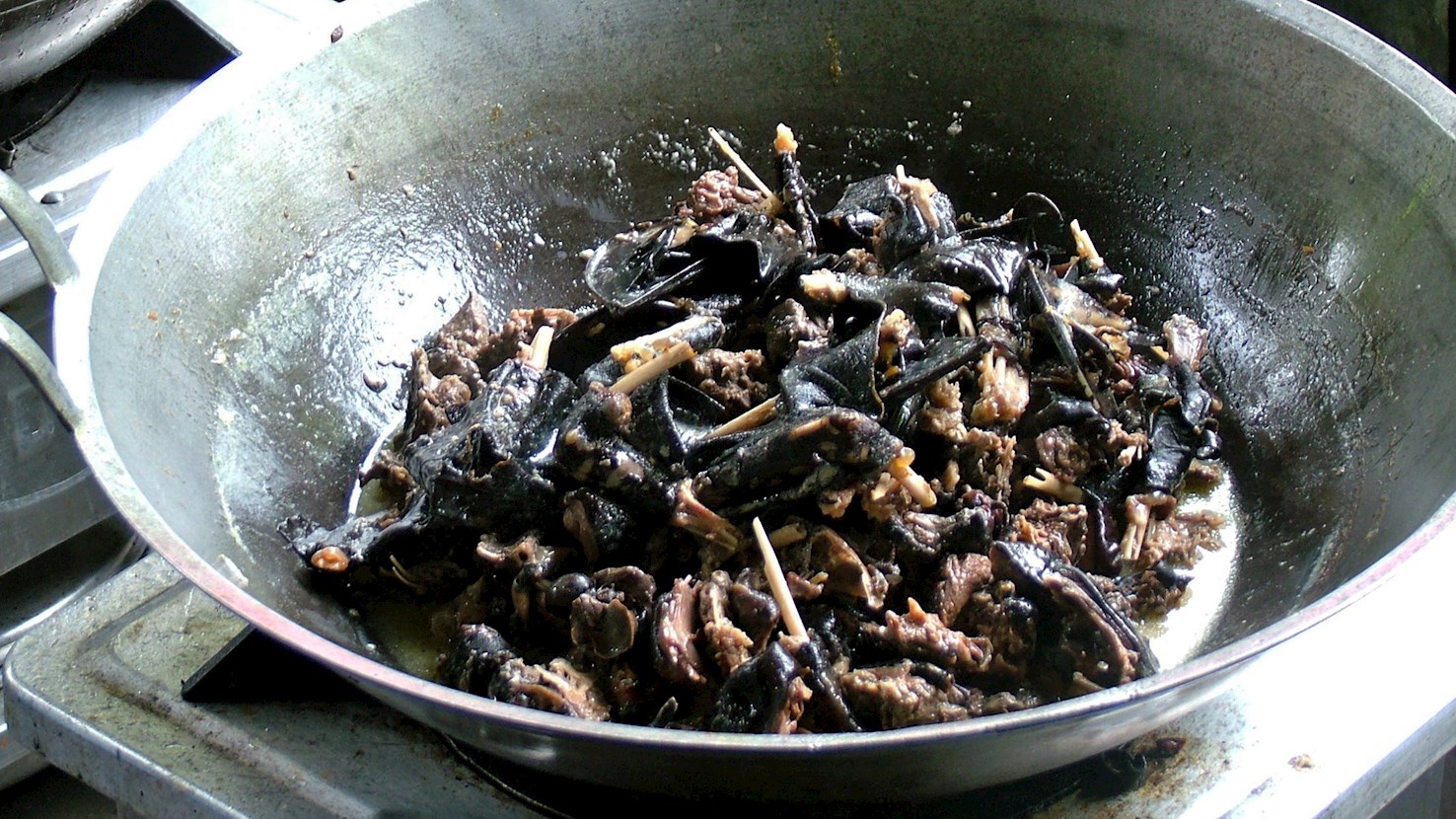
Traditionally made by the native Minahasan people and hailing from North Sulawesi, this Indonesian dish employs fruit bat as the main ingredient. Though bats are often fried or grilled, the most popular way is to incorporate them into paniki, the traditional soup-like dish. The usual procedure starts with grilling the bat to remove all the hairs covering its body. The bat is then cleaned, its intestines are removed, and it is cut into smaller chunks and boiled in water. The dish is finished off with the addition of fried onions, garlic, ginger, leeks, curry leaves, lemongrass, and coconut milk. Paniki is typically served accompanied by white rice.

Read more
View all
View map
About this ranking

TasteAtlas food rankings are based on the ratings of the TasteAtlas audience, with a series of mechanisms that recognize real users and that ignore bot, nationalist or local patriotic ratings, and give additional value to the ratings of users that the system recognizes as knowledgeable. For the “Top 13 Sulawesi Foods” list until July 22, 2026, 264 ratings were recorded, of which 132 were recognized by the system as legitimate. TasteAtlas Rankings should not be seen as the final global conclusion about food. Their purpose is to promote excellent local foods, instill pride in traditional dishes, and arouse curiosity about dishes you haven’t tried.

The initial list of top producers was compiled based on available reviews, awards, local recommendations, media and blog coverage, and consumer reviews. The list will be updated with ratings from TasteAtlas local ambassadors and TasteAtlas users.

Similar lists